
Shop Parts by Category
Pick a category to narrow your truck down, or scroll to browse every part that fits.


















Filters
693 products





Not sure it fits your truck?
Our Wildwood, FL techs will confirm the right part for your build before you buy.
Call or Text (352) 722-5295The 2017-2019 Ford 6.7L Powerstroke at a glance
2017 brought the first all-new Super Duty since 1999: a fully boxed frame, an aluminum cab and bed, and stronger axles, driveshafts, transfer case and hitch hardware. The engine carried over from 2015-2016 with a revised turbo oil line and pedestal. It is Ford's own 90-degree V8 with a compacted graphite iron block, aluminum reverse-flow heads that put the exhaust manifolds and the Garrett GT3788V variable-geometry turbo in the valley, and aluminum pistons. Pickups make 440 hp and 925 lb-ft for 2017 and 450 hp and 935 lb-ft for 2018-2019. F-350, F-450 and F-550 chassis cabs run a 330 hp, 750 lb-ft rating with a different turbo. Every truck uses the 6R140 TorqShift six-speed automatic and carries the full factory aftertreatment with DEF. Cooling runs on two separate loops, each with its own radiator, degas bottle and thermostat; the secondary loop cools the engine-mounted air-to-water charge air cooler, the fuel cooler and the transmission cooler. For other years, start at our Powerstroke page.
What fails and why
The CP4.2 pump. Its internal cam follower can lose contact with the cam lobe on low-lubricity ULSD and wear, sending metal into the rails, injectors and lines. Warning signs are long cranking (worse when warm), P0087 or P0088 rail-pressure codes, rough idle, power loss, knocking from the front of the engine and metallic glitter in the fuel filters. There is no fixed failure mileage. When it goes, it is rarely a pump-only job: the repair replaces the fuel pump, the injection pump, all eight injectors and every fuel line, and the tank gets pulled and cleaned. Before you condemn the pump on a hard hot start, rule out a fuel leak, lost prime or bad fuel.
Fuel in the oil. Post-injection fuel from active DPF regeneration washes past the rings into the crankcase. Trucks that idle a lot or run short stop-and-go trips see the oil level climb, because regen only finishes above roughly 35 mph.
The CCV separator. The crankcase vent separator on the driver-side valve cover loads up with oil mist and restricts. That raises crankcase pressure and pushes oil into the turbo inlet and charge air cooler, so an oily intake hose on this engine usually points to the CCV, not a bad turbo seal.
Exhaust manifolds. The factory cast manifolds crack from heat cycling, mostly on high-mile and hard-worked trucks. Listen for an exhaust tick on a cold start and look for soot streaks at the flanges or broken studs.
Cooling. The two plastic degas tanks turn brittle with heat cycles and crack or weep at the seams, so you chase a slow coolant loss and a low-coolant warning. The air-to-water intercooler can leak coolant internally into the intake, which shows up as coolant loss with no outside leak and white steam from the exhaust. The fan clutch can stick or bind and sets no trouble code; you catch it by comparing actual and desired fan speed on a scan tool.
Intake and transmission. The plastic cold-side intercooler pipe can break, with a sudden boost loss, a loud hiss and limp mode. The 6R140 is durable at stock power, but sustained grade towing brings heat, and the stock liquid-to-liquid cooler is compact. Converter shudder, worn valve-body bores and sticky solenoids show up on high-mile and heavily loaded trucks.
The front end. 4x4 F-250 and F-350 trucks and all F-450 and F-550s can develop a violent steering-wheel shake after a bump above about 45 mph. Ford's 20N04 program answers it with a redesigned steering linkage damper.
Stock replacement vs. upgrade
For a truck that works for a living, OE-grade parts and a strict maintenance routine come first. The 2017-2021 FD-4625AA kit covers both the frame-mounted primary filter and water separator and the engine-mounted secondary filter; changing it every 15,000-22,500 miles and draining the separator is the most effective care this fuel system gets. Run a lubricity and cetane additive in every tank, because domestic ULSD can fall short of what the CP4.2 needs. The engine holds 13 quarts of oil with the filter, to Ford spec WSS-M2C171-F1.
Upgrade where the factory part is the weak link. BD Diesel's 1043008 manifold kit is high-silicon ductile iron with walls about 75% thicker than stock and longer studs, and it carries CARB EO D-553-17, so it is legal in all 50 states. Mishimoto's aluminum degas tank kit swaps both plastic bottles for welded aluminum tanks with sight glasses and baffles. If you tow on grades, an auxiliary transmission cooler plumbed in series with the stock cooler adds the capacity the compact factory unit lacks. For a wobbling front end, owners report that a new damper alone can be a band-aid when the real cause is worn ball joints, tie-rod ends or a worn track bar, or caster out of spec, so inspect the whole front end and get an alignment before you buy parts.
What we carry
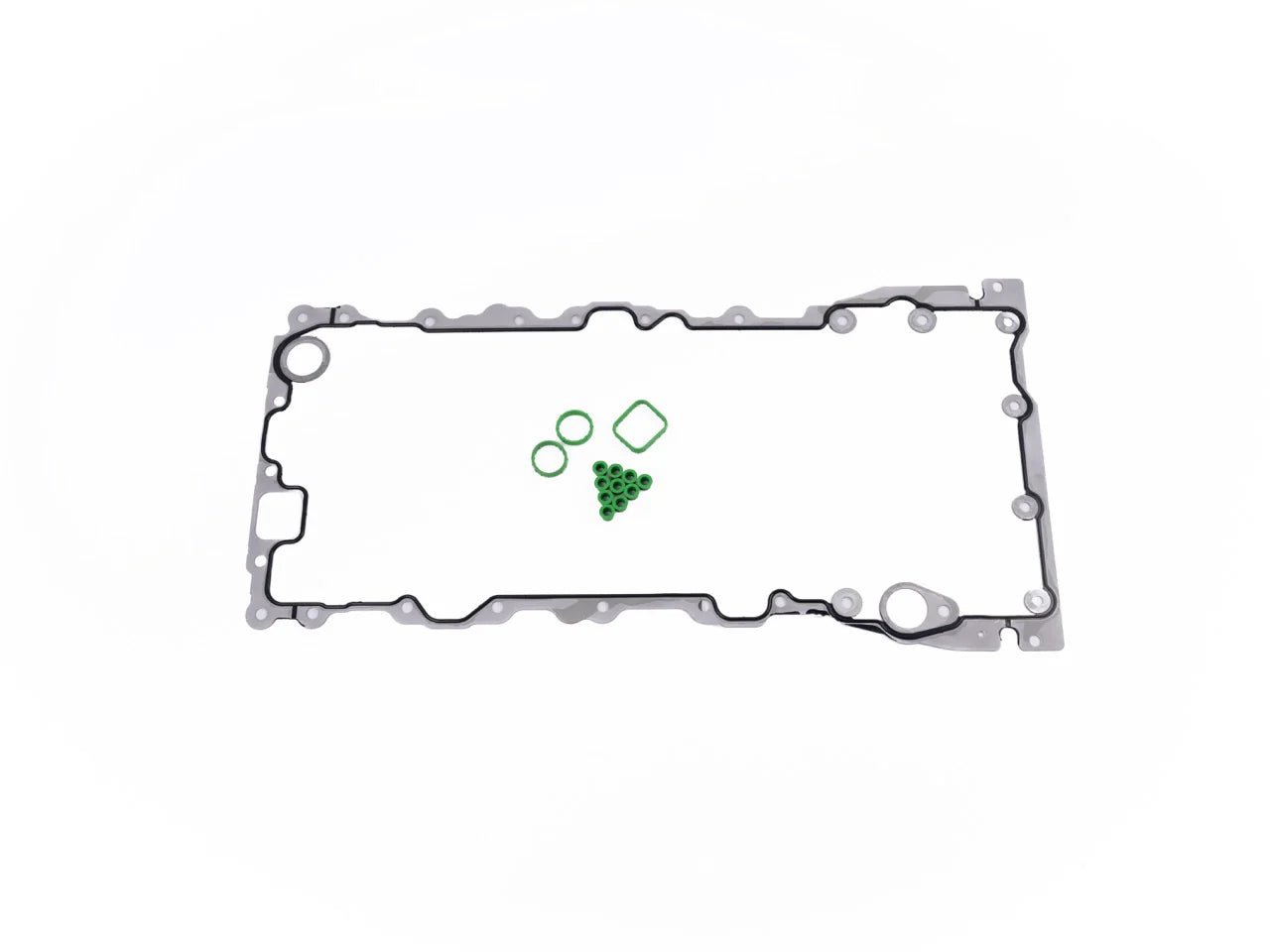
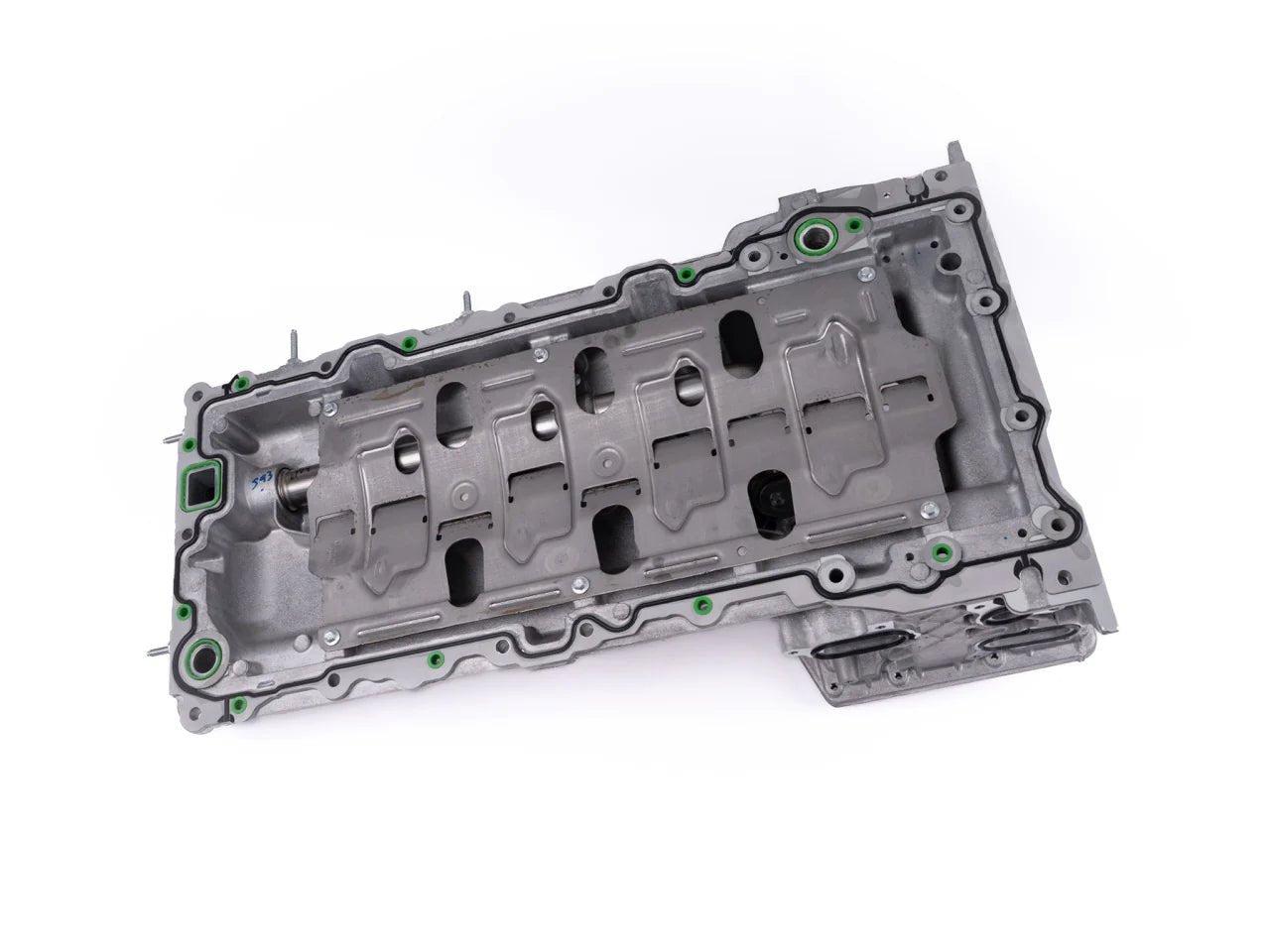
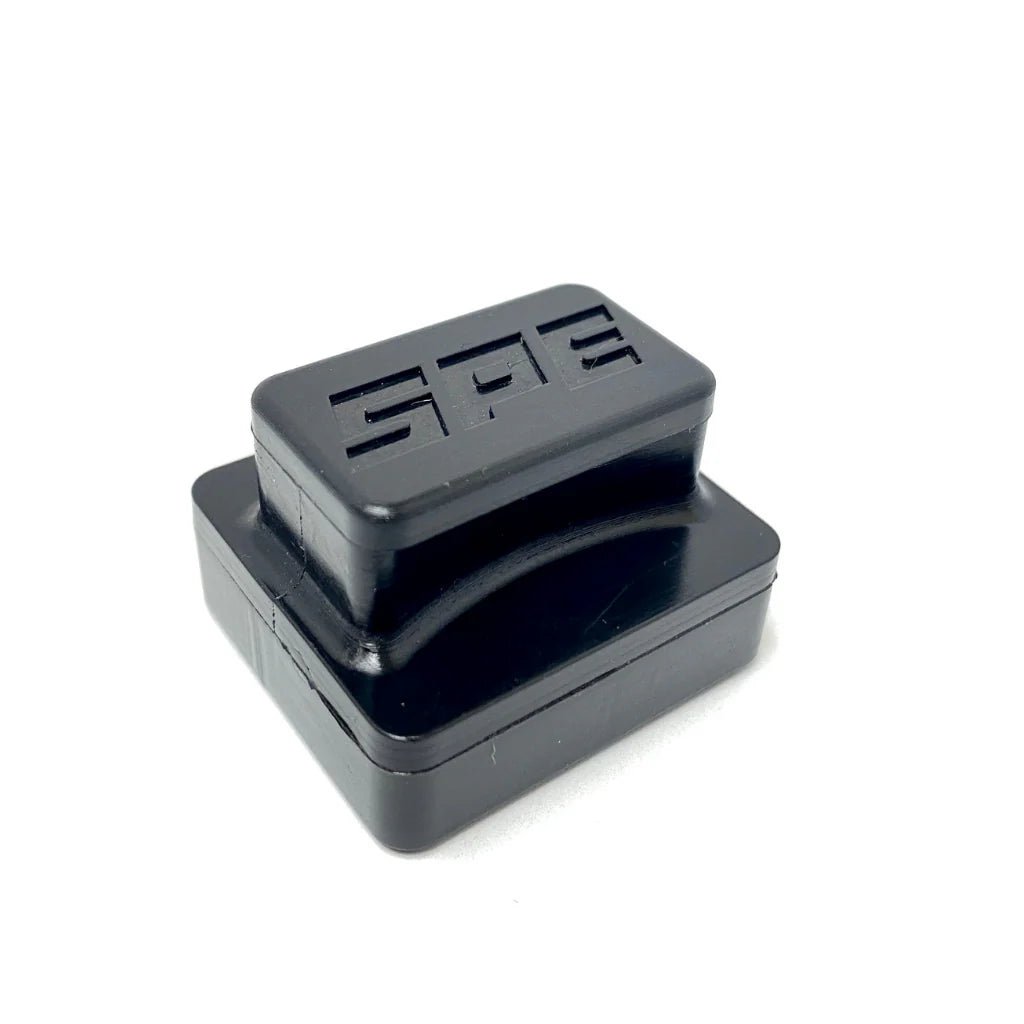
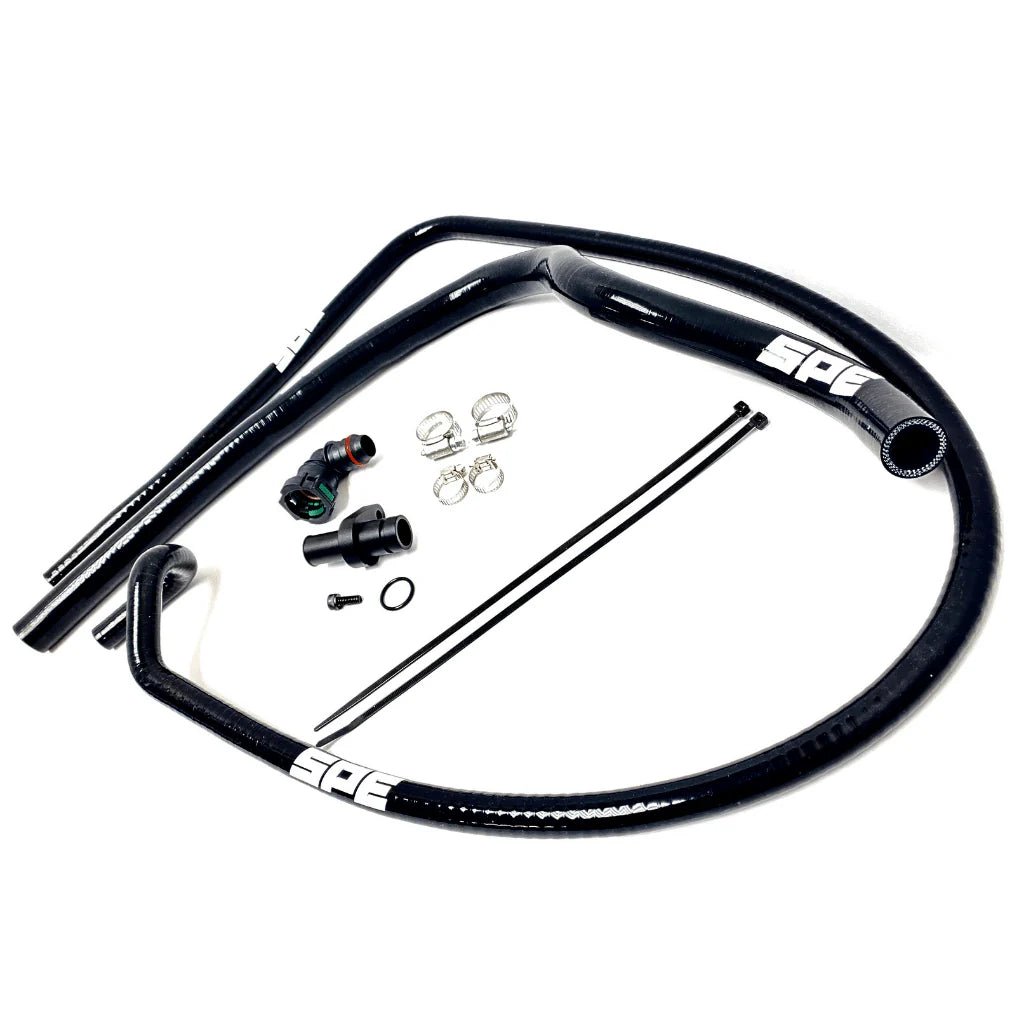
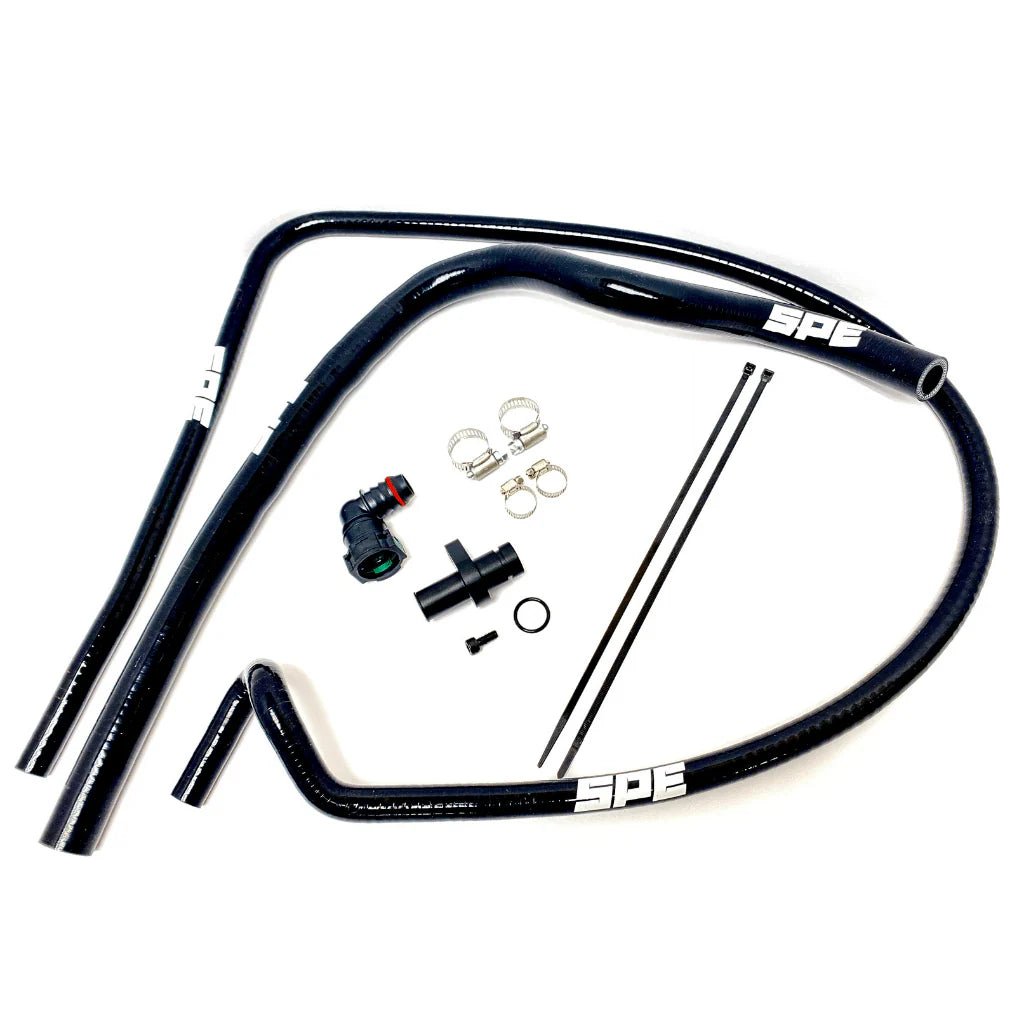
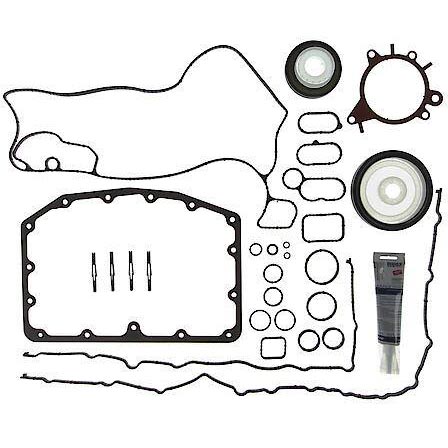
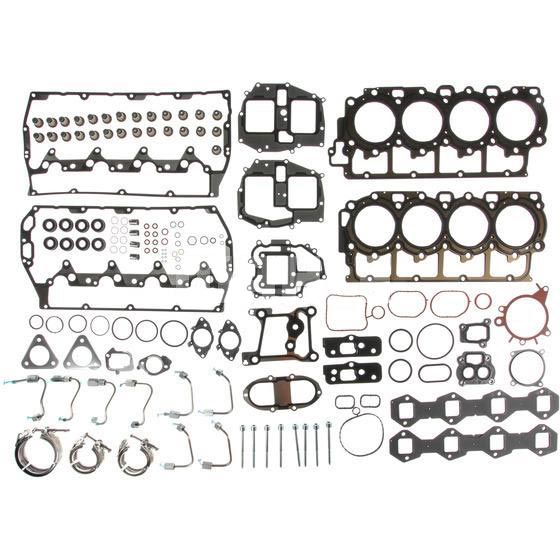
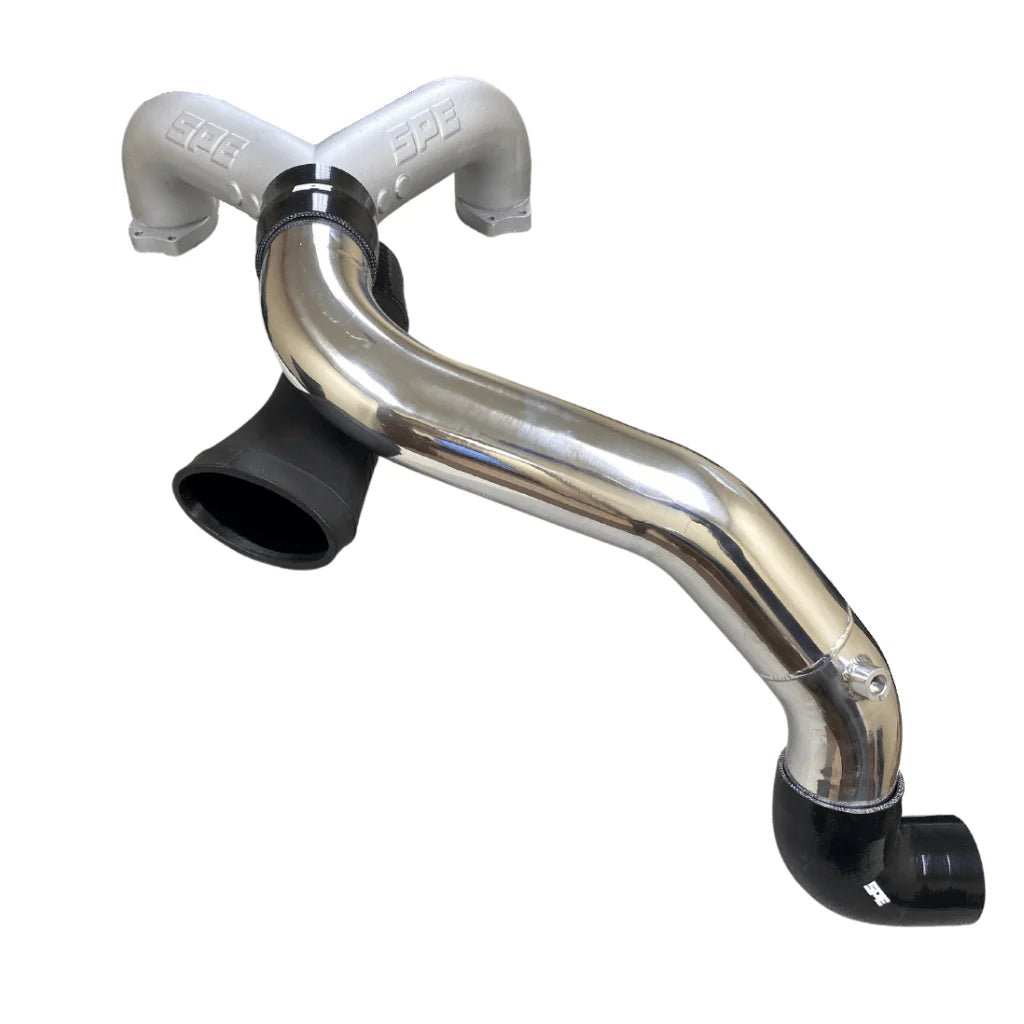
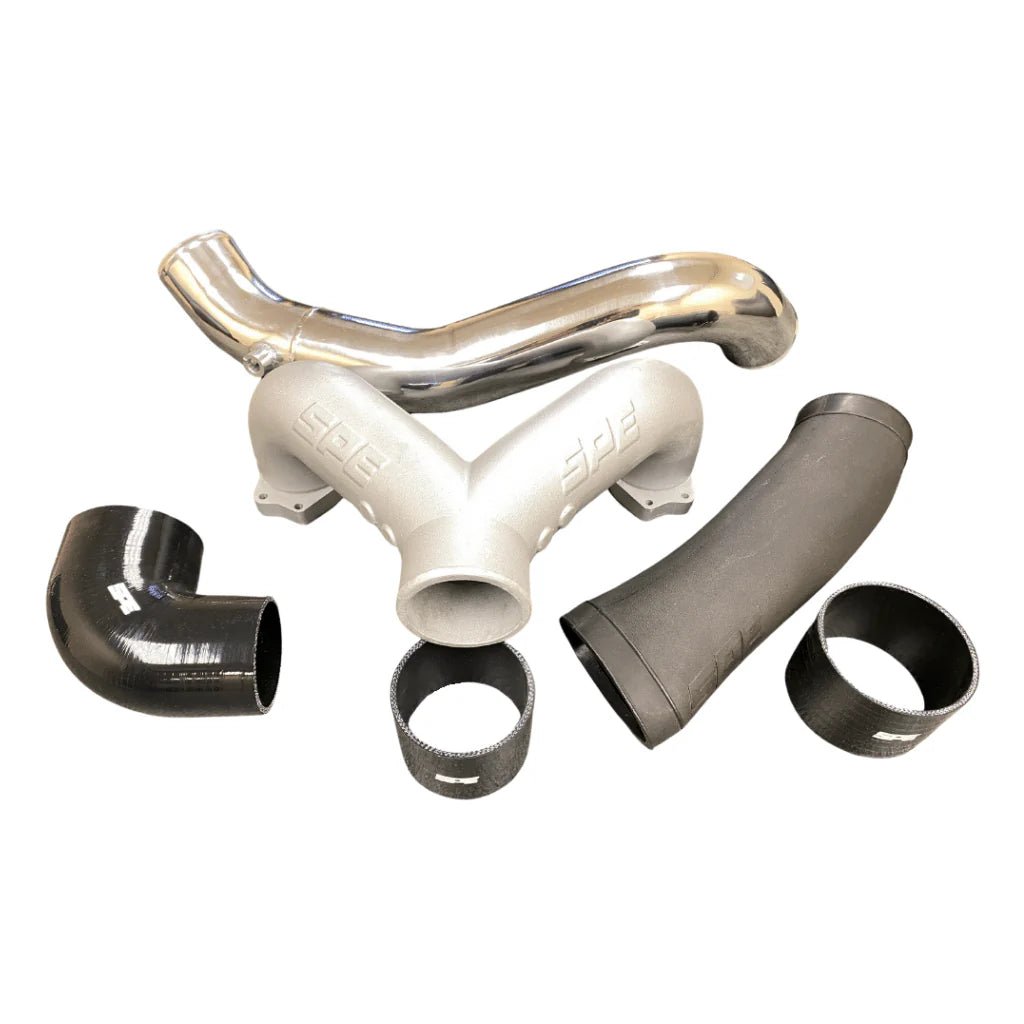
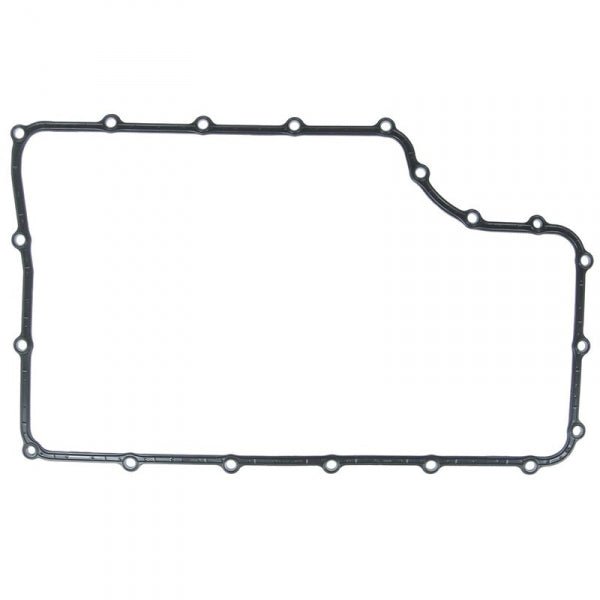
SPE Motorsport fills a large part of this grid with 6.7L-specific hard parts: an upper oil pan gasket, a coolant hose reroute kit, a low-temp, high-flow thermostat, degas and cold-side replacement hoses, a 6R140 transmission cooler, solenoid body and line kit, a billet drain plug, an intake piping kit and the Disaster Prevention 2.0 kit built for 2017-2019 trucks. Mahle covers the gasket side, with head sets and lower engine gasket sets for 2015-2019 engines and a 6R140 pan gasket.
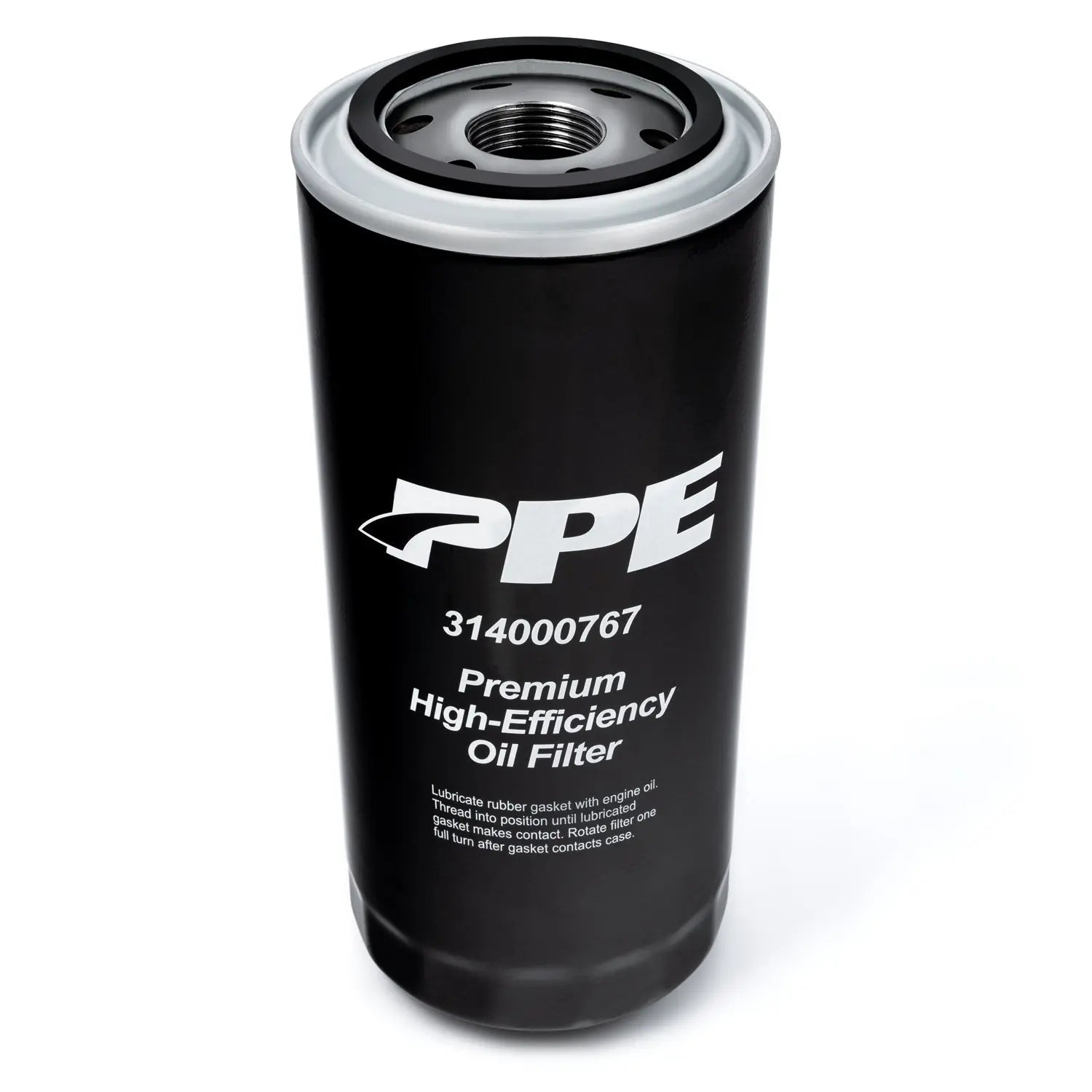
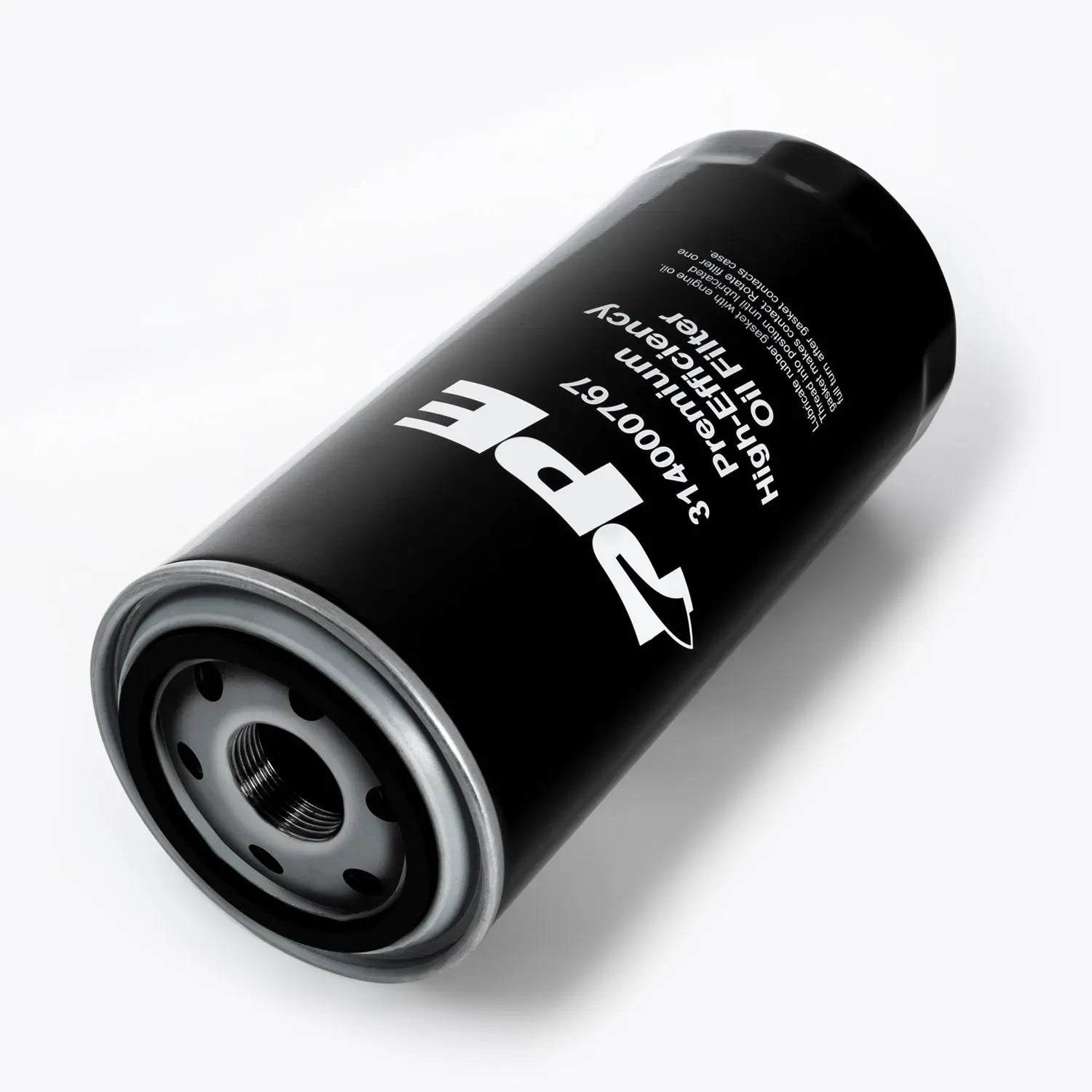
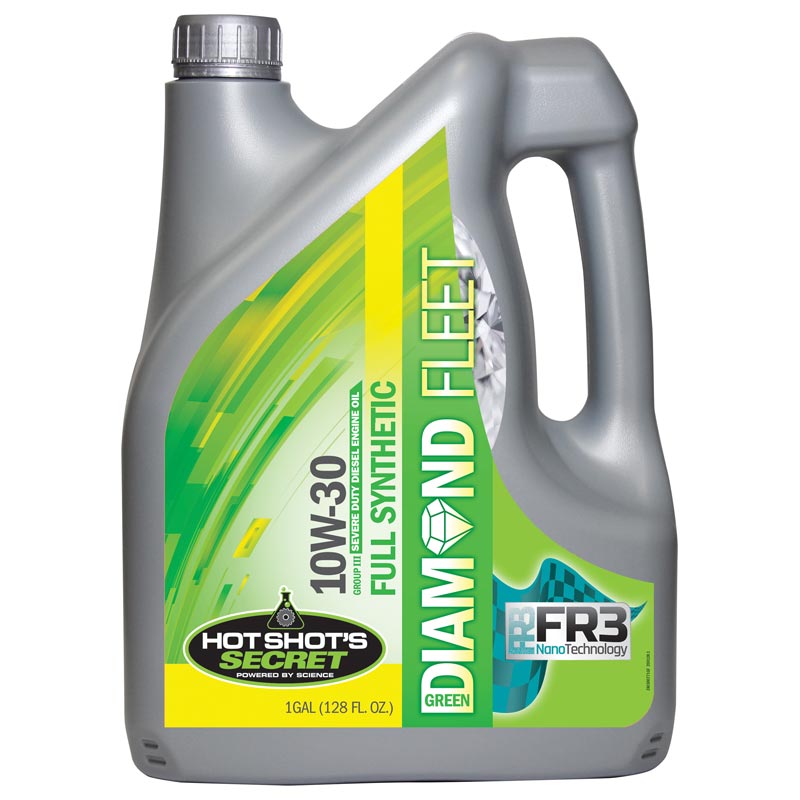
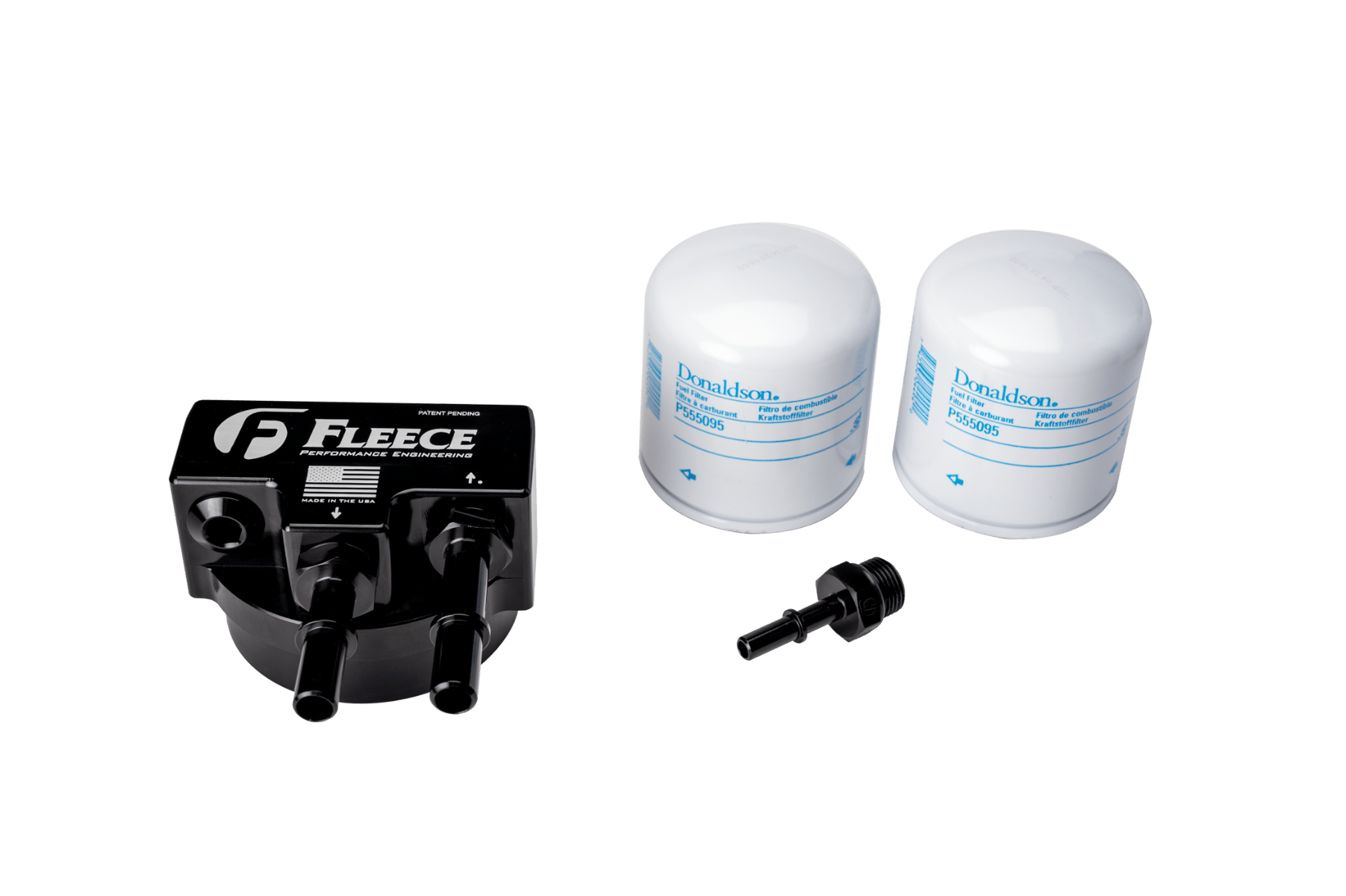
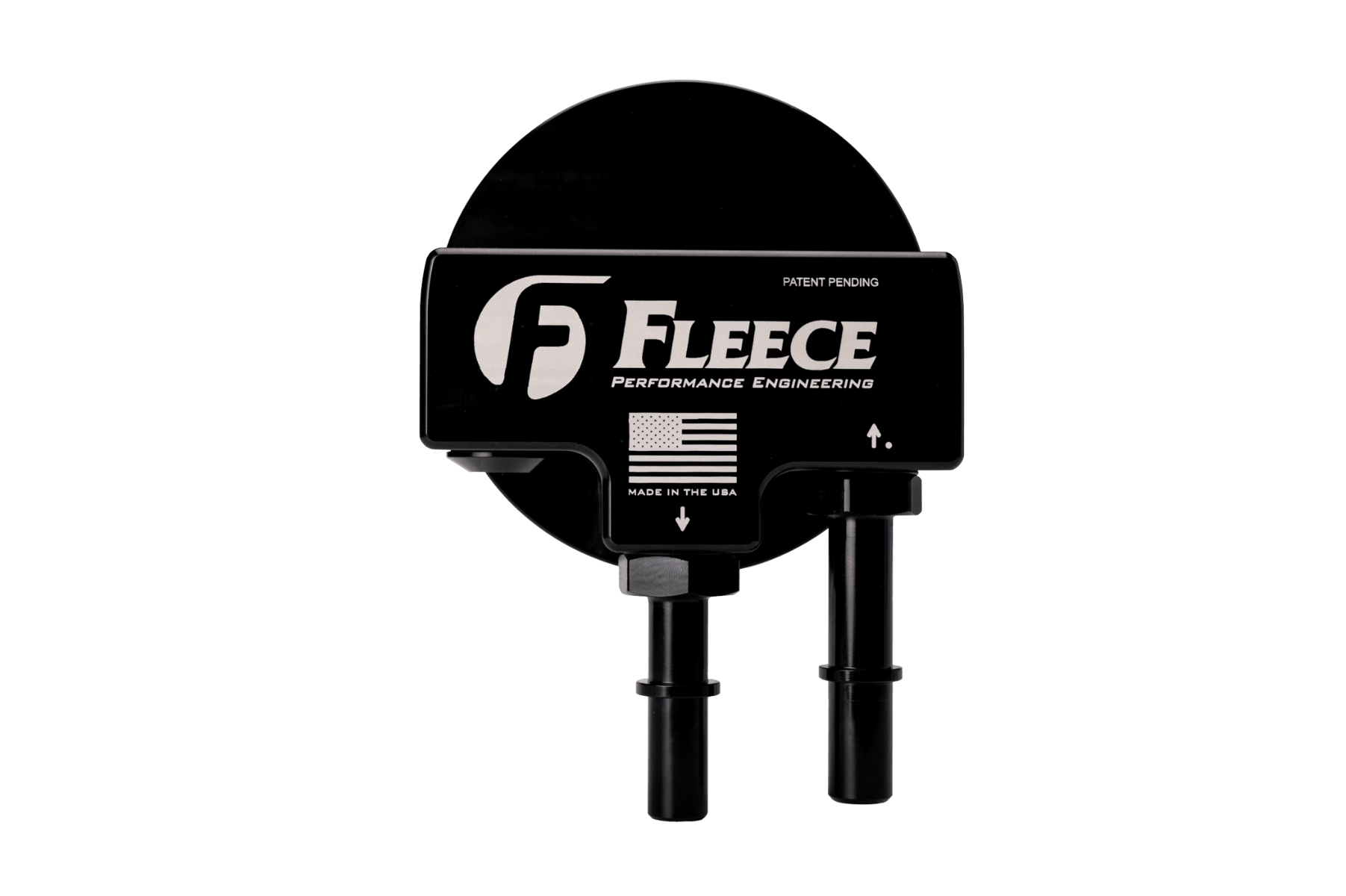
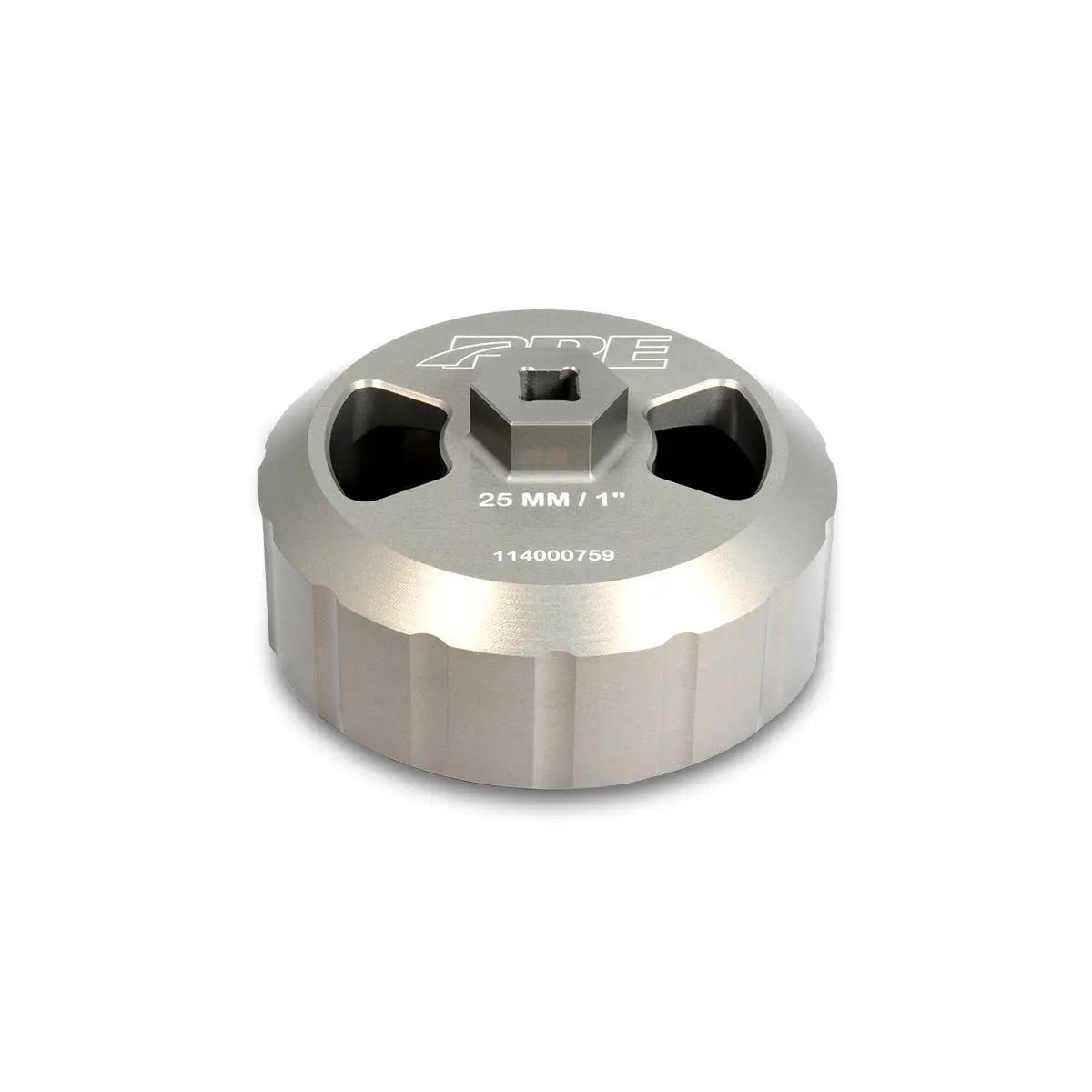
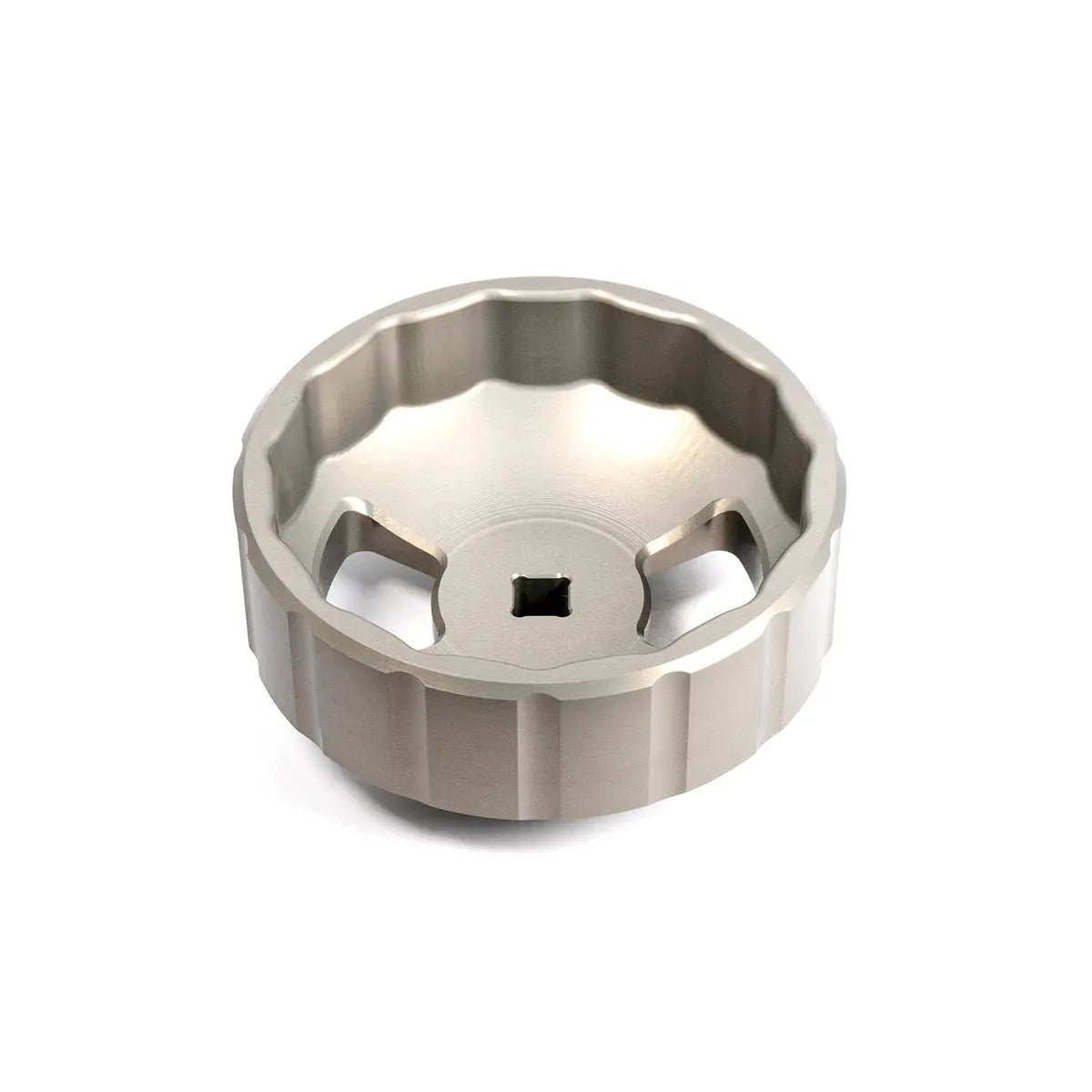
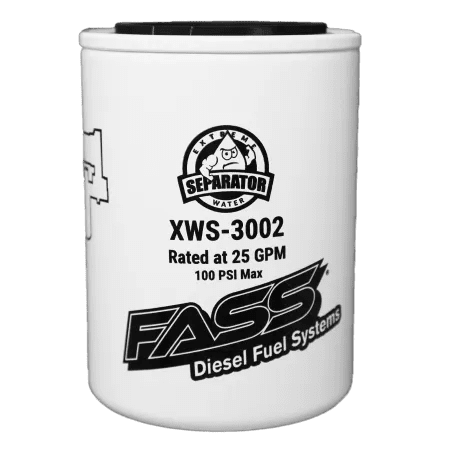
For fluids and filtration there is Hot Shot's Secret Green Diamond CK-4 oil in 10W-30 and 15W-40, plus its Diesel Extreme and Everyday Diesel Treatment fuel additives, along with Lucas Oil, PPE MicroPure oil filters and a billet filter socket, a Fleece Performance Engineering engine-mounted filter assembly and a FASS extreme water separator filter. More treatments live on our fuel additives page.
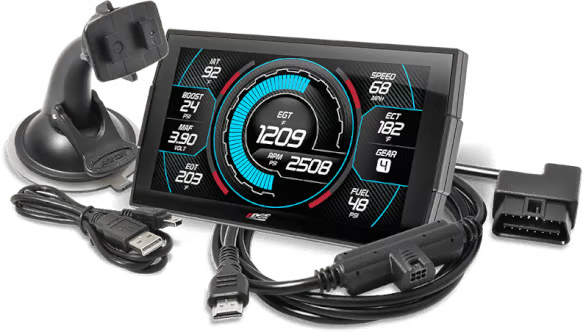
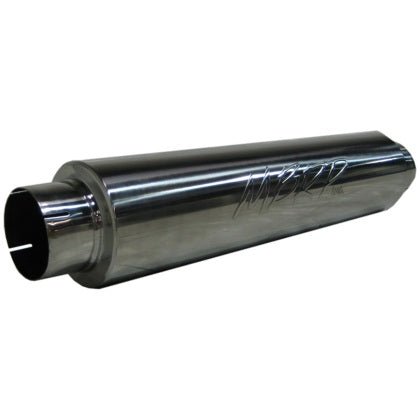
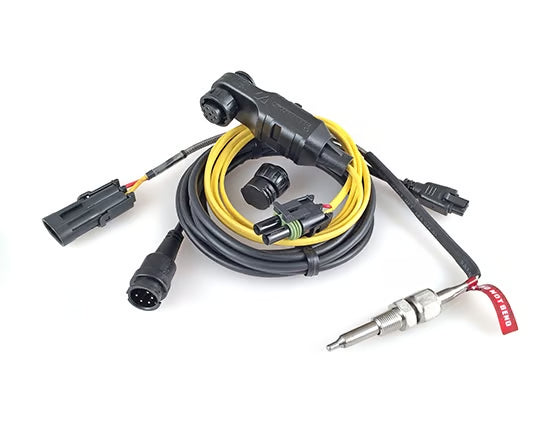
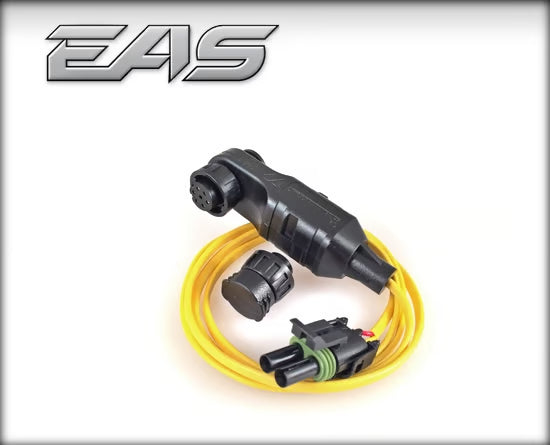
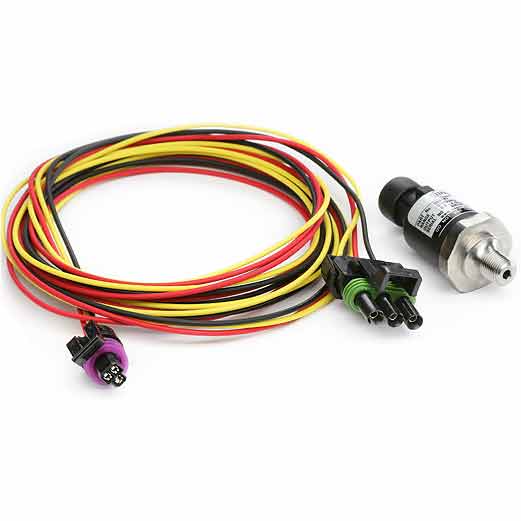
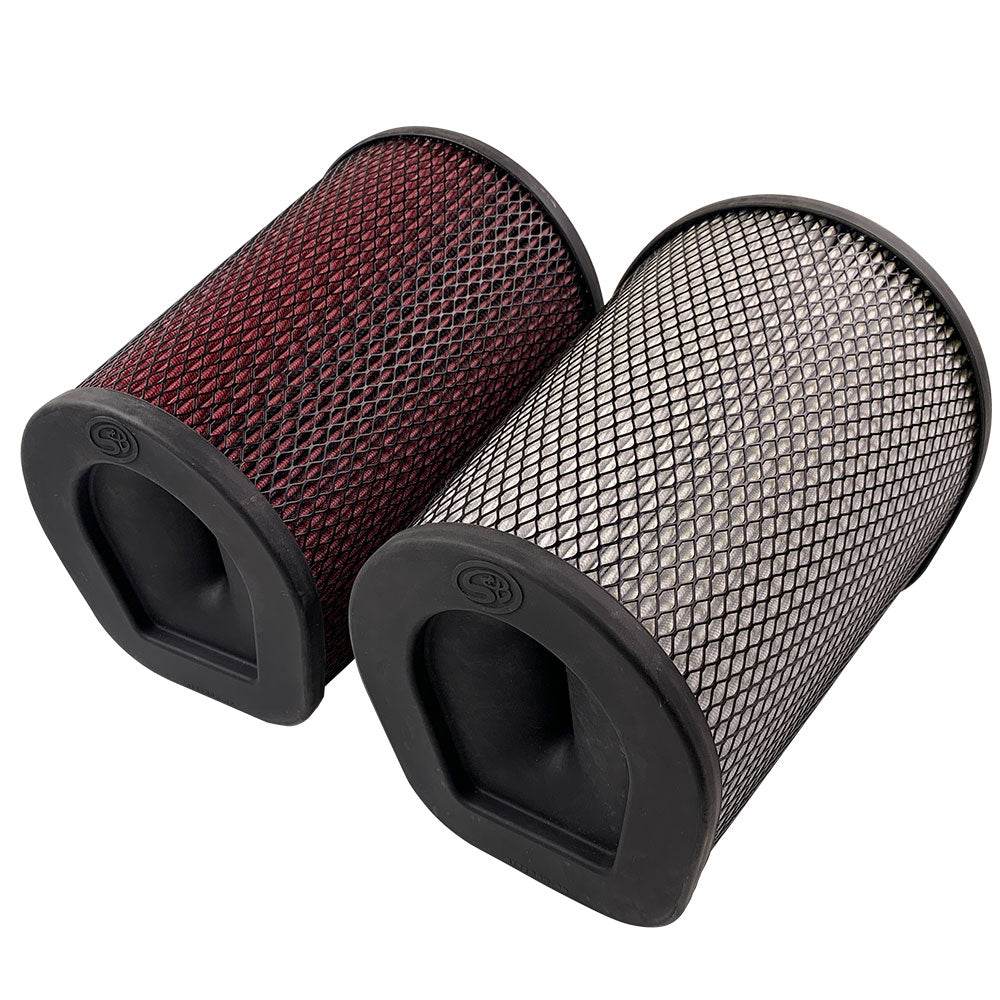
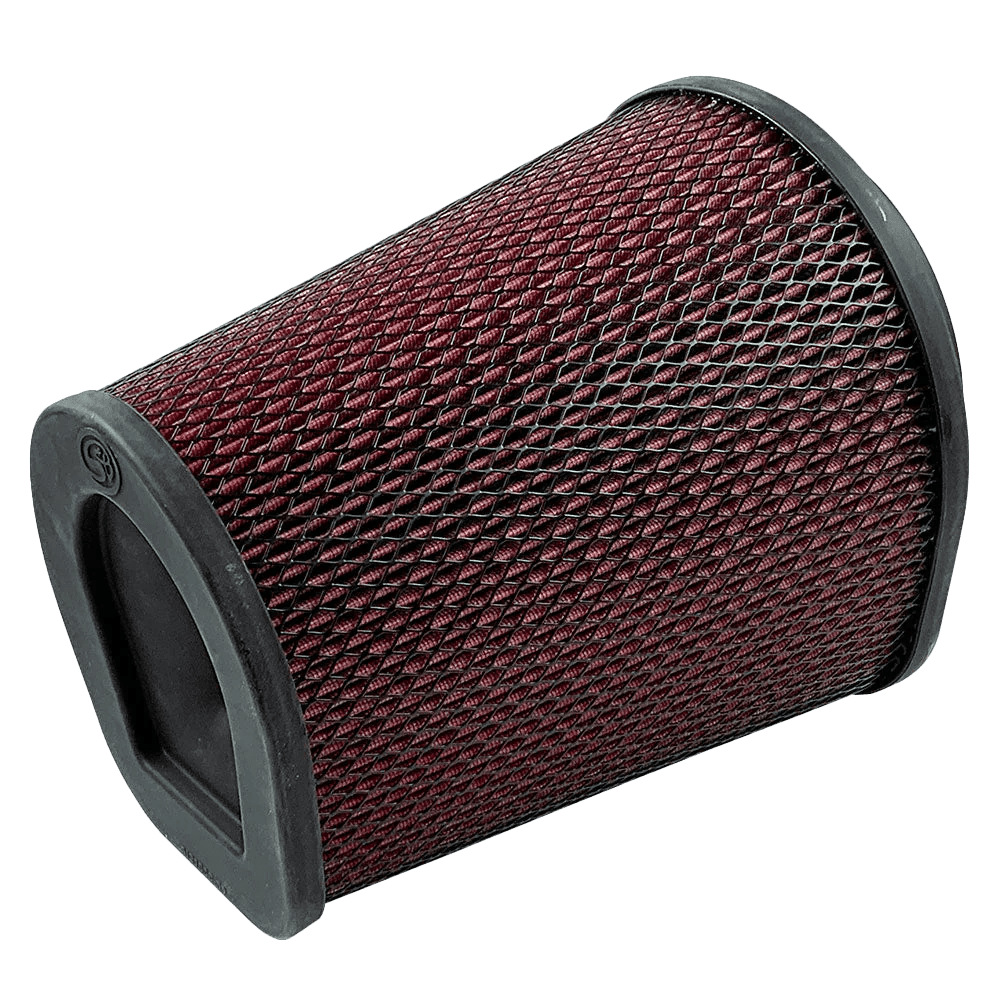
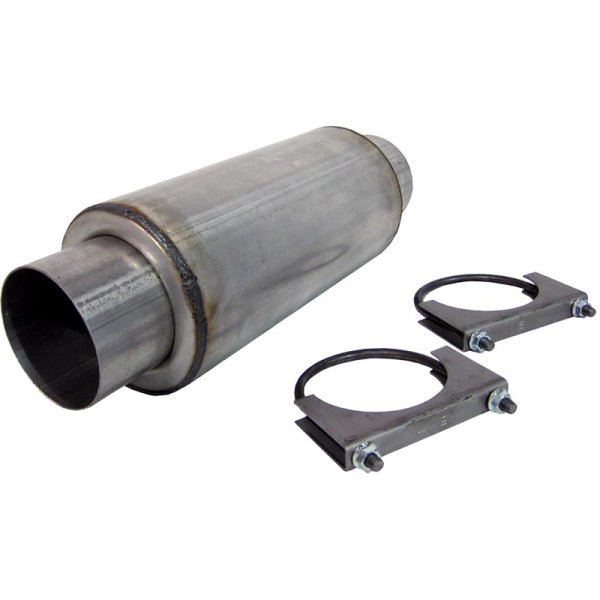
Mishimoto adds more cooling-system parts. S&B supplies a replacement air filter and a cold-side intercooler pipe, and our intakes page has more. MBRP universal 409 stainless mufflers and diesel resonators sit alongside the rest of our exhaust parts, and parts from BD Diesel, Exergy Performance and XDP round out the list. Edge Products Insight CTS3 monitors and EAS EGT and pressure sensor kits keep the numbers in view. For towing and stance you'll find Air Lift air springs, BDS Suspension lift kits, differential covers and trailer hitch parts; our hitches page has the rest.
Fitment notes
Model year is the first split. Ford changed the pistons, rods, crank, injection pressure, lift pump location, turbo and transmission for 2020, so 2020-and-later engine, fuel and transmission parts do not drop into a 2017-2019 truck. Near the changeover, go by build date. Inside the 2017-2019 run, check these before you order:
- Pickup or chassis cab. Chassis cabs use a ball-bearing GT3582V turbo, their own calibration and different exhaust routing.
- Fuel filters. FD-4625AA is the 2017-2021 kit; the 2011-2016 FD-4615 housings are different. Lift pump and DFCM parts are 2011-2019 only, since 2020 moved the pump into the tank.
- Fan clutch. YB3189 fits trucks built before 7/9/2018 and YB3246 fits 2019 trucks built after; read the build date on the door label.
- Belts. Single- and dual-alternator trucks use different belts and routing.
- Cooling. Two radiators, two degas bottles and two thermostats; order by loop, primary or secondary.
- Rear axle. It could be a Sterling 10.50, Dana M275 or Dana M300. Read the axle tag before ordering a differential cover, gears or fluid.
- Suspension. Air Lift 57399 is the 2017-2019 kit and 57396 is 2011-2016; they do not swap. BDS builds diesel-specific kits because front spring rates differ from gas trucks.
- Hitches. Look for the five factory pucks in the bed. Prep-package trucks take puck-mount hitches; trucks without the package need an under-bed rail kit.
- California. Some CARB EO numbers cover only certain years or models, so confirm the EO matches your exact truck.
When in doubt, verify by VIN. We are glad to check fitment with you by phone.
Frequently asked questions
Does my 2017-2019 6.7L Powerstroke have the CP4.2 pump?
Yes. Every 6.7L Powerstroke since 2011 uses the Bosch CP4.2, and 2017-2019 trucks are no exception. There is no fixed failure mileage, so your defense is maintenance: change the FD-4625AA filters on schedule, drain the water separator and run a lubricity additive in every tank. If you find glitter in a filter or get P0087/P0088 with long warm cranking, have the fuel system checked right away, because a failure sends metal through everything downstream.
Why does the oil level keep rising on my F-250?
That is usually fuel dilution. Active DPF regeneration uses post-injection fuel, and some of it gets past the rings into the crankcase, which also leaves the oil smelling like diesel. It is worst on trucks that idle a lot or make short stop-and-go trips, because regen needs sustained driving above roughly 35 mph to finish.
Will 2020 and newer parts fit my 2019 Super Duty?
Engine, fuel and transmission parts mostly will not. The 2020 truck got forged steel pistons, a new crank, higher injection pressure, an in-tank lift pump and the 10R140 ten-speed. Grille, headlamp and bumper parts changed with the 2020 refresh too. Cab, door and frame-mounted parts generally run 2017-2022, but check each listing.
What transmission fluid does the 6R140 take?
Mercon LV. The 10R140 ten-speed that replaced it in 2020 uses Mercon ULV, and the two should not be crossed. If you tow heavy, watch transmission temperature on long grades; heat is the 6R140's recurring complaint under that kind of load, and an auxiliary cooler is worth considering.
My F-350 shakes hard after a bump on the highway. What is it?
That is the steering oscillation owners call death wobble. On 4x4 F-250/F-350 trucks and F-450/F-550s, Ford's 20N04 program replaces the steering linkage damper with a redesigned unit and extends its coverage to 7 years or 100,000 miles, so start with a Ford dealer. 4x2 trucks are not in the program. If the shake comes back, have the ball joints, tie-rod ends, track bar and alignment checked, since many owners report a damper alone does not cure worn parts.
How often should the CCV separator be serviced?
Every 30,000-40,000 miles is the common recommendation. A loaded separator pushes oil mist into the turbo inlet and charge air cooler, adds ash to the DPF and can cost you 1-2 mpg. If you find oil in the intake hose, check the CCV before you blame the turbo.
Not sure what fits your F-250, F-350 or F-450? Call the shop at the number in the header, or use the fitment checker on any product page. We install everything we sell at our shop in Wildwood, FL.