
Shop Parts by Category
Pick a category to narrow your truck down, or scroll to browse every part that fits.

















Filters
746 products



Not sure it fits your truck?
Our Wildwood, FL techs will confirm the right part for your build before you buy.
Call or Text (352) 722-5295The 6.7L Cummins in the 2007.5-2009 Ram 2500 and 3500
Mid-2007 the 5.9L common-rail stepped aside for the 6.7L ISB. Pickups were rated 350 hp and 650 lb-ft with the new Chrysler 68RFE six-speed automatic, 350 and 610 with the Mercedes G56 six-speed manual; the 3500 chassis cab came in at 305 and 610 behind an Aisin AS68RC. The engine is a cast-iron inline-six, cam-in-block with four valves per cylinder and 17.2:1 compression, fed by a gear-driven Bosch CP3 and six solenoid injectors at rail pressure near 26,000 psi. Behind the head is where the generation really changed: cooled EGR, a diesel oxidation catalyst, a NOx adsorber catalyst in place of SCR, and a DPF cleaned by late post-injection regeneration. The Holset HE351VE is the first Cummins pickup turbo with sliding vanes, and it doubles as the exhaust brake. There are no glow plugs; a grid heater in the intake horn does cold-start duty. Body, frame and axles carried over from the 2006 refresh, so chassis parts often span 2003-2009 while engine, turbo, exhaust and emissions parts are 2007.5-specific.
What fails and why
The turbo is the most common engine-bay repair on these trucks. Soot, oil and ash coat the sliding nozzle ring until the vanes quit moving freely, and that reads as lag, soft top-end power, surging, or an exhaust brake that is weak or stuck on. Hard failures follow: oil seals leaking into the housings, dust-damaged compressor wheels, heat-damaged turbine wheels, failed speed sensors and actuators, worn bearings. Idling and short trips make all of it worse. The rest of the pattern on this platform is short and well known.
- DPF loading. With EGR and the NOx adsorber doing the NOx work instead of SCR, these engines carry more particulate, so the filter loads quickly. Frequent regens, an exhaust-filter-full message, poor economy and derates are the signature 2007.5-2012 complaint.
- Fuel dilution. Post-injection during regeneration thins the oil. Ram lists up to 5% dilution as acceptable and wants it diagnosed above that; a rising oil level and a diesel smell on the dipstick are the tell.
- Head gaskets. The 6.7L makes its torque on higher cylinder pressure than the 5.9L and fails gaskets at a higher rate. Coolant pushed into the overflow bottle, bubbles in the degas tank under load, steam at the tailpipe, overheating while towing. Risk climbs sharply once boost goes up.
- The grid heater stud. The factory stud and nut are documented coming loose and dropping into the intake; the engine's rake rolls the hardware back toward cylinder #6, and that ends in a rebuild.
- Fuel supply. The in-tank lift pump is a single gerotor with little flow margin, and a skipped filter is the top preventable fuel problem. Chrysler specifies the engine filter every 15,000 miles or 12 months, or when the dash warns.
- Steering and the track bar. Death wobble is a leading owner complaint, showing up around 105,000 miles; the factory track bar's rubber bushings and bent shape are the primary cause. Several tie rod and drag link recalls also cover 2008-2009 trucks.
- Transmissions. On the 68RFE the valve body, line pressure and converter lockup go first on tuned or heavily towed trucks. On the G56 it is the dual-mass flywheel, the input shaft bearing and the hydraulic clutch master and slave.
Stock replacement vs. upgrade
Most of what rolls into our bays on this platform is repair, not horsepower. A factory-type Holset VGT with a pre-calibrated actuator puts a tired truck back to stock behavior, exhaust brake included. If the turbo is coming off anyway and the truck tows, a drop-in like the Fleece Cheetah 63mm FMW keeps the variable geometry and the exhaust brake, adds a forged compressor wheel and an Inconel turbine, needs no actuator programming, and carries a 50-state CARB Executive Order. The same thinking applies everywhere else: an aluminum radiator instead of the plastic-tank original that cracks, a metal-impeller water pump in place of the plastic one, a dual-gerotor in-tank lift pump that keeps the factory water-in-fuel sensor and fuel heater, head studs and a fresh gasket when a head gasket lets go or boost is going up, a high-flow intake elbow with its own coil heater that retires the grid heater stud entirely. On tuning we sell CARB EO-numbered calibrations for your exact year and nothing else, and we say plainly that added power leans on the head gasket, the stock VGT and the 68RFE.
What we carry
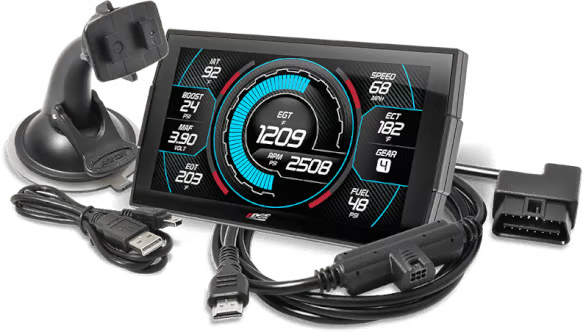
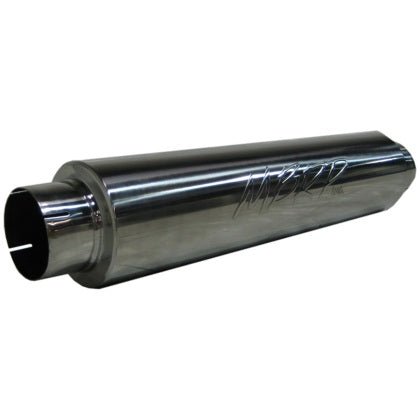
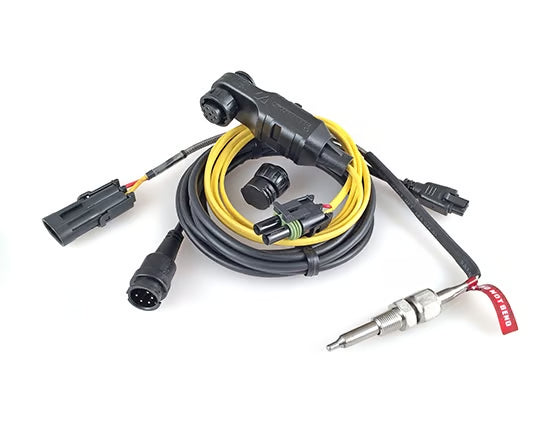
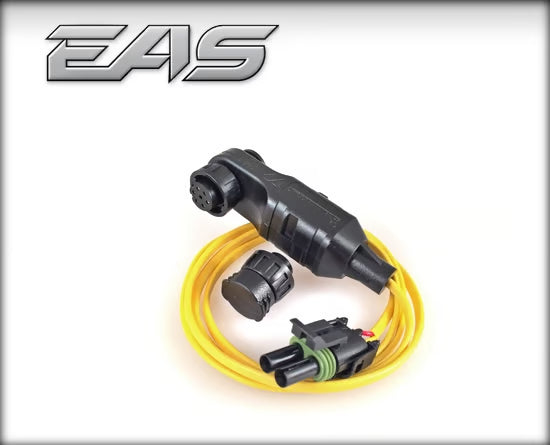
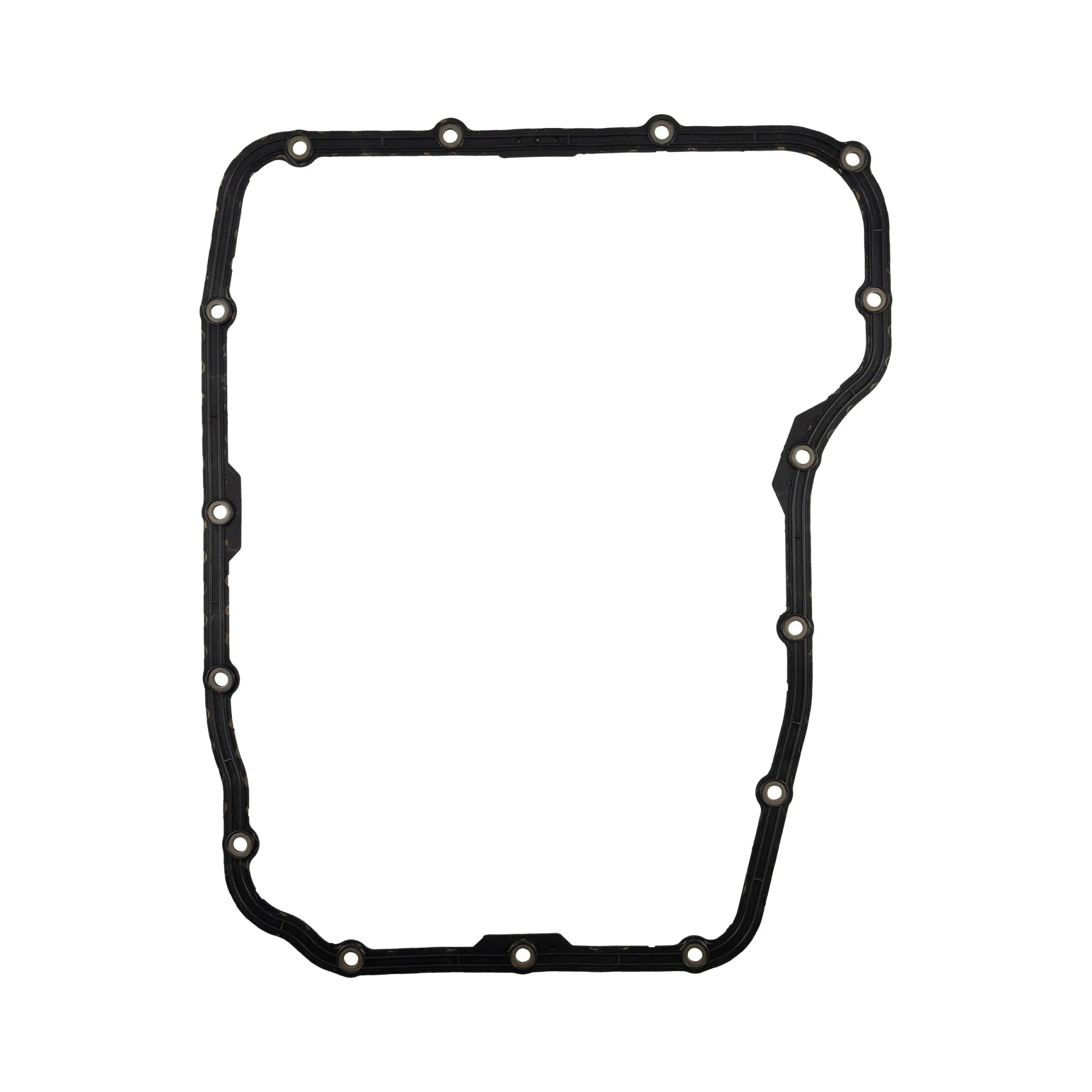
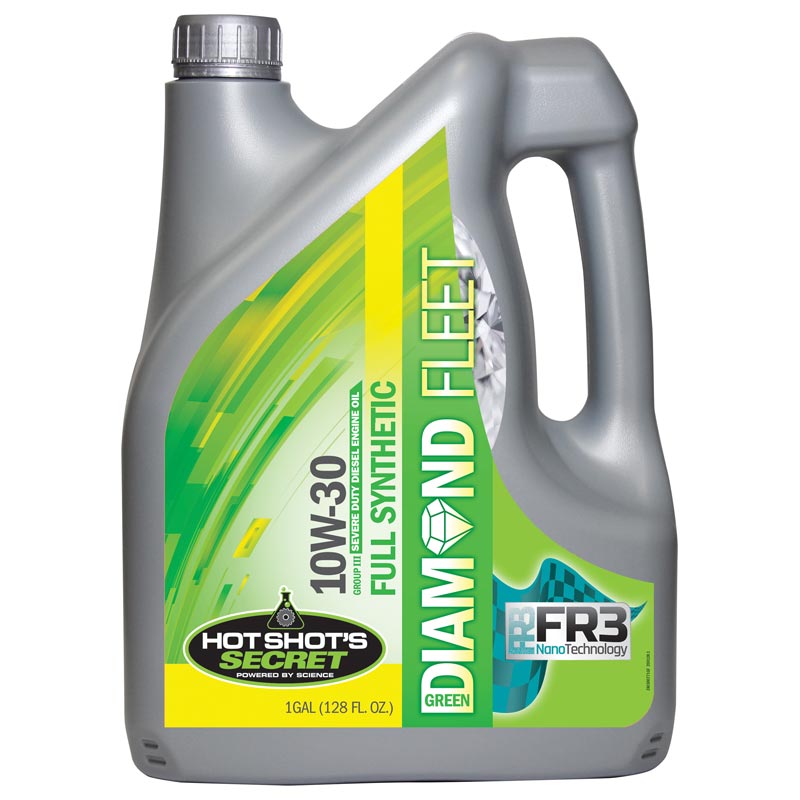
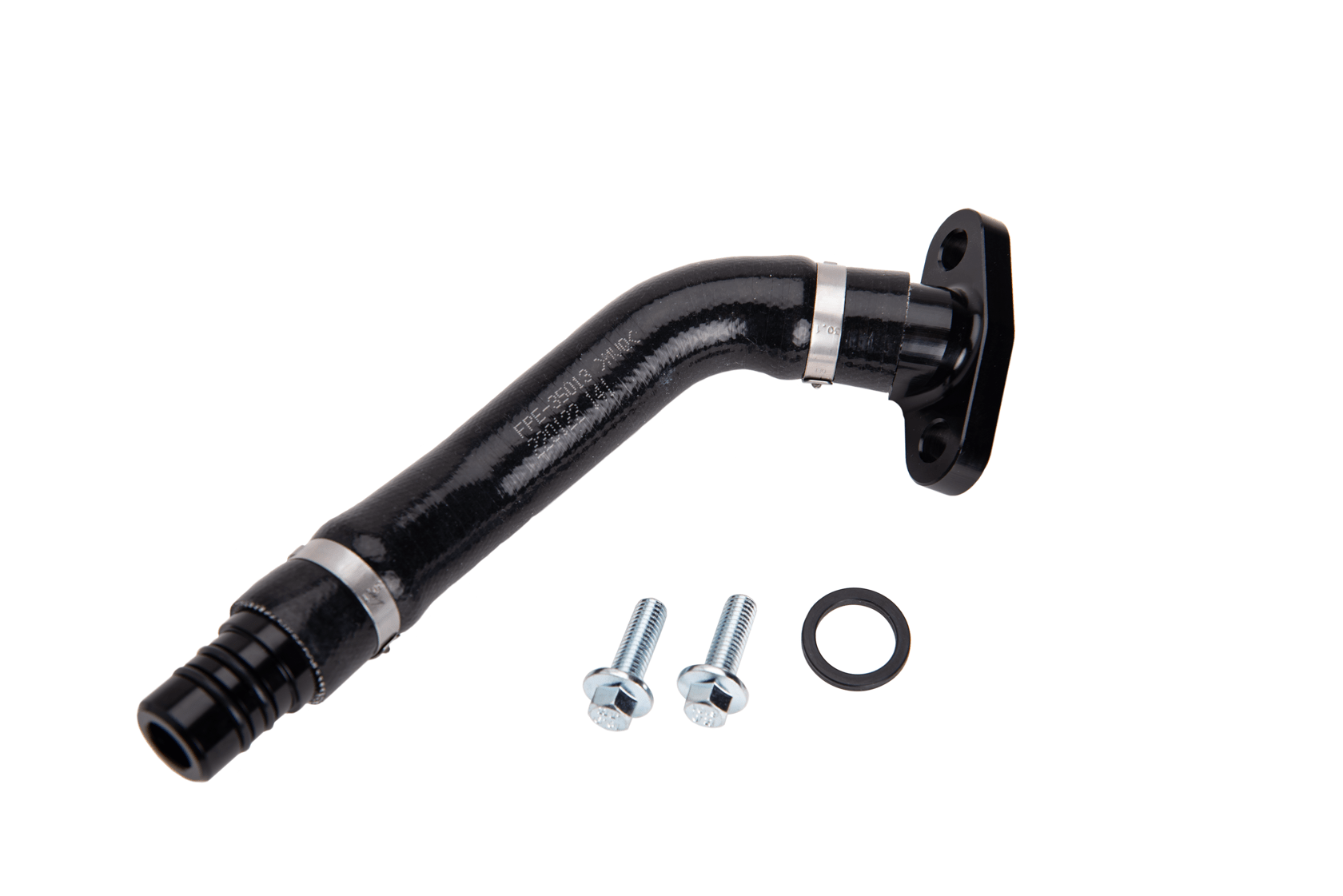
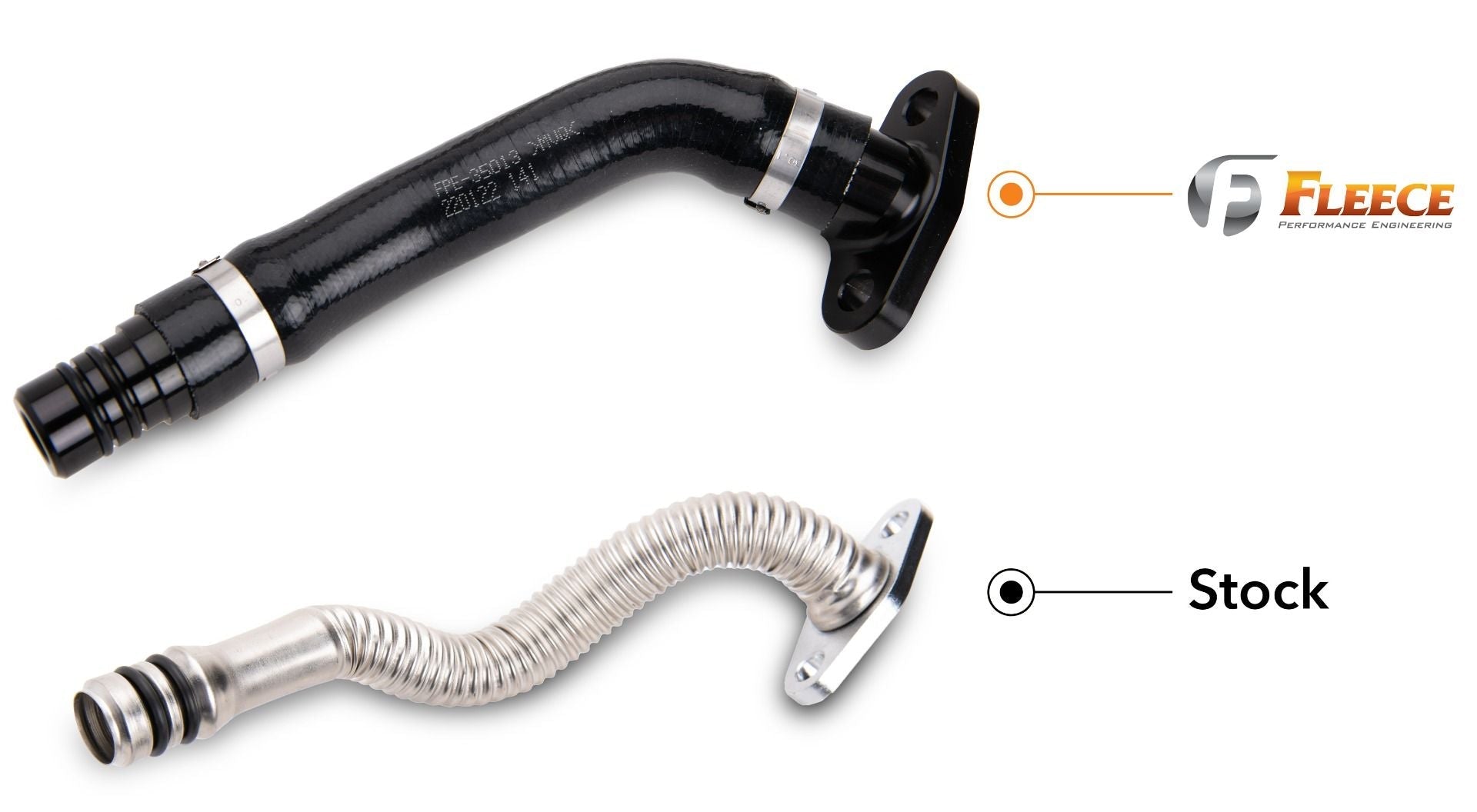
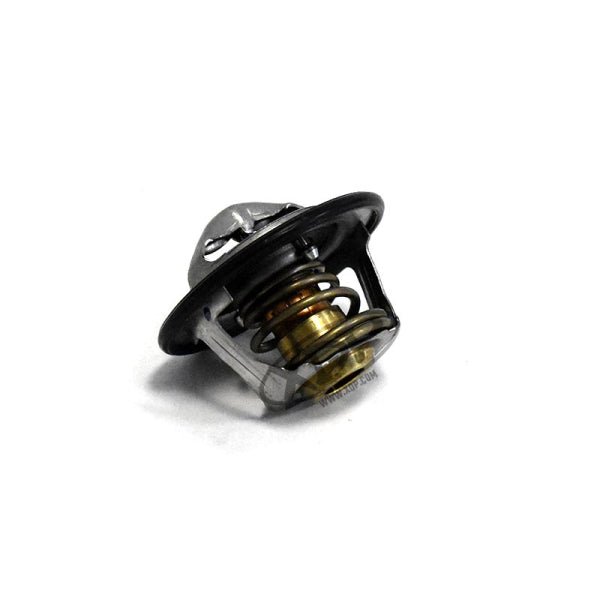
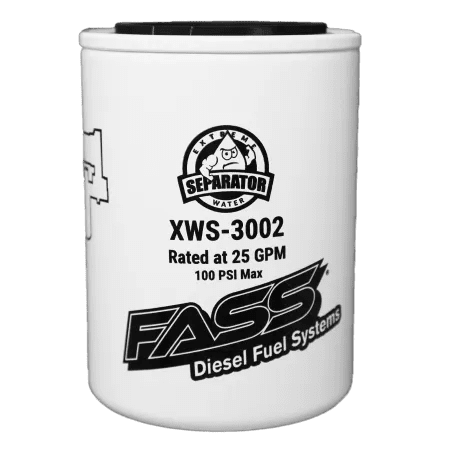
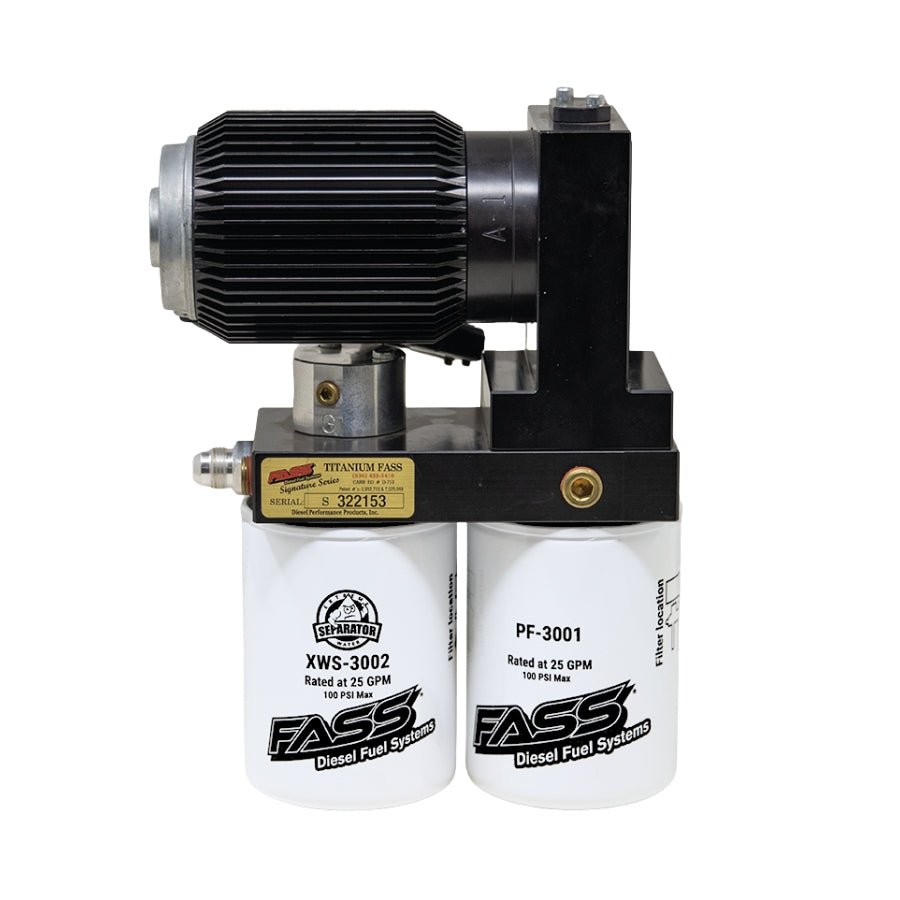
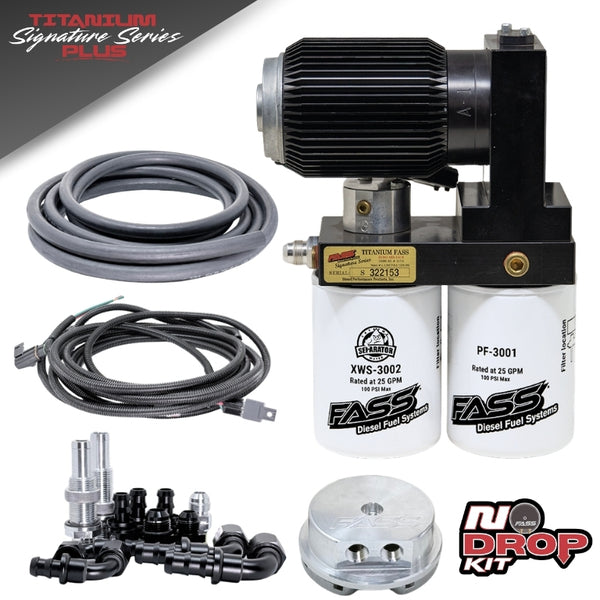
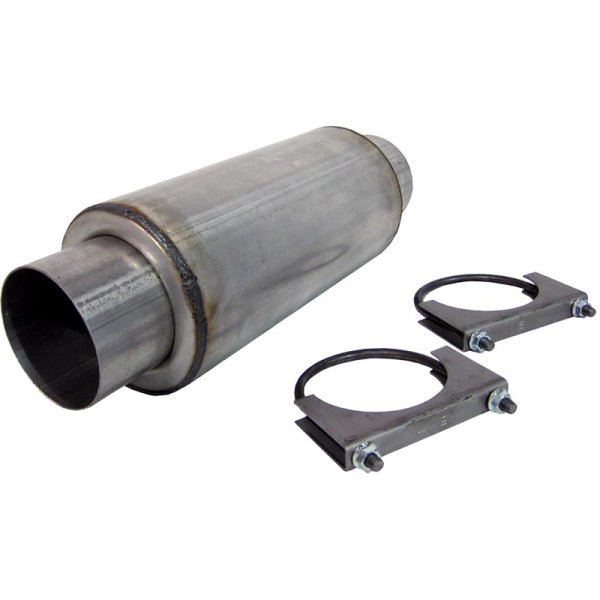
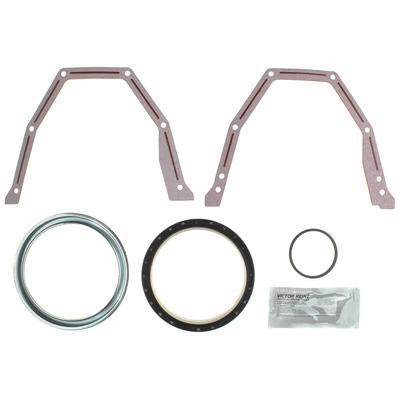
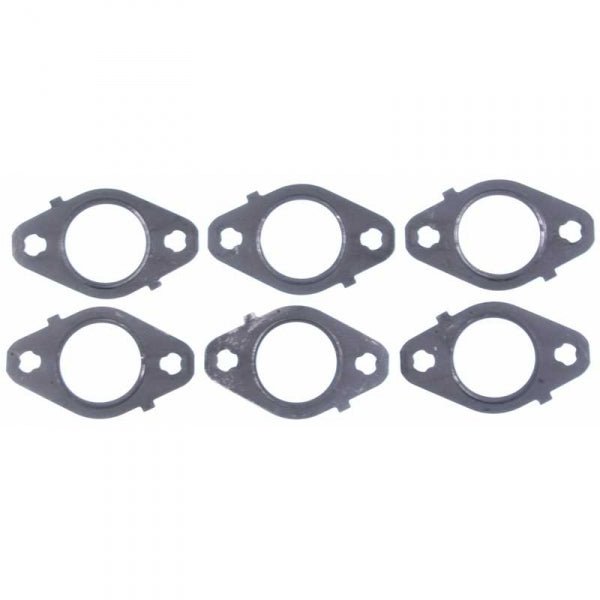
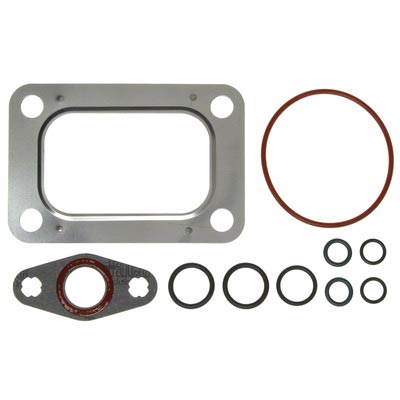
Cooling, exhaust, fuel and engine parts make up the bulk of this collection. Hard parts come from BD Diesel, Fleece Performance Engineering, Pacific Performance Engineering, ATS Diesel Performance, Mishimoto, Banks Power, Wehrli Custom Fabrication and XDP MFG: turbo oil drain and VGT service kits, coolant bypass kits, grid heater upgrade kits, boost tubes and boots, deep transmission pans, billet valve covers, and finned differential covers from Mag-Hytec. Gaskets and seals are largely Mahle rear main, exhaust manifold and turbocharger mounting sets, alongside Cummins genuine thermostats and crankcase ventilation parts and ARP head studs. Fuel system work runs through FASS lift pump systems and water separators and S&S Diesel Motorsport injectors and high-pressure pumps. Exhaust is MBRP mufflers and resonators behind the aftertreatment. Monitors and sensor kits come from Edge Products. The maintenance shelf holds Hot Shot's Secret and Lucas Oil engine oils and fuel additives, with towing hardware from B&W Trailer Hitches and Big Hitch Products and lift and leveling parts from BDS Suspension.
Fitment notes
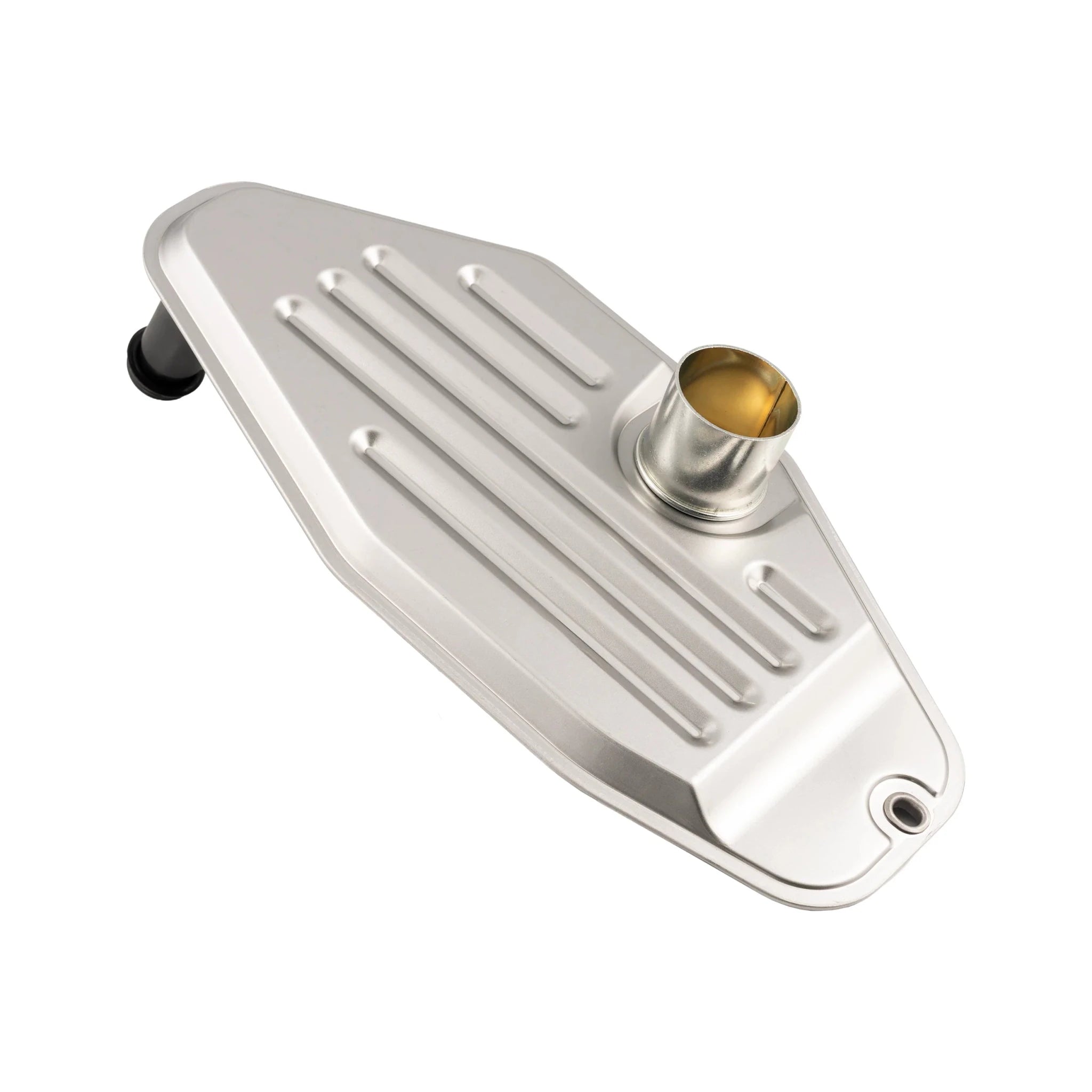
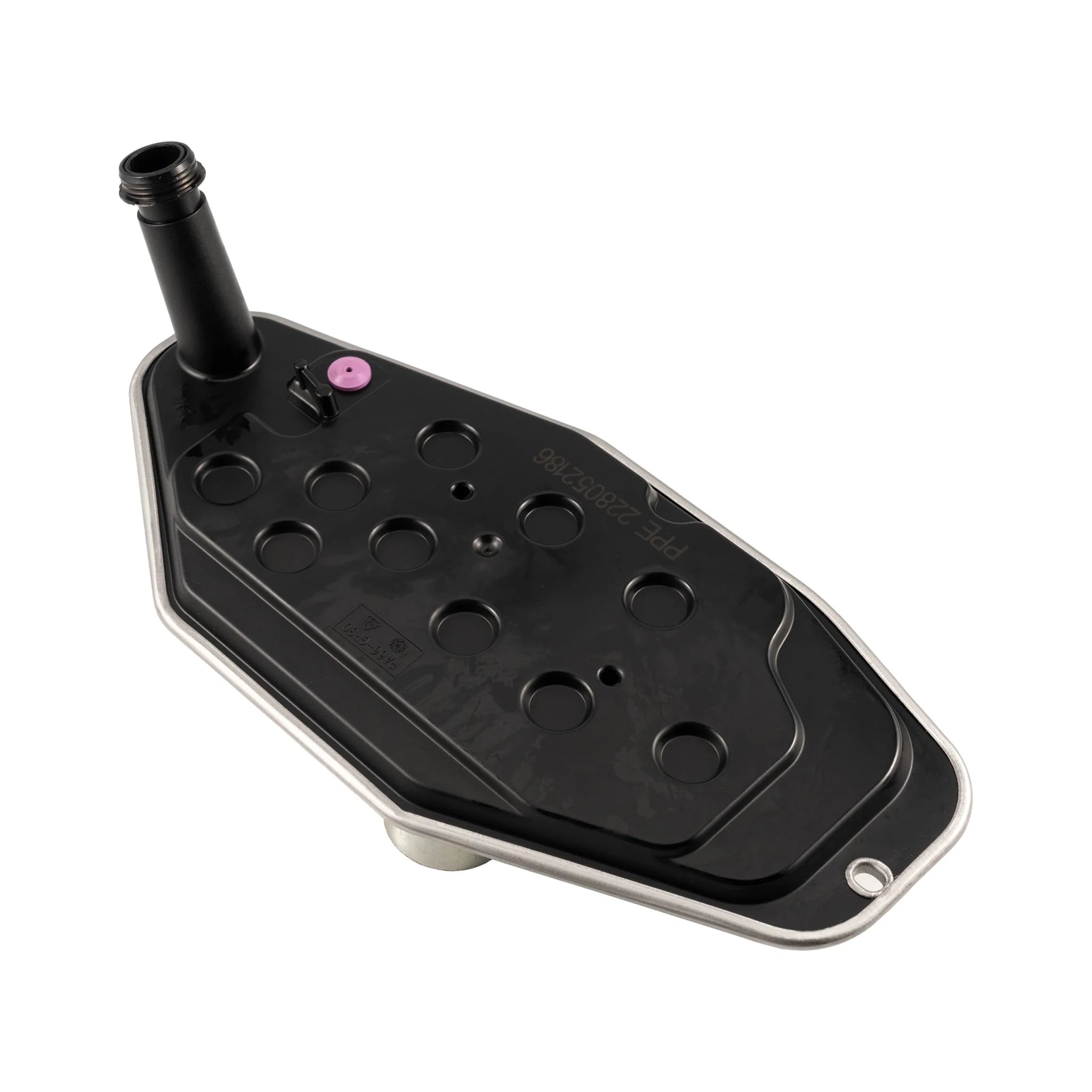
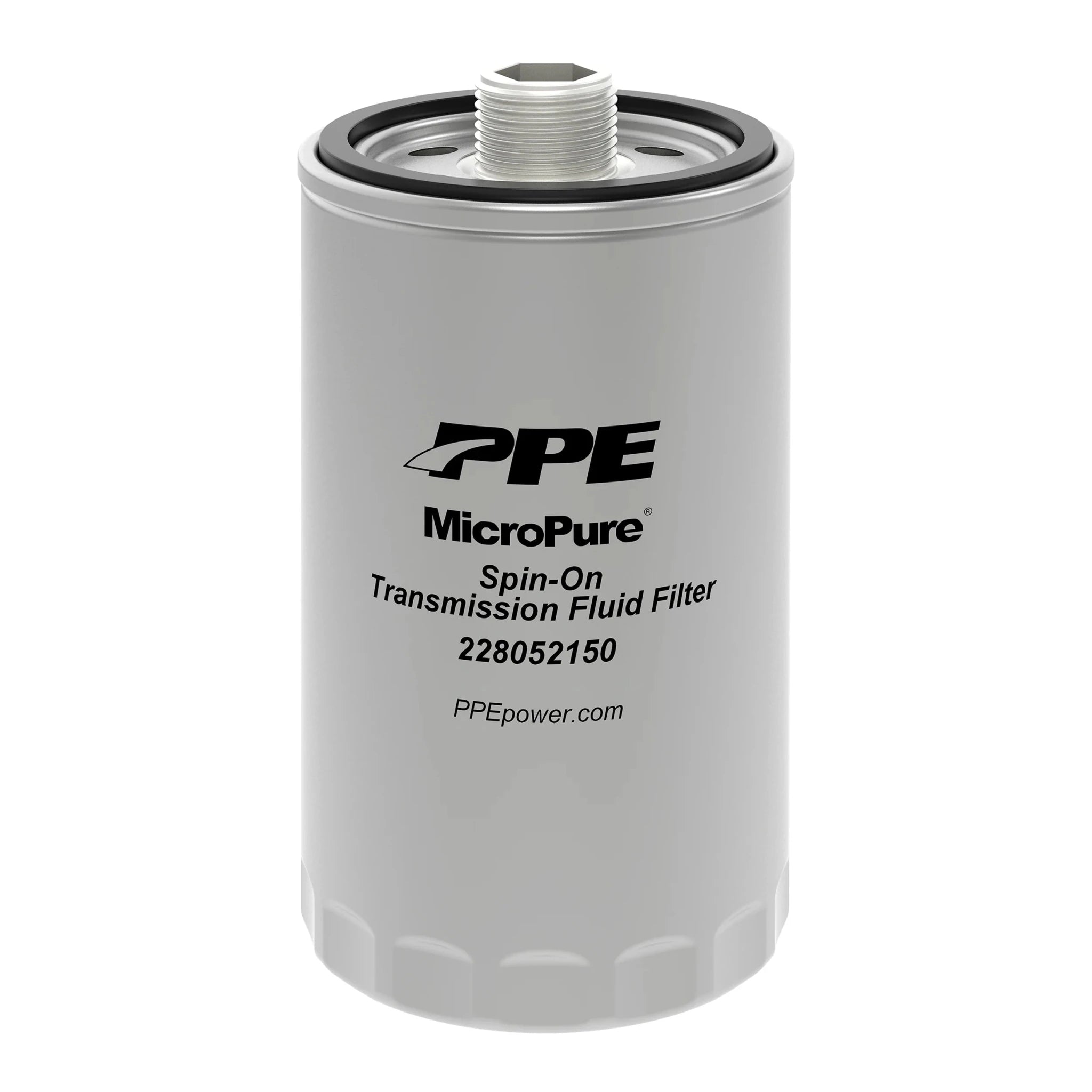
Order by build date, not just model year. The 2009 trucks received an updated fuel filter housing and element, a revised water pump inlet housing, revised EGR coolant hoses and a turbine-housing access port for vane cleaning, so a 2008 and a 2009 do not always take the same service part; confirm the filter by VIN. Pickups and the 3500 chassis cab are different trucks for parts: the chassis cab uses the AS68RC, carries the 305 hp rating, routes exhaust differently, and some intake parts need a chassis-cab-specific version. Steering changed during 2008 from the Y-link to the T-style layout, which changes tie rods, drag links and pitman arms. Three transmissions in three years means pans, filters, coolers and converters do not cross, and a 68RFE filter kit has to include both the sump filter and the spin-on. Suspension and driveline parts are a 2003-2009 4x4 chassis fitment rather than an engine fitment, and SRW and DRW 3500s differ at the hubs and track. A 2009 2500 or 3500 is still a third-generation body, so 2009 Ram 1500 lights and panels do not fit. Short-bed Quad and Mega Cab trucks need a slider fifth wheel. For tow ratings, go by the door jamb sticker and your owner's manual, not a generic maximum.
Frequently asked questions
Why does my truck regen so often?
These trucks handle NOx with EGR and a NOx adsorber catalyst rather than SCR, and that mixture carries more particulate into the filter, so it loads faster than a later truck's. Short trips and long idling are the two habits that make it worse, because the filter never gets the heat it needs. Driving through a regen instead of shutting the truck off mid-cycle, keeping idle time down, and running low-ash oil are the no-cost ways to stretch filter life.
What is the grid heater bolt problem?
The grid heater plate in the intake horn is held by a stud and nut, and that hardware has been documented working loose and falling into the intake. The engine sits at a rake, so it rolls back toward cylinder #6, gets ingested, and the repair is a rebuild or a replacement engine. A high-flow intake elbow with an integrated coil heater removes the stud from the equation while keeping cold-start heat; note the common pickup version does not fit chassis cab trucks.
My oil level is climbing between changes. Is that normal?
Some of it is expected on a DPF-era 6.7L: the post-injection event that heats the filter washes a little diesel past the rings. Ram lists up to 5% fuel dilution as acceptable and wants anything above that diagnosed. Moving to a 5W-40 full synthetic in the CJ-4 or CK-4 category and running the severe-service interval is the cheap counter, and on any DPF truck the low-ash category is not optional.
Should I rebuild the factory turbo or replace it?
If the vanes are just sooted and the actuator still works, cleaning can bring it back, and the 2009 turbine housing has an access port that makes that easier. Once you have shaft play, a dusted compressor wheel or an actuator fault, replacement is the honest answer. Stock-for-stock Holset units ship with pre-calibrated actuators; a compliant drop-in upgrade is worth the money on a truck that tows, as long as it keeps the variable geometry and exhaust brake.
The front end shakes violently after a bump. Where do I start?
Start at the track bar. On these solid-axle Rams the factory bar's rubber bushings and bent shape are the main cause of death wobble, and replacing the bushings alone does not fix the bar itself; an adjustable heavy-duty bar does. While the truck is up, check the tie rod and drag link, because 2008-2009 trucks are covered by several linkage recalls that may never have been performed. Tire choice and worn ball joints are the next two suspects.
Not sure what fits? Call the shop at the number in the header, or use the fitment checker on any product page. We install everything we sell.