
Shop Fuel System by Category


Filters
103 products





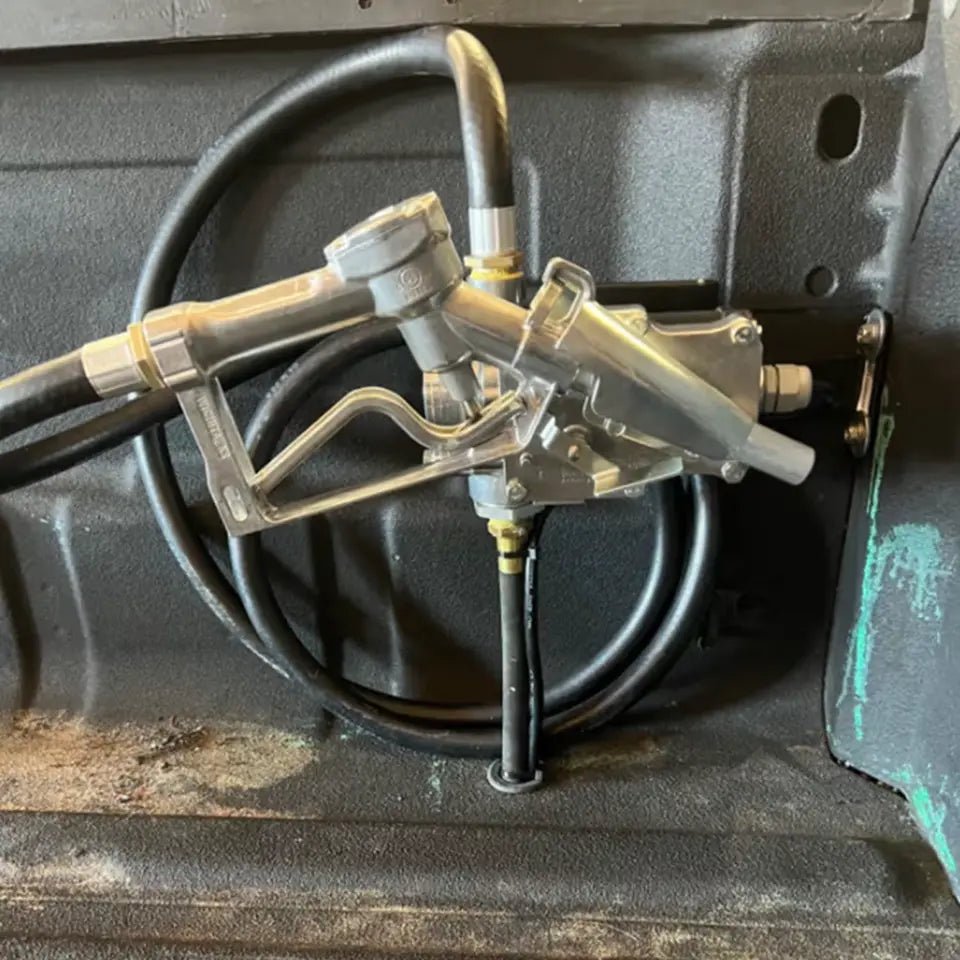
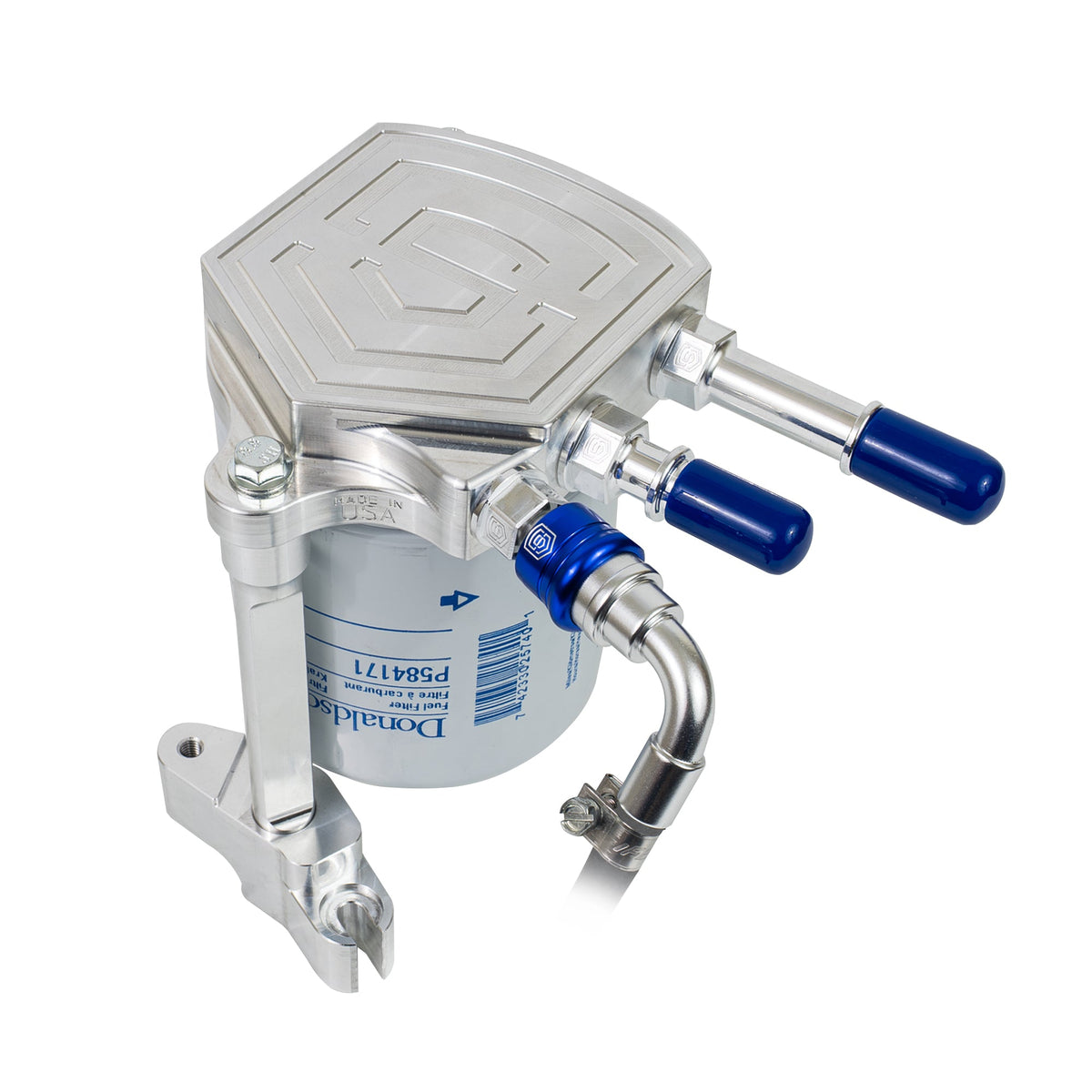
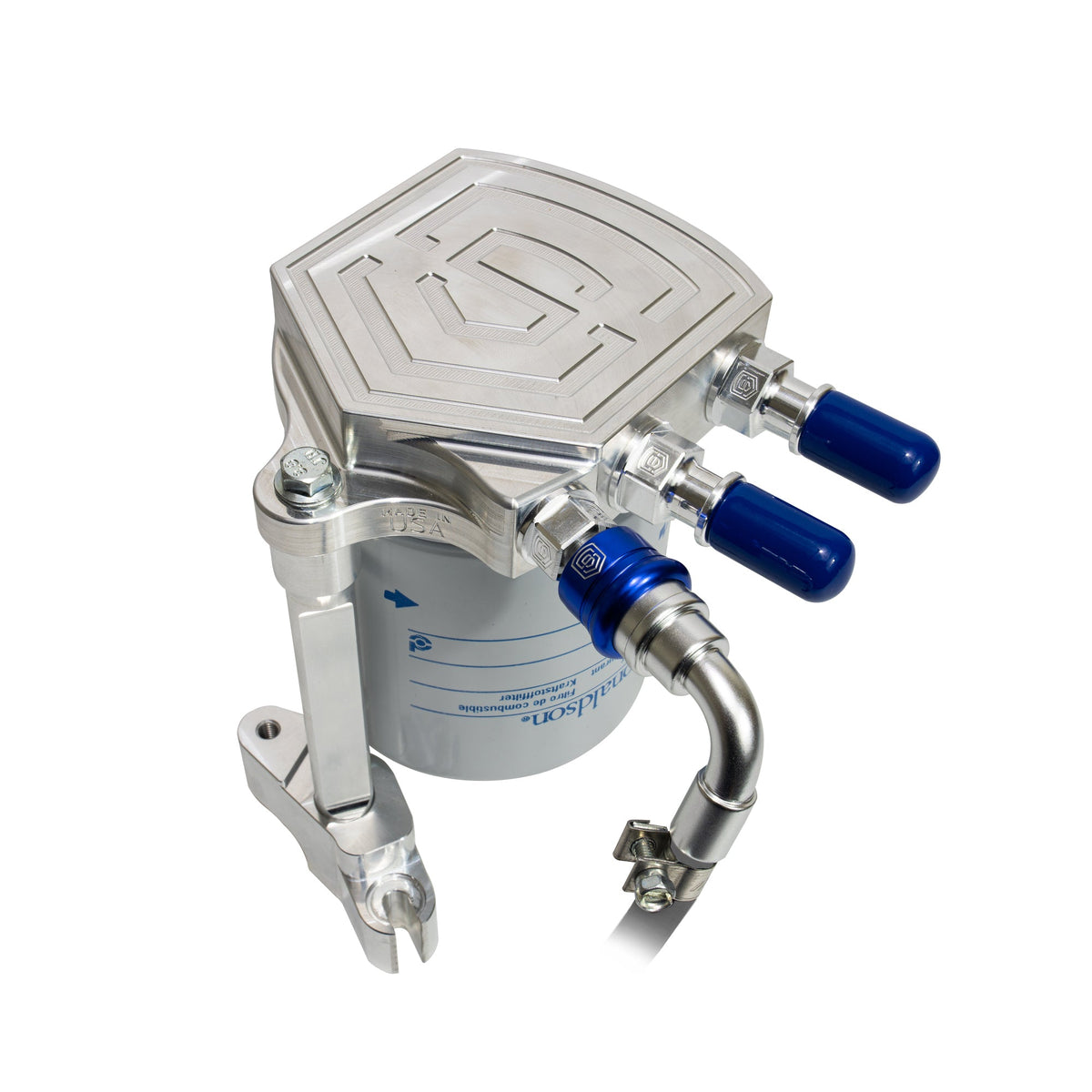
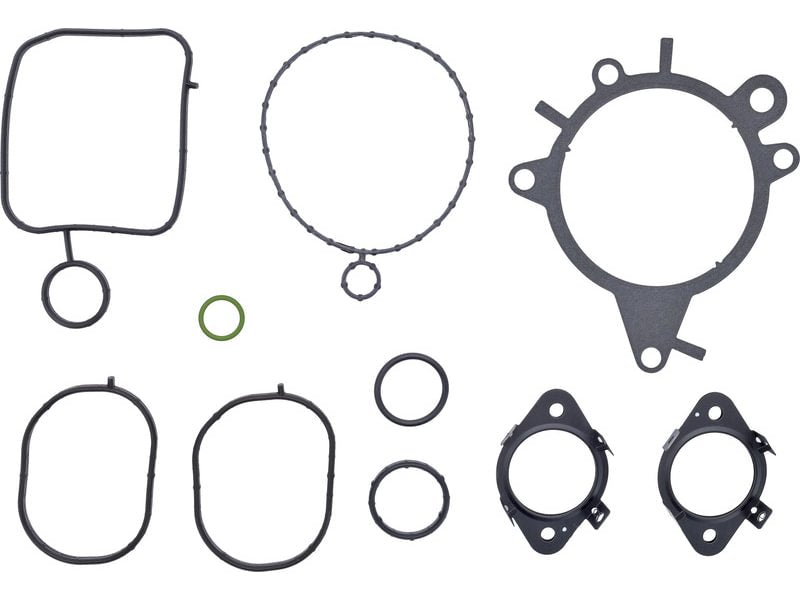
Not sure it fits your truck?
Our Wildwood, FL techs will confirm the right part for your build before you buy.
Call or Text (352) 722-5295Fuel System on the 2017-2019 Ford 6.7L Powerstroke
Fuel moves in two stages on these trucks. On the low-pressure side, an electric lift pump inside the frame-mounted Diesel Fuel Conditioning Module (DFCM) pulls from the tank and pushes fuel through a 10-micron primary filter and water separator, then on to a 4-micron secondary filter mounted on the engine. On the high-pressure side, a Bosch CP4.2 pump feeds two rails and eight 19 mm piezo injectors at up to roughly 30,000 psi, with up to five injection events per cylinder per cycle. The 2017-2019 trucks are the last Super Duty years with the lift pump in the frame-mounted DFCM; Ford moved it into the tank for 2020. The engine is certified for ULSD and B20, meaning up to 20 percent biodiesel.
What fails and why
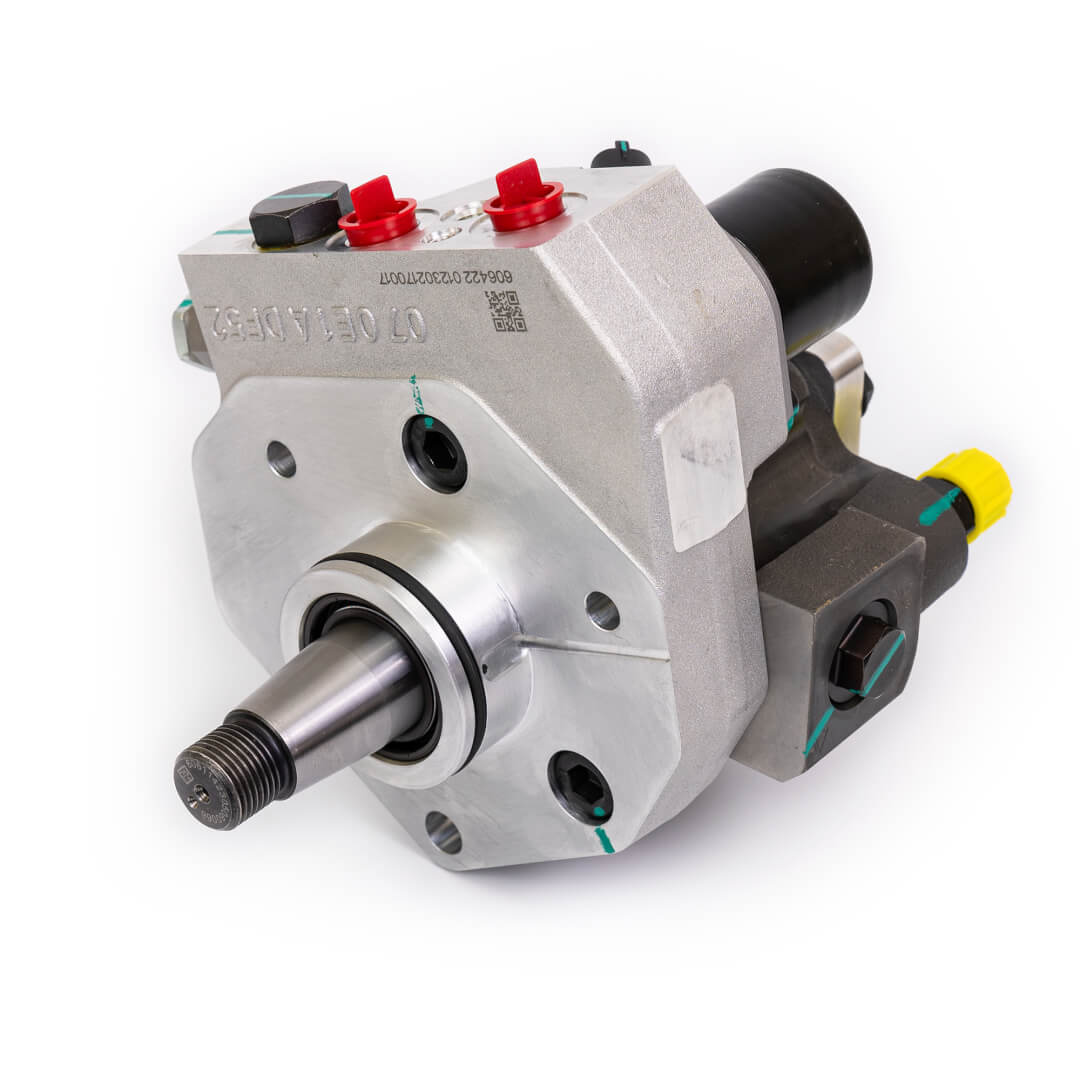
The CP4.2 is the part that gives this fuel system its reputation. On low-lubricity ULSD, the pump's internal cam follower can lose contact with the cam lobe and wear, and the metal it sheds travels into the rails, injectors and lines. There is no fixed failure mileage. Watch for hard or long cranking (often worse when the engine is warm), P0087 or P0088 rail-pressure codes, rough idle or surging, power loss, knocking from the front of the engine, and metallic glitter in the fuel filters. A failure is rarely a pump-only job: the fix replaces both pumps, all eight injectors, every fuel line and the rails, and includes removing and cleaning the tank. Not every long crank is the pump, though. A warm hard-start most often traces to a fuel leak that lets the system lose prime, or to poor fuel, so check the filters and the fuel first. Water in the tank brings its own problem: microbial growth that leaves a black, scummy residue plugging the filters.
Stock replacement vs. upgrade
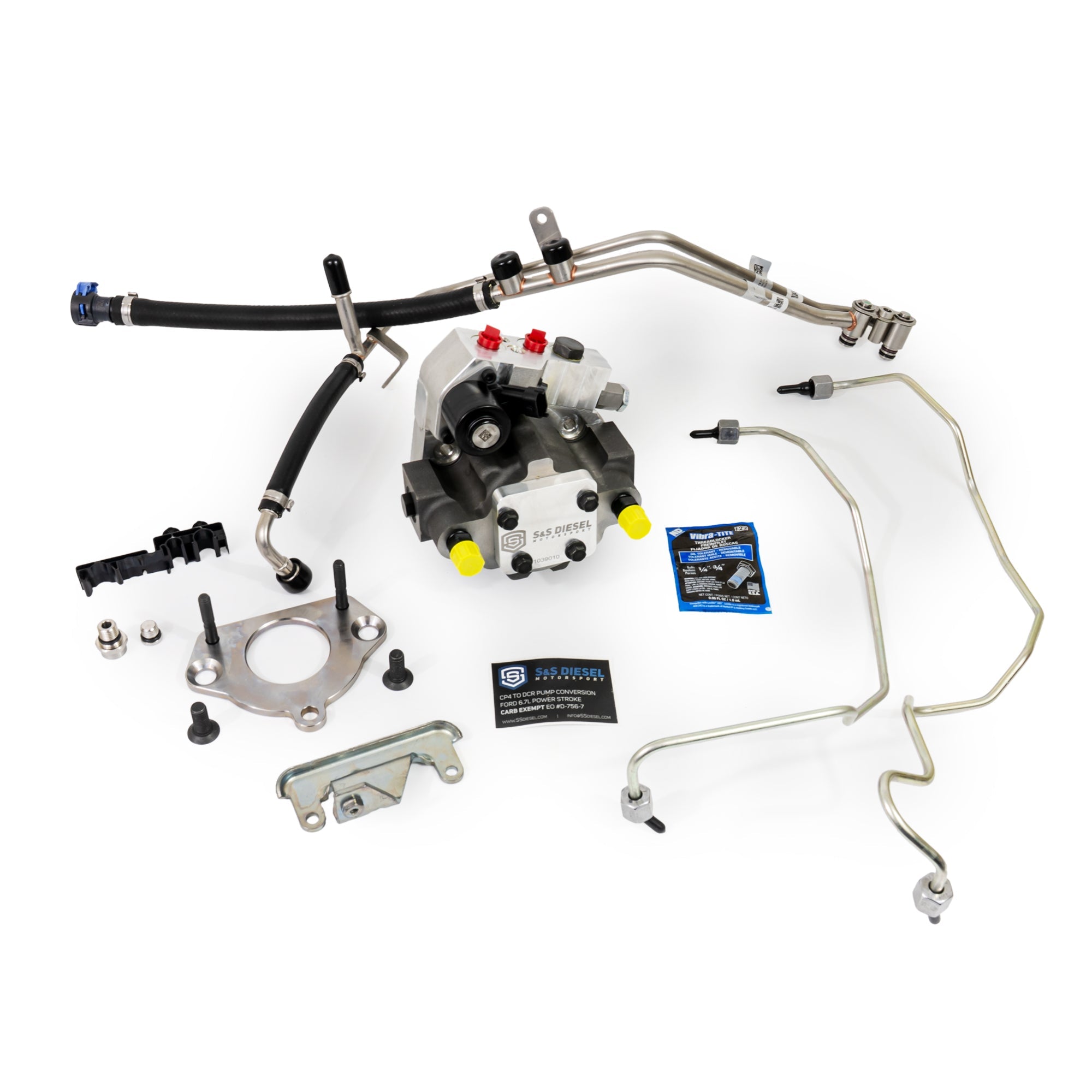
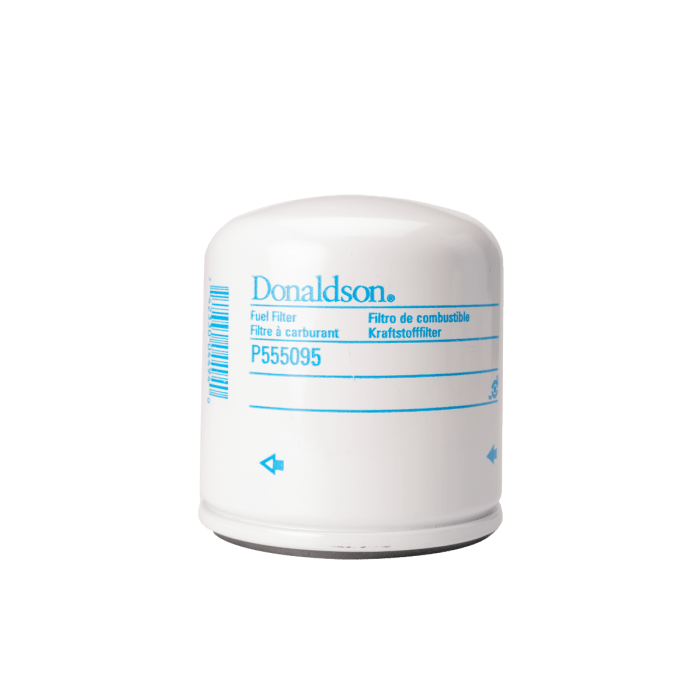
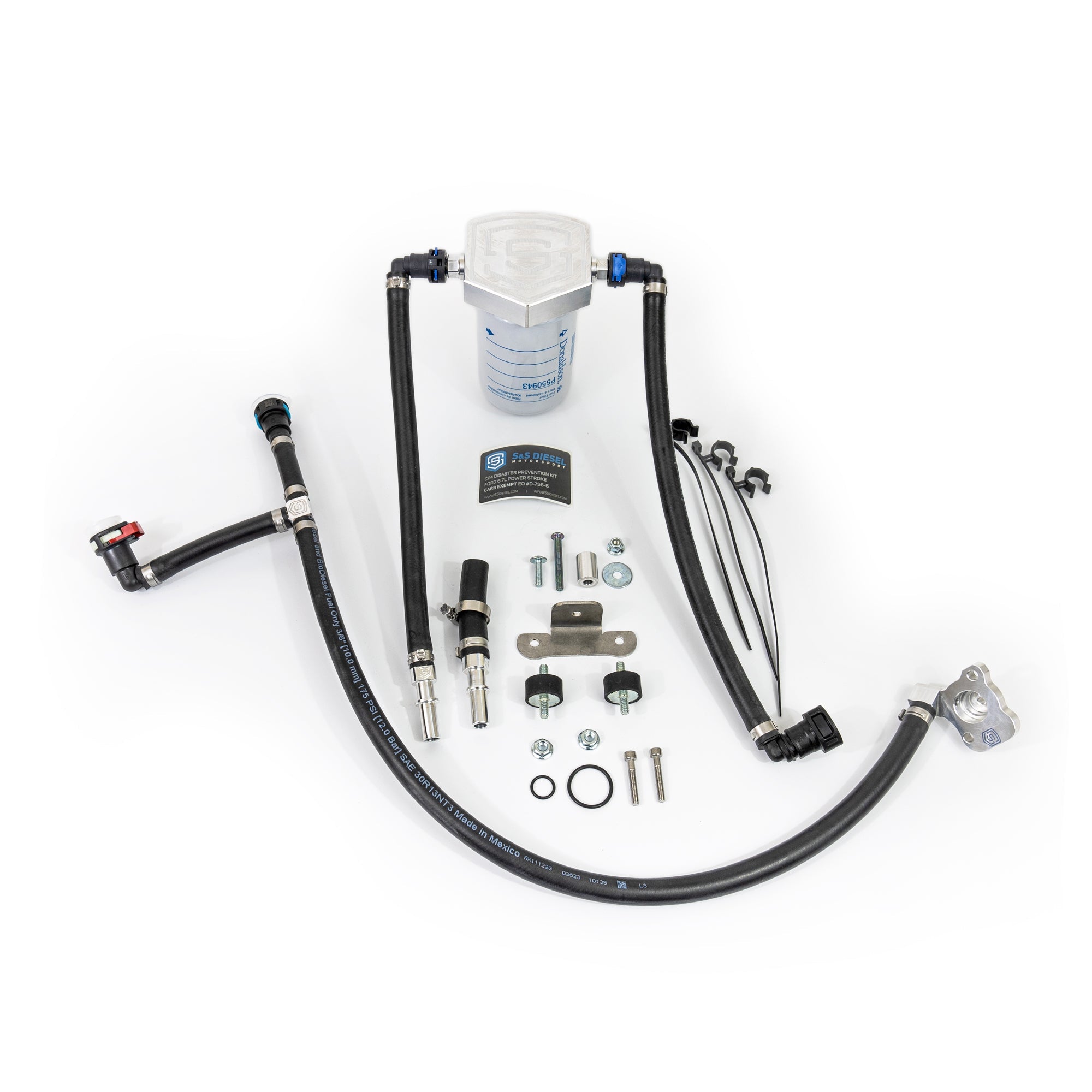
Prevention comes first, and it is the low-cost part. Most sources point to a lubricity and cetane additive in every tank as CP4.2 insurance, because domestic ULSD can fall below the pump's lubricity needs. Fuel-filter service at 15,000 to 22,500 miles with the OE-style FD-4625AA kit, plus draining the water separator, is the single most effective maintenance for this system. Beyond that, a stock truck that needs a pump, rails or injectors is well served by new or remanufactured stock-replacement parts. Upgrades make sense in two cases. Owners who want a second line of defense look at aftermarket lift pump and filtration systems and CP4 disaster prevention kits. High-power builds hit a different wall: the stock piezo injectors are quick-firing and support 700-plus rwhp when fed properly, but the CP4.2 cannot hold rail pressure at long injector durations, so those builds add a second pump or a stroker CP4.2. Pump conversions, like the S&S DCR Pump Conversion, exist to remove the CP4 failure mode; confirm the specific kit's model-year fitment and CARB EO status for your state before you order.
What we carry
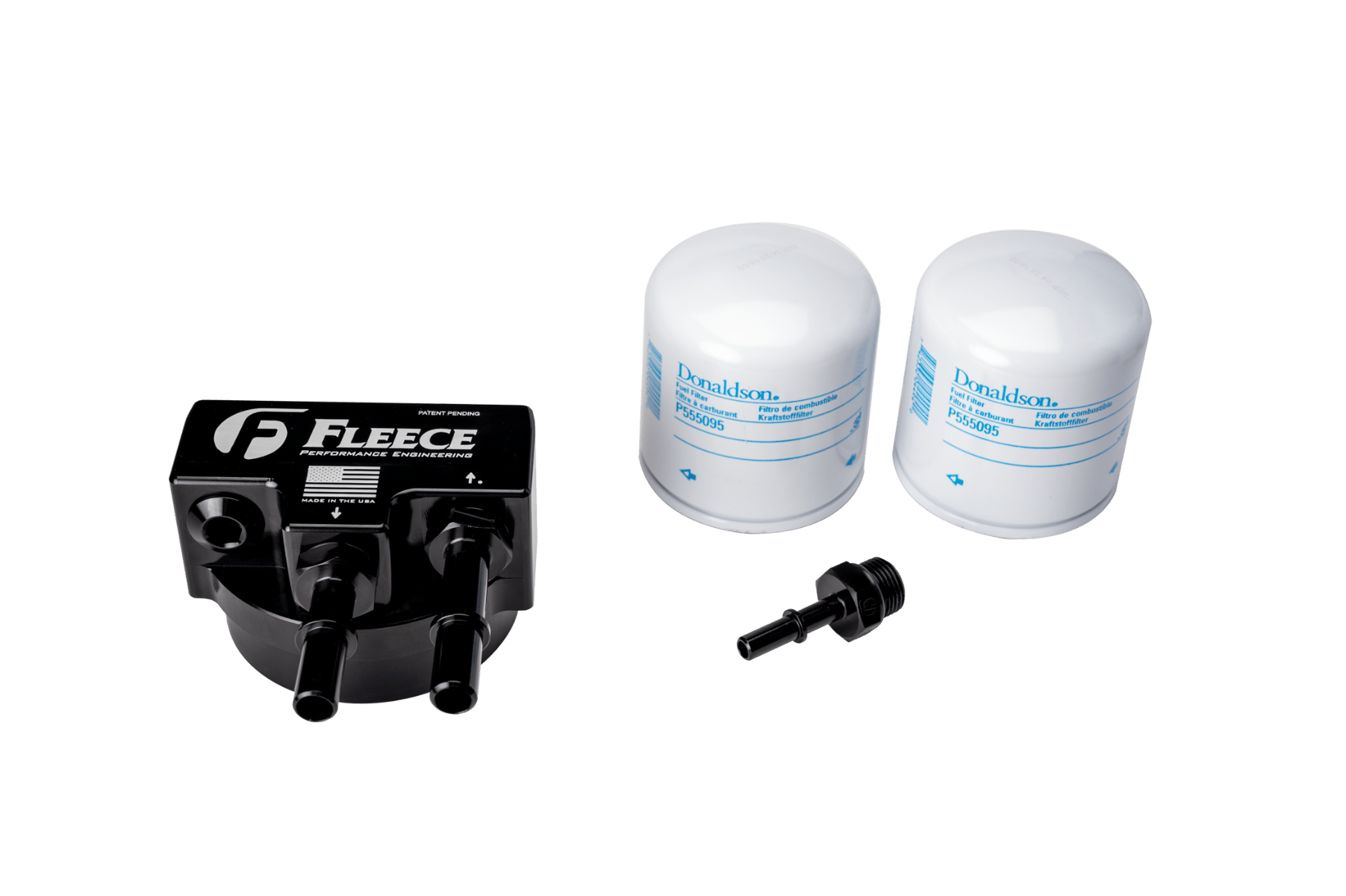
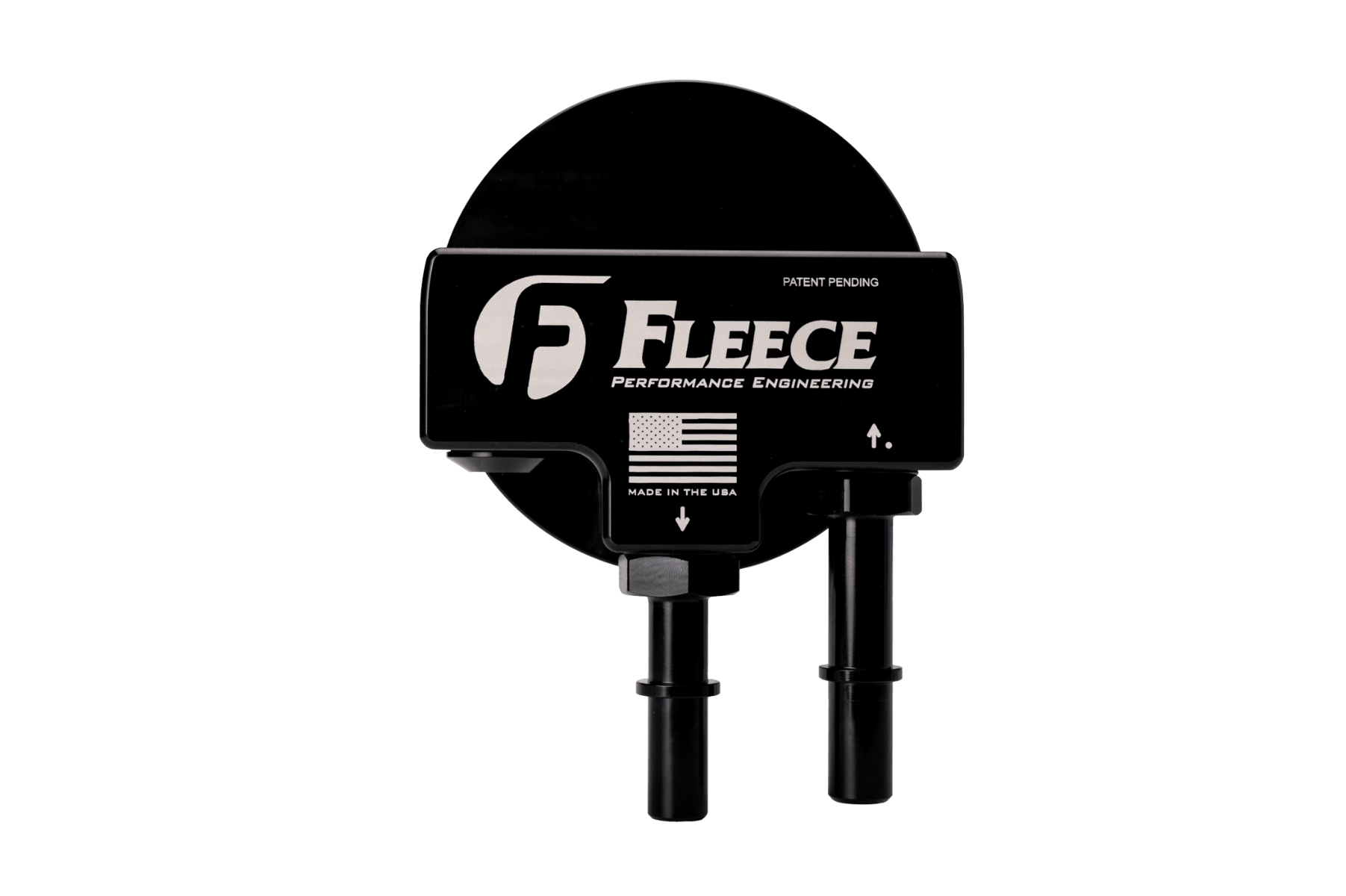
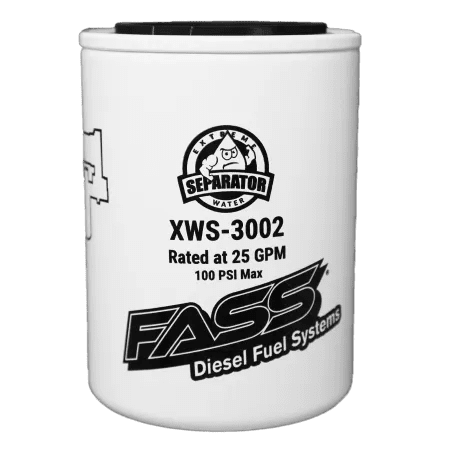
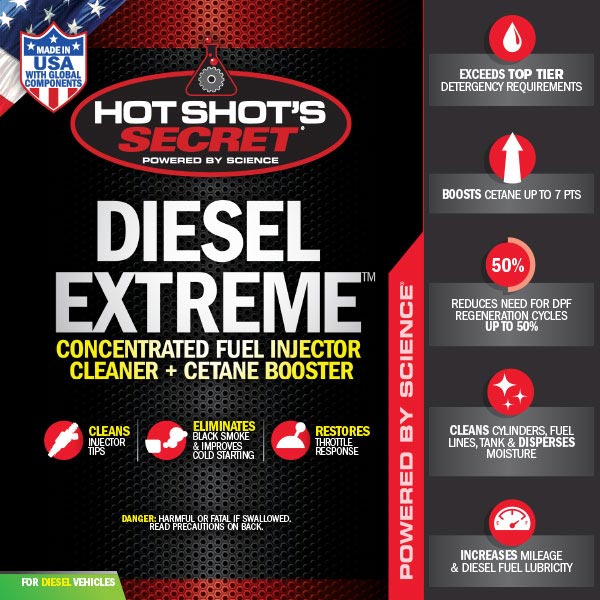
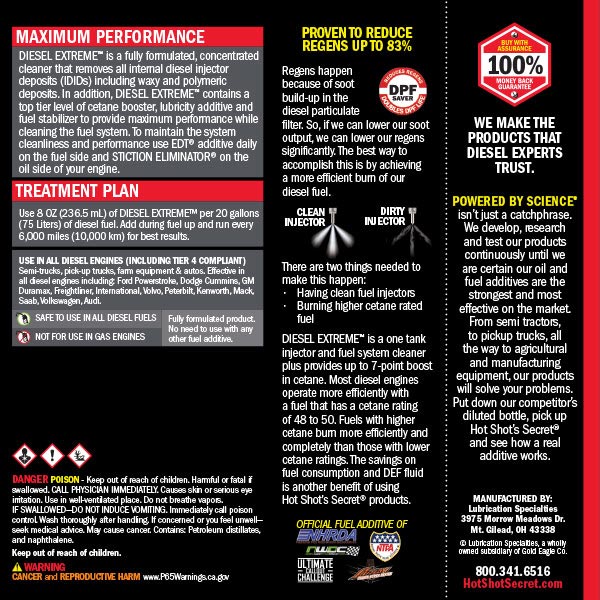
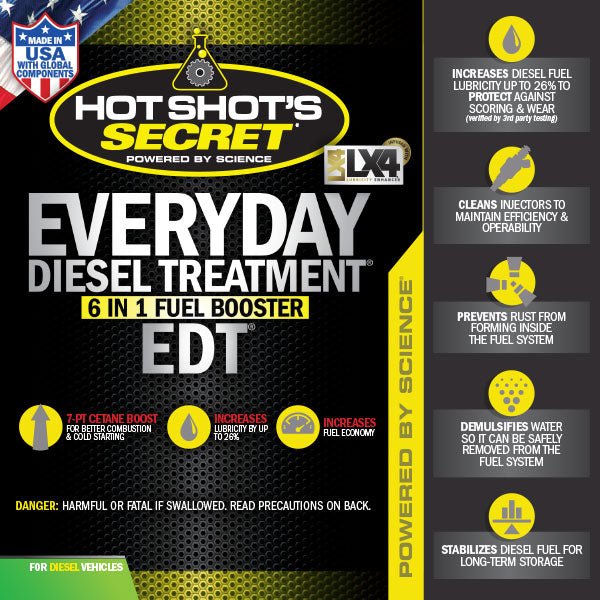
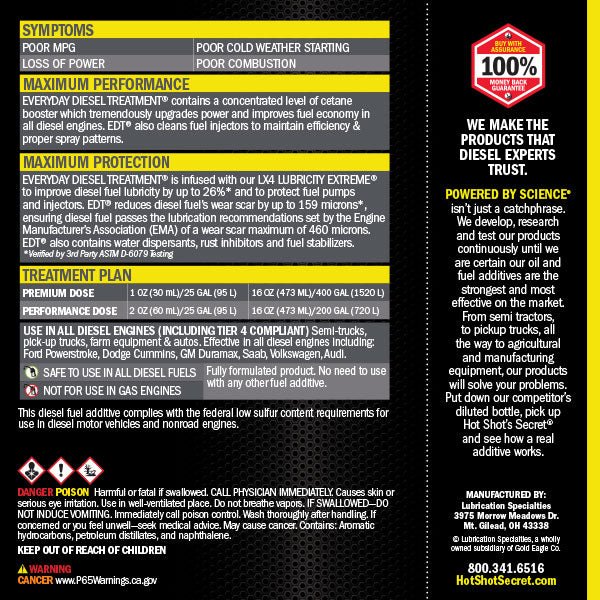
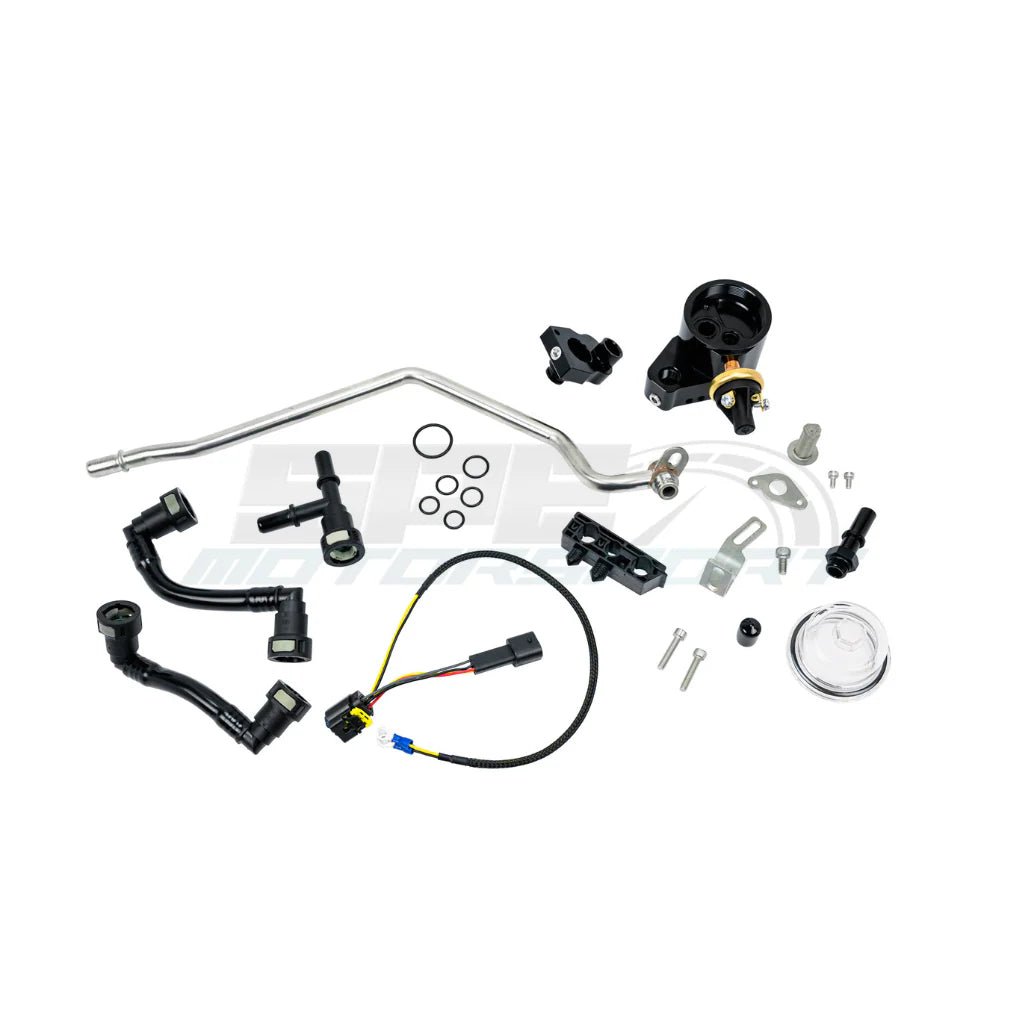
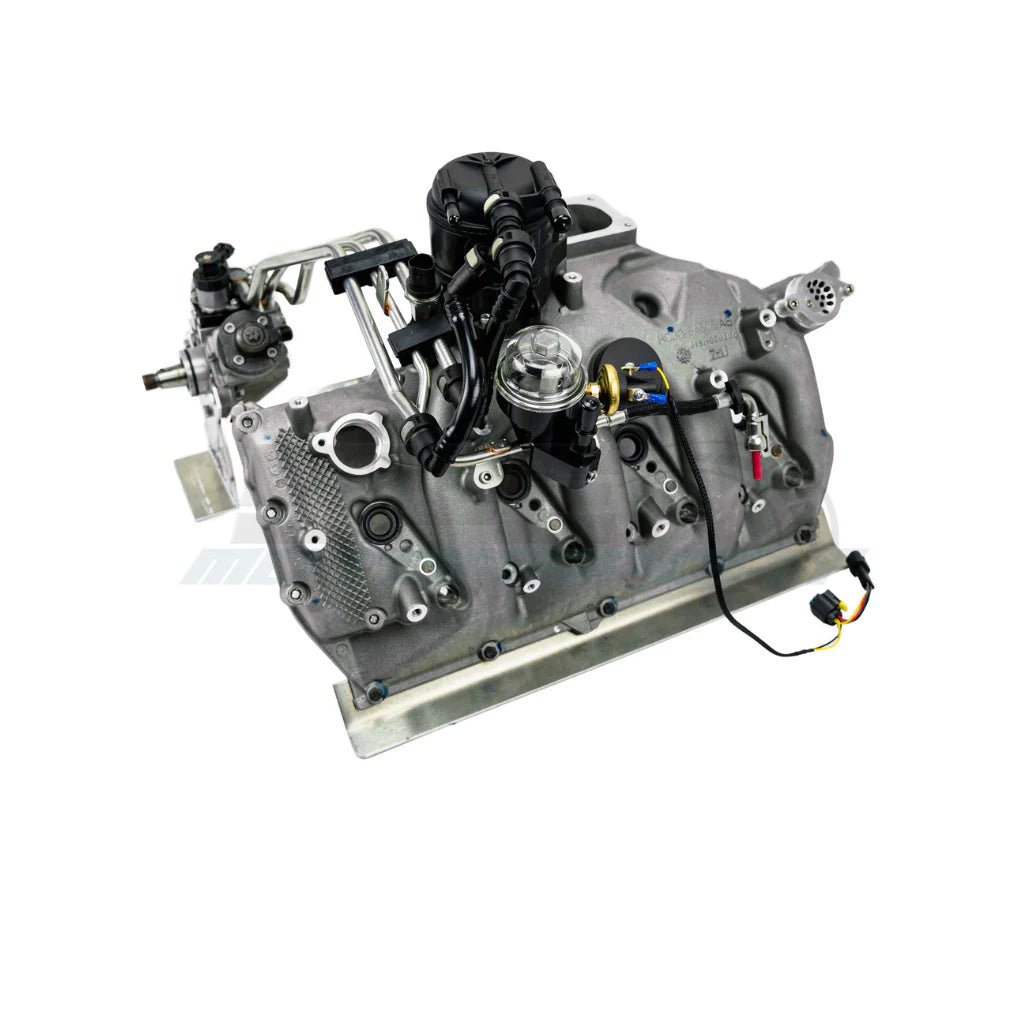
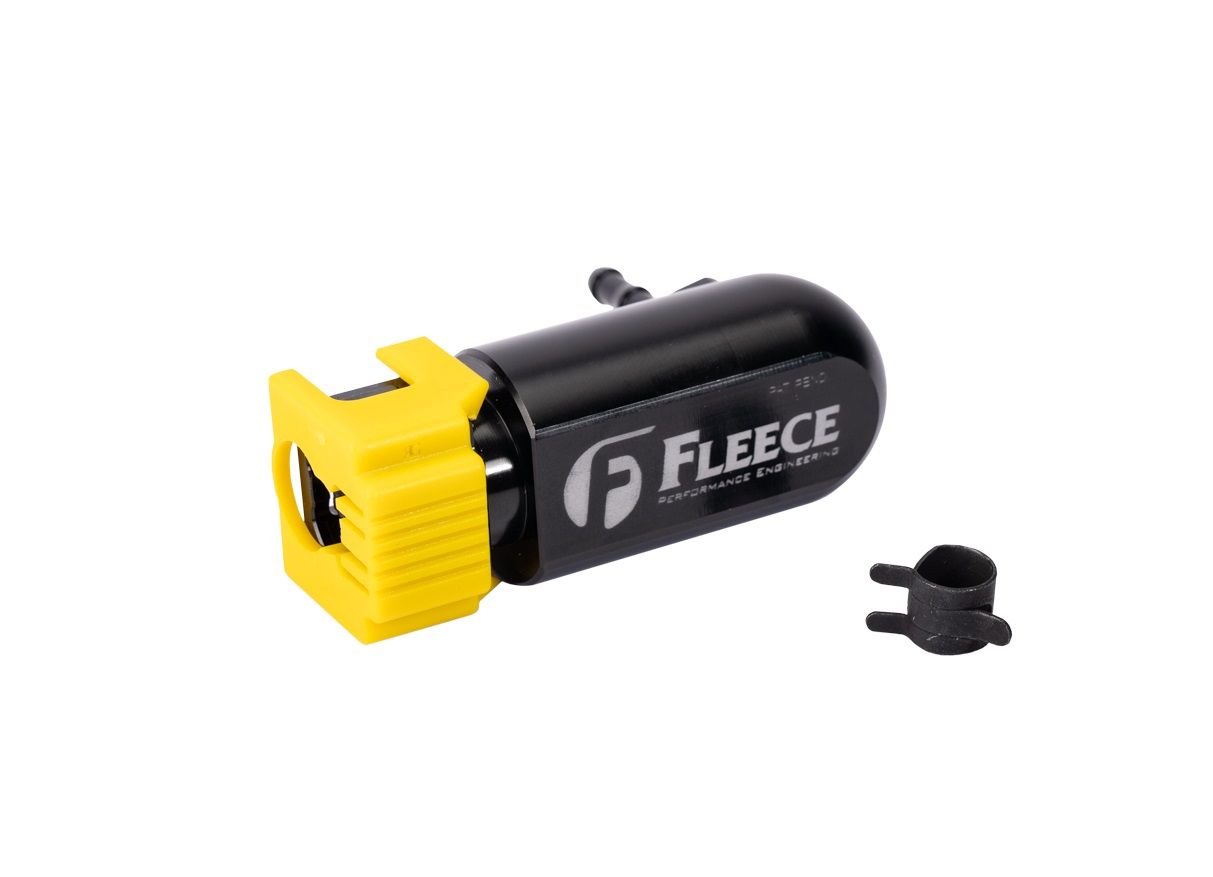
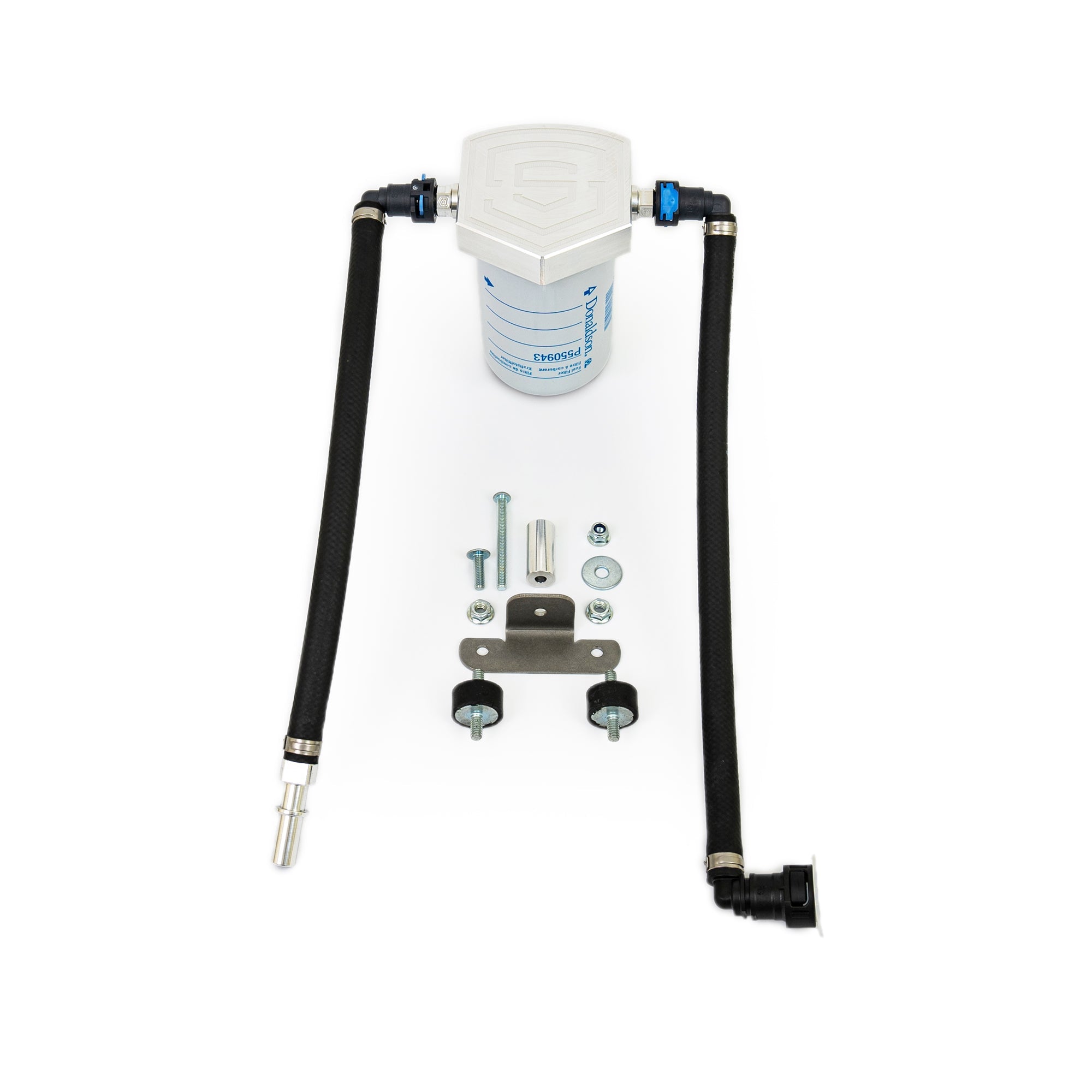
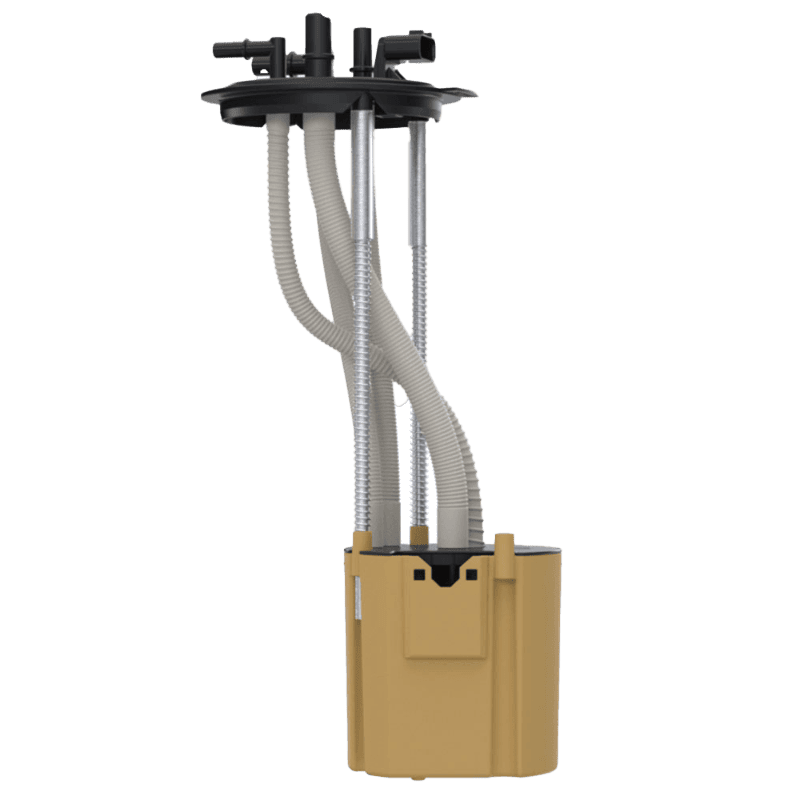
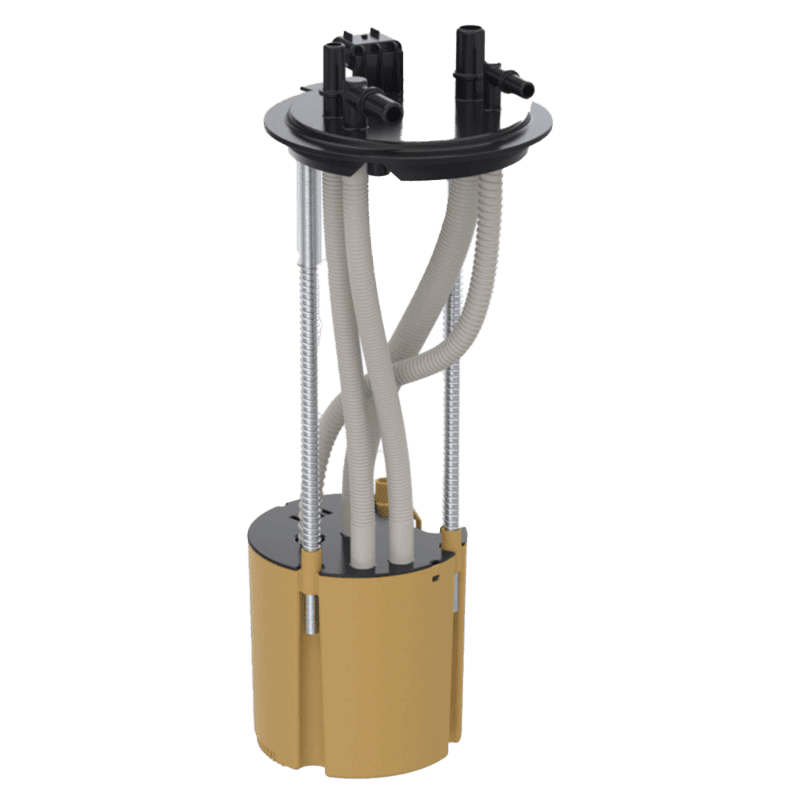
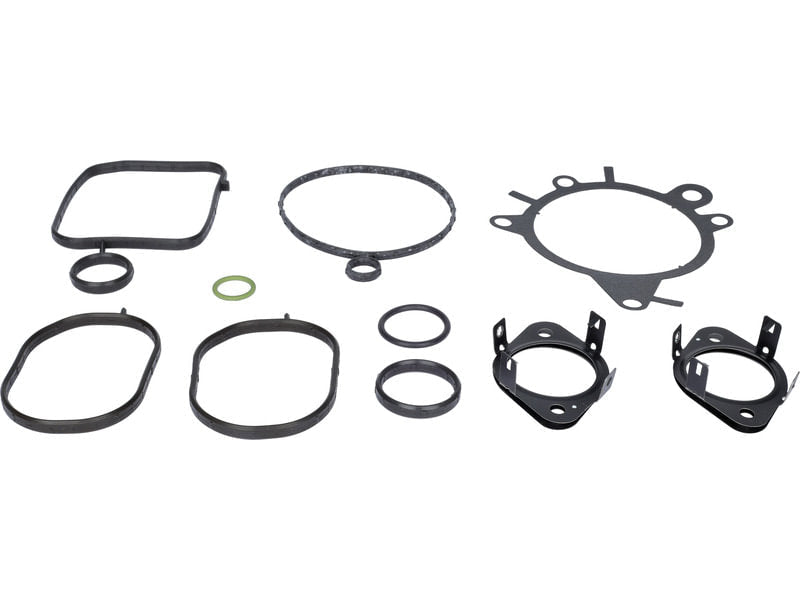
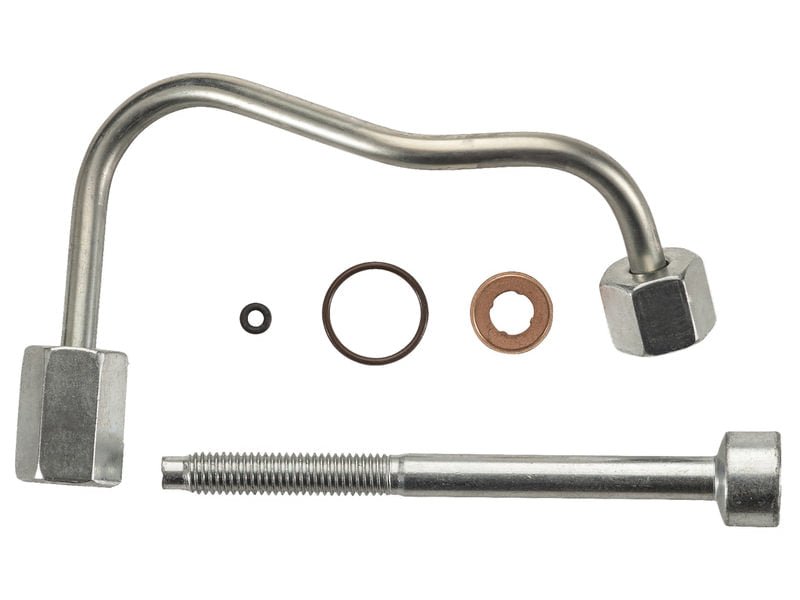
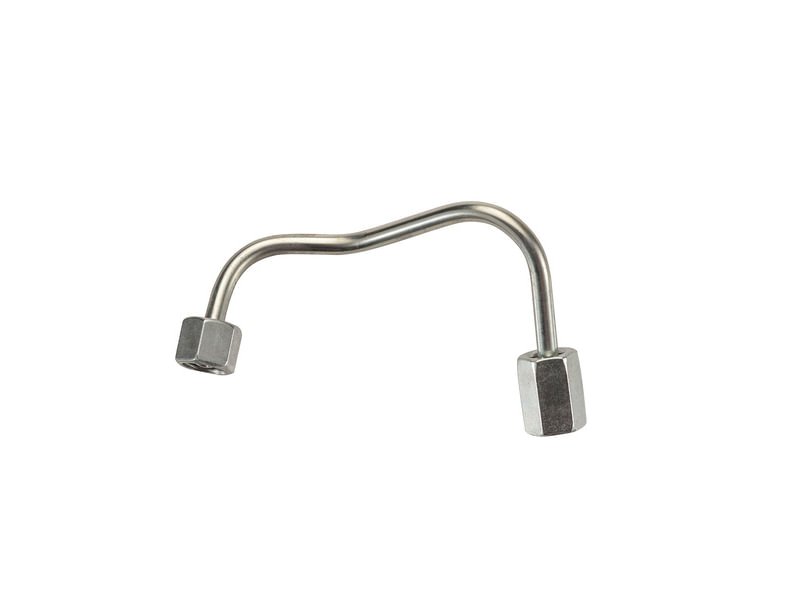
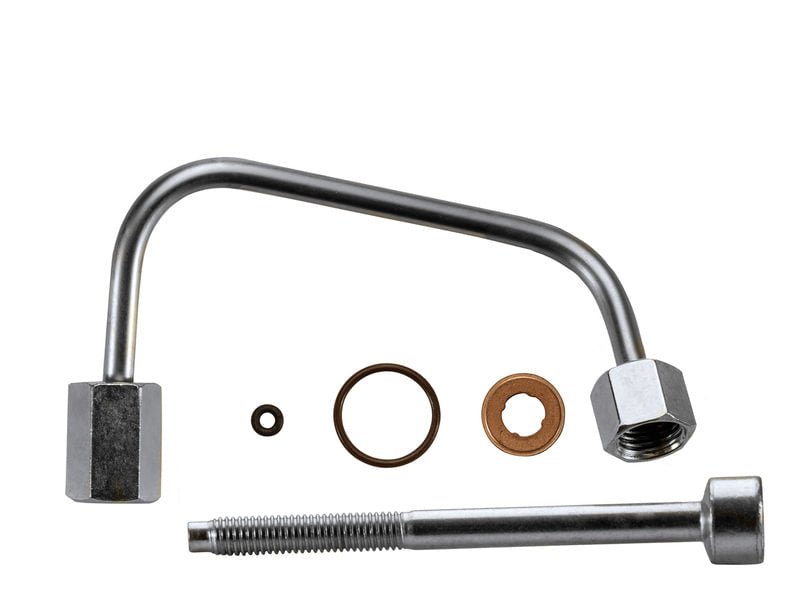
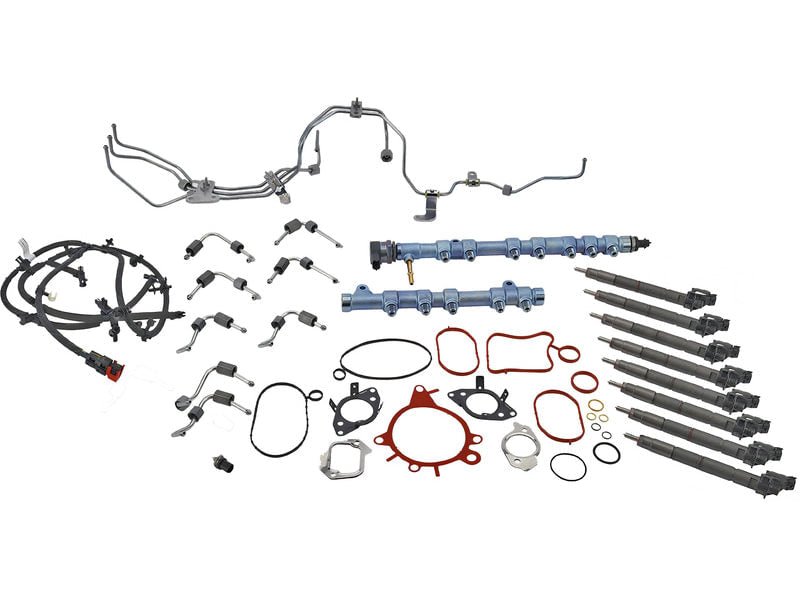
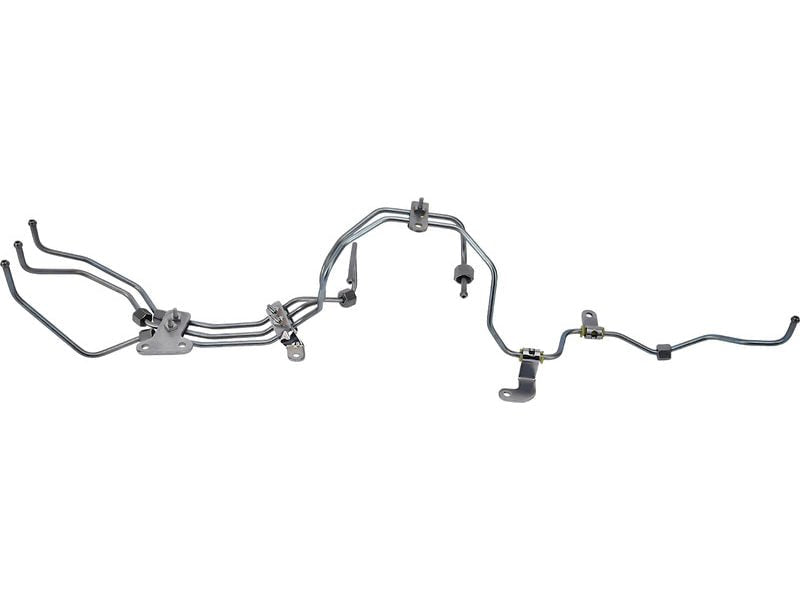
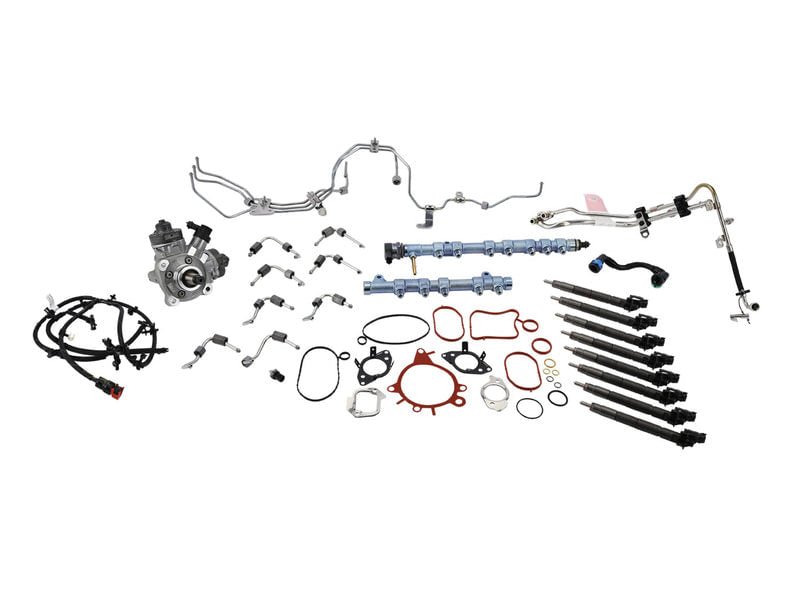
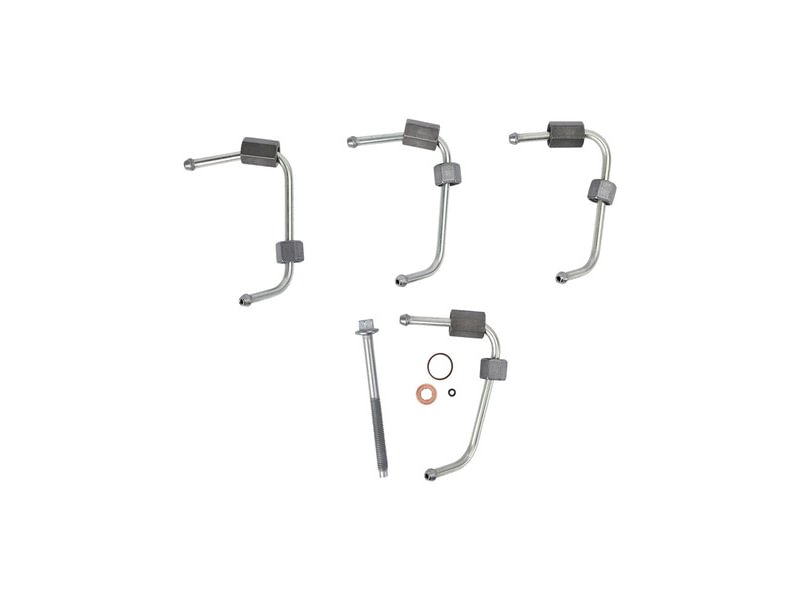
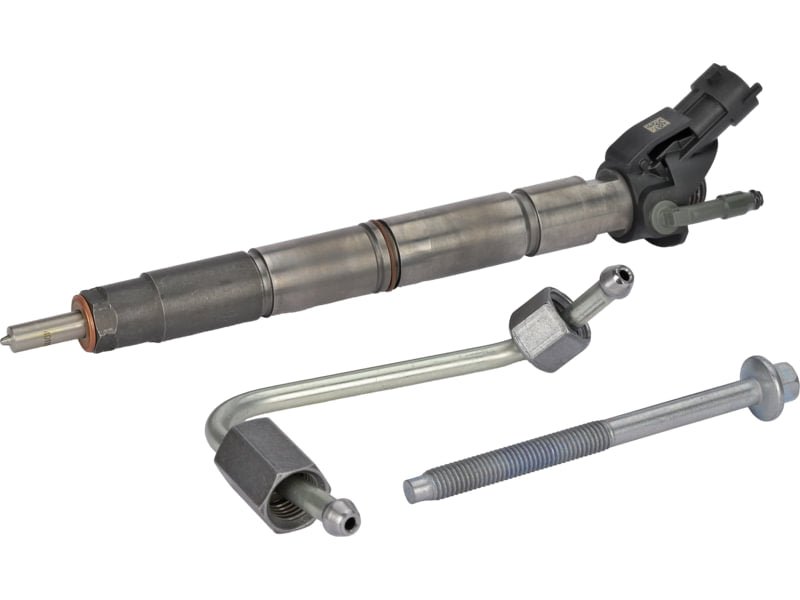
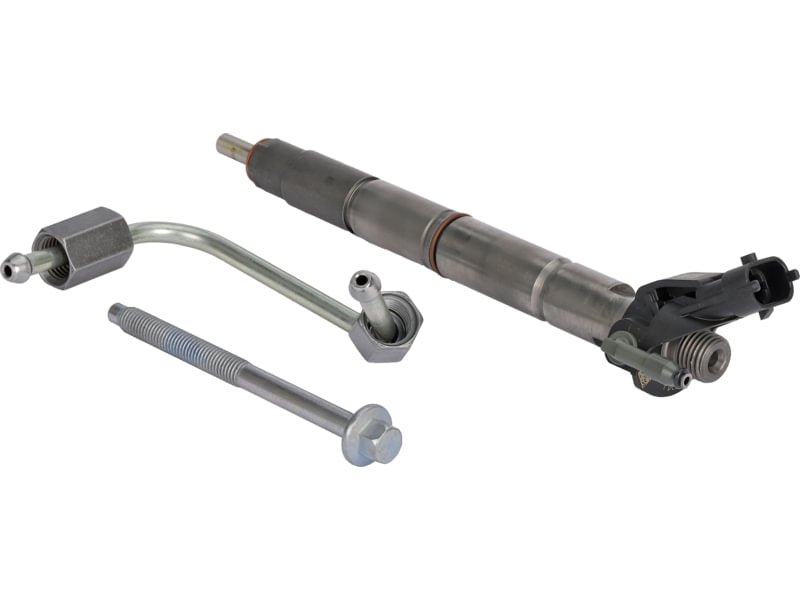
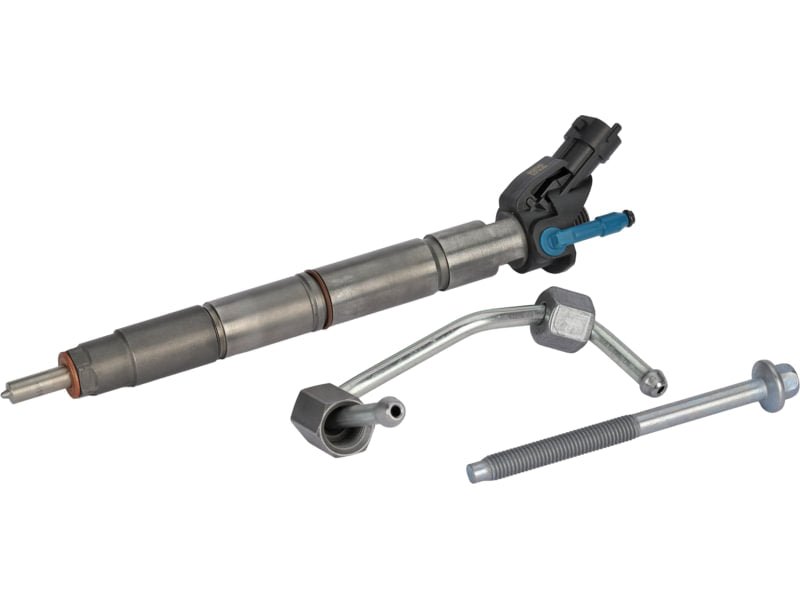
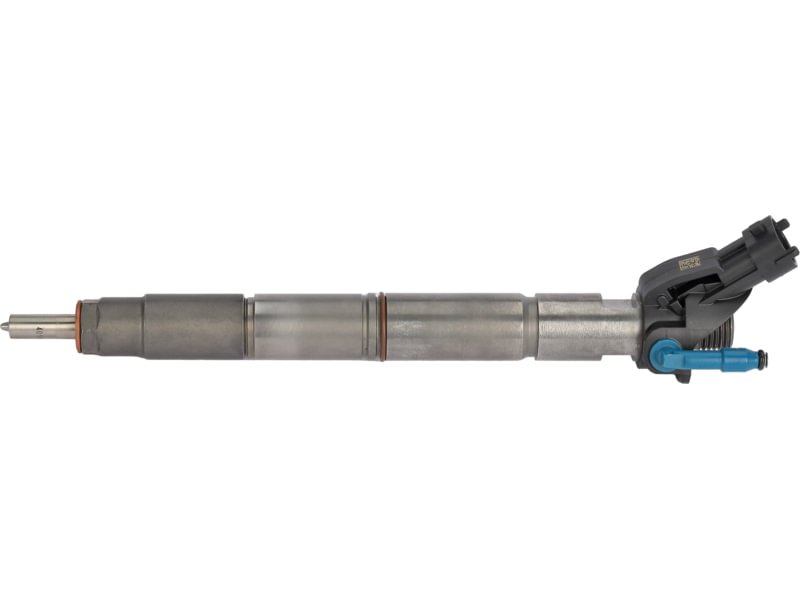
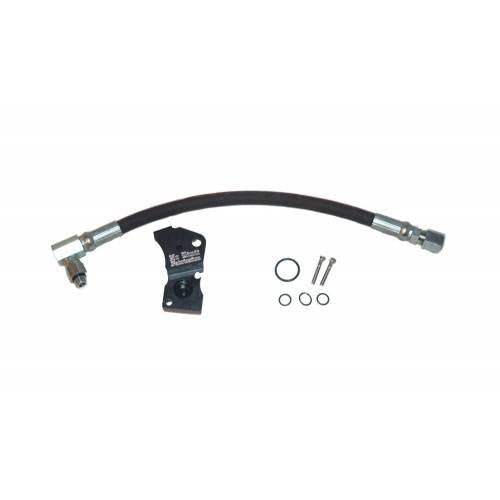
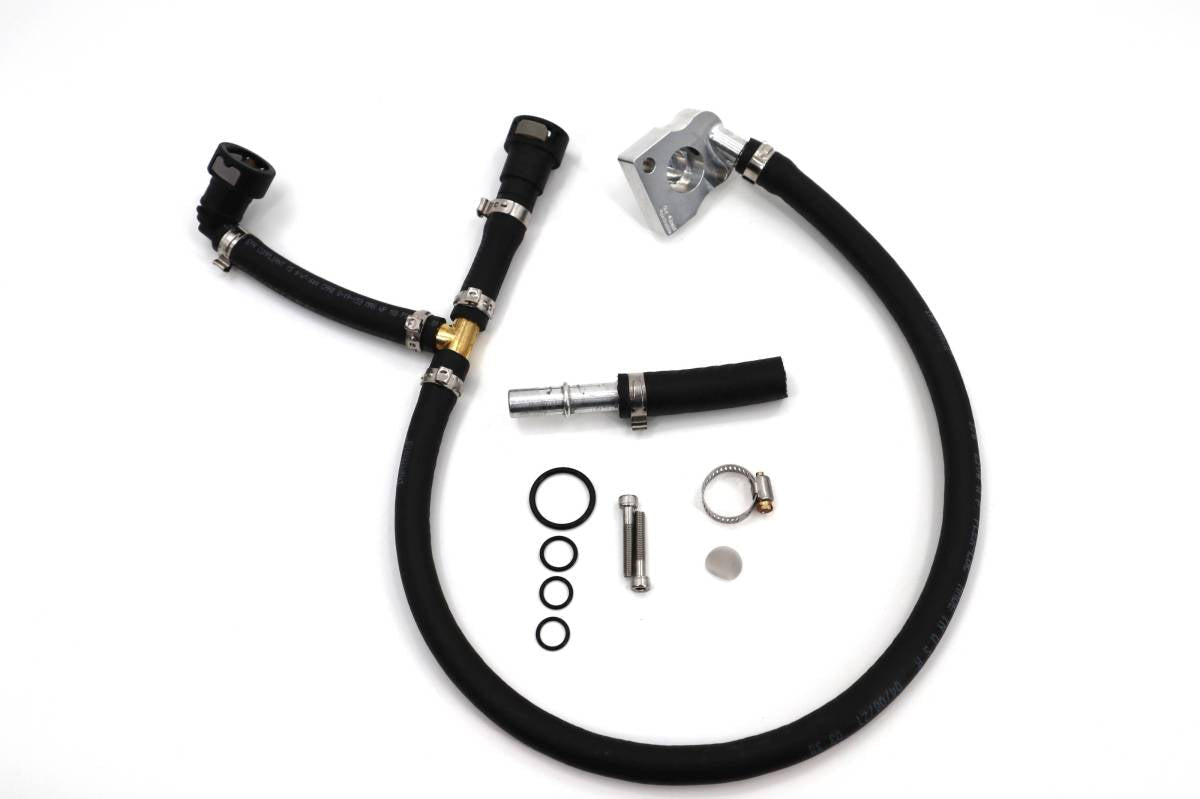
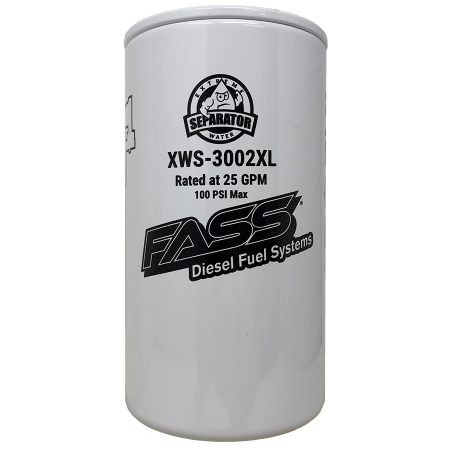
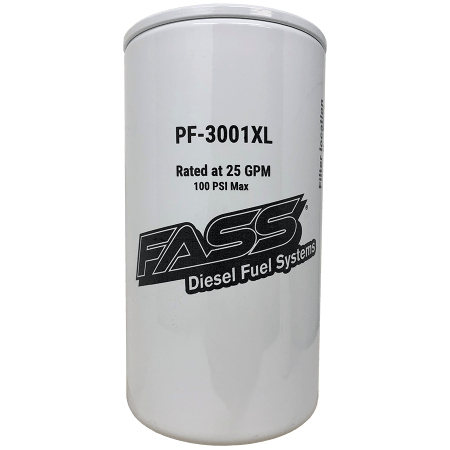
The pump side includes new and reman CP4 pumps from XDP and Dynomite Diesel, an Exergy Performance CP4.2 pump and improved inlet metering valves, the S&S Diesel Motorsport DCR Pump Conversion, SPE Motorsport Dual Fueler kits, and CP4 disaster prevention kits from S&S, SPE and No Limit Fabrication. For the repair after a failure there are fuel contamination kits, with or without the pump, from Alliant Power, XDP and SPE, plus an Alliant pump install kit, new driver and passenger rails from XDP and Exergy, and line and seal kits from Alliant and MAHLE. Injectors come as reman units with bolt and line from Alliant and XDP, split by cylinder group, along with Dynomite and Exergy sets. Lift pump and filtration systems come from FASS (Titanium Signature Series and Drop-In Series) and AirDog, alongside a Fleece Performance Engineering engine-mounted filter assembly, replacement filters and filter packs. XDP fuel tank sumps and billet drain valves round out the hardware, and the additive shelf carries Hot Shot's Secret, Lucas Oil, Exergy, Alliant, XDP and Merchant Automotive treatments.
Fitment notes
Year splits matter on this fuel system. Factory-style lift pump, DFCM housing and primary filter parts are 2011-2019 pieces, because Ford moved the lift pump into the tank for 2020. The FD-4625AA filter kit covers 2017-2021; it is not the 2011-2016 FD-4615 kit, and the housings differ. Rails on 2011-2019 trucks run up to about 30,000 psi, while 2020-and-later rails see 36,000 psi with different hardware. The larger-displacement CP4.2 arrived for 2015, so read each pump listing's year range before you order. Tank size depends on wheelbase and cab: 29 gallons on the 142-inch and 148-inch wheelbases, 34 gallons on most trucks, and a 48-gallon midship tank on the 176-inch Crew Cab 8-foot box. Sump and tank parts must match the tank. F-350, F-450 and F-550 chassis cabs carry a different 6.7L rating and many of their parts differ from the pickups, so read the listing closely. When in doubt, verify by VIN.
Frequently asked questions
What are the warning signs of a CP4.2 failure on a 2017-2019 F-250 or F-350?
Hard or extended cranking, especially when warm, P0087 or P0088 rail-pressure codes, rough idle, sudden power loss and knocking from the front of the engine are the common ones. Metal in the secondary fuel filter confirms it, and by then the debris has already reached the rails, injectors and lines.
How often should I change the fuel filters?
The interval is 22,500 miles in normal service and 15,000 miles, 6 months or 600 hours in severe service or on biodiesel. The FD-4625AA kit replaces the frame-mounted primary and the engine-mounted secondary together. Drain the water separator at every oil change, and after a filter change, prime the system by cycling the key to RUN 10 to 12 times.
Is a fuel additive worth running in this truck?
Yes. A lubricity and cetane additive in every tank is the low-cost CP4.2 insurance most sources recommend, because domestic ULSD can run below the pump's lubricity requirement. If water has already caused microbial sludge, the fix is a biocide plus a cleaner, followed by a filter change.
Why does my 2019 Crew Cab whistle near the fuel tank?
Some 2019 Crew Cabs on the 176-inch wheelbase with the 48-gallon tank, built from June 24 through August 31, 2018, can whistle at the front of the tank during fueling, acceleration or braking, usually at three-quarters of a tank or lower. Ford TSB 18-2356 covers it with a new fresh air vent tube cap, part HC3Z-9A089-A.
If the CP4.2 fails, do the injectors have to be replaced too?
Usually, yes. A CP4.2 failure is rarely a pump-only repair; the fix replaces both pumps, all eight injectors and every fuel line, along with the rails, and the tank is removed and cleaned. The contamination kits here, offered with or without the pump, are built around that job.
Not sure what fits? Call the shop at the number in the header, or use the fitment checker on any product page. We install everything we sell.