
Shop Engine by Category


Filters
104 products



Not sure it fits your truck?
Our Wildwood, FL techs will confirm the right part for your build before you buy.
Call or Text (352) 722-5295The engine in the 2017-2019 Ford 6.7L Powerstroke
Ford builds this V8 in-house. It sits on a compacted graphite iron deep-skirt block with aluminum reverse-flow heads held down by six bolts per cylinder. The valvetrain is pushrod and rocker with self-adjusting hydraulic lifters, so there is no valve lash to set, and the camshaft is gear driven. Pistons are oil-cooled aluminum through 2019. The 2015 update that carried into these trucks brought IROX-coated lower main bearings, a heavier crank damper, strengthened heads, revised injector nozzles and a revised fan clutch with heat sinks. A gerotor pump in the front cover moves the oil, capacity is 13.0 quarts with the filter, and the engine idles at 625-650 rpm with one ceramic glow plug per cylinder. Pickups are rated 440 hp and 925 lb-ft for 2017 and 450 hp and 935 lb-ft for 2018-2019. Everything else for this engine family lives under Powerstroke parts.
What fails and why
Fuel dilution is the big one. During active DPF regeneration the engine adds post-injection fuel, and some of it washes past the rings into the crankcase. The dipstick level climbs, the oil smells like diesel and oil life gets shorter. It hits trucks that idle a lot or run short stop-and-go trips hardest, and it is tied to duty cycle, not mileage.
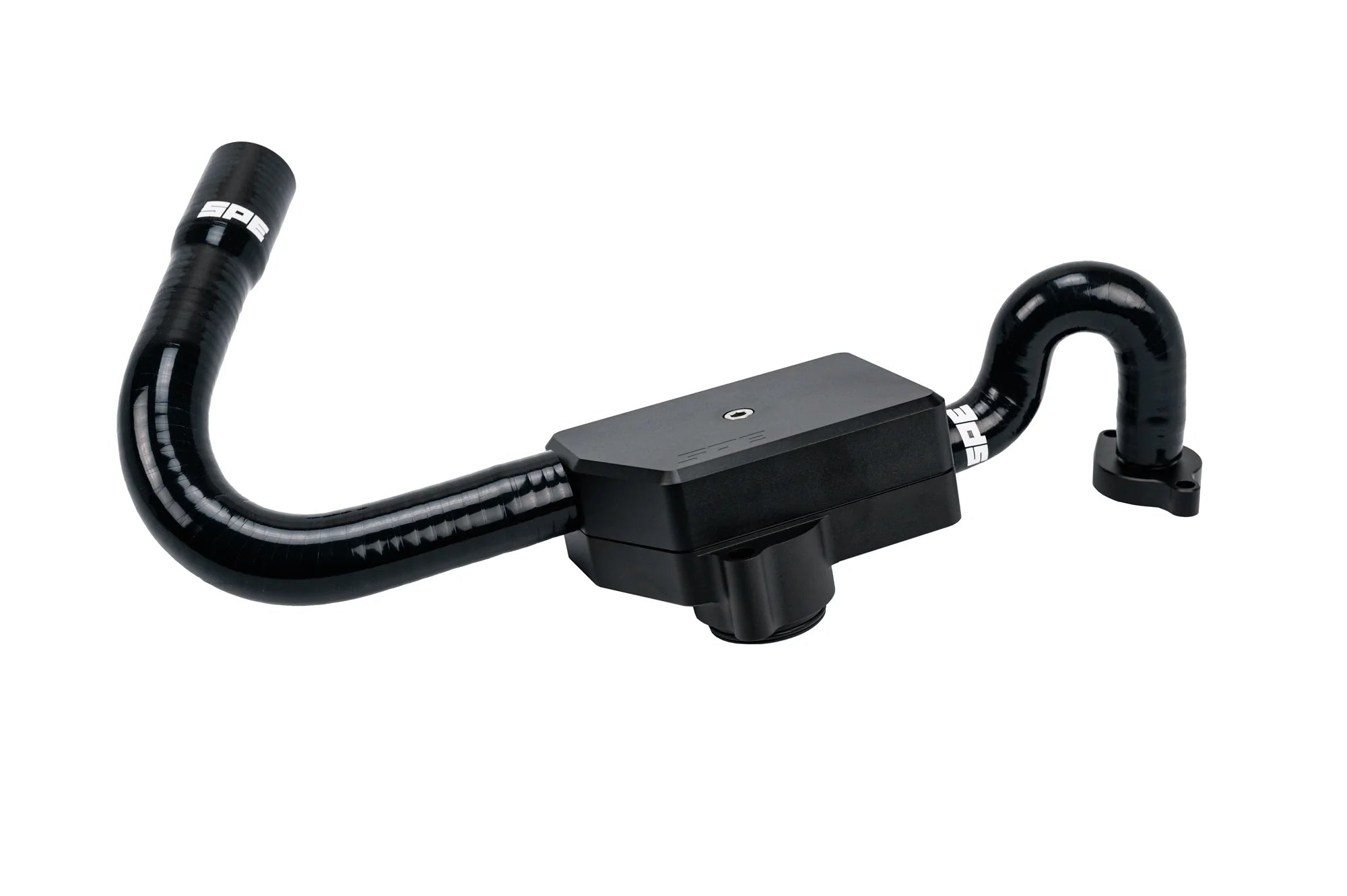
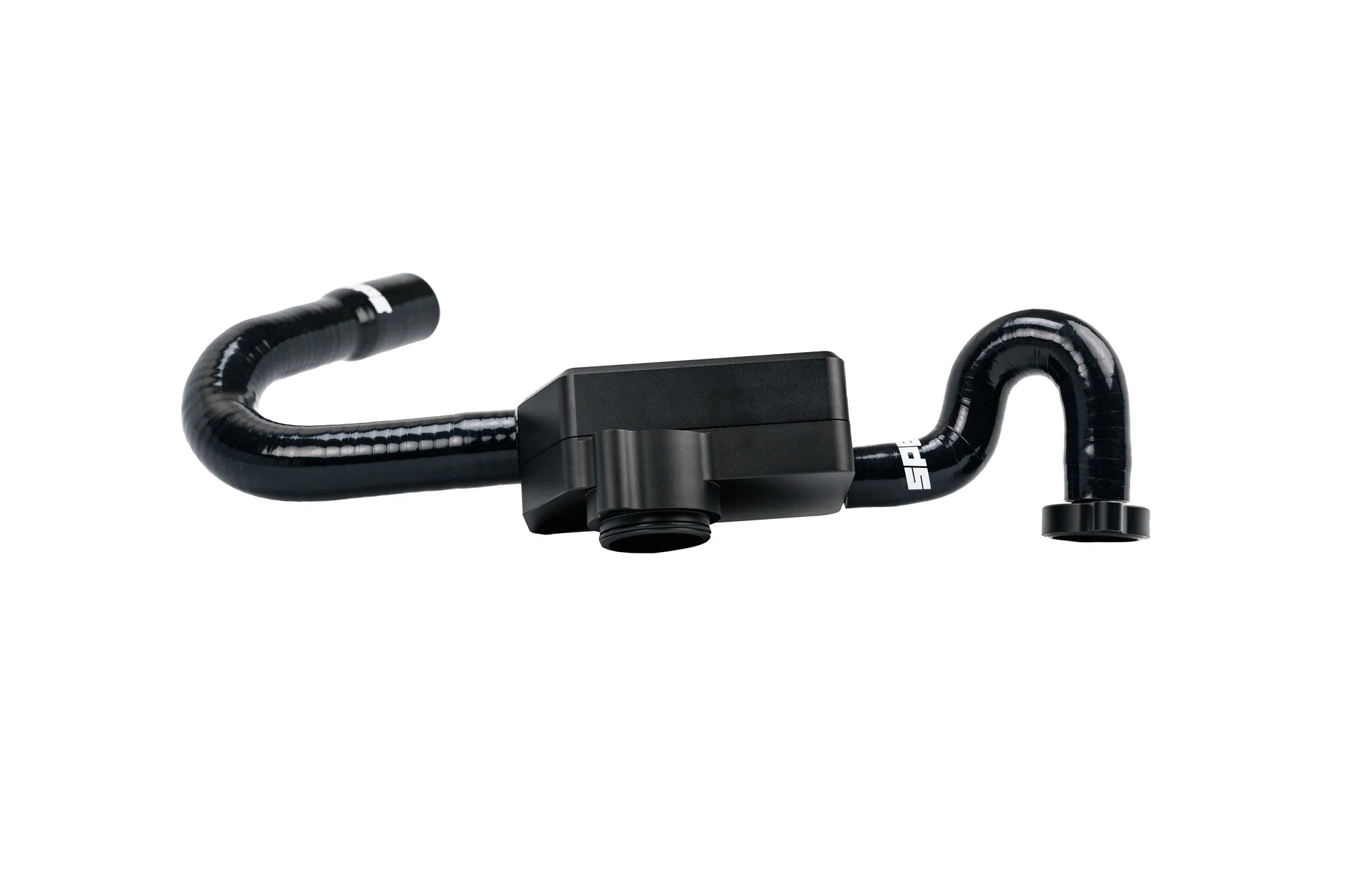
Next is the CCV oil separator on the driver-side valve cover. It loads up with oil mist and restricts, crankcase pressure rises, and oil gets pushed into the turbo inlet and intercooler. Expect seeps at seals, heavier DPF ash loading and a 1-2 mpg loss. Dieselhub recommends servicing it every 30,000-40,000 miles; Ford's own 100,000-mile interval only covers certain DRW and chassis-cab trucks.
The factory exhaust manifolds are prone to cracking from high exhaust temperatures, mostly on higher-mileage or hard-worked trucks. Listen for an exhaust tick on a cold start and look for soot streaks at the manifold. Finally, the aluminum pistons and factory rods set the power ceiling: roughly 650 rwhp reliably, borrowed time past 700. A stock-power truck is not affected.
Stock replacement vs. upgrade
For a working truck at stock power, OE-grade parts are the right call: Mahle gaskets and seals, a quality oil filter, Dayco belts and Alliant Power sensors. Head-gasket failure is not a known pattern on this engine, so head studs belong to a build, not a repair. Once a truck is headed past roughly 700 rwhp, stiffer valve springs and chromoly pushrods are the next step. If a manifold cracks, a heavier aftermarket manifold is the upgrade path; BD Diesel's 1043008 kit for these trucks carries CARB EO D-553-17 and is 50-state legal.
What we carry
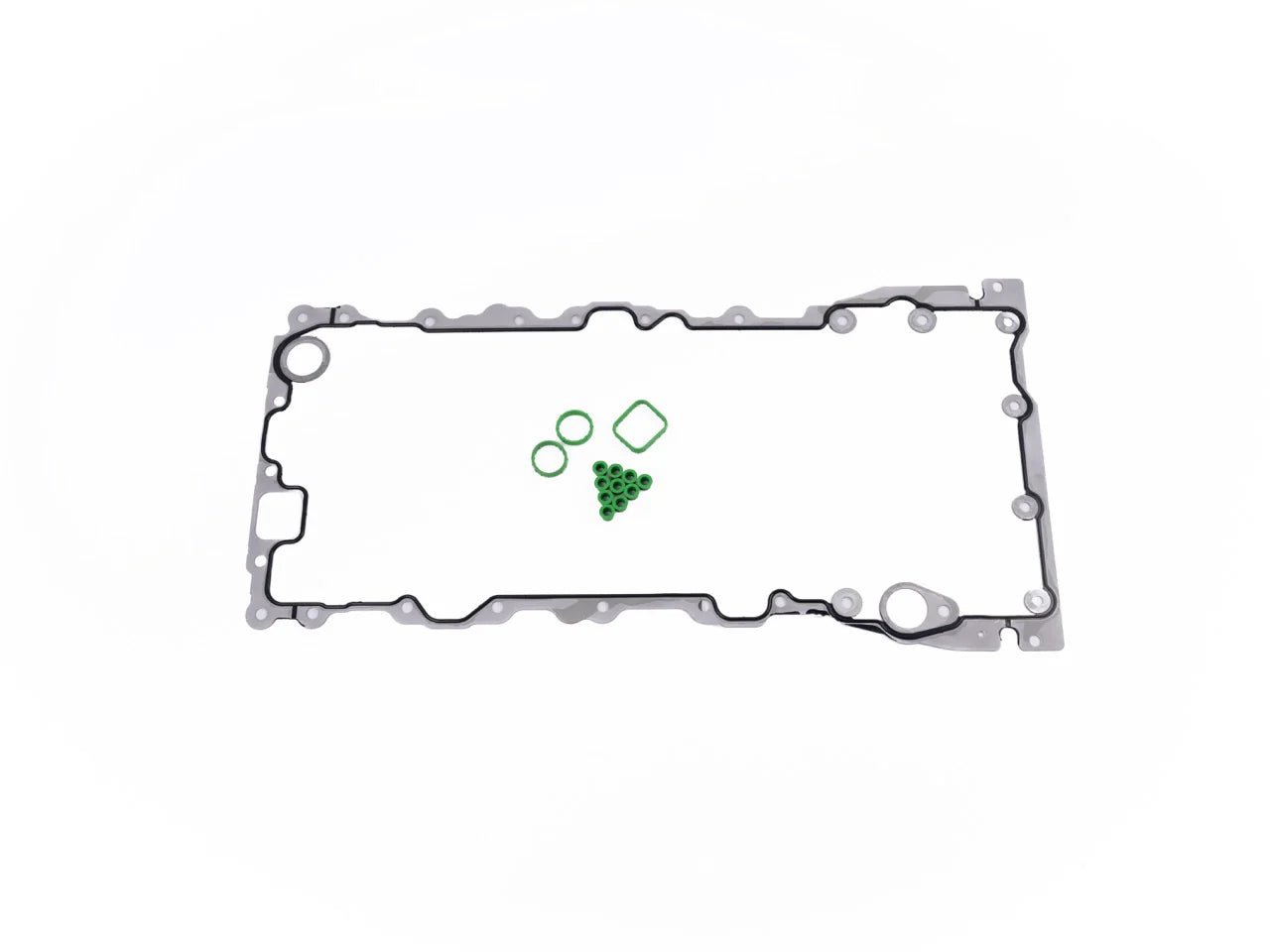
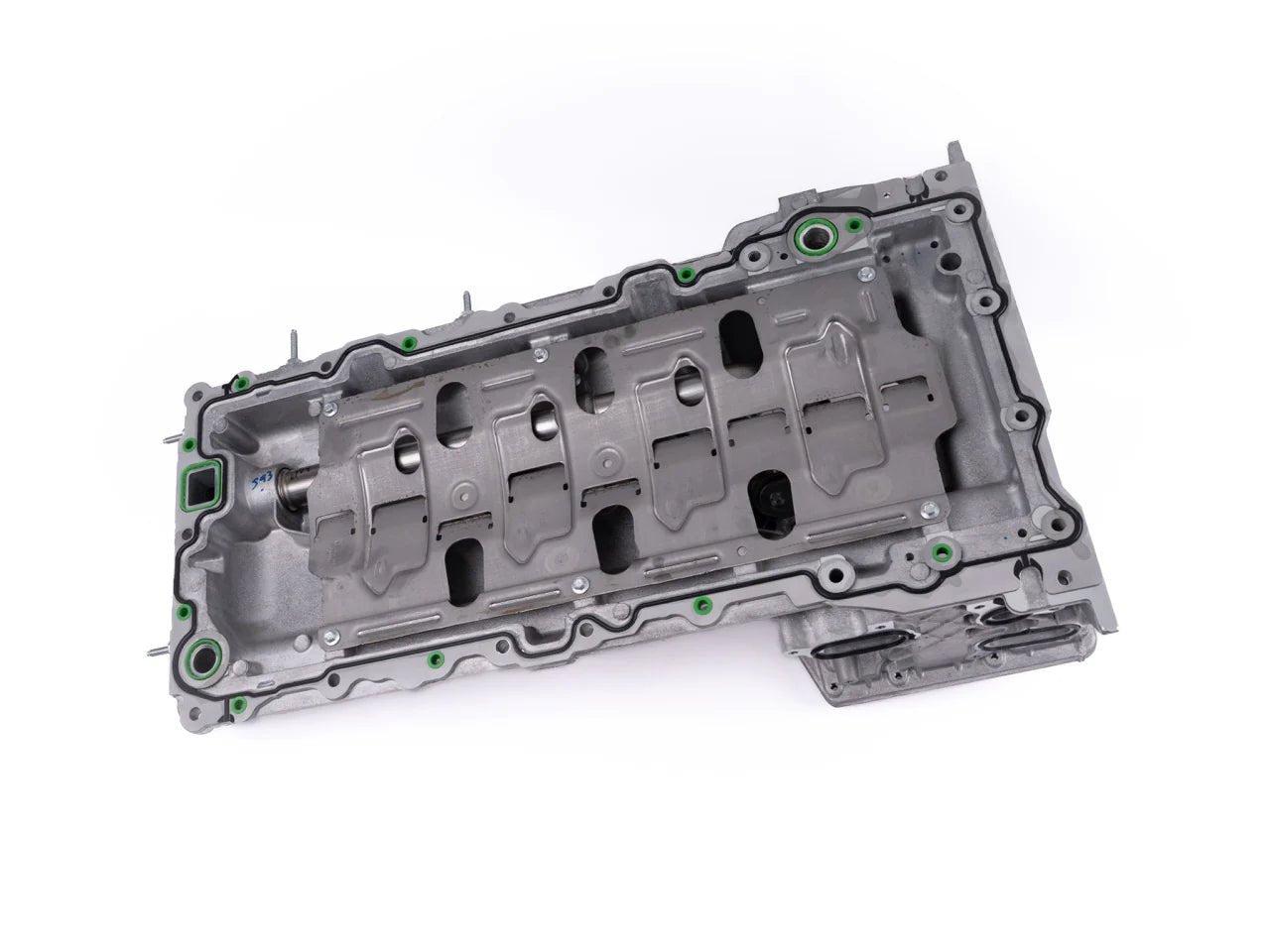
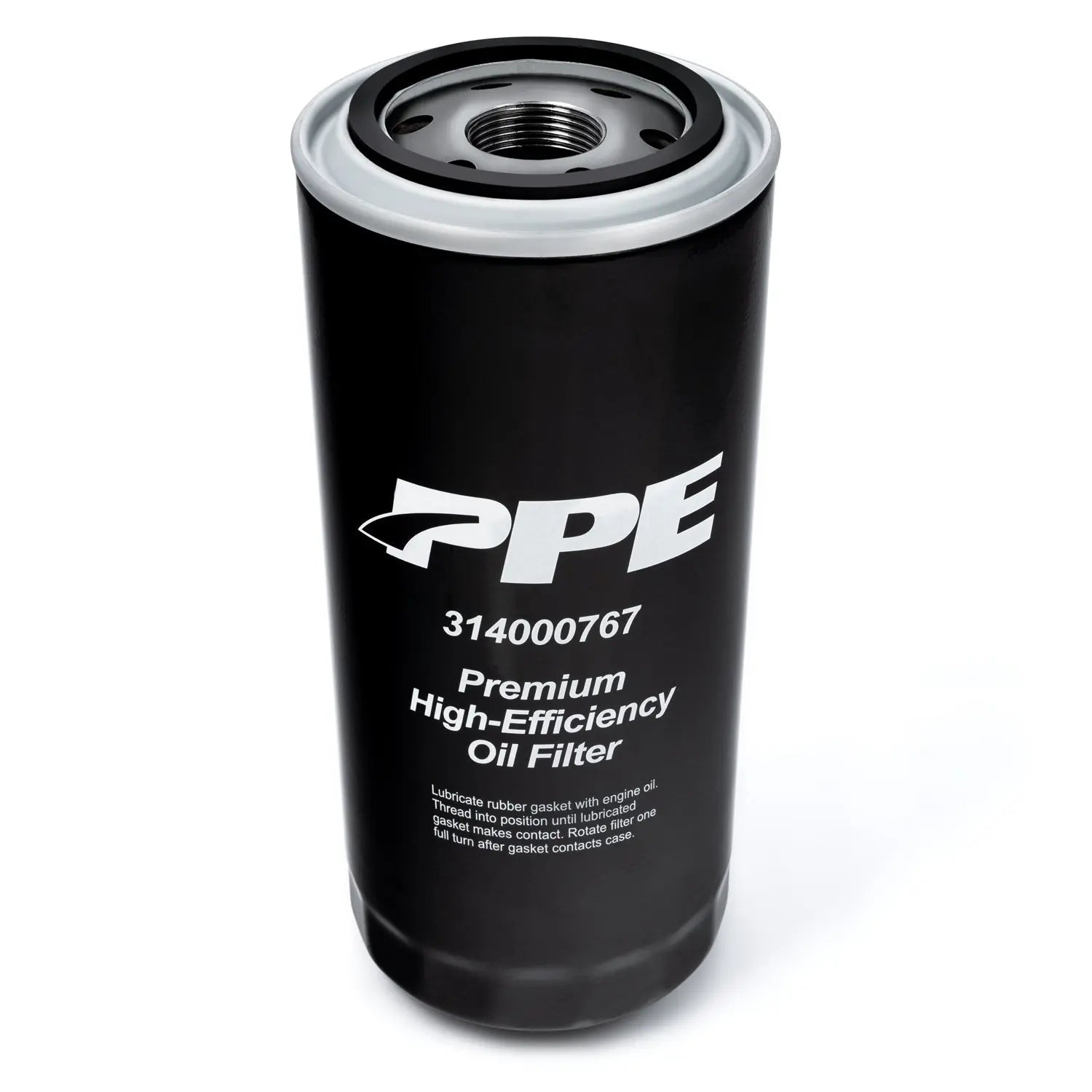
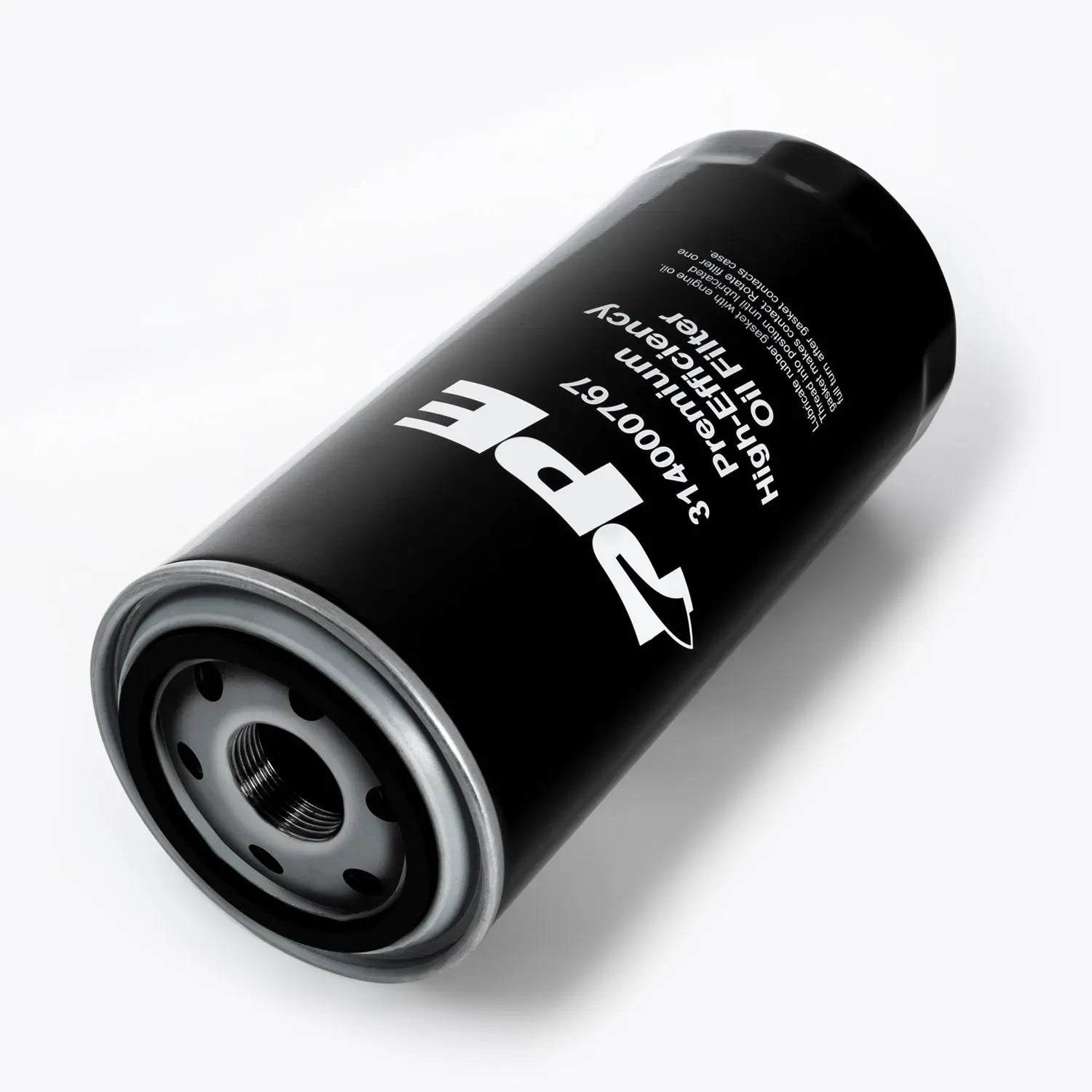
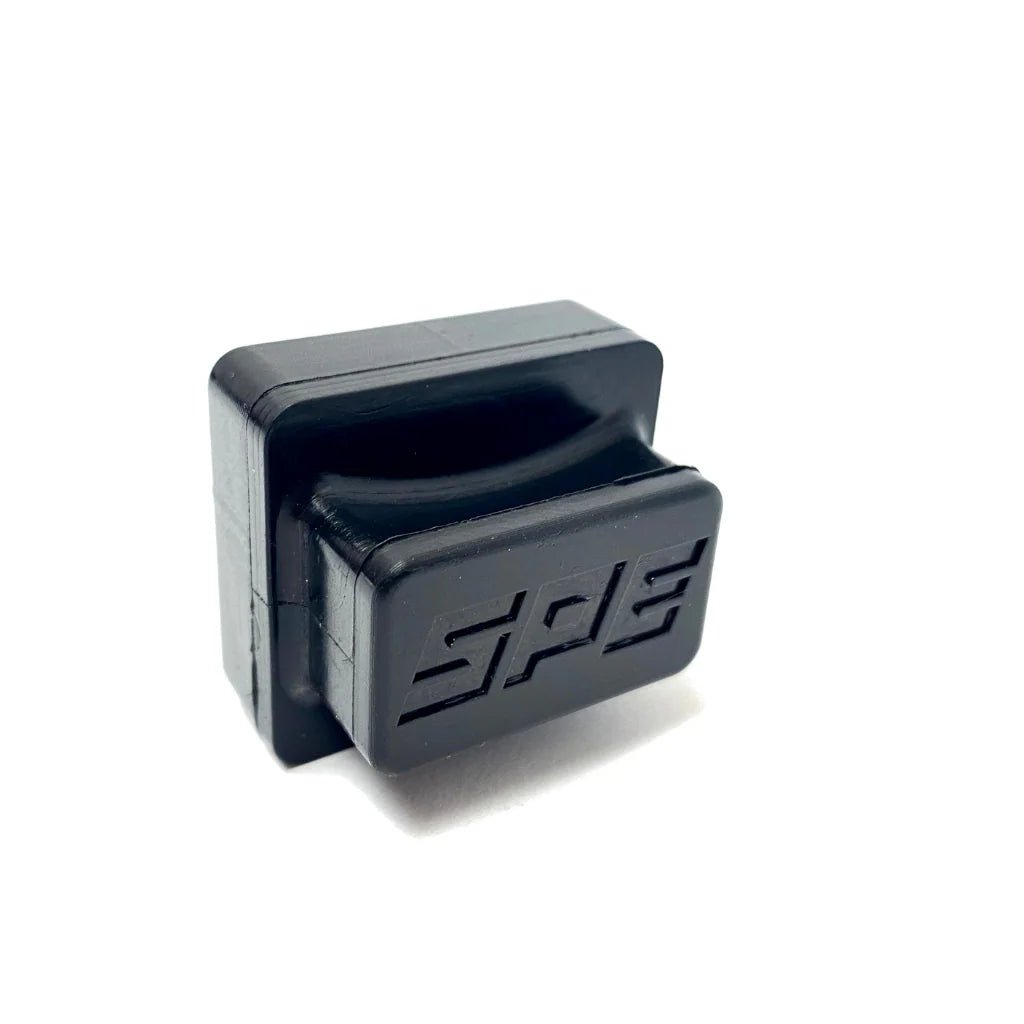
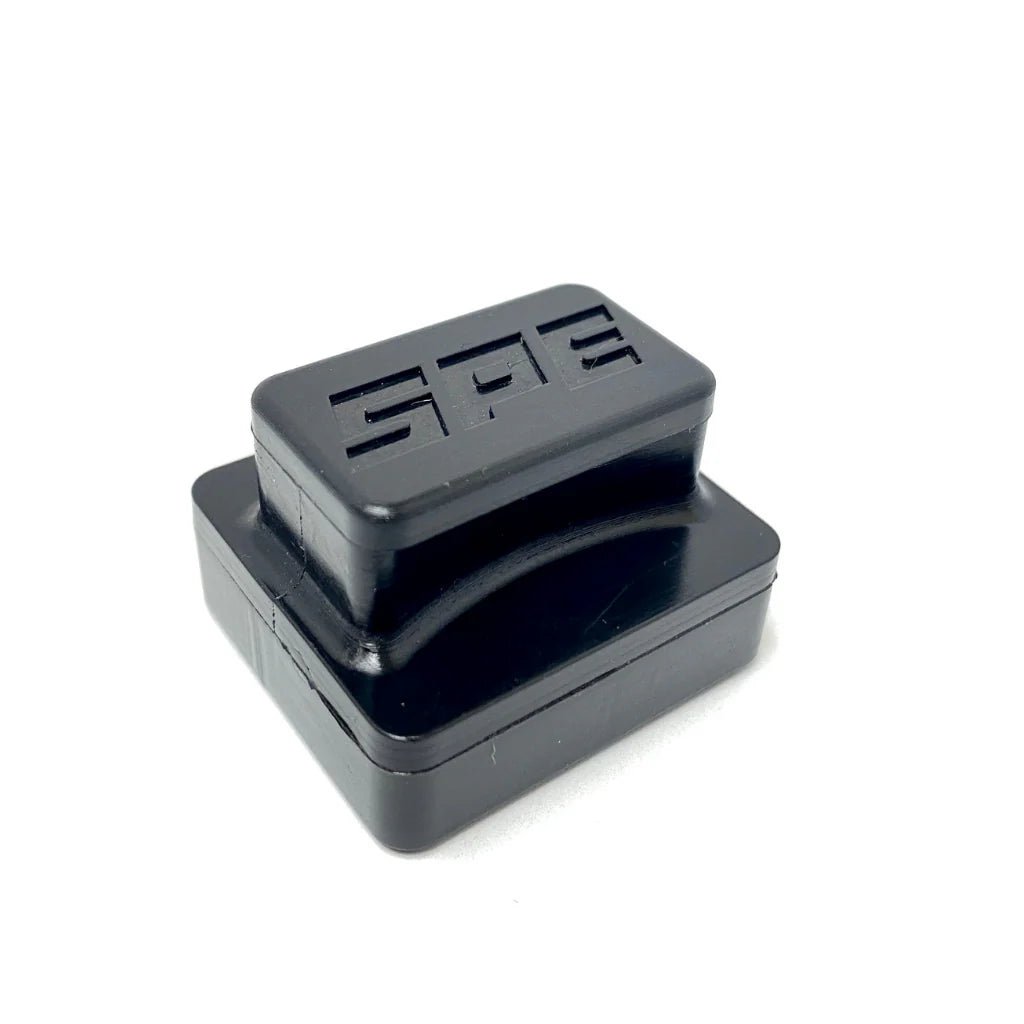
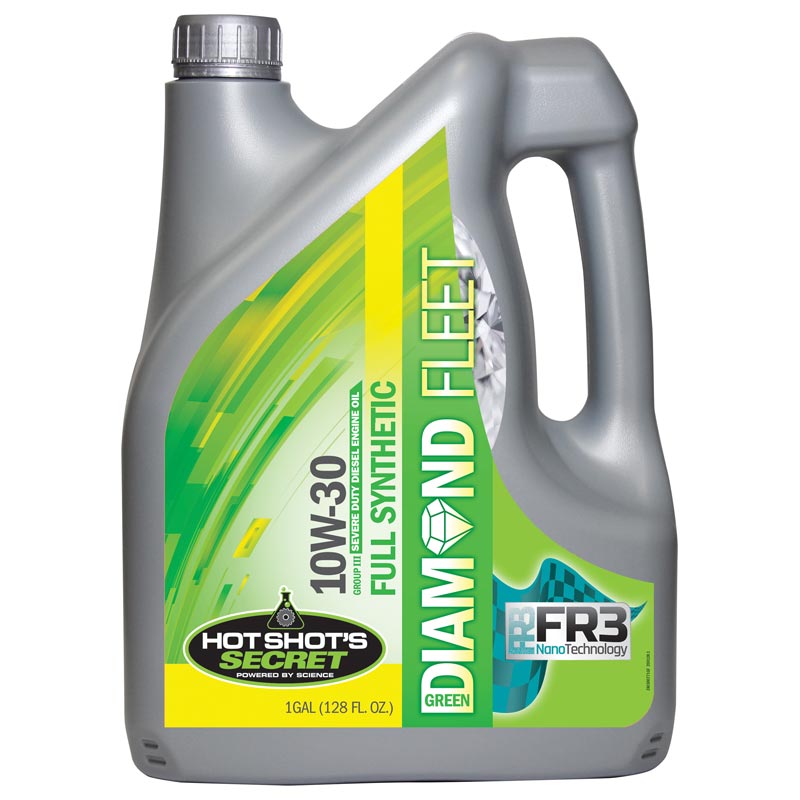
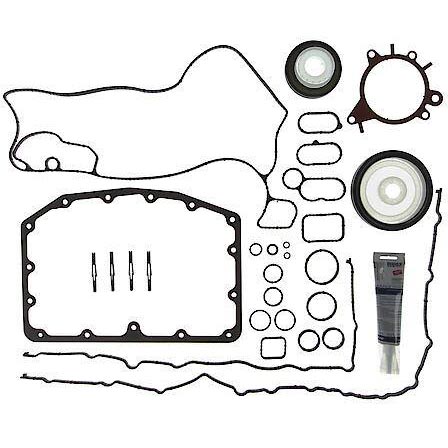
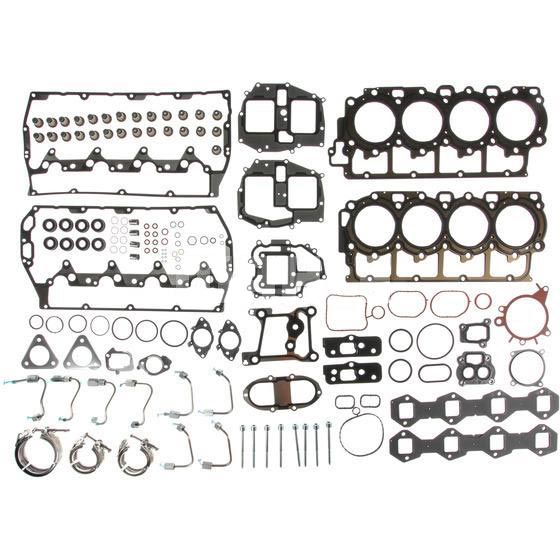
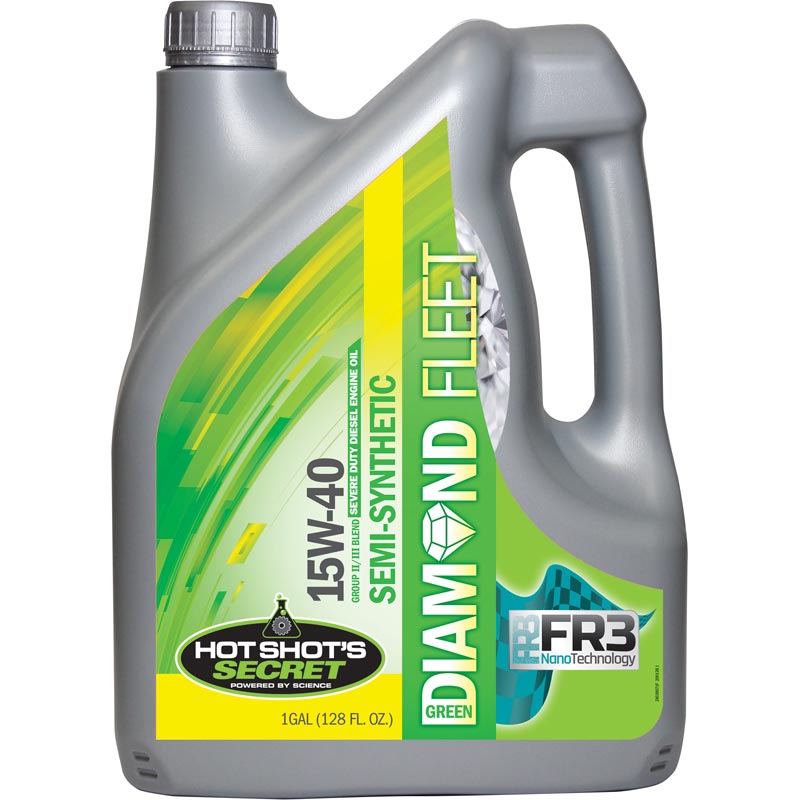
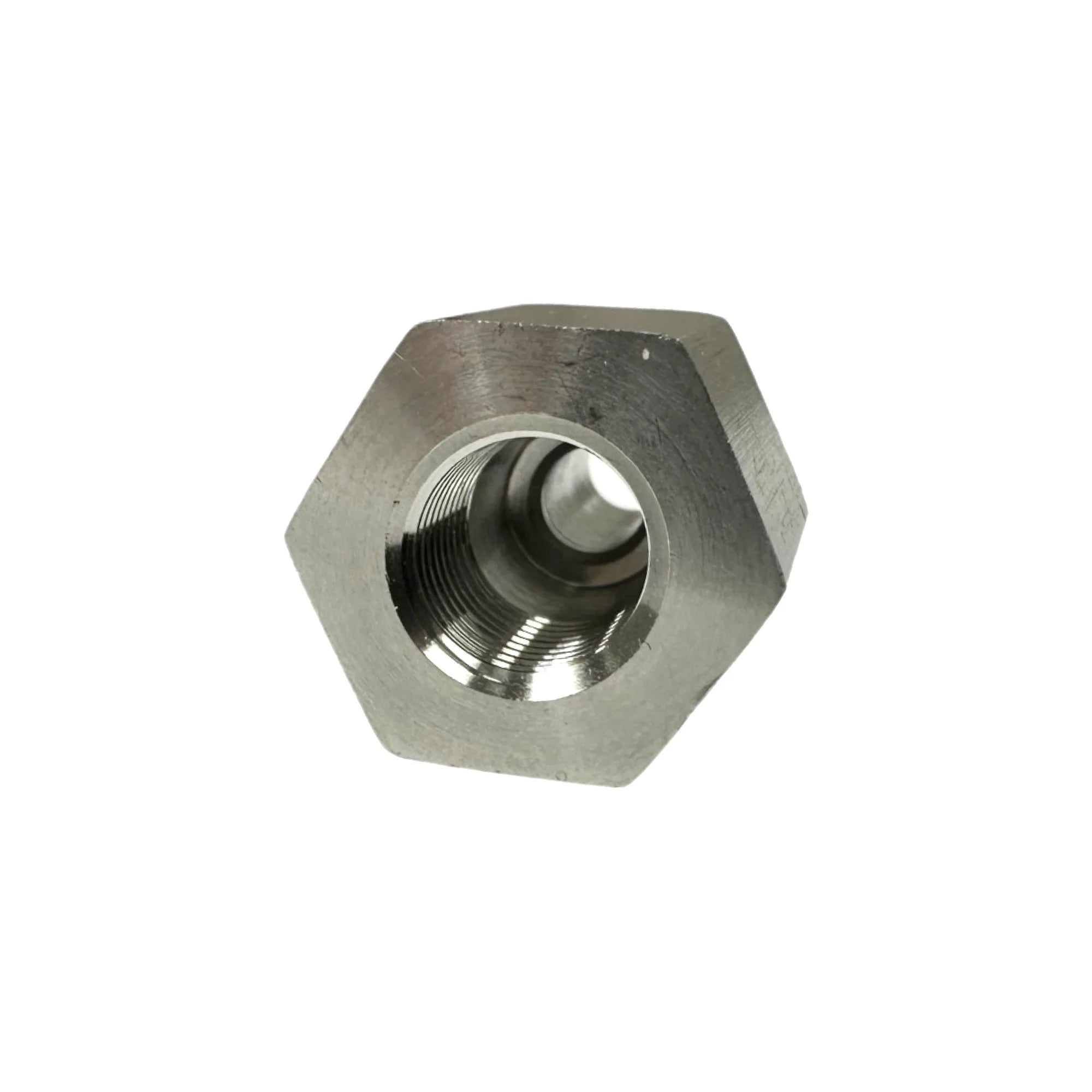
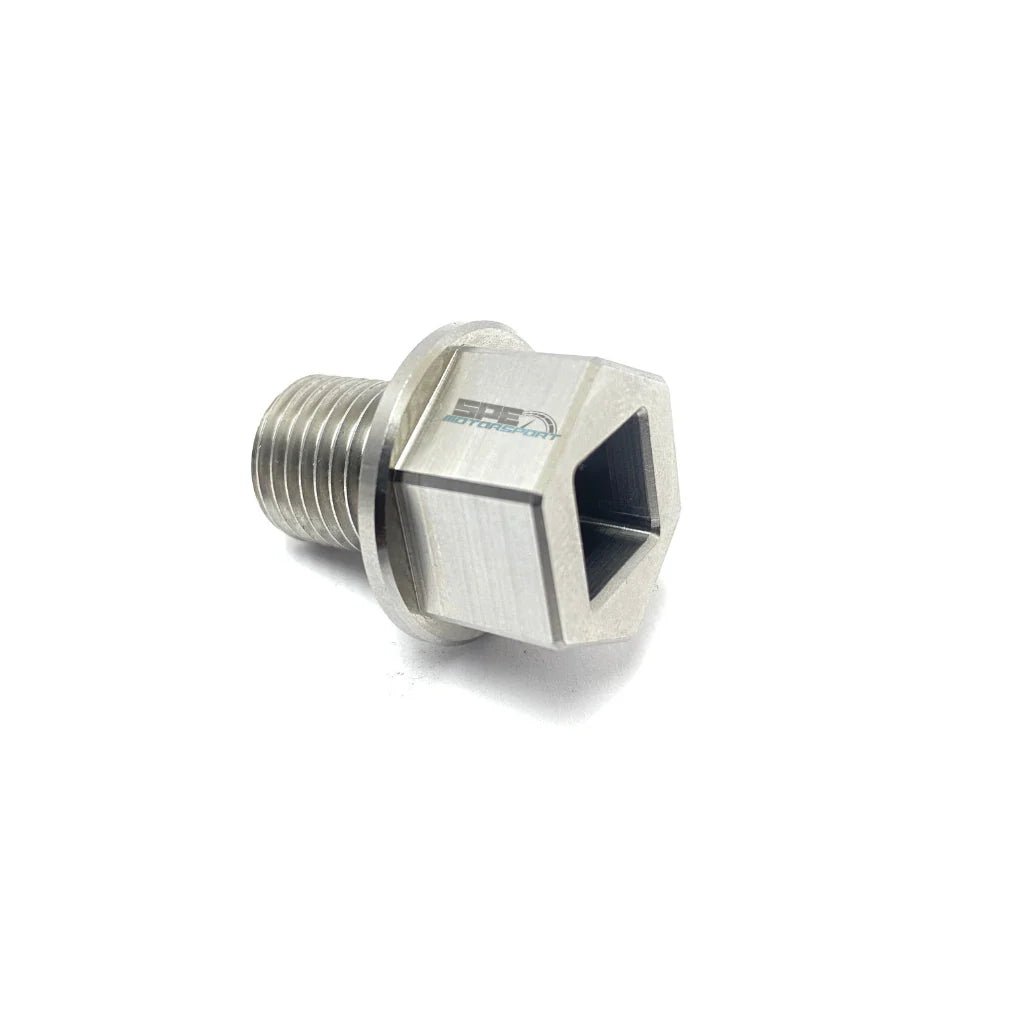
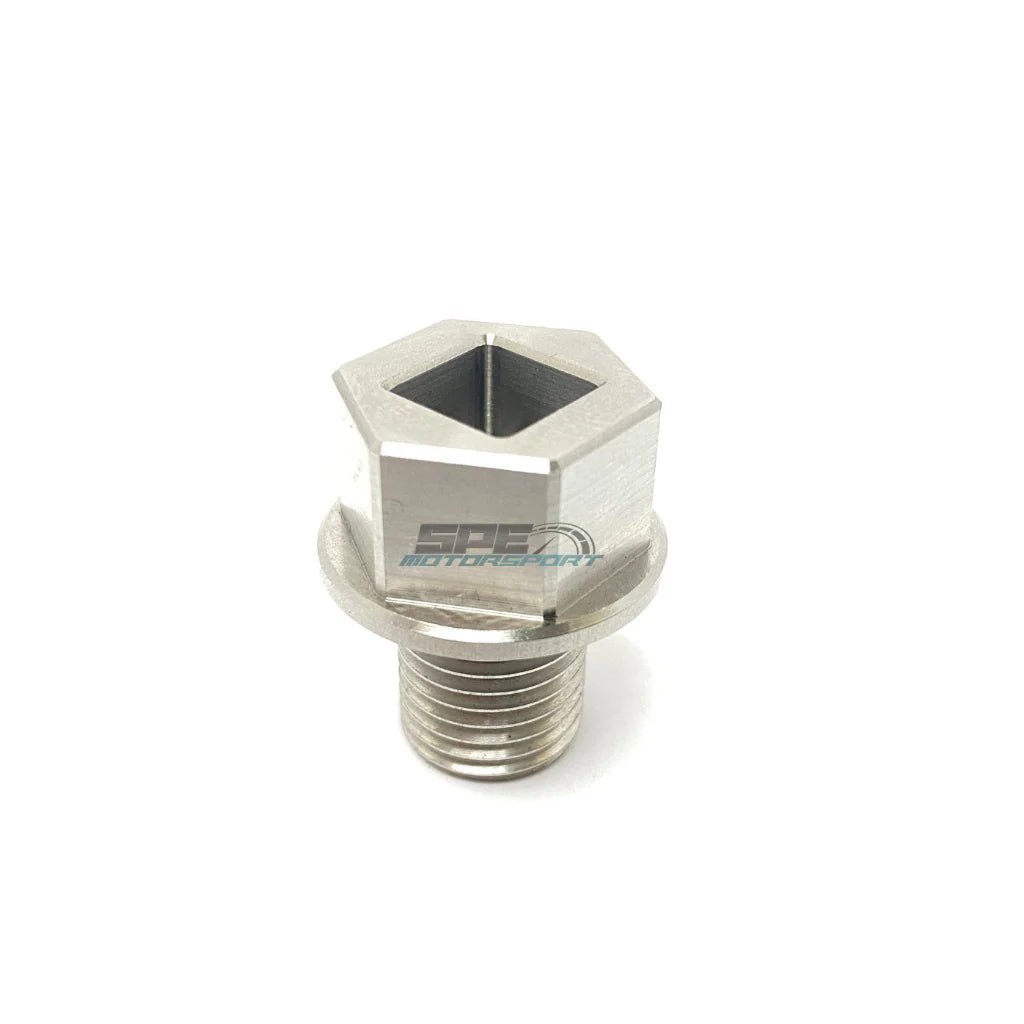
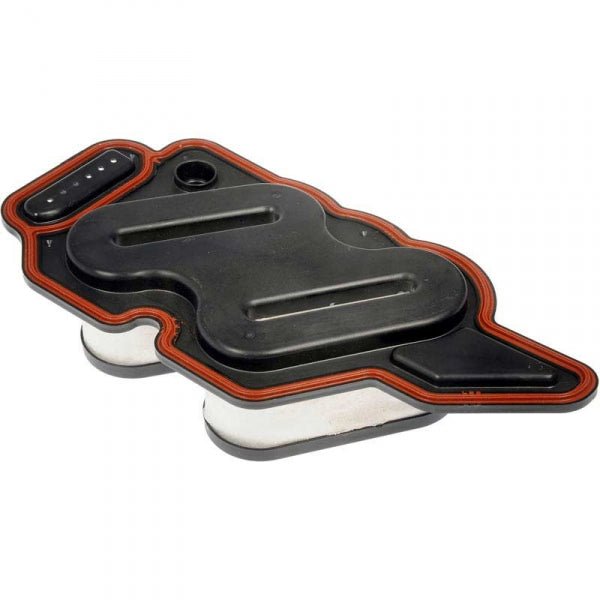
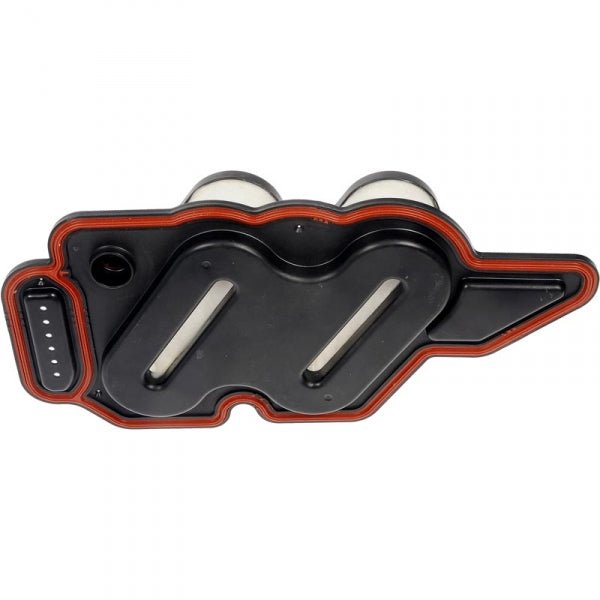
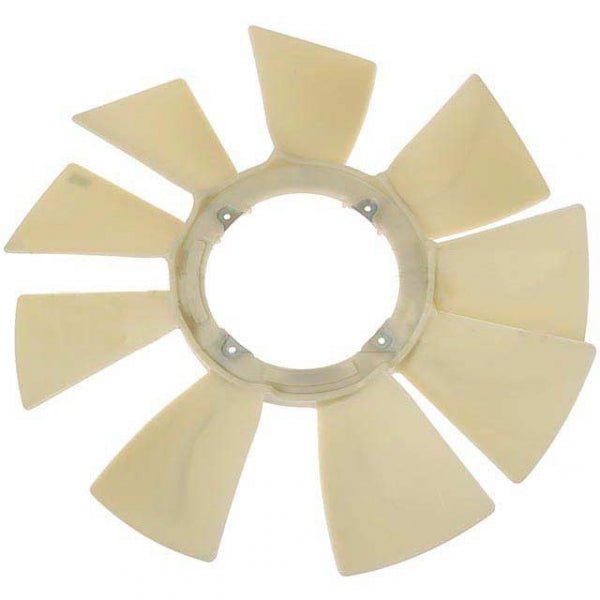
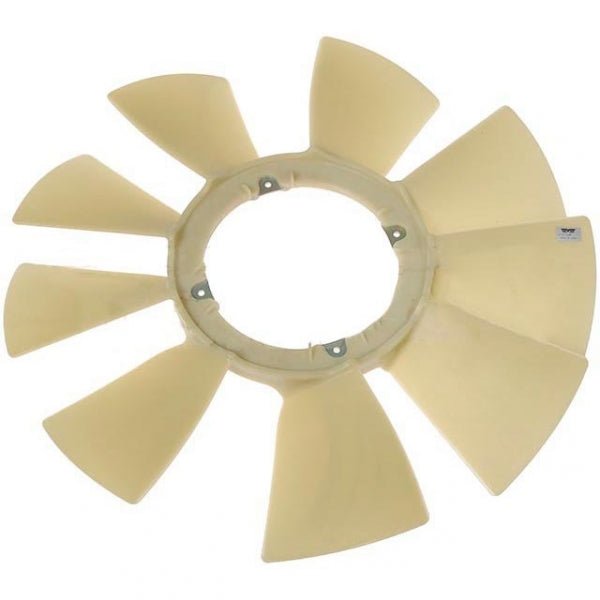
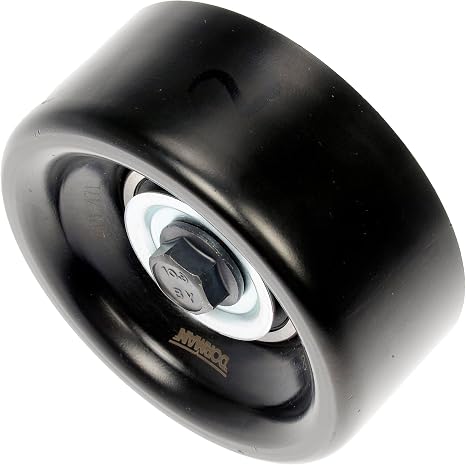
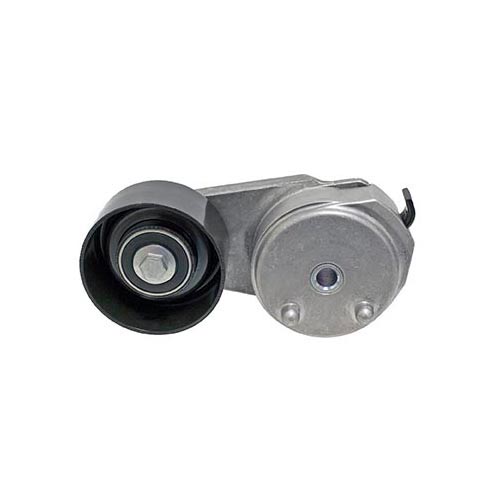
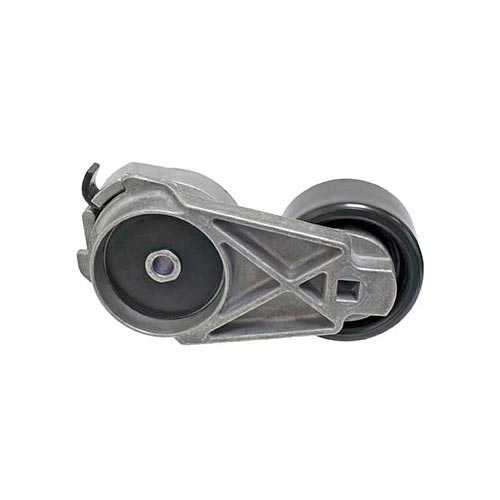
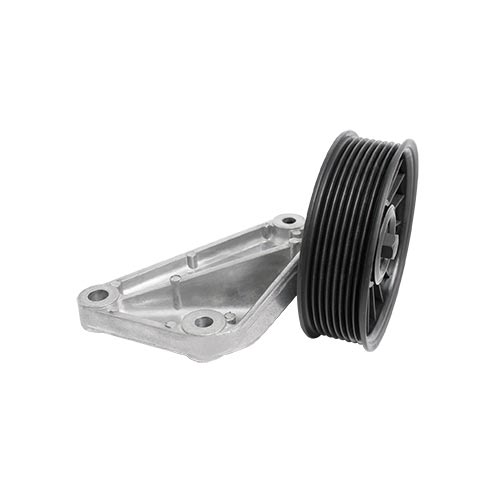
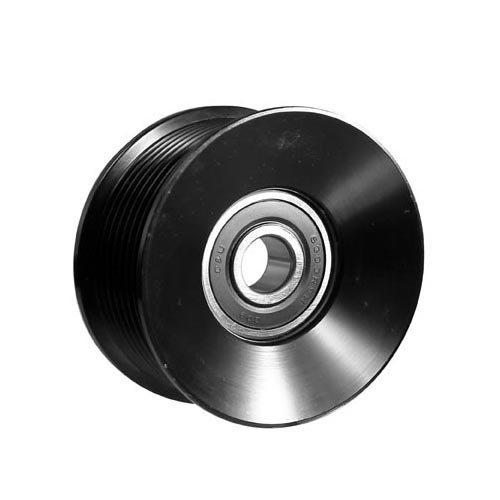
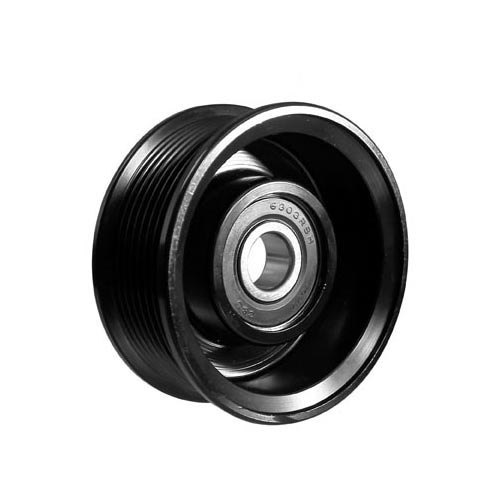
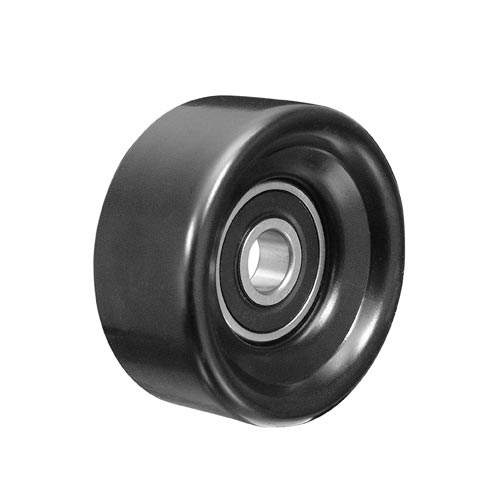
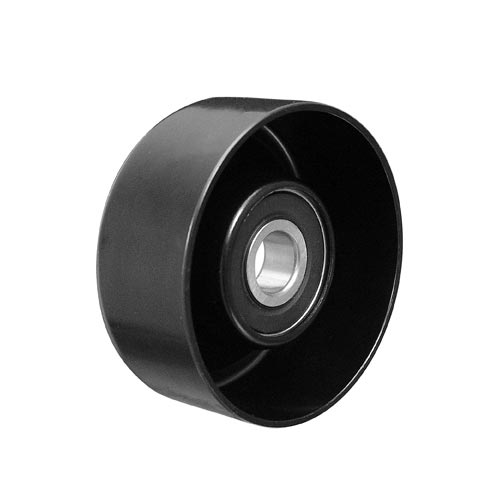
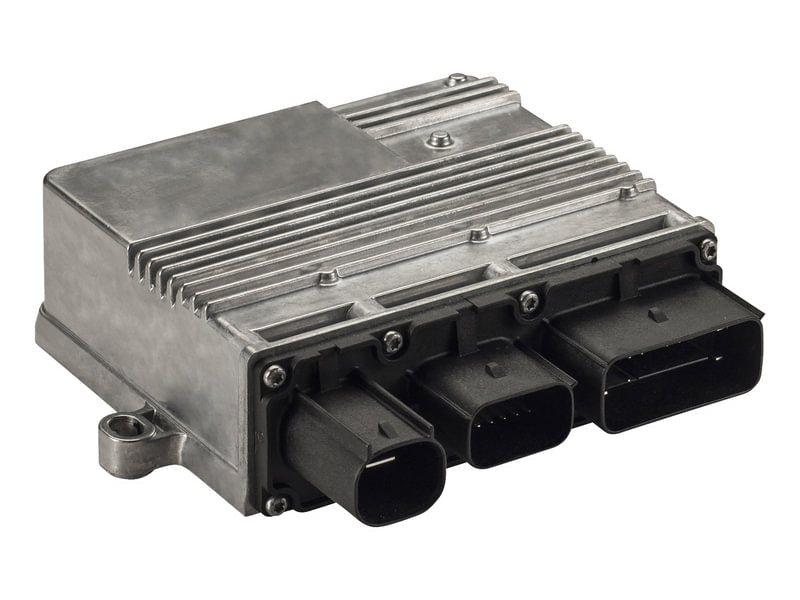
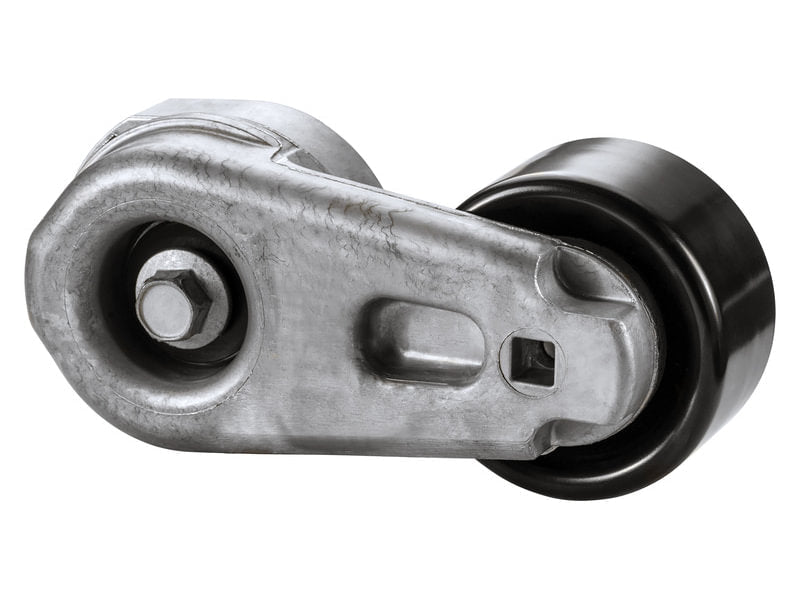
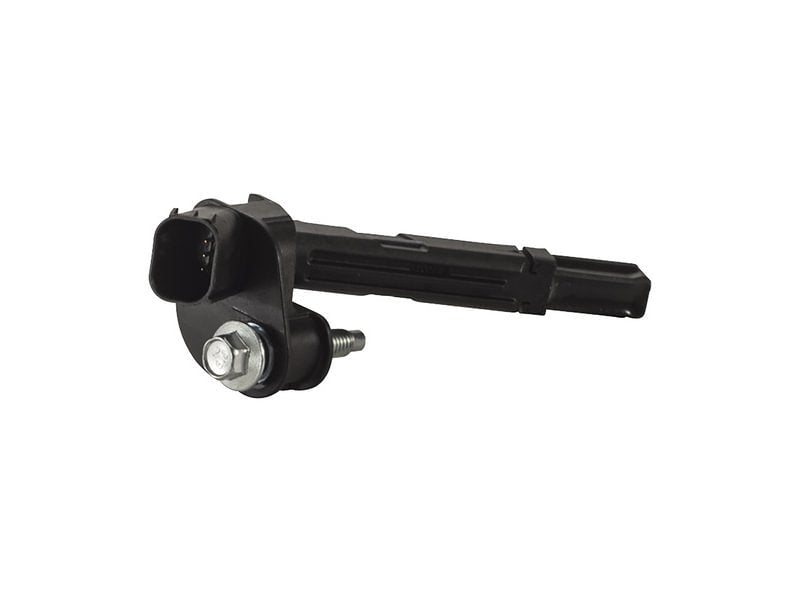
This collection pulls the whole engine category together. Mahle covers gasket work: head sets, lower engine gasket sets, valve cover gaskets, a vacuum pump gasket and an injection pump mounting gasket kit. SPE Motorsport brings the build side, from chromoly pushrods and valve springs to billet oil caps, a billet stainless drain plug and CCV parts. Oil comes from Hot Shot's Secret and Lucas Oil. Dayco and Dorman handle belts, idlers, tensioners, oil pans and valve cover gaskets. Alliant Power supplies crank and cam position sensors, a belt tensioner and a glow plug control unit. You will also find PPE head studs, oil pans and MicroPure XR filters, XDP pushrods, head studs and a stock-replacement harmonic balancer, Mishimoto oil coolers, a Mag-Hytec oil pan and a Fleece cooling fan adapter harness.
Fitment notes
2017-2019 is its own parts window. Pistons, rods, crank, injectors, lift pump location, turbo and transmission all changed for 2020, so match parts to model year and check the build date if your truck sits near the changeover. Chassis cabs run a 330 hp, 750 lb-ft calibration and a different turbo than the pickups. The serpentine belt differs between single- and dual-alternator trucks. Many listings here span 2011-2019 or reach past 2019, so read the year range in each title and verify by VIN when in doubt.
Frequently asked questions
Why is the oil level rising on my 2018 F-250?
Most likely fuel dilution. Post-injection fuel from DPF regeneration gets past the rings and into the oil, which raises the level and thins it. Trucks that idle or make short trips see it most. Shorten your oil interval and keep watching the dipstick.
How often should the CCV separator be serviced?
Dieselhub recommends every 30,000-40,000 miles. Ford lists about 100,000 miles, but only for 2016-2019 DRW and chassis-cab trucks. A loaded separator pushes oil into the turbo inlet and intercooler and can cost you 1-2 mpg.
Do I need head studs on a stock 6.7L Powerstroke?
No. The engine uses six head bolts per cylinder, and head-gasket failure is not a known pattern at stock power. Studs make sense on a built truck, alongside springs and pushrods.
Will 2020 engine parts fit my 2019?
Often not. Ford changed the pistons, rods, crank, injectors, lift pump location and turbo for 2020. Match the part to your model year, and send us the VIN if your truck was built near the changeover.
How much power can the stock bottom end take?
The aluminum pistons and factory rods are the limit. DrivingLine puts the rods at about 650 rwhp reliably, with anything past 700 rwhp on borrowed time. At stock power this is not a concern.
Not sure what fits? Call the shop at the number in the header, or use the fitment checker on any product page. We install everything we sell.