
Shop Parts by Category
Pick a category to narrow your truck down, or scroll to browse every part that fits.


















Filters
355 products



Not sure it fits your truck?
Our Wildwood, FL techs will confirm the right part for your build before you buy.
Call or Text (352) 722-5295The 5.9L Cummins in a first-gen Dodge Ram
Dodge put the 5.9L Cummins 6BT in the D/W 250 and 350 for 1989, and it showed up direct-injected and turbocharged while the competing diesels were neither. It is a cast-iron inline-six, two valves per cylinder, 17.0:1 compression, undersquare at 4.02 in bore by 4.72 in stroke, governed around 2,700 rpm and roughly 1,100 lb dressed. The camshaft and the Bosch VE44 rotary injection pump are gear-driven off the front of the block. There is no rail and no electronic injector — the VE pump makes injection pressure itself and a cam-driven mechanical transfer pump with a hand primer feeds it. Cold starts use a single resistive grid heater between the air horn and the intake manifold; there are no glow plugs. Every year from 1989 through 1993 was rated 160 hp at 2,500 rpm and 400 lb-ft at 1,600 rpm. Oil capacity is 12 quarts with the filter, and the cooling system holds about 24 to 26 quarts. More Cummins coverage sits on the engine hub.
Which first gen is yours?
The splits inside these five model years matter more than the badge on the fender. 1989 through early 1991 trucks are non-intercooled; from mid-1991, the "1991.5" change, an air-to-air charge cooler sits in the airflow ahead of the radiator, and the injection pump, injectors, turbine housing and charge plumbing are matched to that configuration. Vendor listings usually label the split as 1989-1990 versus 1991-1993, which is not reliable for a 1991 truck, so look under the hood and confirm whether yours actually has the factory intercooler. The A518 four-speed overdrive automatic also arrives mid-1991 and was renamed 46RH for 1992; before that, automatic trucks got the three-speed A727 with no overdrive. The Getrag G360 five-speed was the manual for all five years. 1990 traded the ammeter for a voltmeter, 1991 brought a grille refresh and made rear-wheel anti-lock standard on all versions, and from mid-1991 one-ton frames went under 250 Cummins and Club Cab trucks. Production ended in July 1993, and the 1994 Ram 2500/3500 that replaced it moved to the Bosch P7100 inline pump.
What fails and why
The long block is famously durable — one 1993 D250 reached 620,000 miles on its original untouched long block — so the trouble spots are mostly external and age-driven. The killer dowel pin is the one every 12-valve owner should know about: the steel dowel that locates the front gear housing can work out of its bore from heat cycling and vibration and drop into the timing gear train. Best case it lands in the oil pan; worst case it wedges between the cam gear and the injection-pump gear and cracks the cam gear, cam nose or gear housing. There is usually no symptom beforehand, which is why the prevention tab gets installed proactively on any 12-valve rather than on a schedule. While the front cover is off, the front crank seal and the cover gasket are the usual oil leaks, and the rubber-bonded harmonic damper is a wear item, and because the RPM sensor reads notches in the damper, a shifted or degraded one disturbs that signal. Valve lash drifts on the solid-lifter valvetrain and gets reset at 0.010 in intake and 0.020 in exhaust cold every 24,000 miles; the six individual valve-cover gaskets, one per cylinder, get replaced while the covers are off. Rear crank seal and oil pan gasket seepage show up on high-mileage engines.
On the fuel side, the cam-driven transfer pump loses output with age and the factory draw-straw pickup loses suction around a quarter tank — that reads as hard starting after sitting, surging or stalling at low fuel level, and power loss under load. VE pump throttle-shaft and cover seals weep diesel as they harden. Stretched throttle cable and worn linkage keep the pump arm short of full travel, so the engine never reaches its rated RPM. Cooling consumes water pumps, thermostats, viscous fan clutches, heater core lines and block expansion plugs, and skipping the supplemental coolant additive invites cavitation and corrosion. Exhaust manifold bolts loosen and gaskets leak under heat cycling, and hard-worked manifolds can crack. Behind the engine, the G360's input bearing fails from towing heat and the A518 is the weak link behind added power. On a truck you are shopping for, rust at spring perches, cab mounts and the frame behind the fuel tank tells you more than the odometer does.
Stock replacement vs. upgrade
Most of what these trucks actually need is OEM-grade. That means a new water pump with a fresh block O-ring, the correct air filter element for the year, belts, tensioners and idlers, gasket and seal sets, a diaphragm-type replacement transfer pump, a Bosch seal kit for a leaking but healthy VE pump, or a reman pump matched to the intercooled or non-intercooled calibration. The upgrades worth money are the ones that answer a known weakness: a KDP prevention tab, an electric lift pump with filtration or a bottom-feed fuel sump to end quarter-tank suction problems, a viscous damper in place of the aged rubber balancer, an aluminum radiator or an auxiliary transmission cooler if you tow, air-bag helper springs, a converter and clutch package for the automatic or a heavier clutch for the G360, and an exhaust brake on a truck that pulls grades. Adding a charge cooler to a non-intercooled truck is the classic first-gen improvement, credited with at least 20 hp and up to 200°F lower EGT, but on 1989-1991 trucks it is an adapted-core, custom-bracket install rather than a bolt-on. One rule covers all of it: gauges first. A pyrometer, boost and fuel pressure, because the factory cluster gives you none of the three and 1,250°F is the EGT ceiling to respect. Head studs belong on trucks running boost well past stock.
What we carry
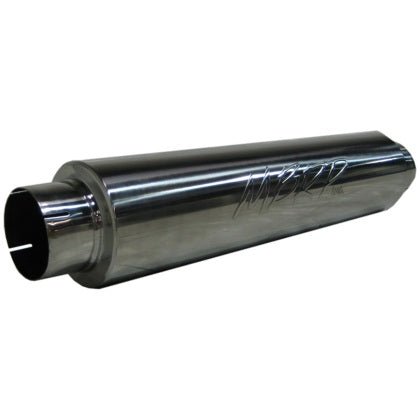
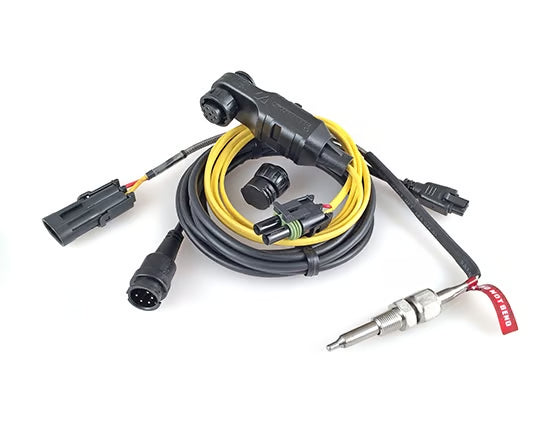
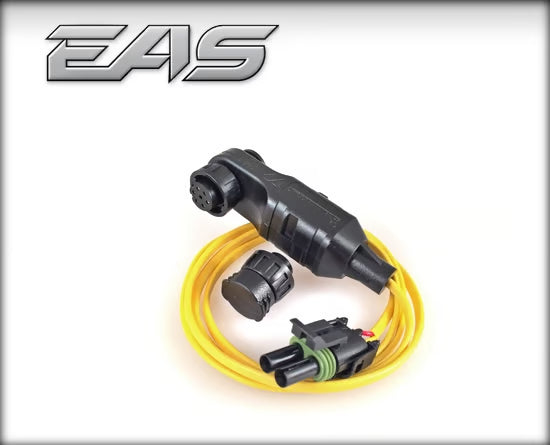
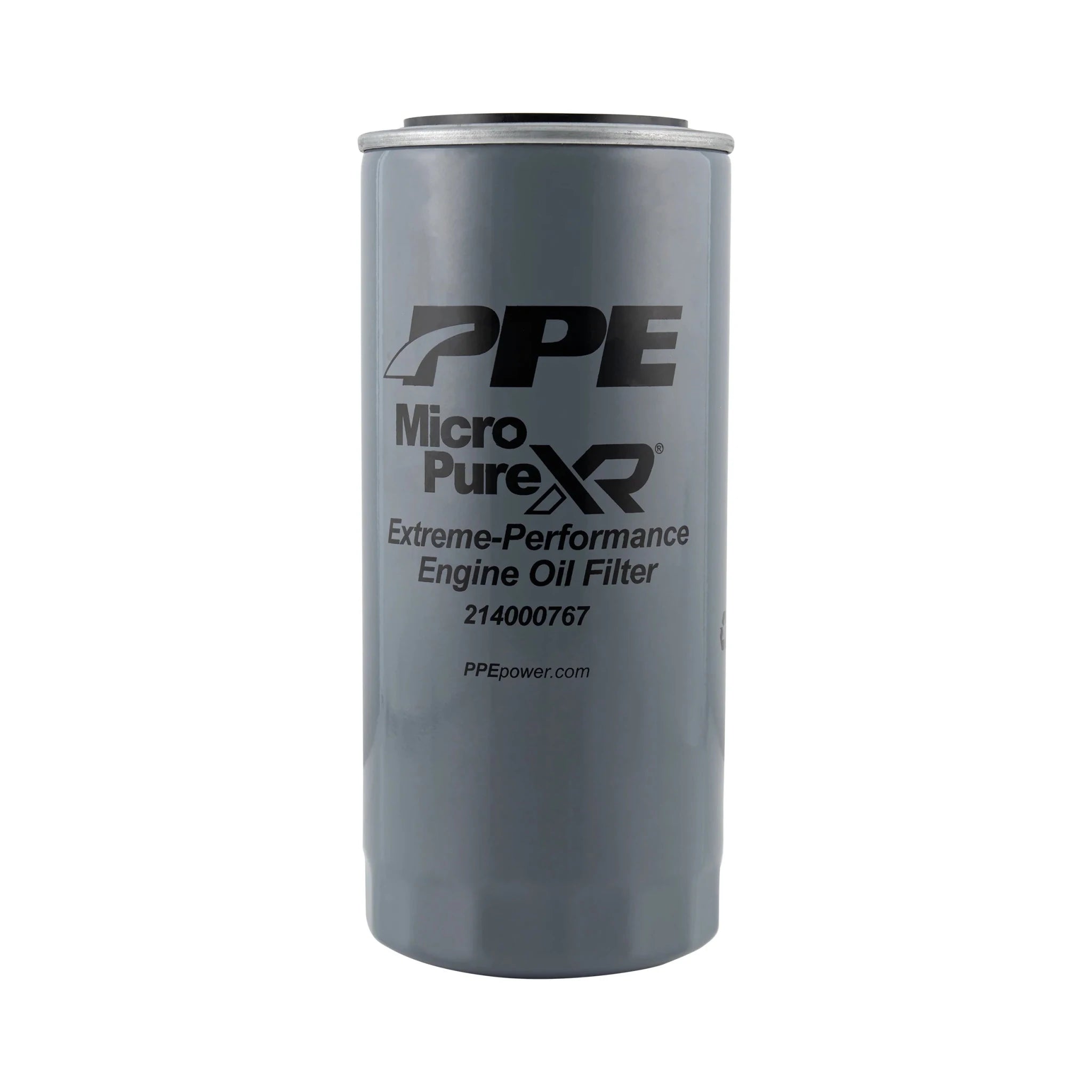
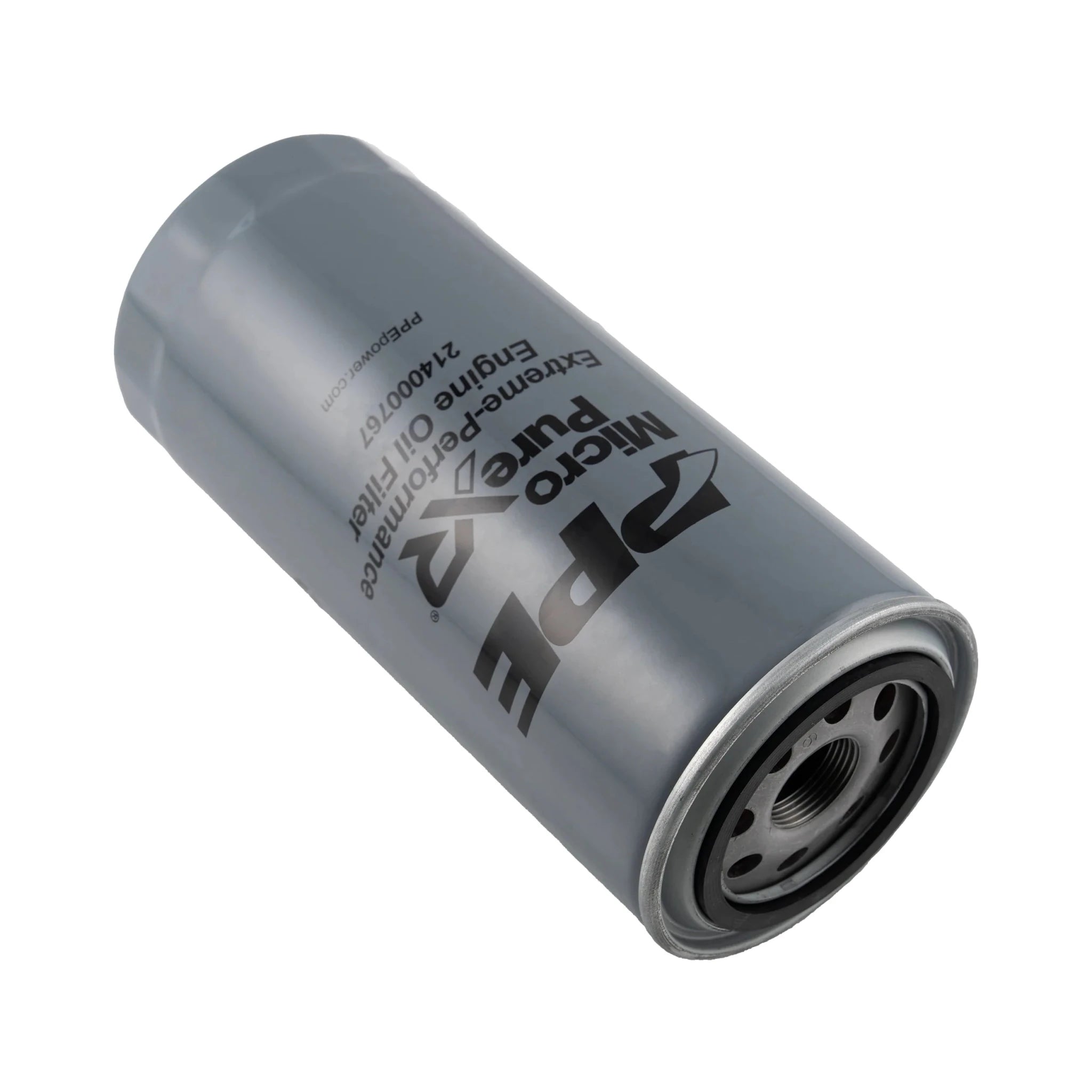
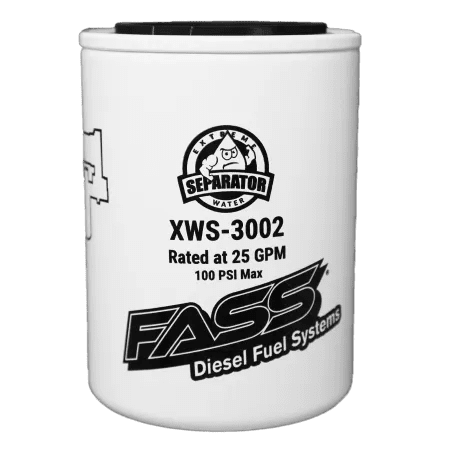
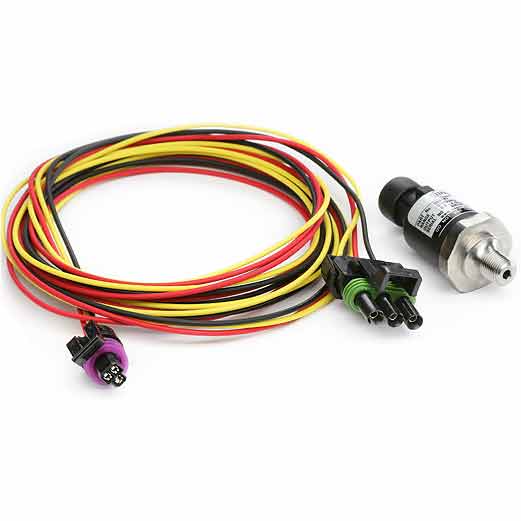
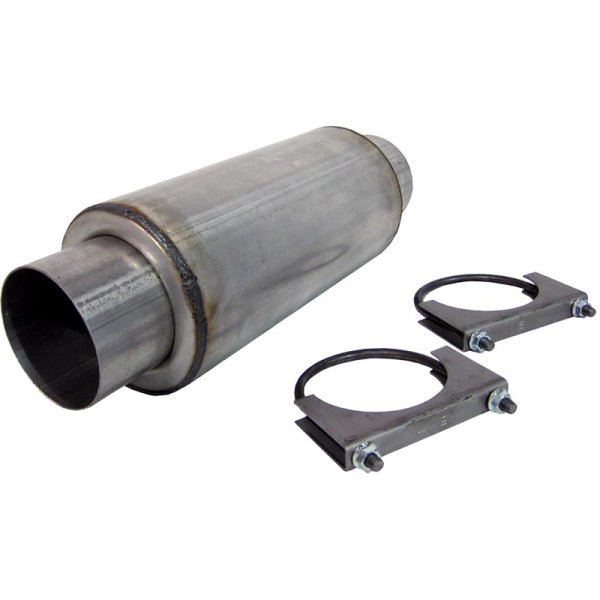
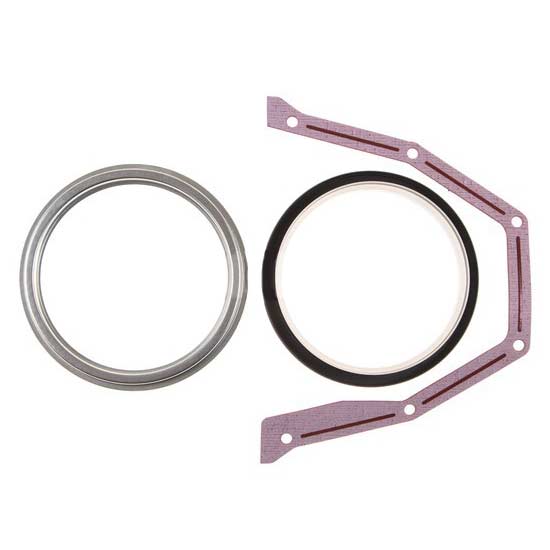
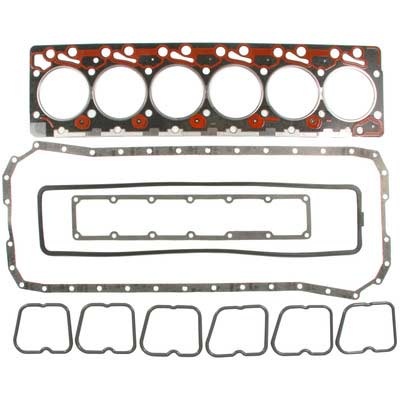
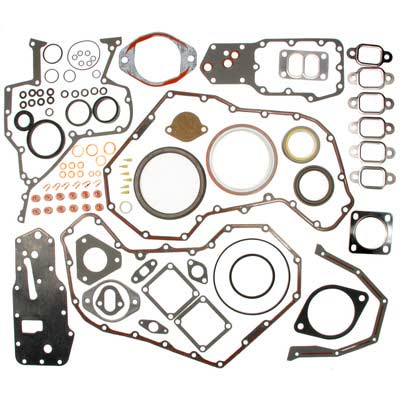
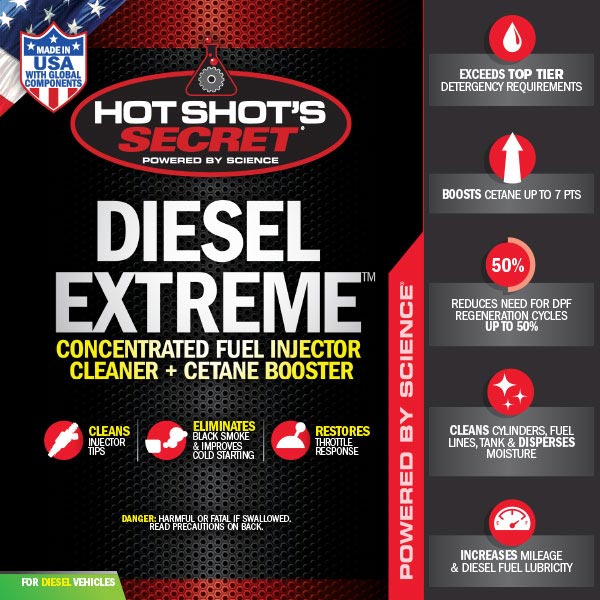
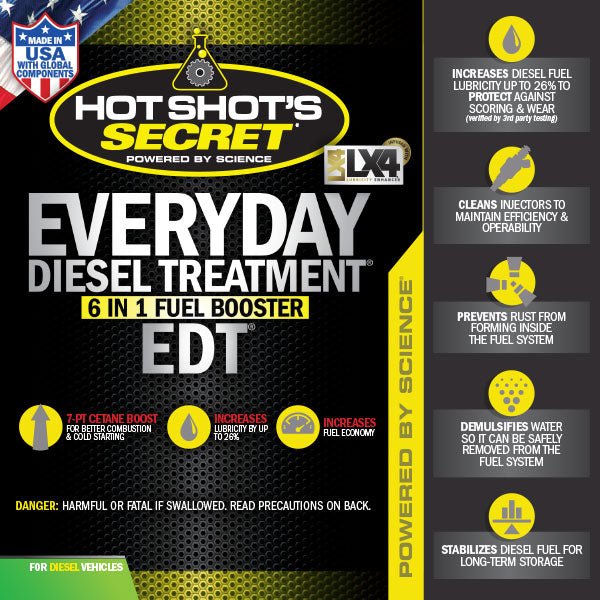
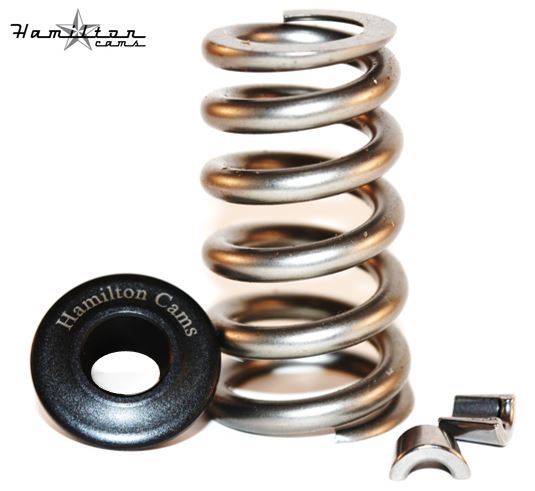
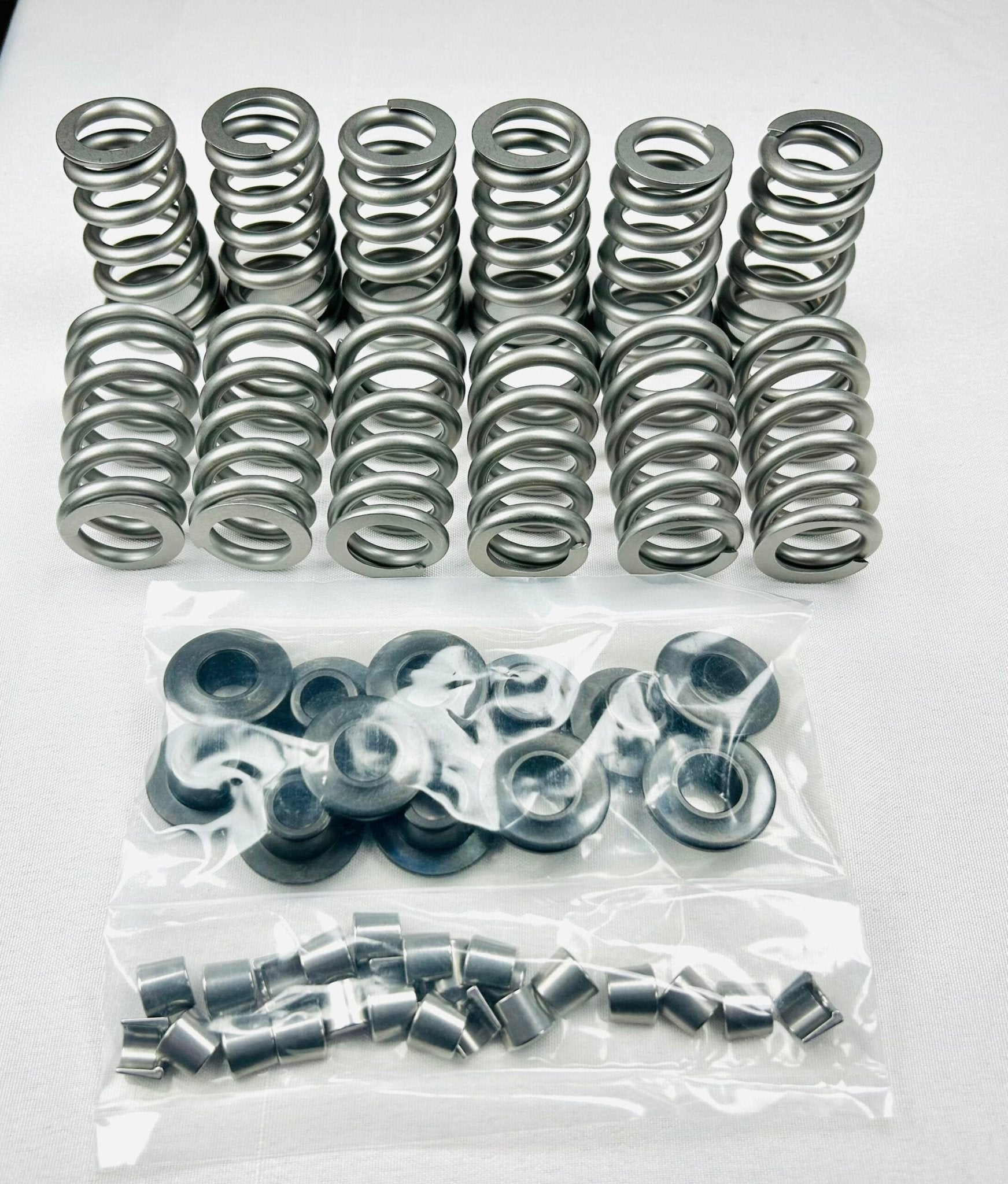
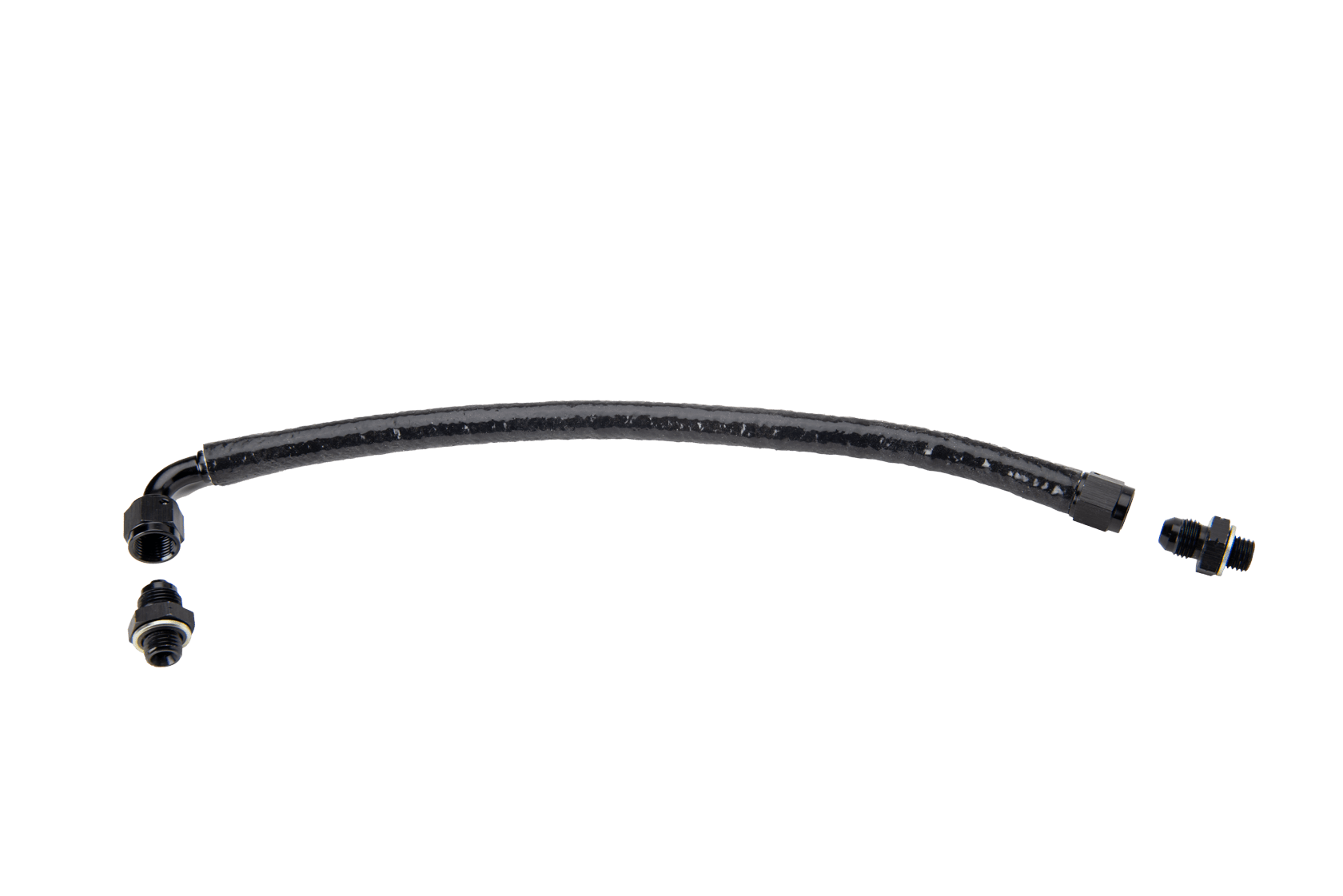
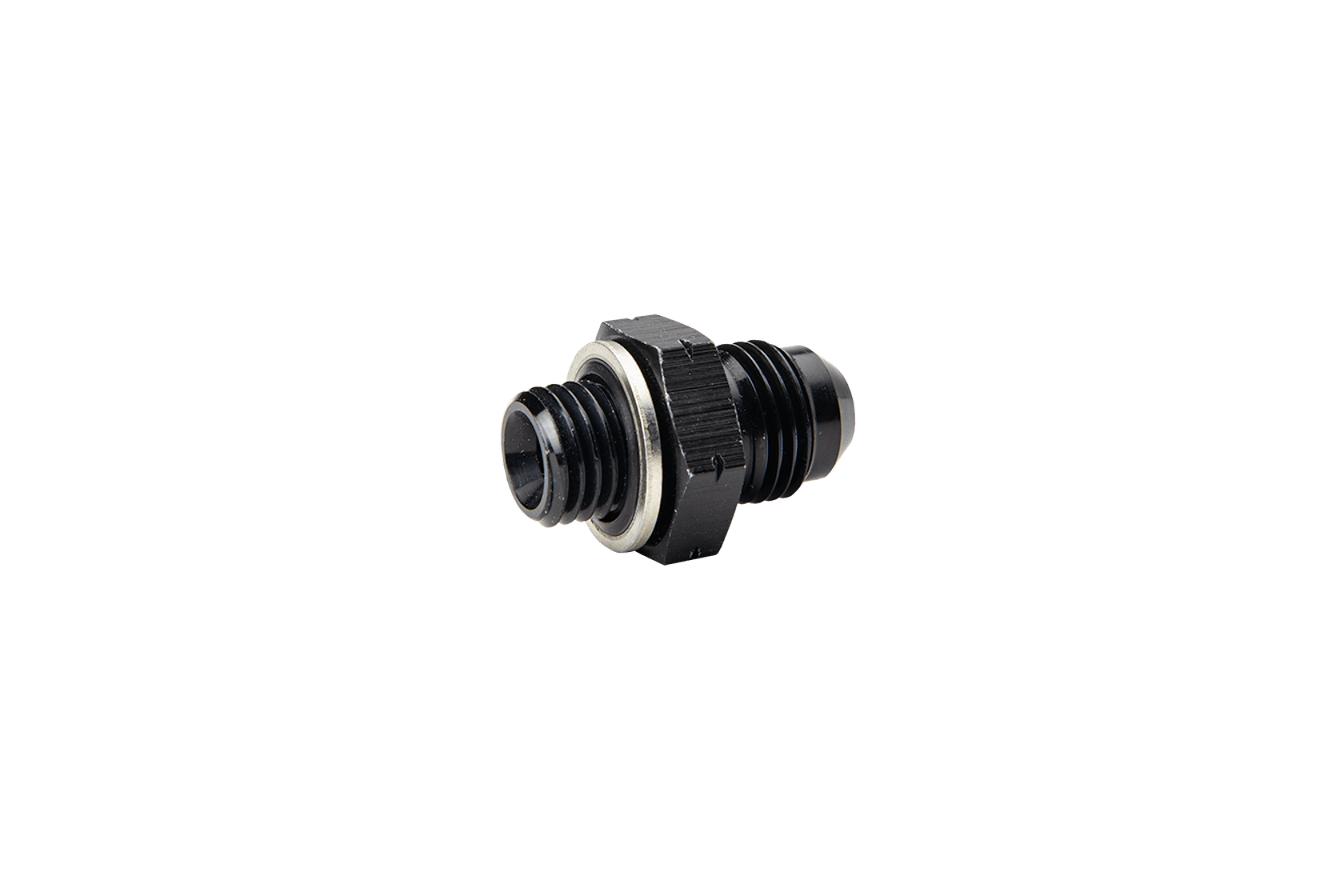
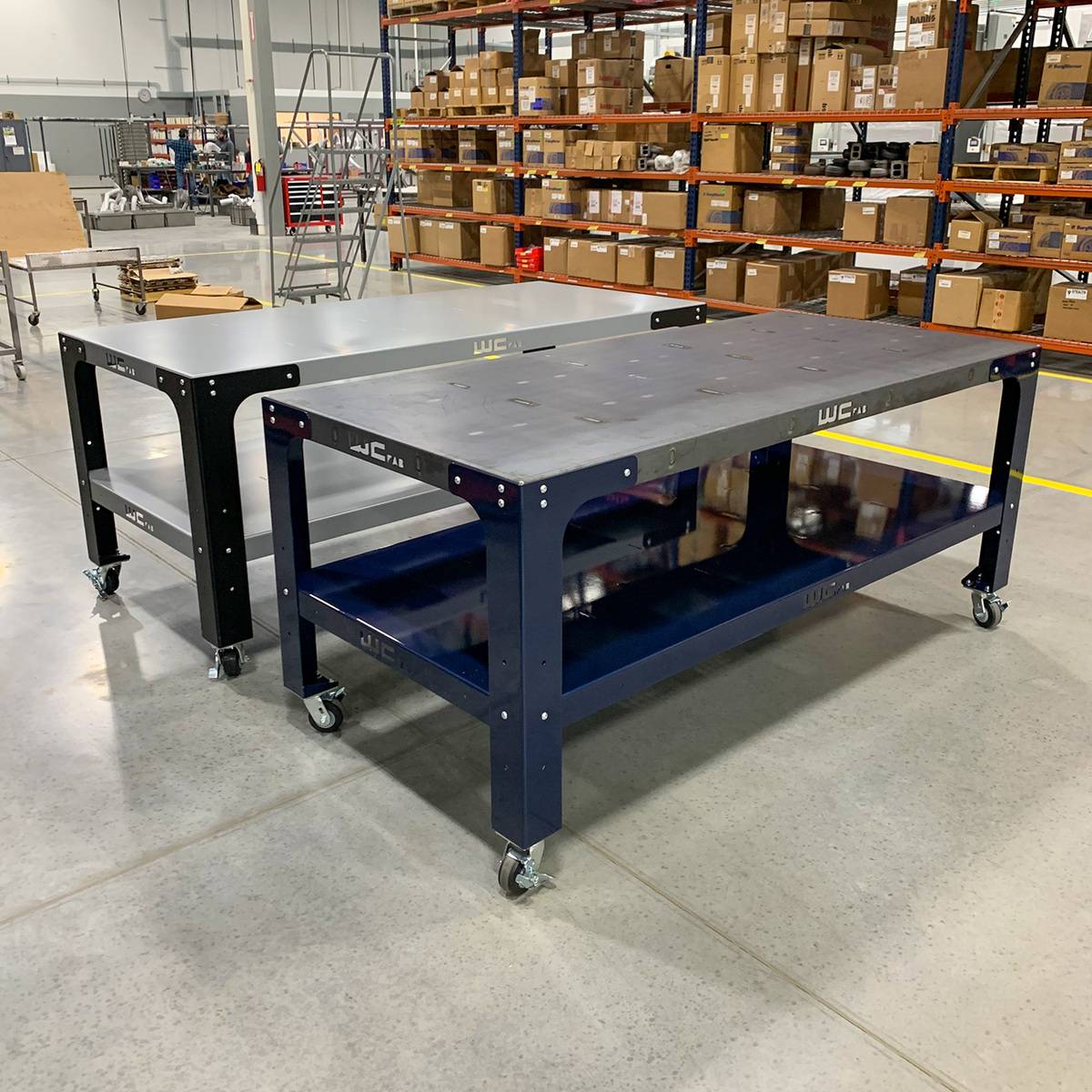
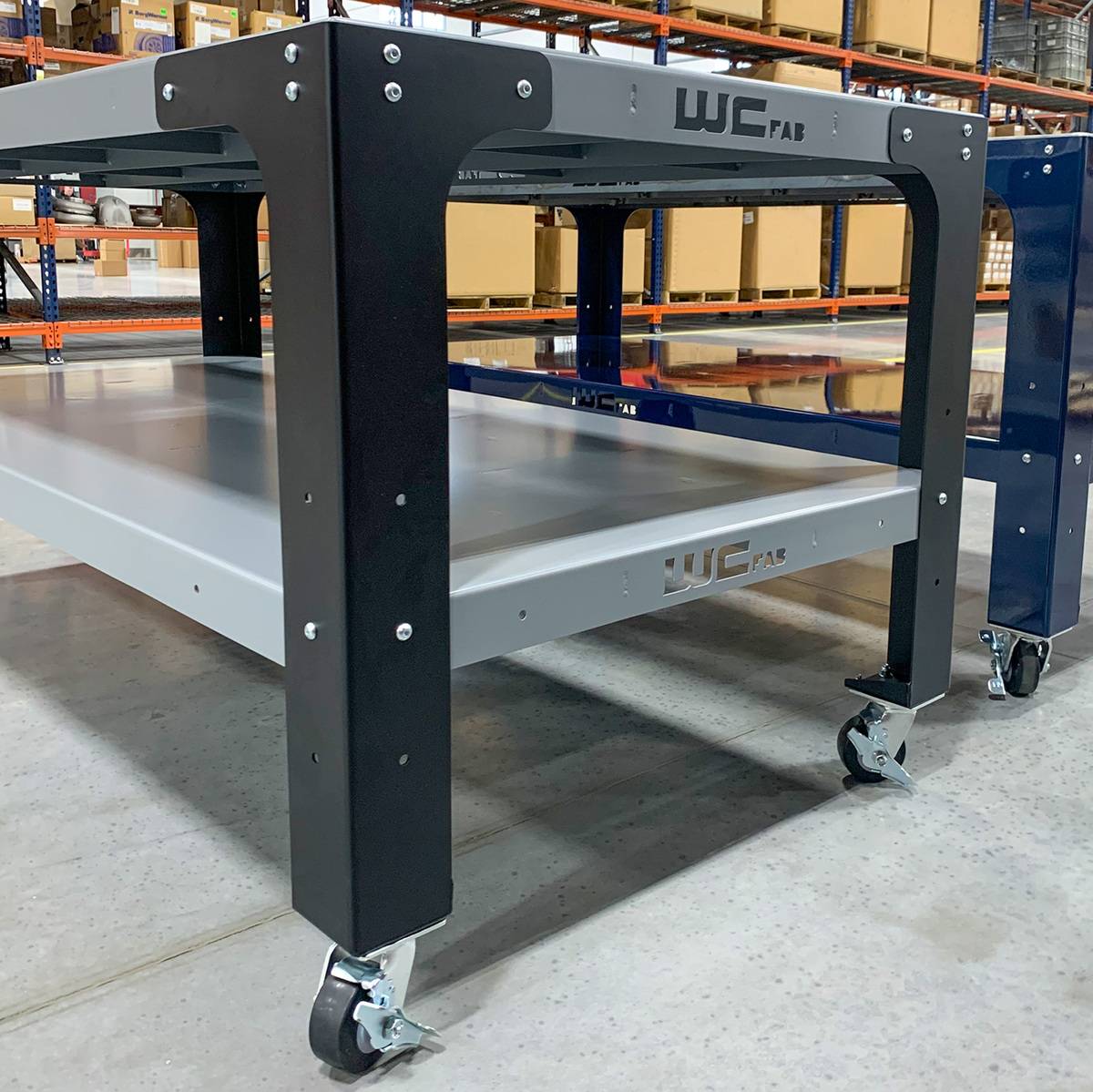
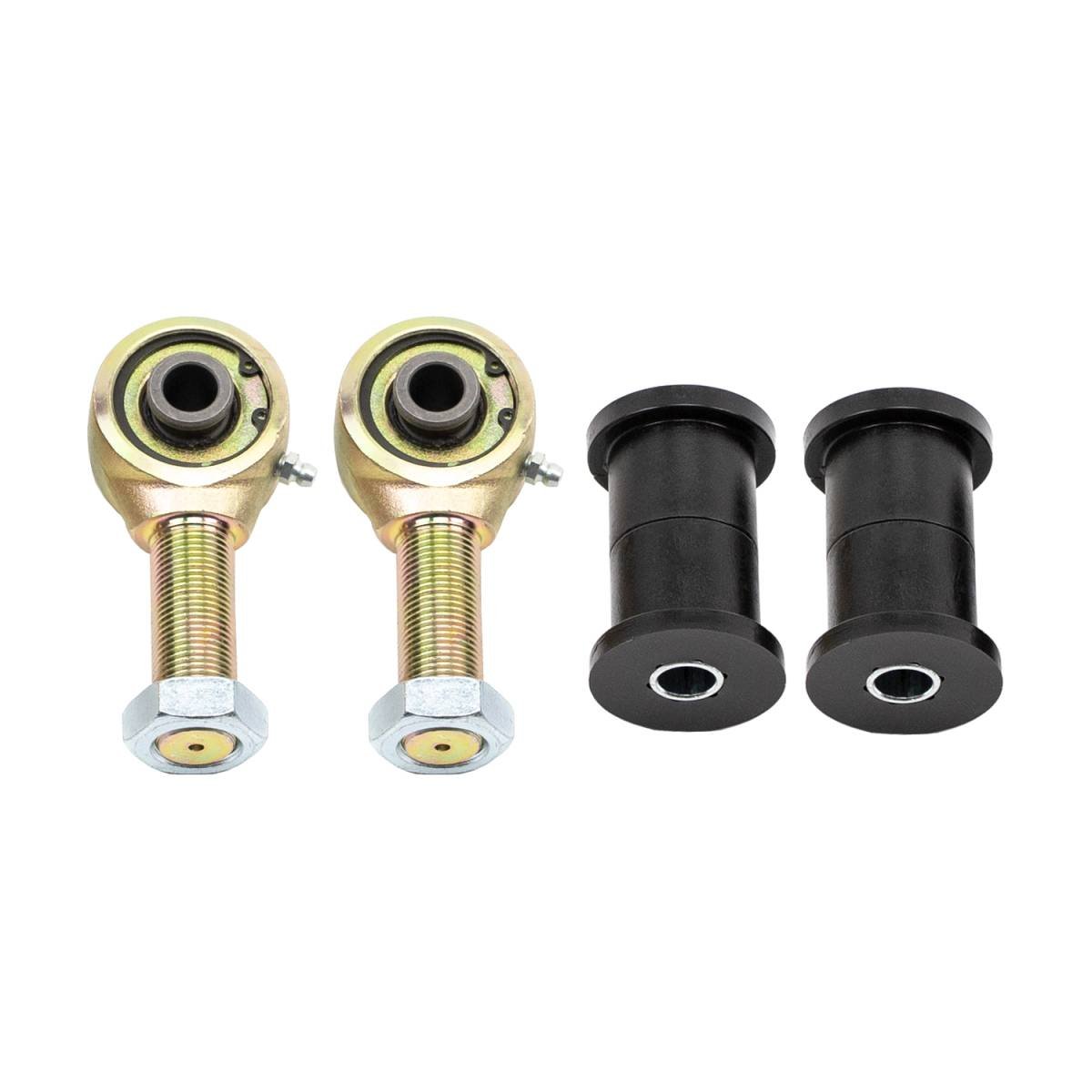
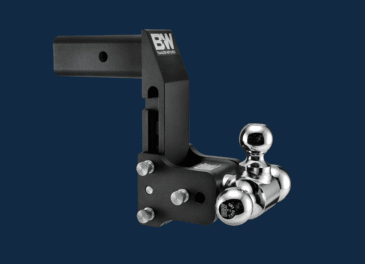
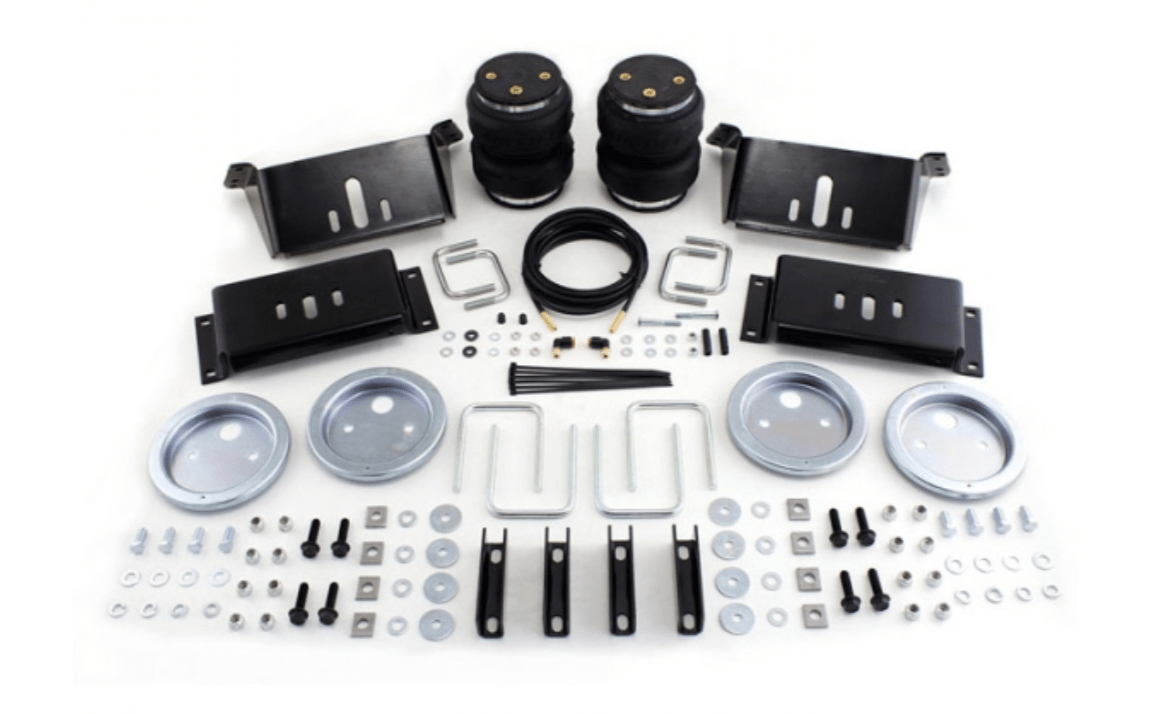
Engine and reseal work is covered by Mahle gasket kits, rear main and engine gasket sets, Cummins genuine service kits such as the front crankshaft seal kit, Dorman expansion plugs, steel clutch fan blades and mechanical vacuum pumps, and Hamilton Cams valve springs for the 12-valve valvetrain. Cooling and belt-drive wear parts come from DAYCO — water pumps, radiator hoses, main-drive serpentine belts split by year and A/C configuration, tensioners and idler pulleys — alongside Mishimoto radiators and cooling hardware. Fuel-system coverage runs from filters and water separators through fuel pumps and components from Exergy Performance and BD Diesel, with FASS water-separator filtration. Oils and fuel additives come from Hot Shot's Secret and Lucas Oil, with PPE oil filters. MBRP handles exhaust with mufflers, resonators and aluminized systems. Turbo accessories include Fleece Performance Engineering OE-style oil feed lines, plus Turbosmart constant-tension clamps. For monitoring, Edge Products EAS EGT kits and pressure sensors give a mechanical engine readings the dash never had. Towing and chassis hardware includes B&W Trailer Hitches adjustable ball mounts, Air Lift helper springs and Wehrli Custom Fabrication traction-bar bushings and shop equipment, plus the hand tools these jobs call for.
Fitment notes
Start with the intercooler question, because injection pumps, injectors and turbine housings differ between non-intercooled and intercooled engines and the years printed on a listing are not dependable. Then sort 2WD from 4WD: D250 and D350 trucks use an independent coil-sprung front end, W250 and W350 trucks are leaf-sprung with a solid Dana 60 front, and front suspension and lift parts do not cross over. Exhaust systems and downpipes are split 2x4 versus 4x4, and the 4x4 systems are the ones that can fight the transfer case at install. Downpipe flanges have to match the turbo outlet you actually have. Transmission parts are listed together for the 727, A518 and 46RH even though the units are different, and exhaust-brake lockup control applies only to the A518/46RH trucks, not to the non-lockup A727. Belt part numbers split at 1991.5 and again by A/C and alternator configuration, and the 1993 air filter element differs from 1989-1992. Rebuild parts often span 1989-1998 or wider, so a listing that just says 5.9L Cummins is not automatically a first-gen part — piston cooling nozzles, for one, are a 1994-and-up item. Hitch, body and lighting parts follow the frame, bed and body year rather than the engine, and mid-1991 and later 250s sit on 350 frames. No factory crew cab was ever built in this generation. Check the tag on the axle for your gear ratio before ordering gears, and verify by VIN or use the fitment checker on the product page when a listing is ambiguous.
Frequently asked questions
How do I tell whether my truck is intercooled?
Look for an air-to-air charge cooler mounted in the airflow ahead of the radiator, with boots running from the turbo compressor outlet to the intake horn. A non-intercooled truck sends the compressor outlet straight into the cast intake air horn. Intercooling arrived during the 1991 model year, so a 1991 can be either one, and vendor listings that split the range at 1990 or 1991 are not always right for your truck. It matters because pump, injector and turbine housing fitment follow the configuration, not the model year.
What is the killer dowel pin, and should I do something about it?
It is the steel dowel that locates the front gear housing on the block, and on 12-valve engines it can back out of its bore and fall into the timing gears. Best case it drops harmlessly into the oil pan; worst case it jams between the cam gear and the injection-pump gear and cracks the cam gear, cam nose or gear housing, which can end the engine. There is usually no warning sign, so the accepted approach is installing a retaining tab proactively on any 12-valve without proof the job was already done. It is a front-cover job, which makes it the right time to replace the front crankshaft seal.
Can I put a tuner or a scan tool on a 1989-1993 Cummins?
No. These trucks have no ECM and no diagnostic port, so plug-in programmers and OBD-II monitors have nothing to talk to. Fueling is set mechanically inside the VE pump. What does work is adding gauges on their own sensors — pyrometer, boost and fuel pressure — and restoring worn throttle linkage so the pump reaches full travel. Dash and A-pillar pods made for first-gens exist specifically for that.
My truck will not rev past about 1,900 rpm. Is the pump worn out?
Often it is not. Decades of pedal play, stretched cable and worn linkage leave the VE pump arm short of the end of its travel, so the engine never reaches its governed speed near 2,700 rpm. A pedal spacer to remove the slop, a shortened ball-socket link and correct pump-arm geometry restore full travel without changing fueling at all. On an automatic, keep the kickdown cable connected and correctly adjusted while you do it; a disconnected or mis-set cable drops line pressure and shifts early, and that is how these transmissions get cooked.
Does this engine need a fuel additive?
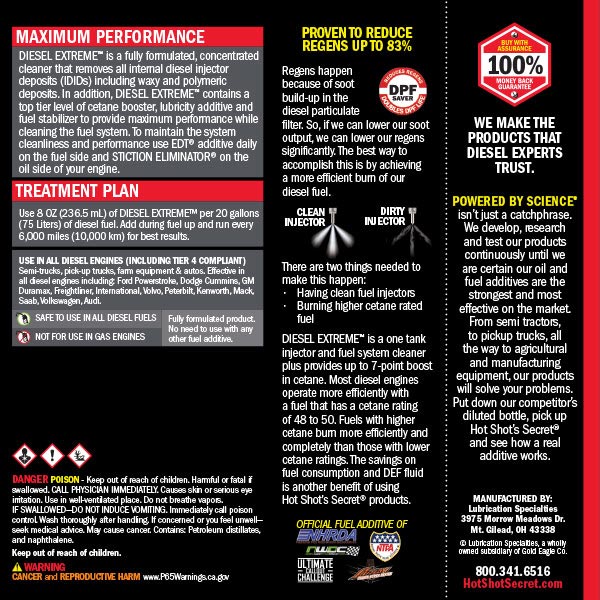
The VE pump and its mechanical injectors were designed around higher-sulfur fuel, and today's ultra-low-sulfur diesel has less natural lubricity, so an additive covering lubricity, cetane and water control is a reasonable habit on a mechanical-pump engine. Cetane benefits plateau around 55, so there is no sense chasing more than that. We stock additives and treatments from Hot Shot's Secret and Lucas Oil alongside CK-4 engine oils in the viscosities these engines call for.
Which transmission is behind my engine, and what should I expect from it?
Manual trucks have the Getrag G360 five-speed, which takes motor oil rather than gear oil and is known for upper input-bearing failure when it gets hot towing; owners commonly run a heavier oil and a slight overfill, and an NV4500 swap is the long-term answer. Automatics are the A727 three-speed through early 1991, with no overdrive and a loose converter by design, and the A518 overdrive four-speed from mid-1991, renamed 46RH for 1992. The A518 is the weak point behind added power, so converters, clutch packs, valve-body service and added cooling are the usual work. Factory steel cooler lines on either automatic rust and leak with age.
Not sure what fits? Call the shop at the number in the header, or use the fitment checker on any product page. We install everything we sell.