
Shop Parts by Category
Pick a category to narrow your truck down, or scroll to browse every part that fits.



















Filters
674 products


Not sure it fits your truck?
Our Wildwood, FL techs will confirm the right part for your build before you buy.
Call or Text (352) 722-5295The 2003-2004 Ram 2500 and 3500 with the 5.9L Cummins
Dodge replaced the entire heavy-duty truck for 2003: new frame, new suspension, new sheet metal and a new interior, with a coil-sprung solid front axle and leaf springs out back. Under the hood the 5.9L inline six left the Bosch VP44 rotary pump behind and moved to high-pressure common rail. An electric lift pump feeds the fuel filter, a gear-driven Bosch CP3 raises pressure for a shared rail, and six electrically opened solenoid injectors fire twice per cycle, a pilot shot and a main event. For 2003 the standard-output engine is rated 250 hp and 460 lb-ft. The 2003 High Output is 305 hp and 555 lb-ft and launched behind the NV5600 six-speed manual, with the heavier 48RE automatic arriving alongside it during 2003; the older 47RE was offered only briefly that year behind the standard-output engine. Axles moved from Dana to American Axle, a 9.25 in solid front on 4x4 trucks and an AAM 11.5 in rear under the Cummins 2500 and 3500. Everything on this page is cataloged for that truck and that engine, and the Cummins hub covers the rest of the family.
The 2004.5 split, and why it matters when you order
Mid-2004 the High Output became the 325 hp, 600 lb-ft engine owners call the Cummins 600. With it came a Holset HE351CW turbo with an electronically controlled wastegate in place of the mechanically wastegated 2003-2004 charger, injectors with 5-hole 124-degree nozzles firing three events per cycle instead of the 8-hole 143-degree two-event injectors, and a larger airbox inlet with a cold-air baffle. For 2005 the lift pump moved off the engine and into the fuel tank. That is why vendors catalog 2003-2004 separately from 2004.5-2007 and tell you not to assume the parts interchange. Injectors, turbos, downpipes, intake kits and ECM calibrations all fall on one side of that line or the other.
What fails and why
The one-piece cast-iron exhaust manifold is the signature failure. Heat-cycle it for twenty years and the casting cracks: you get a tick or knock that rises with engine speed, soot trails at the manifold-to-head joint and an exhaust smell. Warpage also pulls on the bolts and lets the manifold-to-head gasket leak, so it pays to fix it before the crack spreads. The engine-mounted lift pump behind the fuel filter canister is the other known weak spot, with a life span usually quoted at 80,000 to 120,000 miles; a tired one shows up as a no-start, hard hot starts, or fuel pressure that sags under load. It is not documented as taking the CP3 down with it on these years, but running the truck starved or on dirty, wet fuel will shorten injector life. Past that, the pattern problems are electrical and plumbing. The bellcrank-mounted APPS is a repeat failure on 1998.5-2004 trucks and gives you a dead pedal, surging and P0120-series codes. The ECM is mounted on the side of the block, where moisture, vibration and voltage spikes from a careless jump start kill it, usually as an intermittent no-start. The number four and number six high-pressure injector lines have a history of cracking, which is the usual answer when one cylinder drops out all at once. Stock intercooler boots crack and blow off, and even a small leak there costs noticeable power and pushes EGT up. Out front, the rubber-bushed factory track bar is the root of death wobble on these trucks, with worn ball joints, tie-rod ends and a fatigued steering damper compounding it. Loaded trucks also sag on the factory rear leaf packs.
Stock replacement vs. upgrade
For a stock truck that still works for a living, like-for-like is usually the right call: genuine Cummins thermostats and seals, Mahle gasket sets, a remanufactured stock Holset charger when the original is finished, reman Bosch injectors with new connector tubes every single time, and the factory 7-micron fuel filter on a 15,000-mile schedule. Upgrade where the factory design is the problem rather than where the marketing is loudest. A two-piece slip-joint manifold, or a high-silicon-moly casting with larger internal diameter in the areas that crack, expands and contracts without repeating the original failure. A frame-mounted pump and filter system pushes fuel forward from the tank with 2 to 3 micron filtration and water separation and gets the pump out from under the hood; if you would rather keep a roadside swap possible, an OEM-style external replacement pump is still available for these years. Silicone boot kits with proper clamps end the boot blow-off for good. If you tow or add fuel, fix the air side first, meaning the intake horn, the manifold and a 4 in cat-back, before you spend money on a turbo, and install a pyrometer before any of it with the probe ahead of the turbo, not in the downpipe. Keep sustained EGT under about 1,250F. Any tuner or module on a street truck should be listed with a CARB Executive Order that specifically covers the 2003-2004 5.9L. On automatics the 48RE sets the ceiling: 560 to 570 lb-ft of input torque, a soft intermediate band that gives up somewhere around 120,000 to 150,000 miles, a governor pressure transducer that is a wear item and reacts badly to raised line pressure, and fluid over 260F that forces a protective downshift when you are loaded.
What we carry
This page spans the whole truck rather than one system, so it mixes maintenance parts, towing hardware and compliant performance:
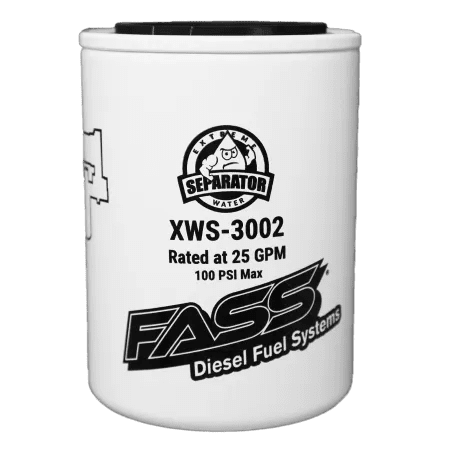
- Fuel and injection: FASS frame-mounted pump and water-separator filtration, plus stock-replacement injectors and lift pumps.
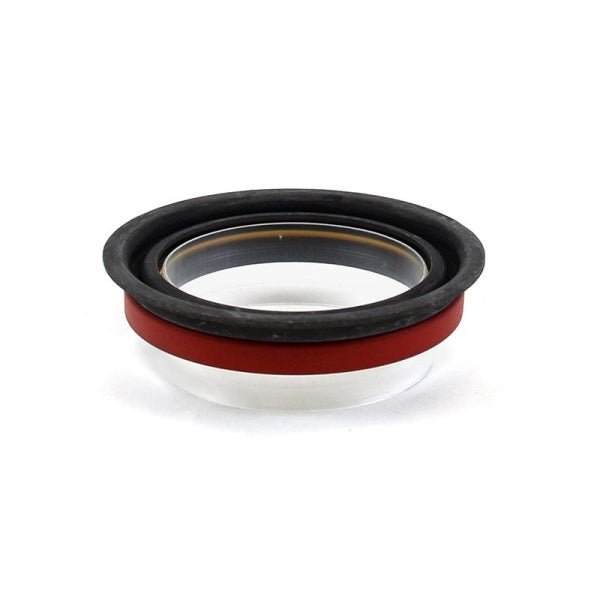
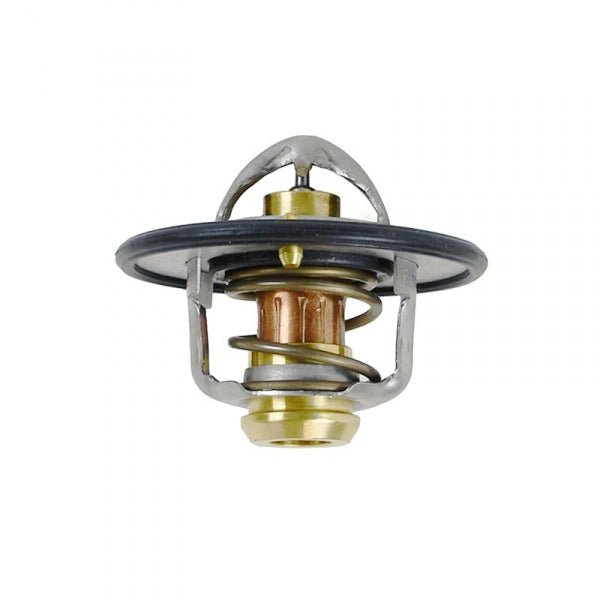
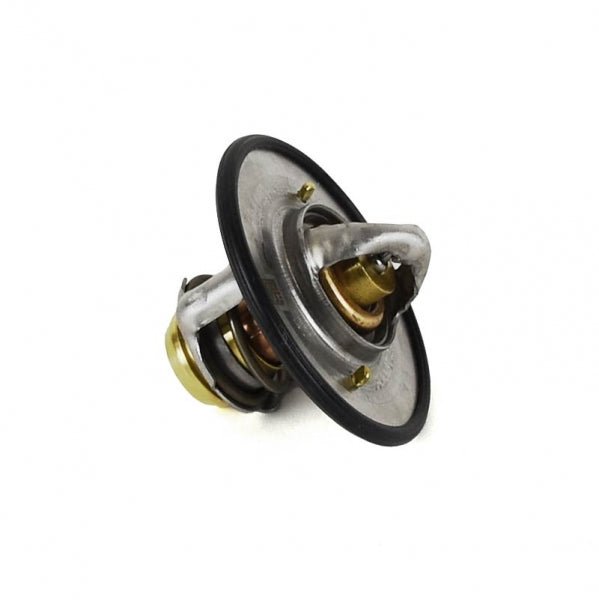
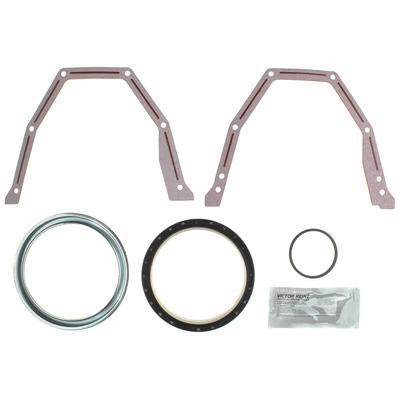
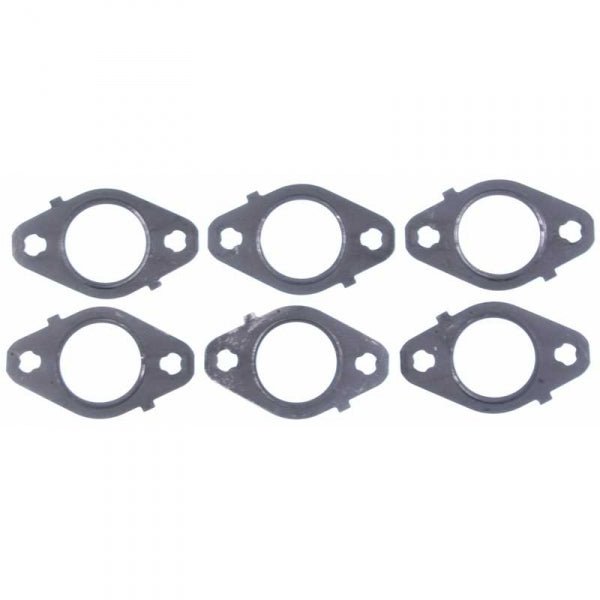
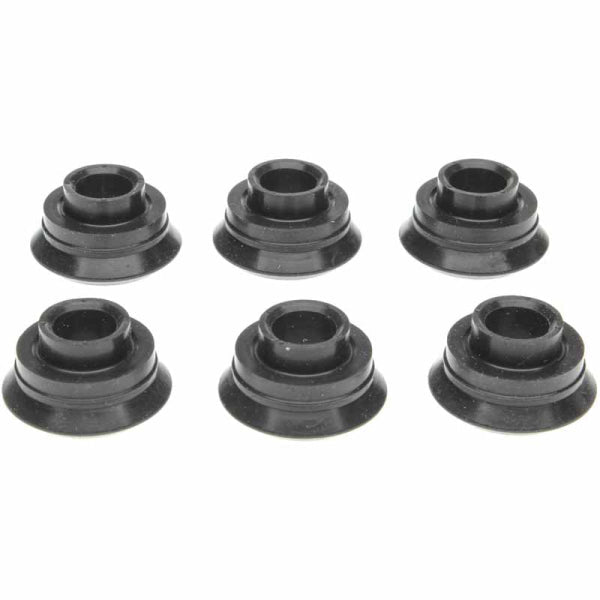
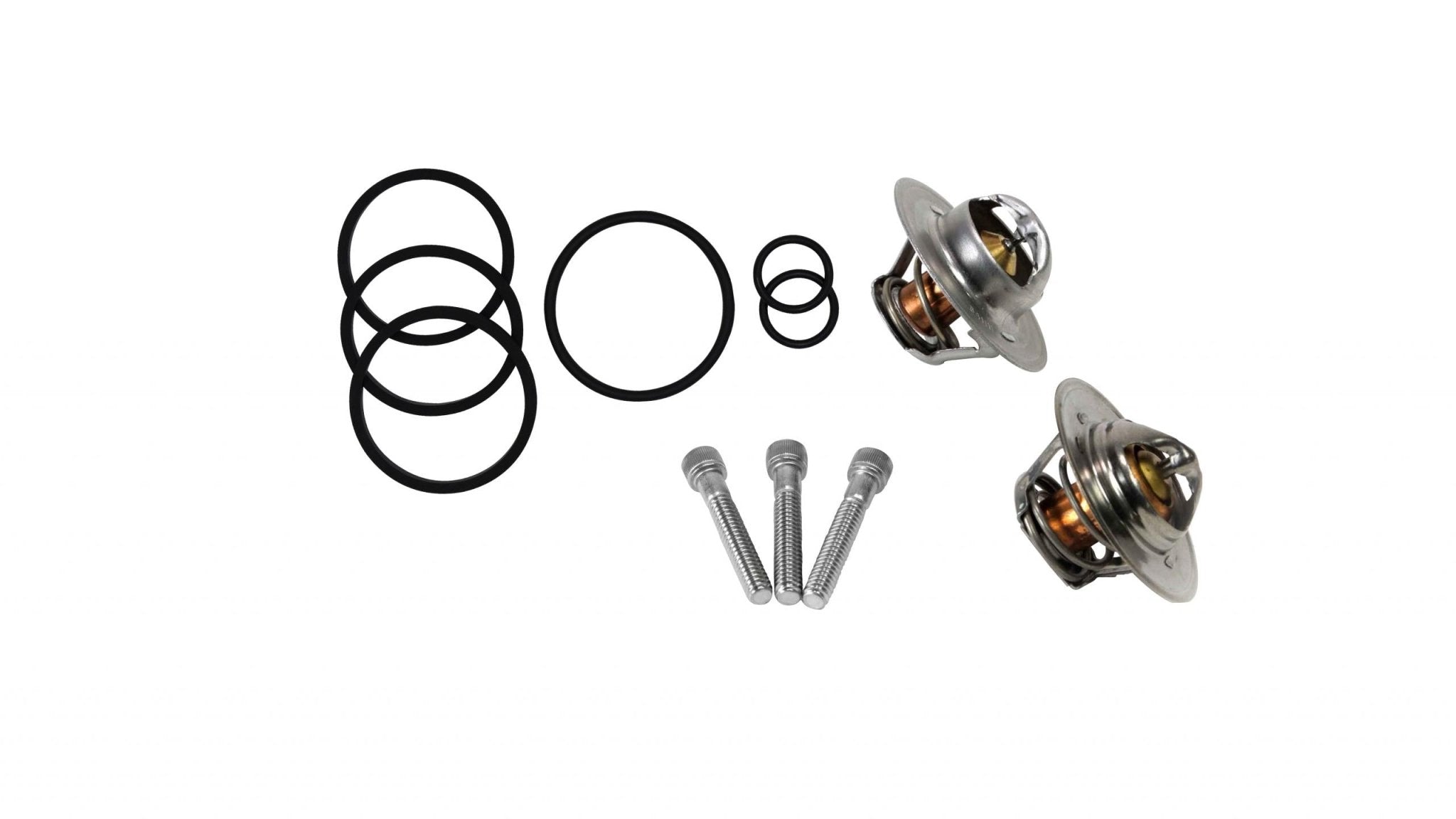
- Engine hard parts and gaskets: Cummins genuine crankshaft seals and thermostats, Mahle rear main, valve cover and exhaust manifold gasket sets, ARP head studs, Dorman service items and XDP MFG bolt and fastener kits.
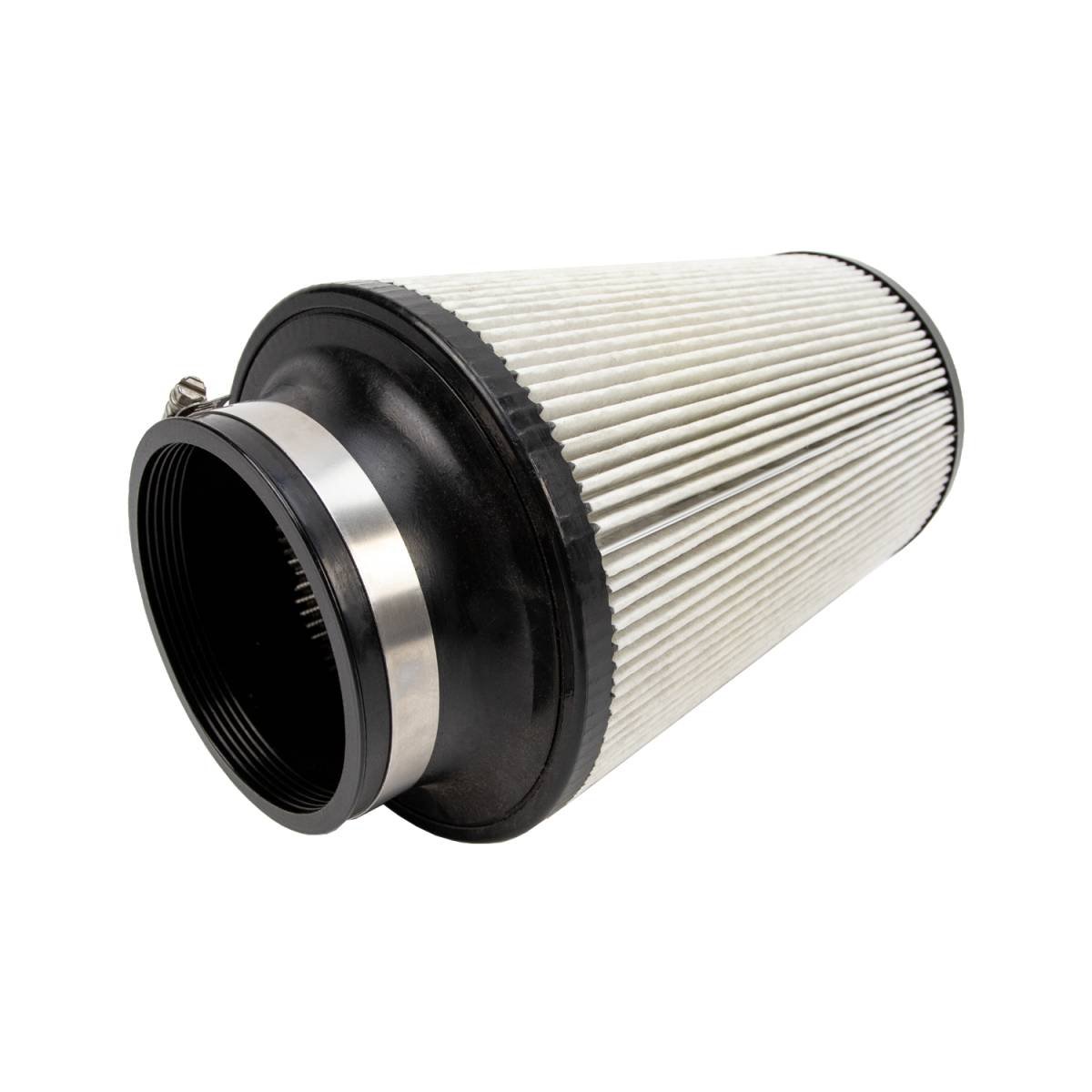
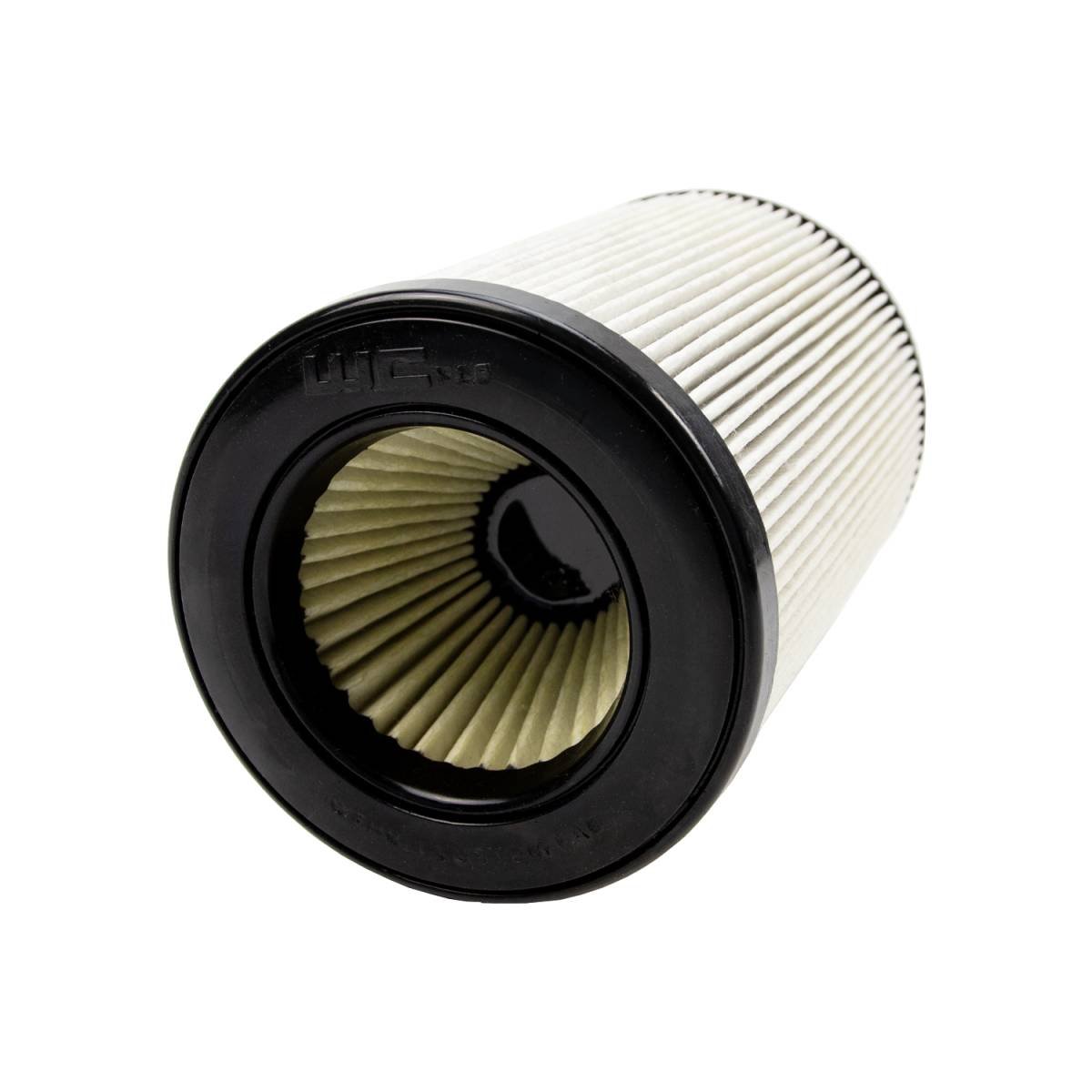
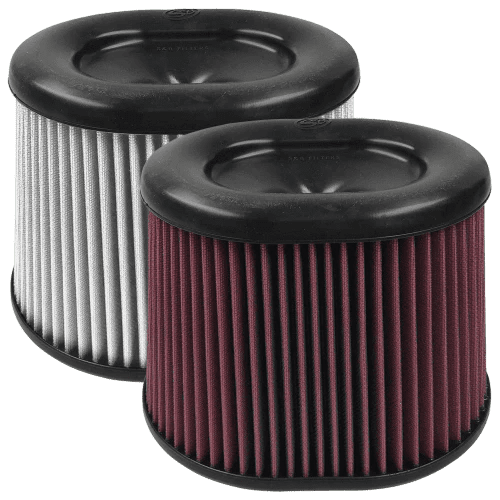
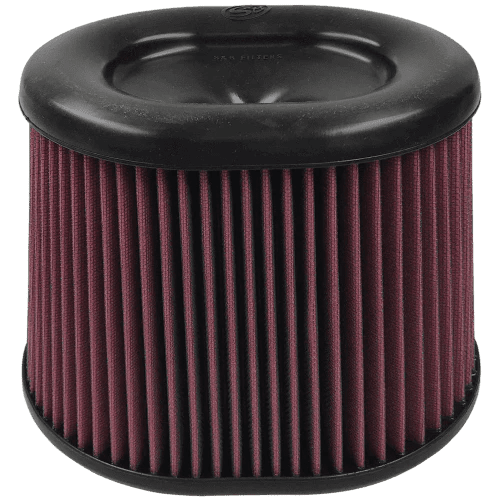
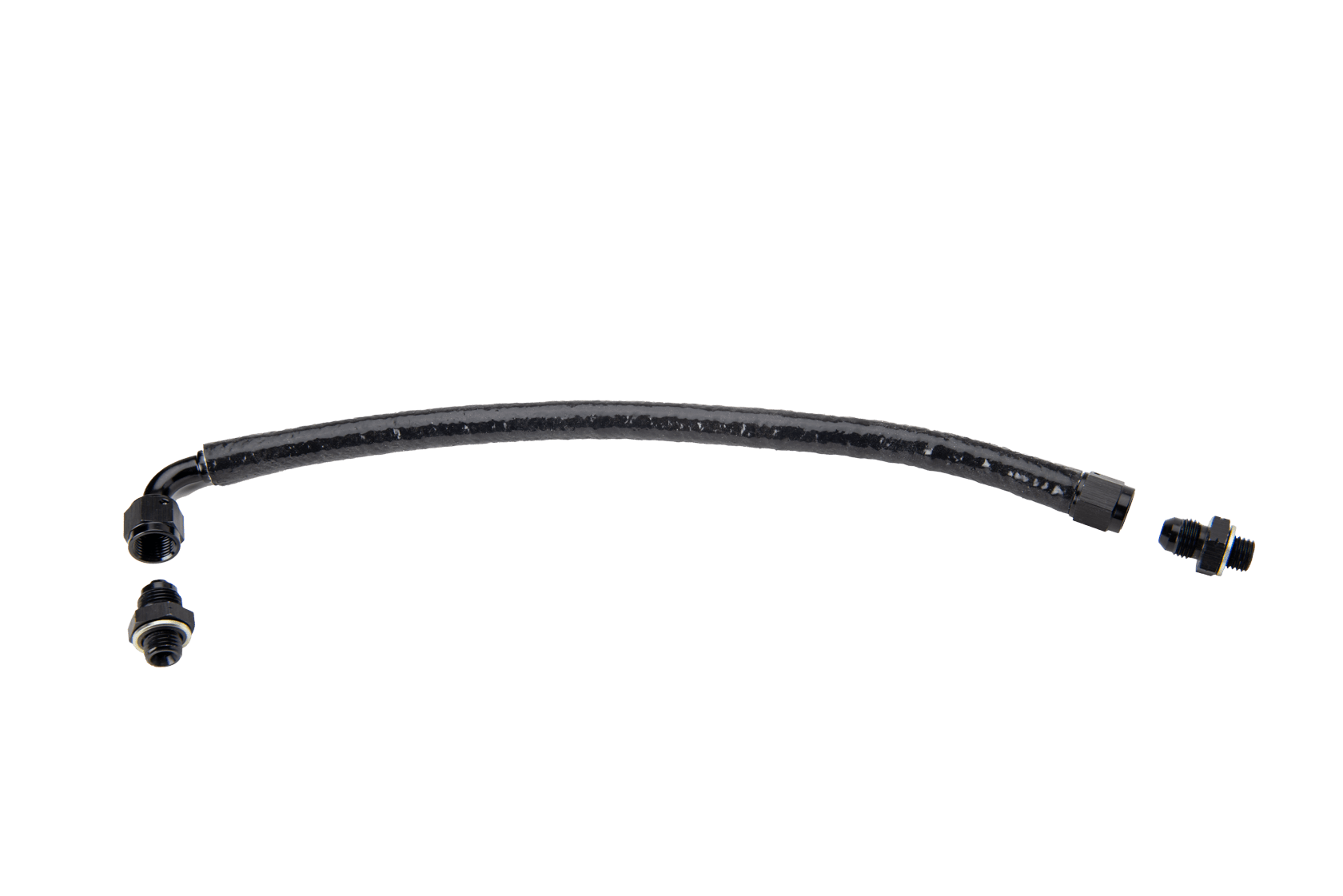
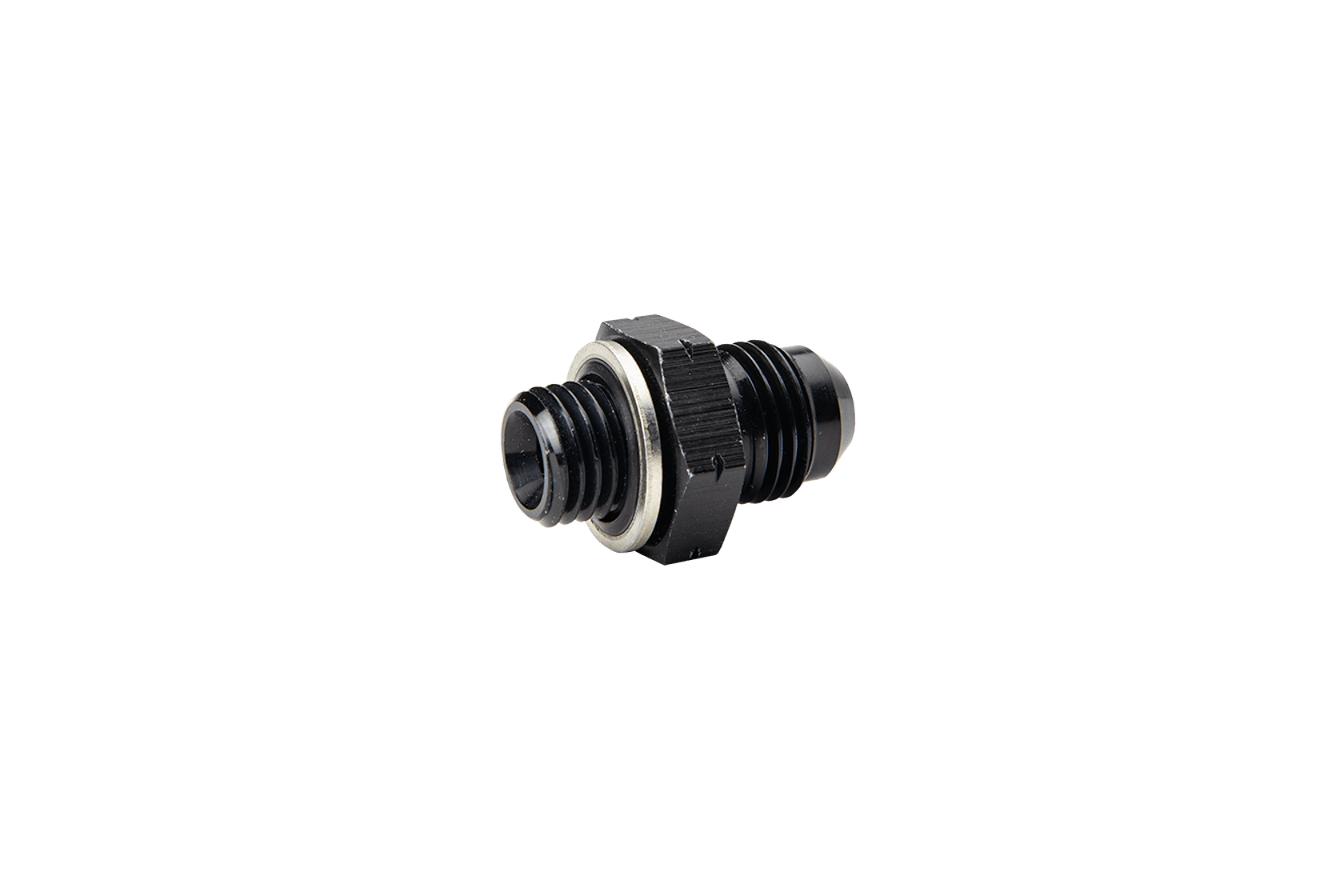
- Air, charge air and cooling: Mishimoto cooling parts, Wehrli Custom Fabrication silicone boots, reducers and dry air filters, and Fleece Performance Engineering turbo oil feed lines and coolant bypass service kits.
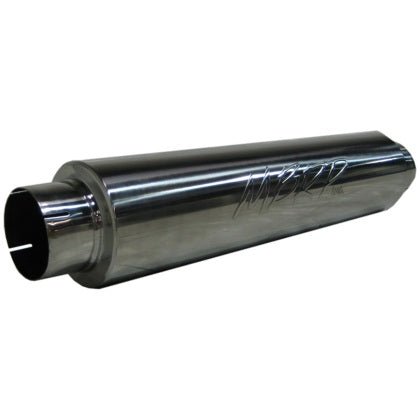
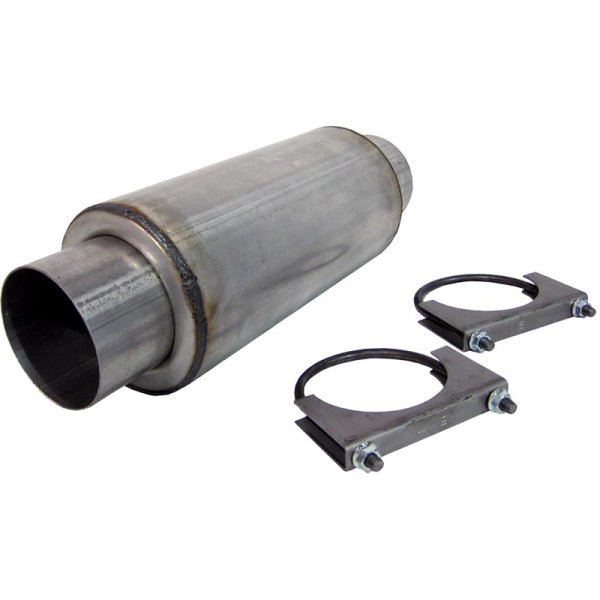
- Exhaust and turbo accessories: MBRP mufflers and resonators and BD Diesel flexible turbo drain lines, plus the wider exhaust catalog.
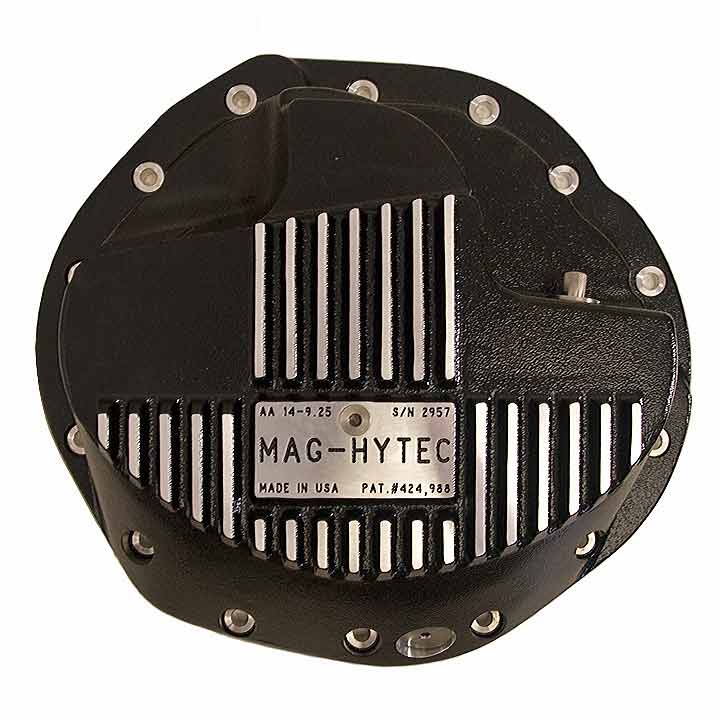
- Transmission and driveline: BD Diesel valve body electronics kits, ATS Diesel Performance governor pressure transducers and Mag-Hytec differential covers.
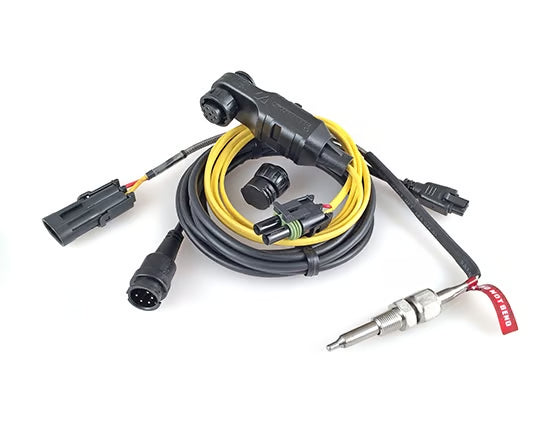
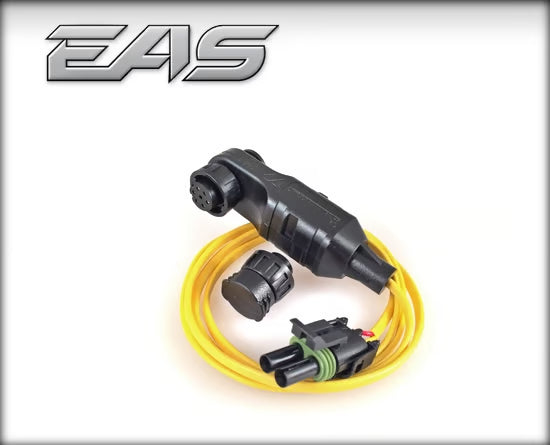
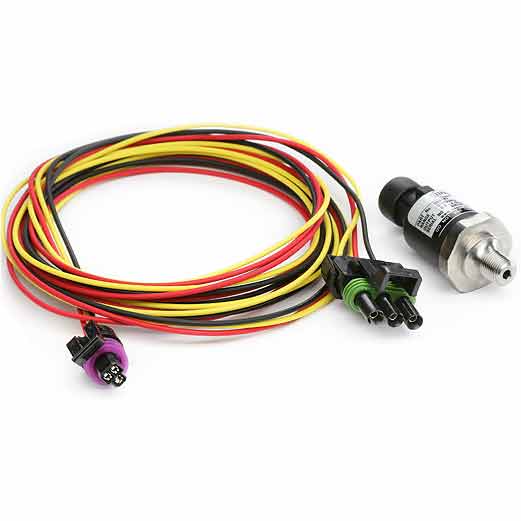
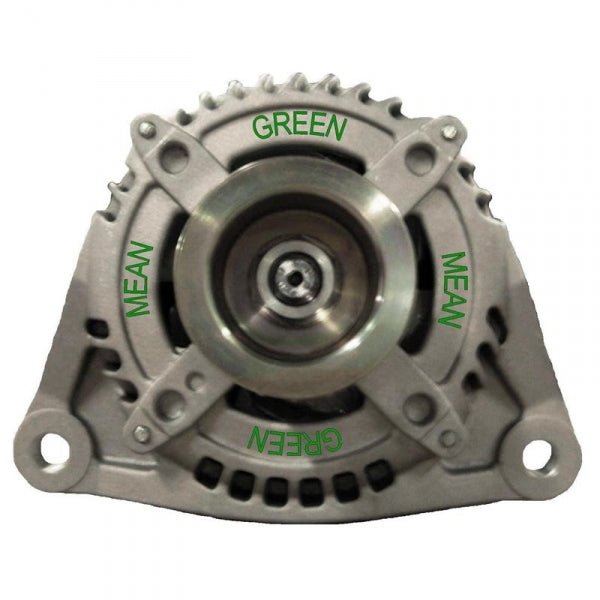
- Monitoring and electrical: Edge Products EGT and pressure-sensor kits and Mean Green high-output alternators.
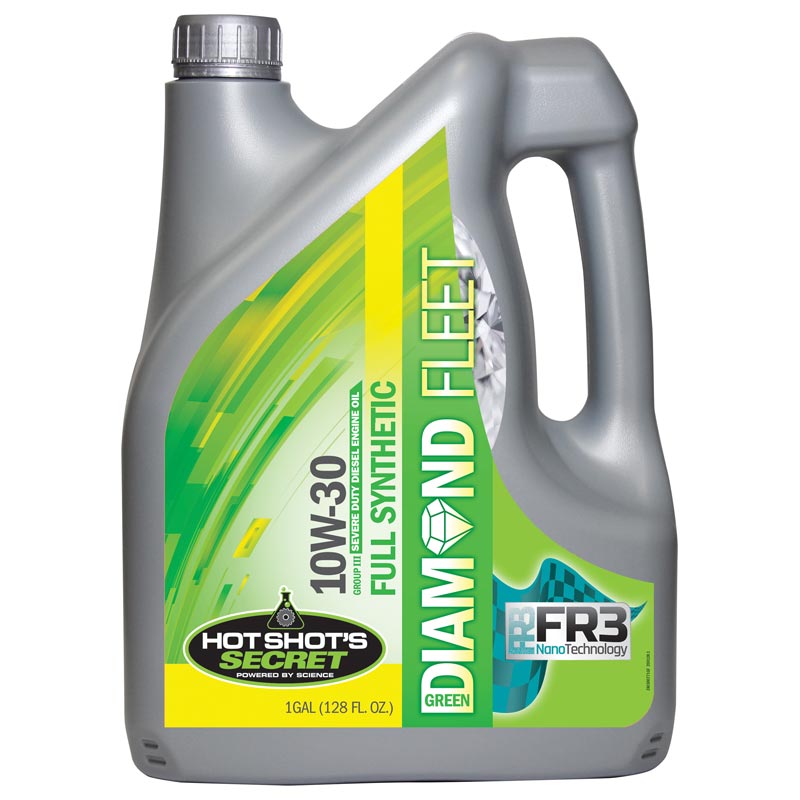
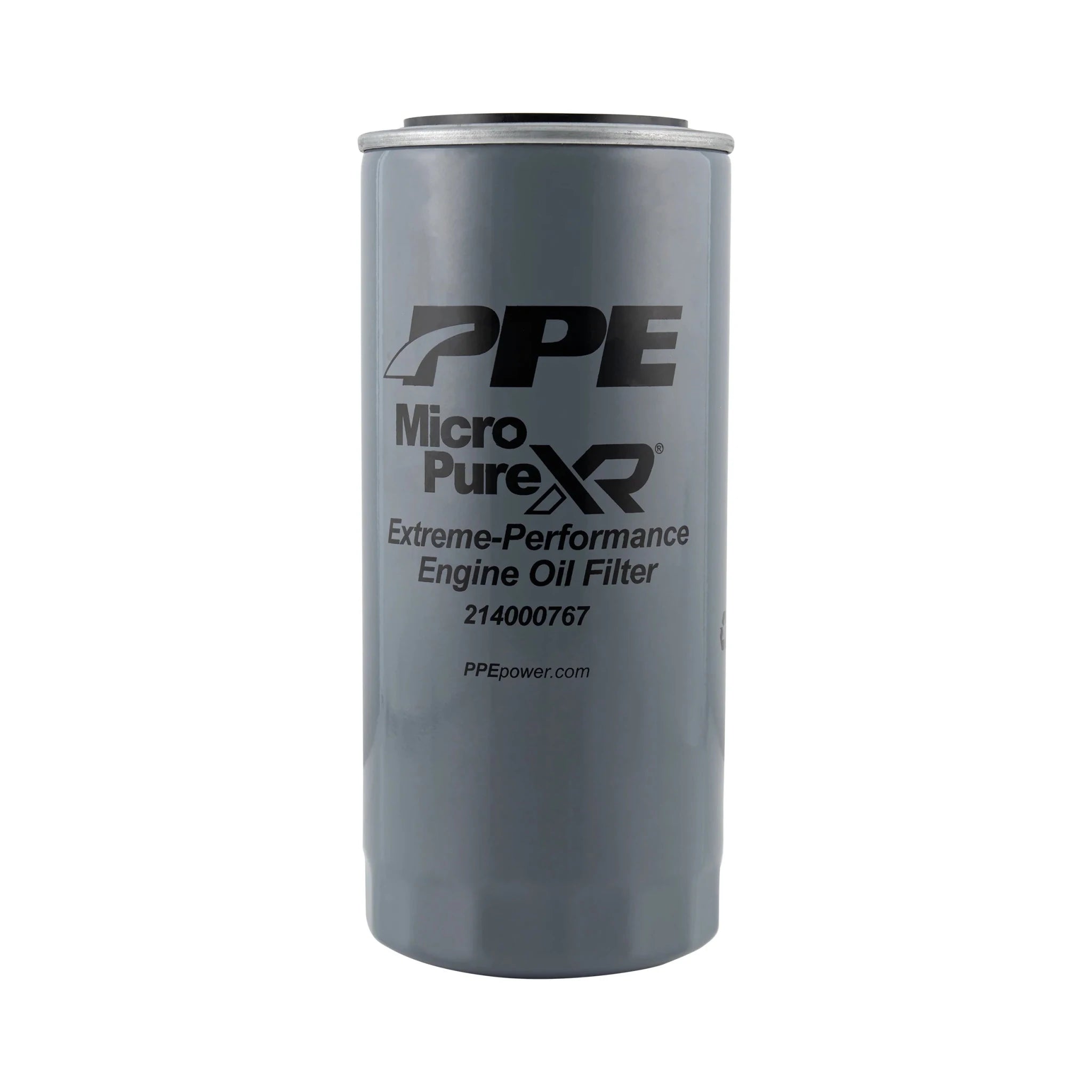
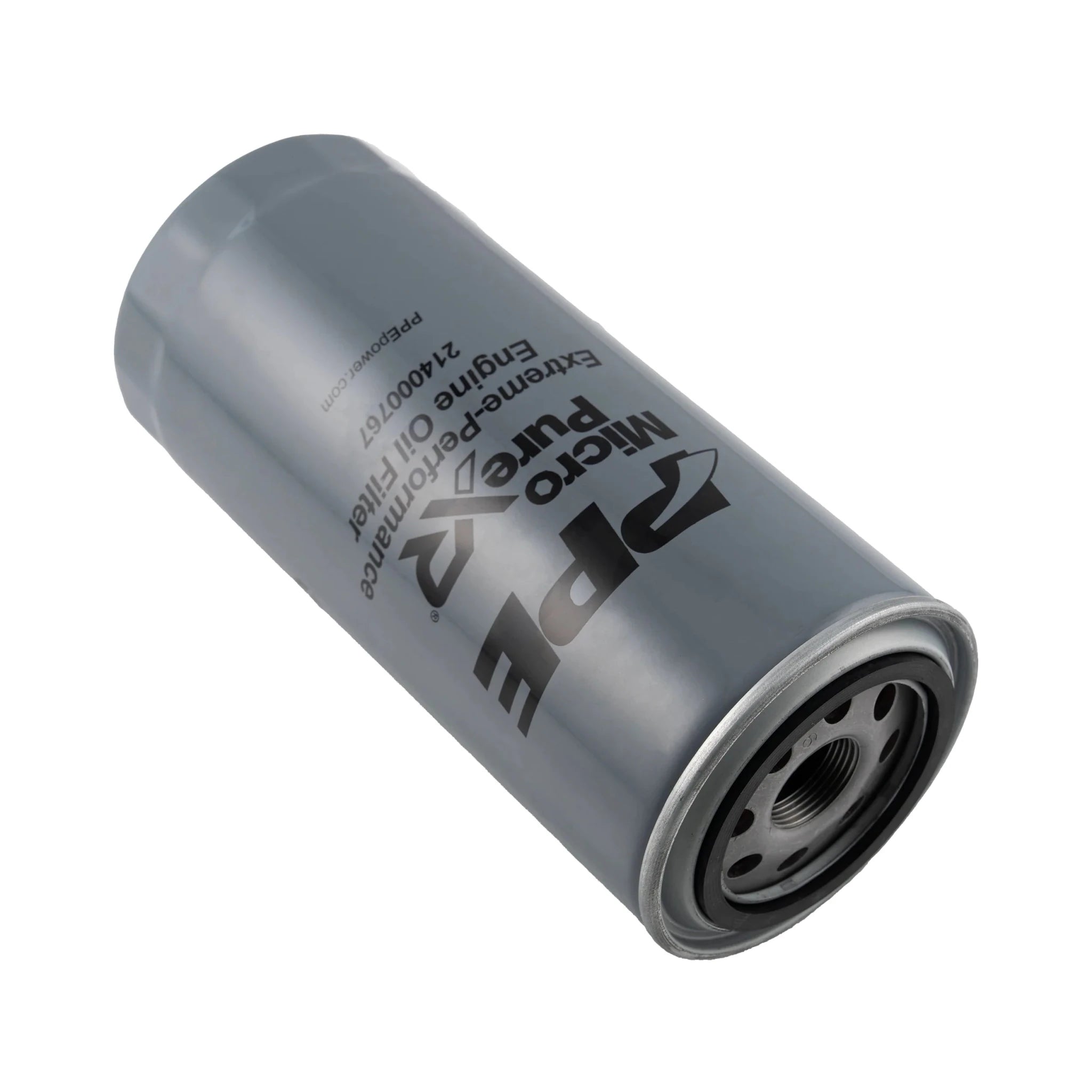
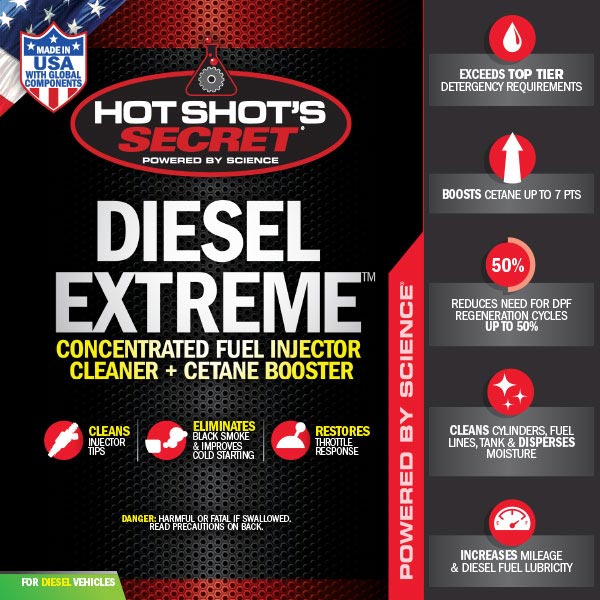
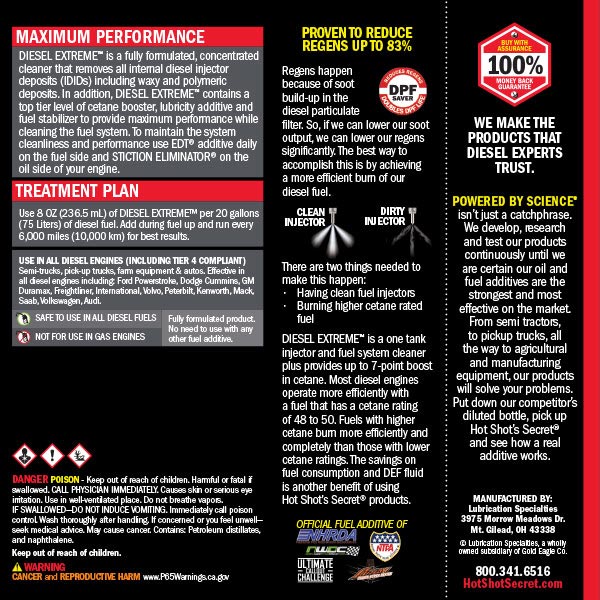
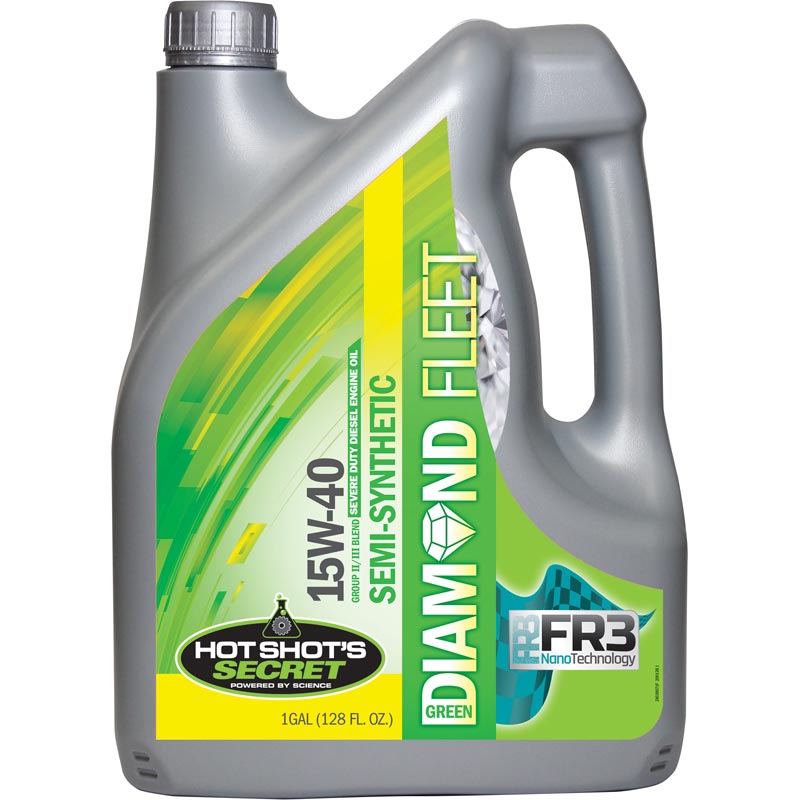
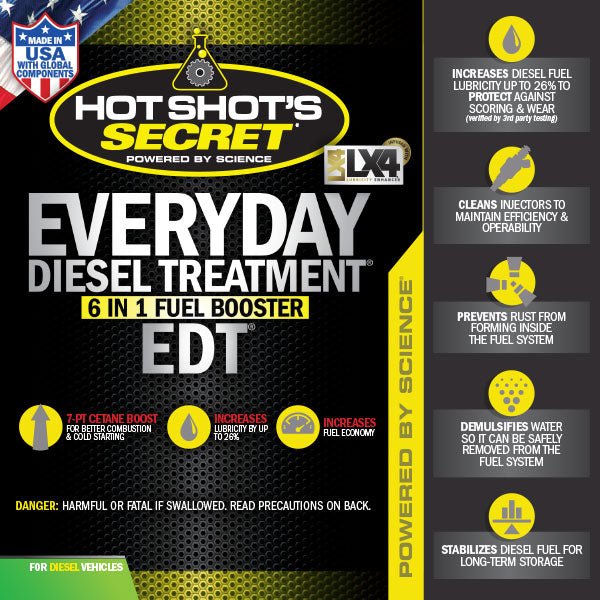
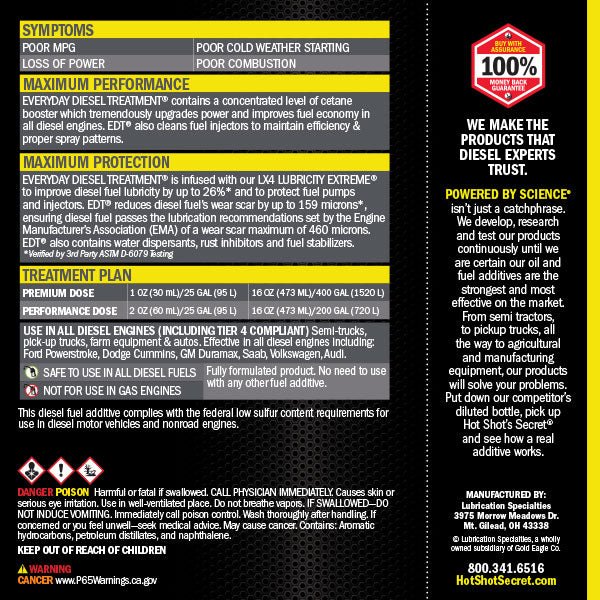
- Fluids and additives: Hot Shot's Secret engine oil and fuel treatments, Lucas Oil and PPE oil filters.
- Towing and suspension: B&W Trailer Hitches adjustable ball mounts, Big Hitch Products hidden receivers and Air Lift air springs for rear sag.
Fitment notes
Verify by VIN and build date, not by the year on the title. The eighth VIN digit tells you which engine you have: a 6 is the standard output, a C is the High Output. An early 2003 standard-output truck may carry a 47RE instead of a 48RE, and the two are not casually interchangeable; converters swap one direction only and the neutral safety switch is three-prong rather than five. Four-wheel-drive trucks use the NV271 manual-shift or NV273 electric-shift transfer case, on ATF+4, serviced at 120,000 miles normal duty or 60,000 severe. The rear axle under a Cummins 2500 or 3500 is the AAM 11.5; the 10.5 shows up behind gas engines, so check the axle tag on a used or previously swapped truck before ordering a cover, gears or shafts, and do not cross-reference GM 14-bolt parts. On exhaust kits, cab and bed length determine the tailpipe section, so verify by wheelbase; these trucks came as Regular Cab and Quad Cab only, since the Mega Cab did not arrive until 2006. Front-end parts are typically cataloged as 2003-2013 2500 and 2003-2012 3500 fitments and do not cover the 4500 and 5500 chassis. Towing and payload numbers belong to your specific truck, so use the certification label in the door jamb rather than a generic chart.
Frequently asked questions
Is my truck a 2003-2004 or a 2004.5?
It matters more than the model year printed on the registration. The 2004.5 High Output is the 325 hp, 600 lb-ft engine with the electronically wastegated HE351CW turbo, 5-hole injectors and the enlarged airbox; a 2003-2004 truck has the mechanically wastegated charger and 8-hole injectors firing two events per cycle. Go by build date and engine serial, and make sure any injector, turbo, downpipe or tuner listing names 2003-2004 specifically before you order.
How often does the fuel filter really need changing?
Every 15,000 miles on the factory 7-micron element. The Turbo Diesel Register treats rigorously performed 15,000-mile filter changes as the baseline for getting long life out of a set of injectors, and water in the fuel system remains one of the biggest sources of trouble on these engines. Rust-pitted connector tubes will feed rust straight into new injectors. If you want more margin, a frame-mounted system with 2 to 3 micron filtration, or the Mopar severe-duty frame-rail auxiliary filter kit, adds water separation ahead of the stock filter.
My lift pump quit. Did it hurt the injection pump?
Probably not. On the 2003-2004 common-rail trucks a dead engine-mounted lift pump is not documented as destroying the CP3, which is a change from the rotary-pump trucks that came before. What does hurt the high-pressure pump and the injectors is running starved, dirty or wet fuel for a long stretch. You can replace it with an OEM-style external pump and keep the option of swapping one on the side of the road, or move to a frame-mounted pump and filter assembly that pushes fuel forward from the tank.
Should I replace one injector or all six?
On a high-mileage engine, all six. Getting to one injector means pulling intake plumbing, the breather, wiring and lines, so a single injector takes nearly as long as the full set, and a first-time job is realistically a full day in the bay. Order new connector tubes with the injectors; contamination from the old tubes is the most common reason a fresh set disappoints. And never pour used motor oil, ATF or any other home-brew into the fuel, because clearances inside these injectors are measured in millionths of an inch.
What is the first thing to fix on the front end?
The track bar. The factory bar's rubber bushings start breaking down early, and as little as 1/16 in of deflection there compounds through the rest of the front end as wander and wobble. A heavy-duty adjustable bar with a real joint comes first, then a quality steering damper, then ball joints and tie-rod ends if they show any radial play. Reset toe and caster after any linkage or steering-box work.
Can I run a tuner on a 2003-2004 Cummins?
On a street truck, only one listed with a CARB Executive Order that covers the 2003-2004 5.9L. Beyond the paperwork, the hardware sets the real limits: the stock lift pump supports roughly 60 to 70 hp of added fuel, the factory turbo runs out of air at about the same point, raised rail pressure is what cracks injector nozzles and pops the roughly 28,000 psi rail relief valve, and the 48RE input shaft can let go near 500 rwhp. A mild tow calibration, a pyrometer and better filtration are the supporting parts that make added fuel survivable. Judge any mpg change at the pump, since fueling changes skew the overhead readout.
Not sure what fits? Call the shop at the number in the header, or use the fitment checker on any product page. We are a working diesel shop in Wildwood, FL, and we install everything we sell.