
Shop Parts by Category
Pick a category to narrow your truck down, or scroll to browse every part that fits.





















Filters
844 products
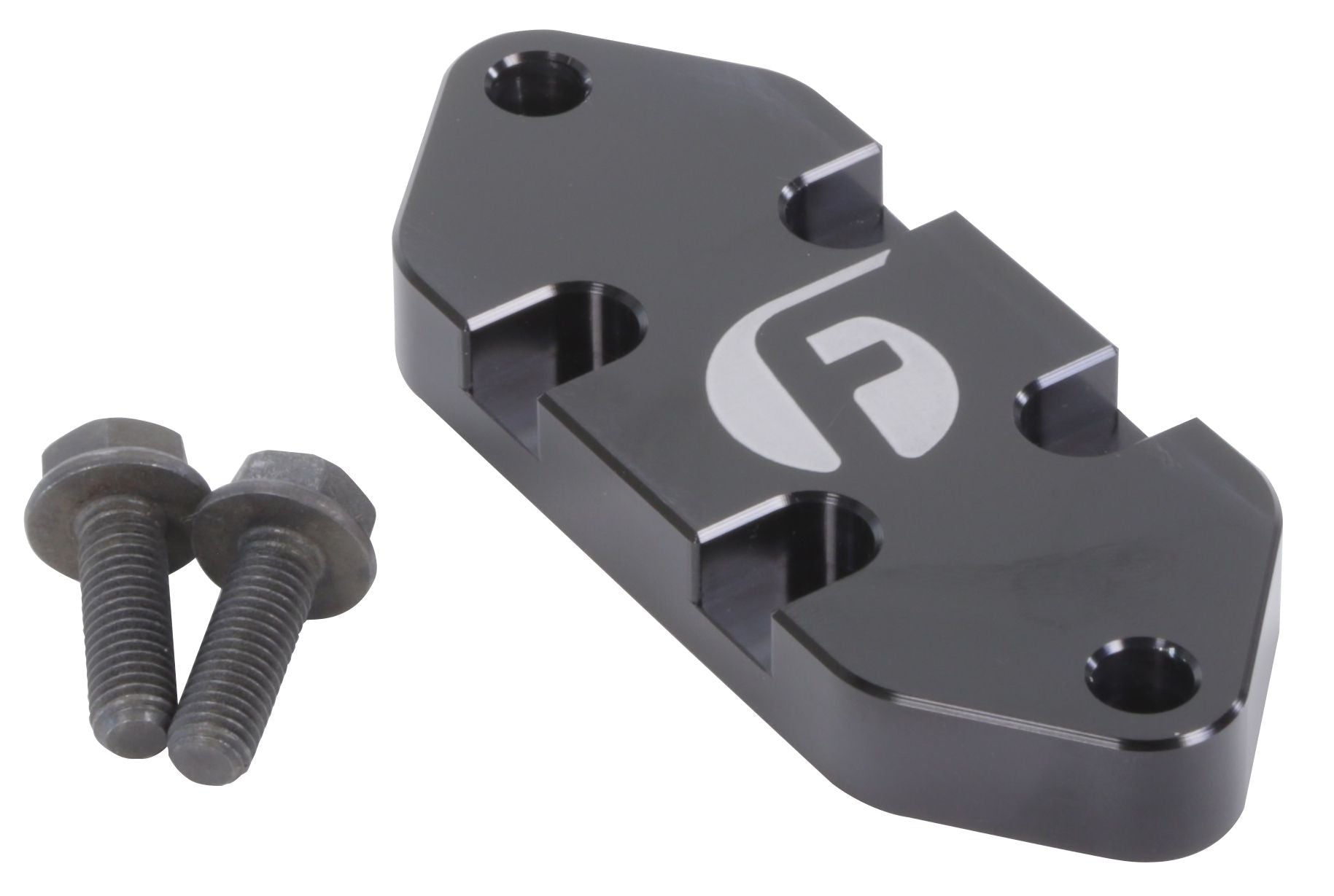
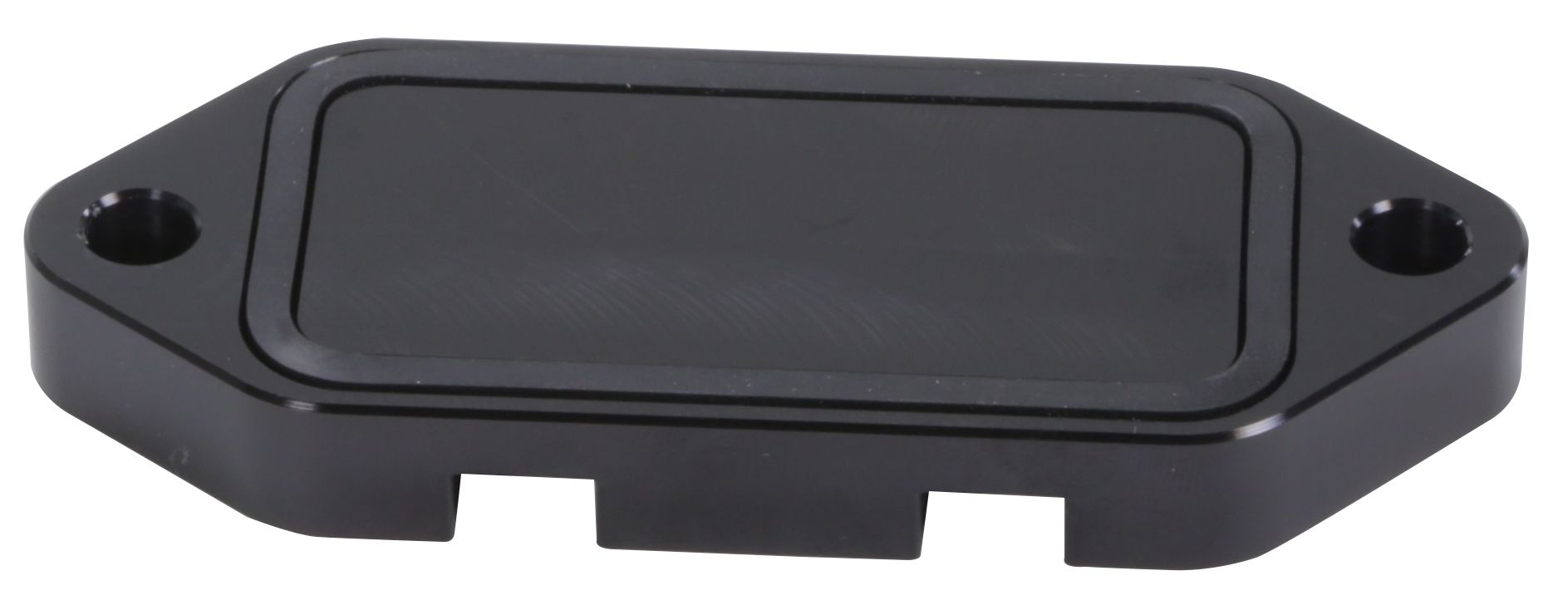
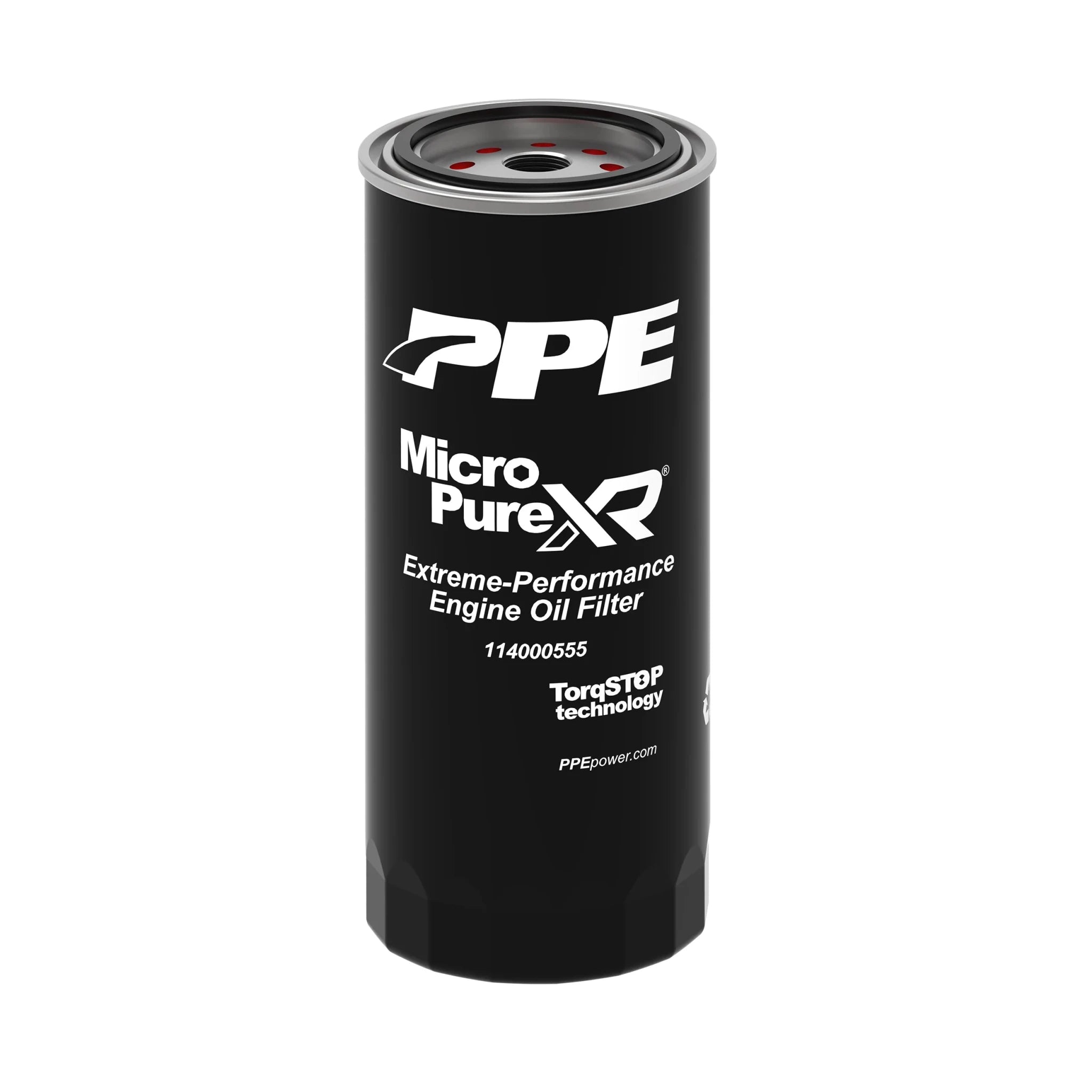
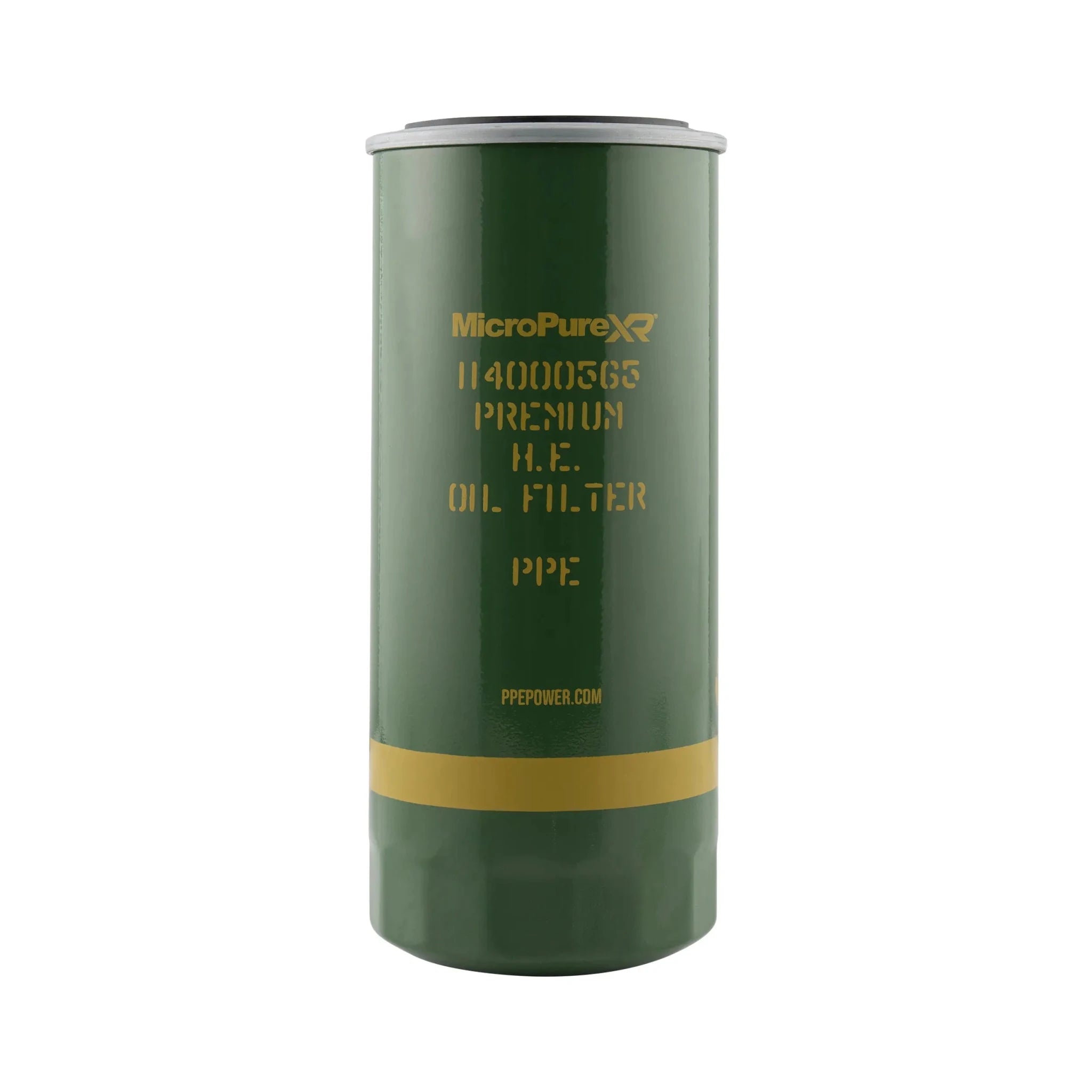


Not sure it fits your truck?
Our Wildwood, FL techs will confirm the right part for your build before you buy.
Call or Text (352) 722-5295What GM built into the 2004.5-2005 Sierra 2500HD and 3500
The Sierra HD of this era is the GMT880 heavy-duty version of the GMT800 platform, wearing the 2003-2007 Classic front clip with the three-bar Sierra grille. Trims ran Work Truck, SLE and SLT; there was no HD Denali yet. Underneath is a 6.6L (402.6 cu in) 90-degree V8 with a cast-iron deep-skirt block, aluminum four-valve heads, six 14 mm head bolts per cylinder, a forged crank and forged cracked-cap rods, cast pistons at 17.5:1, and a cam in the block running mechanical roller lifters. DMAX, the GM-Isuzu joint venture in Moraine, Ohio, built it. Fuel goes through a Bosch CP3 to 23,000 psi in two rails and out eight solenoid injectors that sit outside the valve covers, which is the service change that came with the LLY. Air comes from a Garrett GT3788VA water-cooled variable-geometry turbo with a 62 mm eleven-blade compressor, the largest-flowing wheel GM ever put on a factory Duramax, with an EGR valve and coolant-cooled EGR cooler in the valley and a diesel oxidation catalyst behind the turbine. Behind the engine sits the Allison 1000 five-speed with Tow/Haul and adaptive shift learning, rated 310 hp and up to 605 lb-ft, or the uncommon ZF S6-650 manual, which GM detuned to 300 hp and 520 lb-ft. The rear axle is the AAM 11.5 in full-floating unit with 30-spline shafts and either 3.73 (RPO GT4) or 4.10 (GT5) gears, the G80 Eaton locker optional. 4WD trucks add the AAM 9.25 in IFS clamshell front differential with torsion bars and either the NV261HD lever-shift or NV263HD push-button transfer case; 2WD trucks have no front differential at all. Set up right, a Sierra of this generation was rated around 12,000 lb conventional and 15,000 to 16,700 lb fifth-wheel with GCWR in the 22,000 to 23,500 lb range, the 3500 dually at the top of that spread. Your LLY carries a 2 as the eighth VIN character.
Where the miles show up
Start with the driveline, because on a tow rig that is what wears first. The Allison's torque converter is the weak link: the thin stator cracks under the internal pressure that towing, grades and added power generate, the soft cover shows burn spots, and shudder or slip is how it announces itself. Reports run anywhere from 70,000 to 290,000 miles. The C2 clutch pack is small for a tuned truck and does not last well in towing service, C1 and C2 apply slightly off-center so they wear unevenly, and the C3 runs oil-starved. Further in, valve-body valves wear their bores and hang up, the pump loses efficiency, and the babbitt bushings do not go much past the warranty, so an older Allison shifts sloppier than it did new and drops gears quickly under load. The NSBU switch on the back of the case is a common no-start, wrong-gear-display and stuck-in-third complaint, and on 2004.5-2005 trucks it is the single-connector part (Allison 29541852), not the earlier two-connector switch. Factory crimp-fitting transmission cooler lines seep with age. On 4WD trucks, the NV261HD and NV263HD are known for pump rub, where the internal oil pump wears through the rear case half and leaks until the case starves, and the front hub bearings go early once larger tires are fitted.
The front end is the other place a Sierra tells on itself. The intermediate steering shaft's splined slip joint dries out and is the number one cause of the clunk you feel in the wheel over bumps and turns; the GM lube kit (26098419) quiets it and an updated shaft fixes it for good. The idler and pitman arms wear from fore-and-aft movement of the center link until the steering goes loose and wanders and the tires wear unevenly, and the center link itself can bend under load. A worn steering box stacks vague on-center feel on top of all of that. Leveling by cranking the torsion keys changes the control-arm angles, which is the root of most premature ball-joint and bushing wear and the inside-edge tire wear that comes with it. One more Sierra quirk worth knowing: the brakes use hydroboost off the power steering pump because a diesel has no manifold vacuum, so a tired pump or low fluid shows up as a hard pedal and heavy steering at the same time.
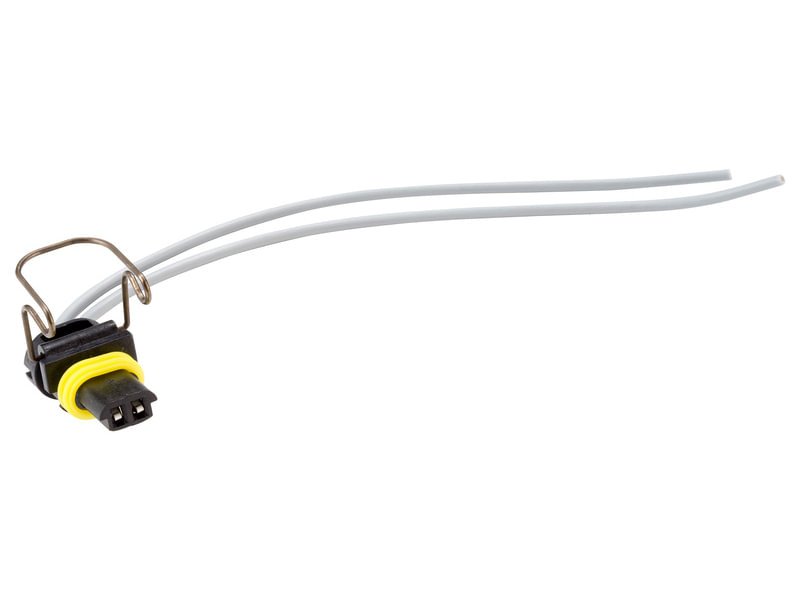
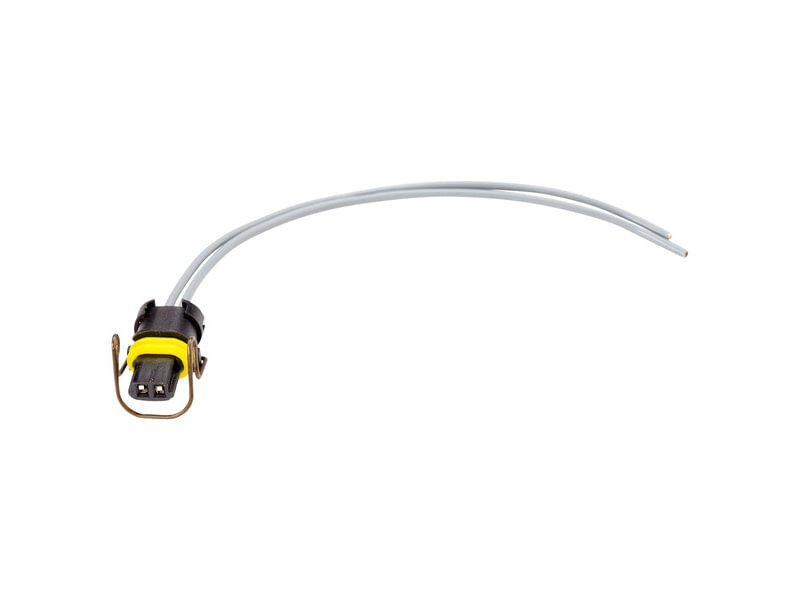
The engine's reputation is heat, and heat is cumulative here. The LLY makes more of it than the LB7 it replaced, between the big turbo working against a restrictive factory inlet and an EGR cooler dumping into the coolant, while carrying less cooling capacity. Coolant can exceed 230 F pulling a load in warm weather, and debris packed into the stack between the condenser, intercooler and radiator chokes all three at once. The viscous fan clutch quietly stops pulling hard when hot, and the water pump usually gives up its seal or bearing between 80,000 and 100,000 miles, with weeping at the weep hole as the warning; on these pre-2006 pumps the pressed-on impeller can walk on the shaft and under-circulate while it is still spinning. Let that stack up on a towing truck and head gaskets are the bill: combustion gas into the coolant, coolant pushed out of the overflow after a hard pull or a hot shutdown, white smoke under load, coolant loss with no external leak. The rear cylinders are where cooling is weakest and where it often starts. There is no mileage to plan around; owners report 114,000, 137,000 and 210,000, and heat history decides it. Confirm with a combustion-gas test before you spend money. The EGR valve and cooler coke up with mileage and set P0401 or P0402, and the turbo's vanes, pivots and unison ring soot up on trucks that idle a lot or cruise light, which reads as lazy spool, wandering boost and P0299. A failed vane position sensor sets P2563, and the oil-metering solenoid that moves the vanes should measure 3.4 to 4.2 ohms at 73 F. On the fuel side, injectors generally run 150,000 to 200,000 miles, but the filter-head O-rings at the bleeder screw, water-in-fuel sensor and primer harden and let air into the suction side, so the CP3 loses prime and the truck cranks long or starts and stalls. The rail's pressure relief valve weakens with repeated discharge, mostly on tuned trucks, and vents early as P0087 or P1093. The injector harness chafes near the valve covers, usually at cylinders #7 and #2, and sets injector-circuit codes like P0207 that look exactly like bad injectors. Electrically, weak batteries, corroded cables and poor grounds cause stumbles and hard cold starts that get blamed on fuel, and the glow plug control module (8973796350 on 2004.5-2005) can drop communication with U0106 or leave the glow light on far too long.
Stock replacement vs. building it up
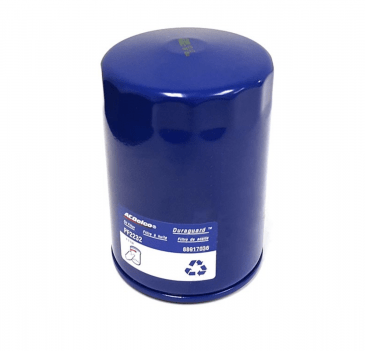
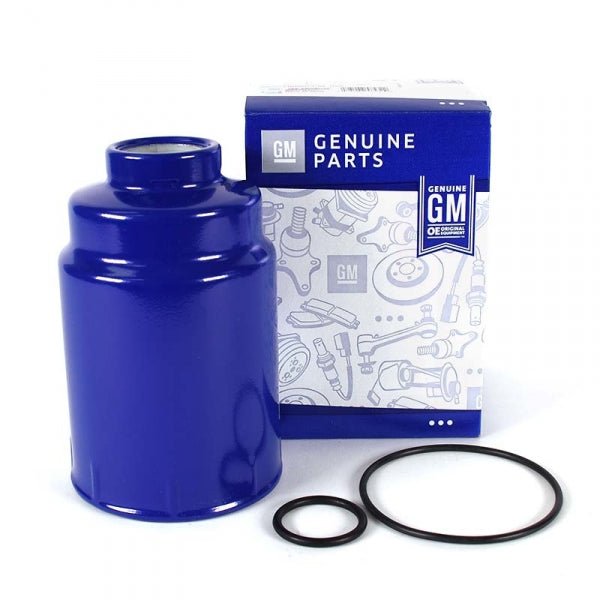
A Sierra that is staying stock wants OEM-grade parts and nothing clever: Mahle gaskets and seals, ACDelco spin-on fuel filters at the 15,000-mile interval, Merchant Automotive service and reseal kits, a filter-head rebuild kit that swaps the fragile plastic pieces for billet in about an hour, and a water pump with a welded impeller so it cannot walk on the shaft. If you are going further, fix airflow before you add fuel. An aftermarket turbo inlet manifold is the most-recommended LLY change there is, and it is also the cheapest real fix for running hot, because it lowers drive pressure and heat at the source instead of chasing them downstream: S&B's cast piece claims 78.6% more flow on an ISO 5011 test, and Diesel Resource cites 23 hp and 57 lb-ft along with lower EGT and quicker spool from that style of inlet. A one-piece 3 in Y-bridge is worth up to 30 hp and drops intake air temperature on tuned trucks, a larger intercooler core adds about 25% more volume, and better charge pipes and couplers stop the repeat boot blow-off that makes a truck feel soft and run hotter. Finish the cooling side with a heavy-duty fan clutch and fresh 180/185 F thermostats. On the exhaust, a 3 in downpipe with the catalyst retained is the restriction worth fixing, worth as much as 150 F of EGT and roughly 40% of the backpressure, with a 4 in cat-back behind it. If the heads come off for any reason, ARP 230-4201 studs raise clamp load about 25% and are the obvious insurance on a truck that tows. Tuning on this engine responds well because the factory turbo flows, and emissions-intact calibrations with CARB Executive Order numbers exist for the 2004.5-2005 LLY, so confirm the EO for the exact device before you buy one for a California truck. Keep it honest about order: a tune alone gets a stock truck near 500 rwhp, an inlet and turbo work takes it a little past that, injectors and a bigger CP3 are the next step, and a rebuild is what 650 and up requires. The rods are on borrowed time past about 600 rwhp, and the stock Allison tolerates only about 90 hp over stock and roughly 650 lb-ft at the wheels. Any tune belongs behind a lift pump, a fresh relief valve and gauges you actually watch.
Set up to tow
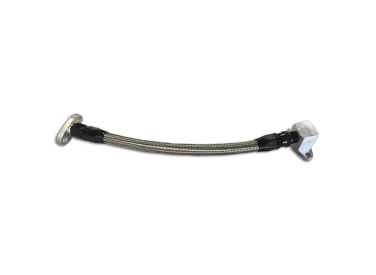
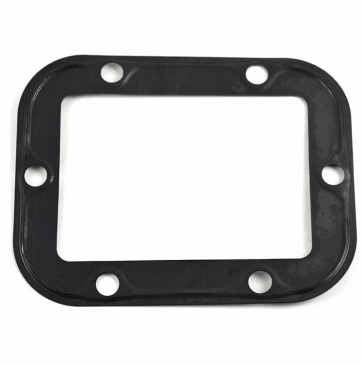
On a Sierra that pulls for a living, the money goes behind the engine first. A billet torque converter with a billet stator, cover and lock-up piston and upgraded clutches is the first Allison upgrade, and if the case is open anyway the named internal work is a billet C2 hub, a 4140 P2 carrier, more C2 clutch volume, steel valve spools, hardened pump gears, bronze bushings and a finned PTO cover that feeds oil to the C3. Add an external transmission cooler and braided lines in place of the factory crimp fittings, tighten the fluid interval toward 30,000 miles on a truck that tows, and use DEXRON-VI (Transynd and other TES-295 synthetics are common) rather than whatever is on the shelf. An exhaust brake built for the variable-geometry Duramax takes heat out of the service brakes on grades and keeps the vanes cycling, which is the same thing that fights soot lock-up. Out back, air bags with an onboard compressor level the leaf-spring rear under pin weight without touching the spring pack. Up front, brace what the trailer is loading: a pitman and idler arm support kit takes the play out of the arm mounts, an alloy steering kit with stronger tie-rod ends and a straight-bar center link resists the bending these trucks are known for, Death Grip tie rods are rated to hold 2.5 times factory, and an extreme-duty pitman arm with a 30 mm 4140 ball stud stops the pitman and idler from binding against each other. If the truck has been leveled, corrected upper control arms and a decent set of shocks put the geometry back; get an alignment after any of it. Then drive it like a tow rig: keep the cooling stack clean, select gears manually on long grades, and watch EGT, coolant and transmission temperature, because on this platform those three numbers are the early warning for everything above.
What we carry
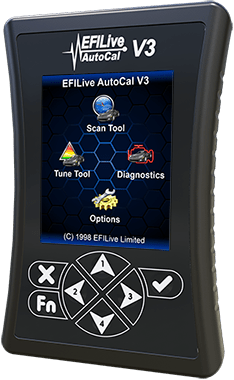
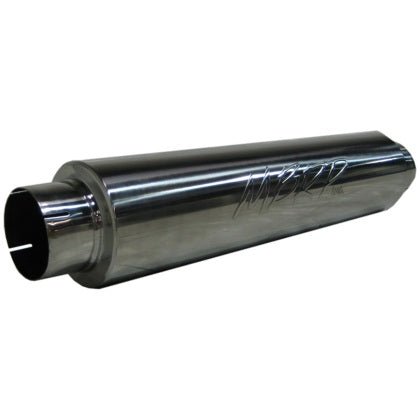
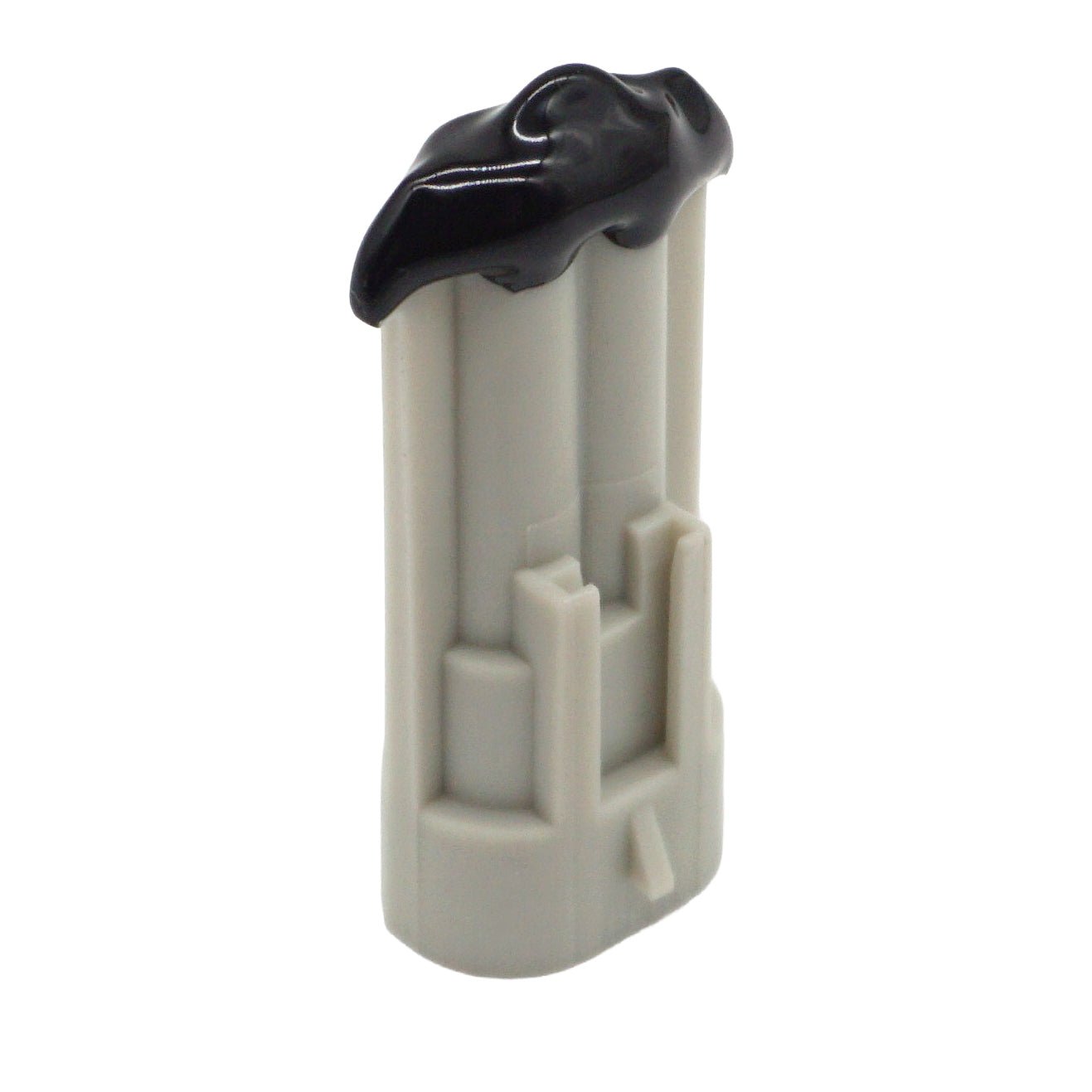
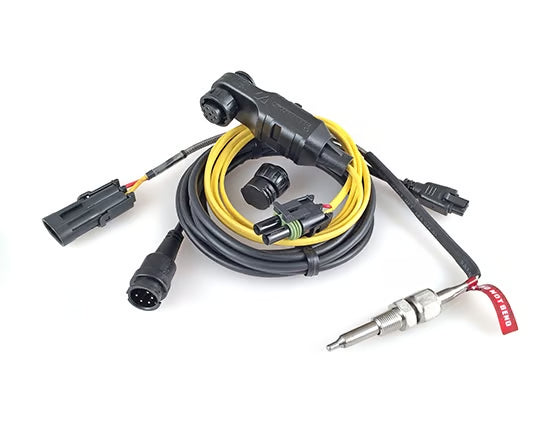
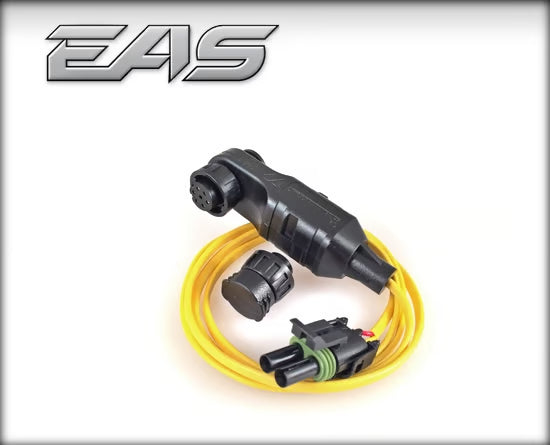
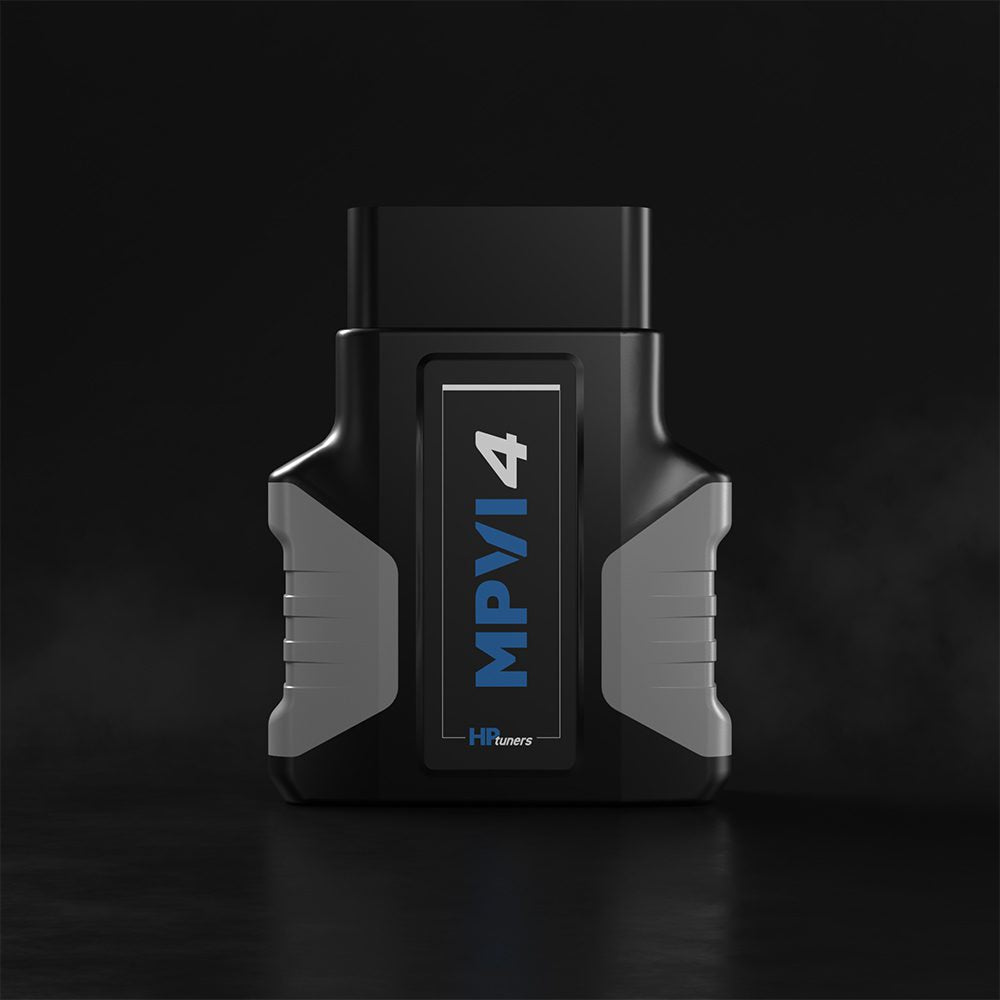
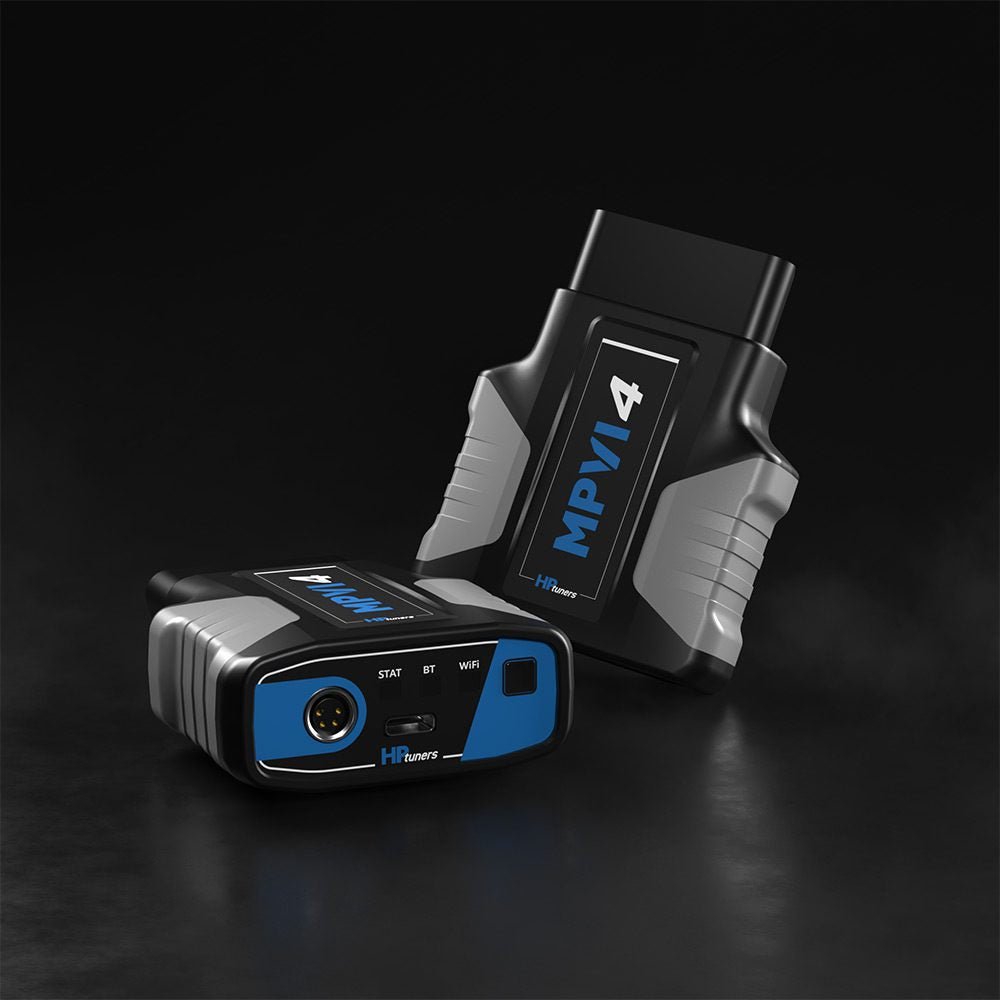
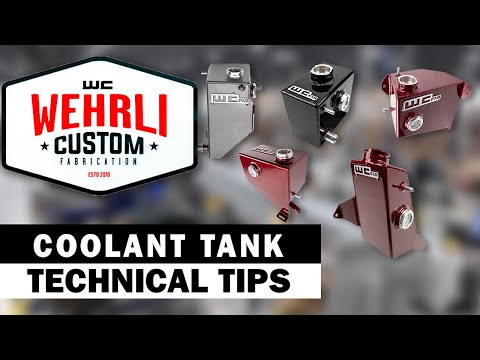
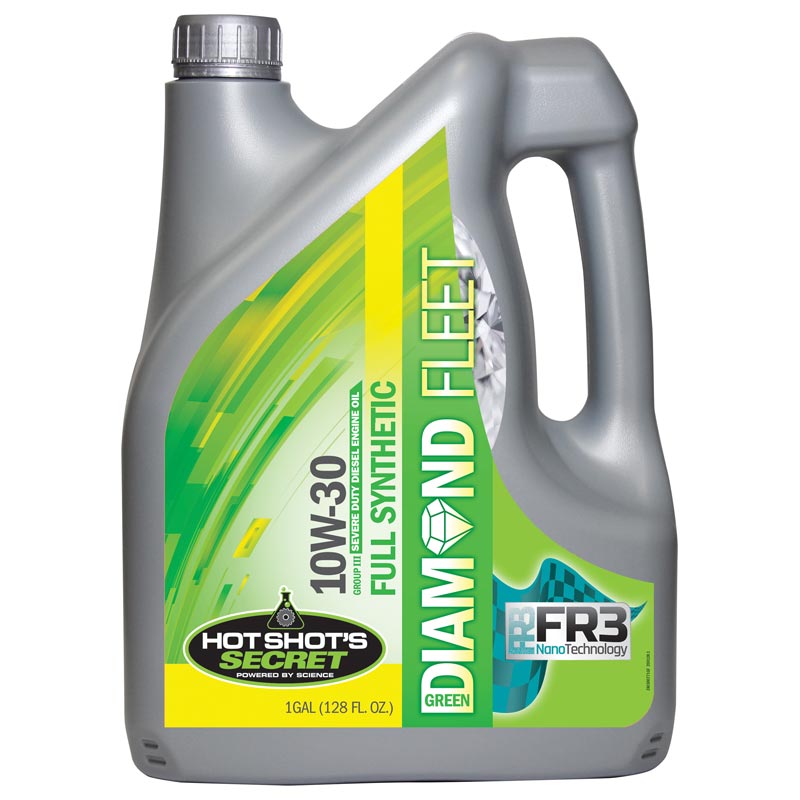
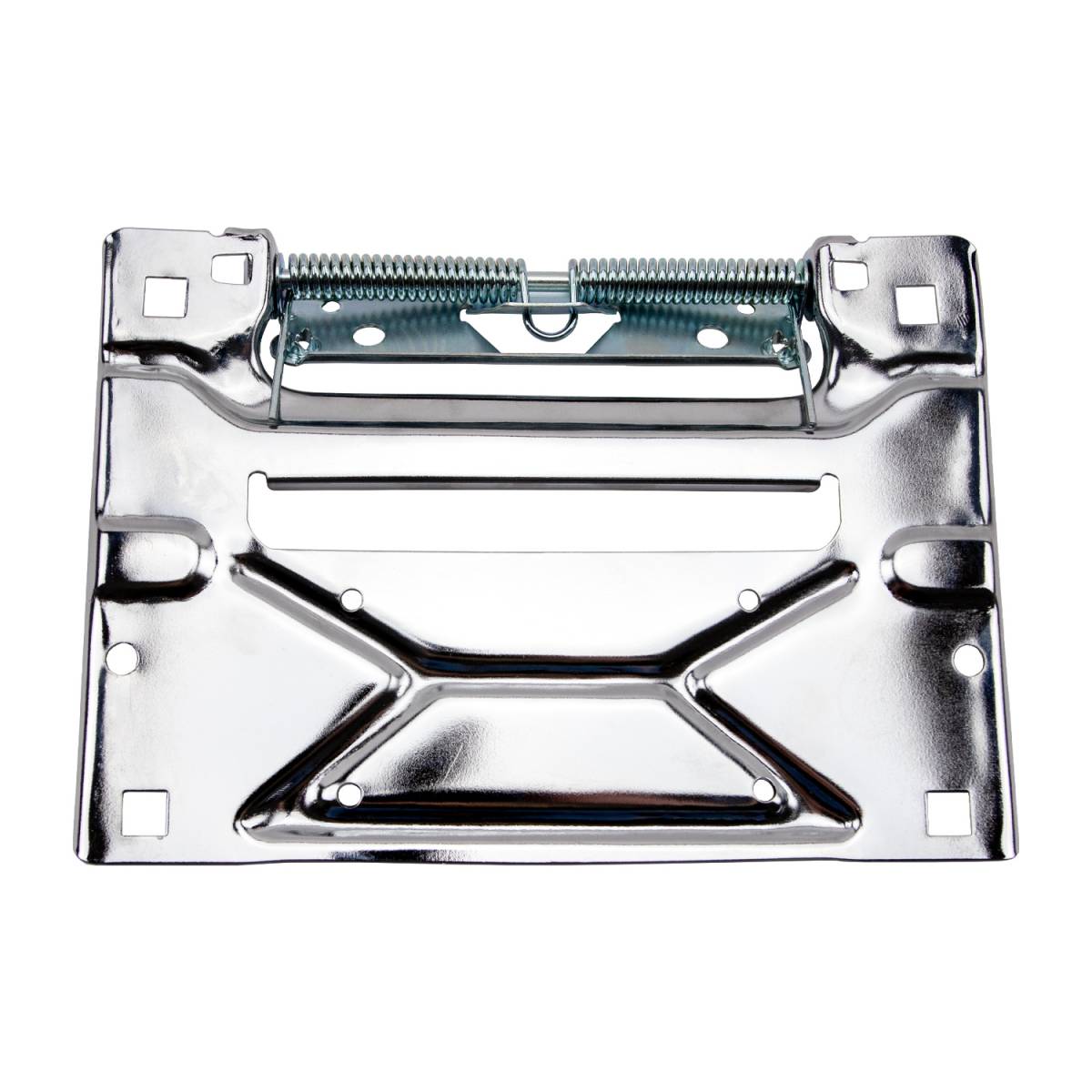
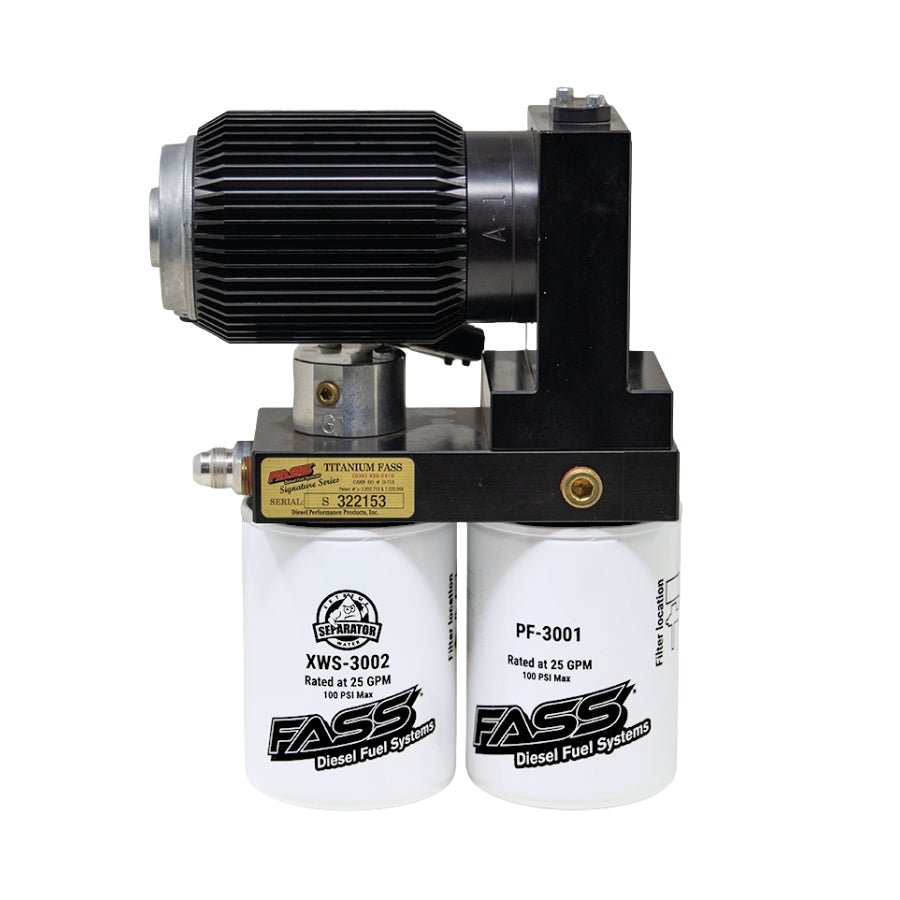
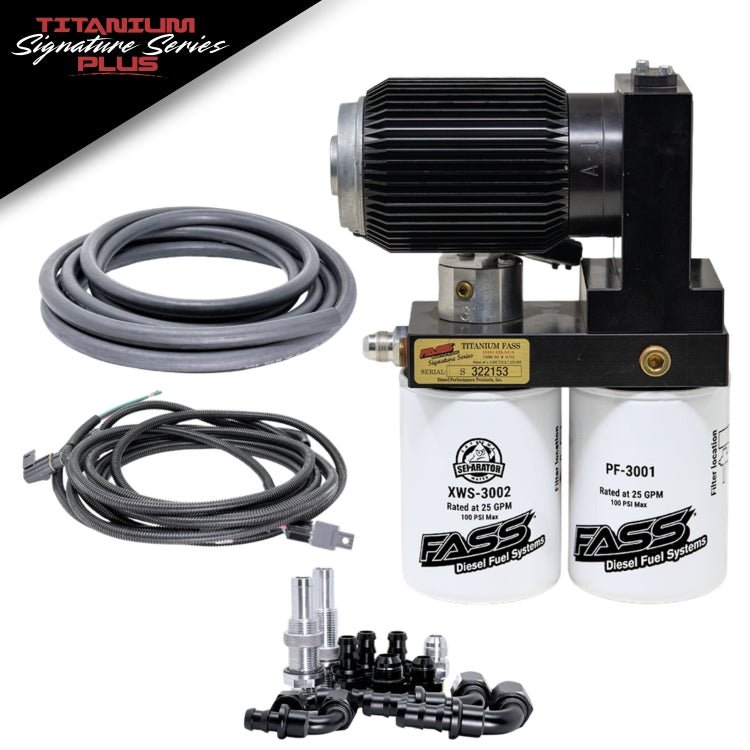
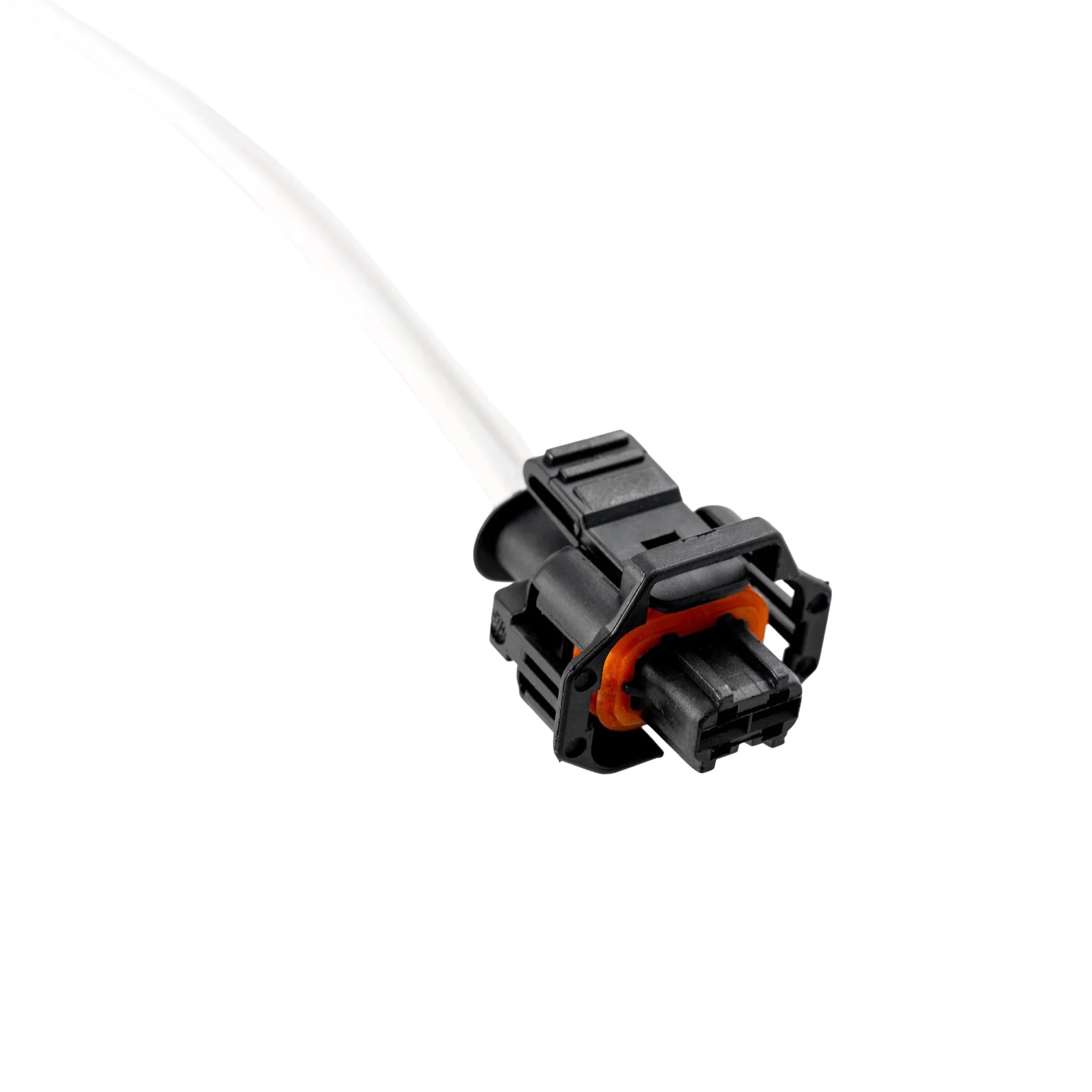
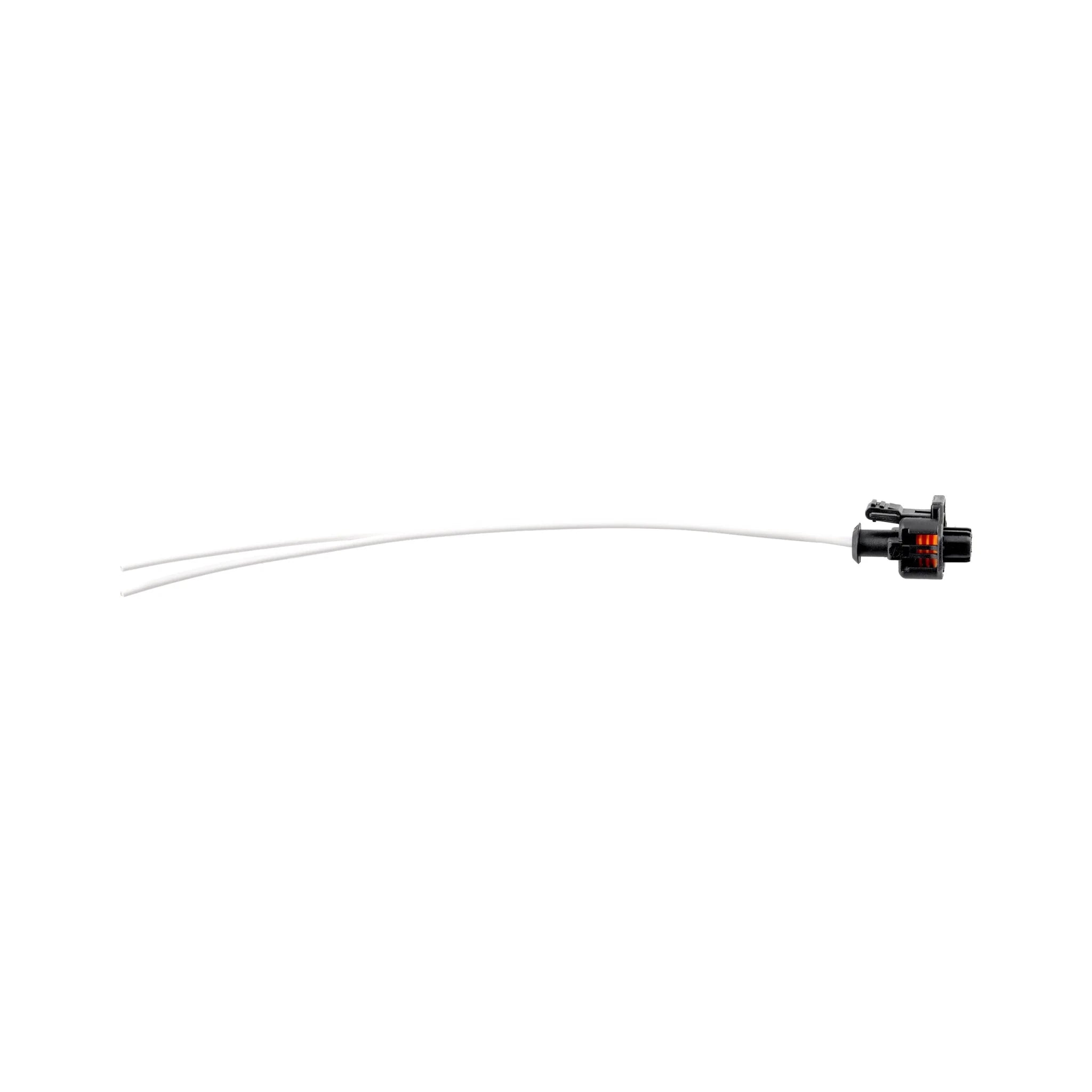
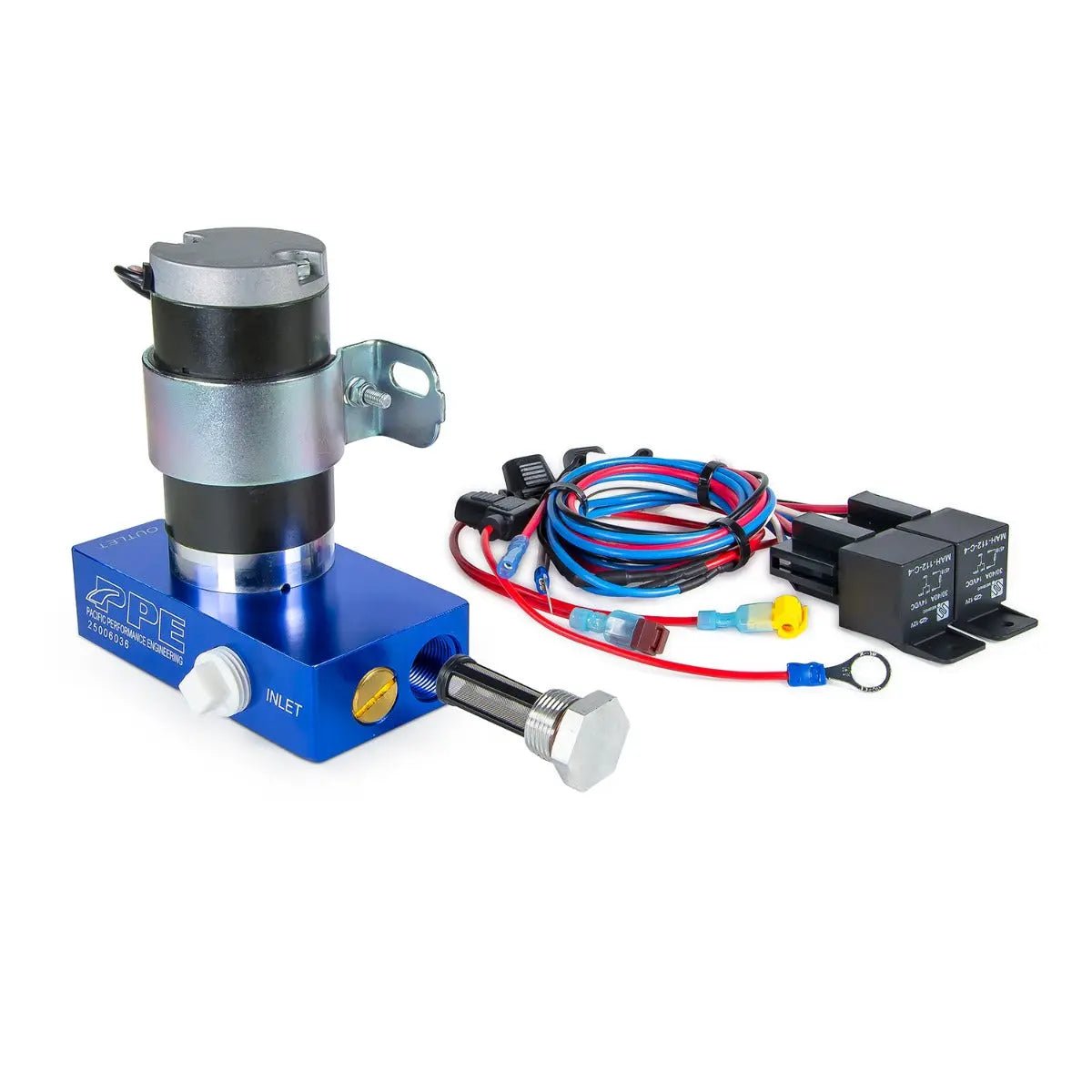
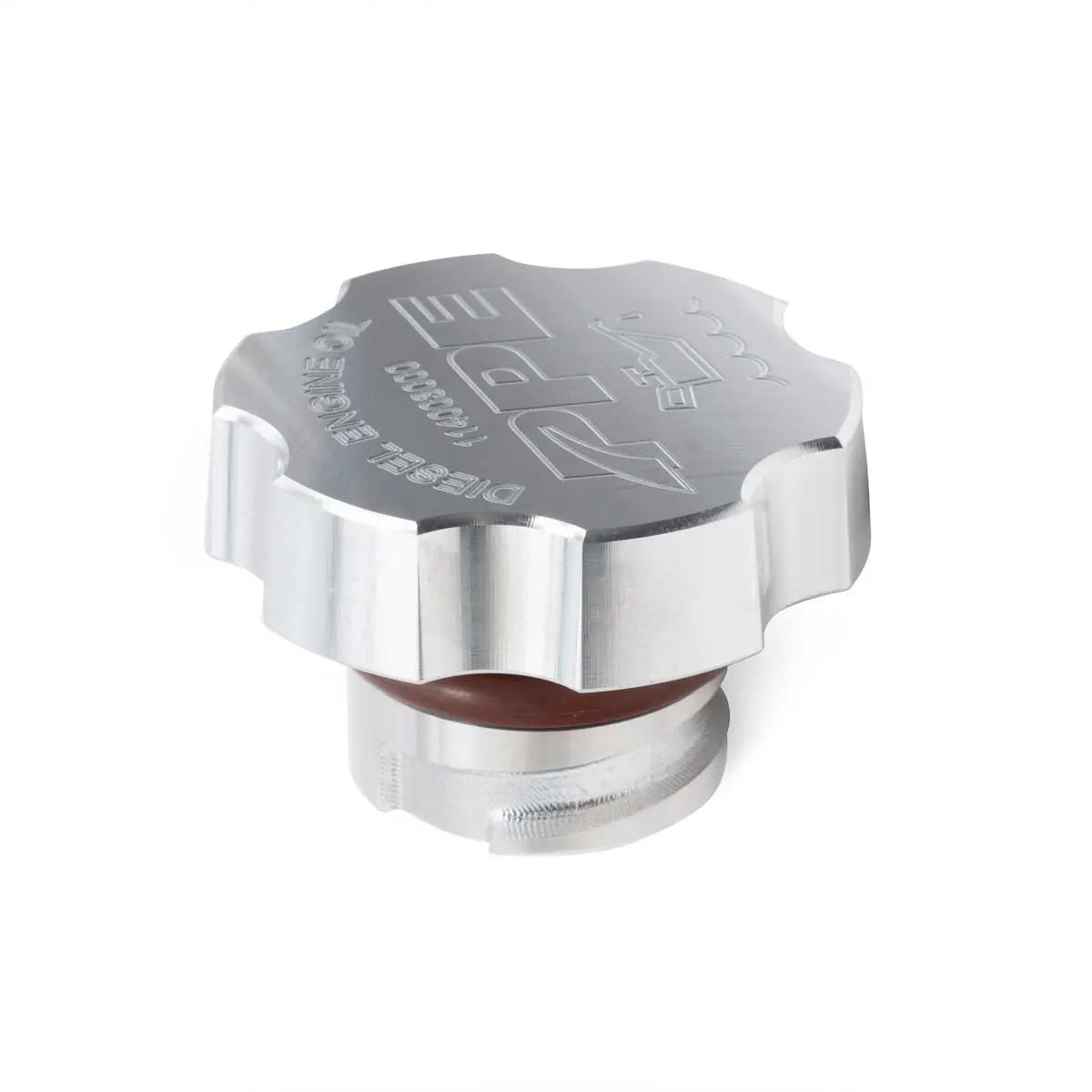
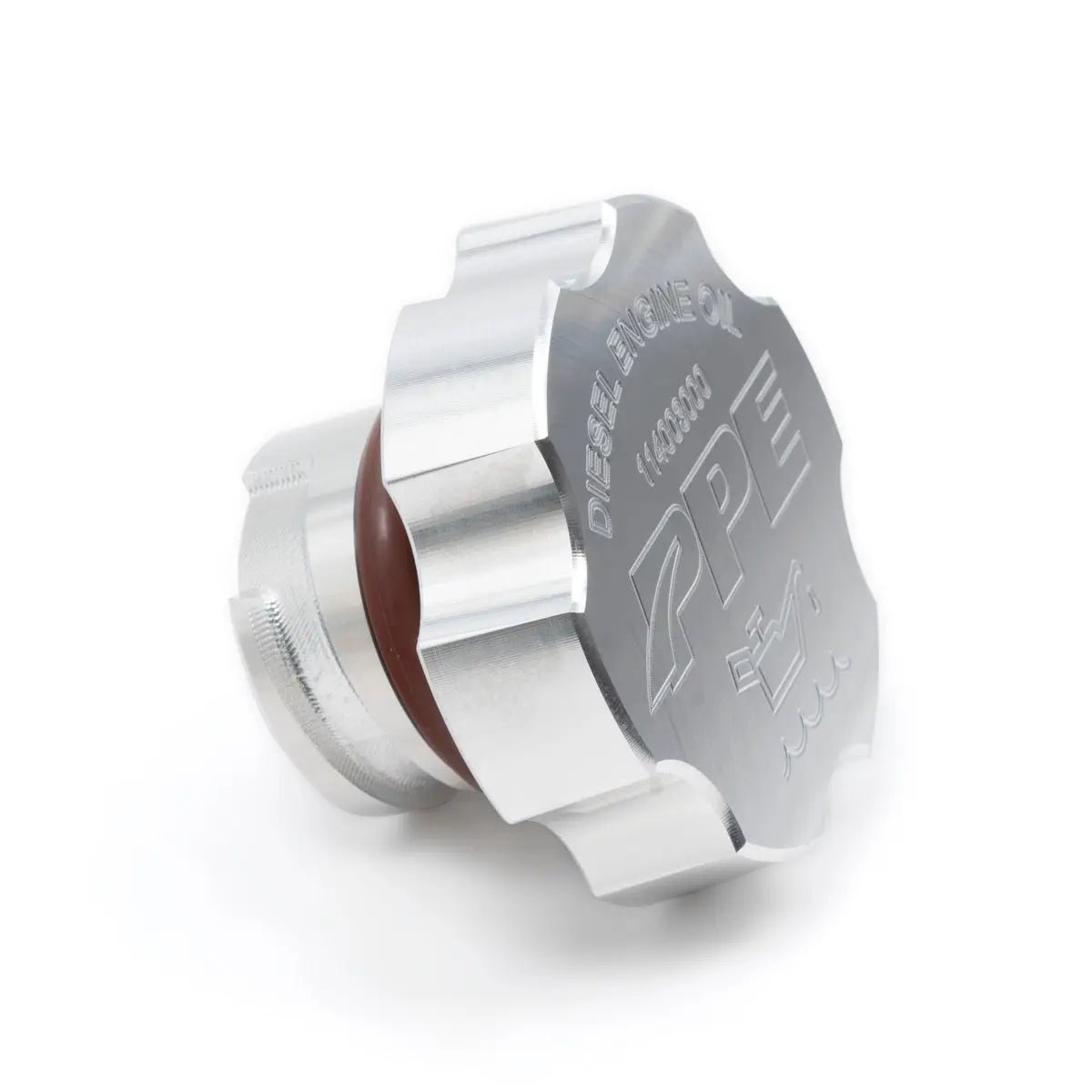
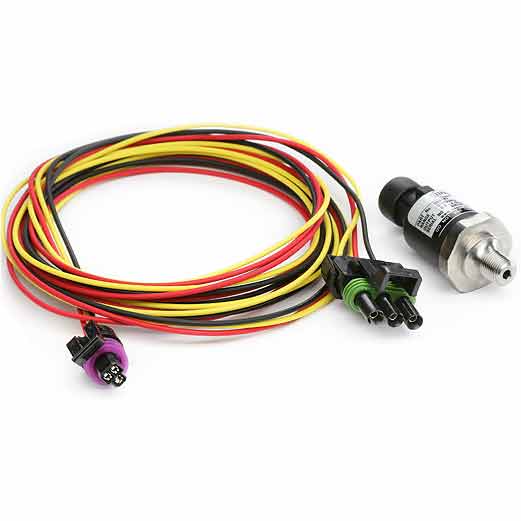
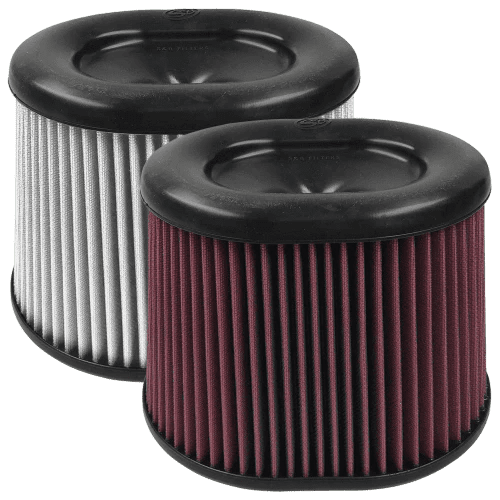
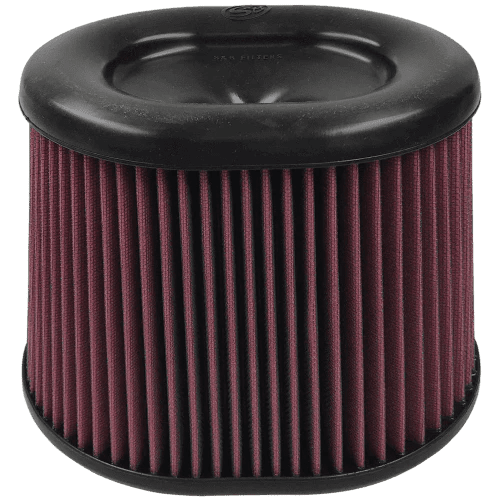
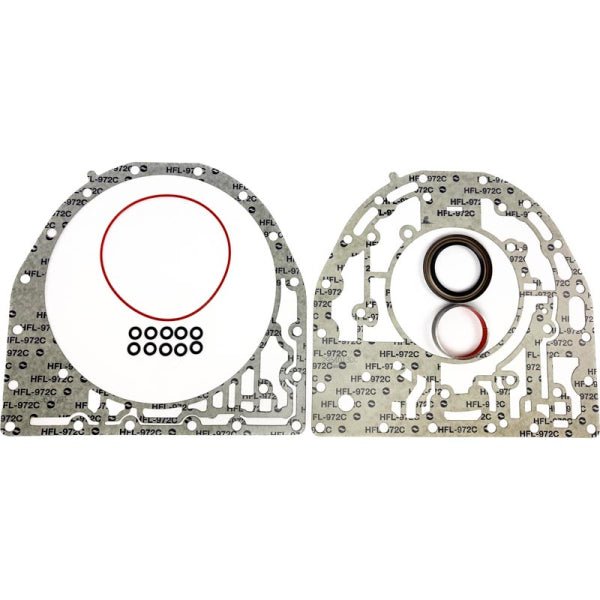
This page pulls together what we stock for the LLY Sierra. Merchant Automotive is the backbone of it, with intake tube seals, water-in-fuel sensor O-rings, starter solenoids, coolant tank float switches, LLY ECM terminal ends, the injection pump inlet hose, transfer-case output seals, Allison converter housing reseal kits and rear engine cover kits. Mahle covers gaskets including the water pump gasket, ACDelco the fuel filters, and Allison gaskets come straight from the transmission side. Pacific Performance Engineering brings oil filtration, billet filler caps, a diesel lift pump, injector harness pigtails and heavy-duty PTO side covers, and Wehrli Custom Fabrication the low coolant level sensor and fabricated engine-bay parts. Fuel supply and filtration runs through FASS systems and extreme water separators, S&B replacement filters and Exergy Performance on the injection side, with Fleece Performance Engineering and G&R Diesel for billet coolant hardware and turbo drain kits. BD Diesel handles towing control and Mishimoto the cooling side, MBRP the mufflers, resonators and cat-back exhaust, and Air Lift the rear air springs. For monitoring and wiring there are Edge Products EGT kits and pressure sensors plus Alliant Power injector, VGT and IPR pigtails, and EFI Live AutoCal and HP Tuners hardware for calibration work. Hot Shot's Secret and Lucas Oil supply the CK-4 engine oil and fuel treatment, XDP MFG the fuel filter adapter wrenches and flex plate bolt kits, and Big Hitch Products the flip-up license plate bracket, so most of a Duramax service and tow-prep list comes off one page.
Before you order for a Sierra
Work from the glovebox and door-jamb labels, not the badge. Split every order by SRW and DRW first: the 3500 dually has its own rear hubs, rotors, wheel offset and rear fenders, and fifth-wheel rails and bumper hitches are bed-length and DRW-specific. Exhaust kits and lift pump kits follow the body, cab and bed, and lift pumps specifically follow the tank, 26 gal with the short bed or 34 gal with the long bed. Steering, suspension and wheel parts fit by the 2001-2010 eight-lug HD chassis rather than by engine. Front differential, CV and 9.25 IFS parts are 4WD only, and the 2011-and-later 9.25 switched to a Salisbury housing that does not interchange with the 2001-2010 clamshell. Rear axle parts follow the GT4 or GT5 ratio code; the AAM 11.5 housing is shared with Ram 2500 and 3500 trucks, but the ratio offerings are not the same, so match the RPO instead of the housing. On the transmission, the 2004.5-2005 truck is the five-speed, and a 2006-model-year truck has the six-speed even if it is still coded LLY, so confirm five versus six by the truck: internal filters (29537965 against the later TF920), NSBU switches, converters and complete units do not cross that line, and 2WD and 4WD Allisons differ at the output. Engine parts split the same way. A 2006 LLY got 16.8:1 compression, revised pistons, 26,000 psi injection, seven-hole injector nozzles, fast-heat glow plugs, a larger EGR cooler and an intake air heater, which moves injectors, the EGR valve (97303761 for 2004-2005 against 98025695 for 2006-2010), water pumps (19168888 for 2001-2005 against 12637105 later), glow plug modules (8973796350 against 98041624) and every tuning file onto the other side of the split. A replacement glow plug module also has to be programmed to the truck with a Tech 2-level tool, which a generic code reader will not do. LB7 injectors live under the valve covers and do not fit, and the LB7's fixed-geometry IHI turbo means turbos, downpipes, inlets and oil and coolant lines do not cross between LB7 and LLY either; a stock-replacement GT3788VA is listed through 2010, but the vendor states LLY trucks need the 771864-0001 vane position sensor adapter. Headlamps, grille and front sheet metal split Sierra from Silverado and 1999-2002 from the 2003-2007 Classic, and an LLY truck is always the Classic. Last, check emissions status on intake parts: the commonly sold LLY inlet manifolds are 49-state pieces that S&B lists as not street legal in California and will not ship there.
Frequently asked questions
What can my Sierra actually tow, and where do I find the real number?
These trucks were rated around 12,000 lb conventional and 15,000 to 16,700 lb fifth-wheel, with GCWR up to roughly 22,000 to 23,500 lb, but your truck's number depends on cab, bed, 2WD or 4WD, SRW or DRW and axle ratio. Cross-reference the RPO codes on the glovebox label and the door-jamb sticker: GT4 is 3.73 and GT5 is 4.10. Then match the hitch to the truck, because fifth-wheel rails and bumper hitches are bed-length and dually-specific.
Will the Allison hold up if I add power?
Roughly, the stock five-speed tolerates about 90 hp over stock and around 650 lb-ft at the wheels before you see limp mode or damage, and the two things that give are the torque converter and the C2 clutch pack. The converter's thin stator cracks under sustained internal pressure from towing and hills, and the C2 is undersized for a tuned truck. A billet converter is the first upgrade, an external cooler and braided lines are the cheap protection, and service at 50,000 miles normal or 25,000 severe matters more than most owners think.
The steering wheel clunks and the truck wanders. What is that?
Two separate things that usually show up together. The clunk you feel in the wheel is almost always the intermediate shaft's splined slip joint drying out; the GM lube kit is the quick fix and an updated shaft is the permanent one. The wander and the play are the idler and pitman arms wearing from fore-and-aft center link movement, sometimes with a bent center link or a tired steering box in the mix. Braces, stronger tie rods and a straight-bar center link are the fix, and it all needs an alignment afterward.
My Sierra is lazy to spool and set P0299. Is the turbo finished?
Not necessarily. On a truck that idles a lot or cruises light, carbon builds on the vanes, pivots and unison ring of the variable-geometry turbo, so spool goes soft and boost gets inconsistent. Check the vane position sensor, which sets P2563 when it fails, and the oil-metering solenoid, which should read 3.4 to 4.2 ohms at 73 F. Cutting idle time and running an exhaust brake keeps the vanes moving. If it does need a turbo, note that a replacement GT3788VA requires the LLY vane position sensor adapter.
What should I go through before towing heavy this summer?
Blow the debris out of the stack between the condenser, intercooler and radiator, then check the fan clutch for real engagement when hot, look at the water pump weep hole, and put fresh thermostats in if nobody has. Change the fuel filter on schedule and service the Allison. Add EGT, coolant and transmission temperature to what you can see from the driver's seat, because coolant can exceed 230 F pulling a load in heat and you want to know before the gauge does. If the truck has been losing coolant with no external leak, run a combustion-gas test before you hook up to anything.
Not sure what fits? Call the shop at the number in the header, or use the fitment checker on any product page. We install everything we sell.