
Shop Cooling System by Category


Filters
62 products


Not sure it fits your truck?
Our Wildwood, FL techs will confirm the right part for your build before you buy.
Call or Text (352) 722-5295Cooling system on the 2017-2019 Ford 6.7L Powerstroke
Ford split the cooling job on the 6.7L Powerstroke in two. The primary, high-temperature loop handles the block, heads, engine oil cooler, turbocharger, heater core and, since 2015, both stages of the EGR cooler. The secondary, low-temperature loop cools the air-to-water charge air cooler, the fuel cooler and the transmission oil cooler, and on 2017-2019 trucks it runs a single thermostat, Motorcraft RT-1239. The smaller secondary radiator sits in front of the primary. Together the loops hold about 31.7 to 35.1 quarts: roughly 7.25 to 7.75 gallons in the primary and 2.0 gallons in the secondary.
What fails and why
The weak spots on this generation are well documented:
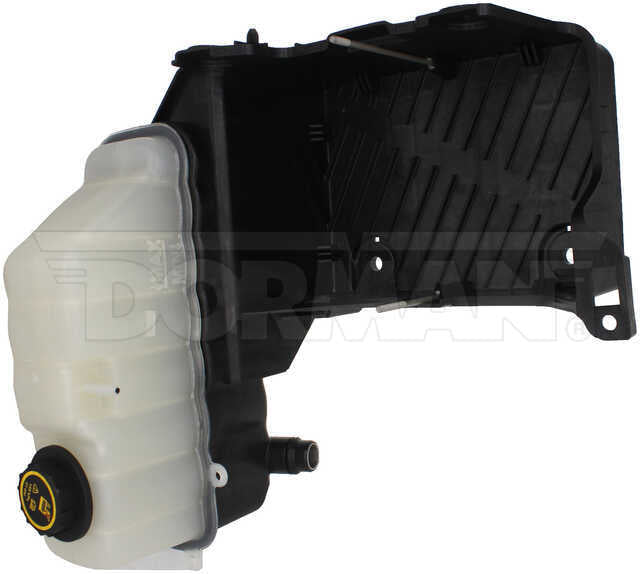
- Plastic degas tanks. Both expansion tanks are plastic, and heat cycles make them brittle until they crack or weep at the seams. Look for slow coolant loss, crusty residue on the tank and low-coolant warnings, usually once the warranty is gone.
- Fan clutch. It can stick or bind and sets no trouble code. Symptoms range from a loud fan roar on acceleration and lost power or fuel economy to overheating on a tow when it won't engage.
- Air-to-water intercooler. The factory stacked-plate core on 2017-and-later trucks can leak coolant internally into the intake. You lose coolant with no external leak and may see white smoke or steam from the exhaust.
- EGR cooler. EGR cooler flow issues are on the common-problem list for 2015-2019 trucks. White smoke, coolant loss and a sweet smell from the exhaust point that way, and it calls for a proper diagnosis.
- Transmission cooling under load. The stock liquid-to-liquid transmission cooler on the secondary loop is compact, and sustained grade towing can push transmission temperatures high.
Radiator leaks, by contrast, were mainly a 2011-2014 complaint and are less common on these trucks.
Stock replacement vs. upgrade
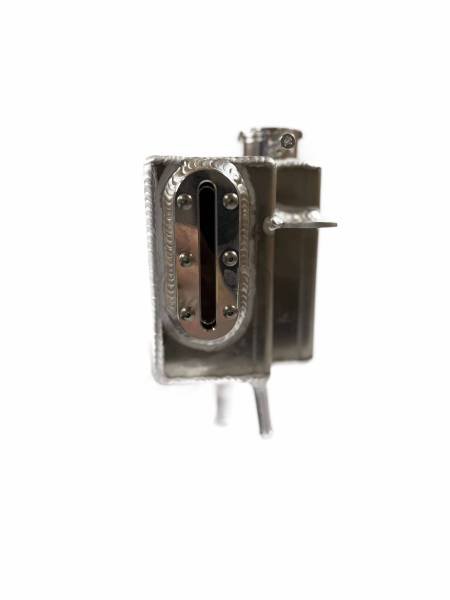
Stock-style parts make sense when you just need the truck right again: an OE-grade thermostat, a replacement water pump, a factory-pattern hose. Ford's 2017-2019 primary radiator hoses are Motorcraft KM-5475 upper and KM-5517 lower, which helps when you're cross-referencing. Upgrades earn their keep where the factory part is the known weak point. Aluminum degas tanks take the cracking plastic out of the system; Mishimoto builds a kit for 2011-2019 trucks that replaces both tanks with welded aluminum units with sight glasses and baffles. Mishimoto's aluminum primary radiator for 2017-and-later trucks is rated at 37% more capacity and 20% more fin area than stock, with direct-fit quick-disconnects. If the fan clutch is your problem, the OE-type replacement is YB3189 for trucks built before July 9, 2018 and YB3246 for 2019 trucks built after.
What we carry
This collection draws on Dorman, Dayco, Alliant Power, MAHLE, SPE Motorsport, Mishimoto, XDP, CSF, WCFab, No Limit Fabrication, Fleece Performance Engineering, S&B and Hot Shot's Secret. In the grid you'll find:
- Radiators: CSF OEM-style primary and secondary replacements, the Mishimoto aluminum primary, and XDP Xtra Cool direct-fit main and secondary radiators.
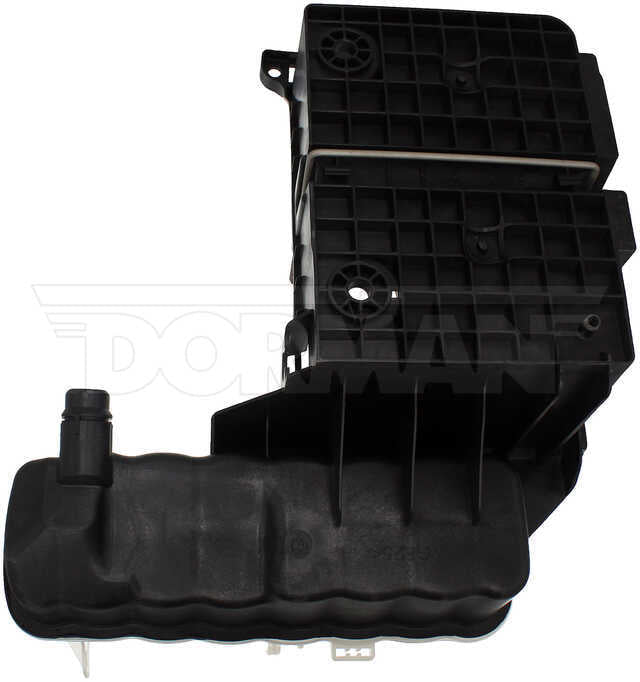
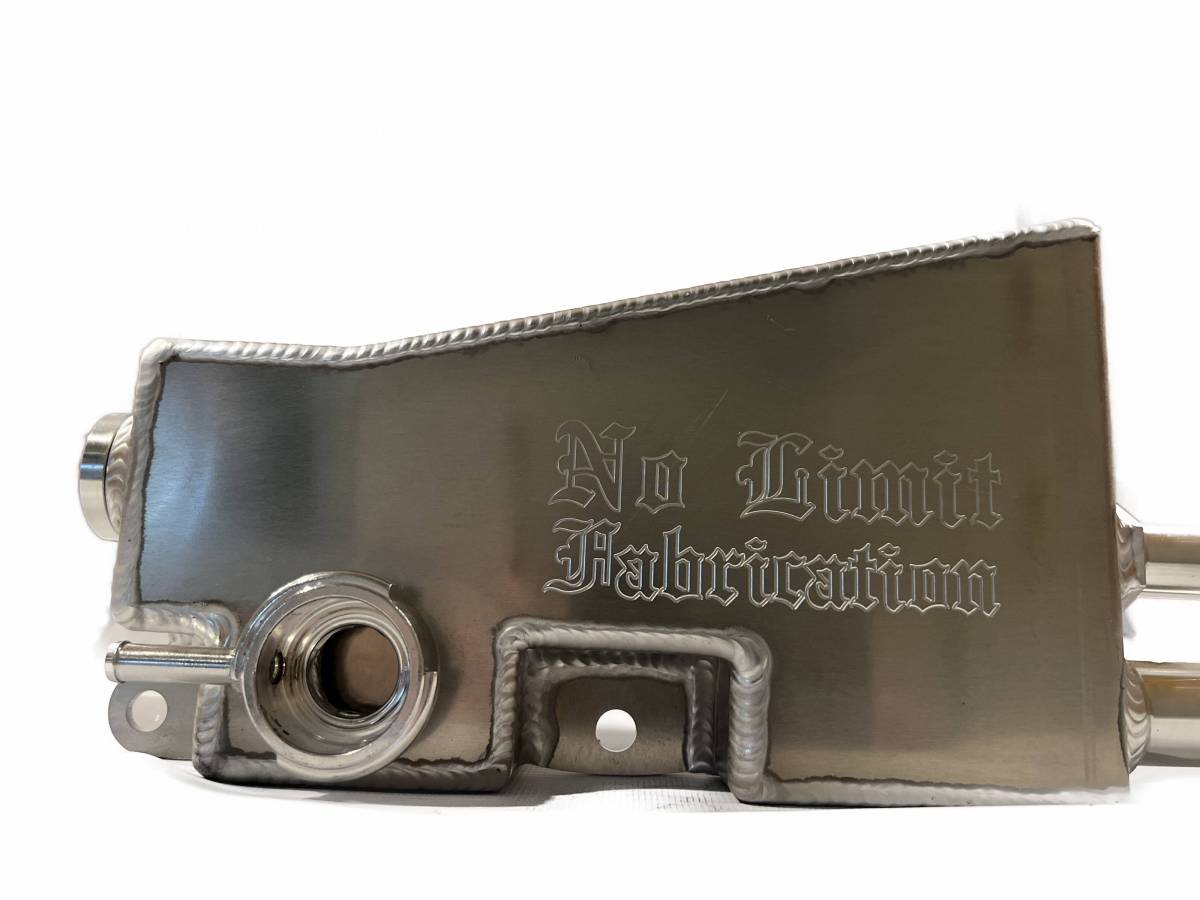
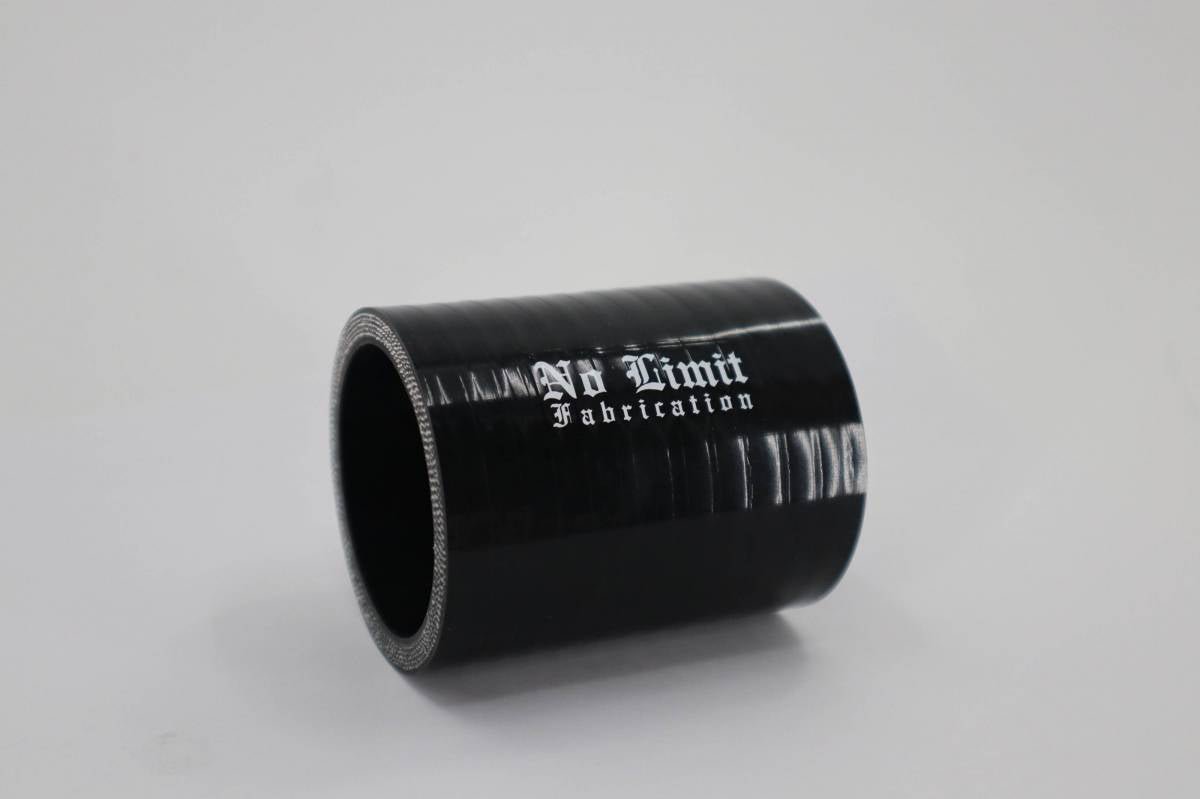
- Tanks: degas and expansion tanks from Mishimoto, Dorman, WCFab and No Limit Fabrication.
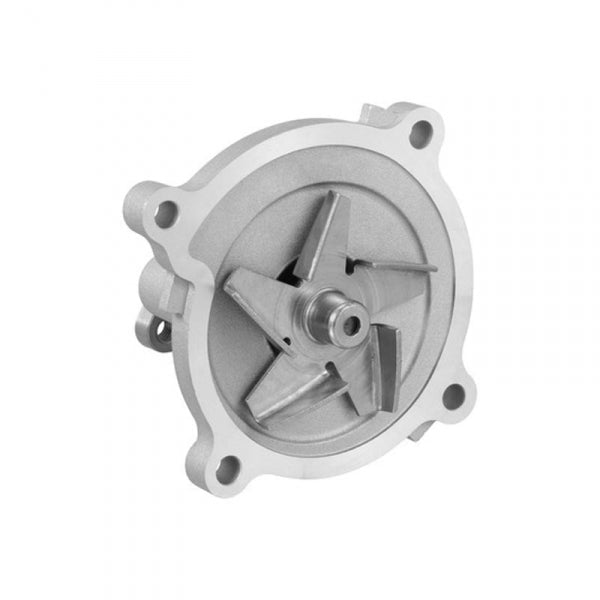
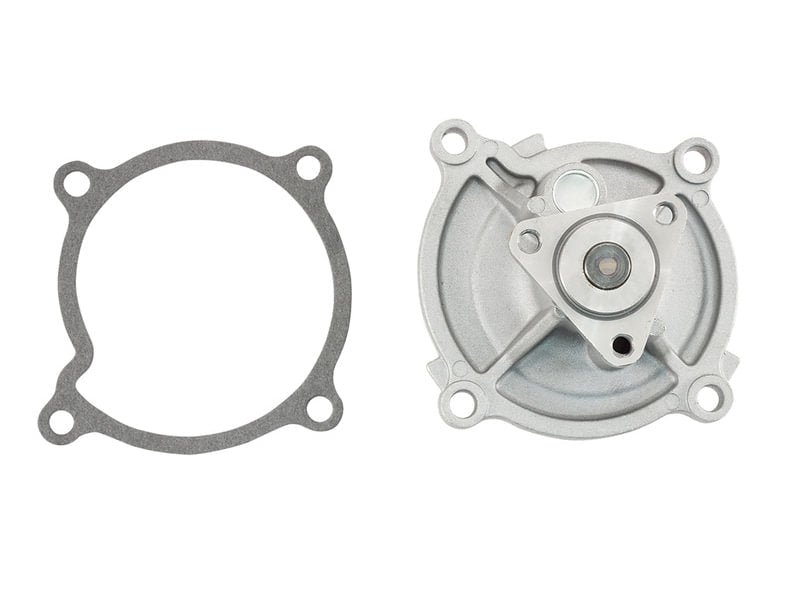
- Water pumps: XDP XTRA Cool primary and secondary pumps, plus Dayco and Alliant Power secondary pumps.
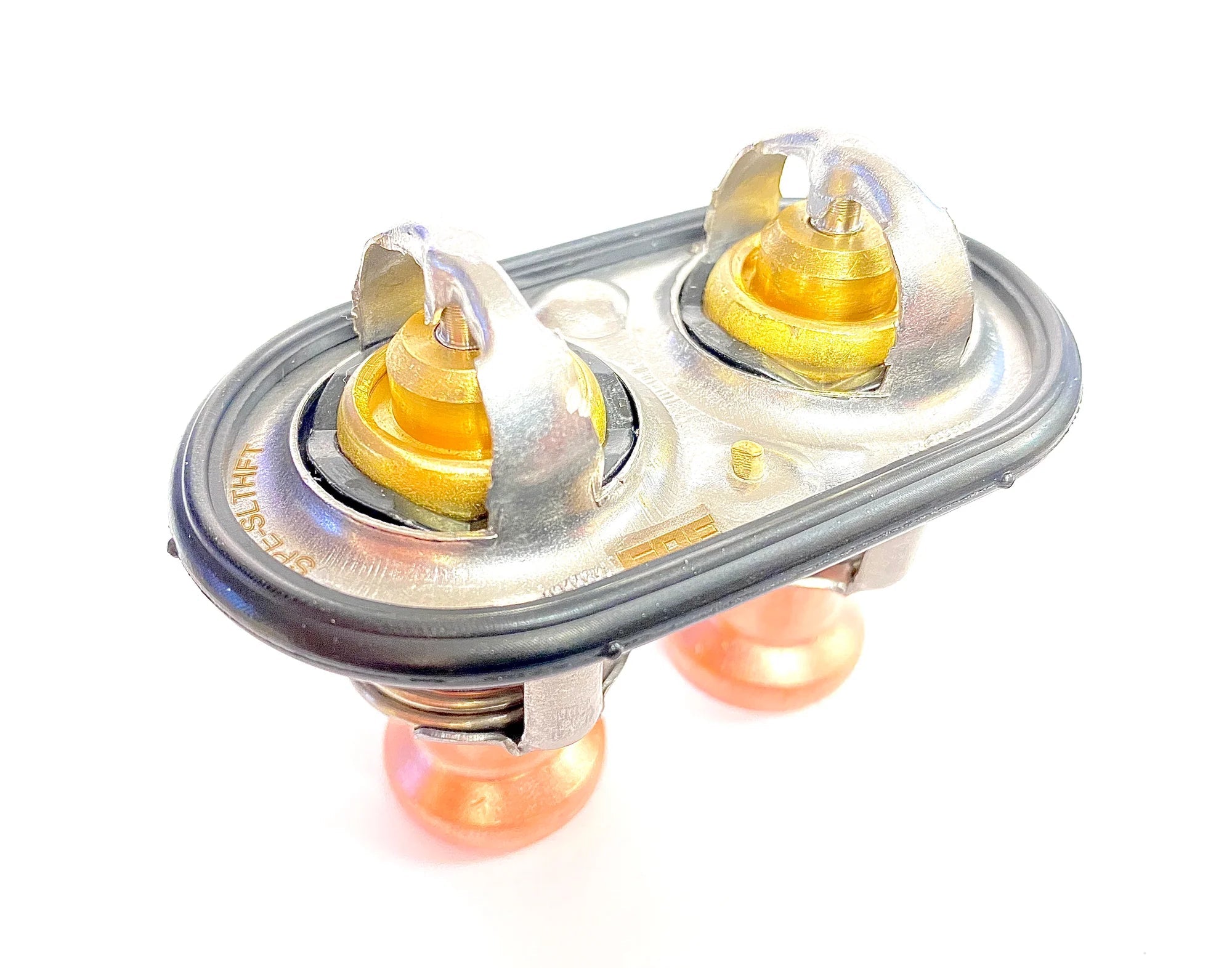
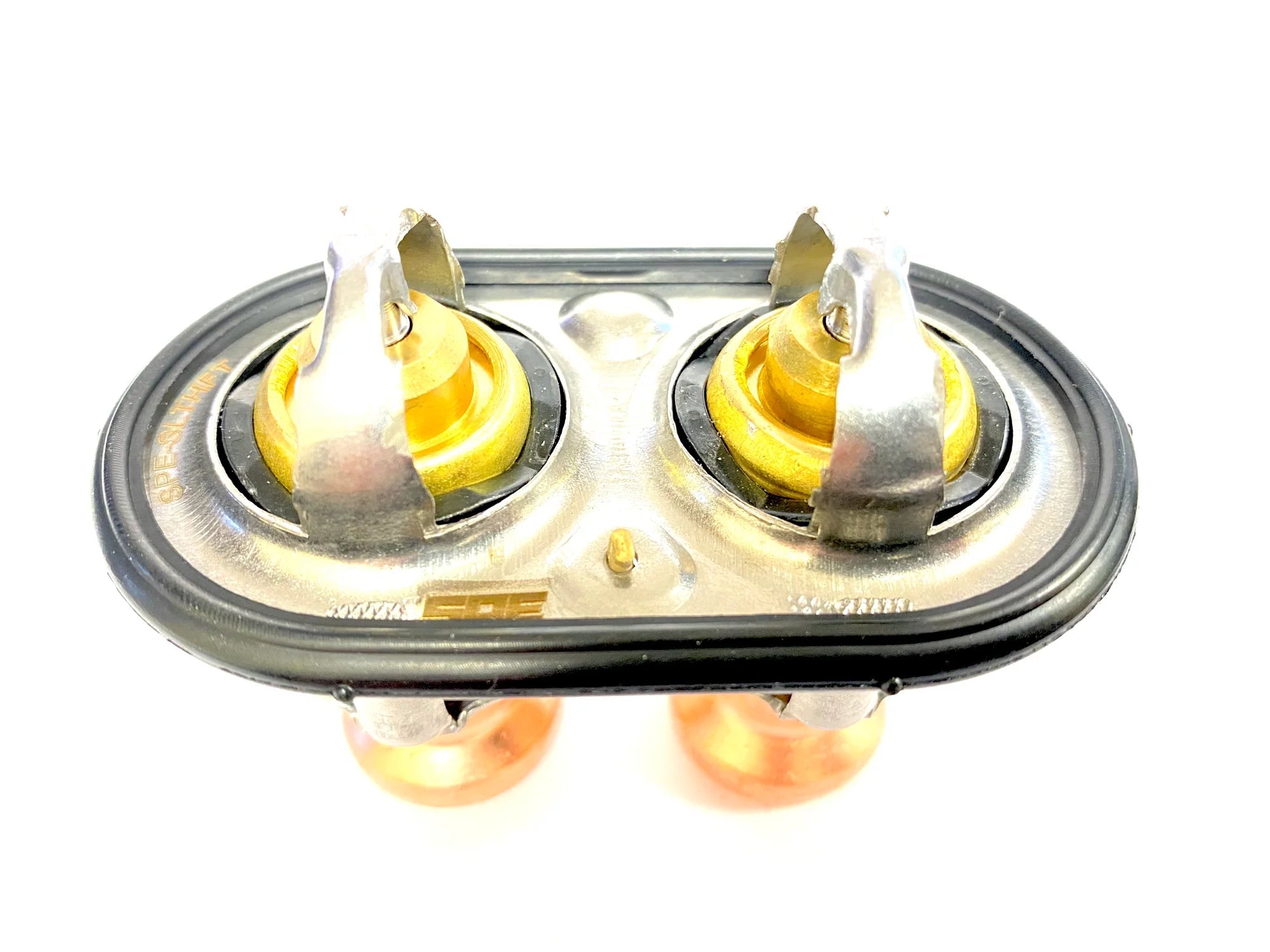
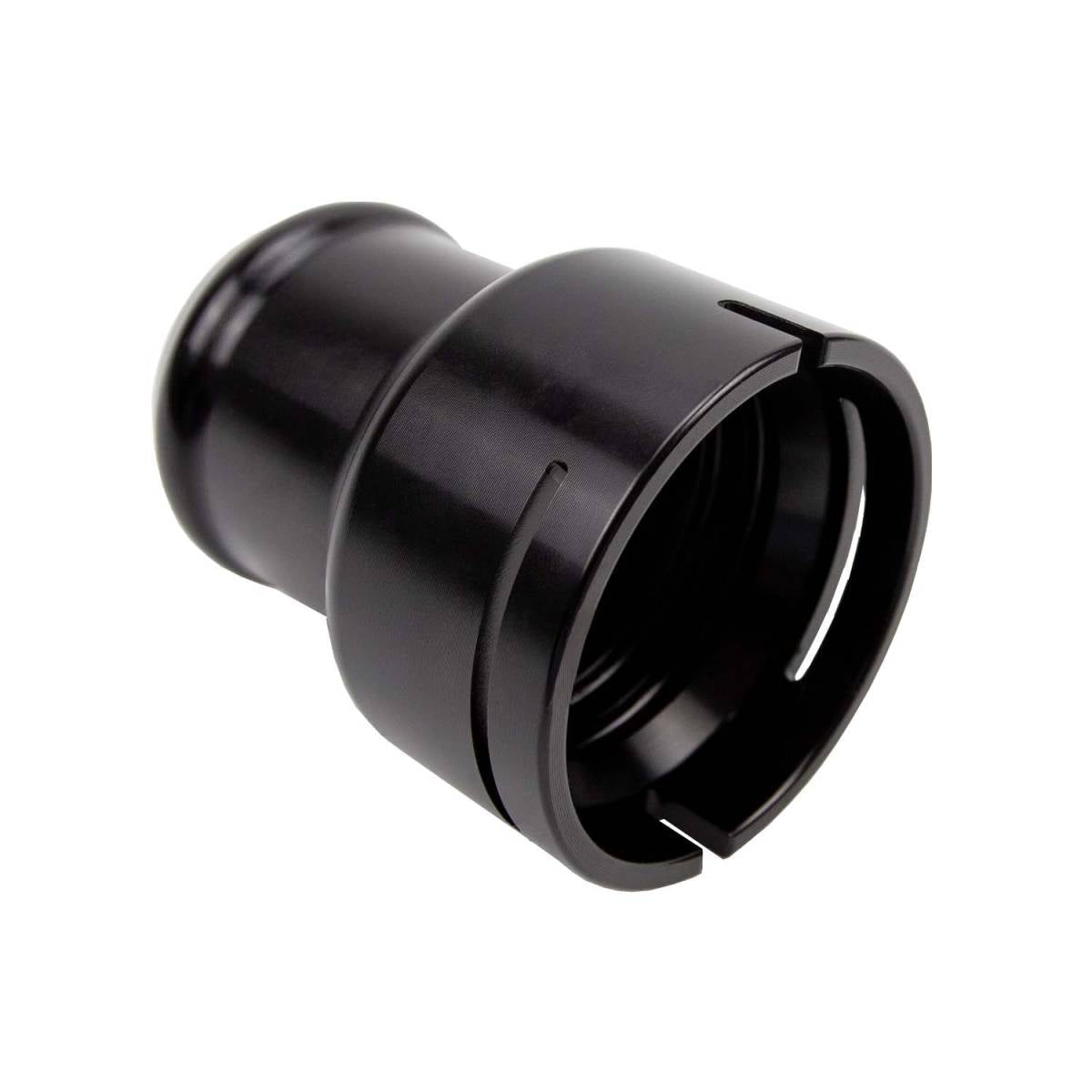
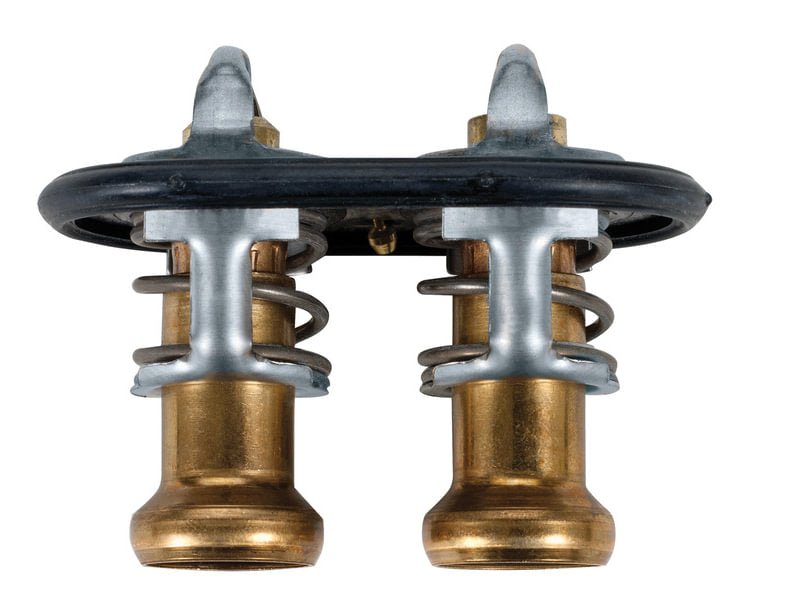
- Thermostats and housings: Alliant Power and Mishimoto primary thermostats, SPE's low temp, high flow thermostat, WCFab's billet housing, Fleece's thermostat housing upgrade and Dorman's replacement housing.
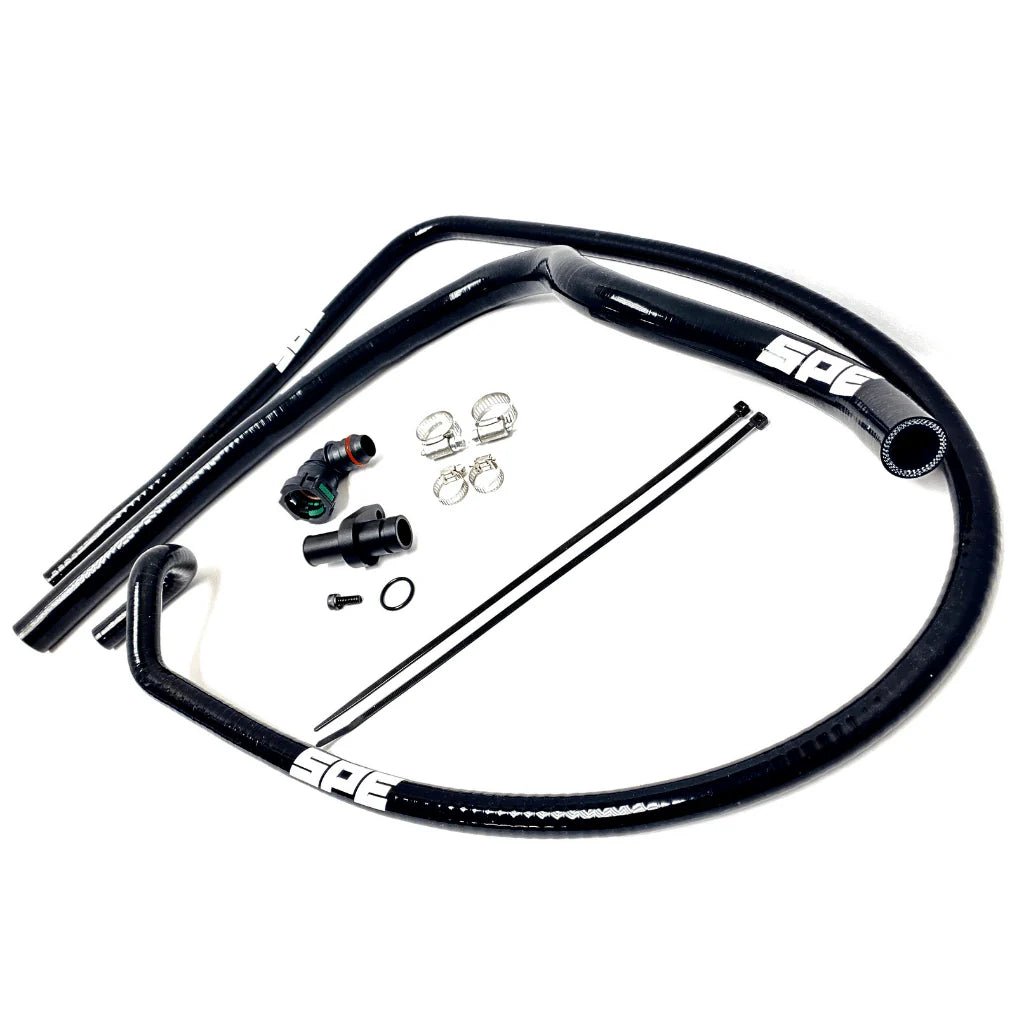
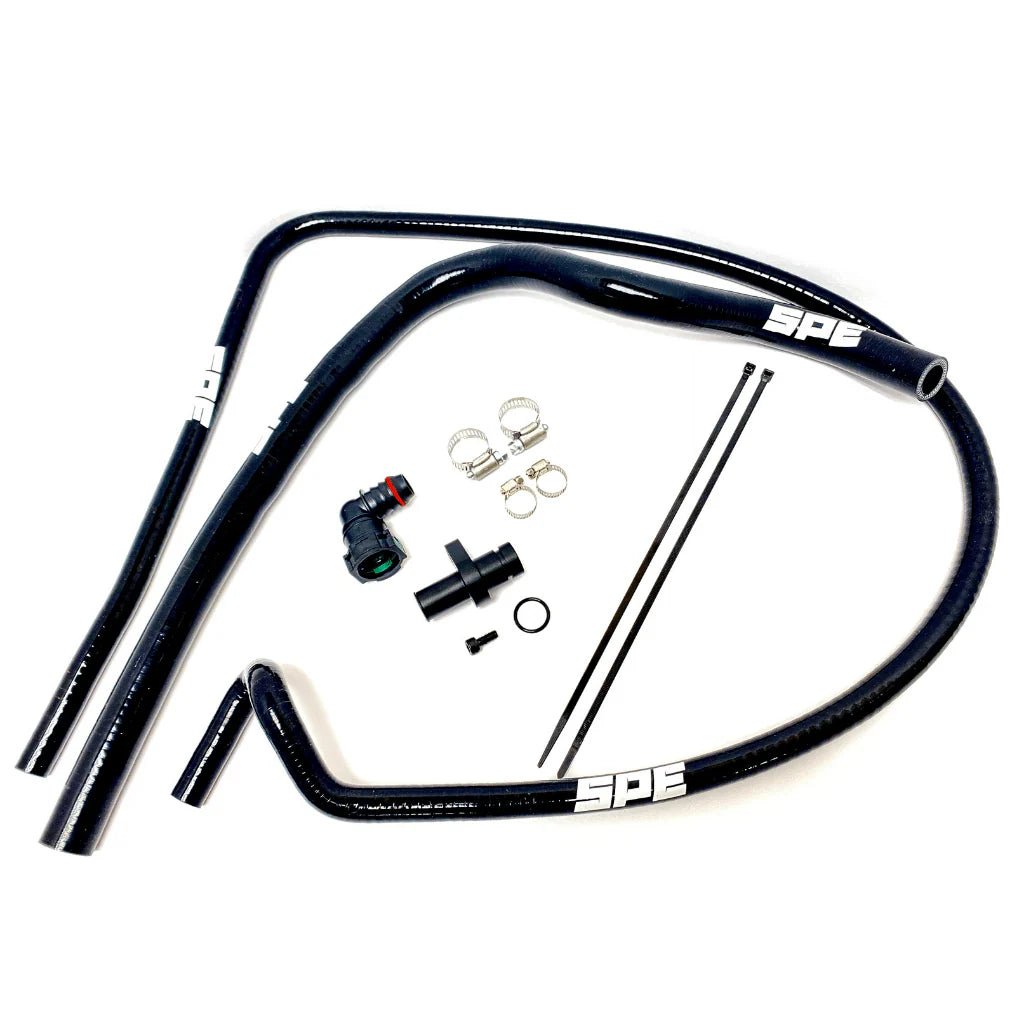
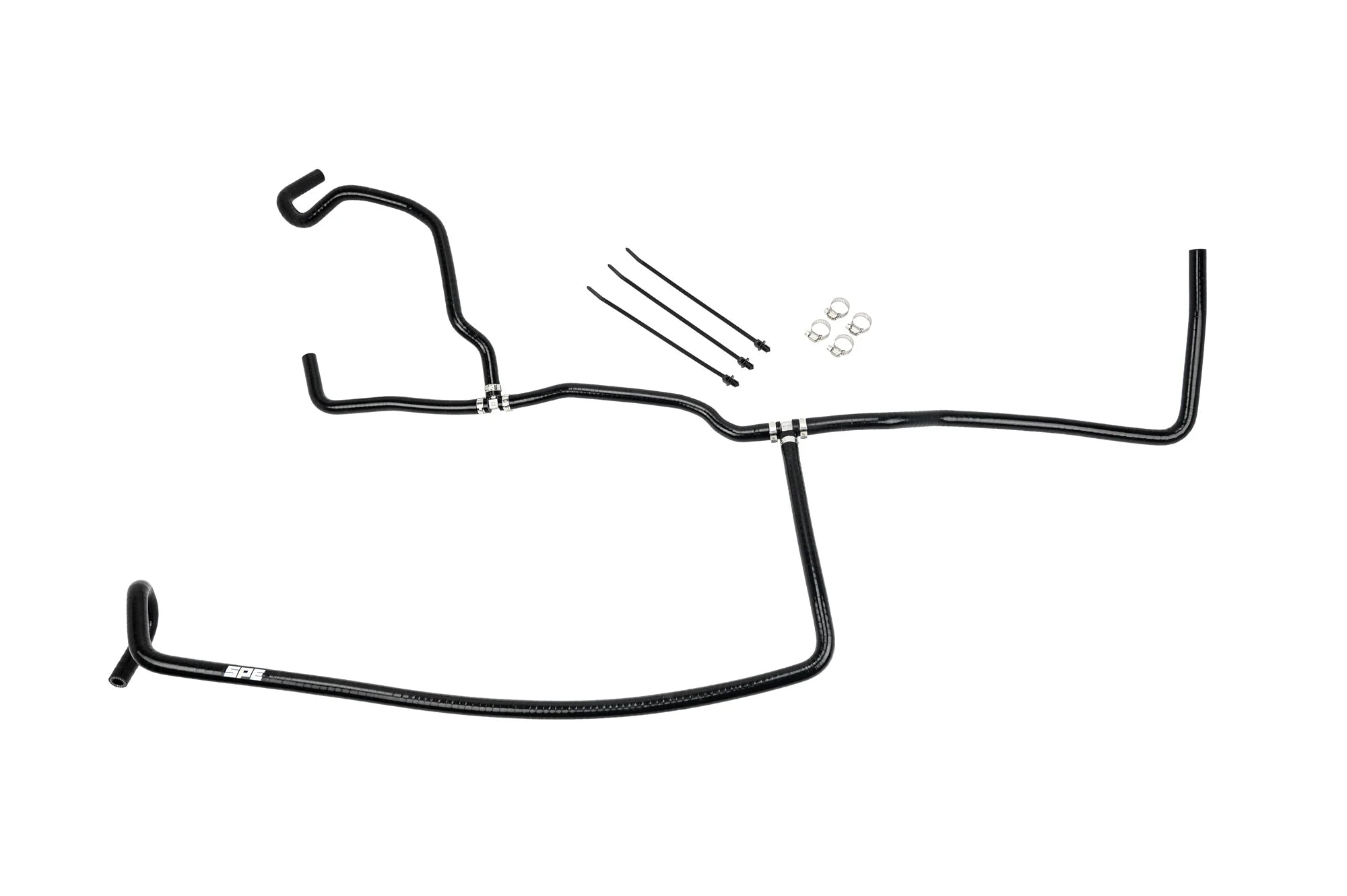
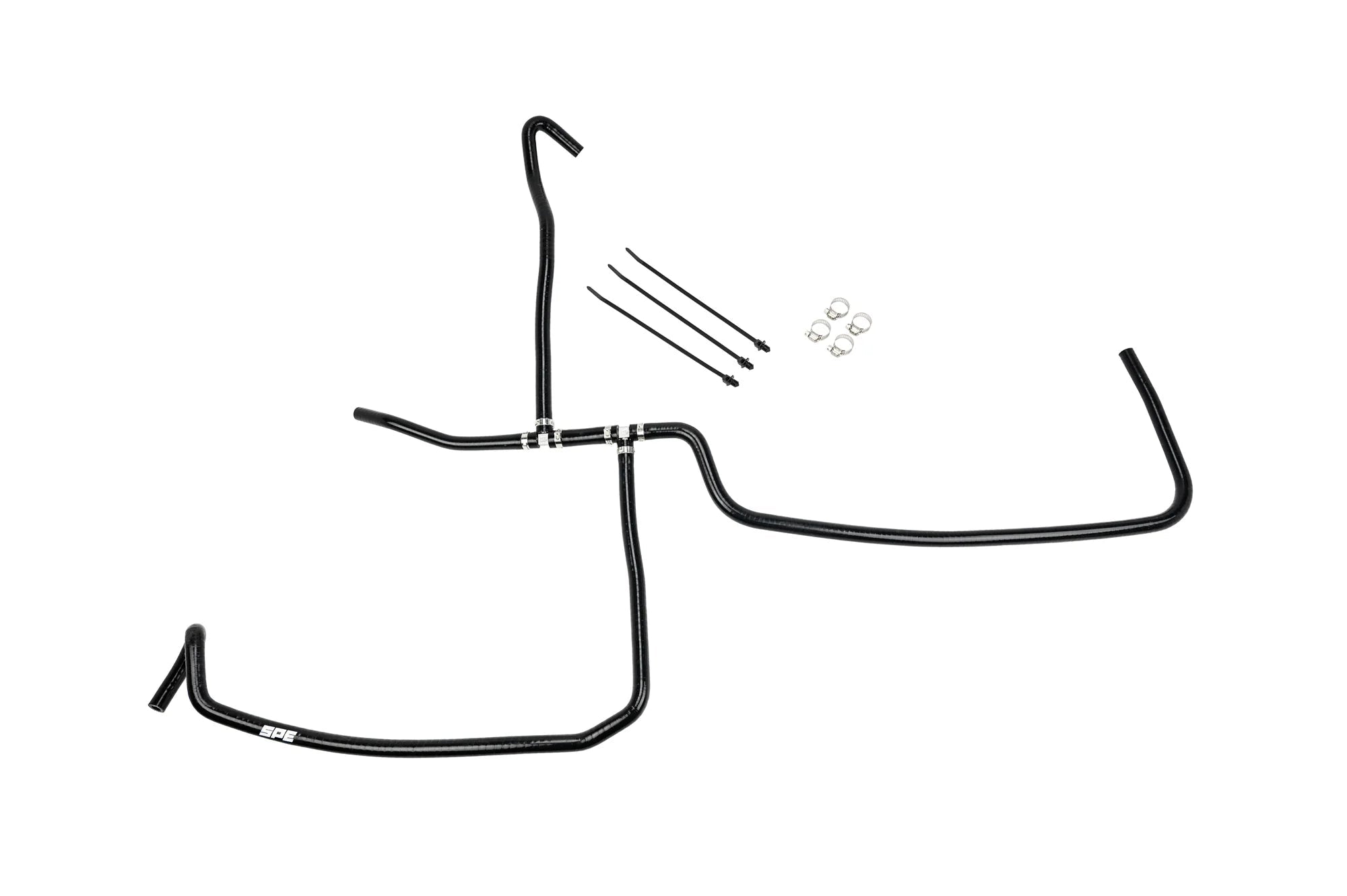
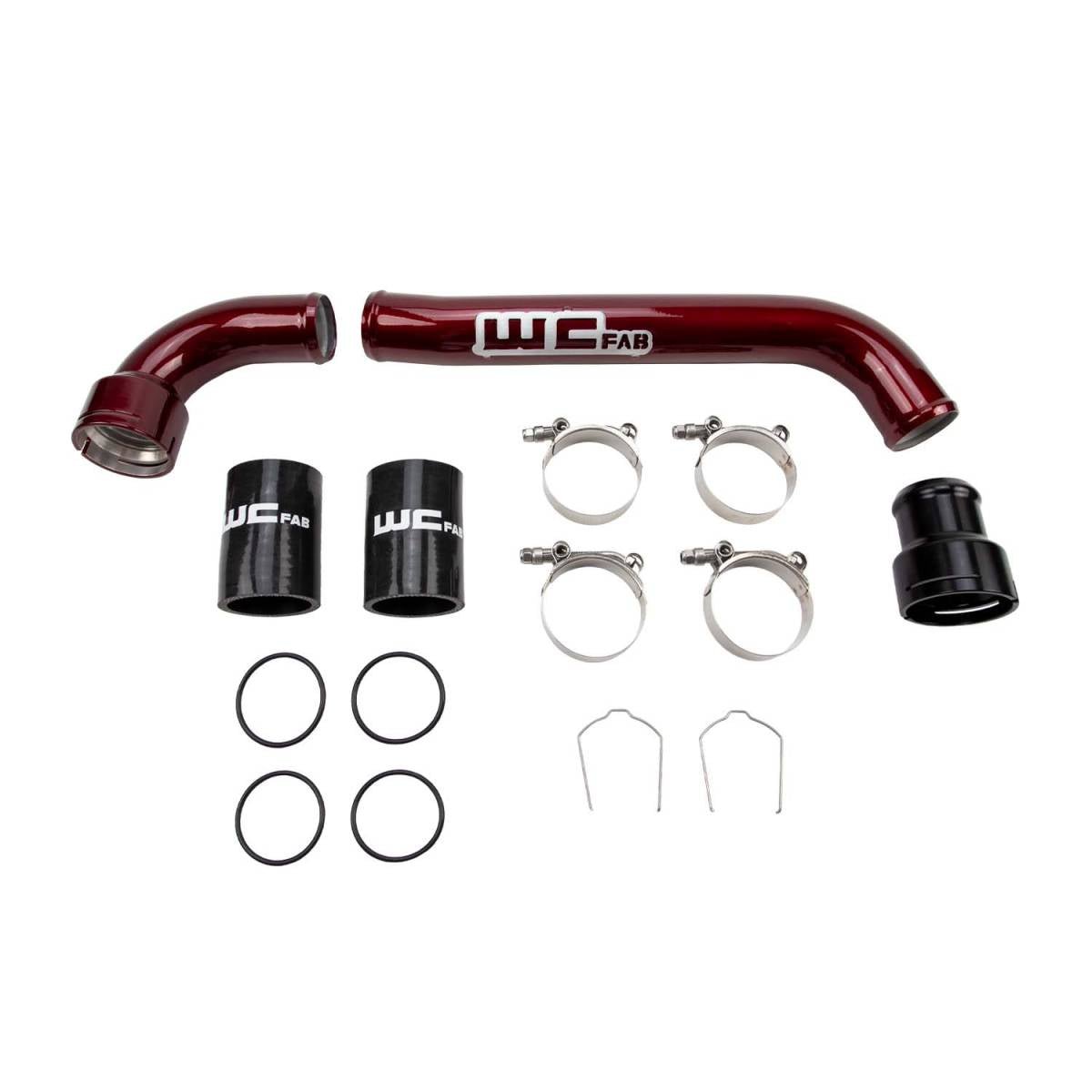
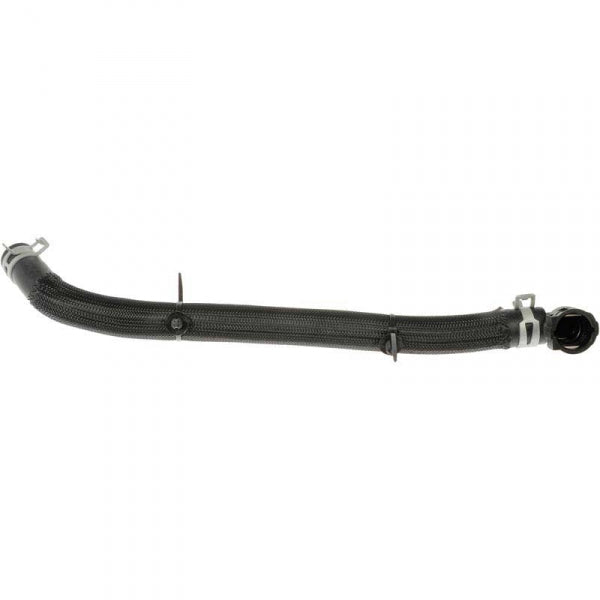
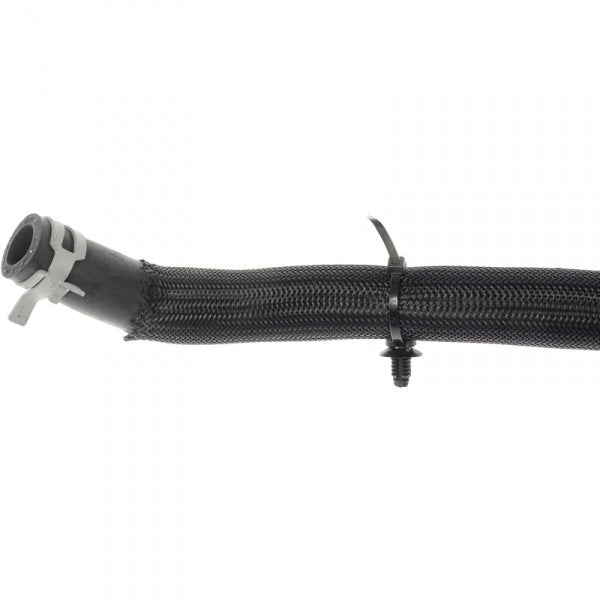
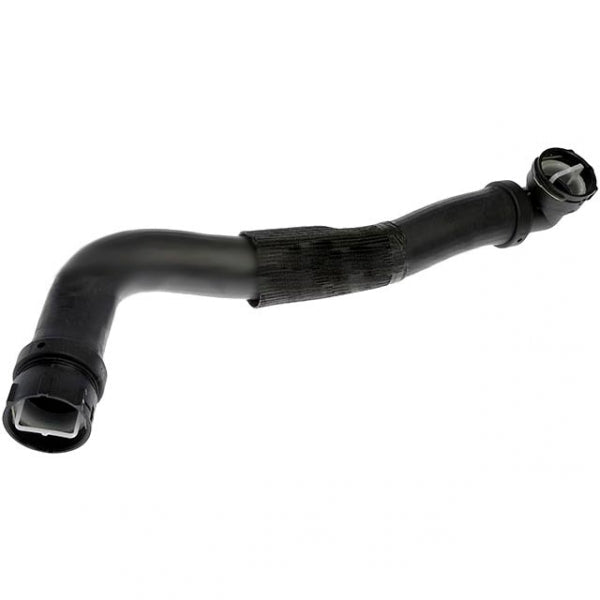
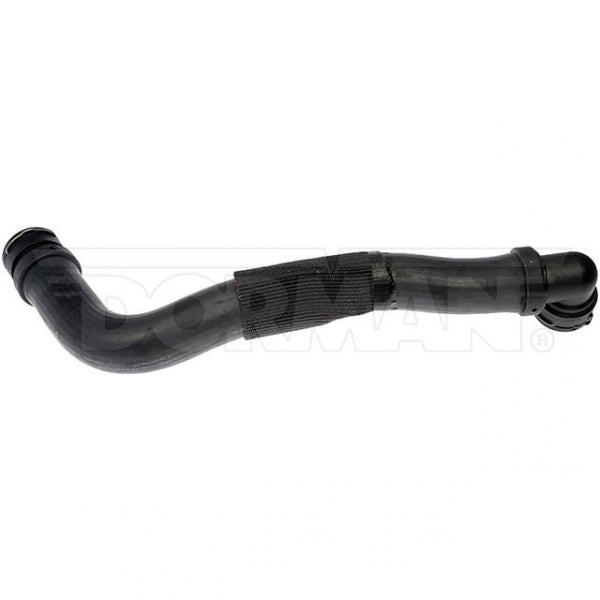
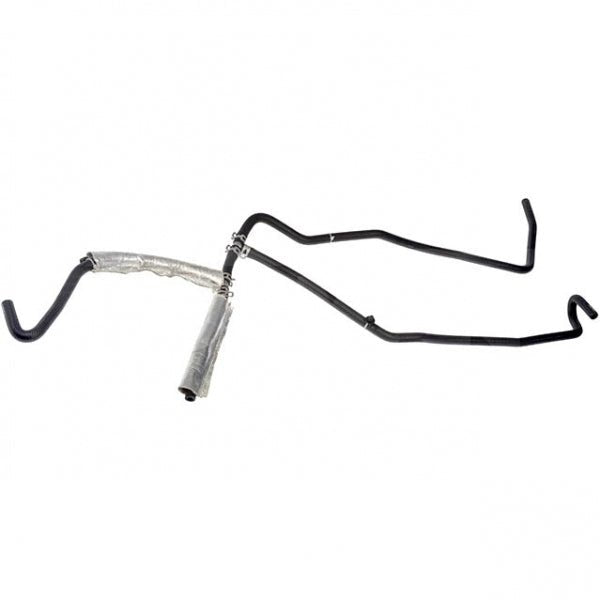
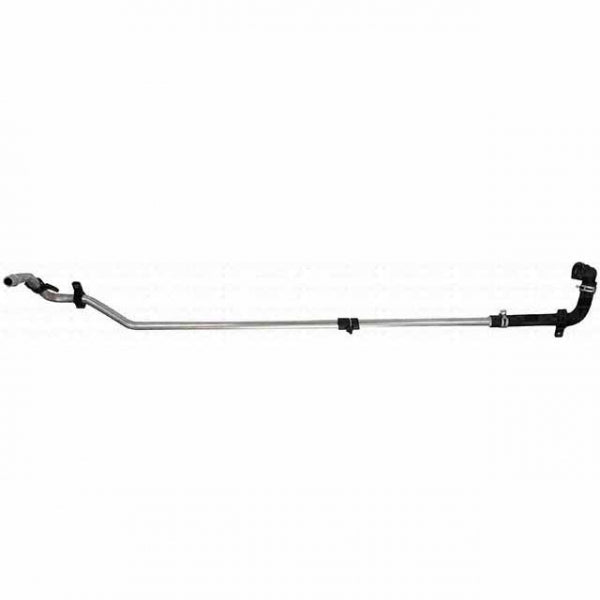
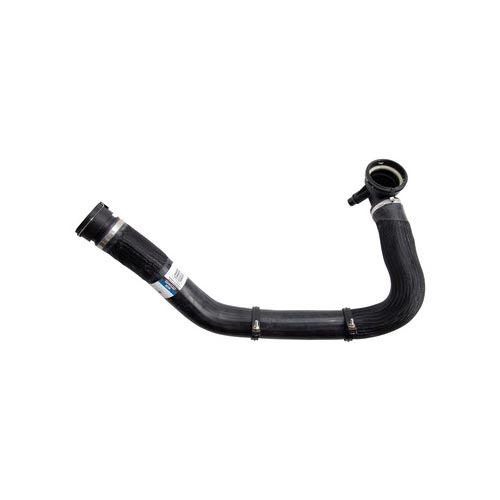
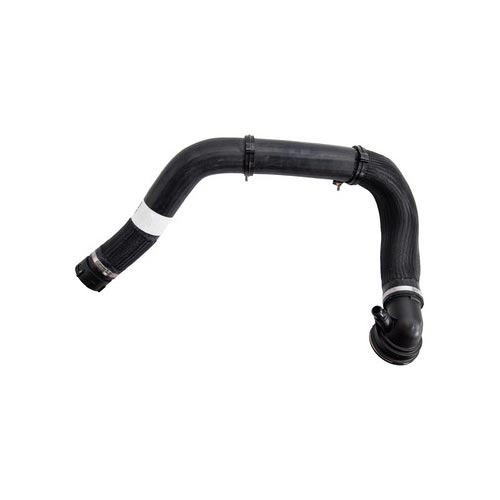
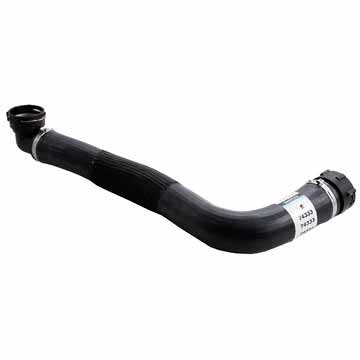
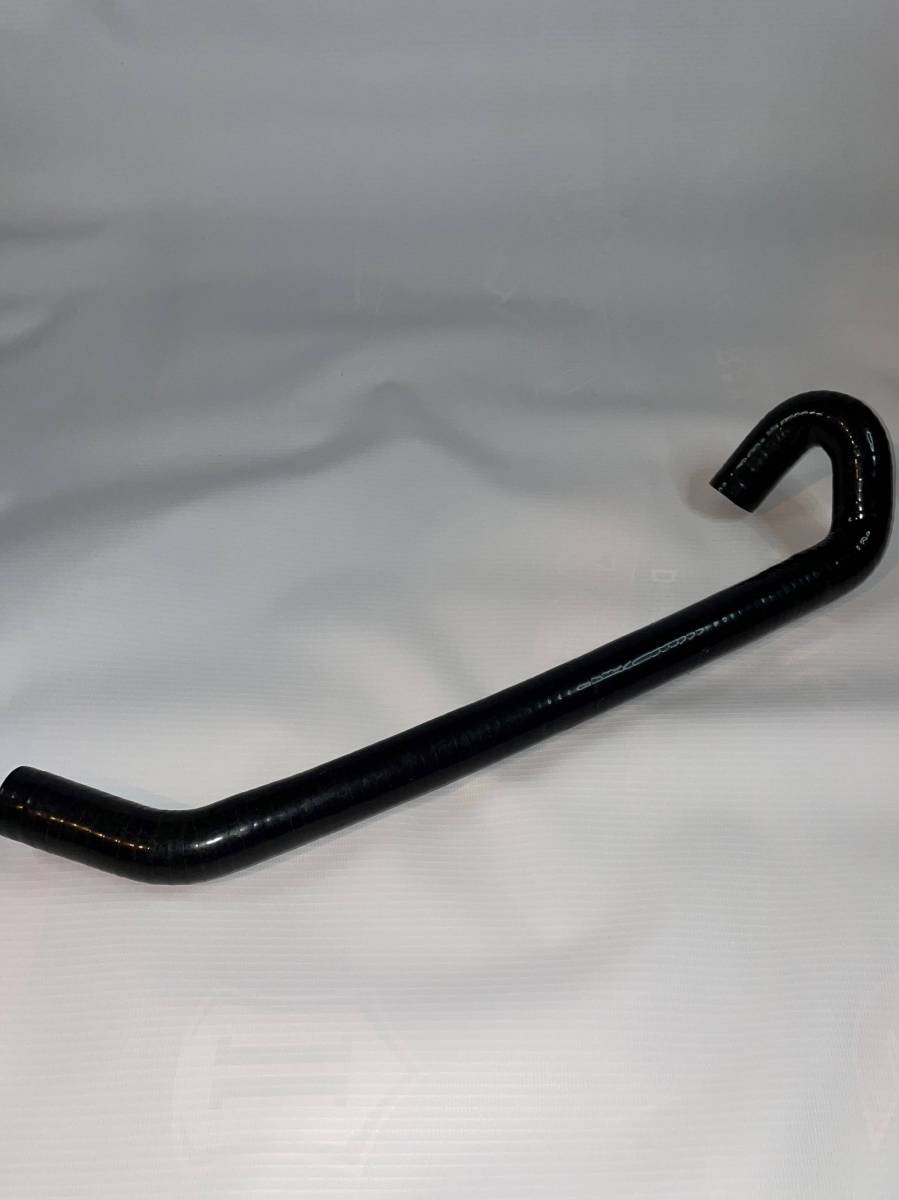
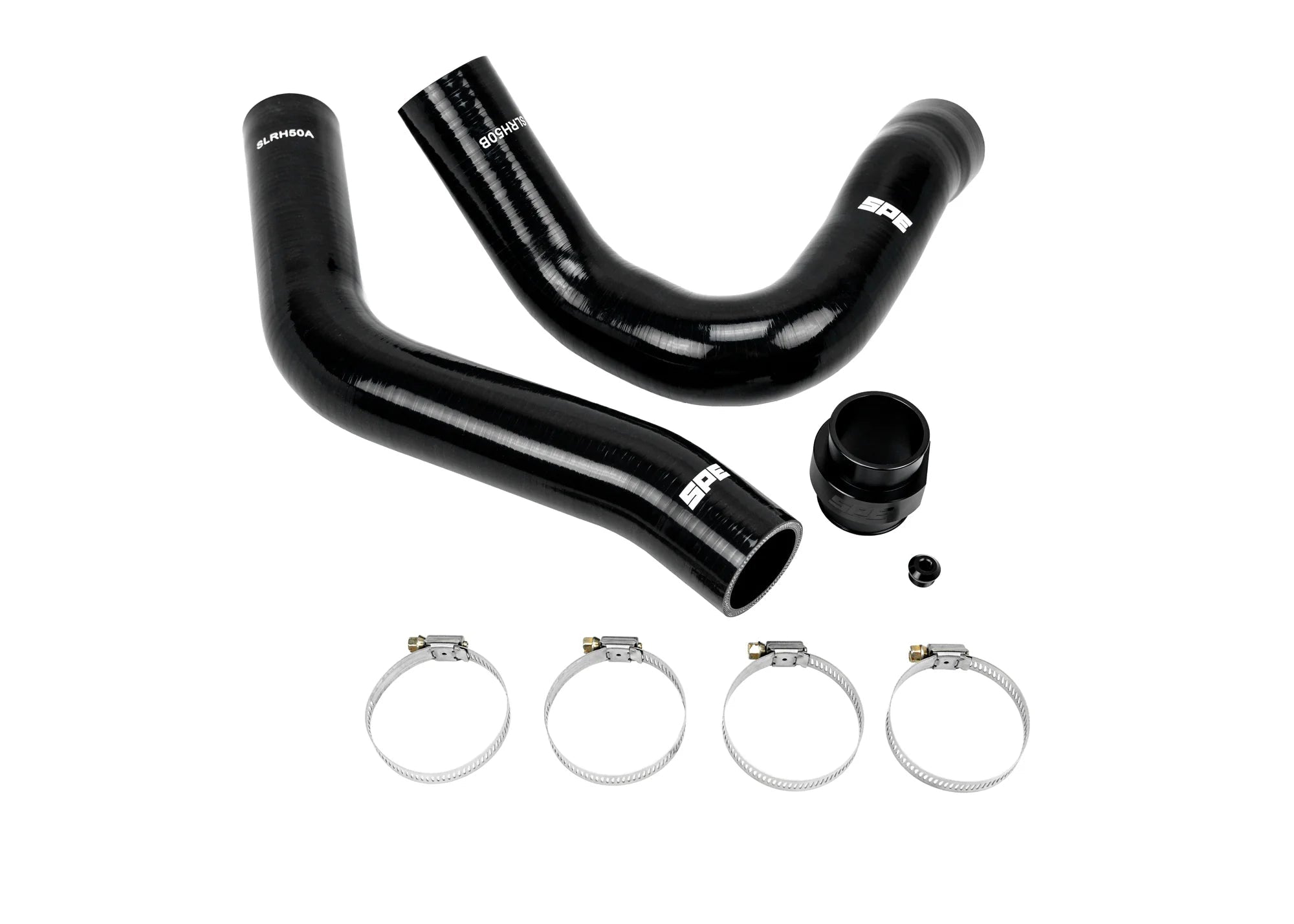
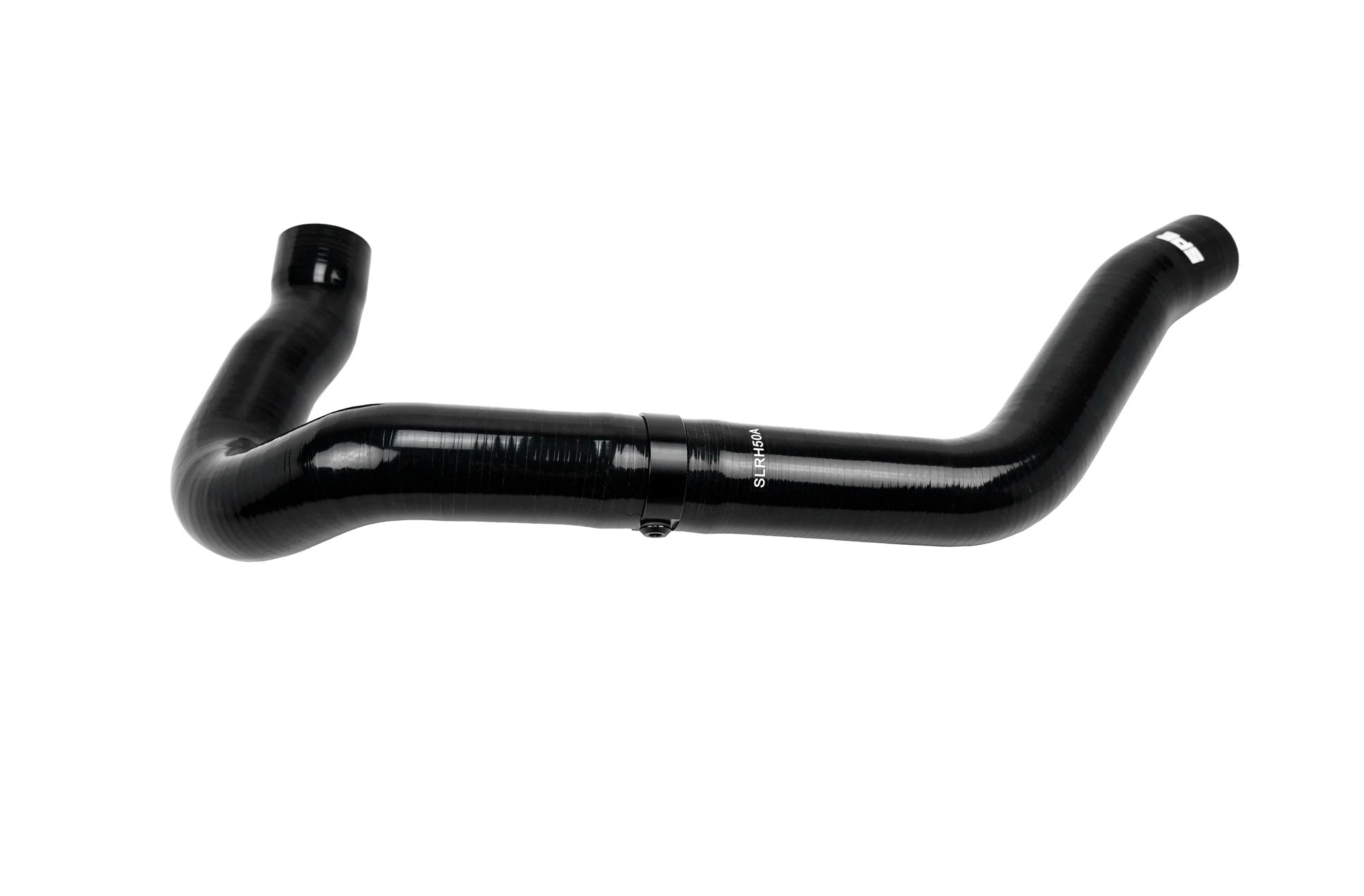
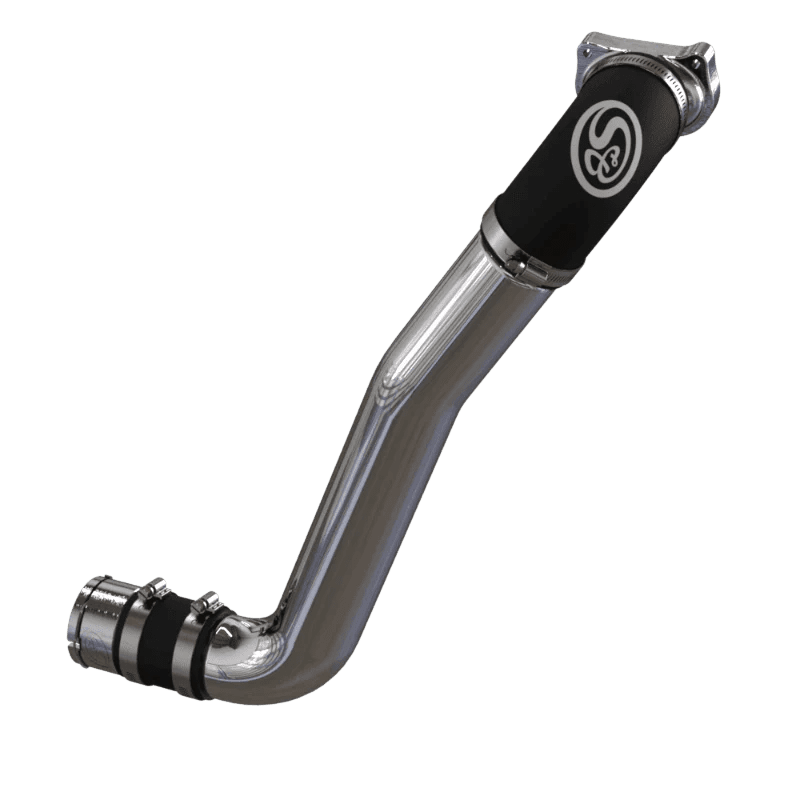
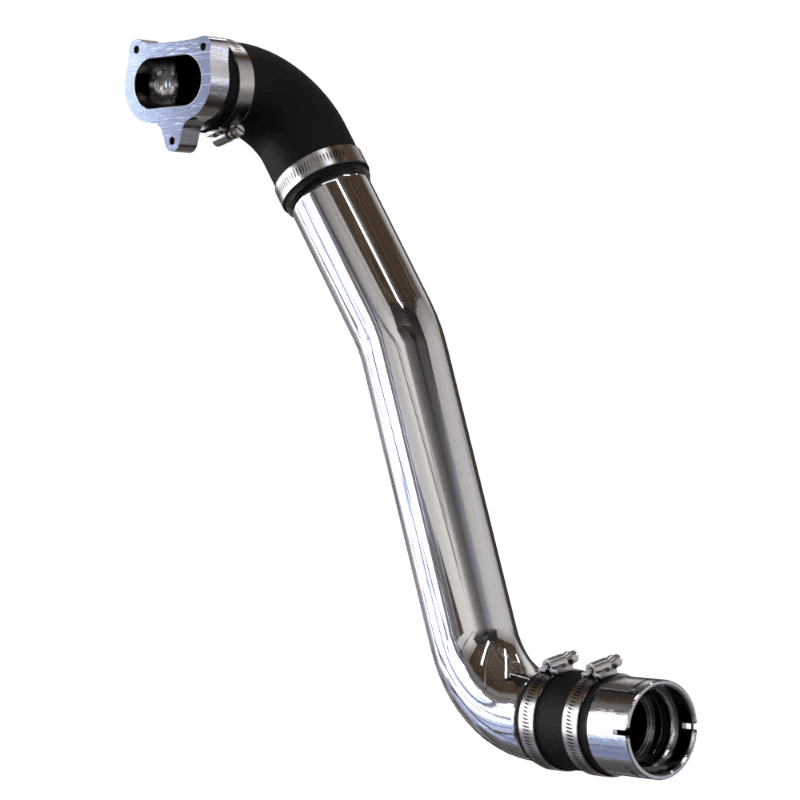
- Hoses, pipes and gaskets: Dorman and Dayco radiator hoses, SPE hose kits, WCFab and S&B upper coolant pipes, and MAHLE crossover and water pump gaskets.
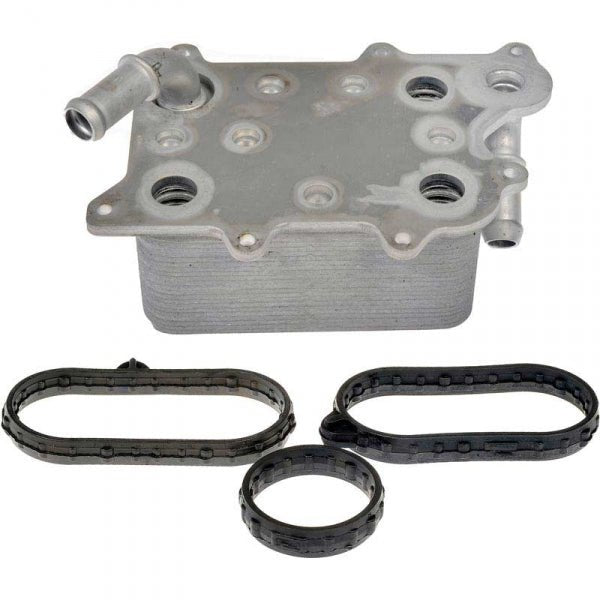
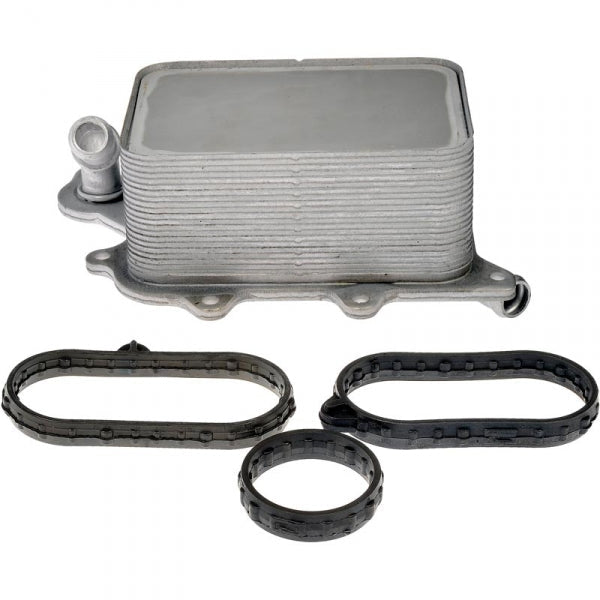
- Oil cooler parts: Dorman's replacement engine oil cooler and lines, plus SPE's high volume oil cooler and upgraded oil cooler hoses.
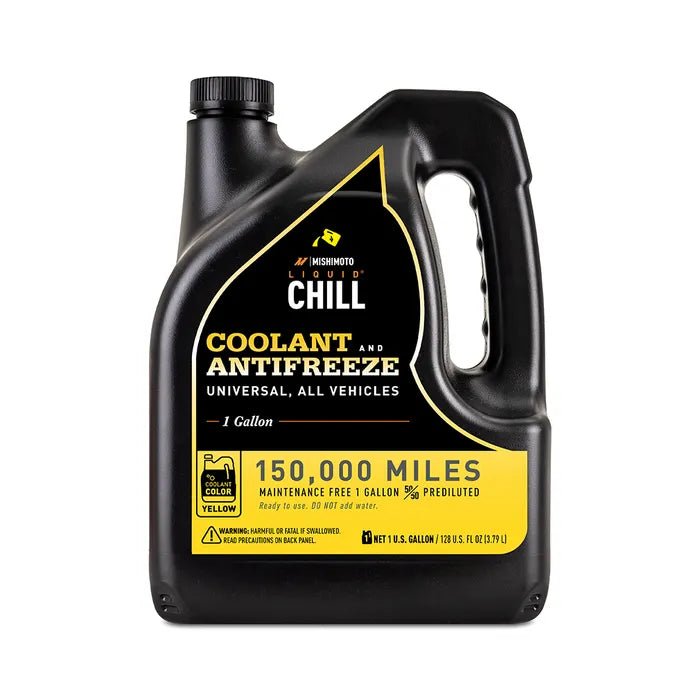
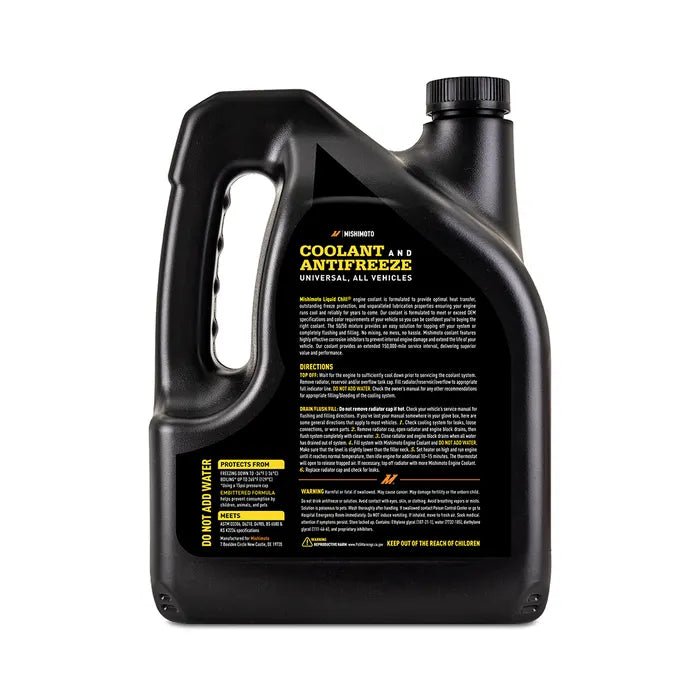
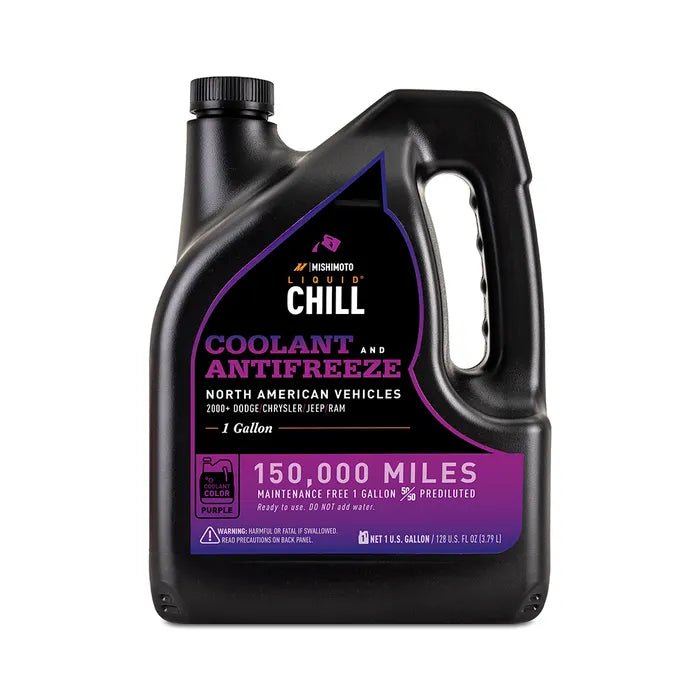
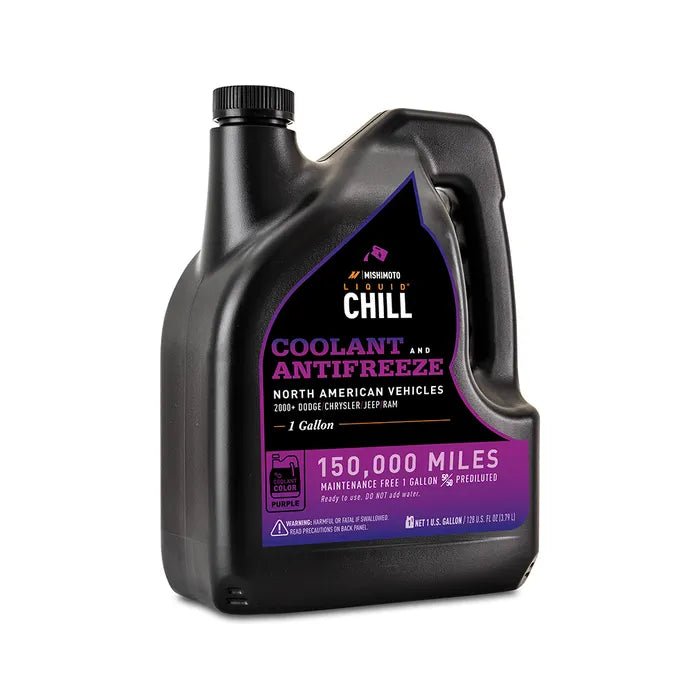
- Coolant: Mishimoto Liquid Chill and Hot Shot's Secret long-life coolants.
Fitment notes
Order by loop. This engine has two radiators, two degas bottles and two thermostats, and a part for one won't do the job of the other. Many listings here span 2011-2025 or later, but some are 2017-2019 only, such as the Dorman reservoir, several Dorman and Dayco hoses and XDP's XD682 primary pump, so read the year range on each product. The fan clutch part changed by build date within the 2019 model year, so check the build date on the door label. Chassis cab F-350, F-450 and F-550 trucks use a different rating of this engine; confirm cab-and-chassis fitment by VIN.
Frequently asked questions
What coolant does a 2017-2019 6.7L Powerstroke take?
The references disagree, which is why you check before you pour. Dieselhub lists Motorcraft Orange VC-3-B (or prediluted VC-3DIL-B) for all 6.7L years, while Hot Shot's Secret lists an extended-life yellow for 2017-2020. Confirm against the underhood label or owner's guide, and never mix types.
How often should the coolant be changed?
On the normal schedule the first change comes at 105,000 miles or 6 years, then every 45,000 miles or 36 months. Severe-duty service moves the first change up to 60,000 miles or 2,400 hours.
My truck is losing coolant but I can't find a leak. Where should I look?
Start with the degas tanks; the plastic bottles can weep at the seams and leave crusty residue. If they're dry, internal leaks are next: the factory air-to-water intercooler can leak coolant into the intake, and EGR cooler problems show up as white smoke and a sweet exhaust smell. Both call for proper diagnosis.
How is a bad fan clutch diagnosed on a 2017-2019?
With a scan tool, not a code reader. A sticking clutch sets no DTC, so you compare actual fan speed to desired fan speed. If it needs replacing, the part depends on build date: YB3189 before July 9, 2018 and YB3246 after.
Not sure what fits? Call the shop at the number in the header, or use the fitment checker on any product page. We install everything we sell.