
Shop Parts by Category
Pick a category to narrow your truck down, or scroll to browse every part that fits.



















Filters
810 products








Not sure it fits your truck?
Our Wildwood, FL techs will confirm the right part for your build before you buy.
Call or Text (352) 722-5295What the LML and Allison 1000 do in a Sierra HD
Your Sierra HD makes 397 hp at 3,000 rpm and 765 lb-ft at 1,600 rpm from the 6.6L Duramax LML. It does it with a Bosch CP4.2 pump feeding two rails at up to roughly 30,000 psi and eight piezoelectric injectors that can fire as many as seven times per cycle, including two pilot injections. Emissions are handled by cooled EGR with dual coolers and a bypass circuit, an electronic intake throttle valve, a diesel oxidation catalyst, SCR with diesel exhaust fluid injected ahead of it, and a particulate filter packaged in the SCR housing; a ninth injector in the downpipe lights the filter off for active regeneration. The single Garrett GT3788VA variable-vane turbo in the valley also serves as the exhaust brake, and the Allison 1000 six-speed drops main line pressure to about 80 psi in steady cruise to keep heat down. Standard with the Duramax are two batteries, a 150-amp alternator, a 3.73 rear axle with the Eaton G80 locker, and Tow/Haul with grade braking. GMC's own changes sit on top of the carryover engine: LED signature lighting on SLT and Denali in 2015, standard HID projector headlamps across Sierra HD for 2016, Digital Steering Assist on Crew Cab and Double Cab diesels, and the 2016 fifth-wheel and gooseneck prep package with its drilled and capped bed holes, box harness and spray-on bedliner. 2016 was the last LML year.
Where these trucks break
Start with heat, because most of what goes wrong on a Sierra HD that works for a living traces back to it. Towing grades keeps the Allison's converter slipping, and the factory converter is the weak link: Diesel World points at a thin stator and a front cover soft enough to balloon into the flexplate, with shudder at steady cruise and P0741 as the tells. Heat-soaked clutch packs, valve-body wear and flaring hot shifts follow. On the engine side the cooling stack packs with bugs and debris and the fan clutch gets lazy, the dual EGR coolers and the rear oil cooler foul, water pump seals go around 100,000 miles, and head gaskets fail on no schedule at all, with overheating the leading cause: some have been replaced at 50,000 km on stock power while others pass 650,000 km. The fuel system's problem is the CP4.2. Diesel is its only lubricant, it flows about 20 percent less than the old CP3, and when the cam and roller scuff it fills the rails, lines and injectors with metal. Reported on roughly 5 to 10 percent of LMLs and documented as early as 30,000 miles, it typically gives a couple of miles of warning in the form of light power loss, a fuel-filter message or a low-rail code. Aftertreatment faults are their own category: a failed DEF tank heater, drifting NOx sensors, reductant pump trouble, and particulate filter loading on short-trip trucks that never finish a regeneration. Sticking turbo vanes from soot, oily charge pipes fed by the PCV routing, and reported front-end wander around 100,000 miles fill out the list.
Replace it stock, or upgrade it?
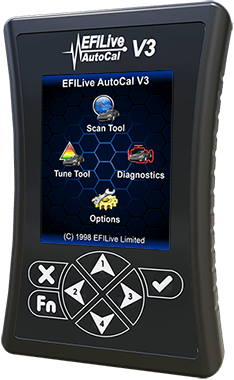
Decide by duty cycle. A Sierra that tows near its rating wants heat and filtration work before power: clean and pressure-test the cooling stack and verify the fan clutch before anyone replaces a radiator or pump, add a deep transmission pan with filter and an auxiliary cooler, consider a triple-disc converter with a billet cover, and use Tow/Haul with the exhaust brake on long descents. Holding the Tow/Haul button three seconds turns on auto grade braking, which is what keeps rotor temperatures down. Air helper springs in the 5,000-pound class answer the rear sag and porpoising a loaded 2500HD shows, and on a truck with gooseneck rails the upper bracket uses self-tapping screws instead of U-bolts. A frame-rail lift pump preset to 8 to 10 psi with 2-micron filtration and air separation, a case-flow protection kit and a lubricity additive at every fill are the CP4.2 insurance; a CARB EO-numbered CP3 conversion is the heavier version of the same decision, and the bolt-on EO kits need no ECM tuning. If you want more than stock, keep it compliant: Calibrated Power's CARB EO D-845 calibrations run on EZ Lynk or EFI Live with both ECM and TCM files, graded Heavy Tow at +40, Light Tow at +55, Street at +110 and Sport at +135 rwhp and +243 lb-ft, and Edge's Evolution CTS3 for the 2001-2016 Duramax carries EO D-802-13. Both require every factory emissions part in place. A DPF-back exhaust or muffler change that keeps the catalysts, DEF injector and both NOx sensors is the compliant exhaust route. Past roughly 500 rwhp the turbine side and the transmission are your next two bills.
What we carry
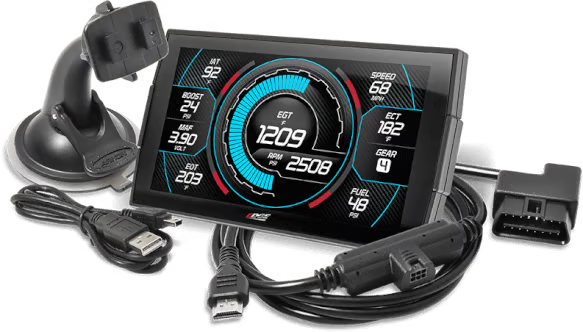
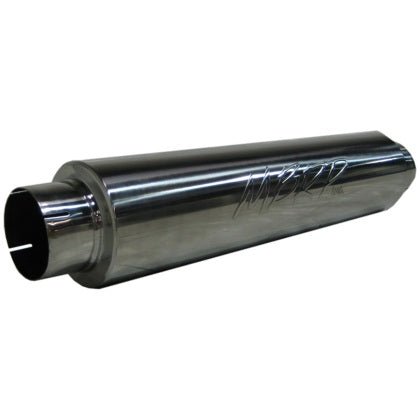
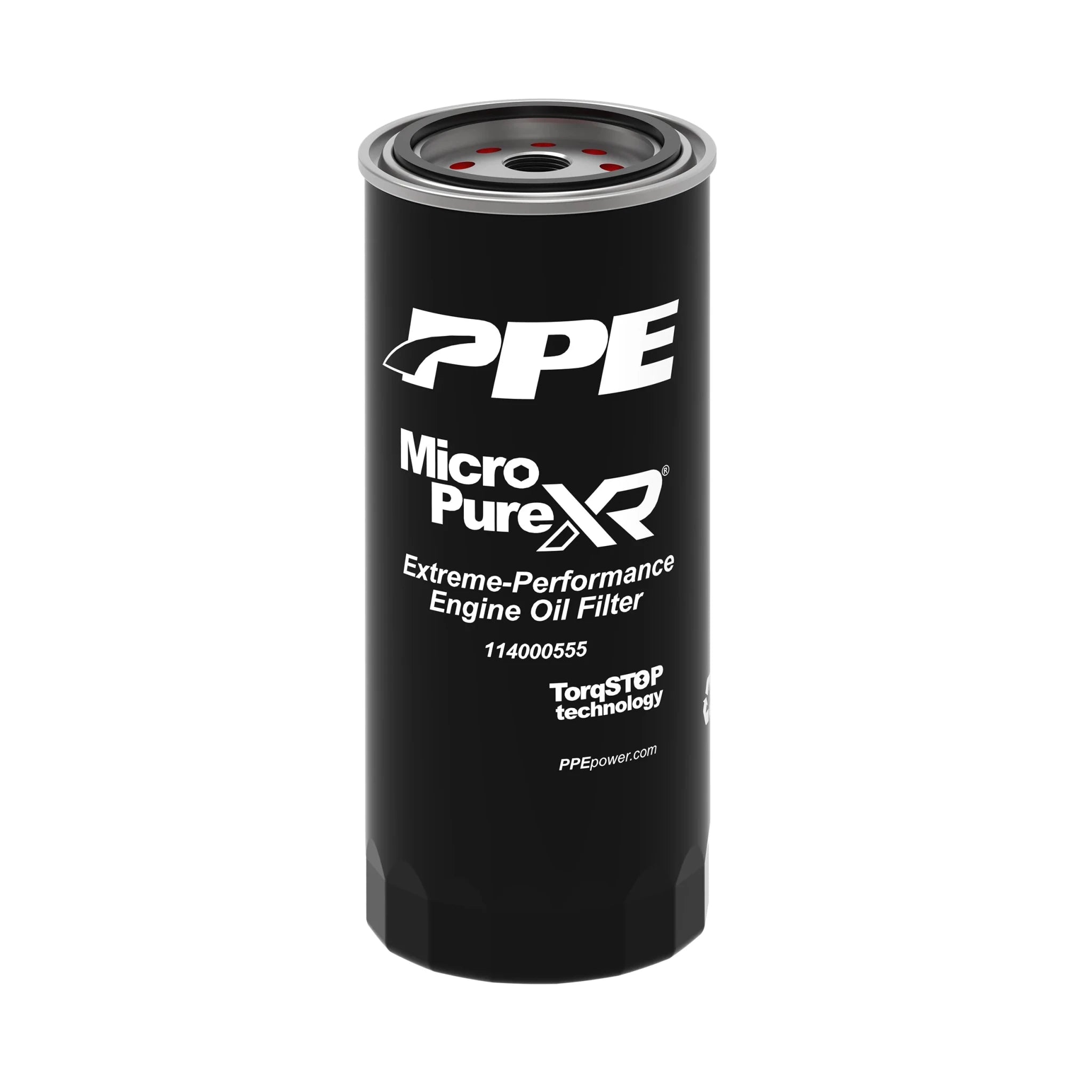
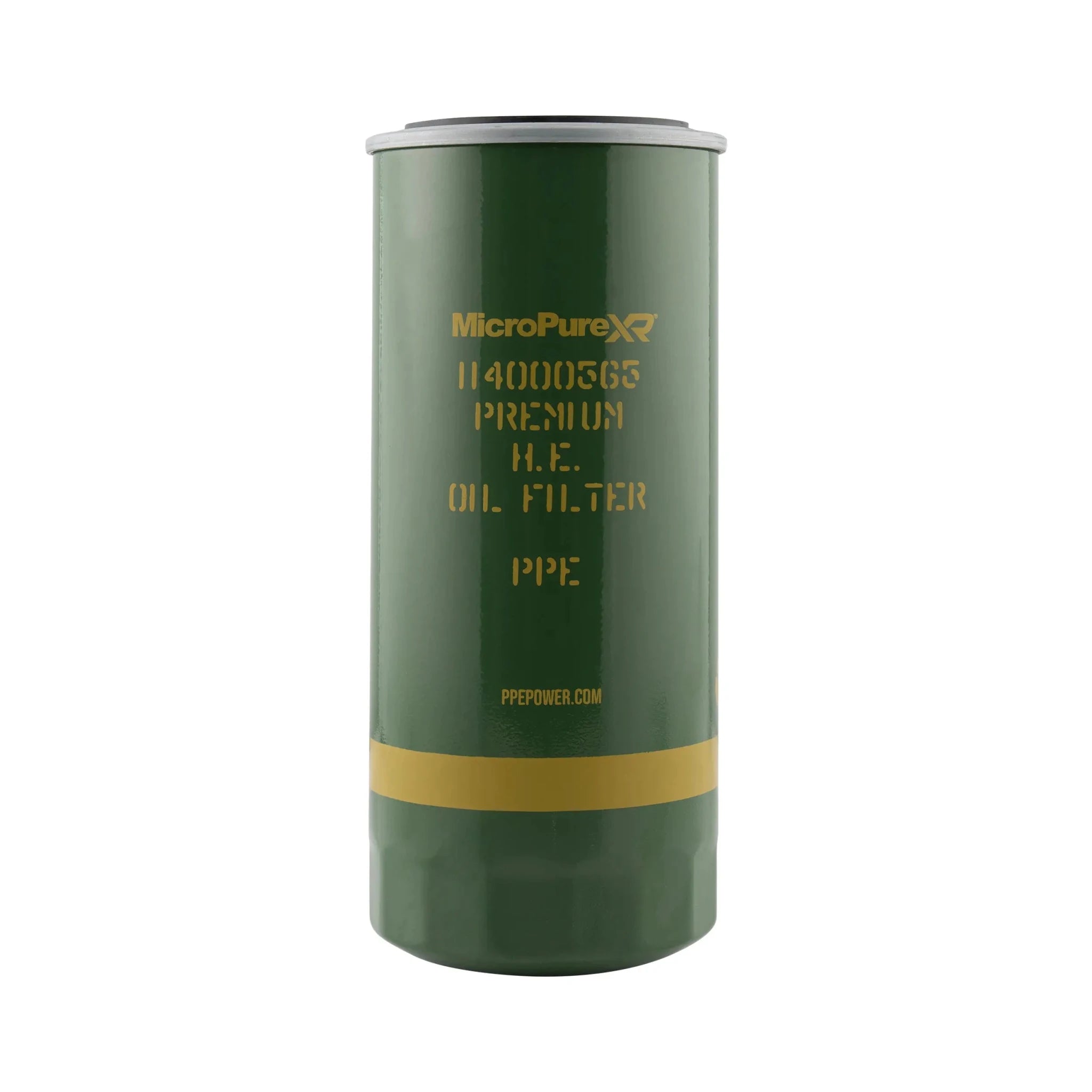
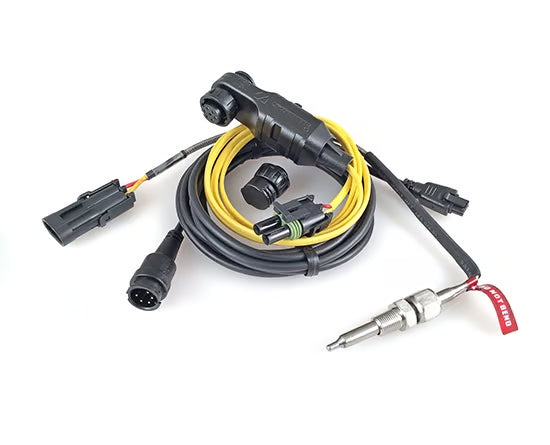
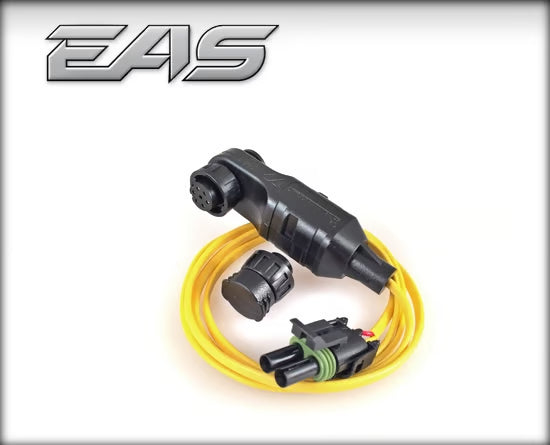
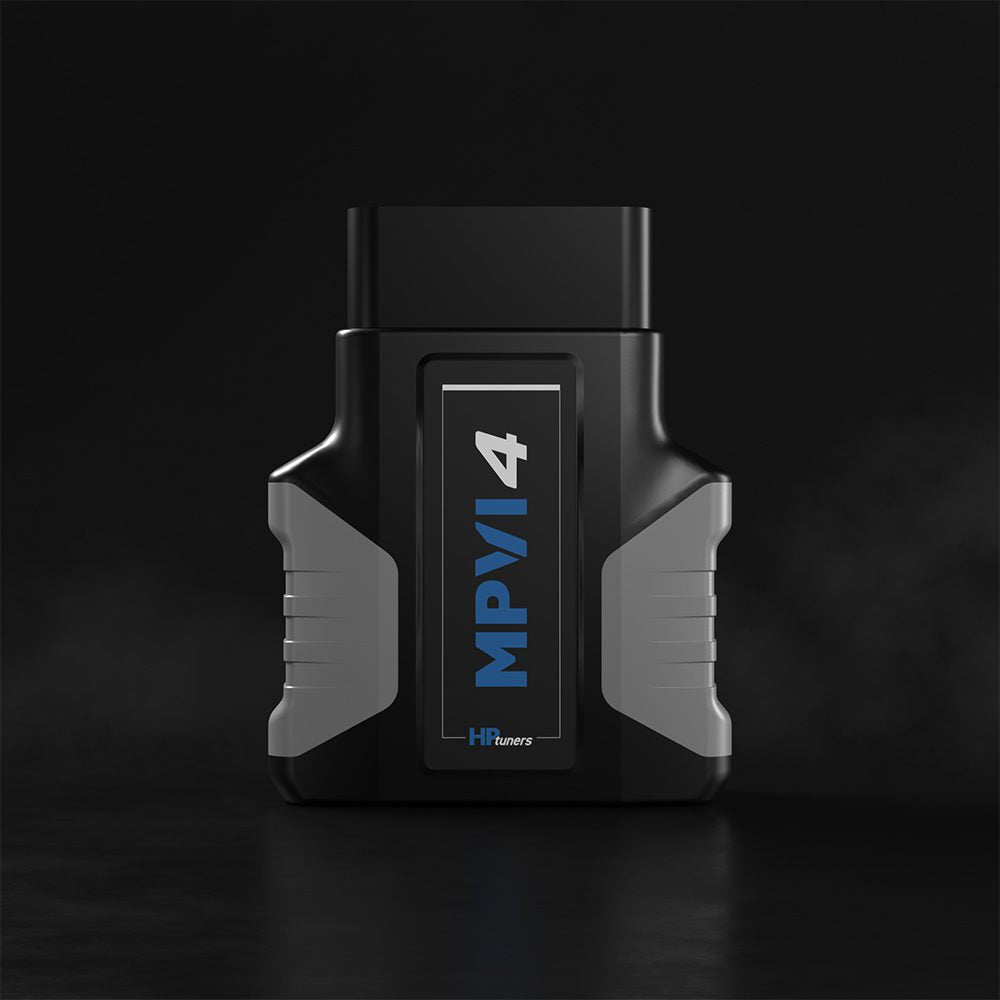
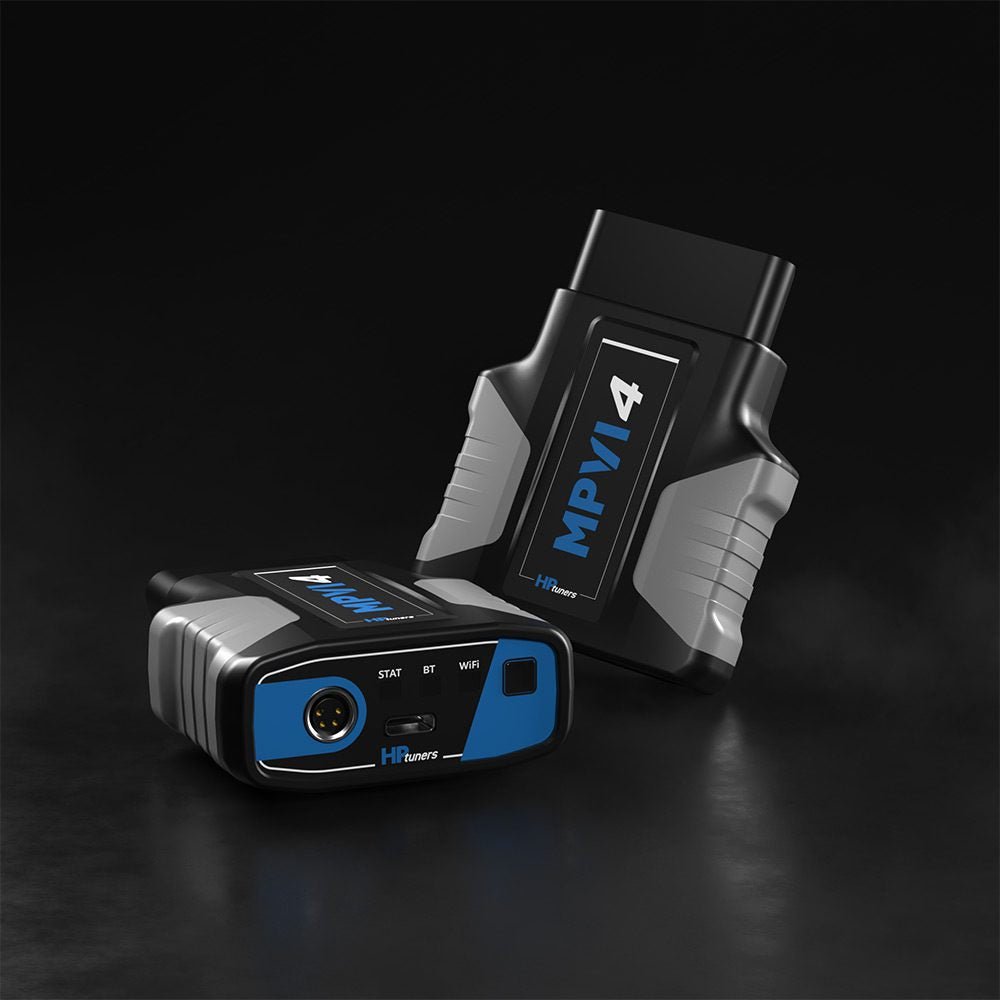
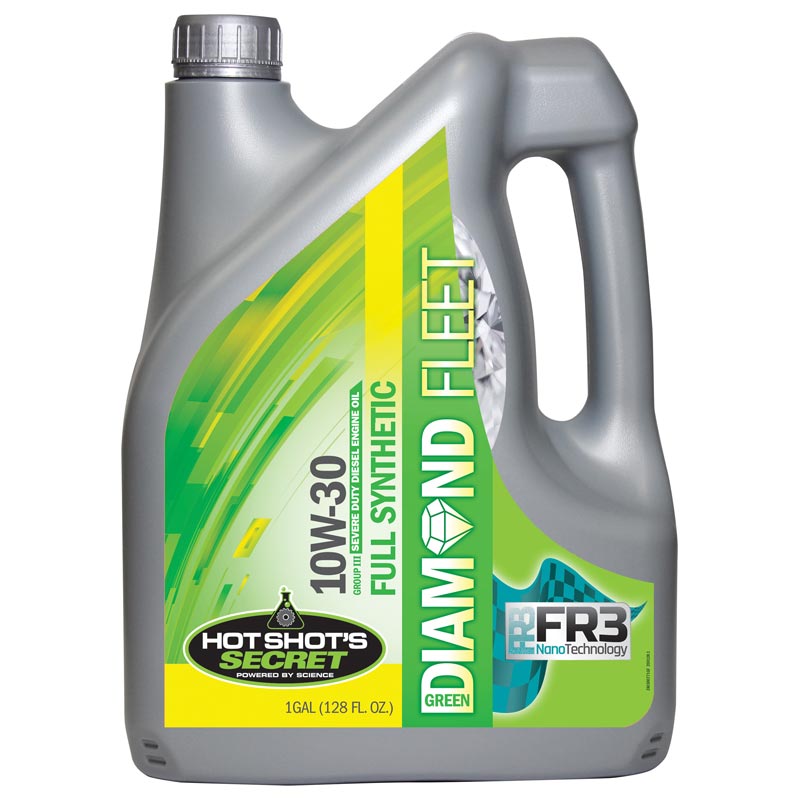
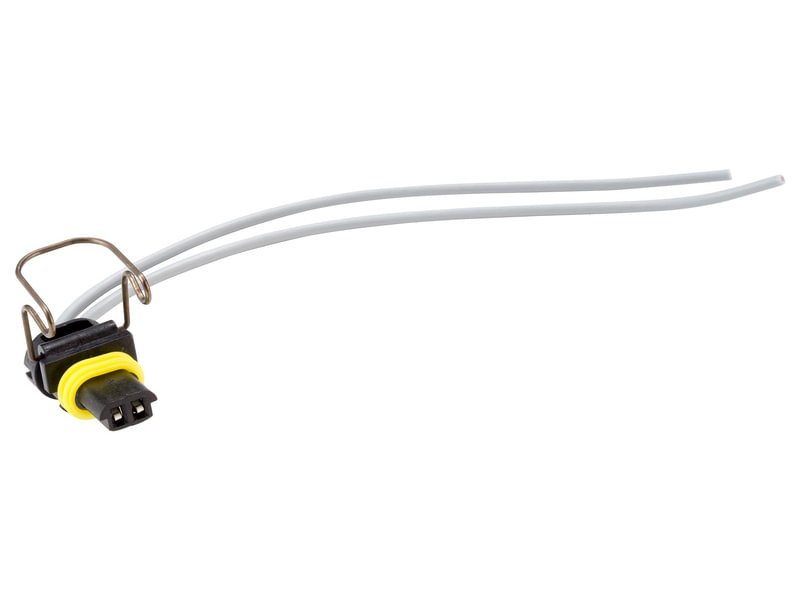
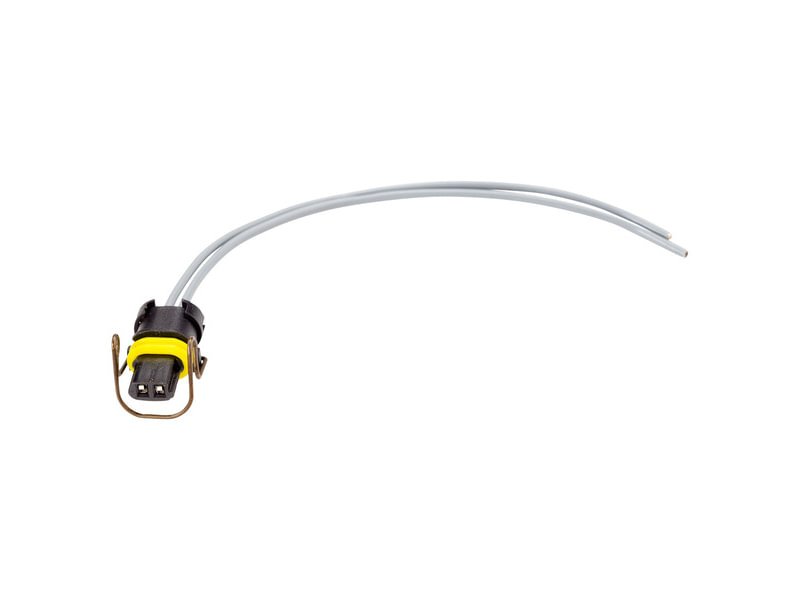
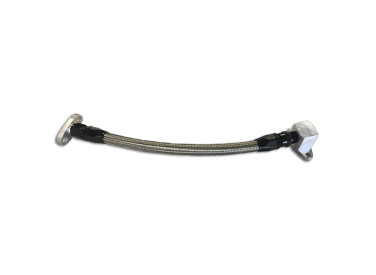
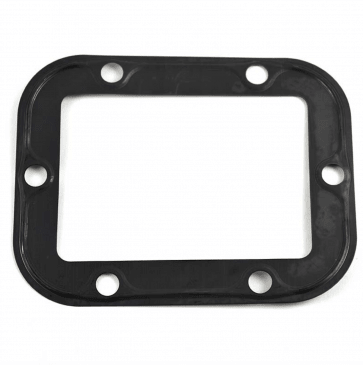
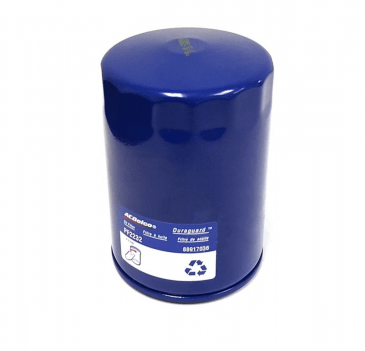
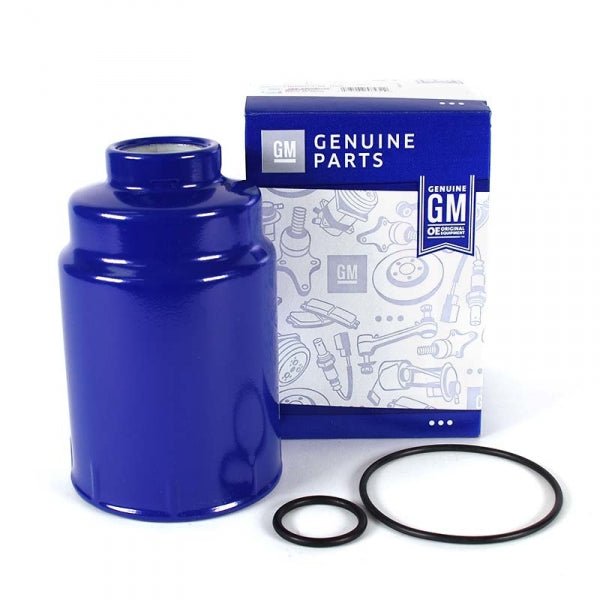
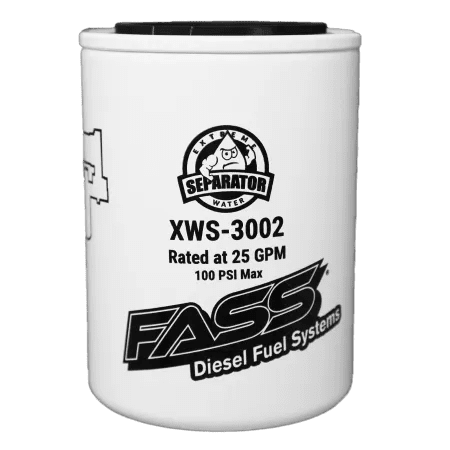
The Sierra HD list runs heavy on the parts that keep an LML alive. Fuel: Exergy Performance and S&S Diesel Motorsport injectors, PPE diesel lift pumps, ACDelco TP3018 and S&B replacement filters, FASS water separator elements, and Merchant Automotive filter head rebuild kits and water-in-fuel sensor O-rings. Oil and additives: Hot Shot's Secret Diesel Extreme and Green Diamond CK-4, plus Lucas Oil. Engine and gaskets: Mahle oil pan and lower engine gasket kits, Merchant Automotive gasket sets and starter solenoids, and Alliant Power pigtails. Cooling and charge air: XDP direct-fit replacement radiators and Mishimoto and Wehrli Custom Fabrication parts. Turbo support: G&R Diesel drain kits and PPE hardware. Exhaust: MBRP mufflers and resonators in aluminized and stainless steel. Transmission: Allison covers and gaskets with BD Diesel and Merchant Automotive reseal and converter housing kits. Steering and suspension: PPE forged tie rod and steering assembly kits with BDS Suspension heavy-duty tie rods and lift kits. Electrical: Mean Green high-output alternators. Monitoring and compliant tuning: Edge Products monitors, EGT and pressure sensor kits and A-pillar display mounts, plus HP Tuners and EFI Live hardware.
Fitment notes
Two fitment rules run side by side on these trucks. Engine, fuel, turbo and transmission parts follow the engine code: the LML stops at 2016, the 2017 L5P does not share injection, plumbing, sensors or electronics, and the 335 hp LGH used in Savana and Express vans shares the architecture but not the hardware and calibration around it, so check the RPO before ordering. Body, cab and front-end parts follow the 2015 change instead. Sierra and Silverado share a cab and bed but use different grilles, hoods, fascias and headlamps, so exterior and lighting parts are make-specific, and 2015-2016 Sierra halogen and HID housings differ by year. Running boards are cab-length specific and Double Cab boards are new for 2015; rear wheelhouse liners are single-rear-wheel Double and Crew Cab only, because a dually has a different rear quarter. Chassis hardware is the loose middle: steering linkage, brake rotors and the 8 x 180 mm wheel pattern carry across 2011-2019 HD. Tow hardware is year-sensitive. B&W's GNRK1012 covers 2011-2015, 2016-2019 Sierras use the GNRK1016, and a truck with the factory gooseneck prep package calls for the puck-compatible kit. Ratings depend on configuration, not just the hitch: a 2016 2500HD 4WD Crew Cab Long Box is rated 12,900 pounds fifth-wheel against 14,500 conventional, because payload runs out first. If the truck is lifted, the kit maker's own numbers say towing capacity drops and ball-drop height has to be re-measured. Dual-alternator and Snow Plow Prep trucks use different belt routing and brackets, so match the belt and alternator to the RPO.
Frequently asked questions
What should I do to a Sierra 2500HD before a summer of towing?
Service the heat path first. Clean the gap between the intercooler, condenser and radiator, verify the fan clutch and pressure-test the cooling system; BD Diesel lists stack cleaning and fan verification as the first fix for an LML that overheats under load. Then take on transmission heat with a deep pan, filter and auxiliary cooler. Drain the water separator, fill the DEF tank with fresh fluid, and get in the habit of using Tow/Haul with the exhaust brake on descents.
Which gooseneck hitch fits my Sierra?
It comes down to year and package. The B&W Turnoverball GNRK1012 is listed for 2011-2015 Sierra 2500 and 3500 with either the 6.5-foot or 8-foot bed, rated 30,000 pounds gross trailer weight and 7,500 pounds vertical, bolting to existing frame holes with the bed left in place; the 4-inch bed hole lands 44.75 inches from the rear edge on a short bed and 49.5 inches on a long bed. 2016-2019 trucks use the GNRK1016 instead. If your 2016 came with the factory fifth-wheel and gooseneck prep package, it takes the puck-compatible kit, so tell us which one you have.
Can I add power to a Sierra HD and keep it legal?
Yes, with a CARB EO-numbered calibration and every factory emissions component left alone. Calibrated Power's EZ Lynk ECM and TCM package for 2011-2016 carries EO D-845 and ships with an Optimized Stock file alongside the tow and street files, and the AutoAgent reads better than 25 live parameters from a phone. The TCM side matters as much as the engine side, since it raises line pressure and adjusts shift points and lockup. Confirm whether your truck is a 2015 or a 2016 ECM before ordering, because 2016 needs its own file.
My Sierra wanders at highway speed. What is worn?
Recirculating-ball steering with a pitman arm, idler arm, center link and four tie rod ends gives play a lot of places to hide. Owners of 2016 2500HDs have chased wander through tie rods, the center link, pitman arm, an idler arm with a weld-on support bracket, a steering stabilizer and sway-bar links around the 100,000-mile mark. Replace the linkage as a set and align afterward, because piecemeal parts leave the wander in place. Budget labor for the pitman arm; it fights coming off the sector shaft on these trucks.
Do parts for a 2017 Sierra HD work on my 2016?
Some do. Brakes, steering linkage and wheels are catalogued across 2011-2019 HD, so those cross over in both directions. Anything attached to the engine does not: the 2017 L5P uses different injection, turbo, intake plumbing and electronics even though the cab looks the same. When a listing is written by body year rather than engine code, read it twice, and send us the VIN if you want us to check it.
Not sure what fits? Call the shop at the number in the header, or use the fitment checker on any product page. We install everything we sell.