
Shop Turbo by Category


Filters
30 products







Not sure it fits your truck?
Our Wildwood, FL techs will confirm the right part for your build before you buy.
Call or Text (352) 722-5295The turbo on the 2017-2019 Ford 6.7L Powerstroke
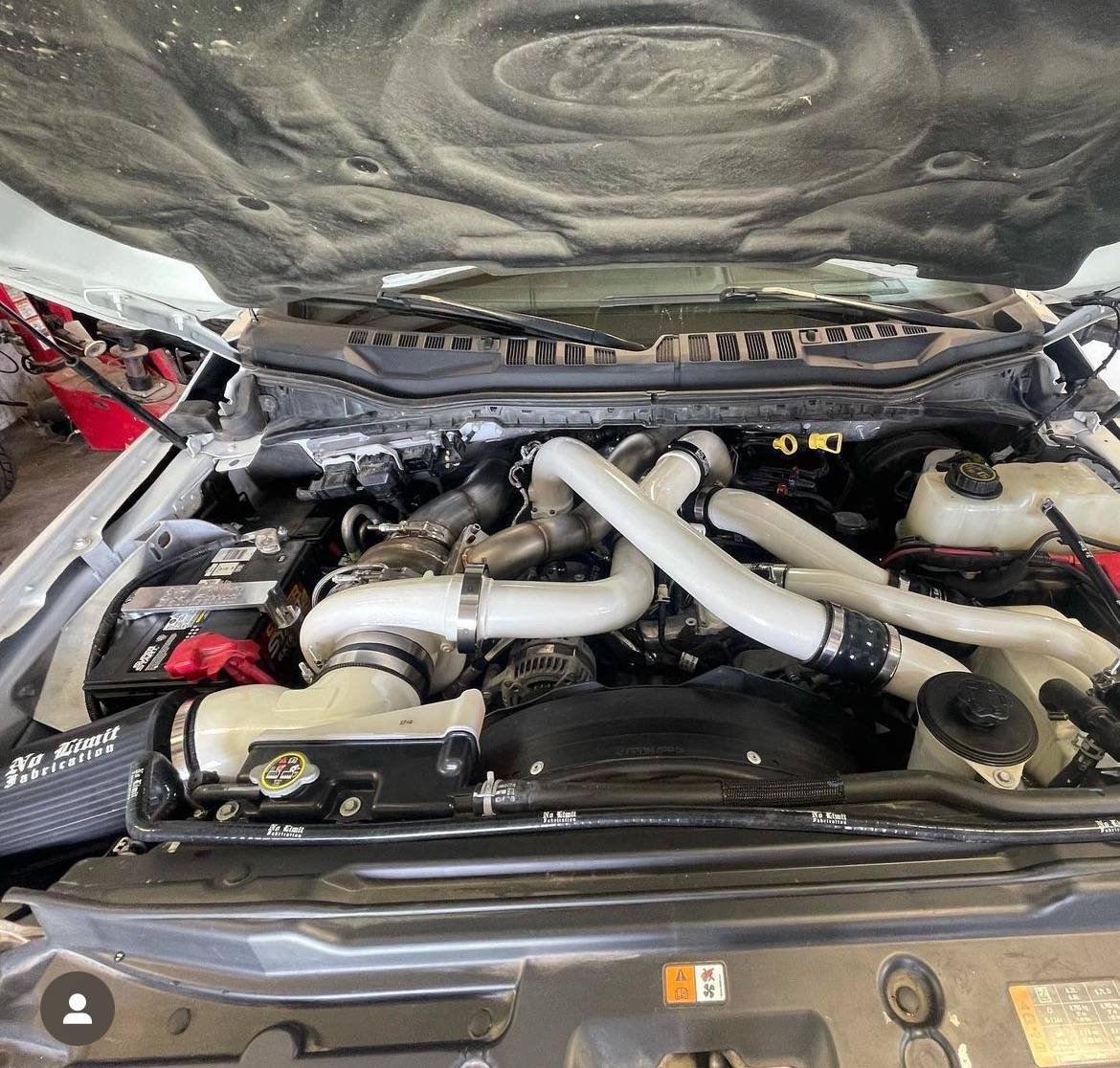
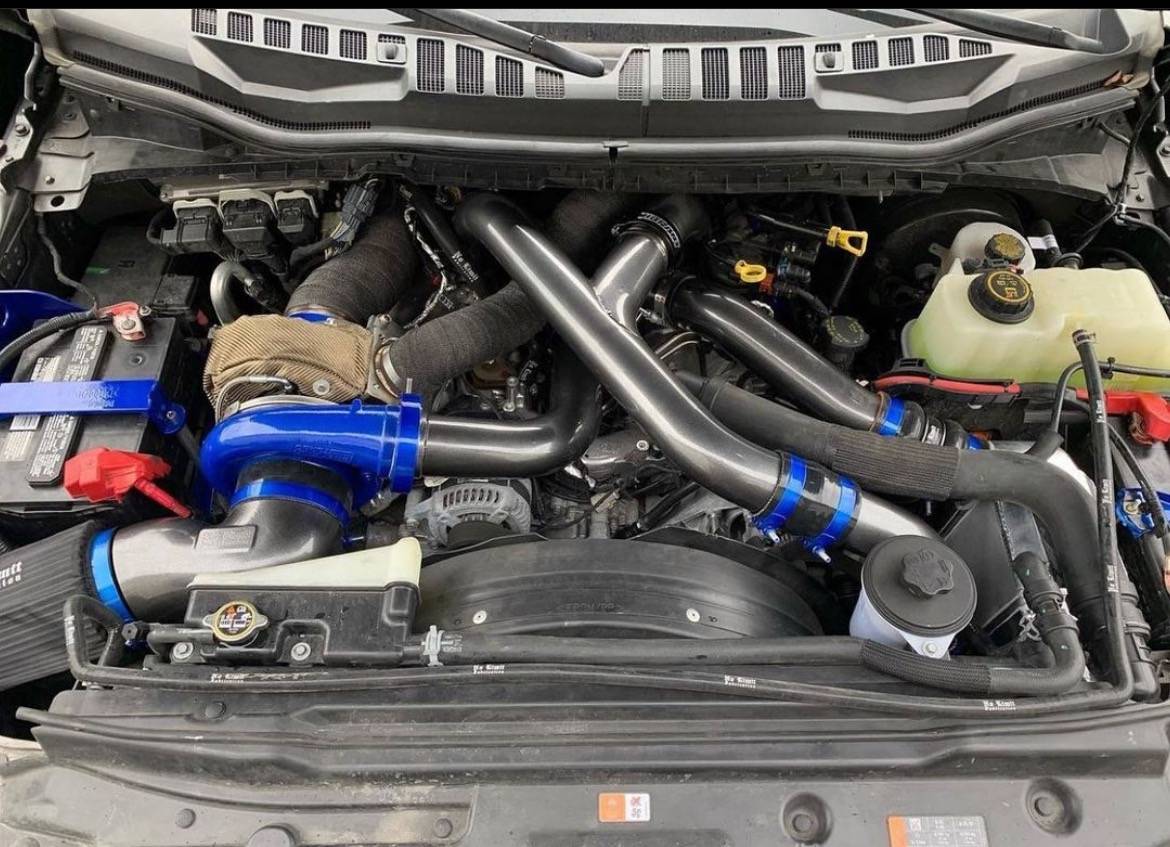
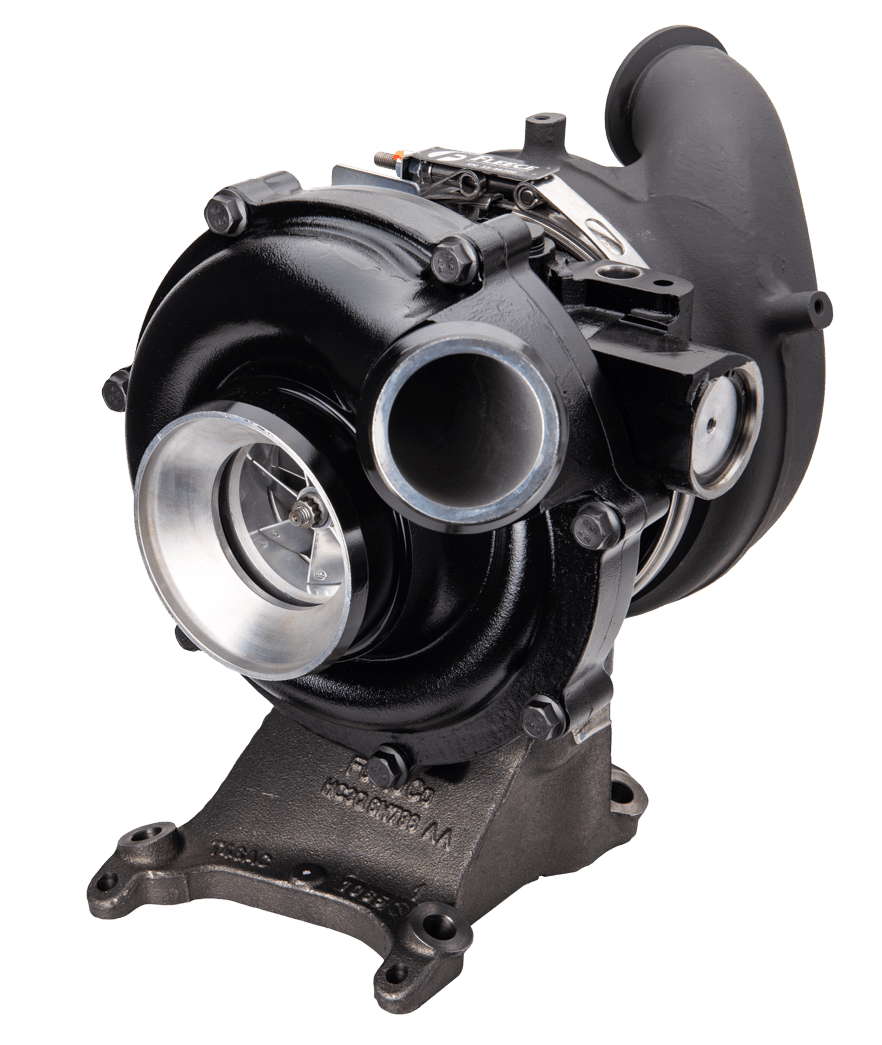
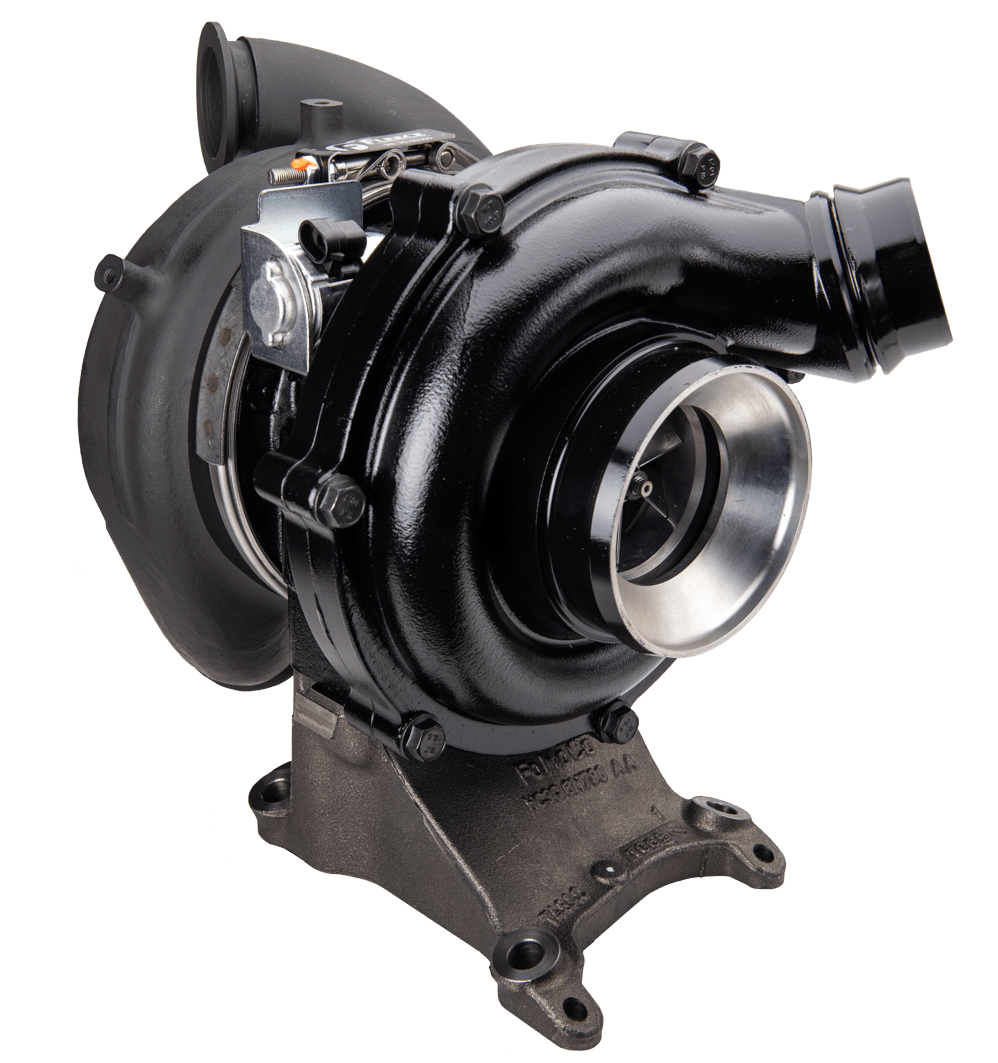
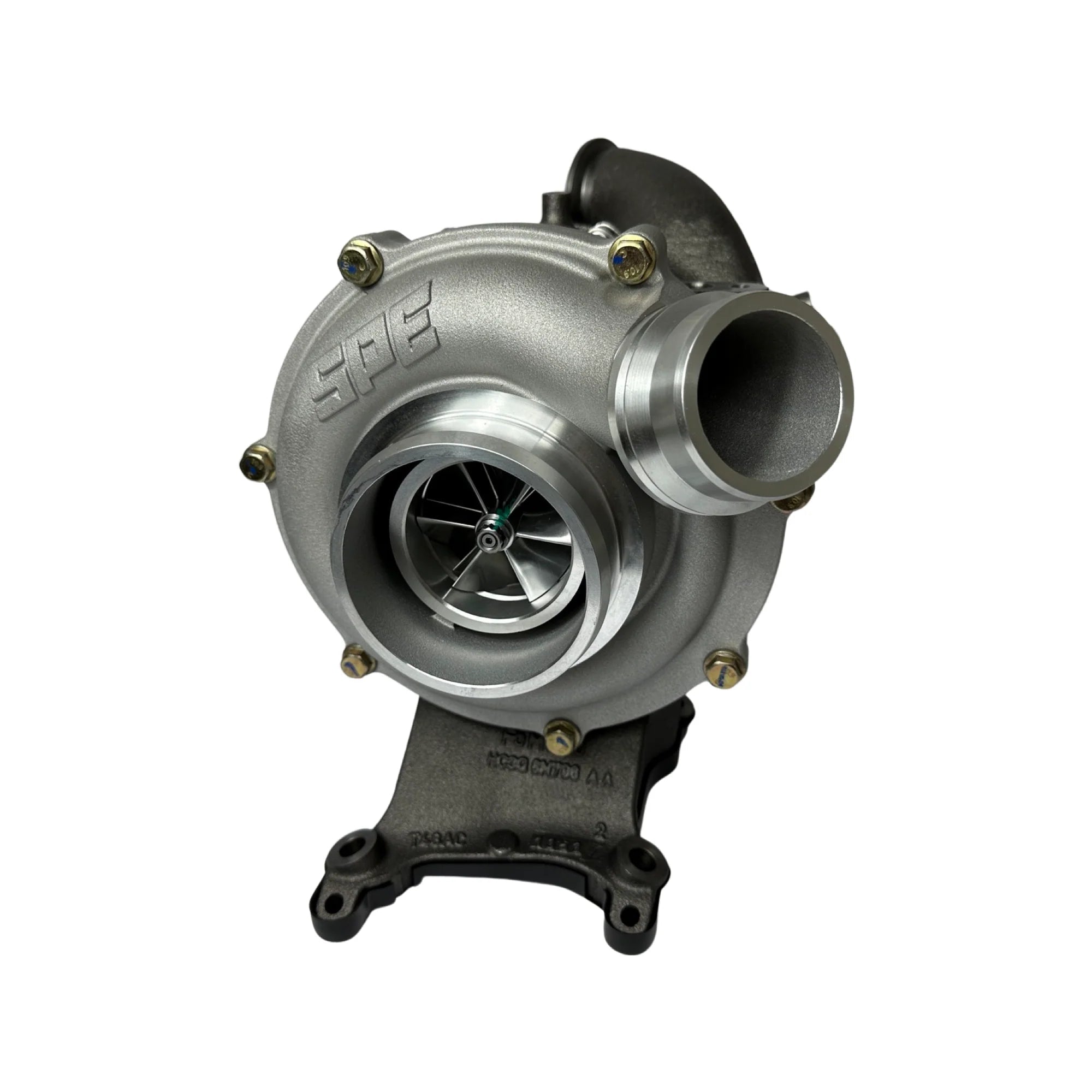
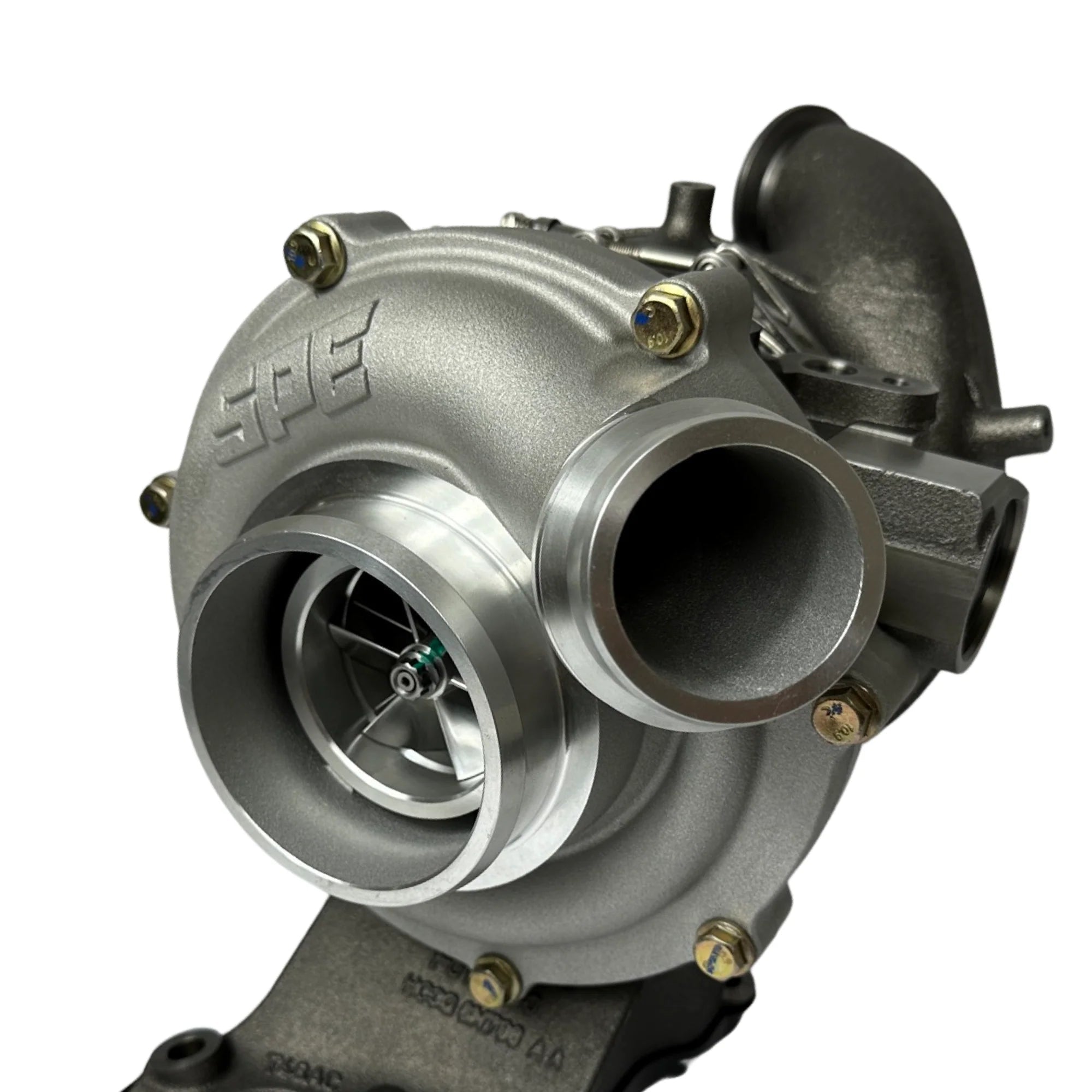
Every 2017-2019 pickup runs a Garrett GT3788V: a single variable-geometry turbo with no wastegate, oil-fed, and water-cooled from the engine's primary coolant loop. It sits in the valley between the reverse-flow heads on a pedestal, with a hydraulic actuator moving the vanes that control boost and also give the truck its exhaust brake. Ford introduced this larger single turbo for 2015 to replace the 2011-2014 GT32 SST dual-compressor-wheel design, and the two are not interchangeable without a retrofit kit. For 2017, Ford revised the turbo oil supply line and pedestal, so a 2017-2019 turbo is the same model as a 2015-2016 unit with different plumbing. Chassis cabs are different again: the F-350, F-450 and F-550 cab-and-chassis trucks use a ball-bearing Garrett GT3582V. Shop the full category at turbos, or browse the Powerstroke hub for the rest of the engine.
What fails and why
Good news first. The ceramic-bearing failures that hurt 2011-2012 trucks came from the early GT32; Ford moved to steel bearings, and bearing failure is not a 2017-2019 pattern. What these trucks do show is an oily compressor inlet. The closed crankcase ventilation separator on the driver-side valve cover vents into the turbo inlet, and when it loads up, oil mist coats the intake hose and the charge air cooler. A plugged CCV is the usual cause, not a failing turbo seal, and the recommended CCV service interval is 30,000-40,000 miles. The other limit is airflow. On tuned trucks, the stock GT37 becomes the ceiling around 540 rear-wheel horsepower, and pushing past it raises drive pressure and exhaust gas temperatures. That is not a stock-truck complaint.
Stock replacement vs. upgrade
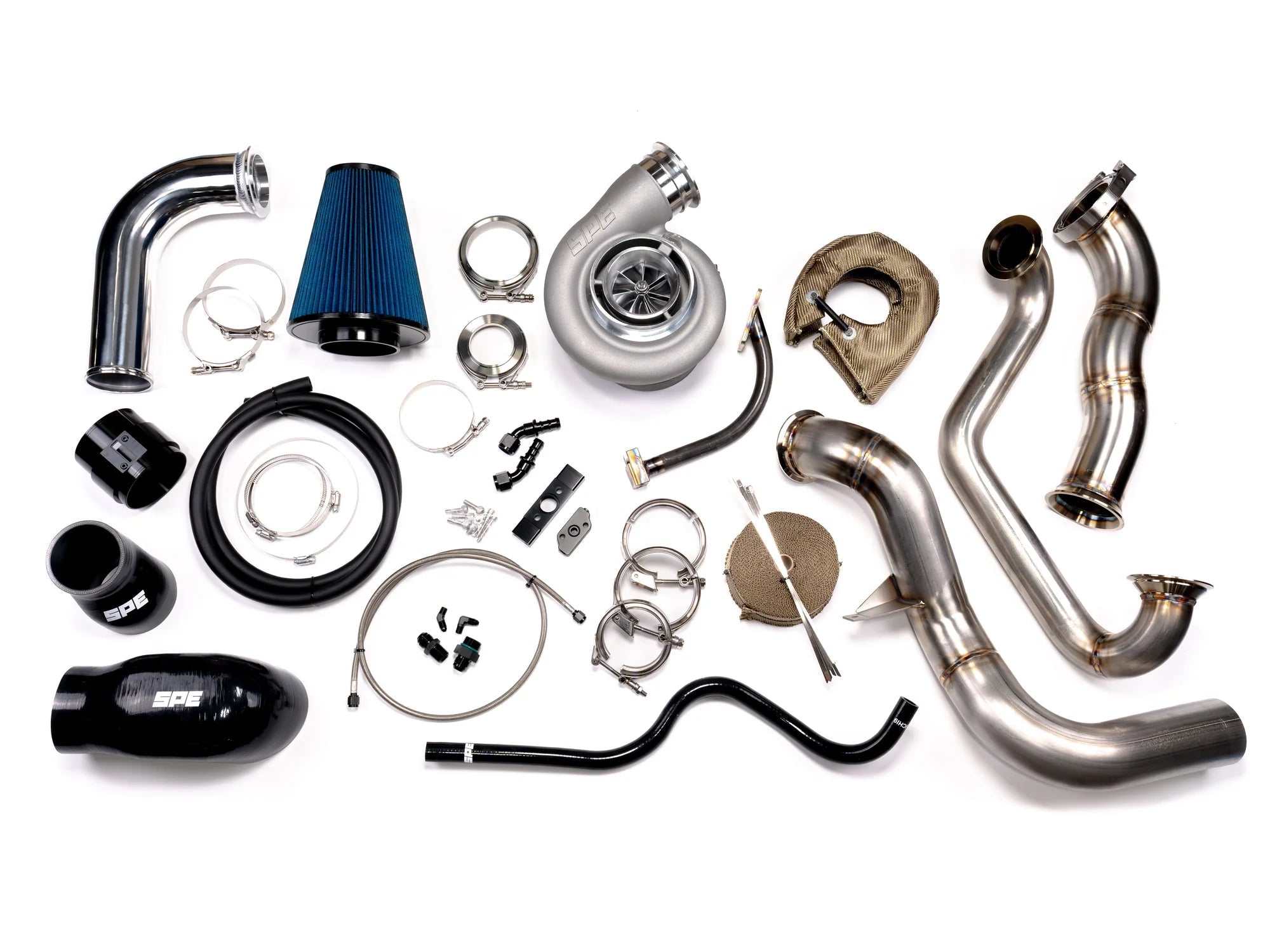
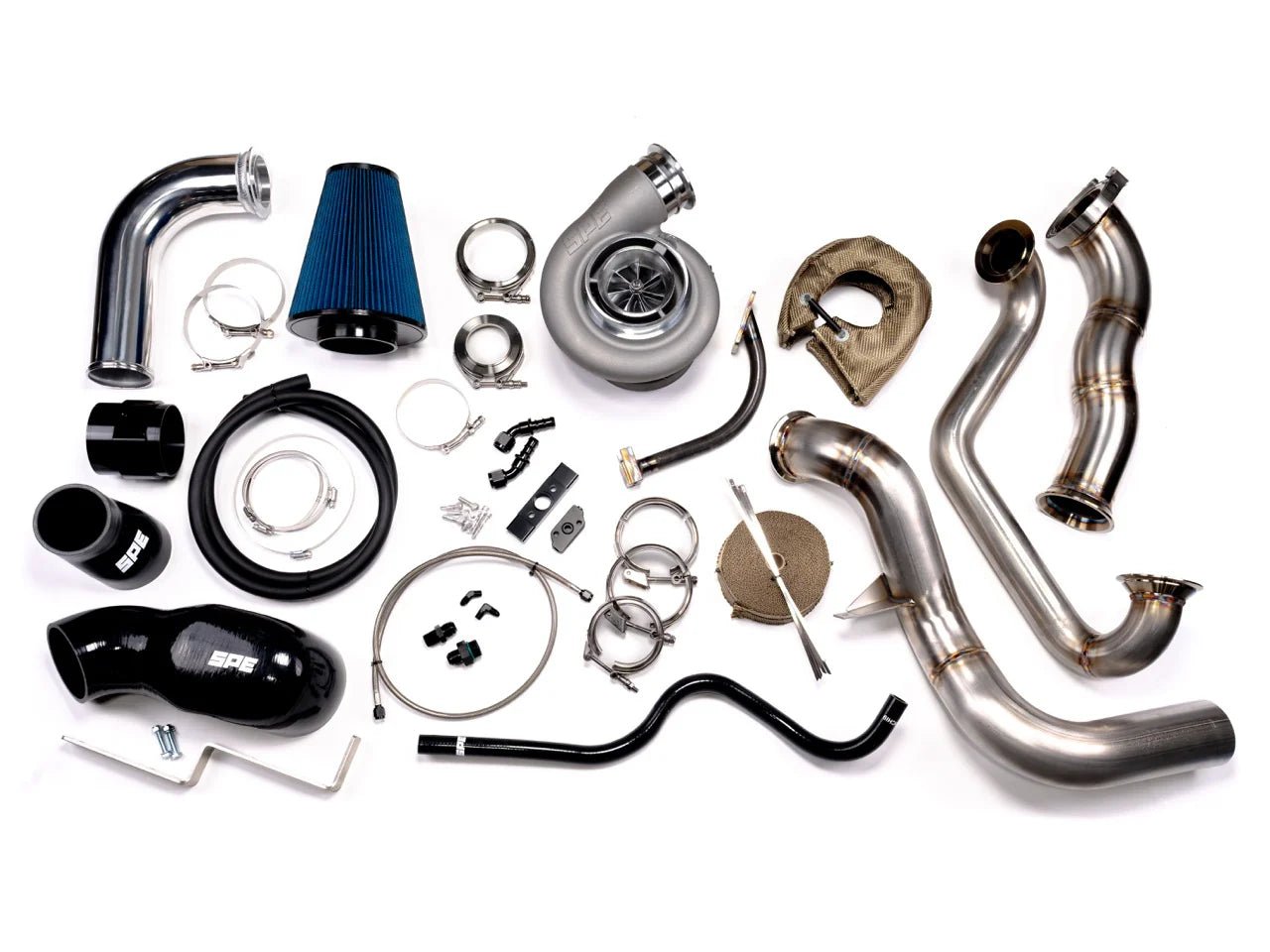
If the turbo is damaged, the stock replacement for a pickup is the GT3788V; confirm pickup or chassis cab before ordering. A 2017-2019 truck already has the 2015-style turbo, so it never needs the retrofit kit sold for 2011-2014 trucks. Drop-in upgrades must be built for the 2017-2019 pedestal. Some drop-ins for these years carry a CARB EO number and need no tuning. A CARB EO is what certifies an aftermarket part as emissions-legal in all 50 states, so look for that number on the product page if your truck has to stay legal. Compound kits are for builds past the stock turbo's airflow ceiling, and we have not verified a CARB EO for any compound kit on this platform.
What we carry
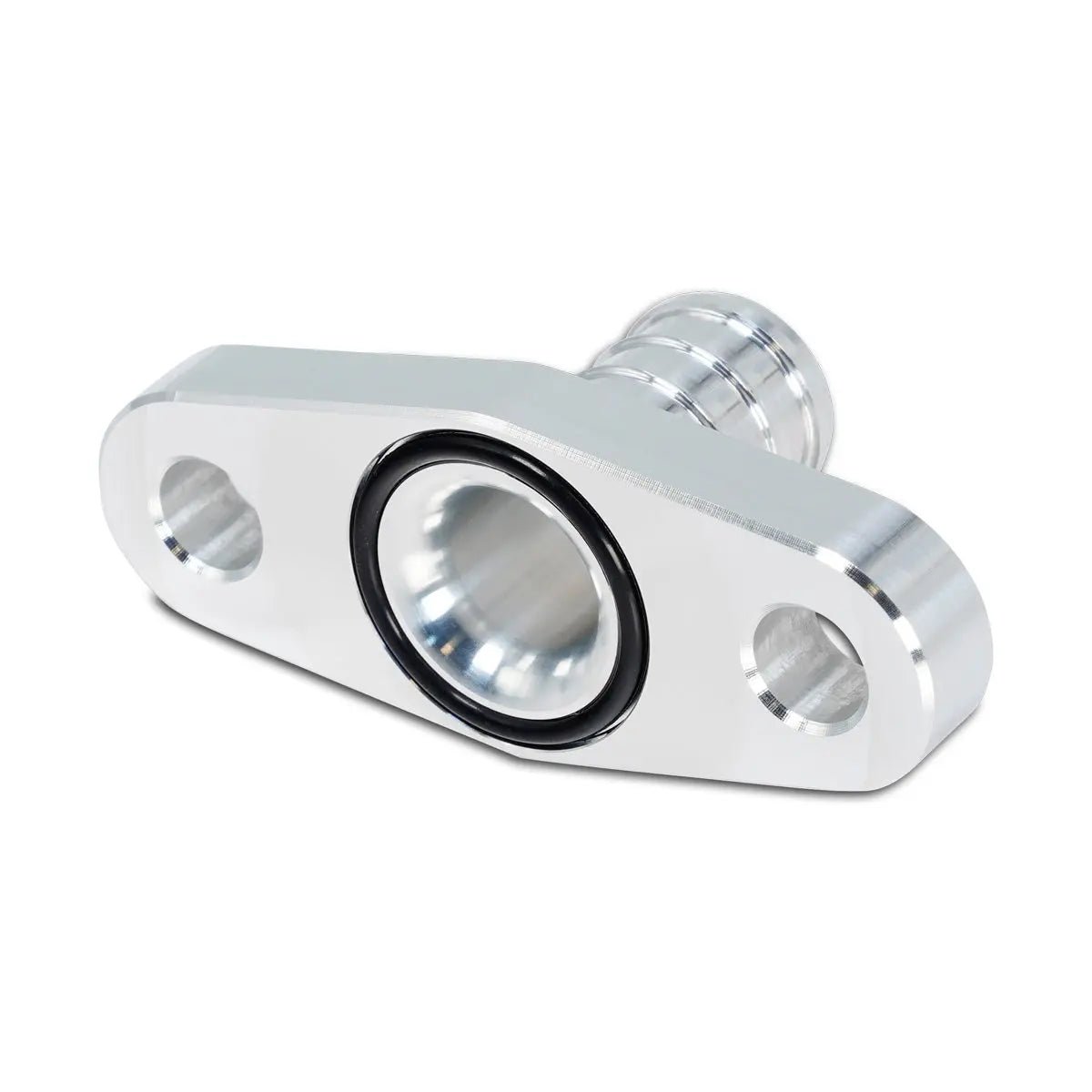
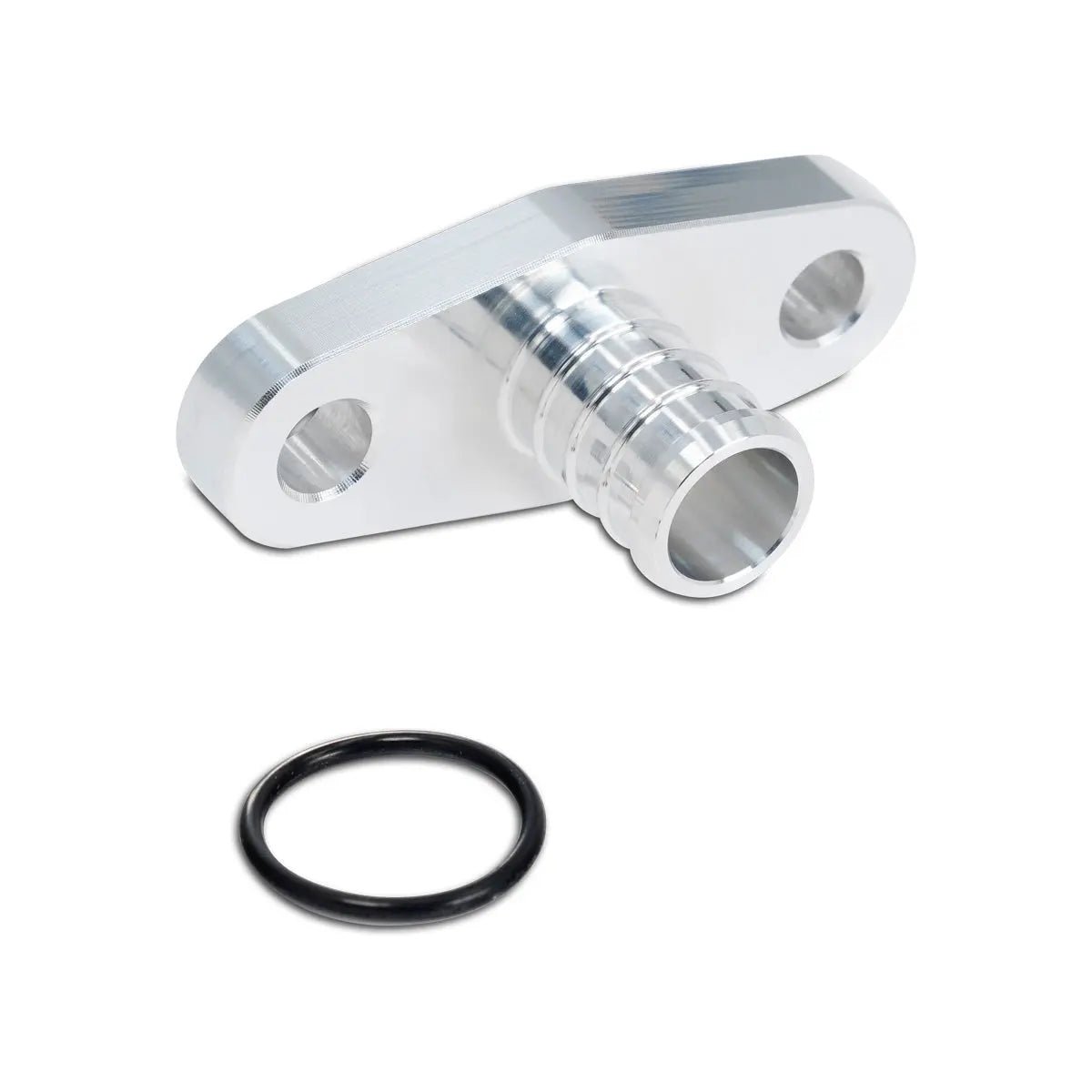
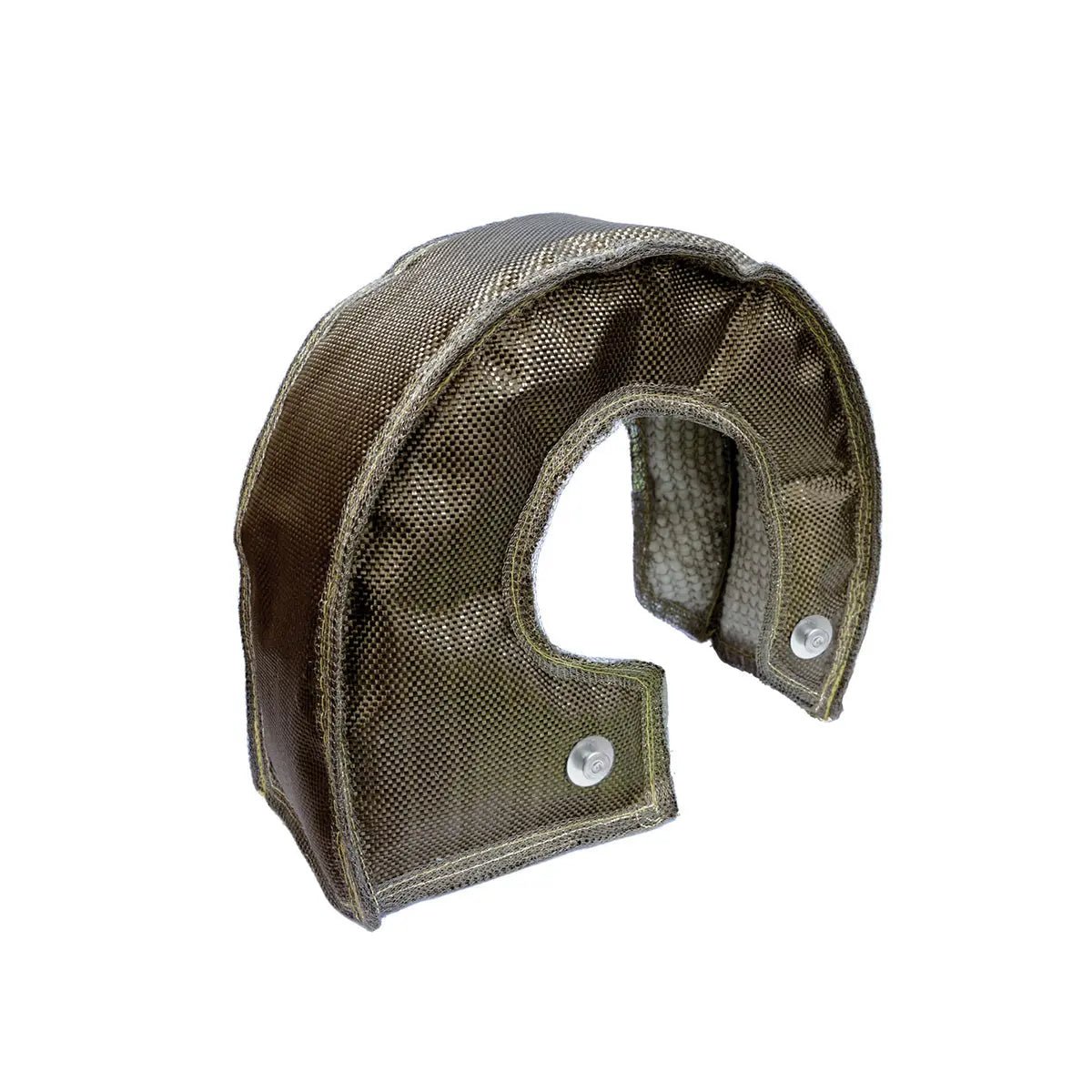
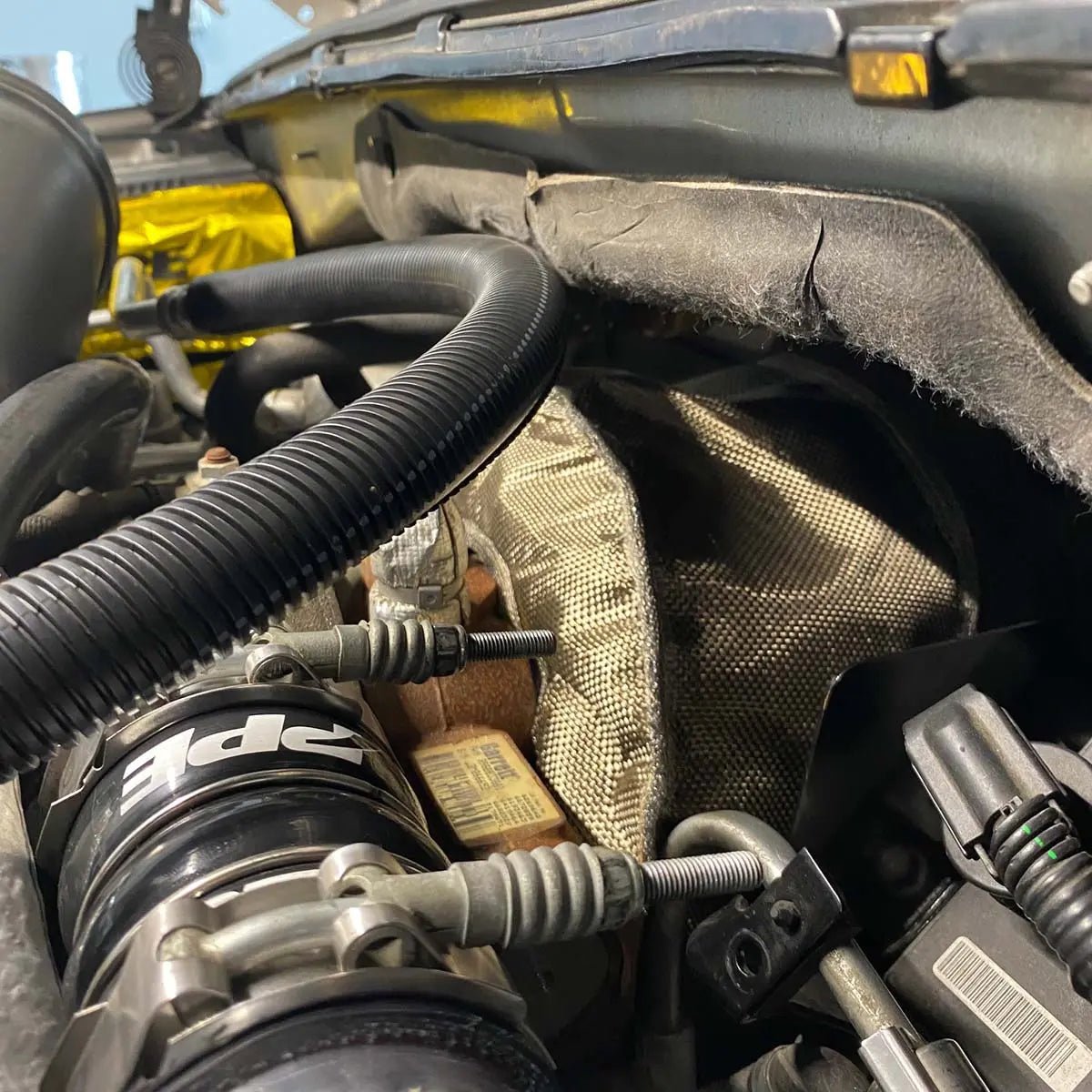
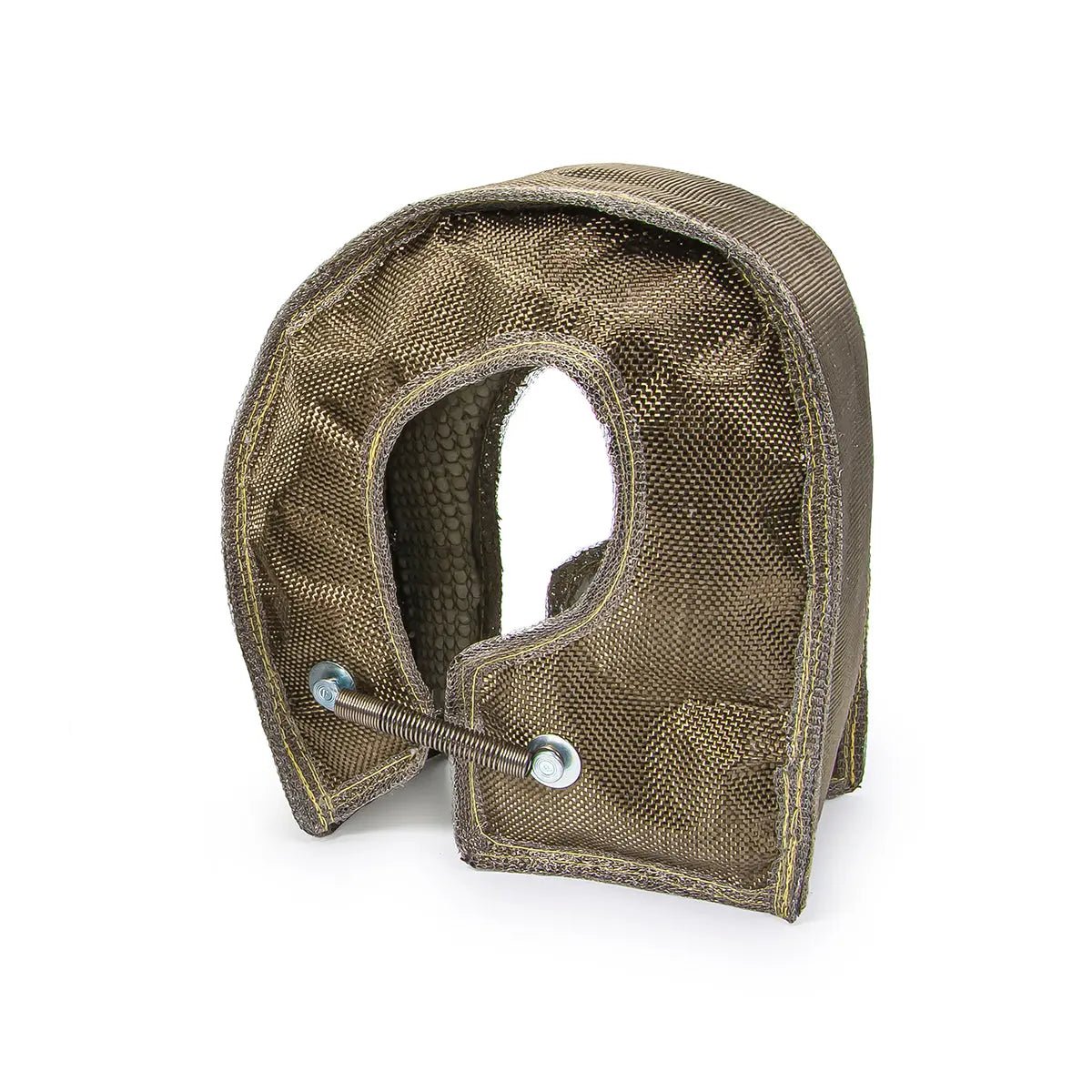
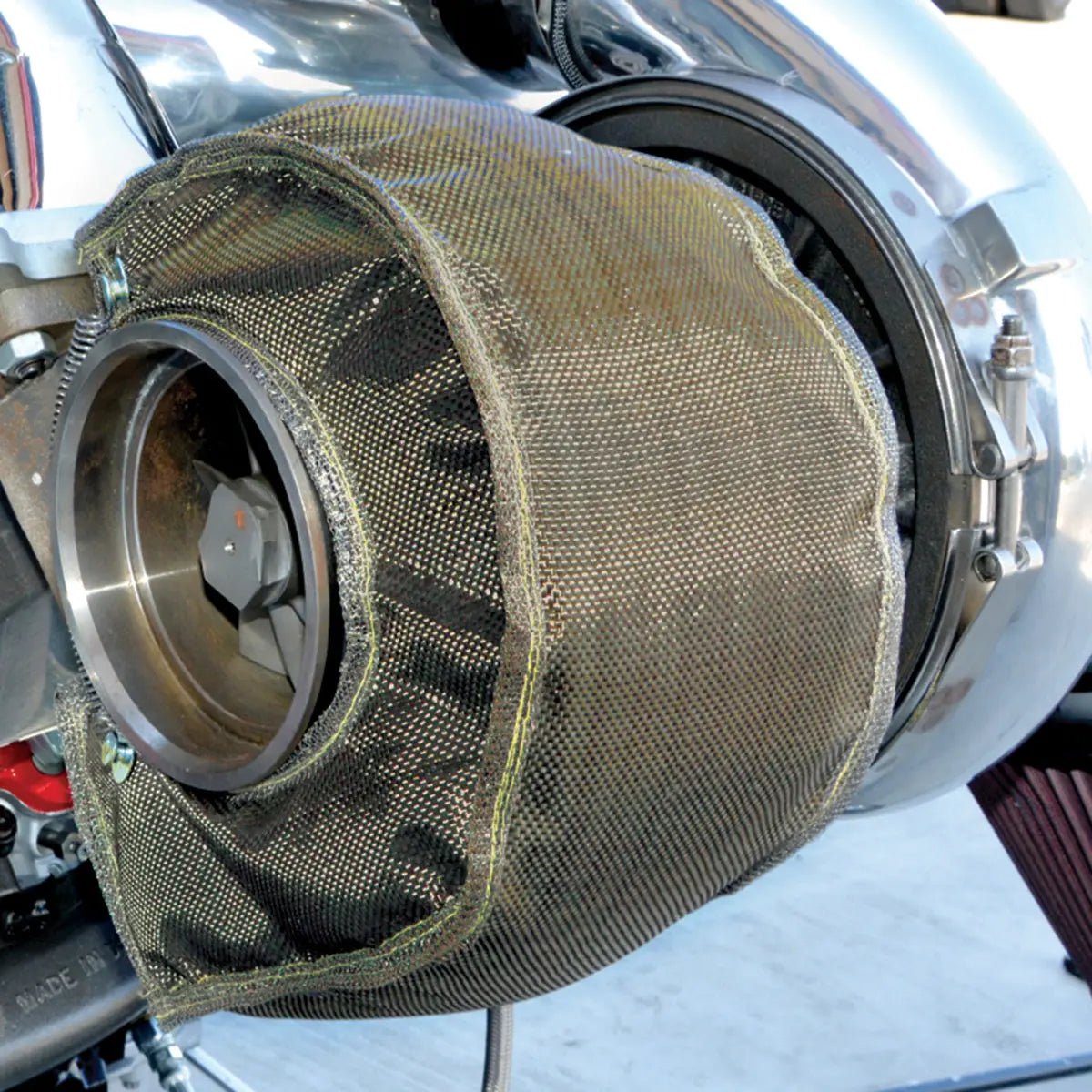
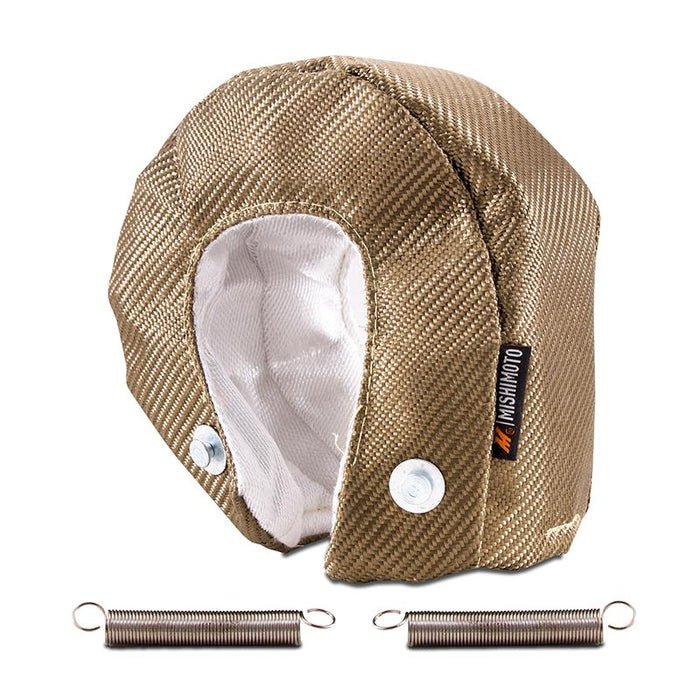
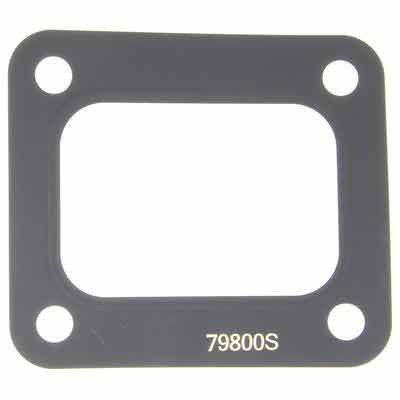
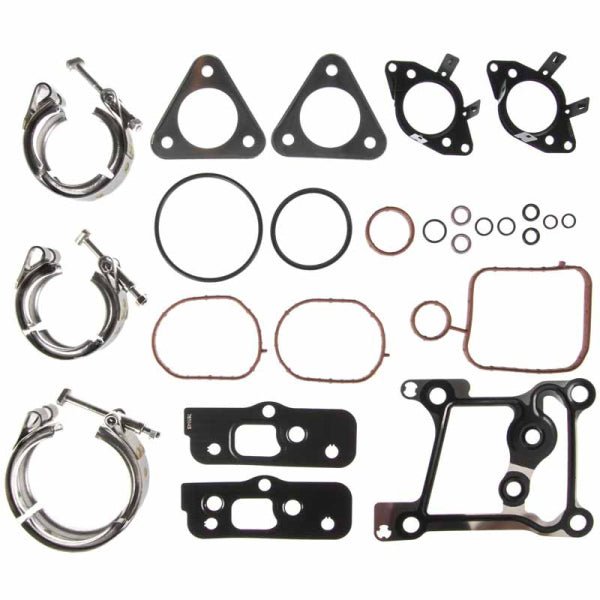
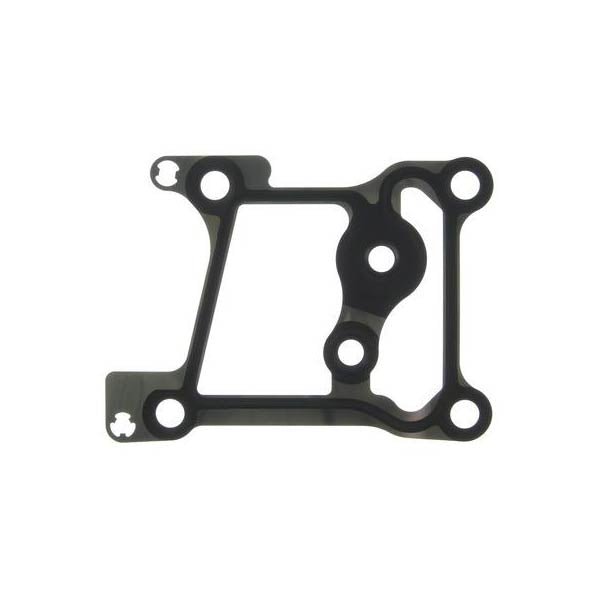
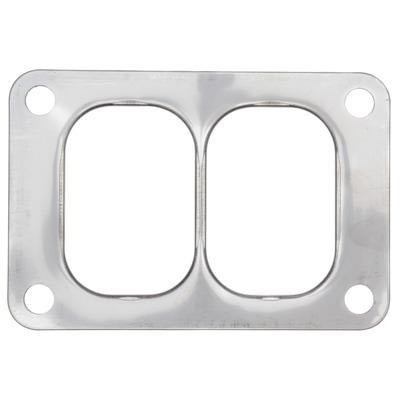
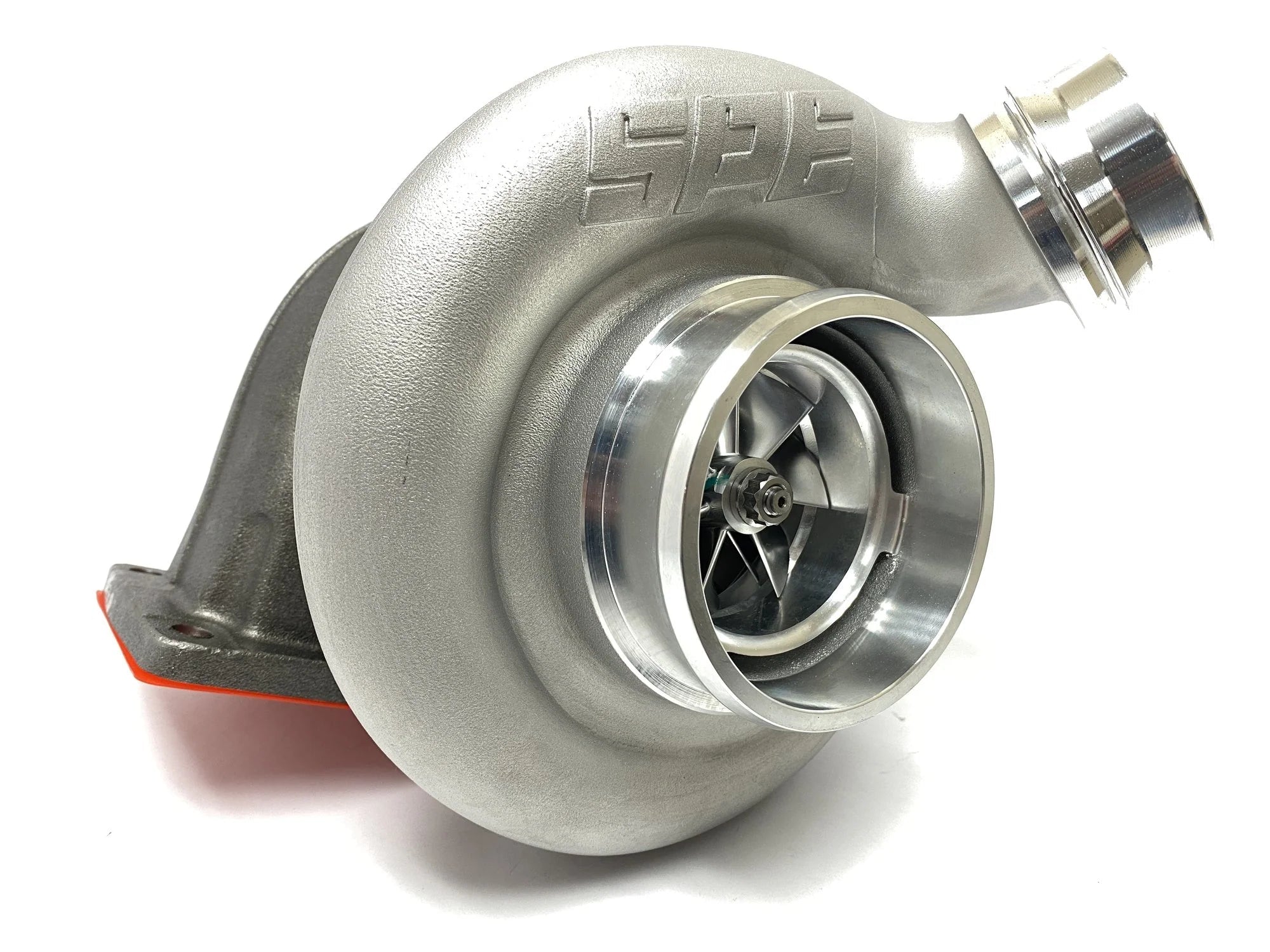
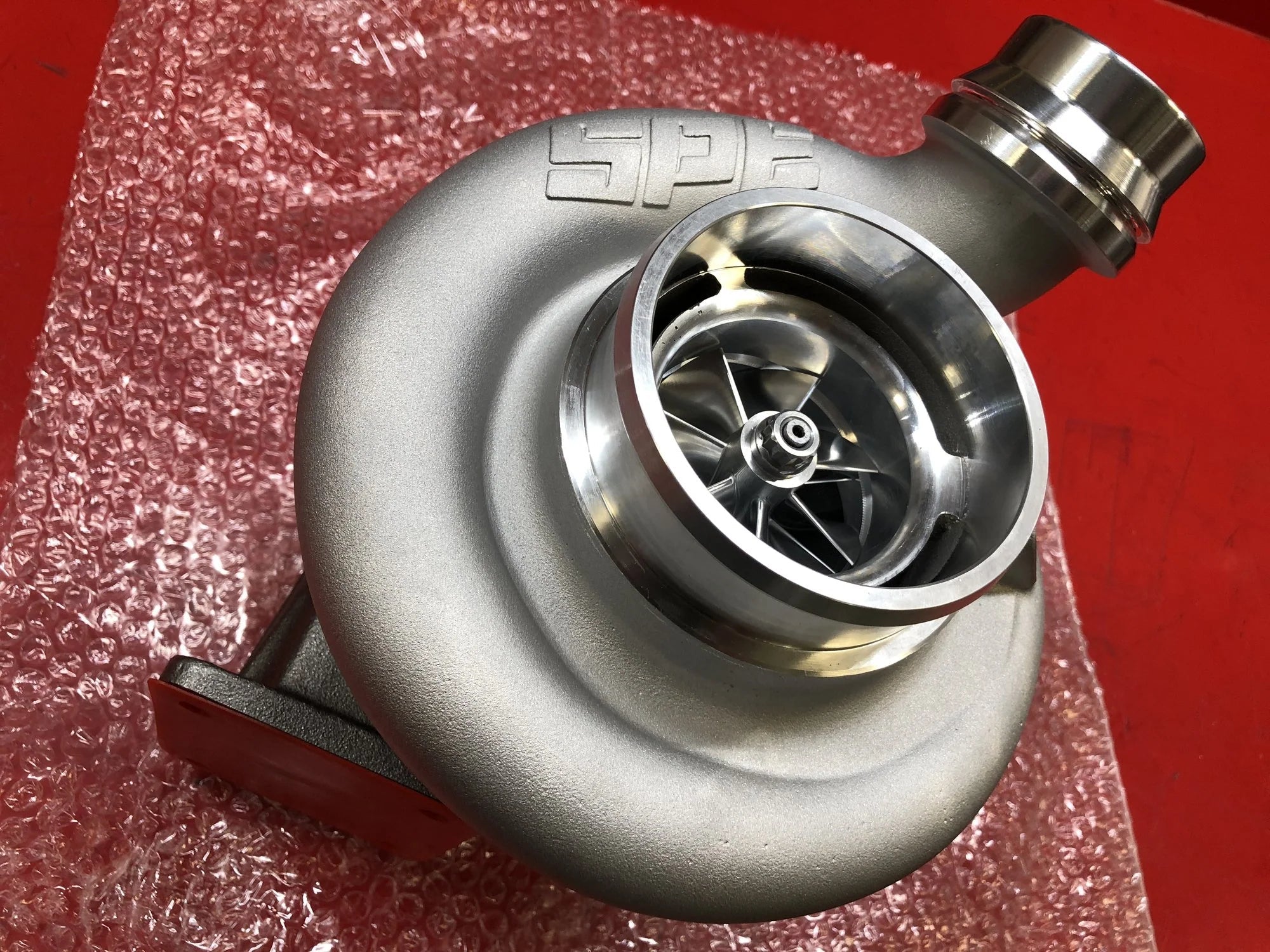
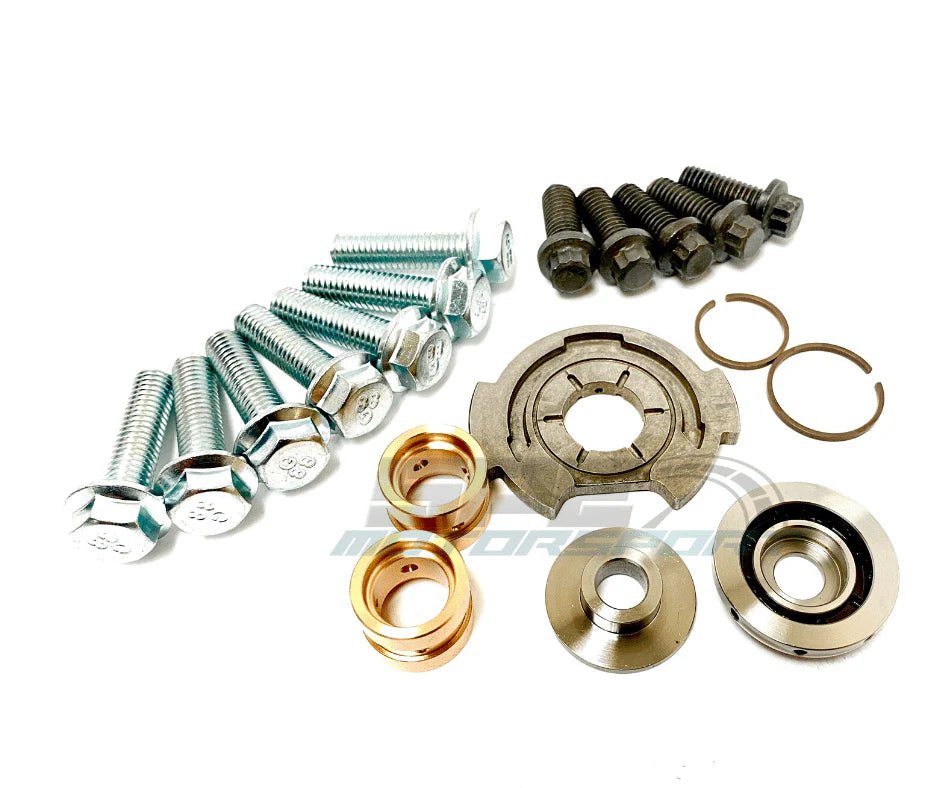
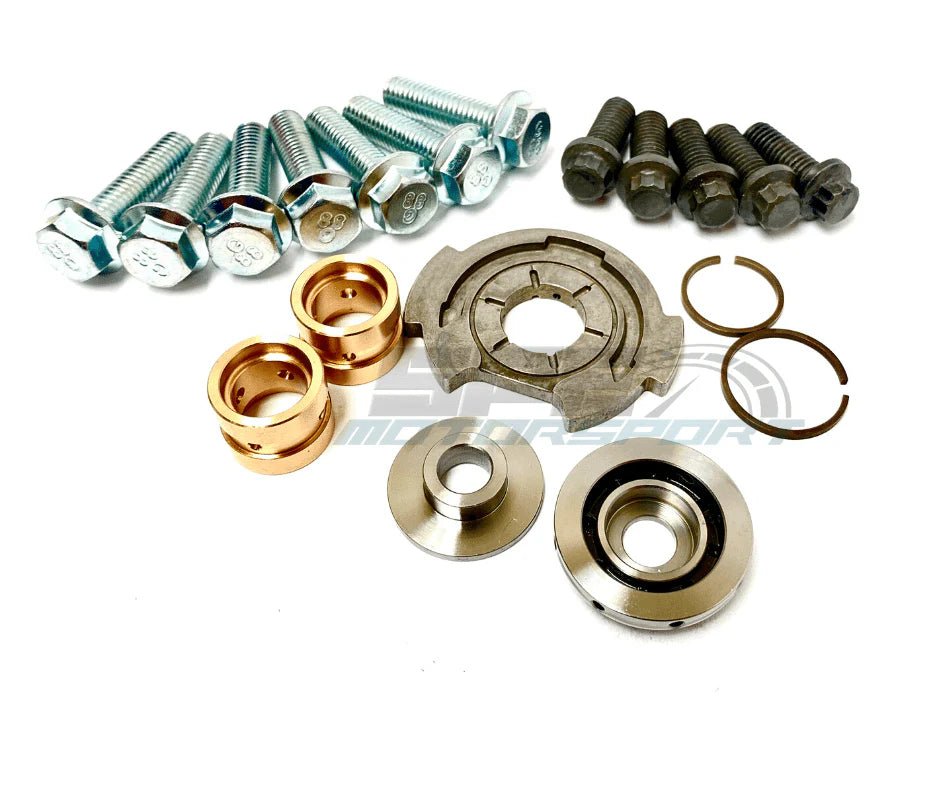
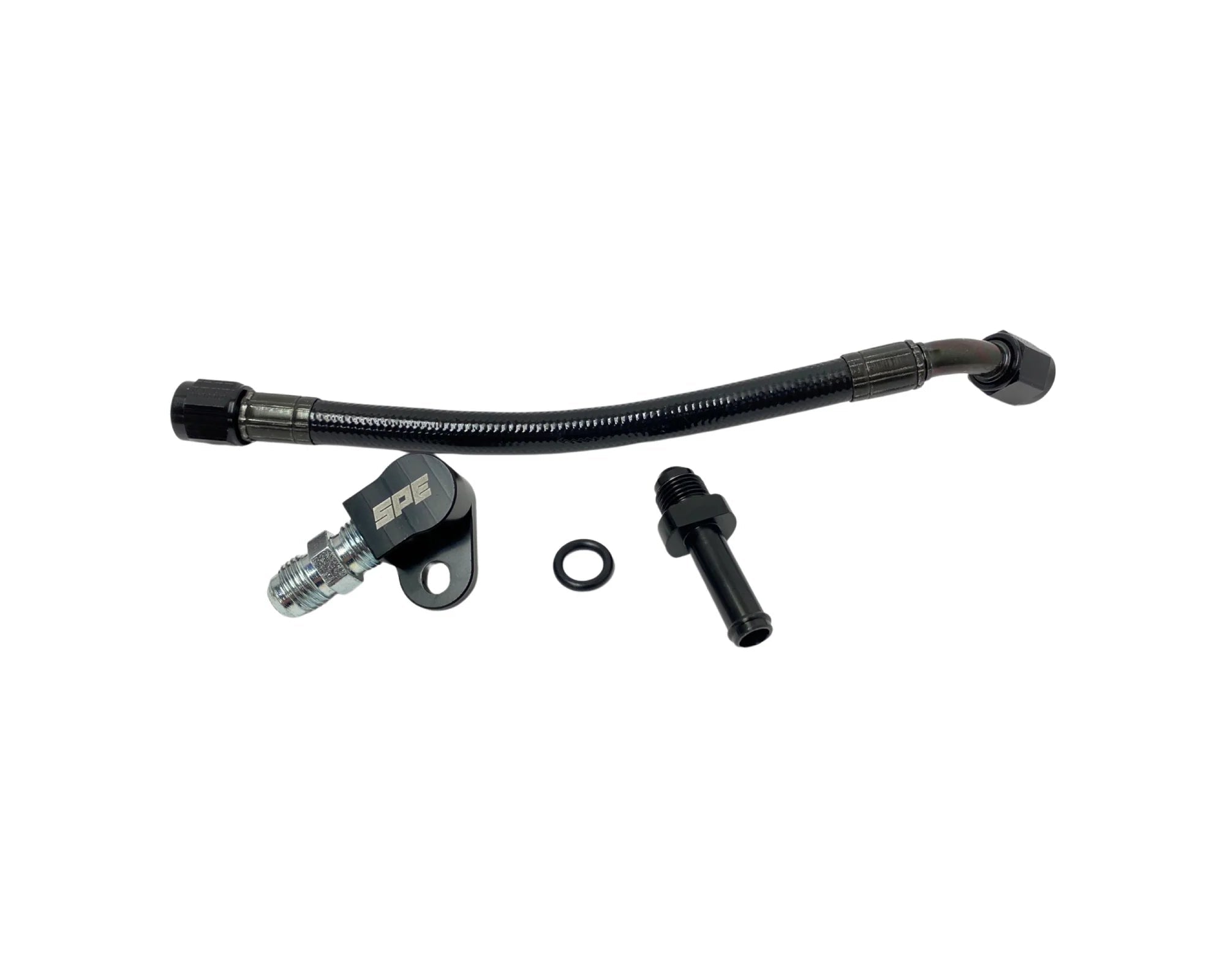
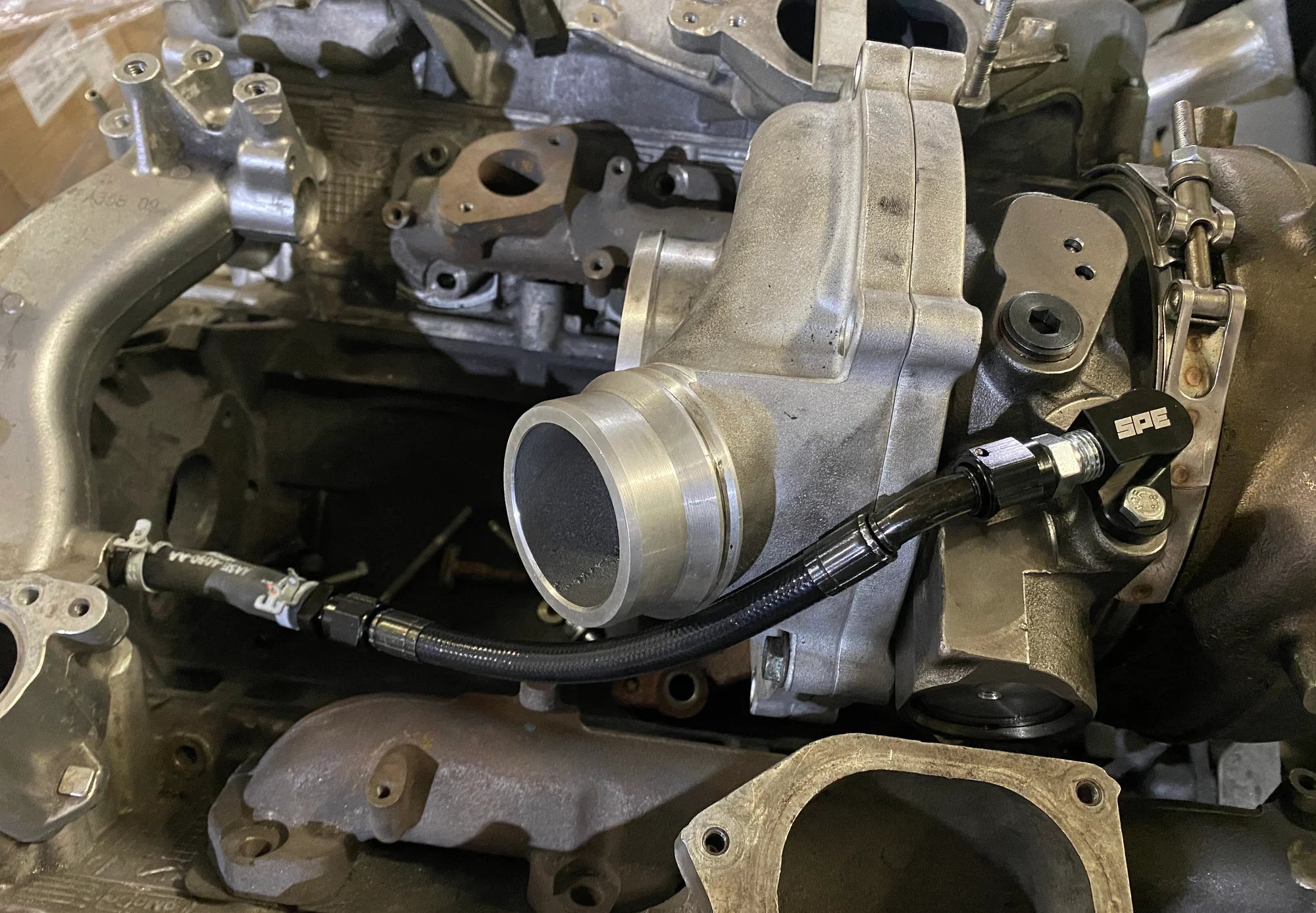
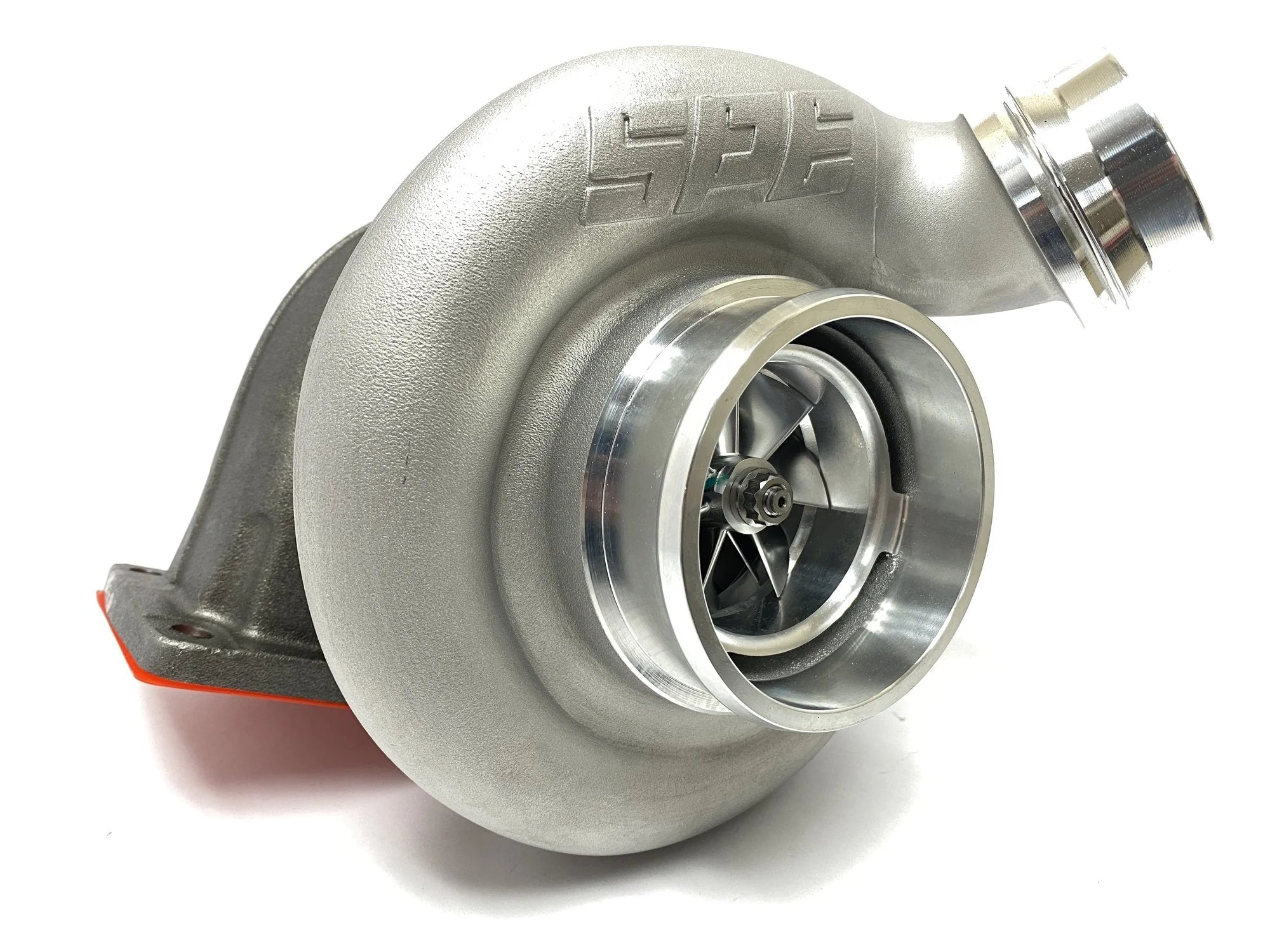
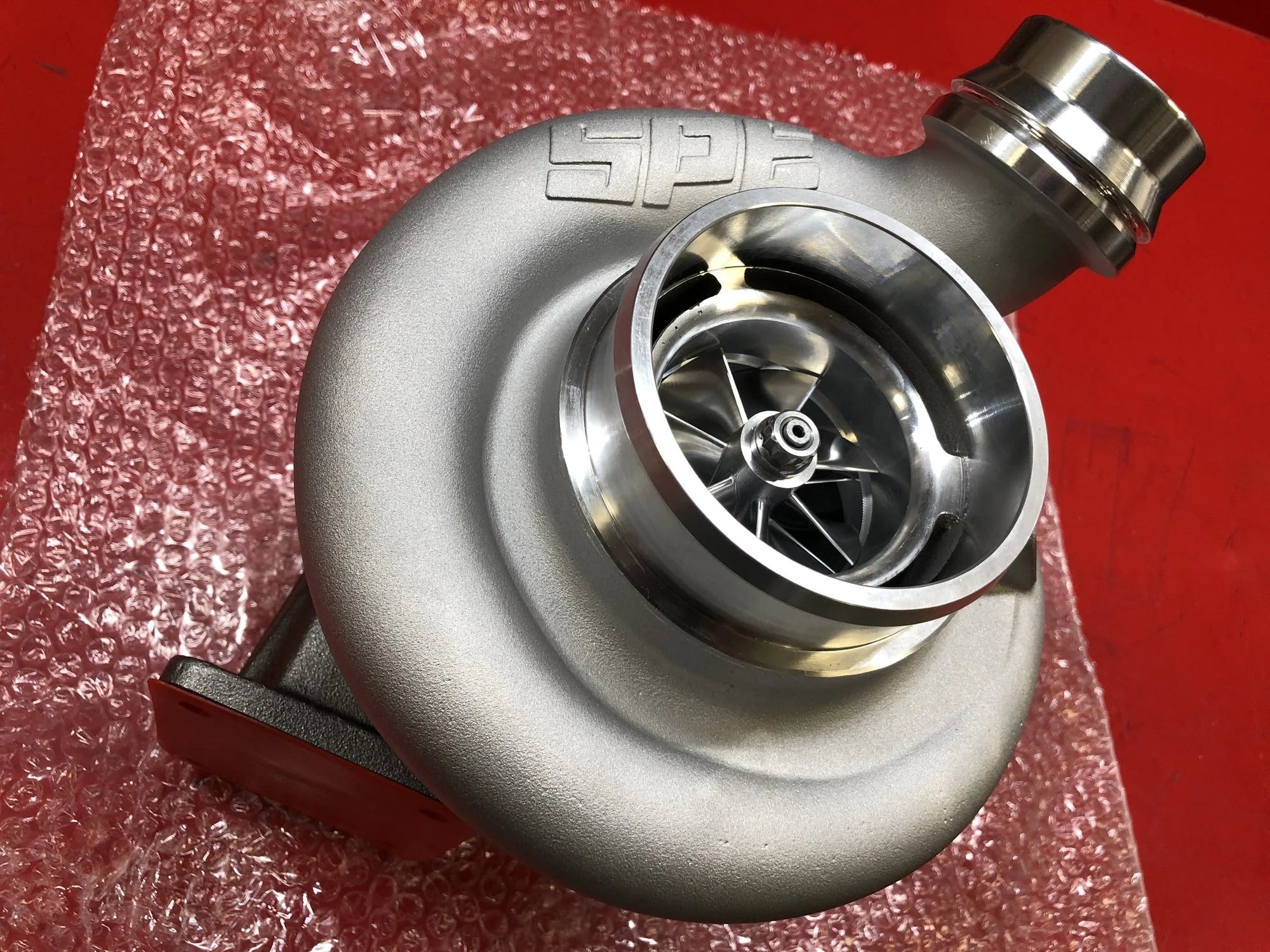
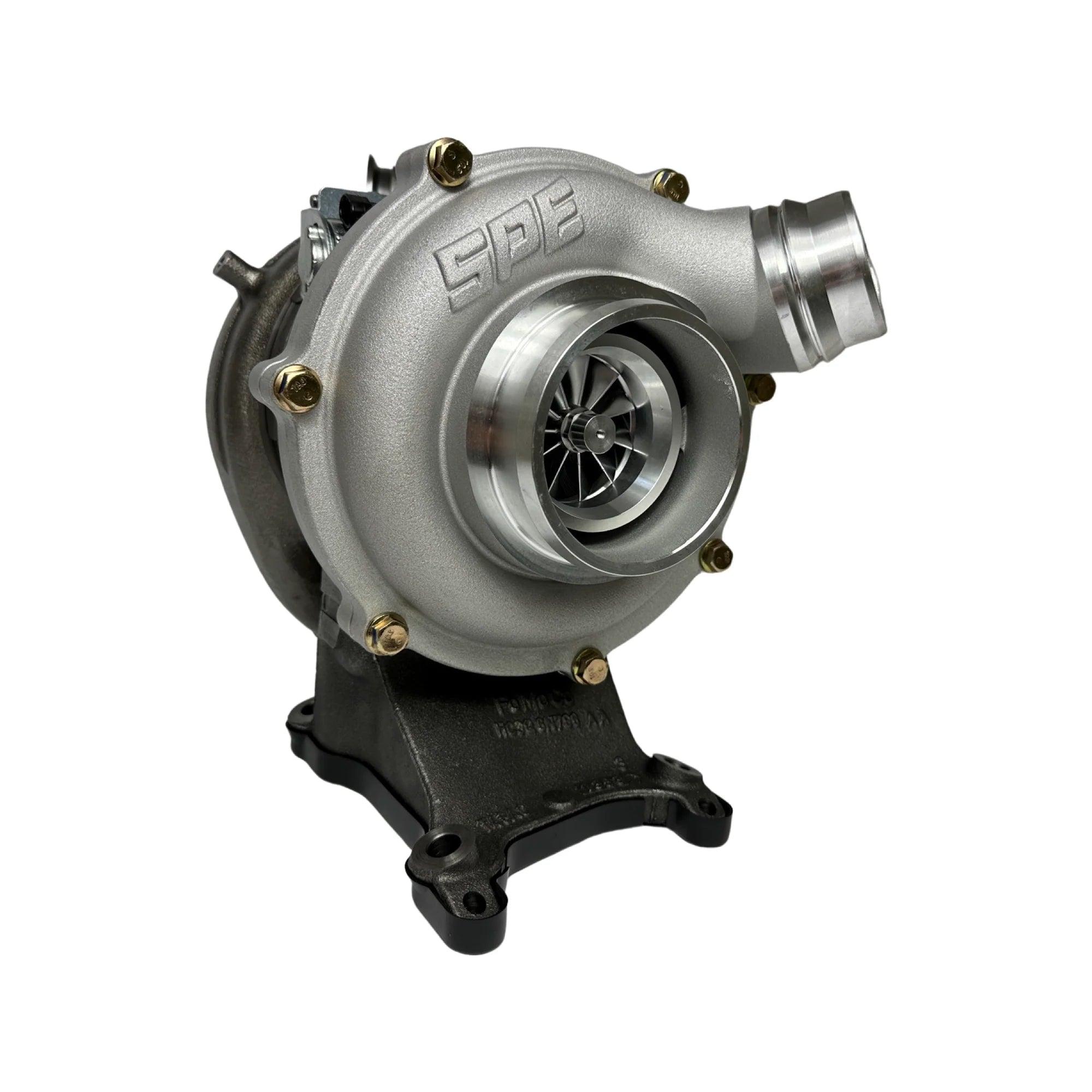
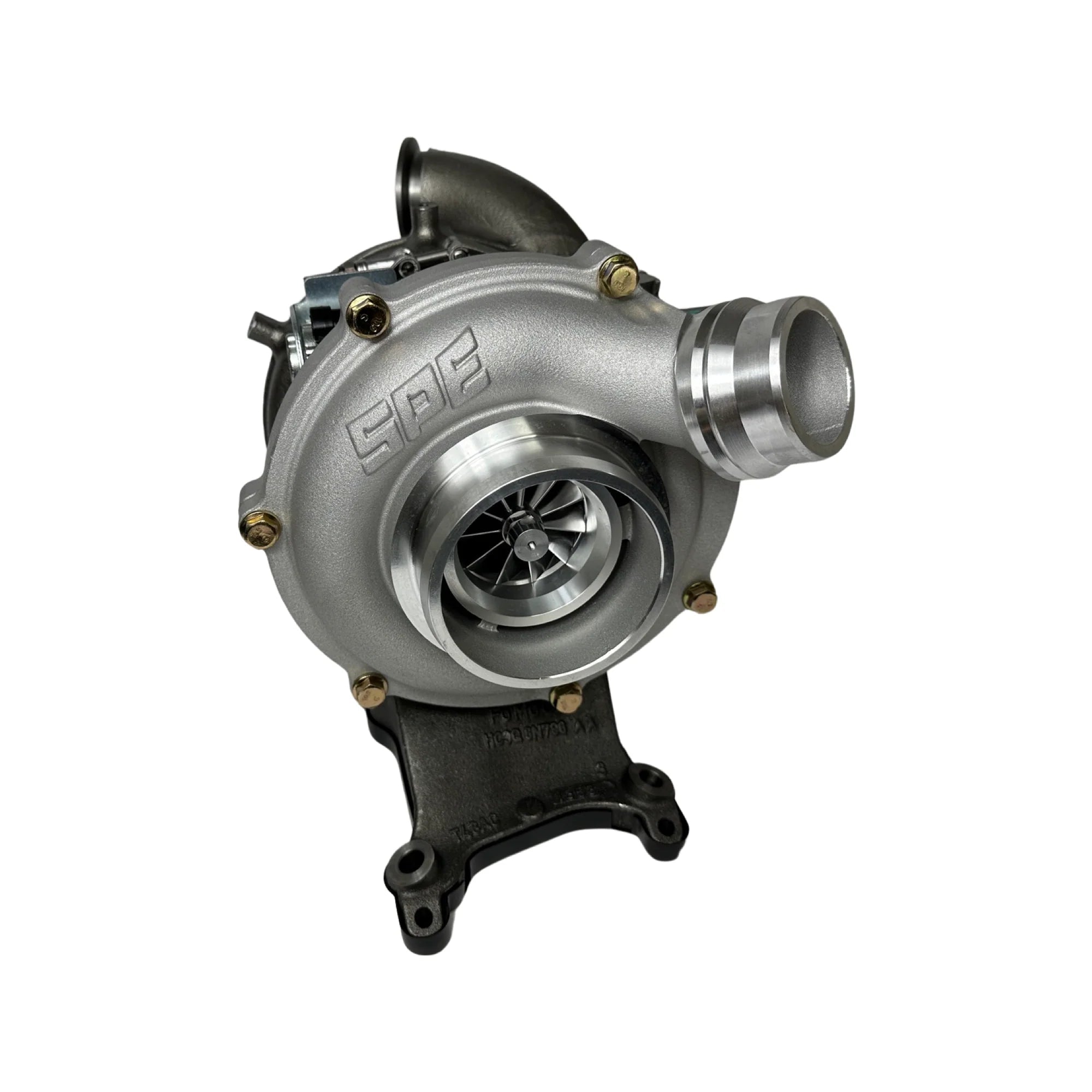
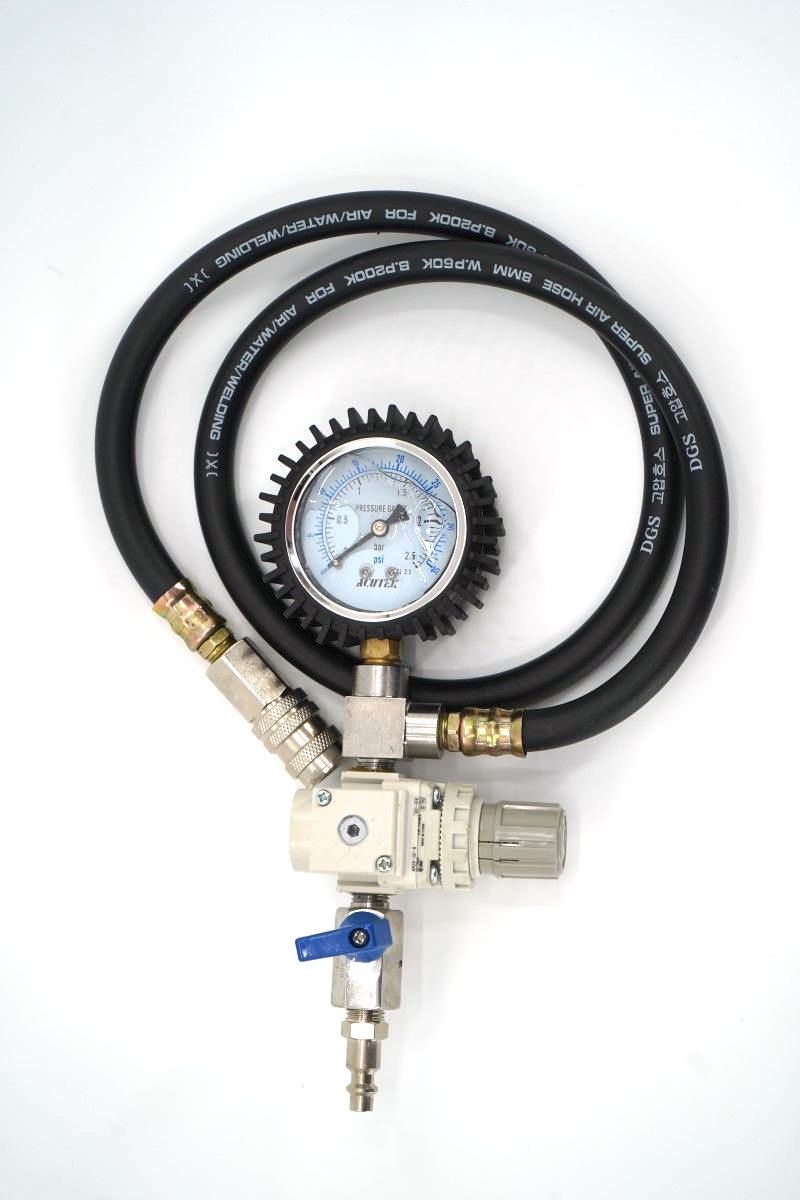
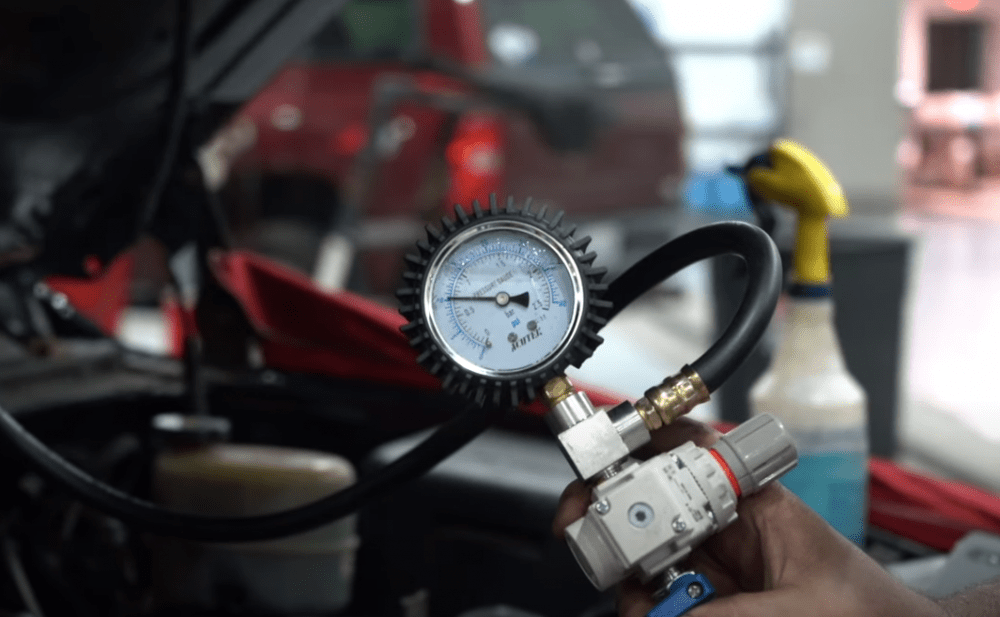
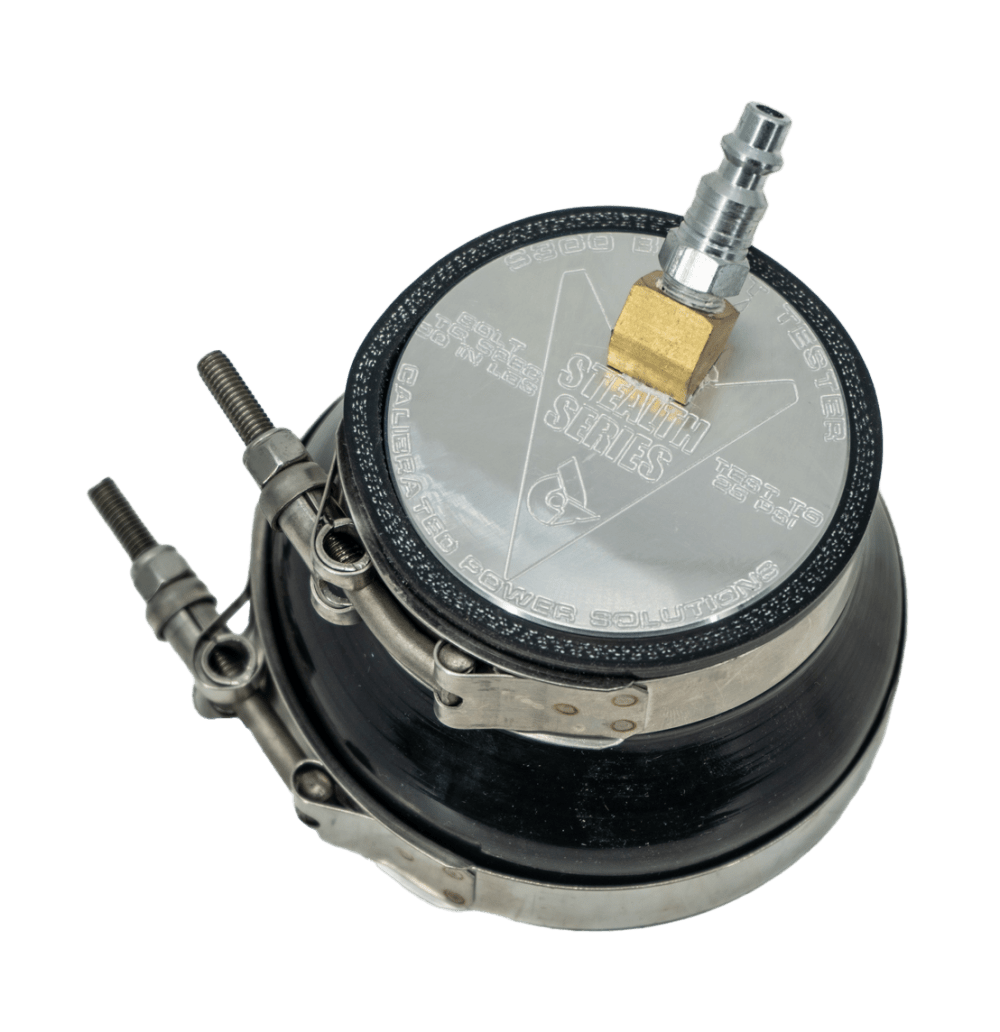
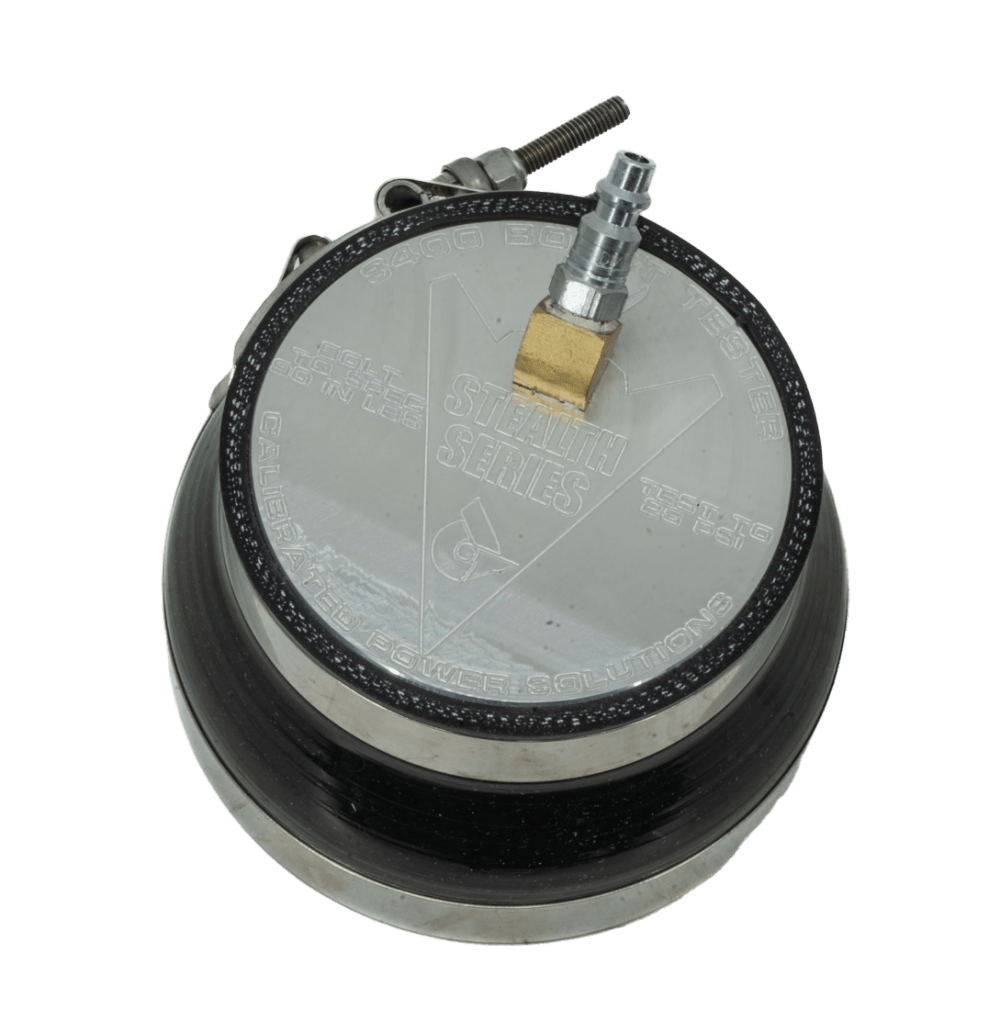
SPE Motorsport supplies the Strike VGT Stage-1 and Stage-2 turbos, the S300 Emperor and S300 Emperor Quick Spool, the Emperor Turbo System, the Death Stalker compound kit, the Ultimate Turbo System Bundle, a 360XD turbo rebuild kit and a 2017-2019 turbo coolant feed line. Fleece Performance Engineering adds the Cheetah turbo listed for 2015-2019, and No Limit Fabrication the 67CTK compound kit built for 2017-2019. For service work, Mahle covers turbo mounting and flange gaskets, and Alliant Power has the AP0221 turbocharger installation kit with clamps. Turbo blankets come from PPE, Mishimoto and ATS Diesel Performance, along with a PPE T4 oil drain fitting. BD Diesel supplies V-band and hose clamps plus the Cool Down Timer 2, Turbosmart has constant tension clamps, and Calibrated Power Solutions offers the Stealth Boost Tester HD regulator with inlet adapters.
Fitment notes
Turbo pedestals and oil feed lines differ between 2015-2016, 2017-2019 and 2020-up trucks, so any turbo you buy has to be built for the 2017-2019 pedestal. Pickups and chassis cabs use different turbos. Several titles here span wide ranges like 2011-2019 or 2011-2025; read the product page for the 2017-2019 details. One SPE S300 Emperor listing is for trucks already running SPE aftermarket parts. T4 and T6 blankets, gaskets and fittings match turbos with those flanges, so check your turbo before ordering. When in doubt, verify by VIN.
Frequently asked questions
Is the turbo on a 2017-2019 6.7L likely to fail like the early 6.7L turbos?
No. The bearing failures were on the 2011-2012 GT32 with ceramic bearings. The 2015-2019 GT3788V is a different unit, and bearing failure is not a pattern on these years. Its real limit is airflow once a truck makes more power.
Why is there oil in my turbo intake hose?
Usually the CCV. The separator on the driver-side valve cover vents into the compressor inlet, and when it loads up, oil mist coats the intake hose and the charge air cooler. Service the CCV every 30,000-40,000 miles before you suspect turbo seals.
Will a 2015-2016 turbo bolt on to my 2017?
Not as-is. It is the same GT3788V model, but Ford revised the oil supply line and pedestal for 2017. Order turbos and feed lines listed for the 2017-2019 pedestal.
Does a chassis cab F-450 or F-550 use the same turbo as a pickup?
No. 2017-2019 chassis cabs use a ball-bearing Garrett GT3582V, while pickups use the GT3788V. Tell us which truck you have before ordering a turbo or turbo-specific parts.
How much power will the stock turbo support?
Around 540 rear-wheel horsepower is where the stock GT37 becomes the airflow ceiling on tuned trucks, with drive pressure and exhaust temperatures climbing past it. A stock pickup is well below that: Ford rated it at 440 hp for 2017 and 450 hp for 2018-2019.
Not sure what fits? Call the shop at the number in the header, or use the fitment checker on any product page. We install everything we sell.