
Shop Engine by Category


Filters
113 products



Not sure it fits your truck?
Our Wildwood, FL techs will confirm the right part for your build before you buy.
Call or Text (352) 722-5295Engine parts on the 2015-2016 Ford 6.7L Powerstroke
Ford designs and builds the 6.7L Powerstroke in-house. It is a 90-degree V8 with a compacted graphite iron block and aluminum reverse-flow heads, which put the exhaust ports in the valley with the turbo sitting between the heads. Bore is 3.897 in, stroke is 4.251 in, displacement is 405.6 cubic inches and compression is 16.2:1. The valvetrain is pushrod OHV with four valves per cylinder, a gear-driven cam and hydraulic lash adjusters, so there is no valve adjustment to schedule. For 2015 Ford called it the Second-Generation 6.7L Power Stroke and rated it at 440 hp at 2,800 rpm and 860 lb-ft at 1,600 rpm. Underneath the new rating it still runs aluminum pistons, the same as every 6.7L through 2019, and the whole engine weighs about 990 lb dry. It went into F-250, F-350 and F-450 pickups in XL, XLT, Lariat, King Ranch and Platinum trim, the last of the steel-body Super Duty trucks. For the wider Ford diesel lineup, start at our Powerstroke hub.
What fails and why
The core engine has a good reputation. Ford rates its B10 life at 500,000 miles on the 330-hp commercial version, and the sources we use show no head-gasket or valvetrain failure pattern on stock-power 2015-2016 trucks. What needs your attention sits around the edges.
- Fuel dilution. During active DPF regeneration the engine post-injects fuel, and some of it ends up in the crankcase. Idling, short trips and stop-and-go work make it worse. Look for an oil level that climbs on the dipstick, oil that looks thin or a fuel smell in the oil. Oil analysis puts a number on it: up to 5% fuel between changes is considered normal, above 5% is abnormal and above 7% is severe.
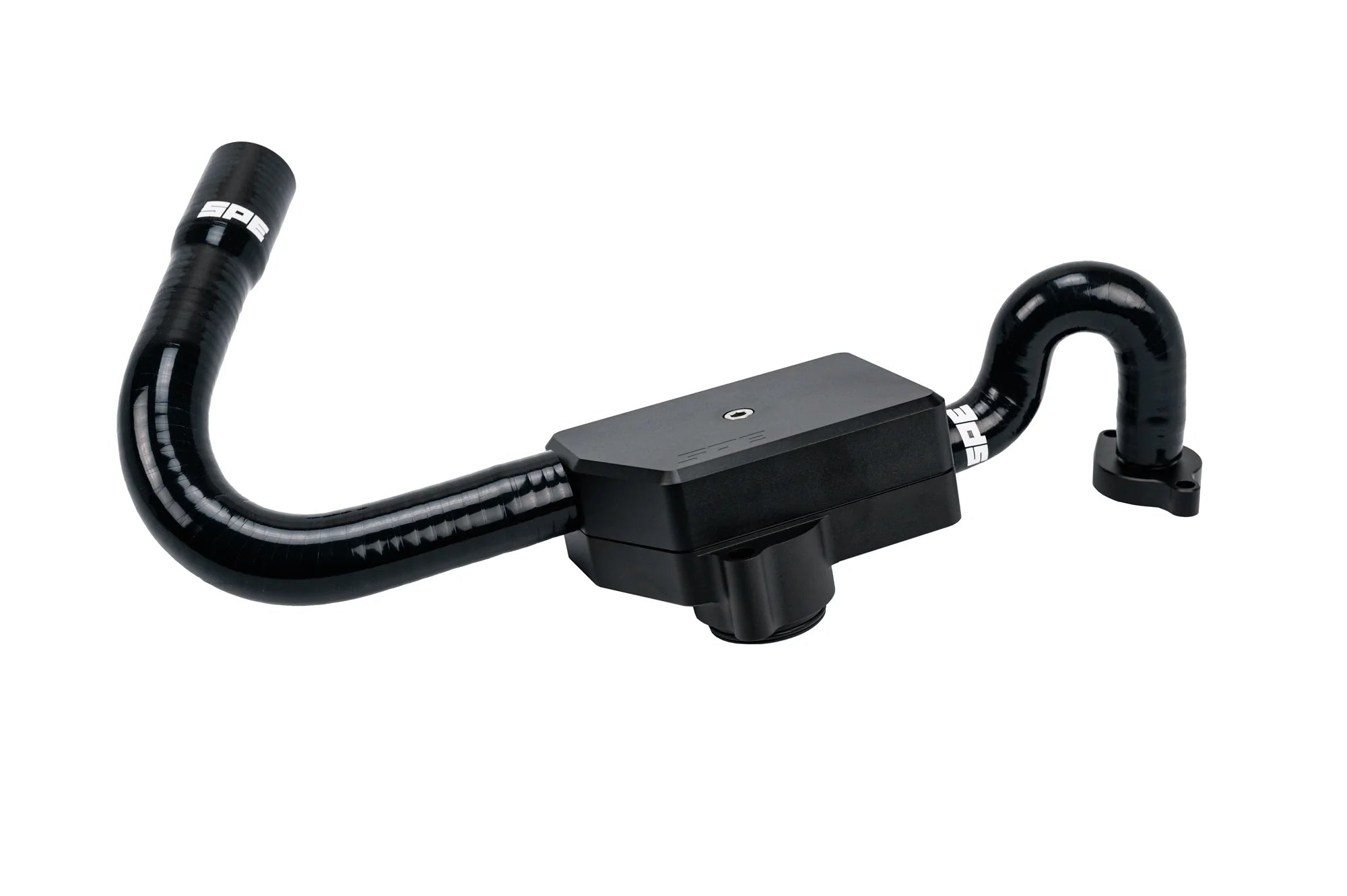
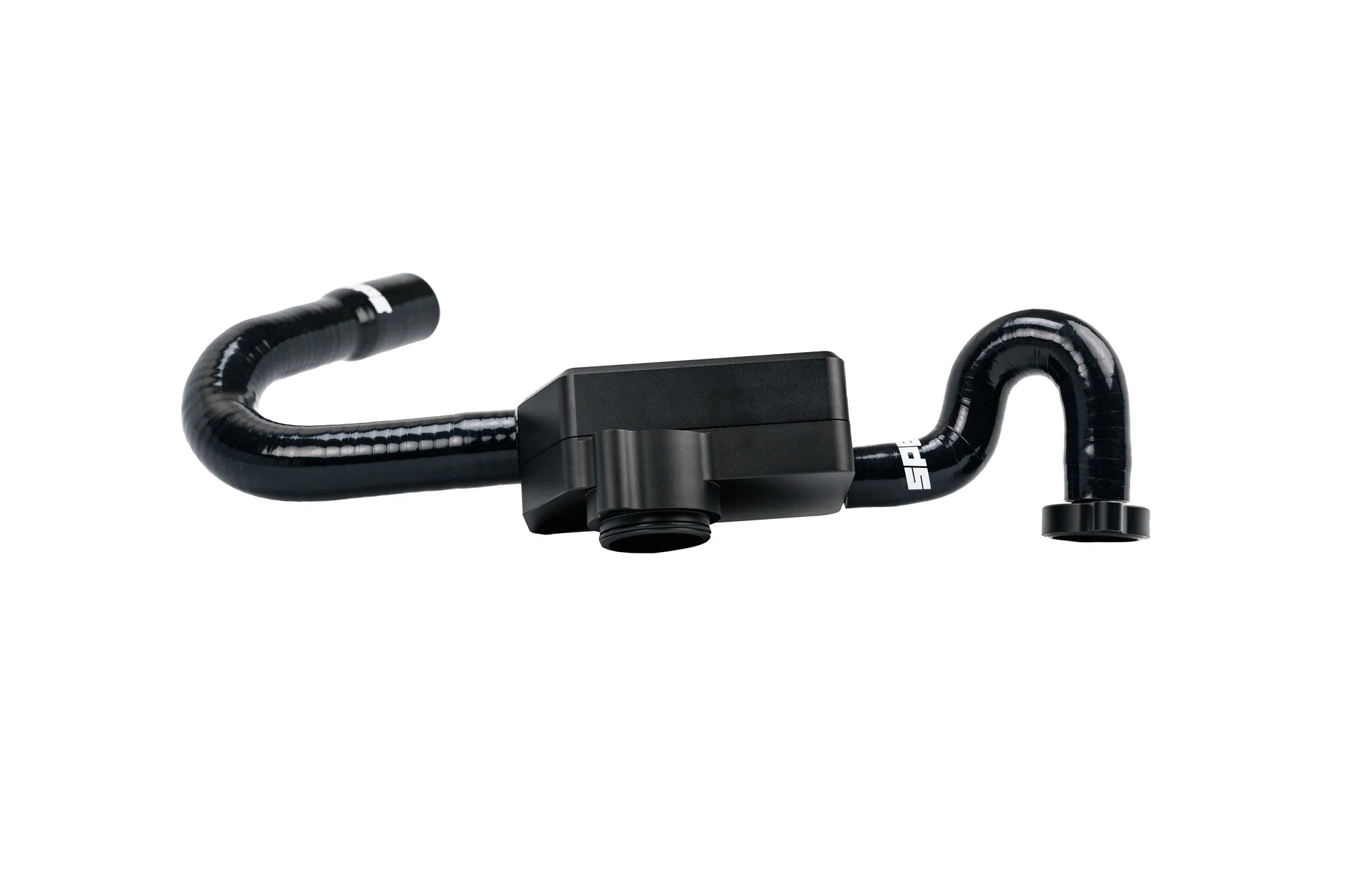
- The CCV oil separator. The sealed 2011-2016 separator on the driver-side valve cover loads up with use. Signs include oil consumption, oil in the turbo inlet, extra DPF ash loading, oil weeping from pressurized seals and a 1-2 mpg loss. Diesel Hub recommends replacing it every 30,000-40,000 miles, and symptoms commonly show up past 100,000 miles.
- Glow plugs. The broken-tip glow plug stories you may read about belong to early 2011-2012 engines. Every 2015-2016 engine takes the later 96 mm Motorcraft ZD-18.
Stock replacement vs. upgrade
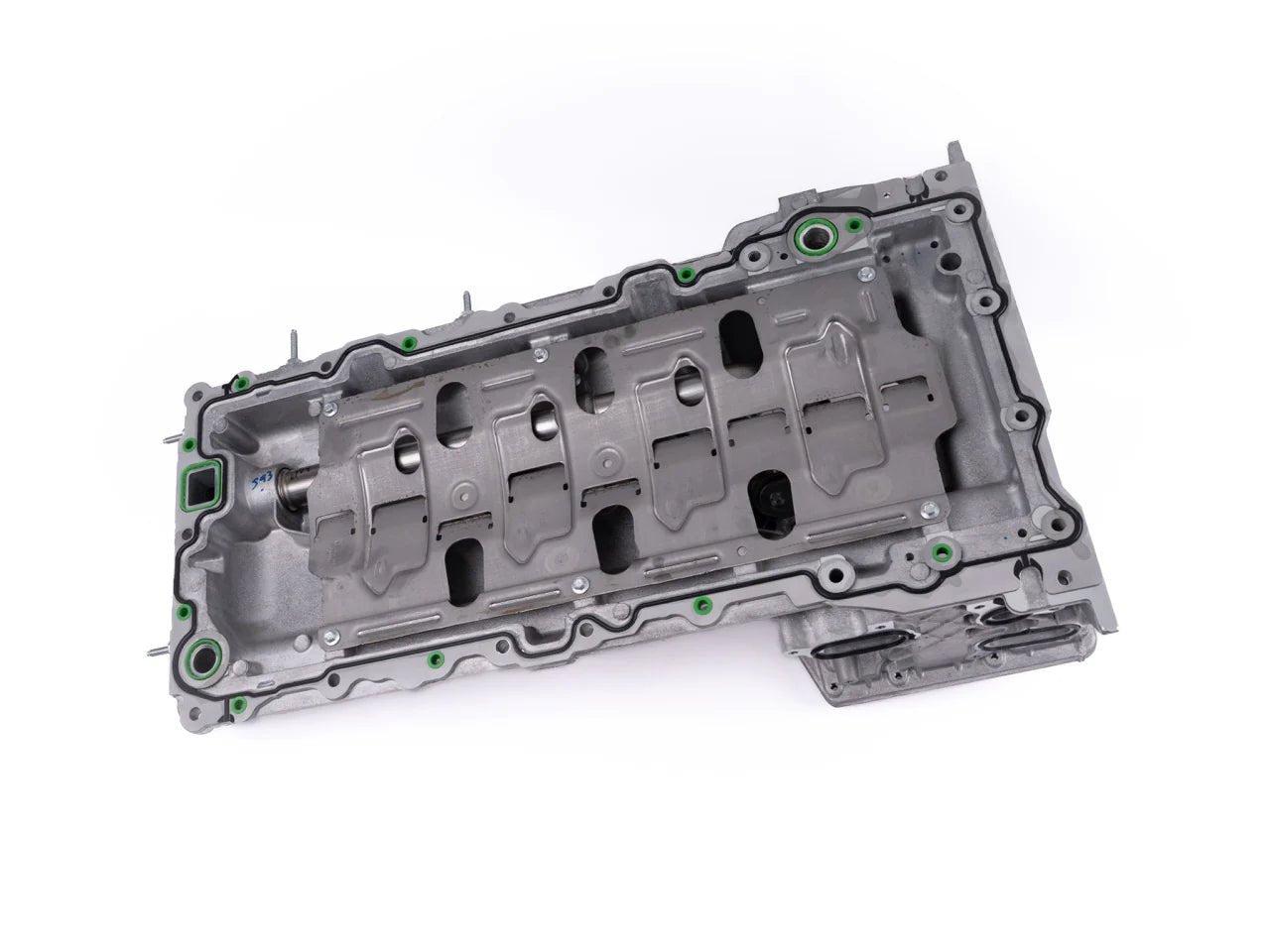
On a stock work truck, OEM-grade replacement is the right call for most of this list. Mahle gasket sets, Dorman and Dayco belt-drive parts and Alliant Power sensors put the engine back the way Ford built it. The biggest upgrade on this engine is maintenance. Ford allows oil changes up to 10,000 miles under normal use and 5,000 under severe use, but because of fuel dilution Diesel Hub recommends holding to 5,000 miles unless you run oil analysis. If you tow, run biodiesel or work the truck hard, Ford's spec calls for 5W-40. Heavy-duty aluminum oil pans, head stud kits and performance pushrods are build-level parts. They earn their place when you are building power or the engine is already apart, not as a fix for a healthy stock engine.
What we carry
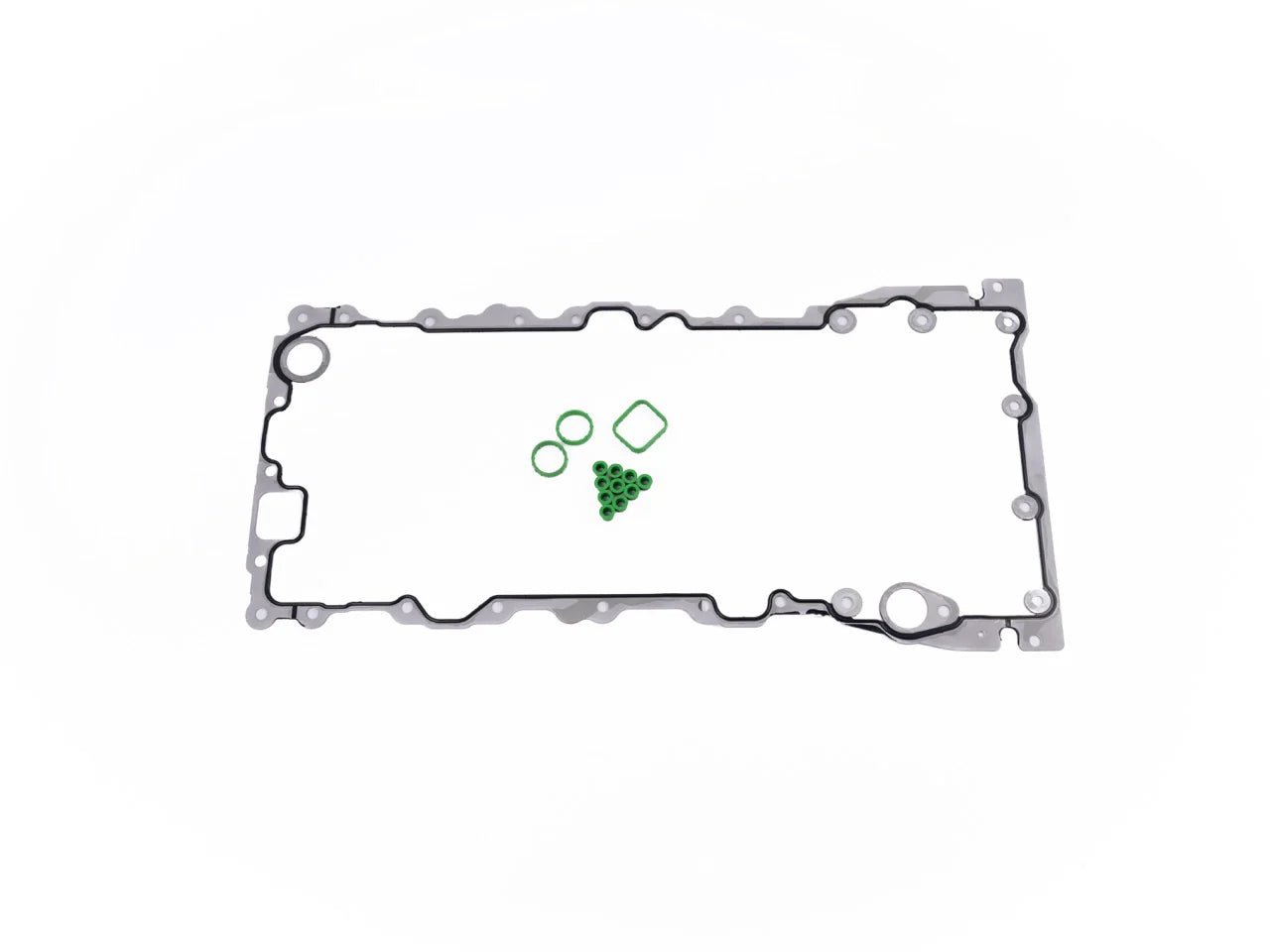
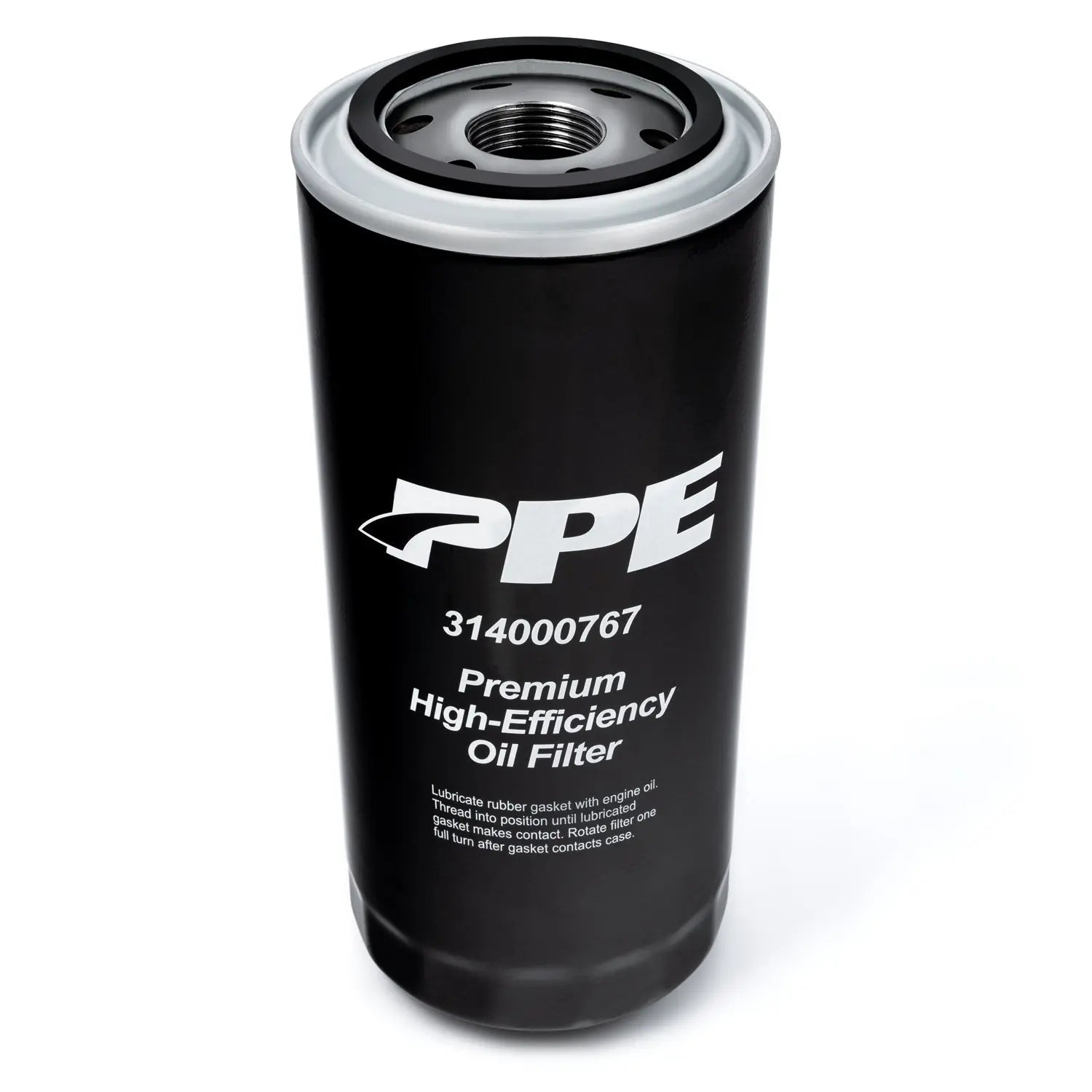
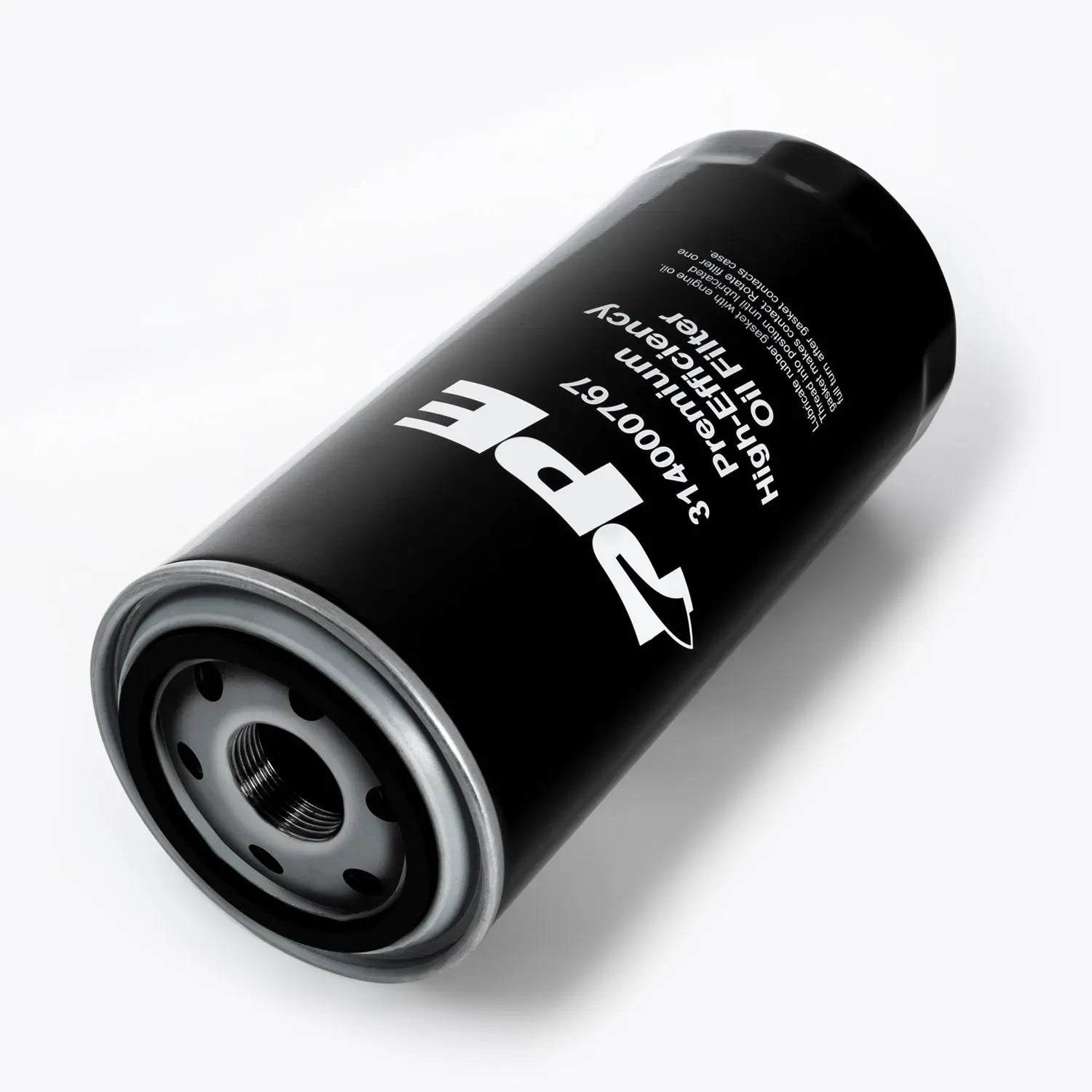
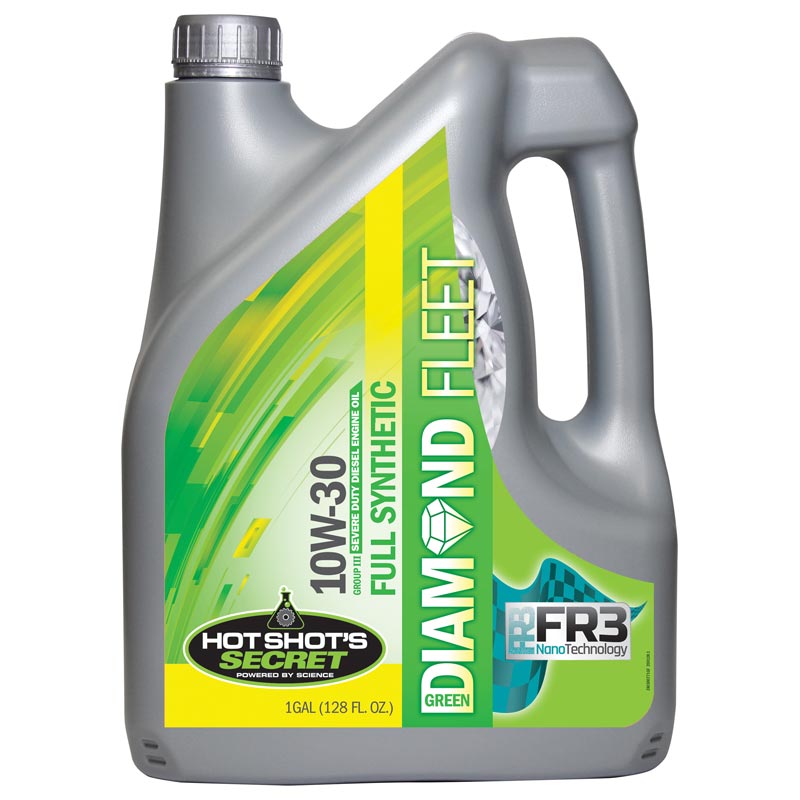
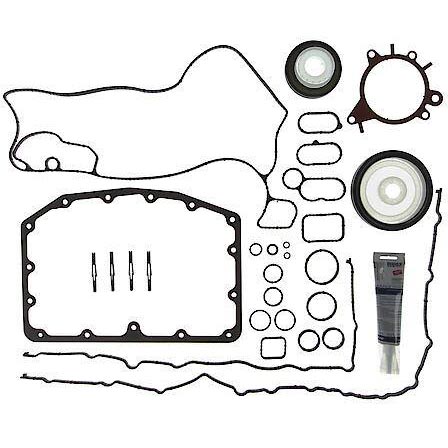
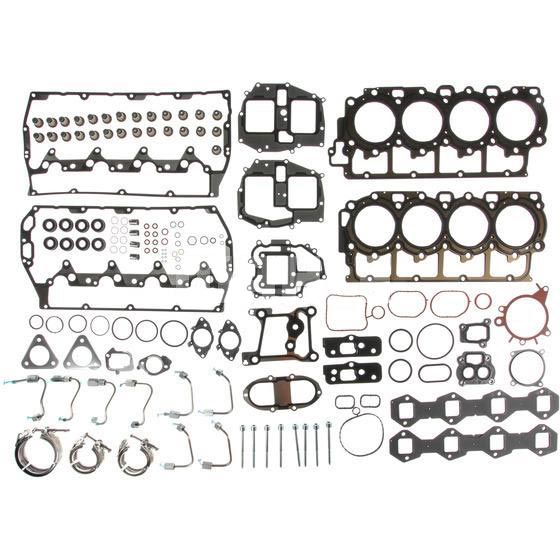
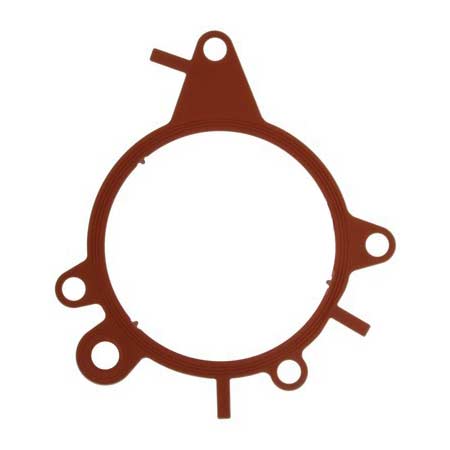
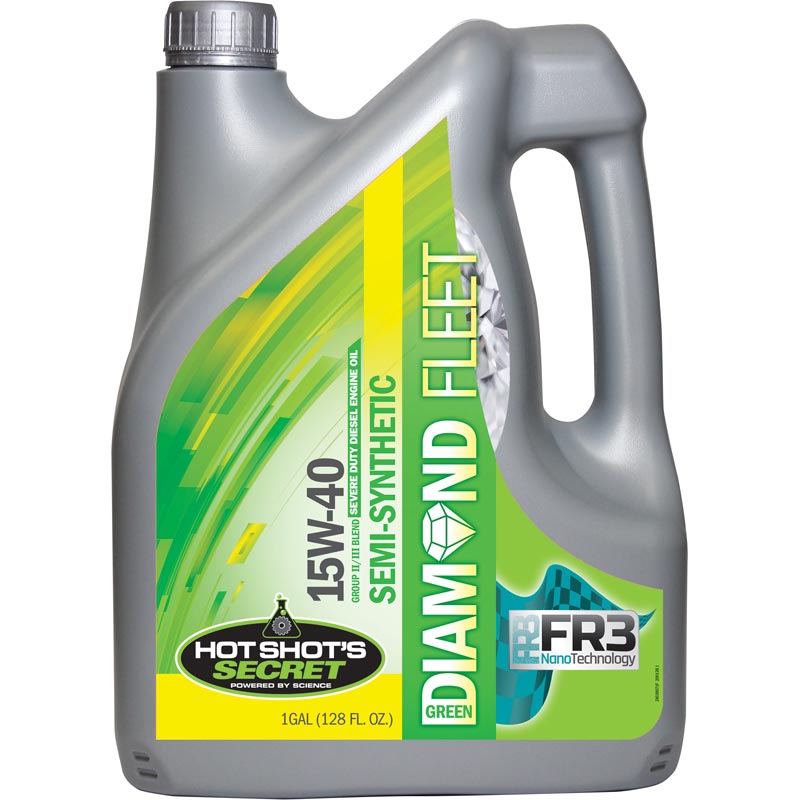
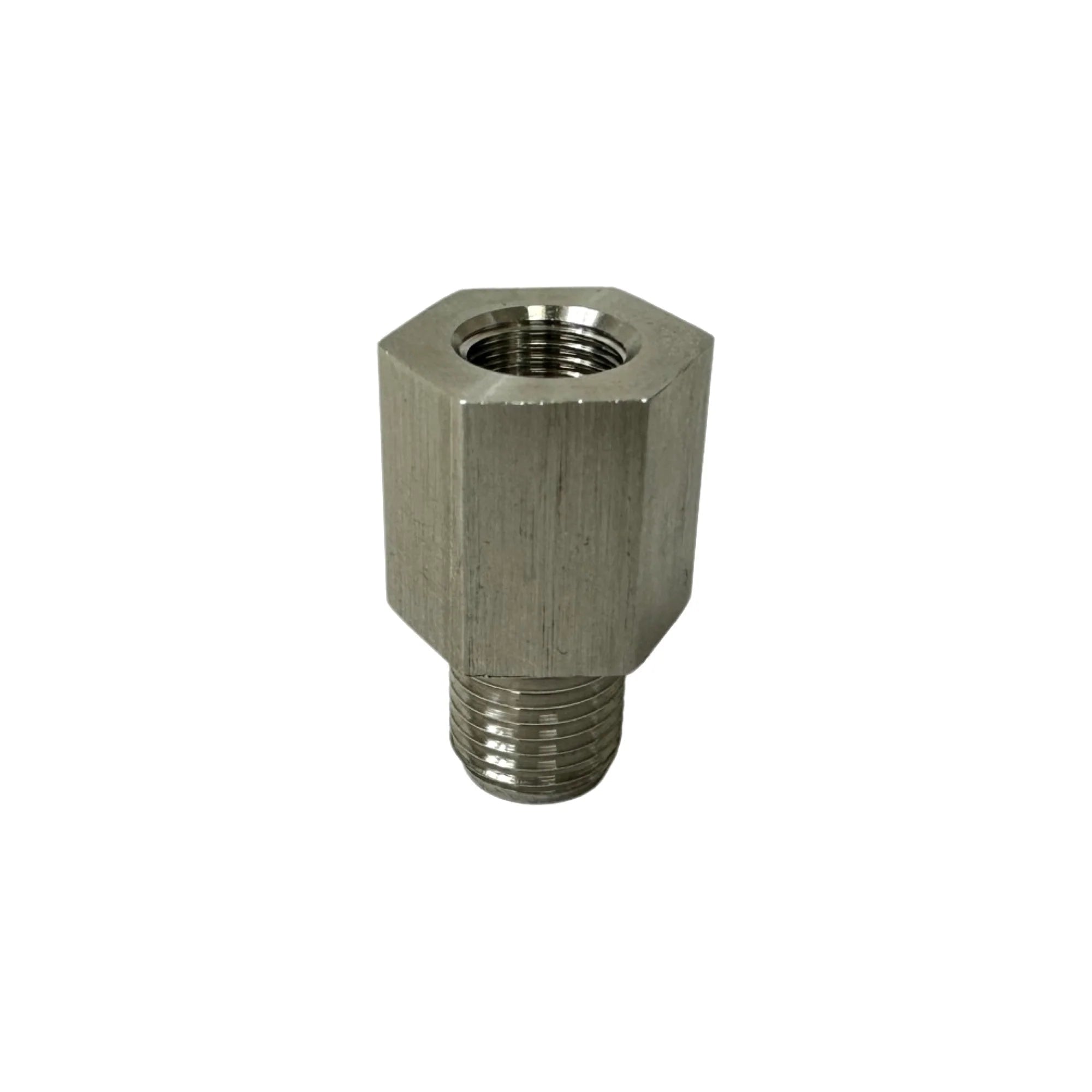
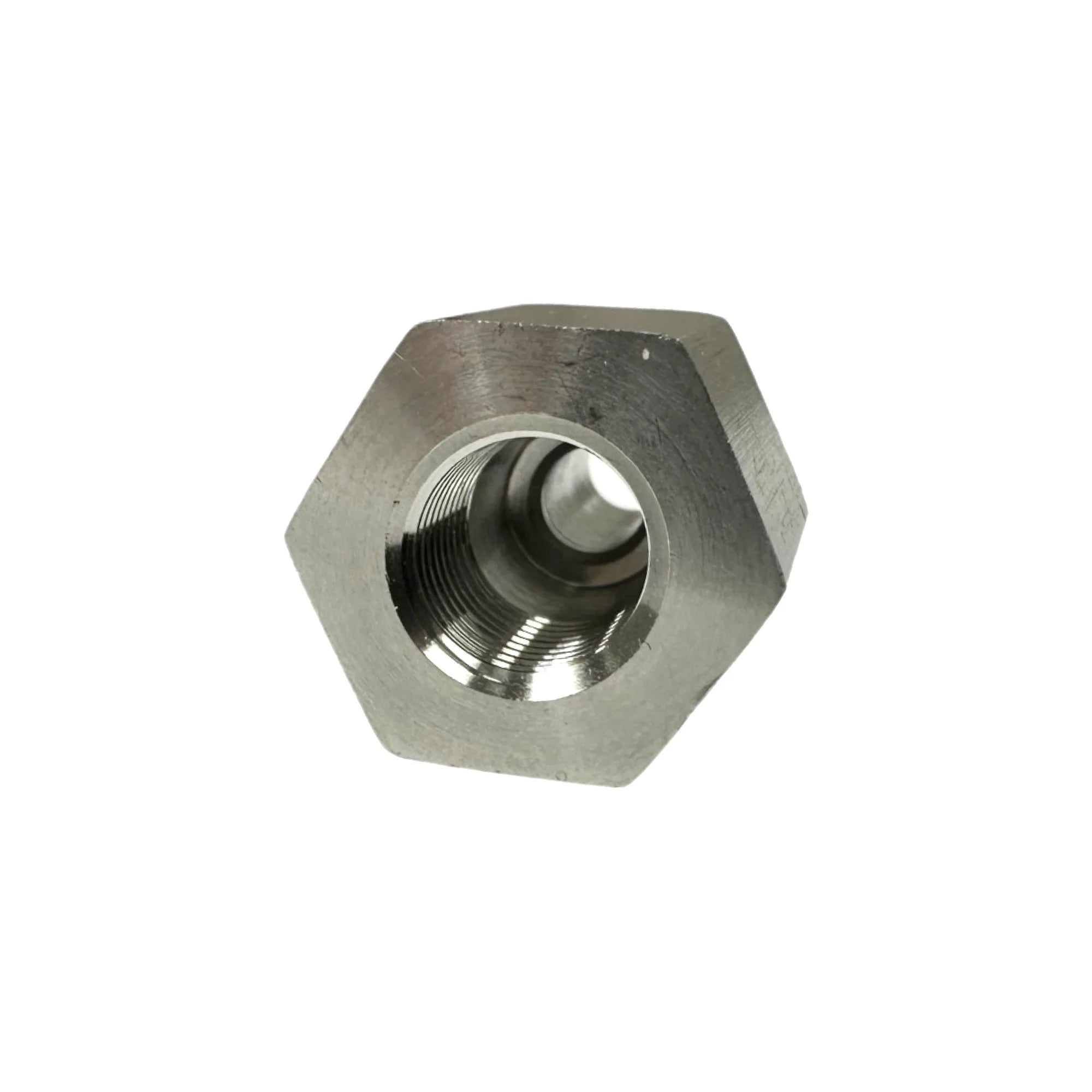
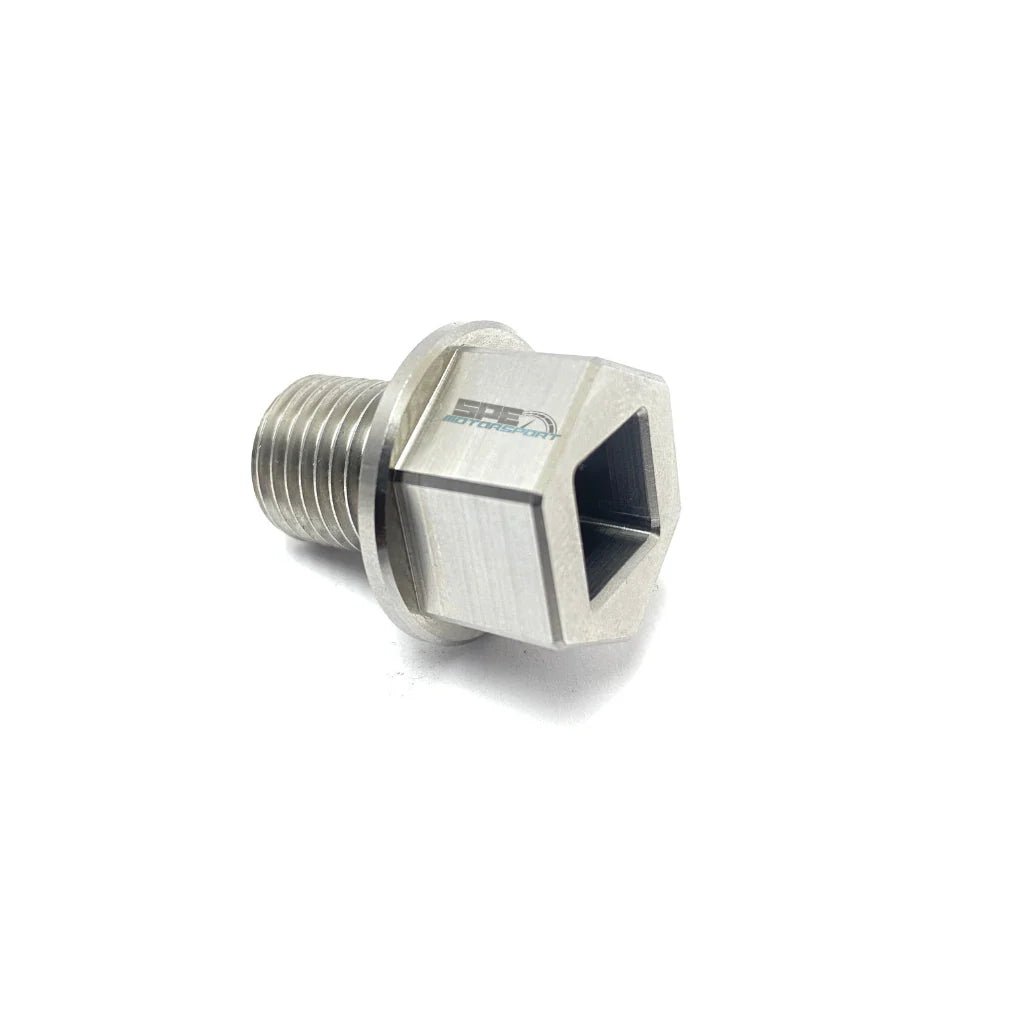
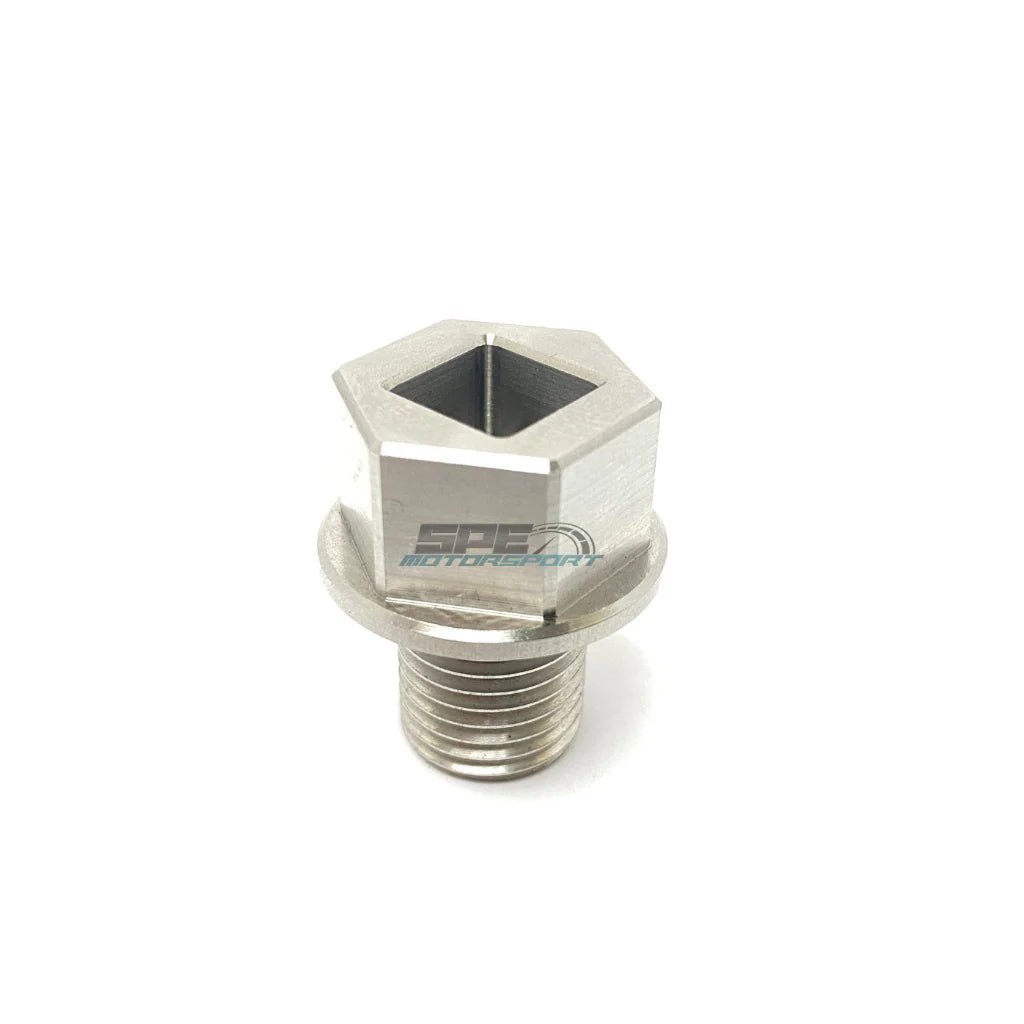
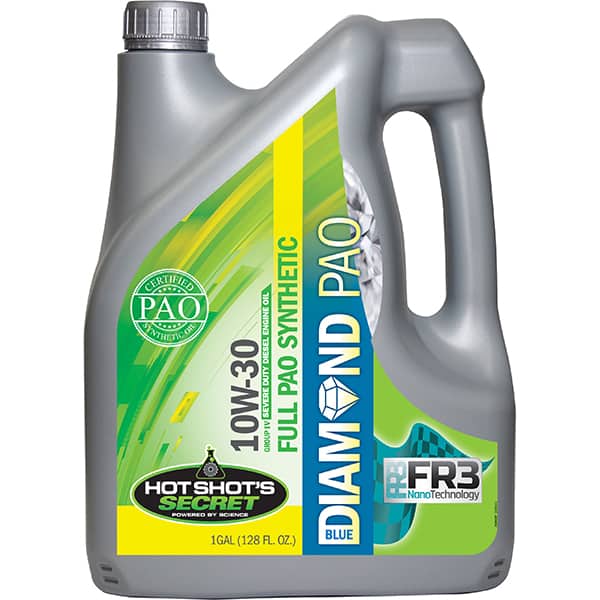
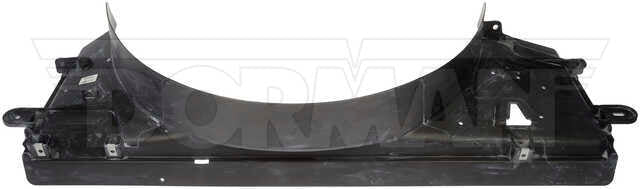
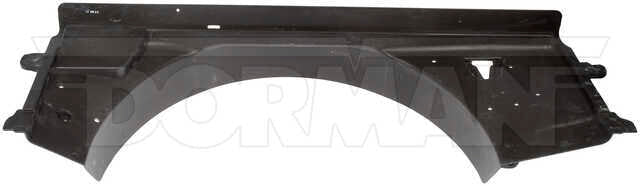
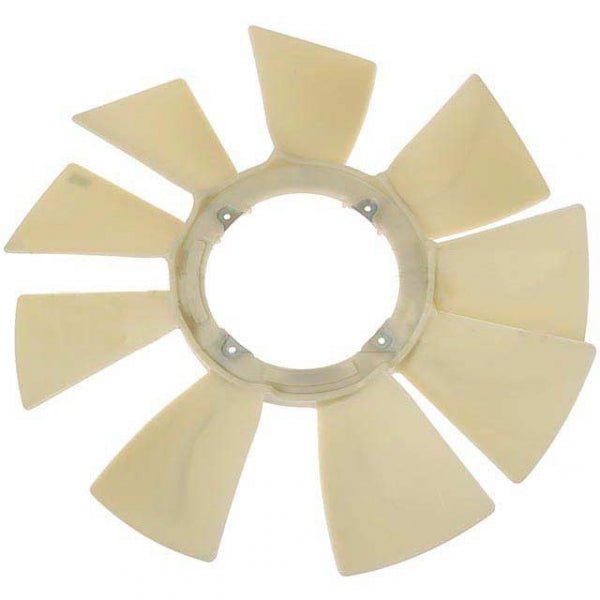
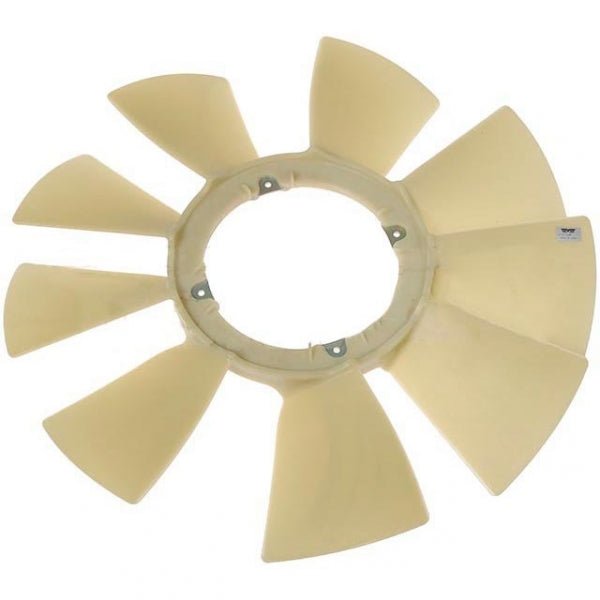
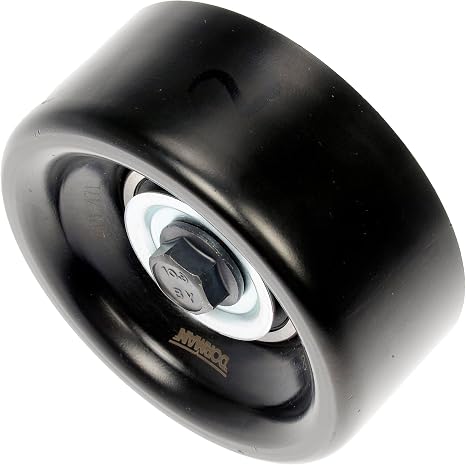
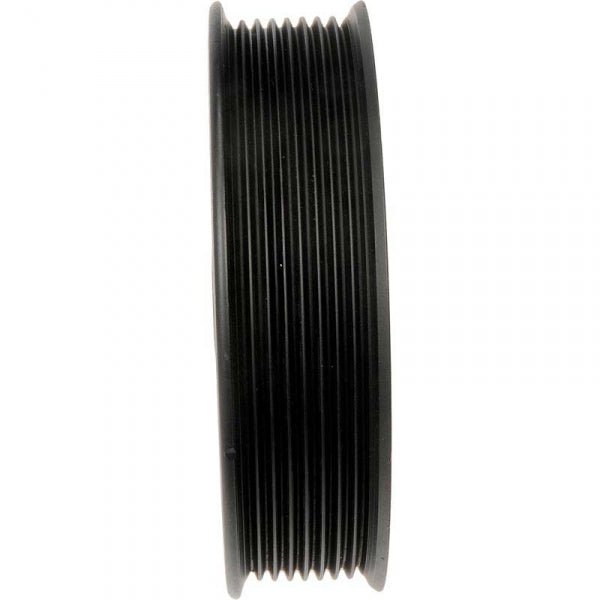
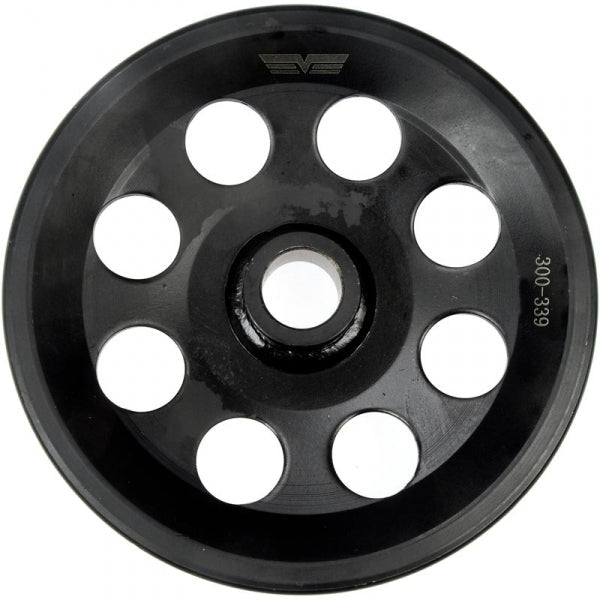
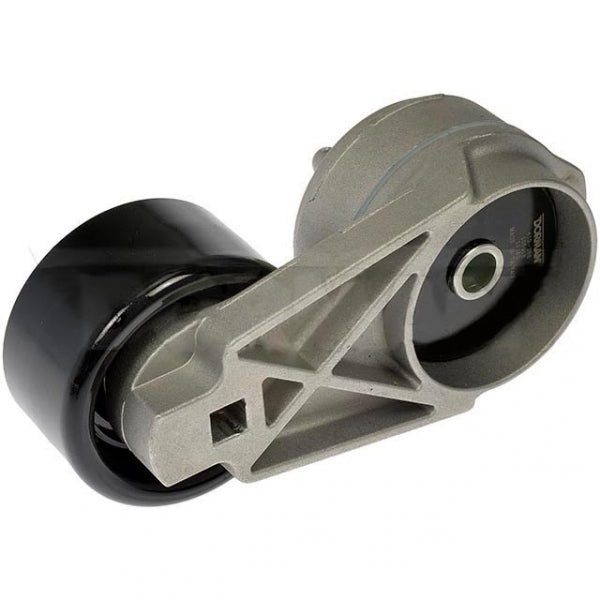
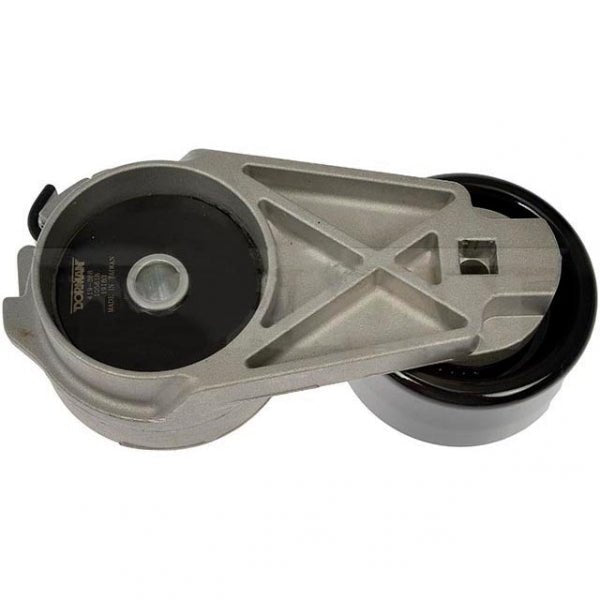
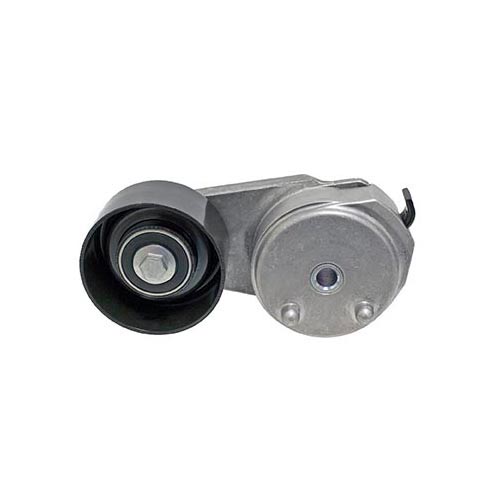
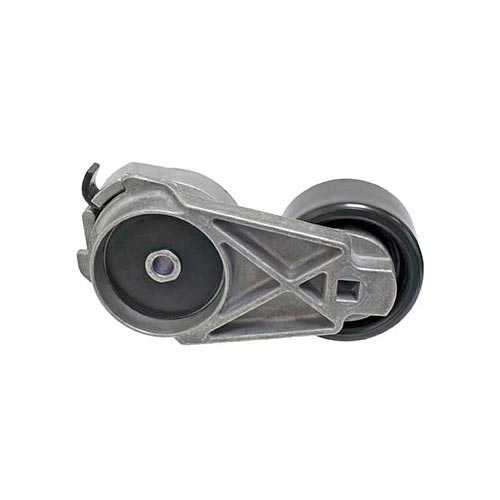
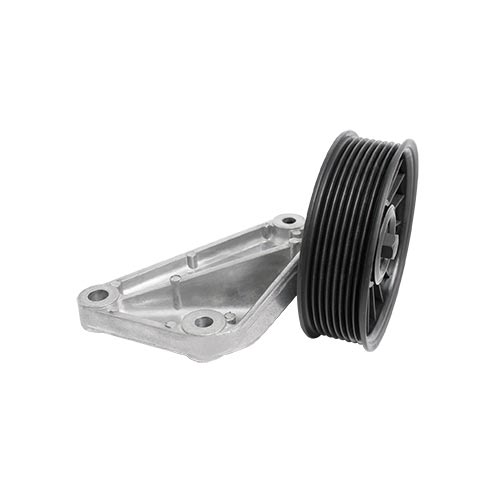
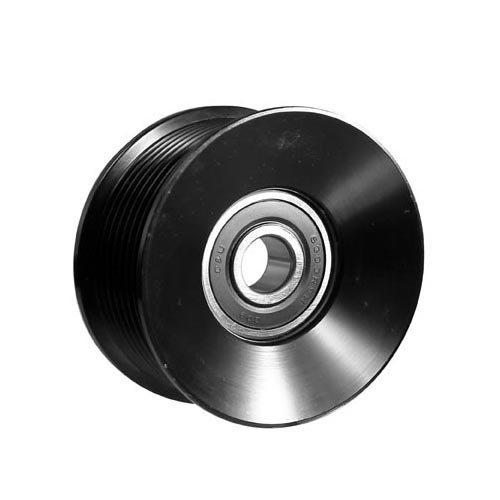
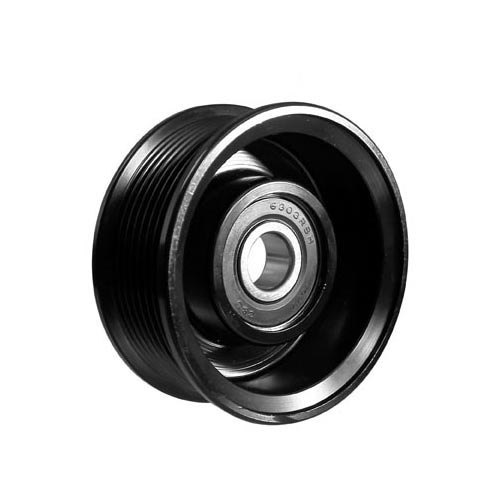
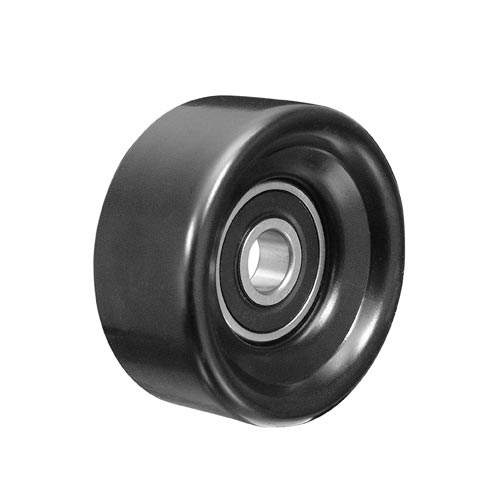
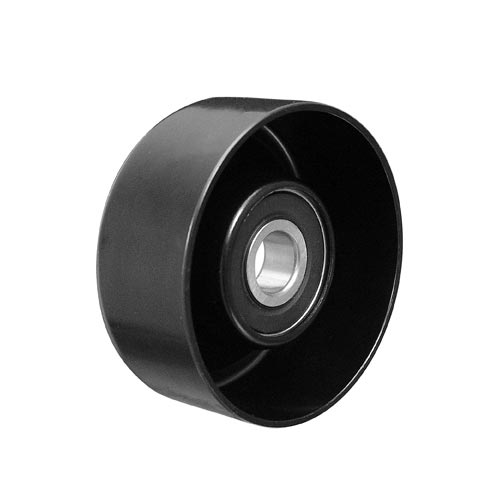
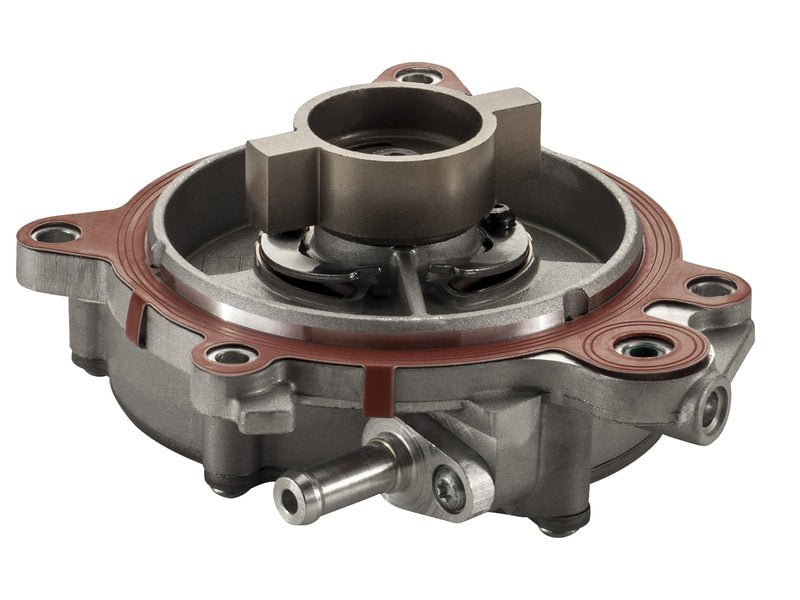
Mahle covers the gasket work: head sets and head gaskets, lower engine gasket sets, oil pan and valve cover gaskets, the vacuum pump gasket and piston ring sets for rebuilds. SPE Motorsport adds billet stainless oil drain plugs, oil pan gaskets, EGT sensor adapters and engine hardware. Engine oil comes from Hot Shot's Secret and Lucas Oil in 10W-30, 5W-40 and 15W-40 grades, along with oil stabilizers and additives. Dorman and Dayco handle serpentine belts, tensioners, idler pulleys, fan parts, valve cover gaskets and a replacement lower oil pan. Alliant Power supplies crank and cam position sensors, the oil pressure sensor, the glow plug control unit, a belt tensioner and the vacuum pump. PPE brings a head stud kit, a heavy-duty cast aluminum oil pan, a billet fill cap and the MicroPure XR oil filter. XDP has street performance pushrods, a stock-replacement harmonic balancer, an oil pan bolt kit and an oil additive. You will also find Mishimoto oil coolers and a magnetic drain plug, a Mag-Hytec oil pan and oil-system parts from No Limit Fabrication.
Fitment notes
Much of the 6.7L hardware spans 2011-2019, but read the year range in every title. Several Mahle sets, including the HS54886A head set and the CS54886A lower engine gasket set, are listed 2015-2019 only, while the Alliant Power oil pressure sensor and vacuum pump stop at 2016. The 2017 redesign changed part numbers for the CCV separator (DC3Z-6A785-C on 2011-2016, FC3Z-6A785-F on 2017-2019) and the EGR valve (Motorcraft CX-2638 on 2011-2016, CX-2649 from 2017), so do not cross them. Single- and dual-alternator trucks take different serpentine belts, Motorcraft JK-81353 and JK-81413. The 2011-2016 chassis cab 6.7L is rated 300 hp and 660 lb-ft with a different turbo, so its turbo and calibration parts do not interchange with the 440-hp pickup. Factory 2020 and newer engines moved to steel pistons, so their short blocks and pistons are a different part. When in doubt, verify by VIN before you order.
Frequently asked questions
How often should I change the oil on a 2015-2016 6.7L Powerstroke?
Ford allows up to 10,000 miles under normal use and 5,000 miles under severe use. Because active regeneration thins the oil with fuel, Diesel Hub recommends staying at 5,000 miles unless you are running oil analysis. The engine holds 13.0 quarts with the filter, so three gallons leaves you a quart short.
What oil does Ford call for in this engine?
For 2012-2016 Ford specifies WSS-M2C171-E, which it treats as API CJ-4. Use 10W-30 above 0°F for normal driving, 5W-40 above -20°F for towing, severe duty or biodiesel, and 15W-40 above 20°F. Most of the diesel oils in this collection carry a CK-4 label, so read the jug and match it to what your owner's manual calls for.
My dipstick reads higher than it did after the last change. What is going on?
That points to fuel dilution. Post-injection during active DPF regeneration puts fuel in the crankcase, and trucks that idle or make short trips get the most of it. An oil analysis tells you how bad it is: up to 5% fuel is considered normal and above 7% is severe. If the number keeps climbing, shorten your change interval.
Does a stock 2015-2016 6.7L need head studs?
The sources we use document no head-gasket or head-bolt failure pattern on stock-power 2015-2016 trucks, so head studs are a build-level part on this engine, not a repair. They make sense if you are adding power or the heads are already coming off for other work. If the engine is going back together stock, a head bolt set is the matching choice.
Are 2017-2019 engine parts the same as my 2016?
Not always. The 2017 Super Duty changed part numbers for the CCV oil separator, the EGR valve and many cooling parts, while a lot of internal engine hardware carries across 2011-2019. Check the year range in each product title, and call us if a listing does not match your truck.
Not sure what fits? Call the shop in Wildwood, FL at the number in the header, or use the fitment checker on any product page. We install everything we sell.