
Shop Air Intake by Category


Filters
64 products


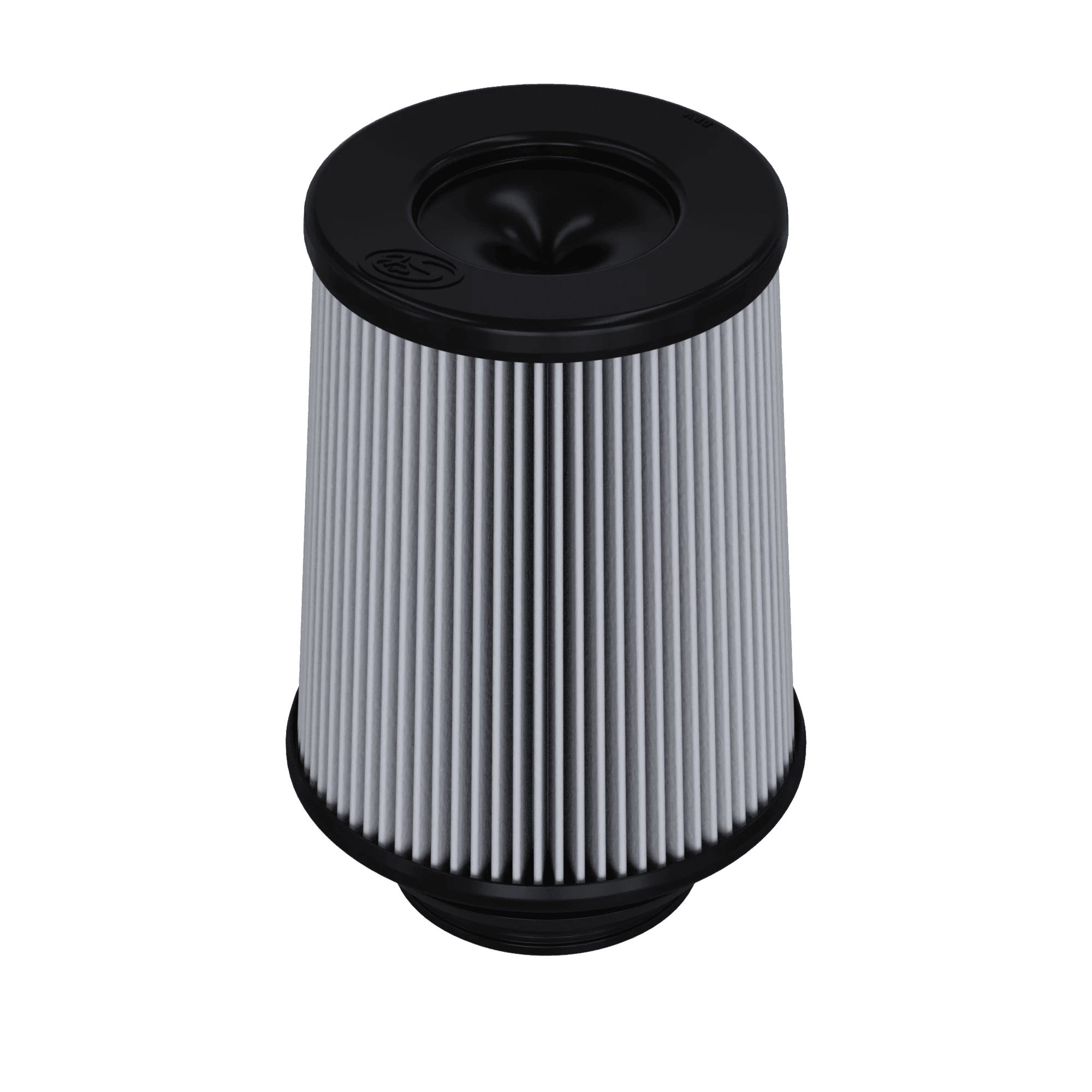
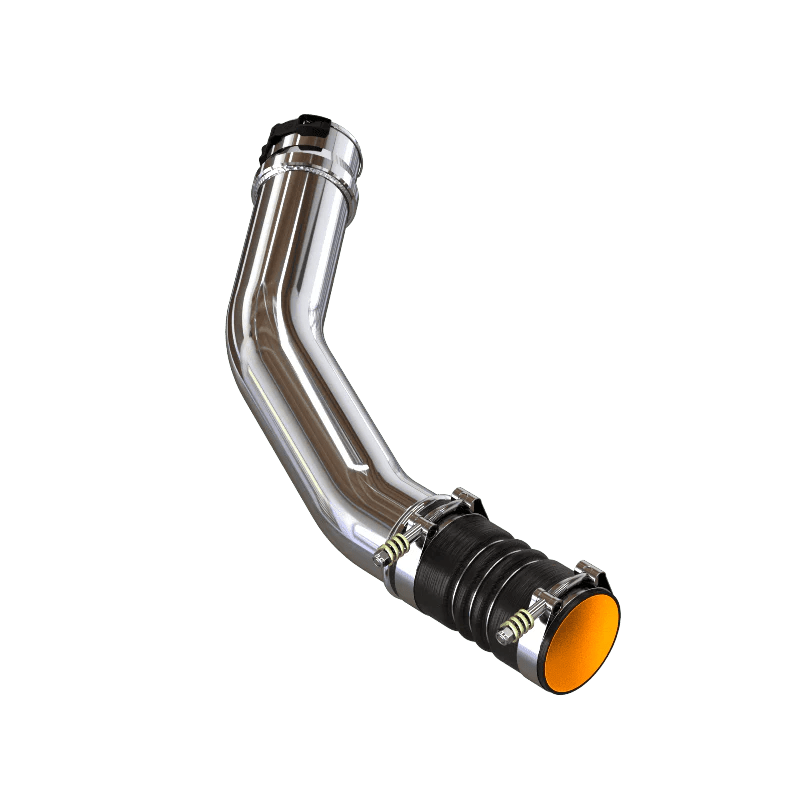
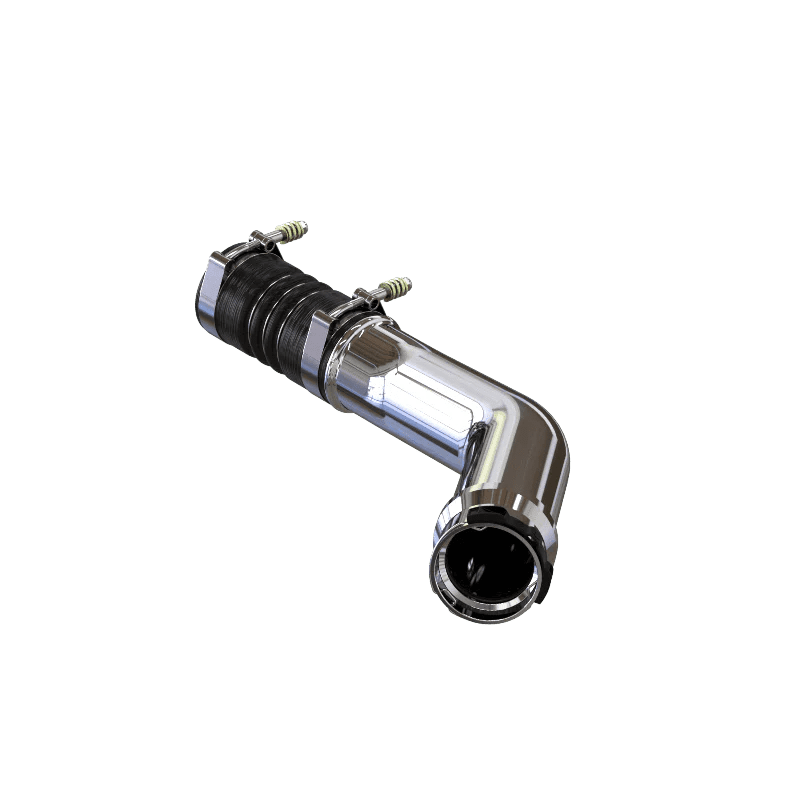
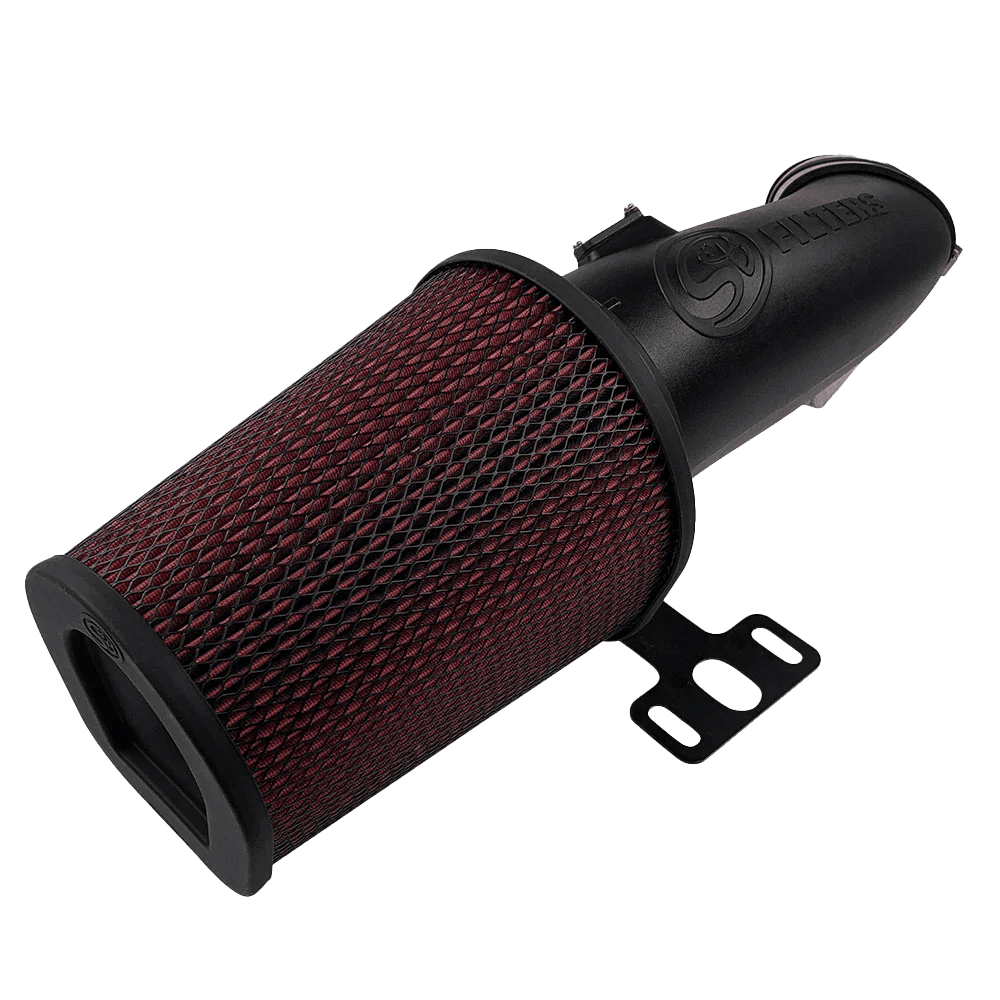





Not sure it fits your truck?
Our Wildwood, FL techs will confirm the right part for your build before you buy.
Call or Text (352) 722-5295Air intake on the 2017-2019 Ford 6.7L Powerstroke
Air comes in through a driver-side airbox, passes the crankcase vent (CCV) hose junction, and feeds the Garrett GT3788V variable-geometry turbo that sits in the valley between the heads on pickups. That CCV hose sends crankcase vapor straight into the compressor inlet. From the turbo, boost runs through a short hot-side tube into an air-to-water charge air cooler, also in the valley, then out through a plastic cold-side pipe to the intake manifold. Ford cools that intercooler with the secondary coolant loop instead of outside air, which moves heat better than an air-to-air core. It also means intercooler piping on this truck is a pair of short tubes, not the long boost-tube runs you see on other diesel pickups. Ford's engine air filter interval is 45,000 miles on normal service, with an inspection at every oil change on severe service. For the rest of the engine, start at our Powerstroke hub.
What fails and why
Three problems show up on this intake. The first is the factory plastic cold-side intercooler pipe. It can break and leave you stranded, and when it lets go you get a sudden loss of boost, a loud hiss and limp mode. There is no set mileage for it, but trucks that tow and tuned trucks are more exposed.
The second is an internal leak in the air-to-water charge air cooler, which lets coolant into the intake. Watch for coolant loss, white steam, or coolant in the cold-side pipe. The third is oil. When the CCV oil separator on the driver-side valve cover is overdue, oil mist coats the intake hoses and the charge air cooler. The CCV is a 30,000 to 40,000-mile service item, and keeping it on schedule keeps the rest of the intake clean.
Stock replacement vs. upgrade
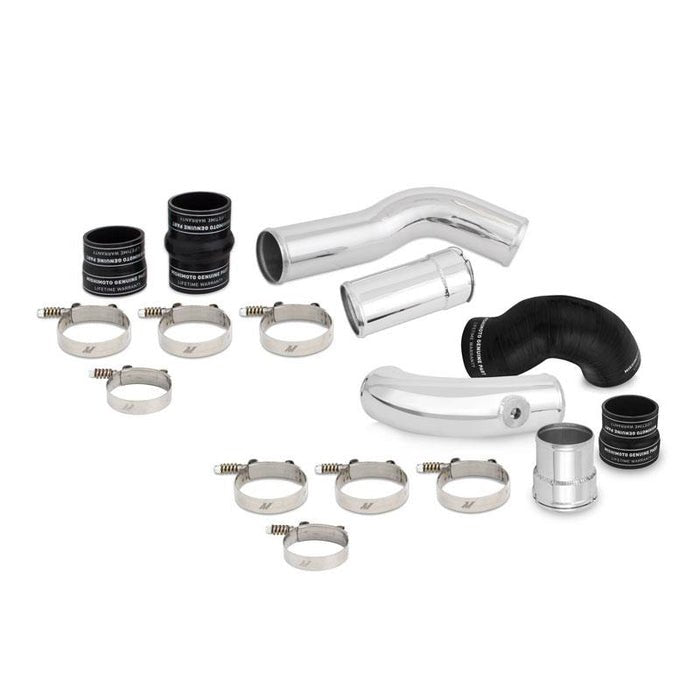
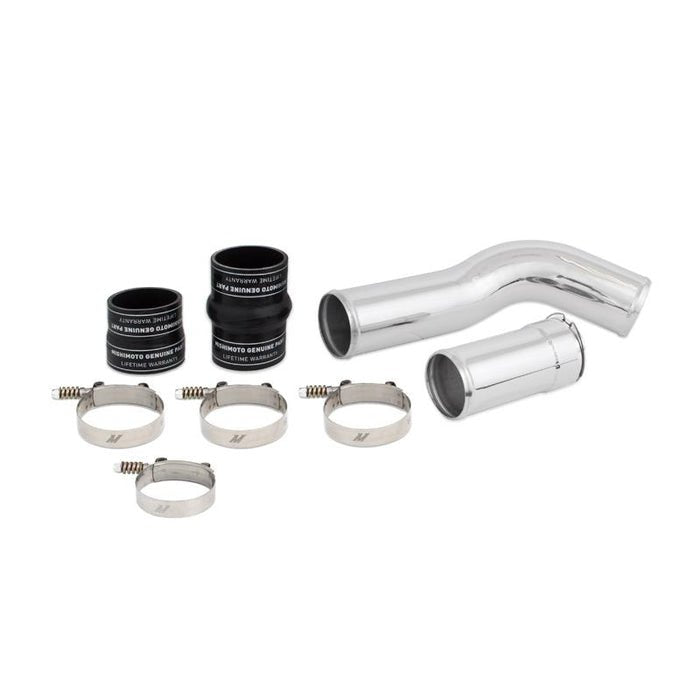
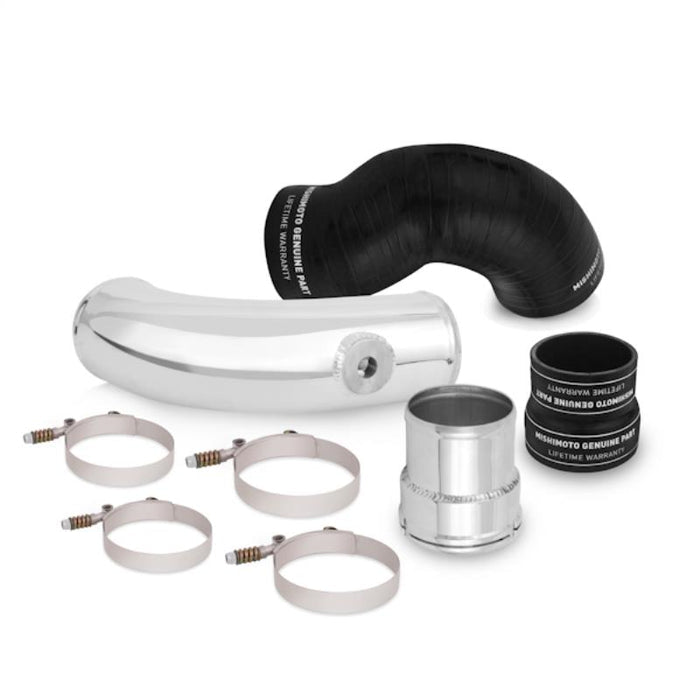
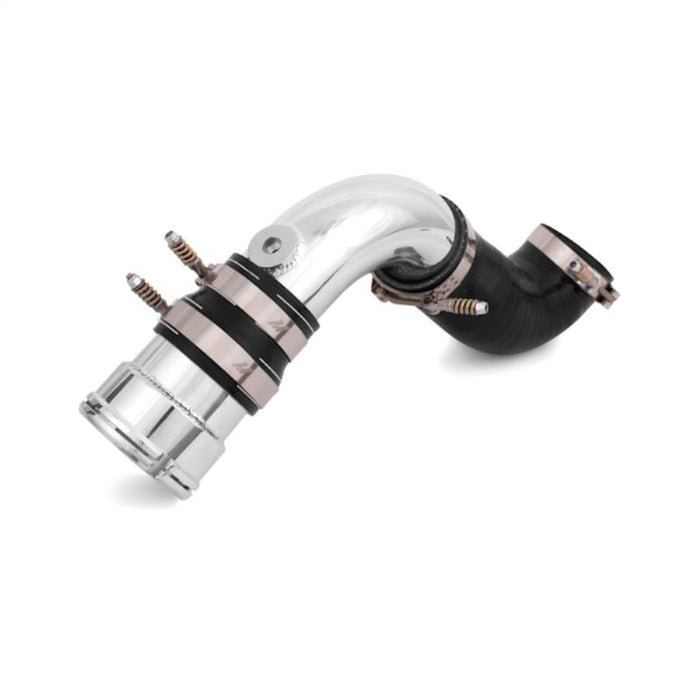
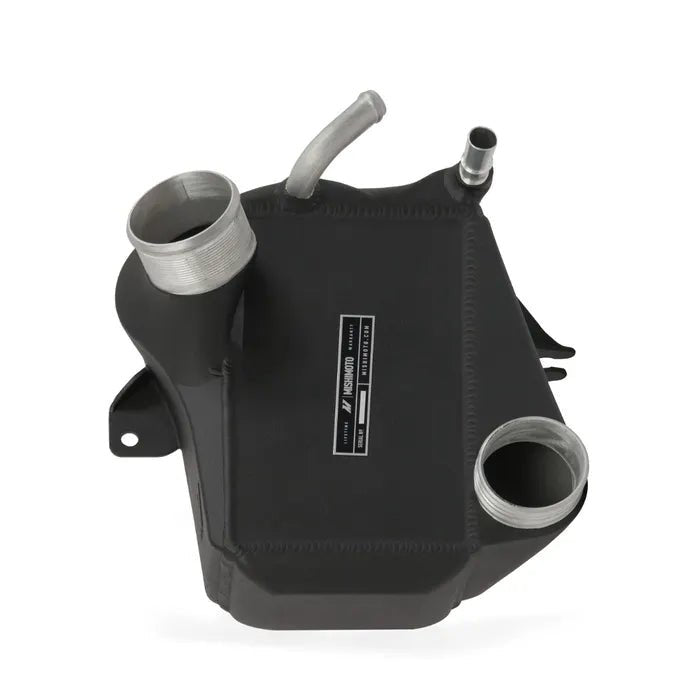
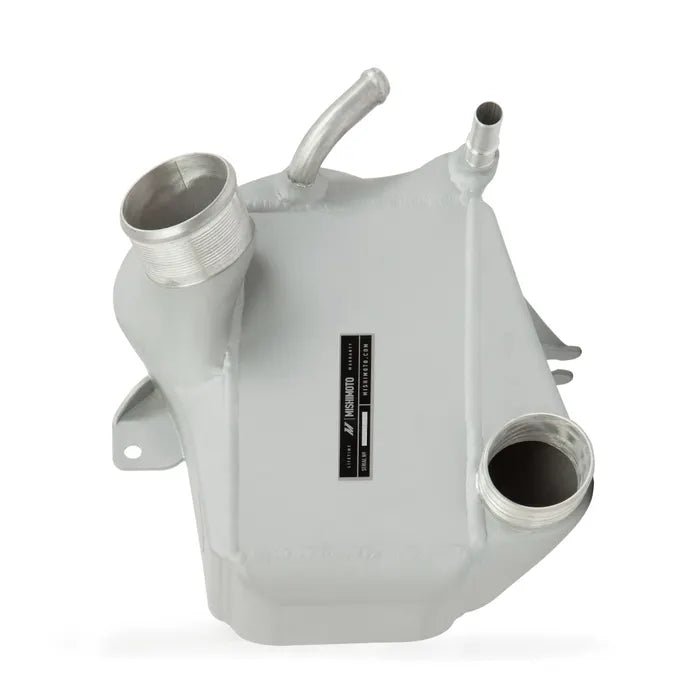
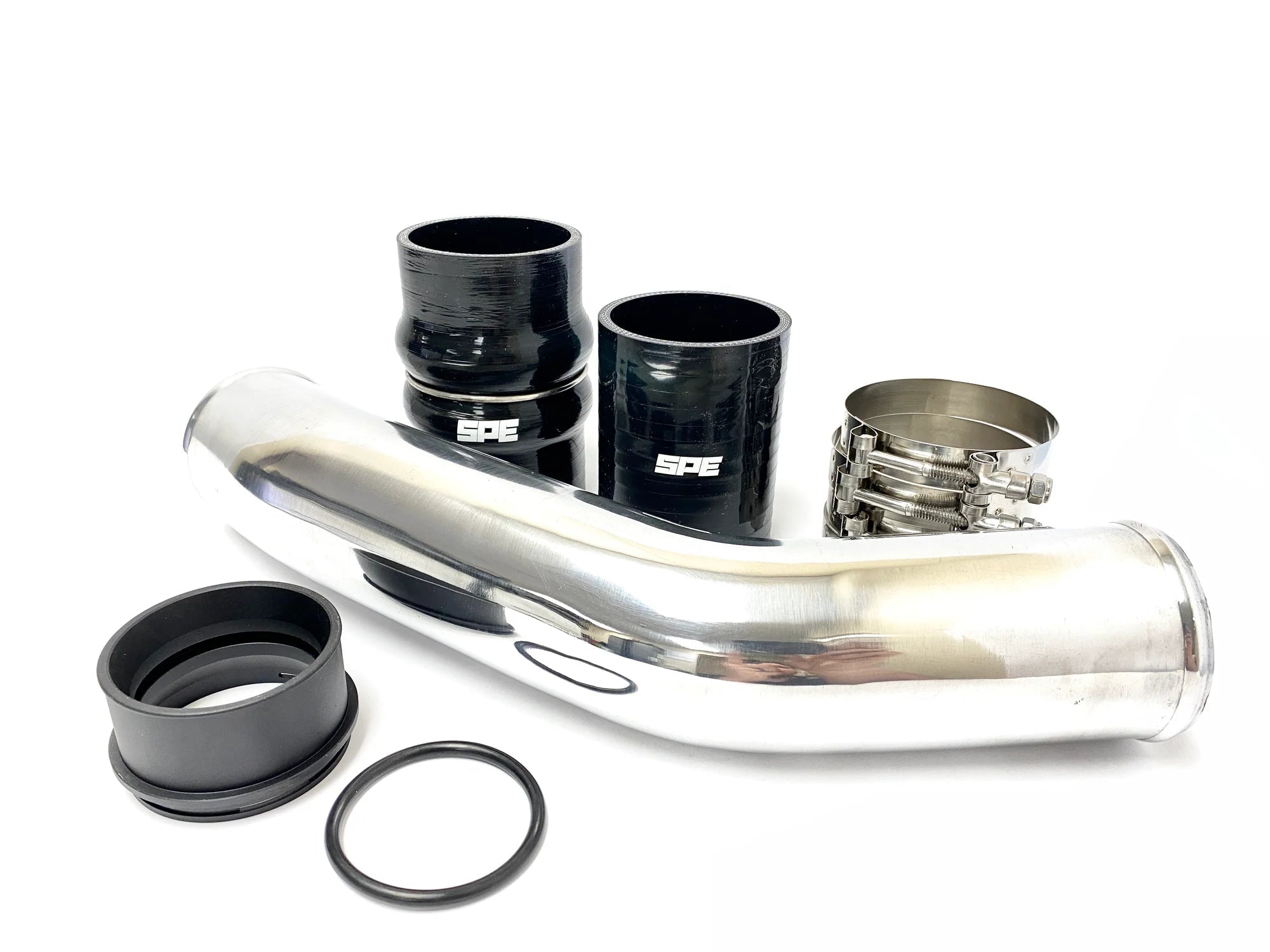
If something broke, a replacement sensor, gasket or pipe puts the truck back the way Ford built it. If you want to fix the weak spot for good, an aluminum cold-side pipe with silicone boots replaces the plastic part outright. The Mishimoto kit keeps every factory emissions part and carries CARB EO D-759-4, and the same EO covers Mishimoto's bar-and-plate air-to-water intercooler with cast end tanks, rated at 22% more flow.
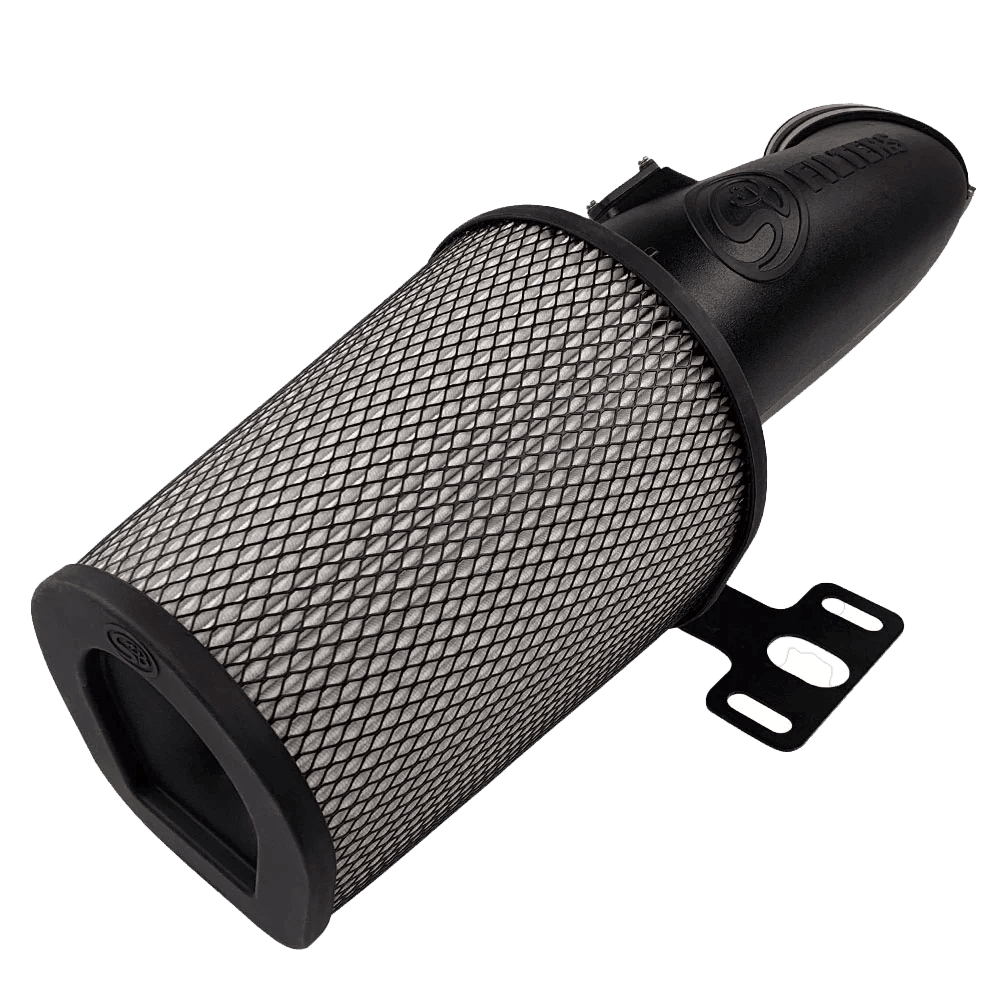
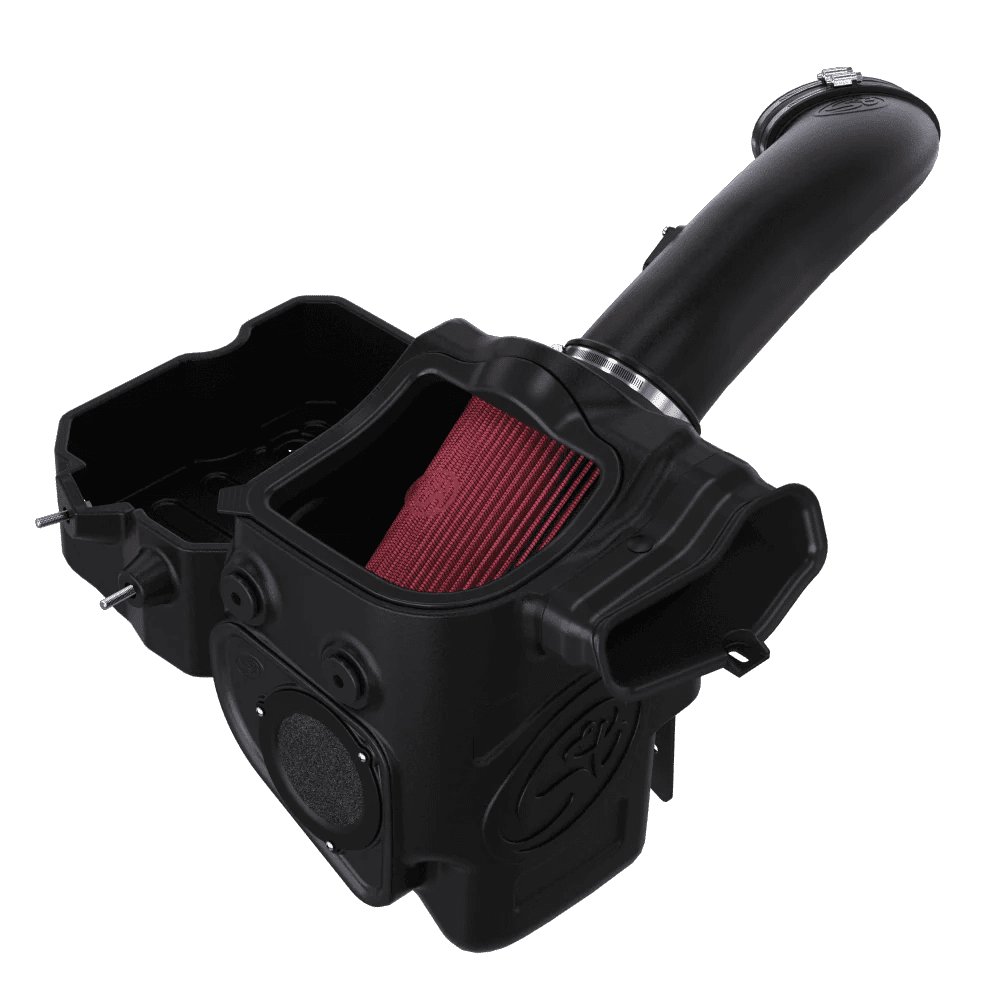
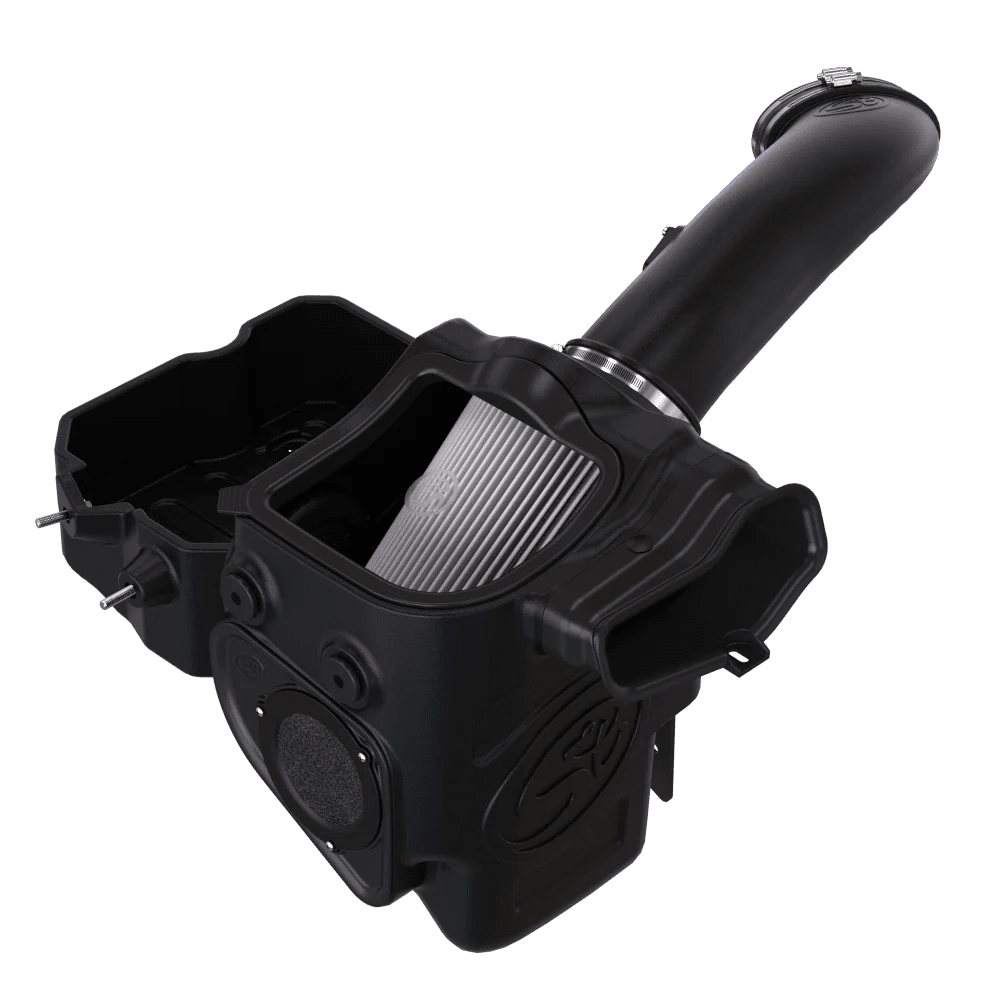
On the inlet side, the Banks Ram-Air 41890 and the S&B 75-5085 are the intakes with documented 50-state CARB EO numbers for 2017-2019. The Banks Power 41890 is an enclosed housing fed from the hood scoop and from under the battery. It keeps the stock battery location, showed 49% more mass airflow on the bench, and carries CARB EO D-161-132. The S&B 75-5085 is a fully enclosed snap-lid box rated at 57% more flow than stock, under CARB EO D-590-46. Banks offers its filter oiled or dry, and S&B offers a cleanable cotton element or a dry one.
What we carry
This page gathers every intake category for your truck in one place. If you are comparing across platforms, browse all intakes.
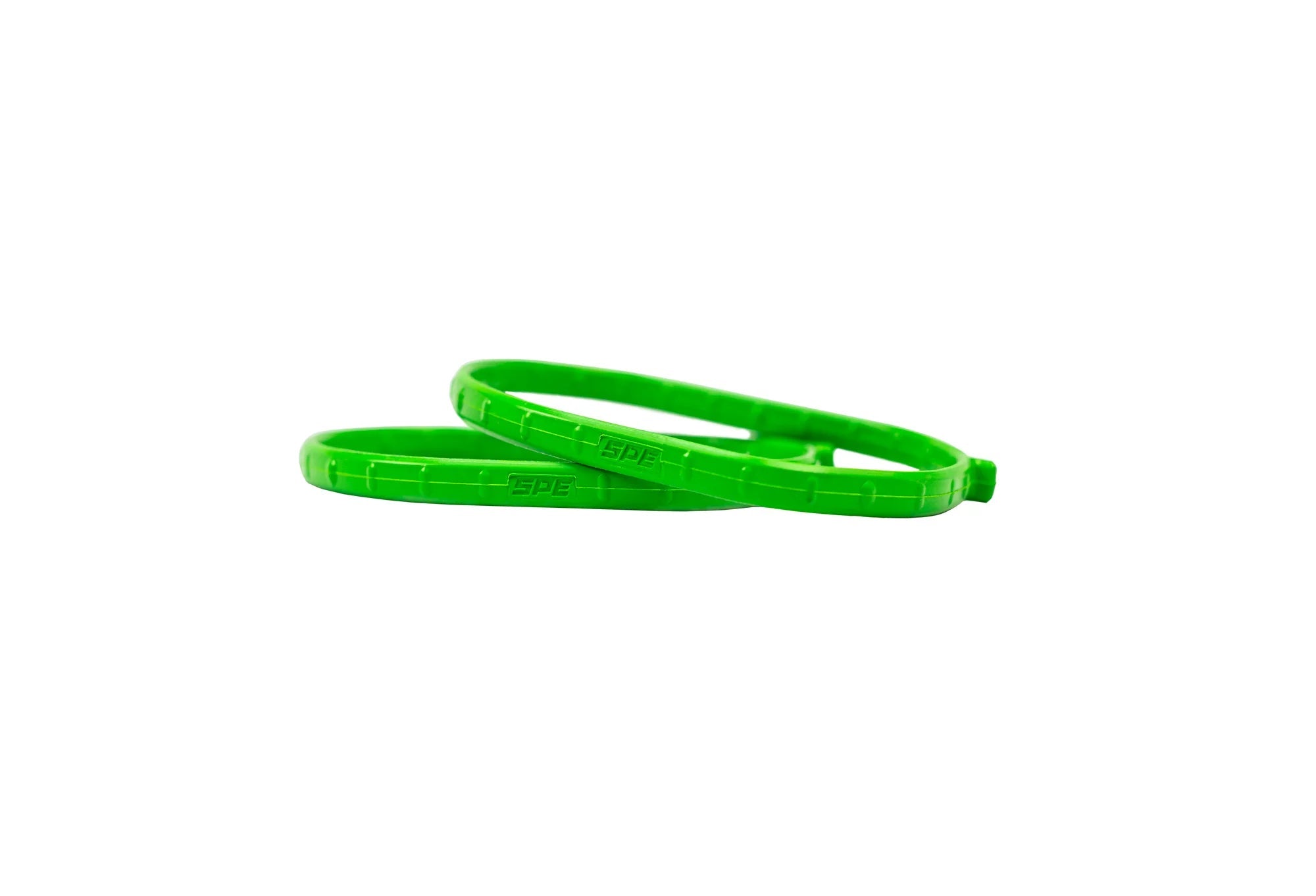
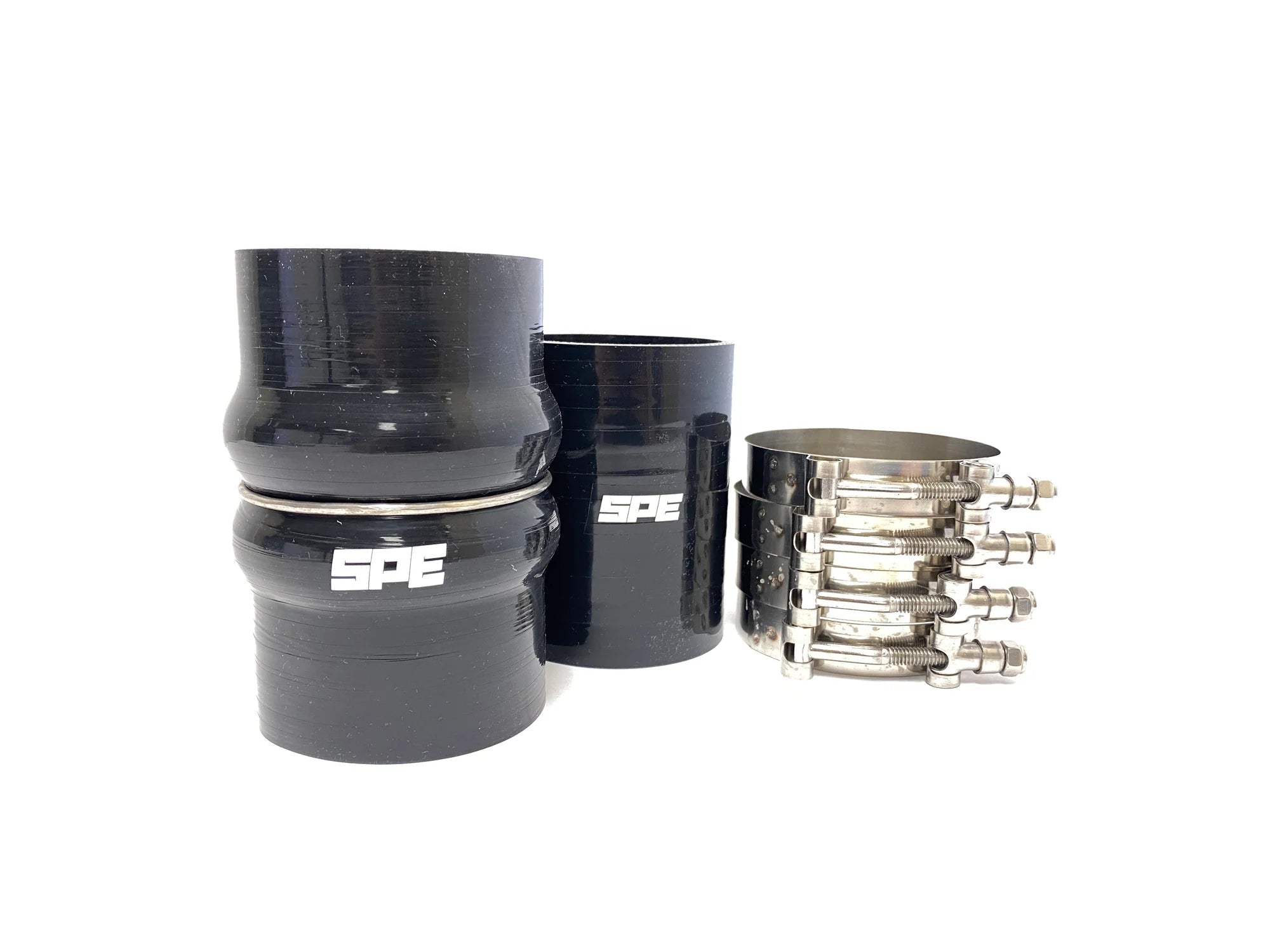
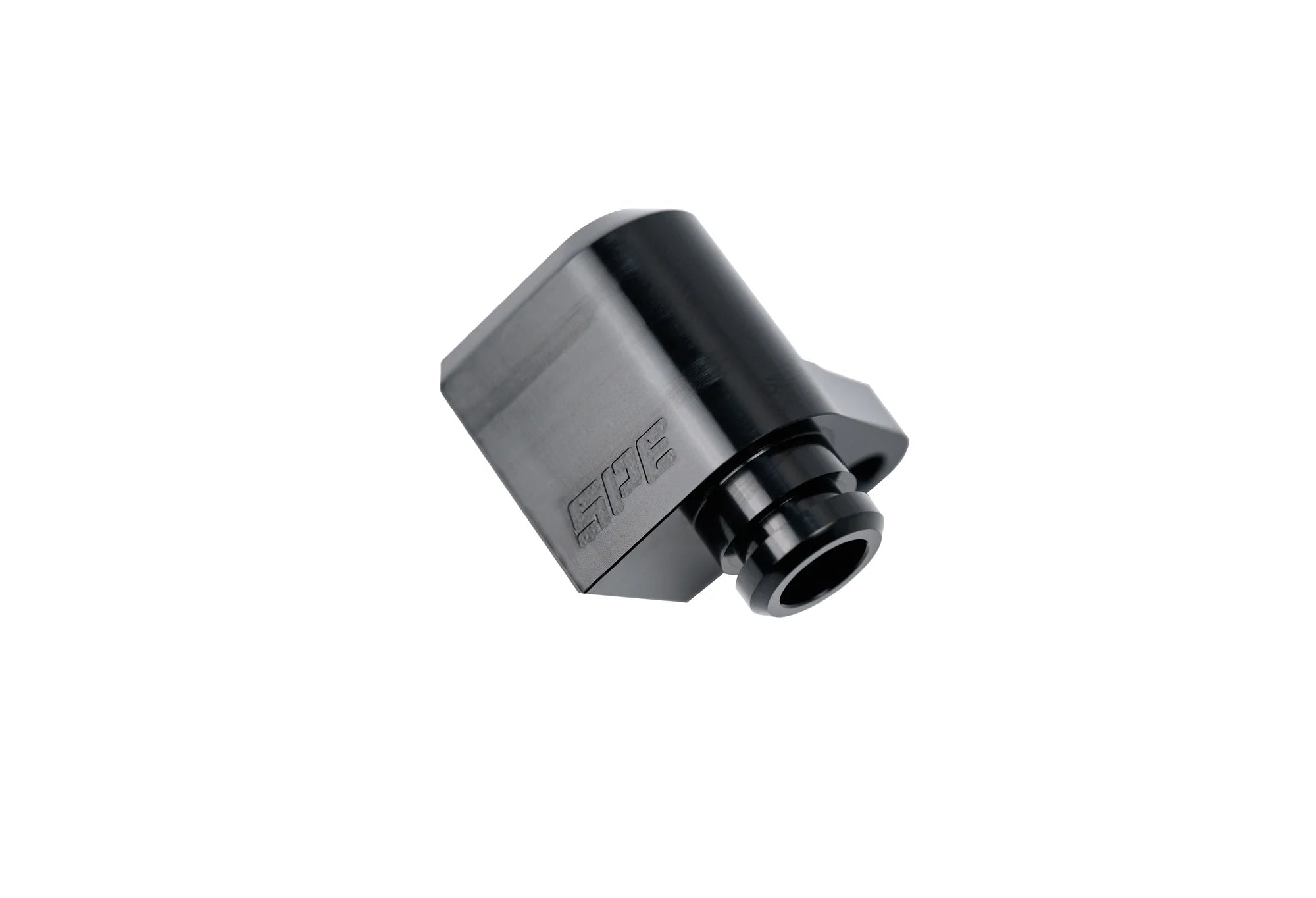
- Intercooler pipes and boots: hot-side and cold-side pipes and kits from SPE Motorsport, Pacific Performance Engineering (PPE), Wehrli Custom Fabrication (WCFab), Mishimoto, aFe, S&B, XDP and Banks, plus silicone couplers and turbo boots from No Limit Fabrication and PPE.
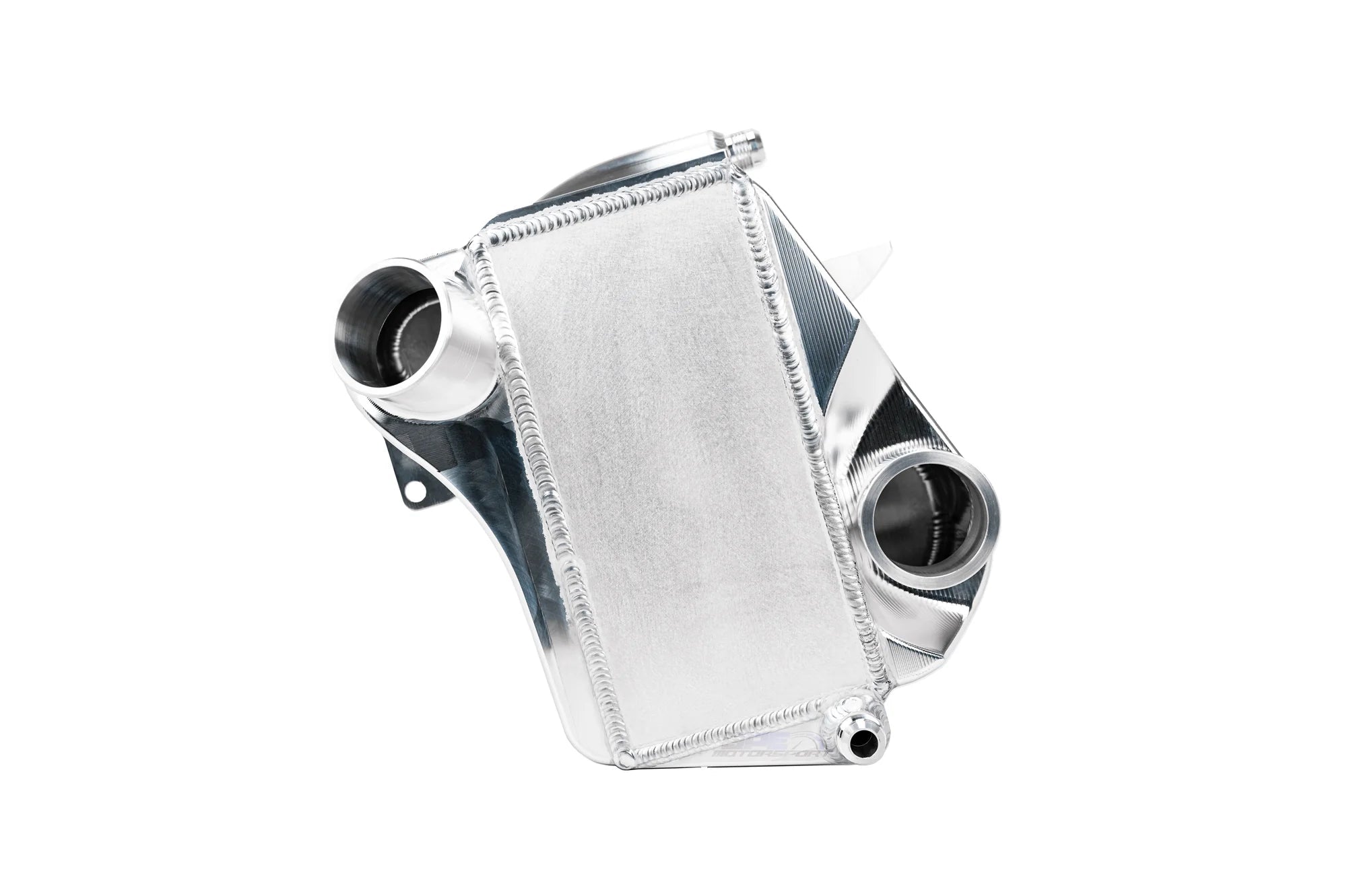
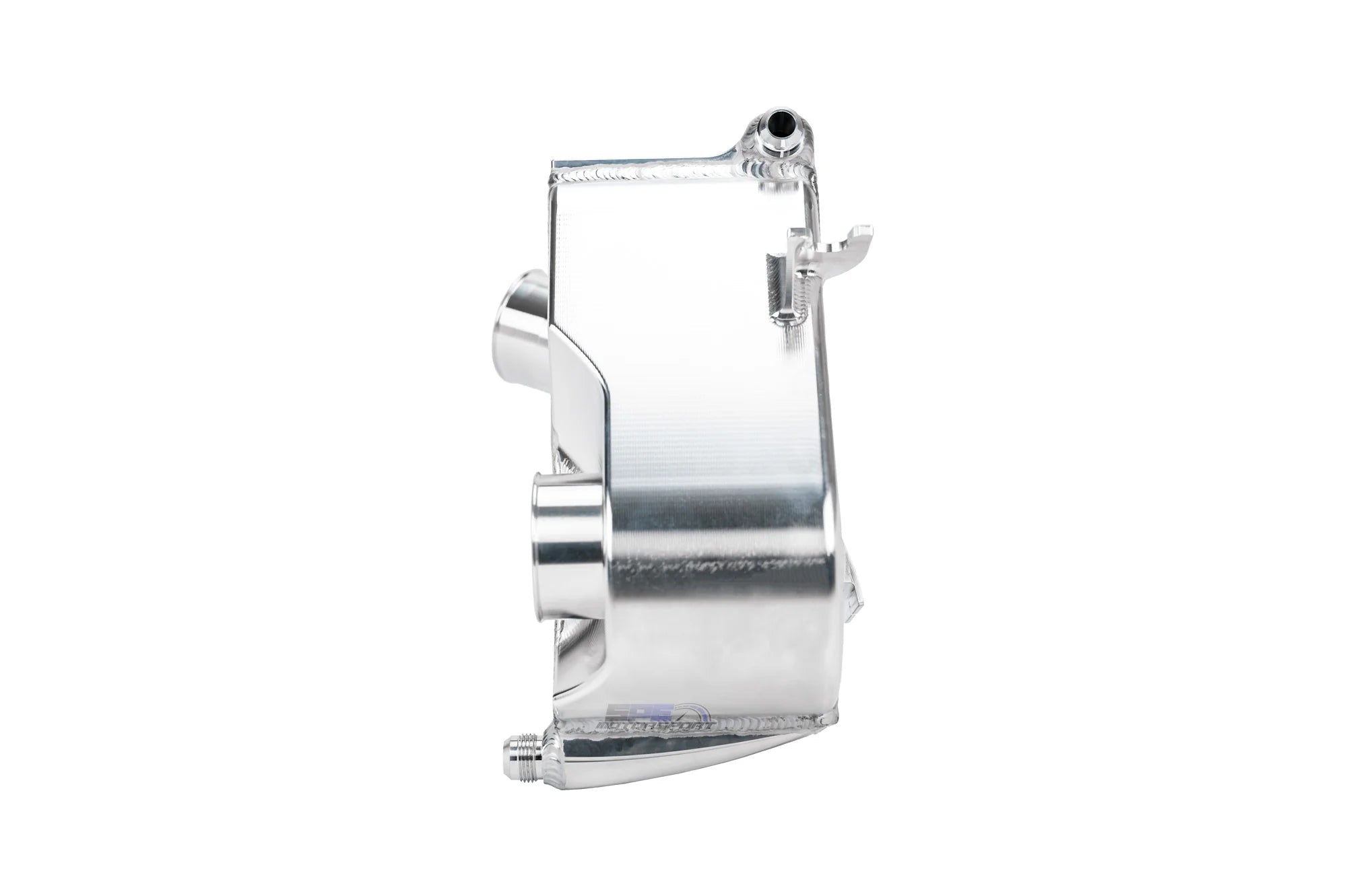
- Intercoolers: PPE and Mishimoto air-to-water intercooler kits and the SPE Booklung billet intercooler.
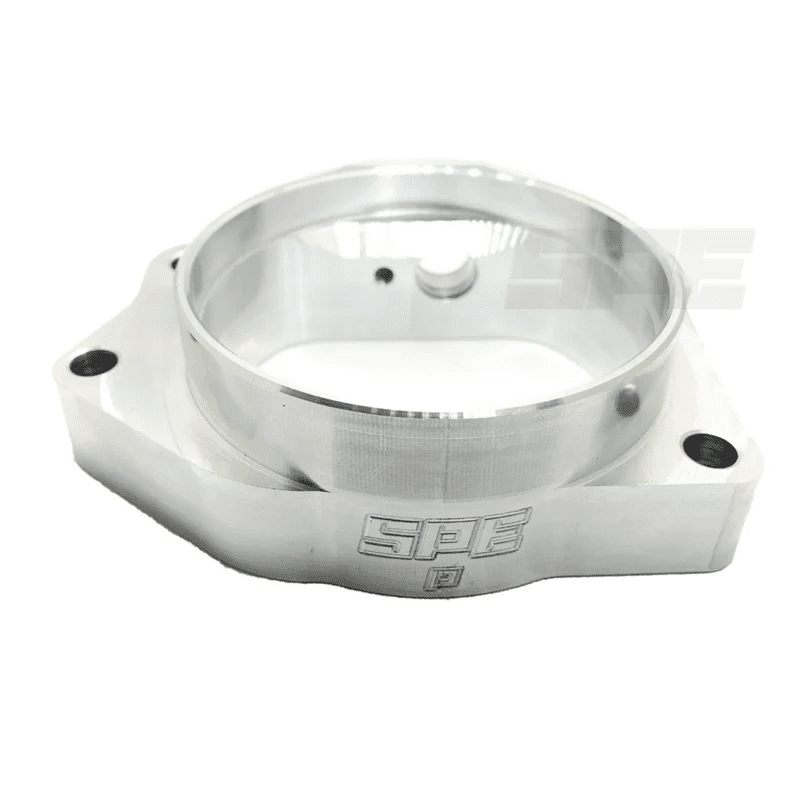
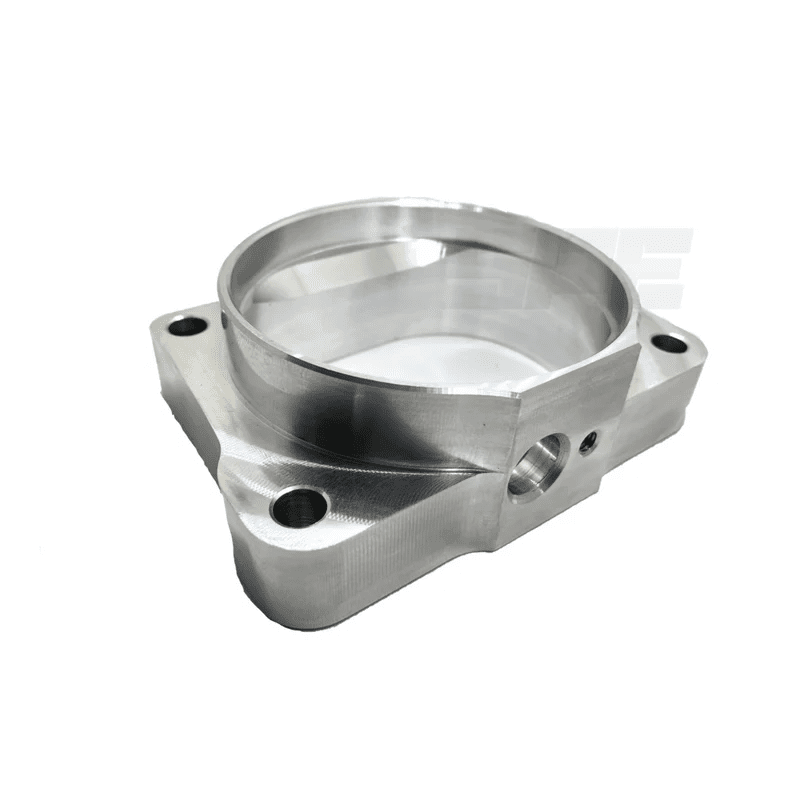
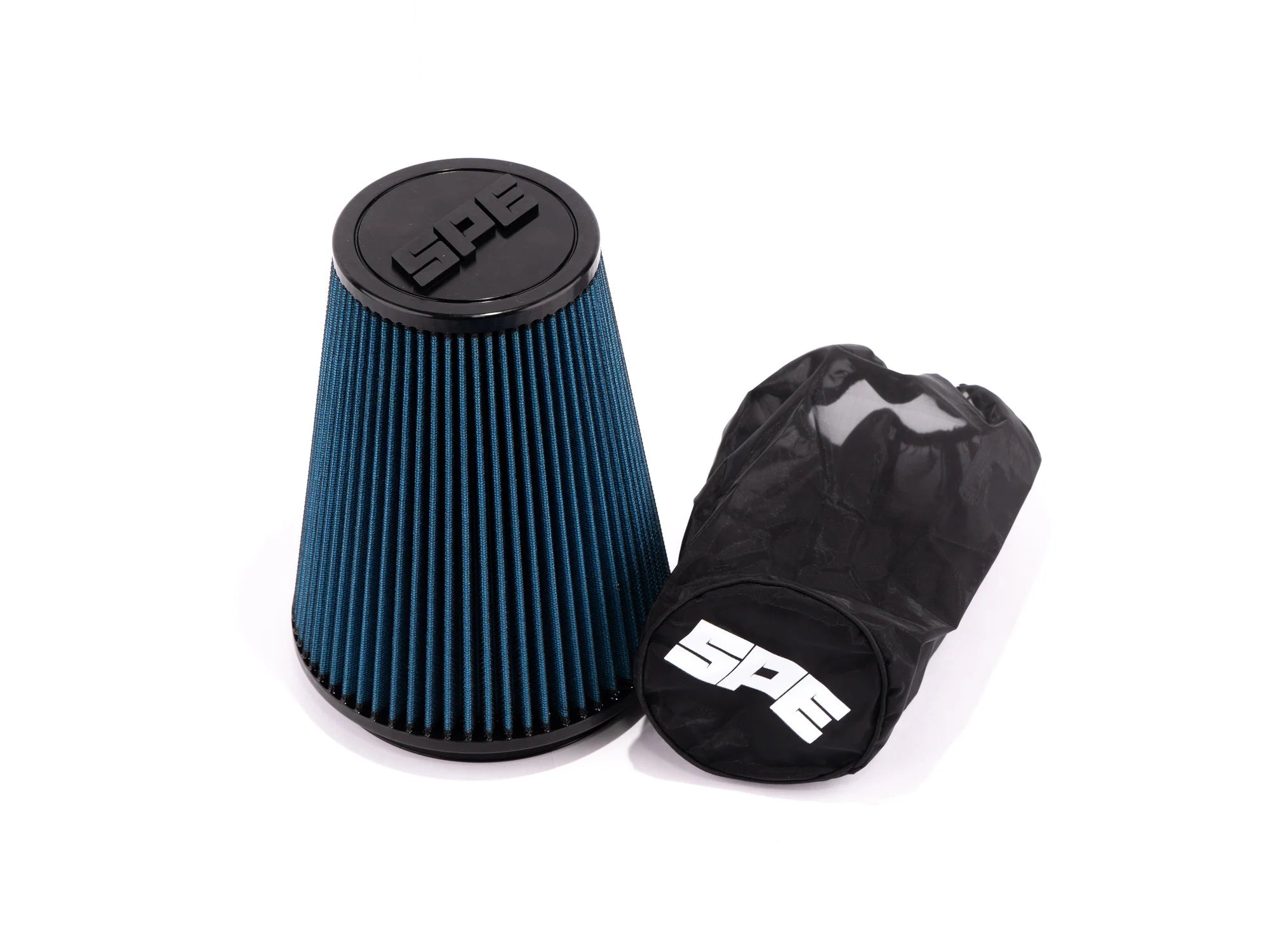
- Cold air intakes: the Banks Ram-Air 41890, S&B intakes, No Limit Fabrication Stage 1 and Stage 2 kits, and SPE, PPE and aFe intake systems, including the PPE Zilla intake manifold and turbo inlet kit.
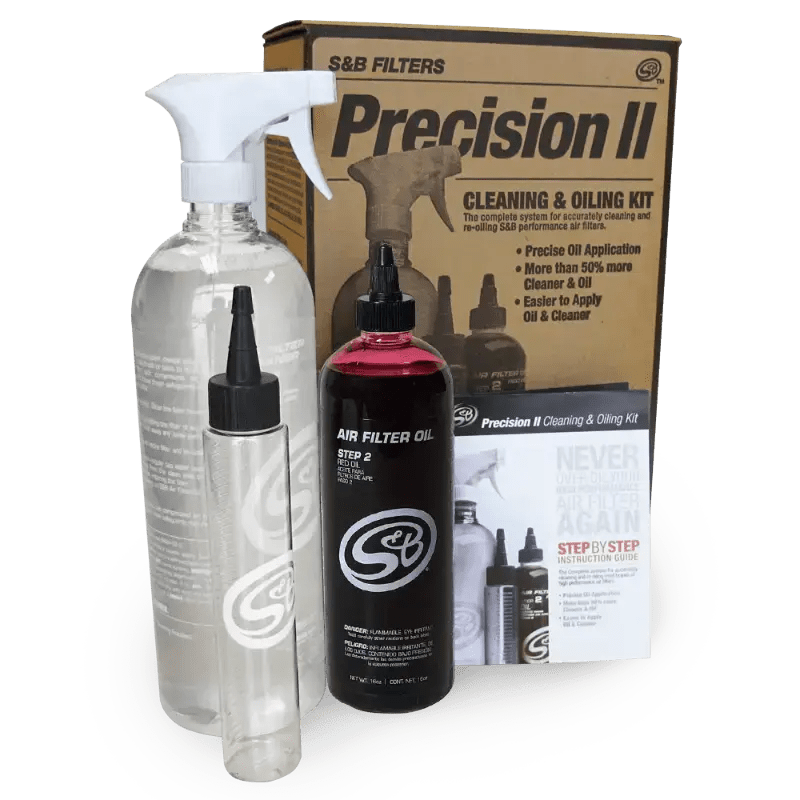
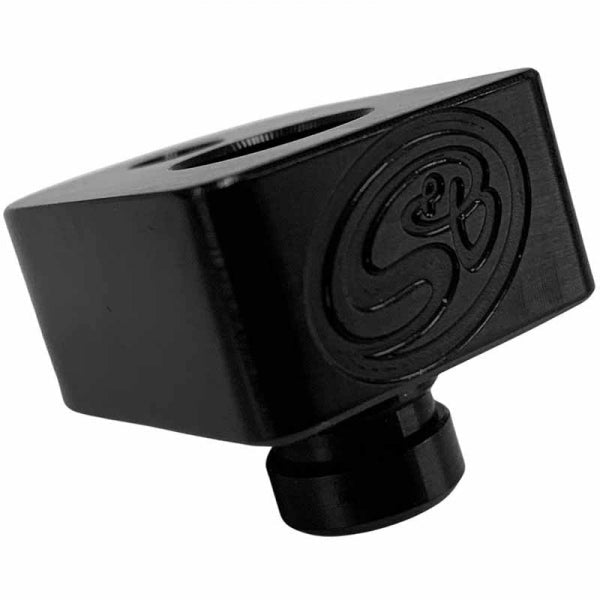
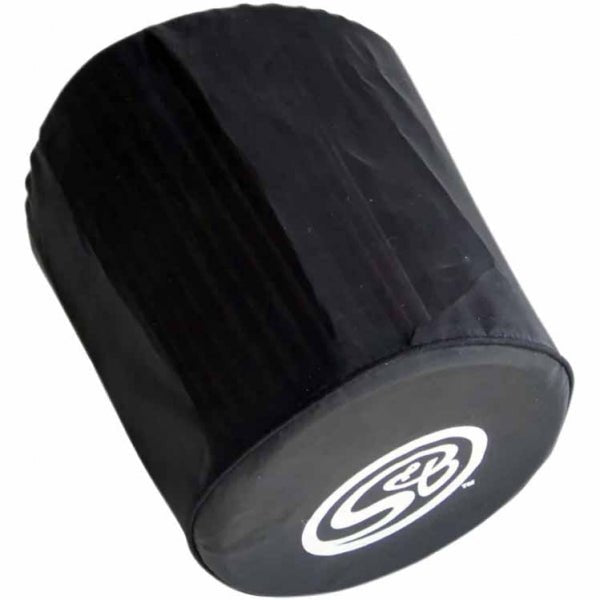
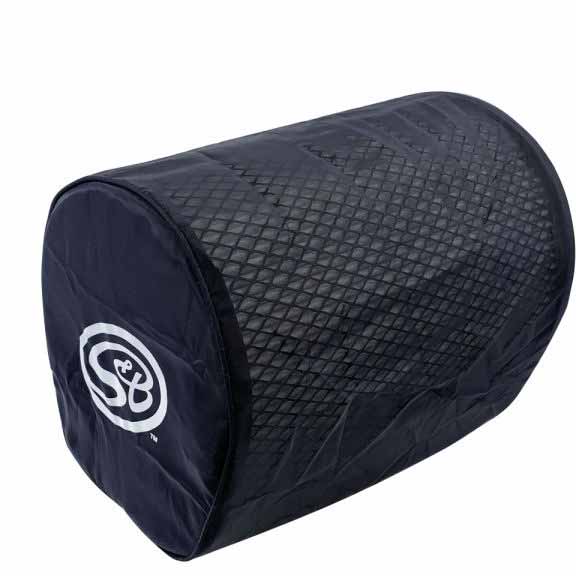
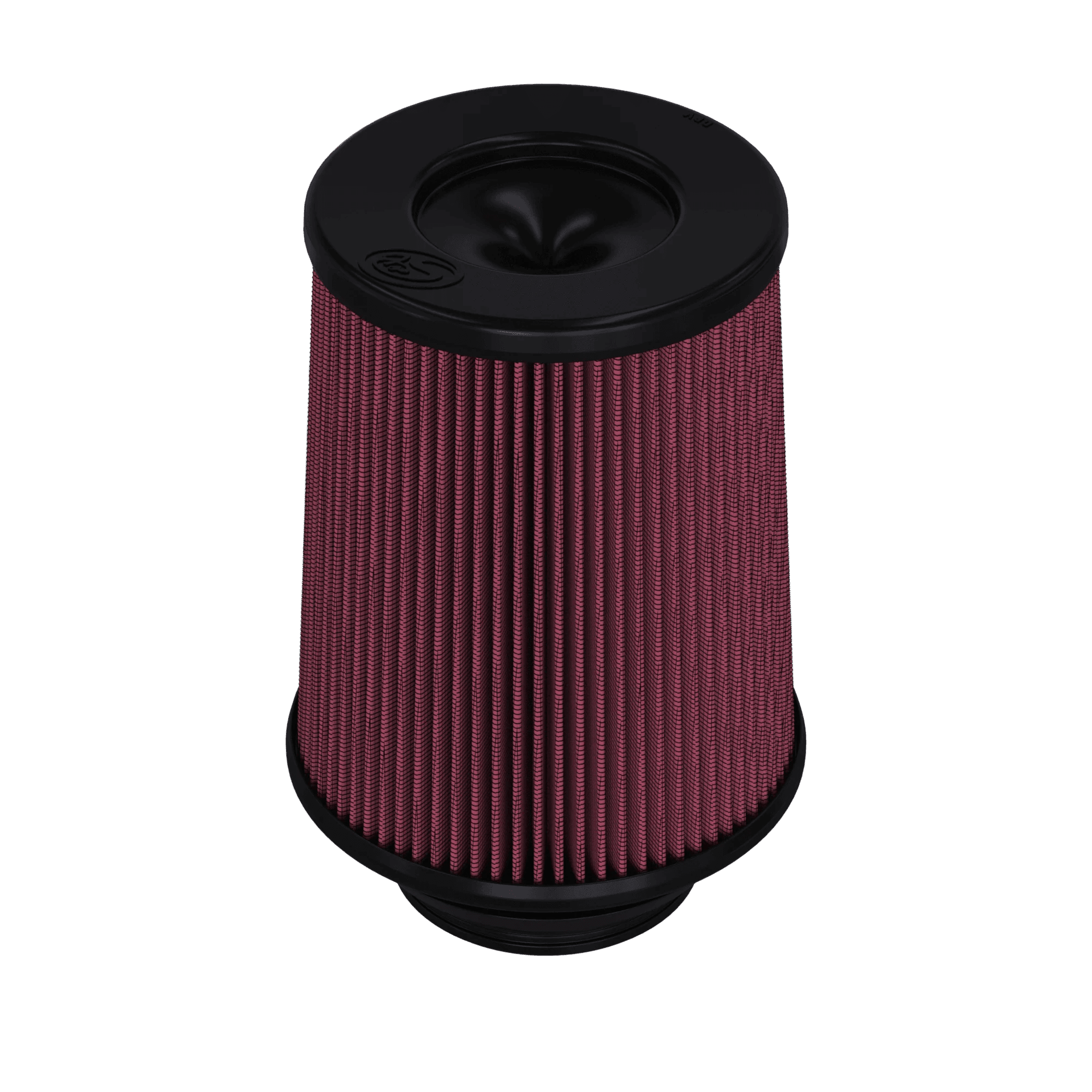
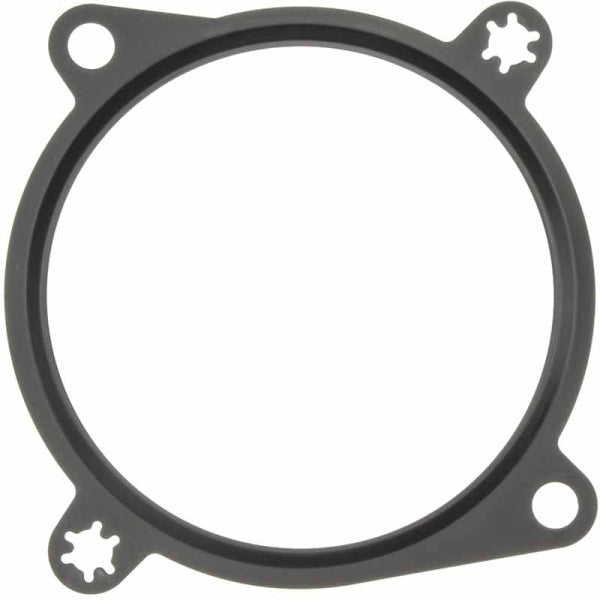
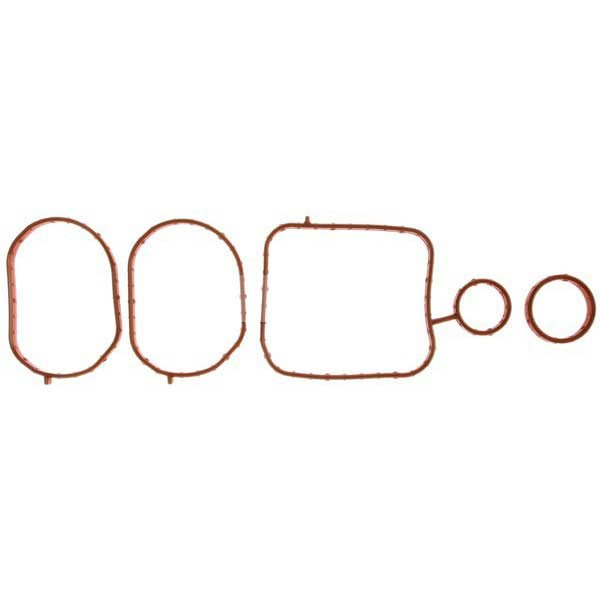
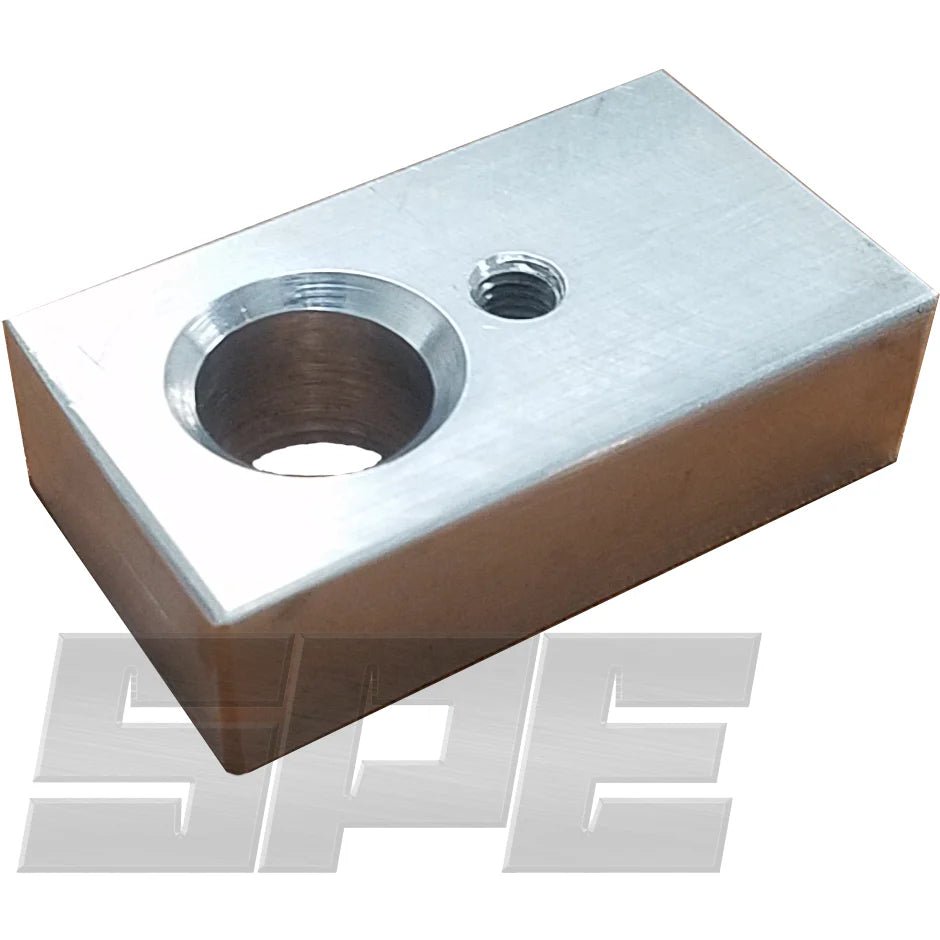
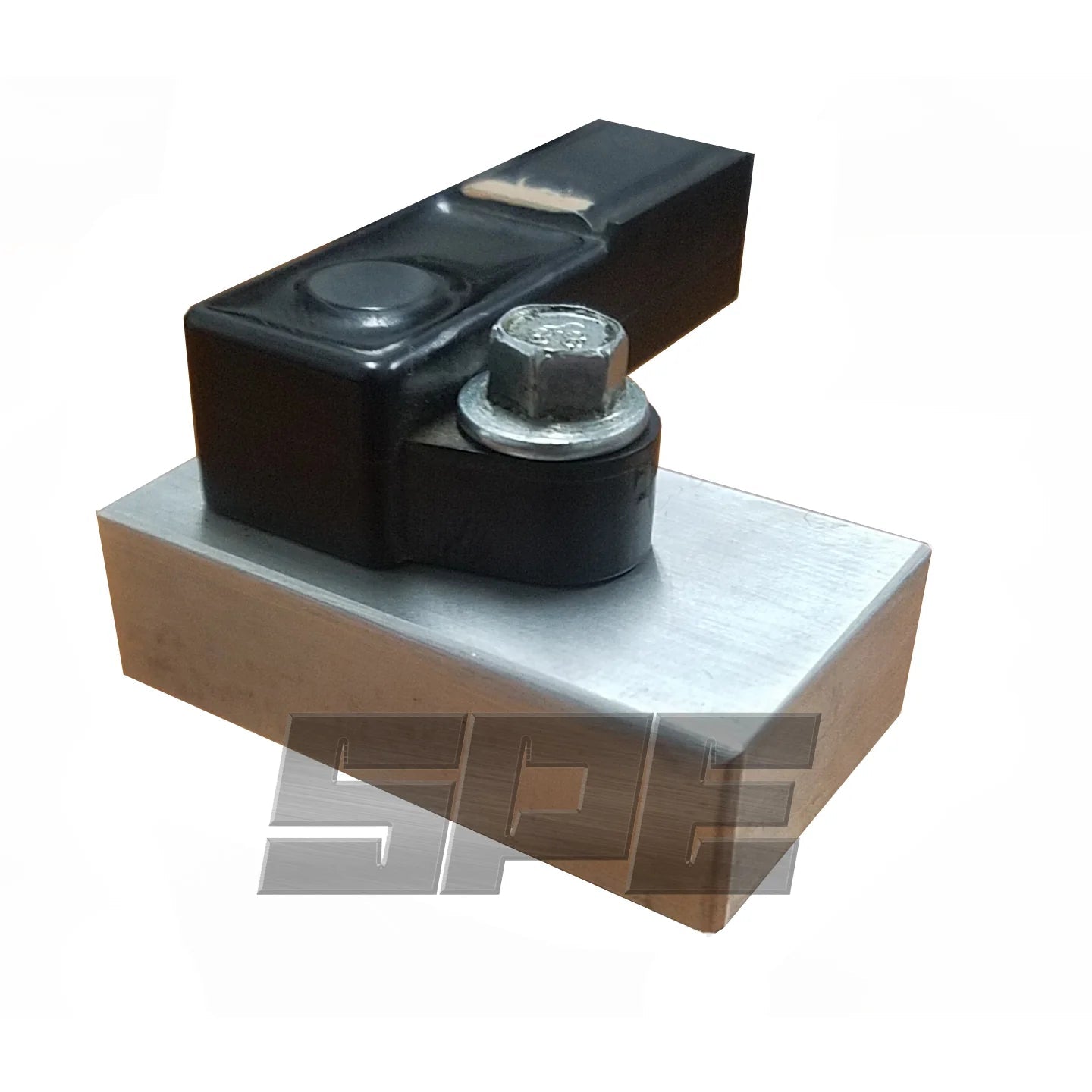
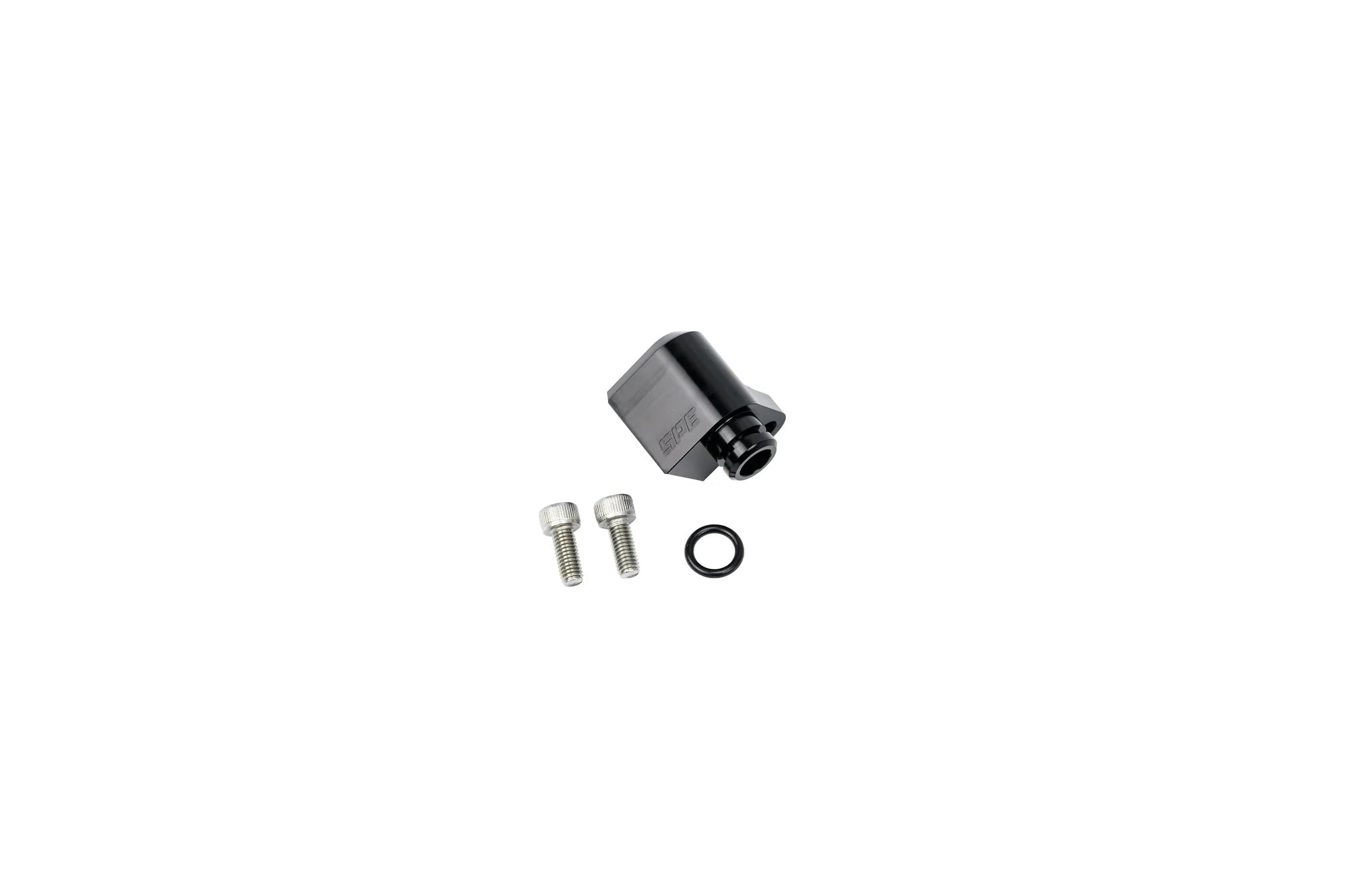
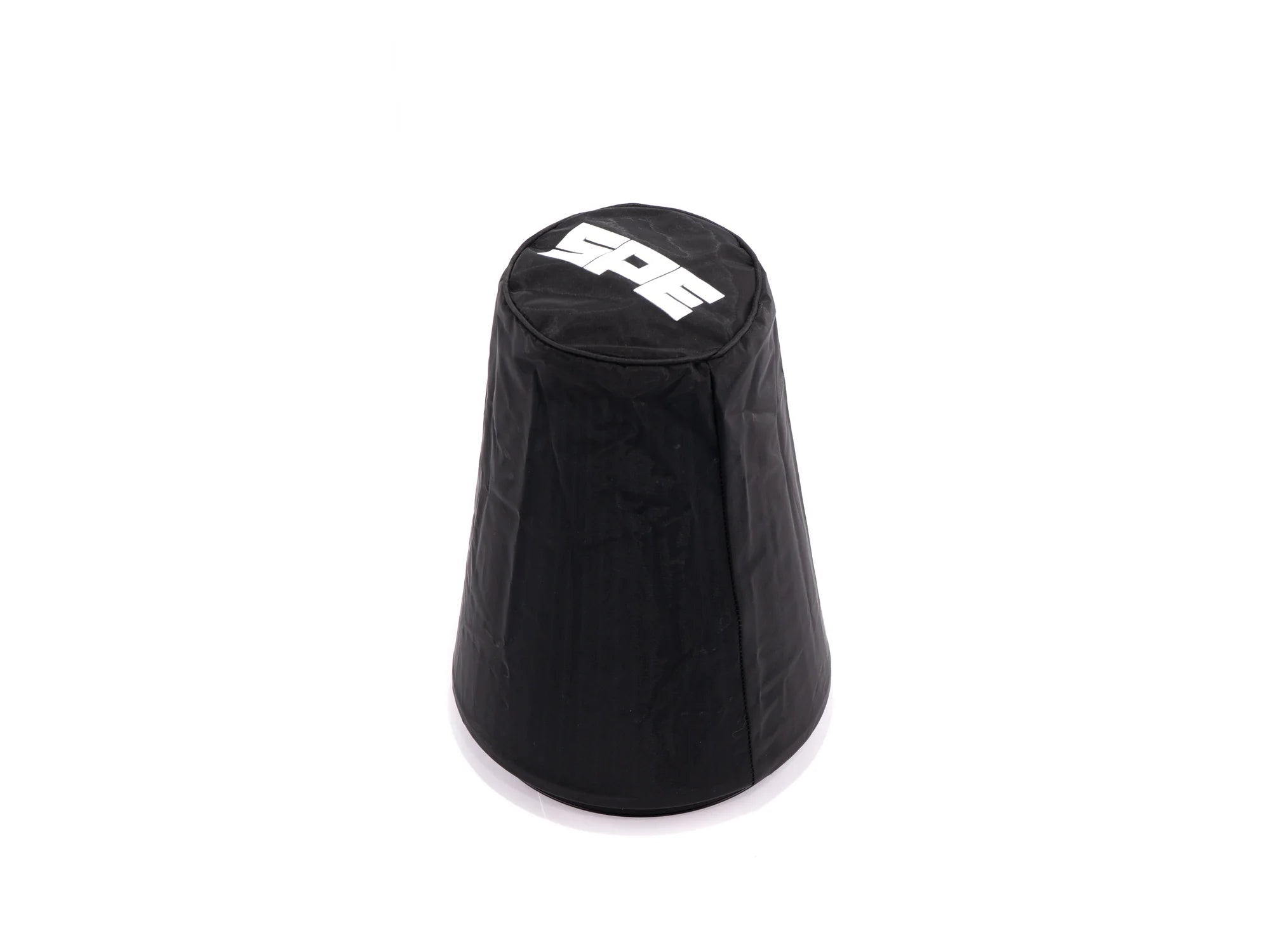
- Service parts: Alliant Power and XDP MAF, MAP and intake air temperature sensors, MAHLE intake manifold and throttle body gaskets, MAP sensor spacers, replacement filters and filter wraps.
- Shutdowns and hardware: BD Diesel positive air shutdown valves and high-torque hose clamps.
Fitment notes
Everything here is sorted for the 2017-2019 6.7L. Ford revised the engine for 2020 and many intake parts do not carry over, so intakes are catalogued 2017-2019 or 2020-up. Some pipes and sensors are listed across wider year ranges, so read the fitment line on each product. Chassis cabs (F-350, F-450 and F-550) run a 330 hp calibration and a ball-bearing Garrett GT3582V turbo instead of the pickup's GT3788V, and many parts differ, so confirm chassis-cab fitment before you order. The S&B 75-5085 fits the F-450 and F-550, but its CARB EO does not cover them; Banks lists the F-450 on the 41890. Mishimoto's EO D-759-4 lists 2017-2018, so a 2019 truck in California needs that confirmed. When in doubt, verify by VIN.
Frequently asked questions
Does the 2017-2019 6.7L Powerstroke have a front-mount intercooler?
No. Ford used an air-to-water charge air cooler that sits in the engine valley and is cooled by the secondary coolant loop. Boost runs through a short hot-side tube into the cooler and out through a plastic cold-side pipe to the intake manifold, so piping upgrades on this truck are short tubes and boots.
What are the signs of a broken cold-side intercooler pipe?
A sudden loss of boost, a loud hiss and limp mode. It has no fixed mileage, and towing and tuned trucks see it more. An aluminum pipe with silicone boots is the permanent fix, and Mishimoto's kit keeps all factory emissions parts under CARB EO D-759-4.
Which cold air intakes are 50-state legal for my truck?
The Banks Ram-Air 41890 (CARB EO D-161-132) and the S&B 75-5085 (CARB EO D-590-46) are the documented 50-state intakes for 2017-2019. The S&B EO does not cover the F-450 or F-550. For any other intake, look for an EO number on the product page before you install it on a truck that has to pass an emissions inspection.
Why is there oil in my intake hoses and intercooler?
Check the CCV system first. The crankcase vent hose feeds into the turbo inlet, and when the separator on the driver-side valve cover is overdue, oil mist coats the intake tract and the charge air cooler. The separator is a service item every 30,000 to 40,000 miles.
How often should I change the engine air filter?
Ford's interval is 45,000 miles on normal service. If your truck falls under the severe-service schedule, inspect the filter at every oil change. Aftermarket intakes use their own elements, so match the replacement to the kit on your truck.
Not sure what fits? Call the shop at the number in the header, or use the fitment checker on any product page. We install everything we sell.