
Filters
20 products



Not sure it fits your truck?
Our Wildwood, FL techs will confirm the right part for your build before you buy.
Call or Text (352) 722-5295Fuel Additives on the 2017-2019 Ford 6.7L Powerstroke
Every 6.7L Powerstroke from 2011 on, the 2017-2019 Super Duty included, uses a Bosch CP4.2 pump to push fuel into twin rails at up to roughly 30,000 psi. That pump relies on the fuel for lubrication, and Ford certifies the engine for ULSD and for B20, which is 20 percent biodiesel at most. The catch is that domestic ULSD can run below the CP4.2's lubricity requirement. That gap is why lubricity additives are the most common piece of CP4.2 prevention advice for this engine, and why a lubricity and cetane treatment in every tank is the place to start.
What fails and why
The big failure a lubricity additive helps head off is the CP4.2 itself. On low-lubricity fuel, the pump's internal cam follower can lose contact with the cam lobe and wear, and the metal it sheds goes into the rails, injectors and lines. That repair is rarely pump-only; it replaces both pumps, all eight injectors and every fuel line. Fuel quality causes smaller problems too. Water in the tank feeds microbial growth that leaves black, scummy residue plugging the filters, along with dark, hazy fuel, power loss and smoke. Water contamination can also show up as white smoke. Injector stiction, where deposits make an injector stick, shows as white smoke at startup and misfire.
Choosing the right treatment
Match the bottle to the job. For everyday use, a lubricity and cetane treatment on every fill is the CP4.2 insurance. If you see white smoke at startup or a misfire that points to injector deposits, a cleaner is the first step before anyone talks about replacing injectors. If you find sludge in the filters, the fix is a biocide plus a cleaner, then a filter change. For water contamination, a water-dispersant additive is the tool. Winter and anti-gel formulas are there for cold-weather fuel. None of this replaces filter service: change the filters at 22,500 miles normal or 15,000 miles severe and drain the separator at every oil change.
What we carry
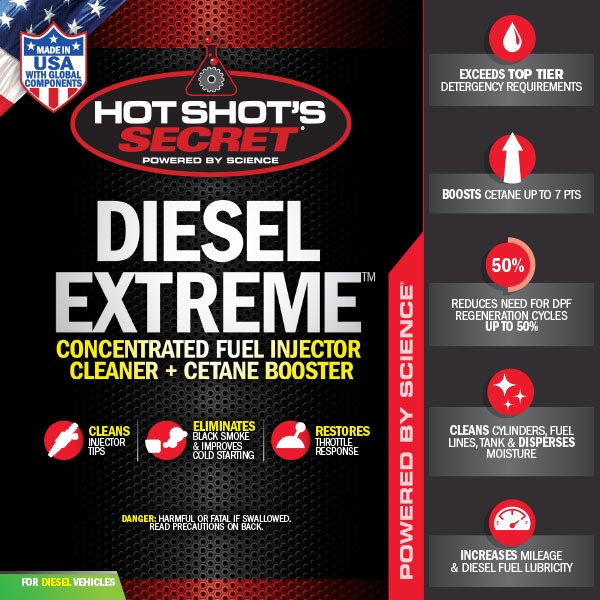
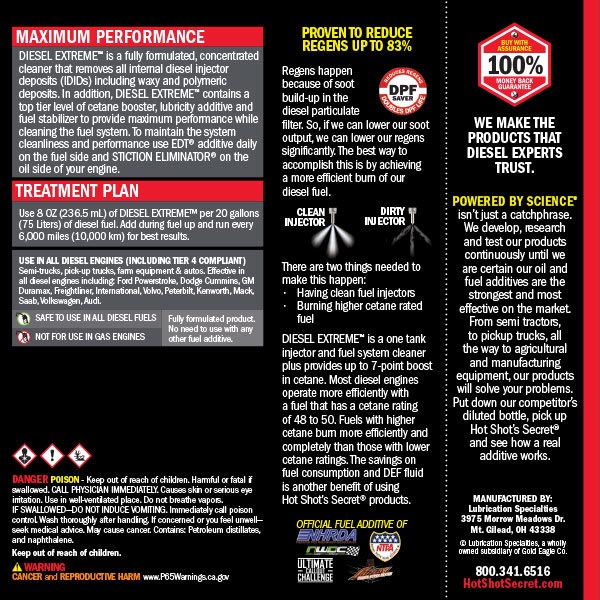
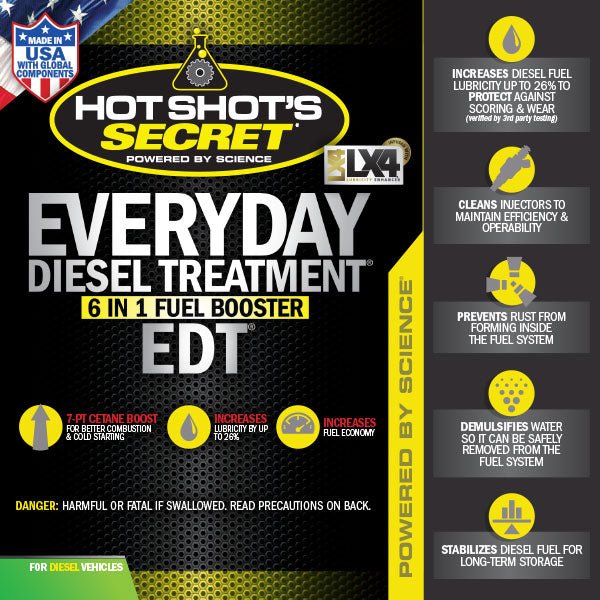
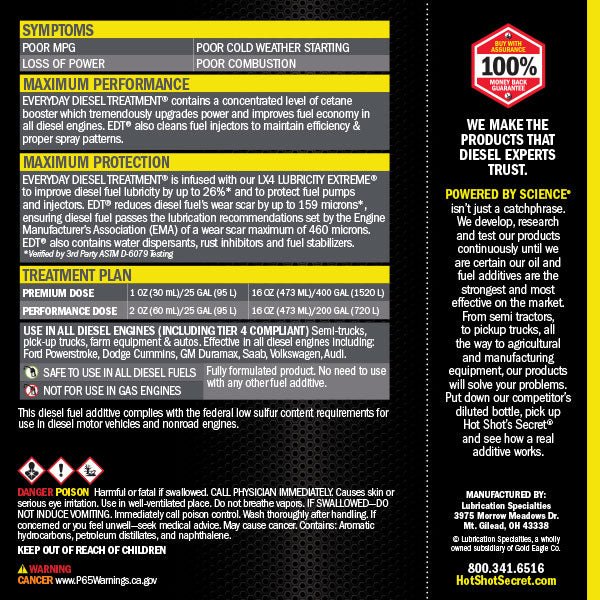
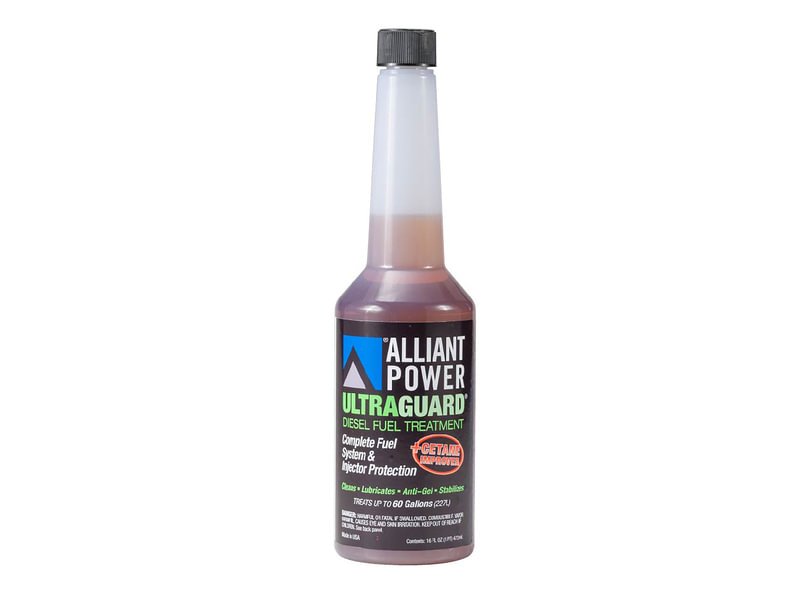
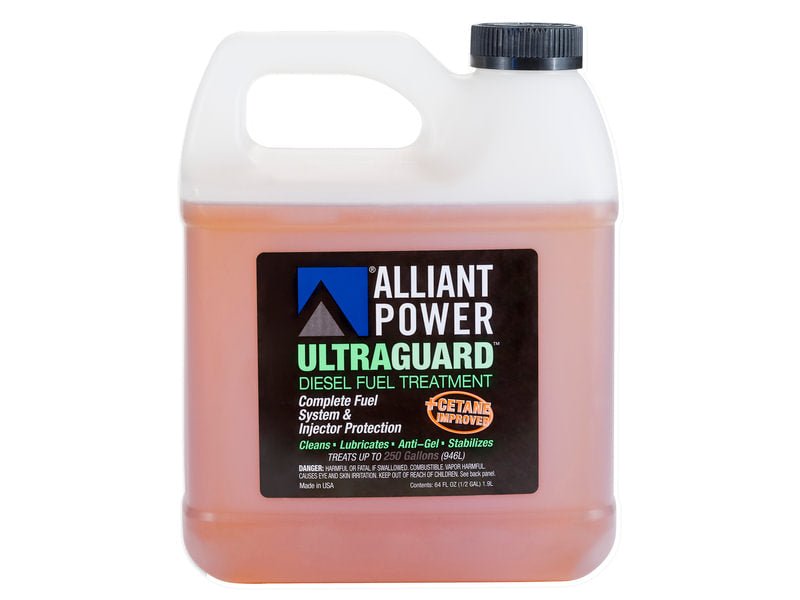
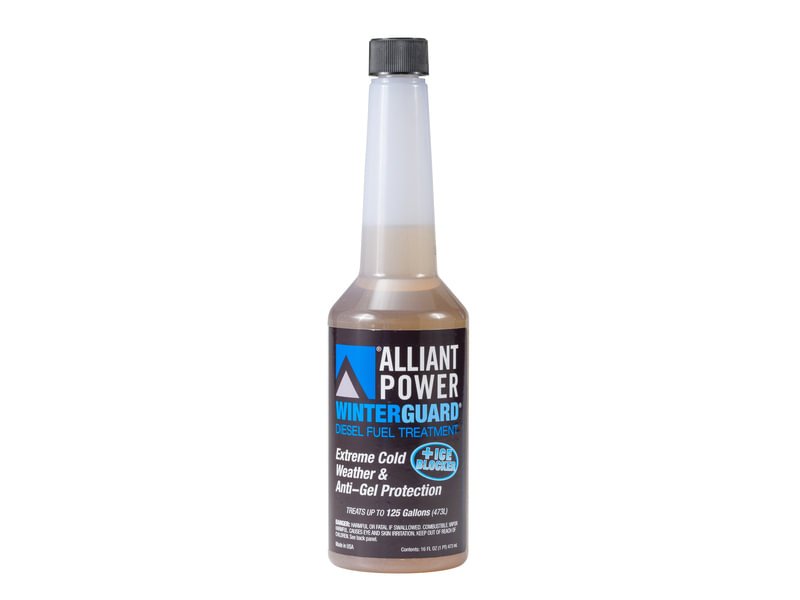
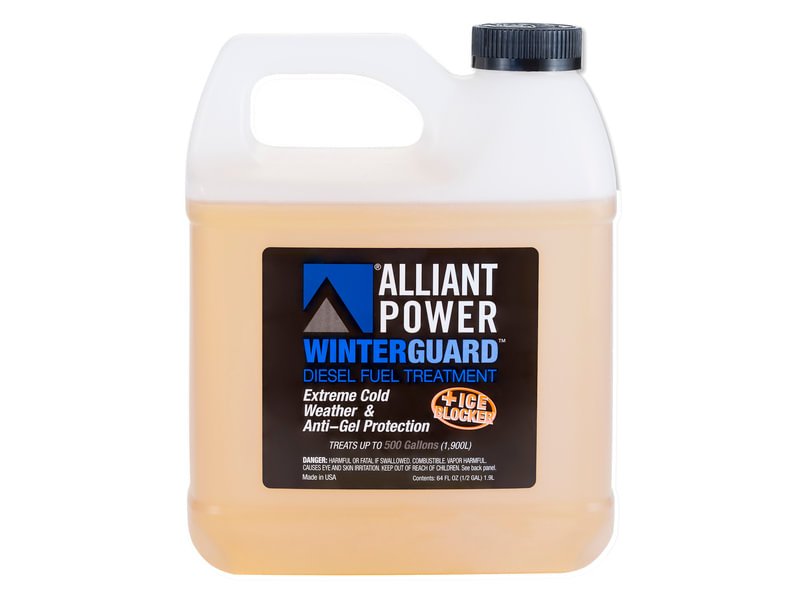
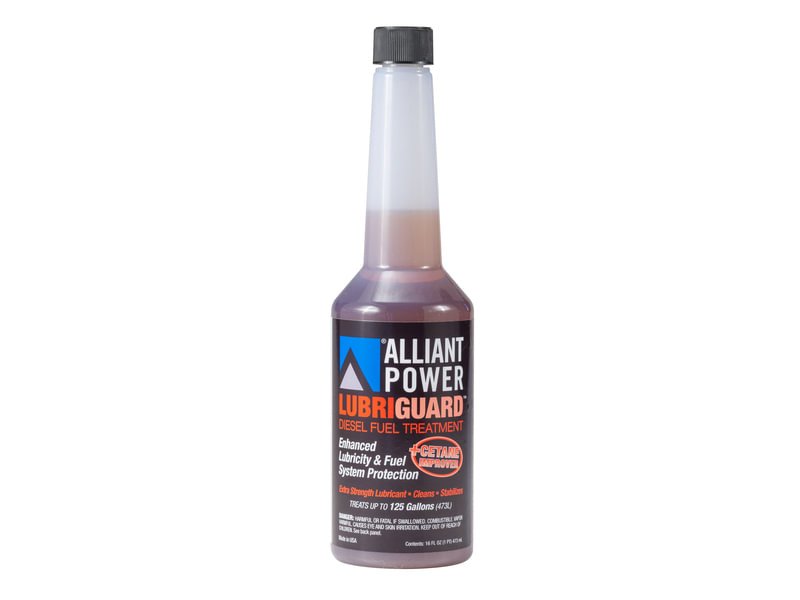
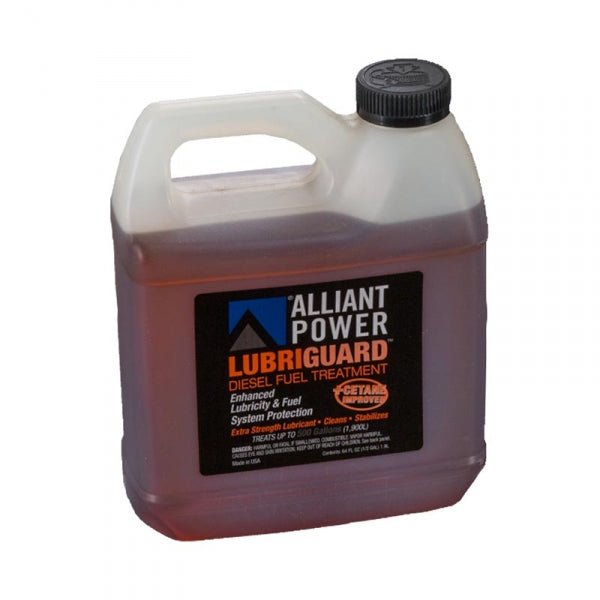
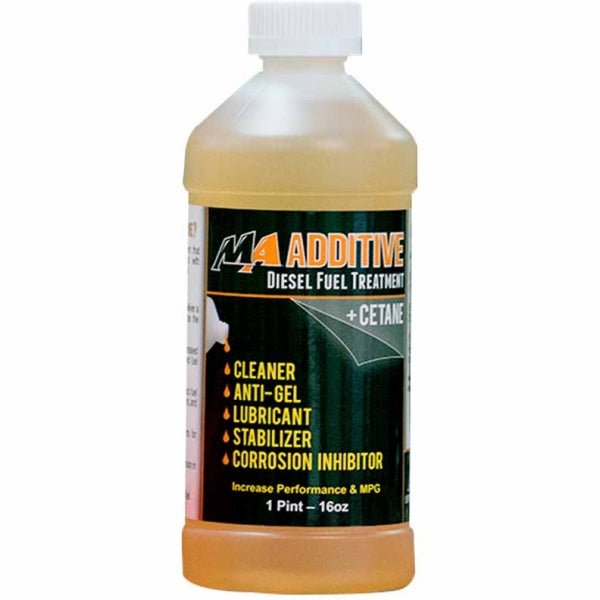
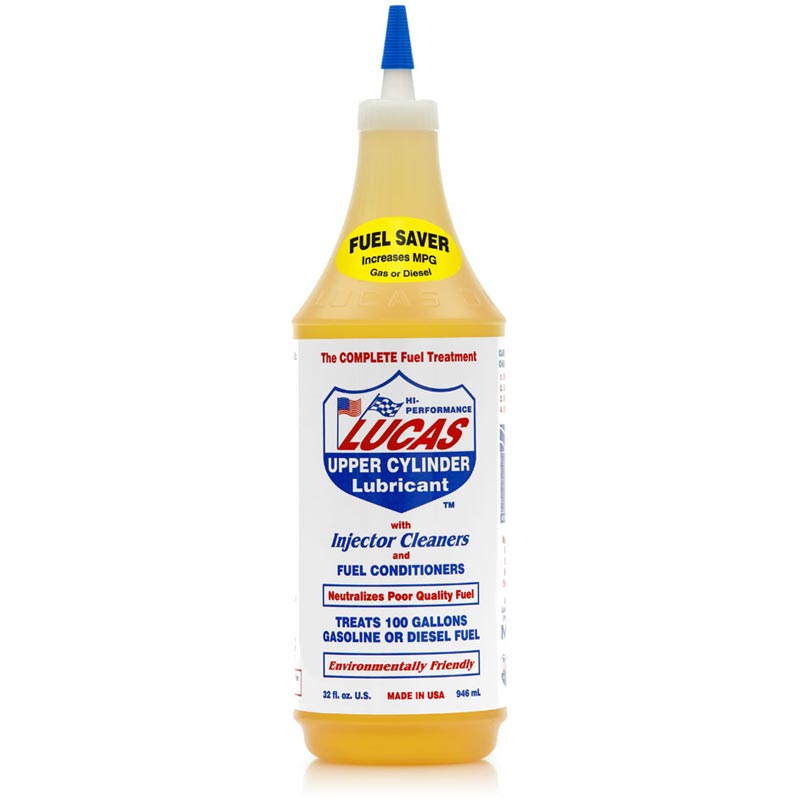
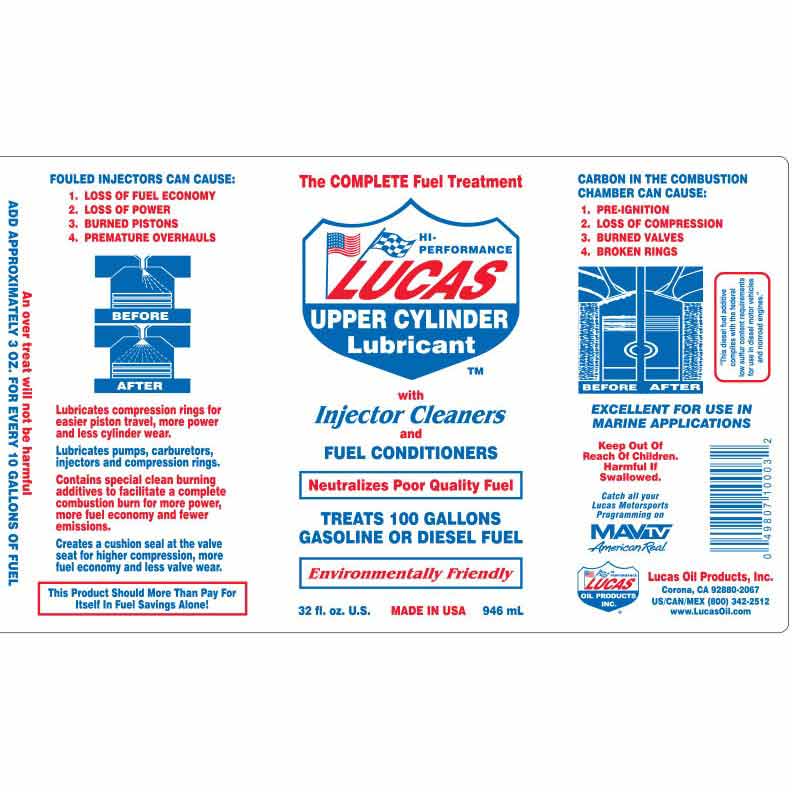
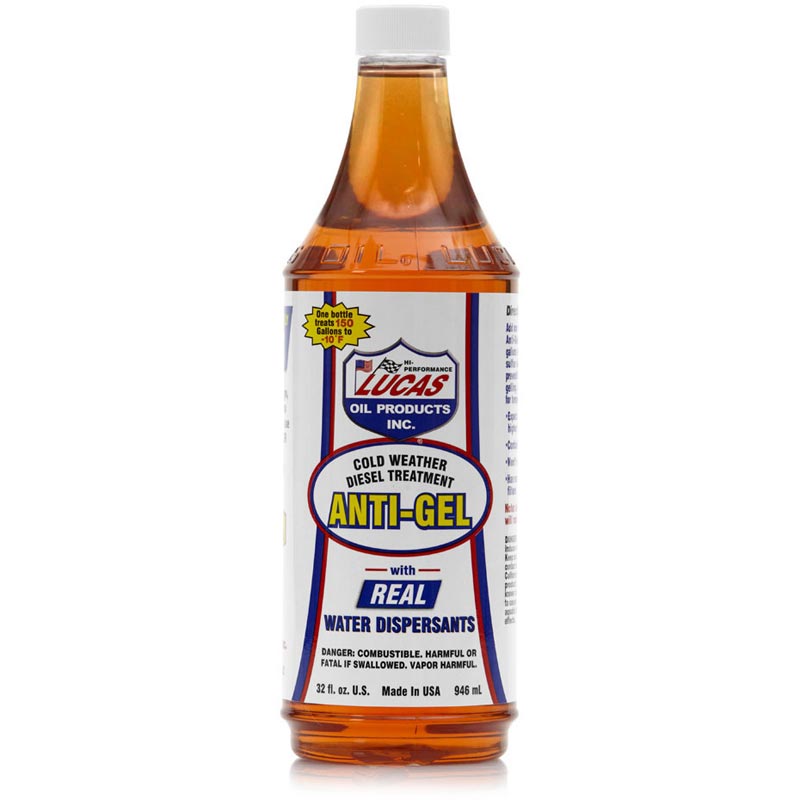
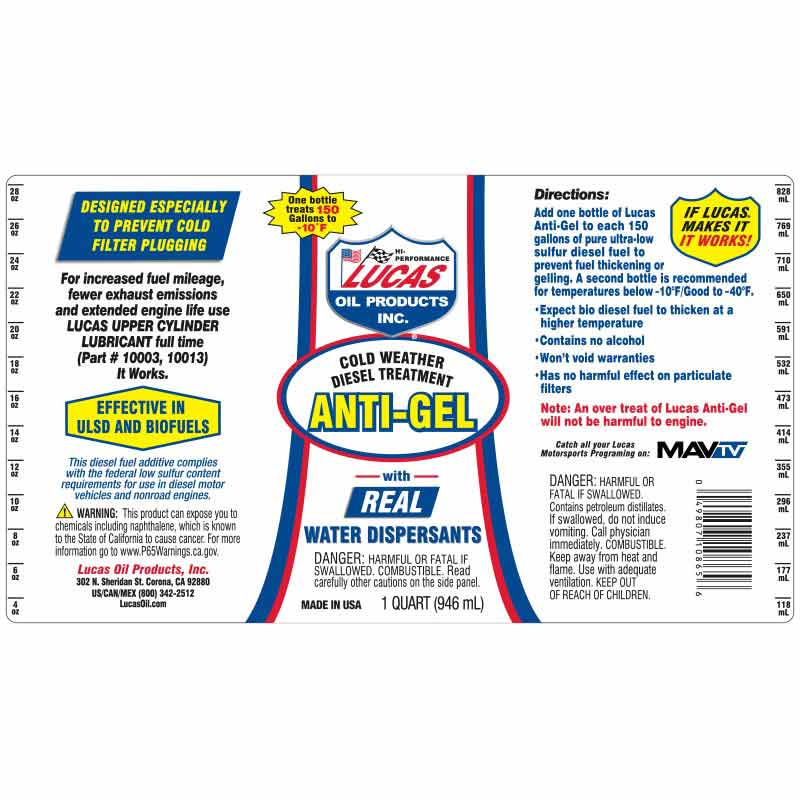
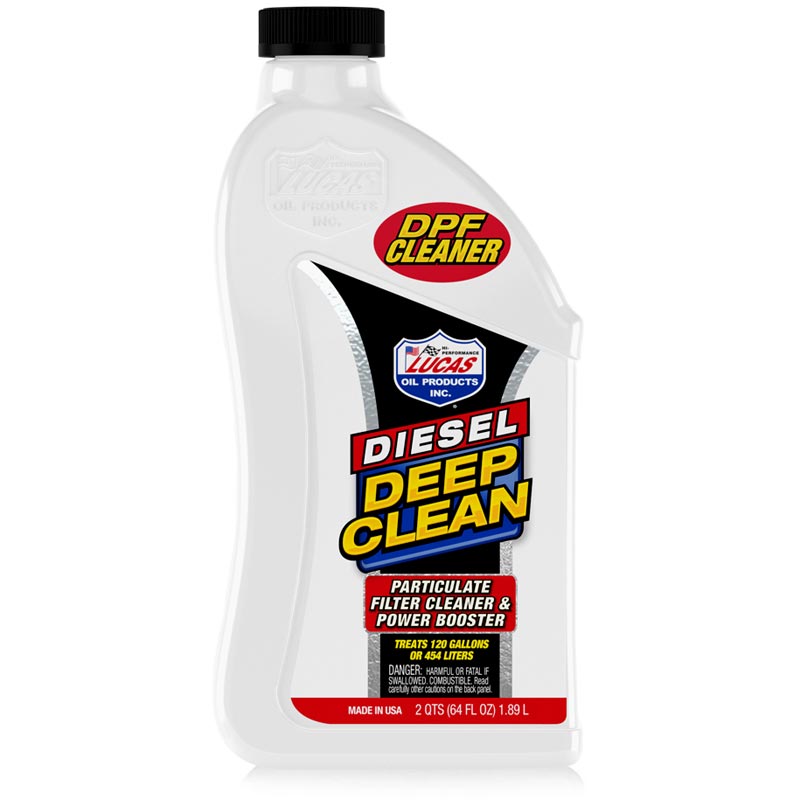
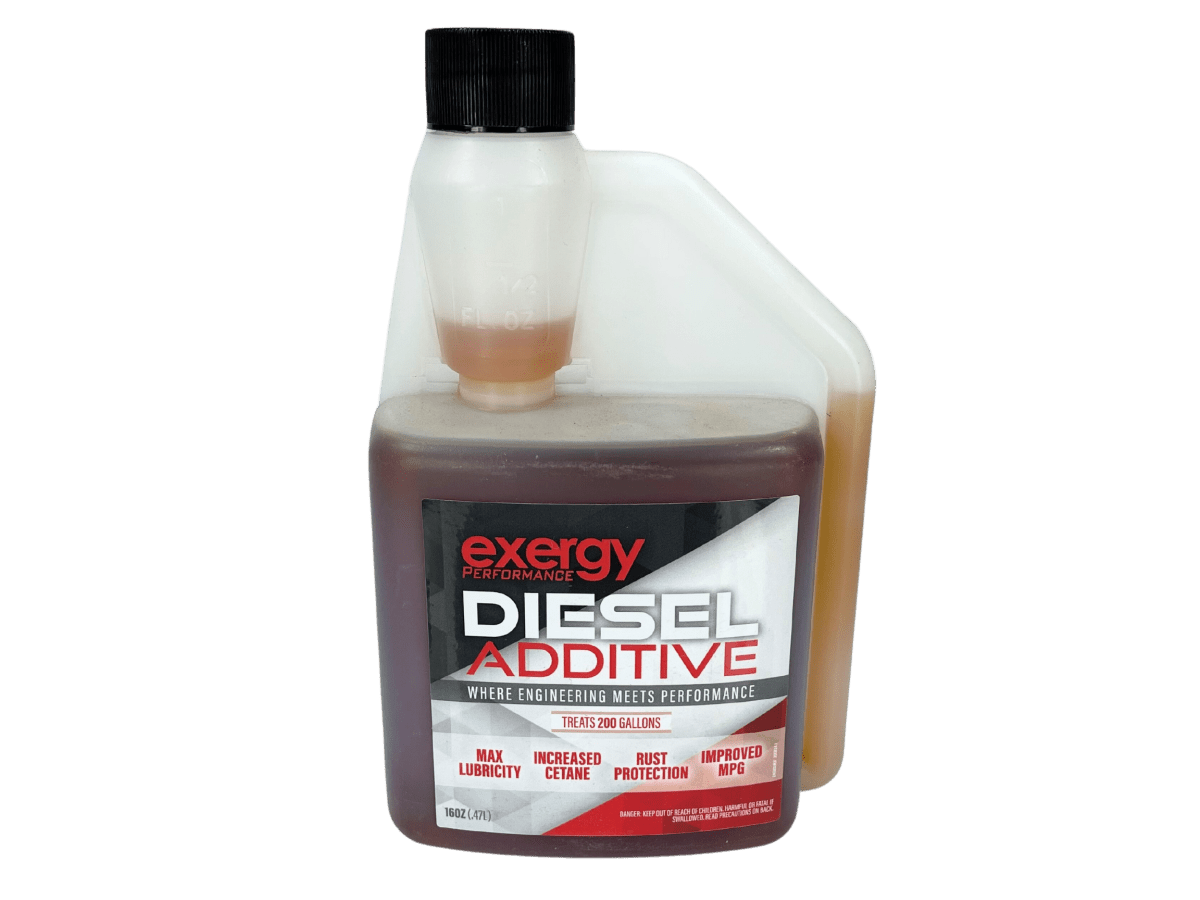
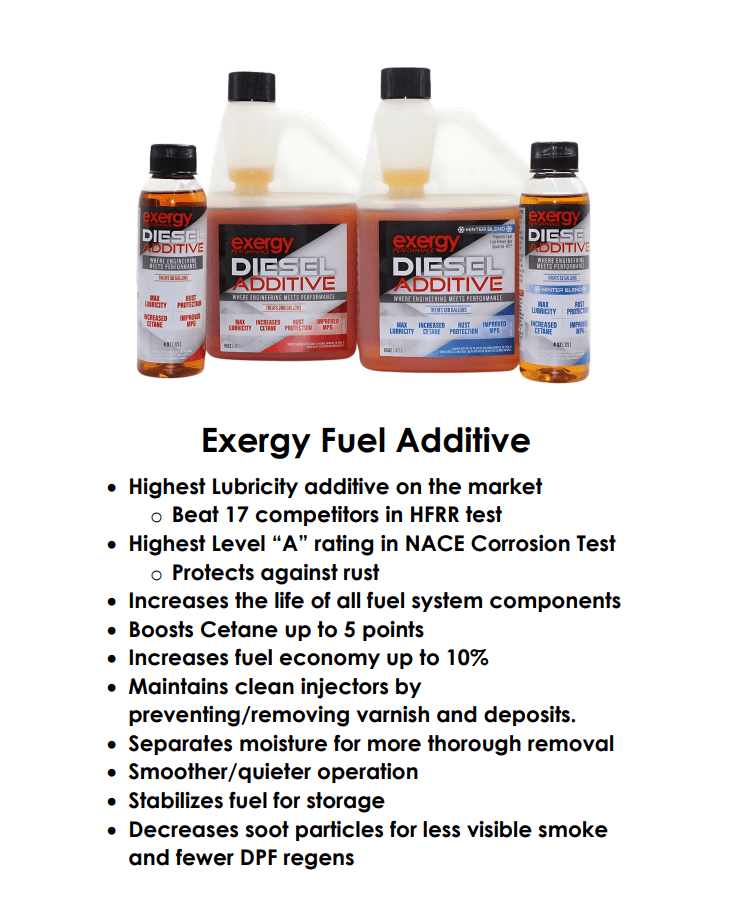
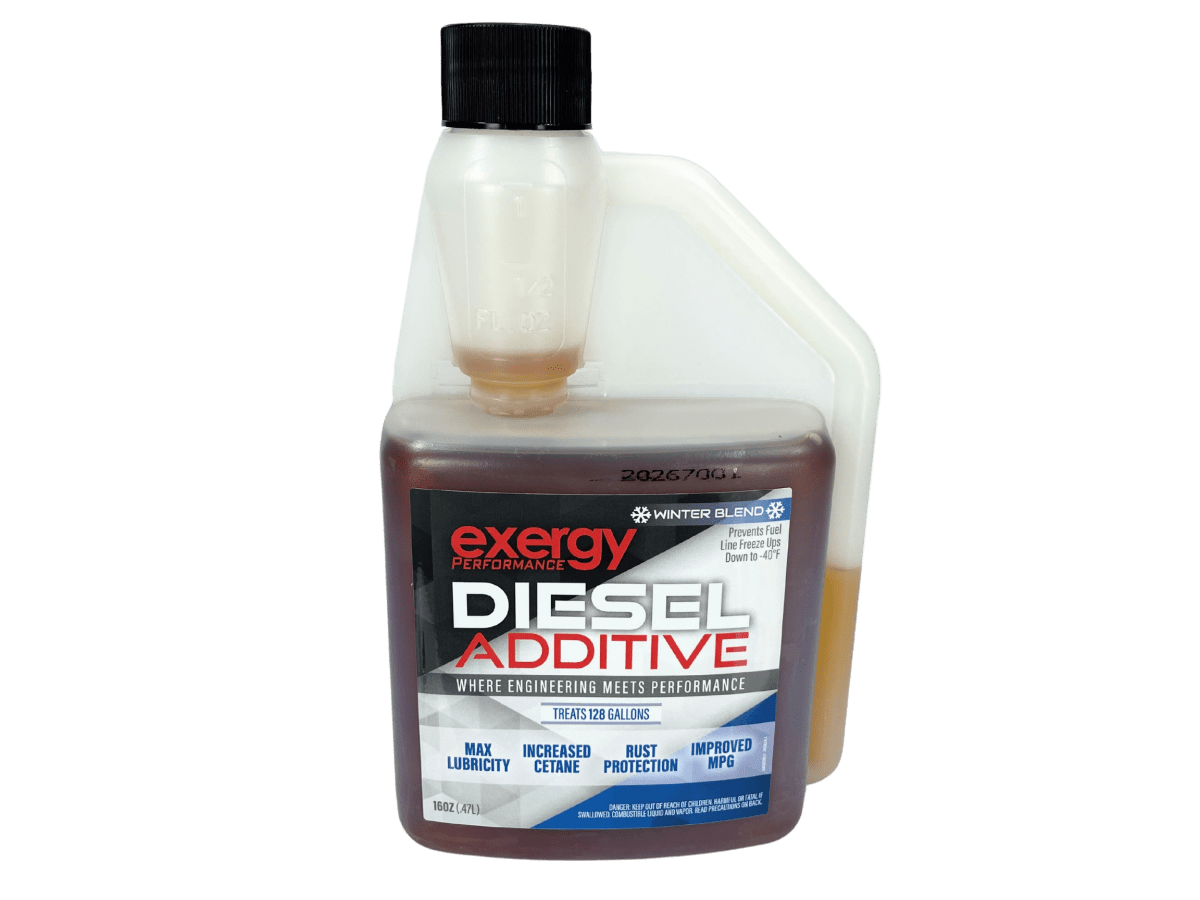
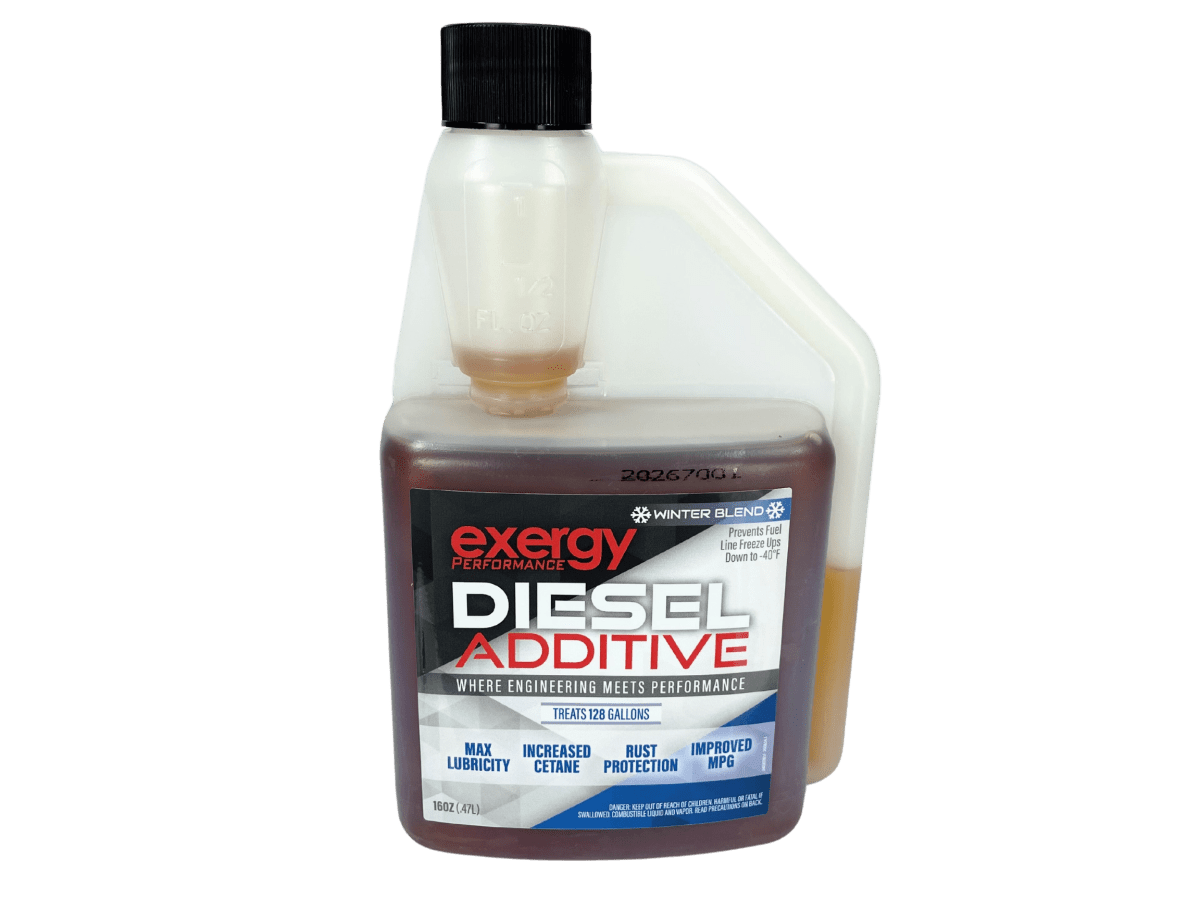
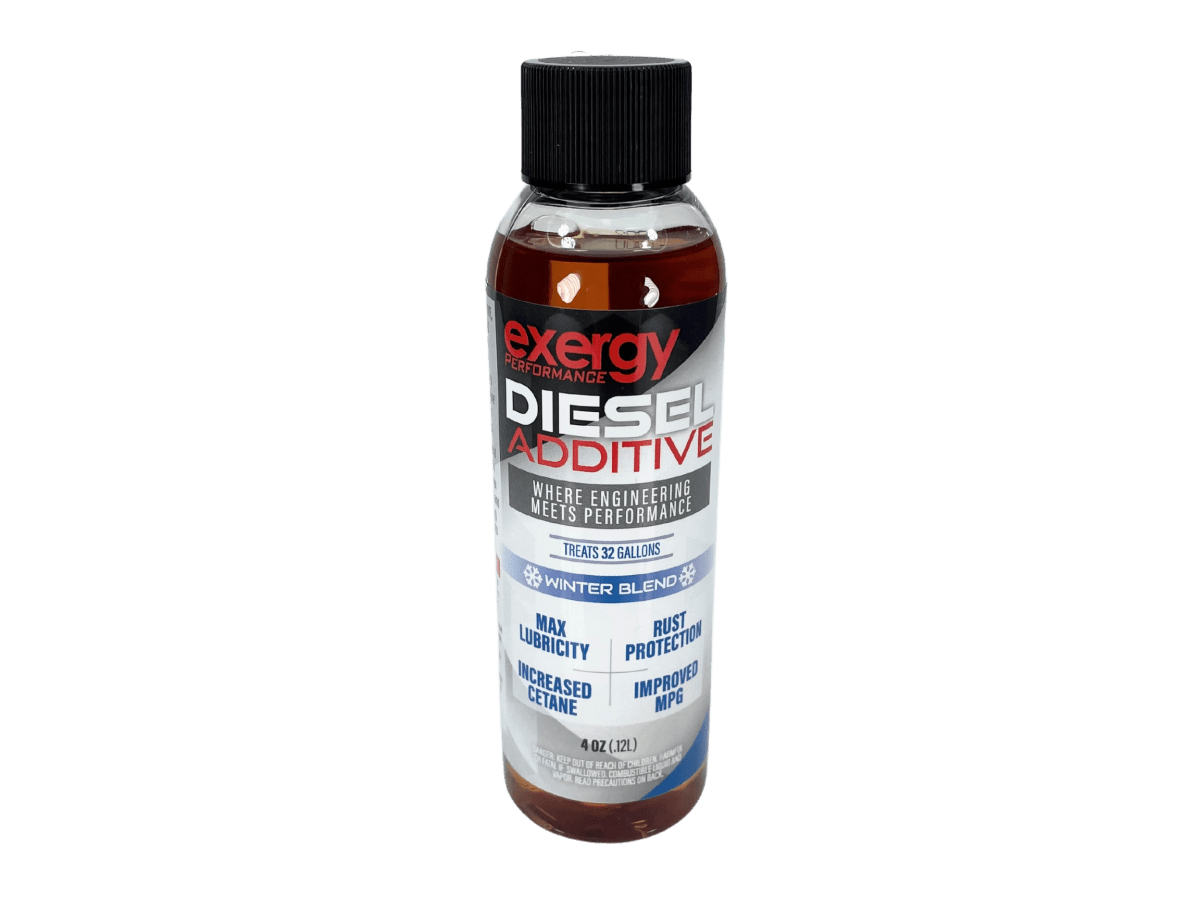
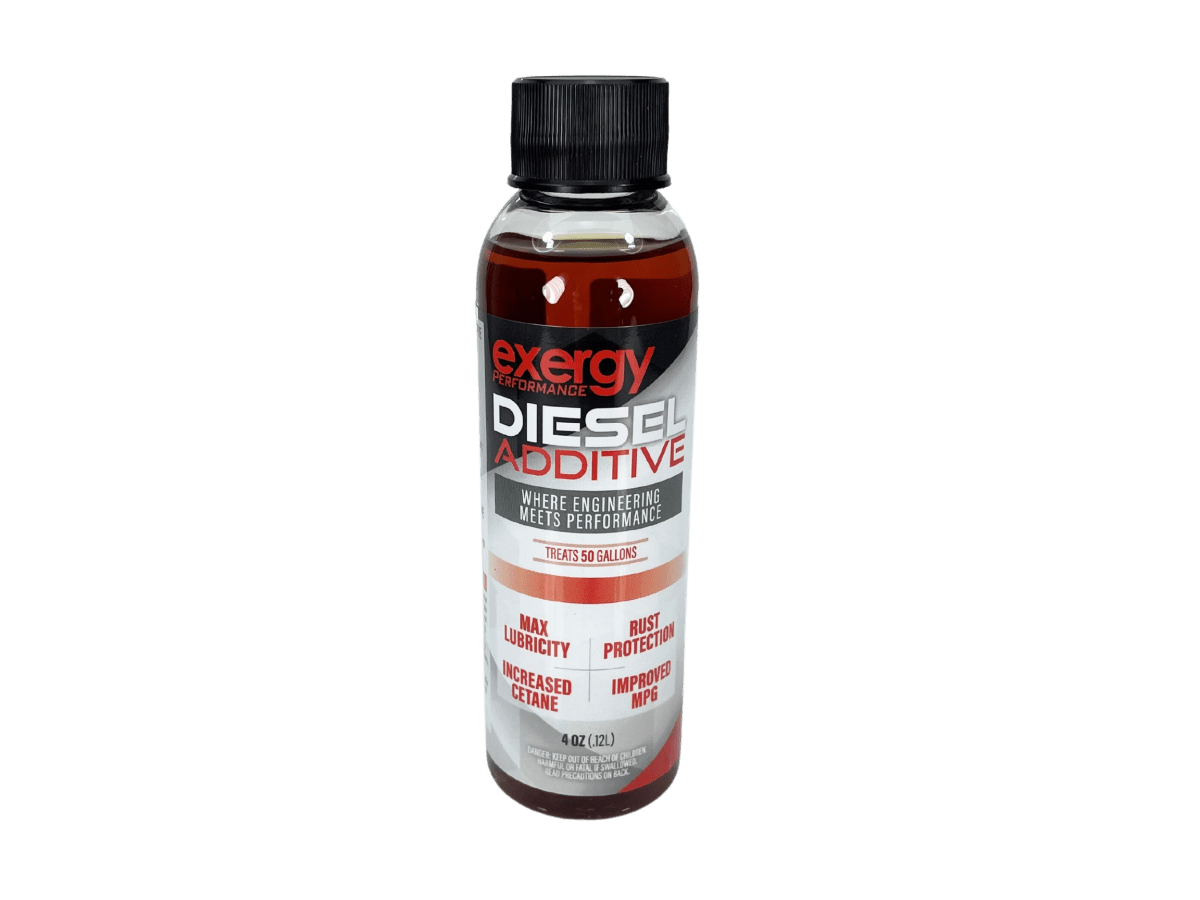
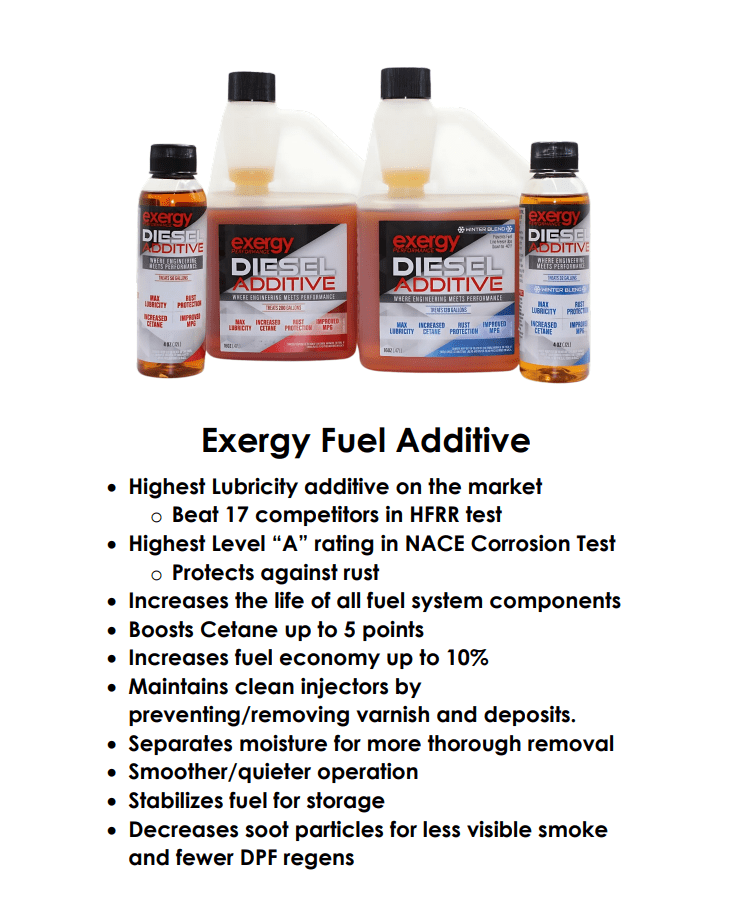
Hot Shot's Secret offers Everyday Diesel Treatment, EDT + Winter Defense, Diesel Extreme, LX4 Lubricity Extreme, Diesel Winter Anti-Gel and the Diesel Winter Rescue emergency additive. Lucas Oil offers its 10003 Fuel Treatment, Cetane Power Booster, Diesel Deep Clean and 10865 Anti-Gel Cold Weather Diesel Treatment. Exergy Performance diesel additive comes in 4 oz and 16 oz sizes, standard and winter blend, including cases of 12. Alliant Power rounds out the shelf with ULTRAGUARD, LUBRIGUARD and WINTERGUARD diesel fuel treatments, and you will also find XDP Diesel Power Plus (16 oz) and Merchant Automotive 10508 diesel fuel additive. Browse every brand on the main fuel additives page.
Using additives on this truck
Additives are not tied to a model year or trim, so what matters is how you use them. Follow the dose on the label for your tank size: 29 gallons on the 142-inch and 148-inch wheelbases, 34 gallons on most trucks, and 48 gallons on the 176-inch Crew Cab 8-foot box. Stay within the ULSD and B20 certification. If the filters already show metal, the pump has failed, and the fix is the full repair described above.
Frequently asked questions
Do I really need an additive in a 2017-2019 6.7L Powerstroke?
It is low-cost protection for the CP4.2. Domestic ULSD can fall below the pump's lubricity requirement, and when the pump wears it sends metal through the rails, injectors and lines. A lubricity and cetane treatment in every tank is the prevention step most sources recommend.
What helps with white smoke at startup?
Two fuel-related causes produce it. Injector stiction from deposits shows as white smoke at startup and misfire, and a cleaner is the first step before replacing injectors. Water contamination can also cause white smoke, and a water-dispersant additive addresses that.
How do I fix black sludge in the fuel filters?
Black, scummy residue points to microbial growth from water in the tank. Treat the fuel with a biocide plus a cleaner, then change both filters with the FD-4625AA kit.
Can I run biodiesel in my F-250 or F-350?
Ford certifies the 2017-2019 6.7L for ULSD and B20, which is up to 20 percent biodiesel. Running biodiesel puts the truck on the severe-service fuel filter interval: 15,000 miles, 6 months or 600 hours instead of 22,500 miles.
Not sure what fits? Call the shop at the number in the header, or use the fitment checker on any product page. We install everything we sell.