
Shop Fuel System by Category


Filters
74 products





Not sure it fits your truck?
Our Wildwood, FL techs will confirm the right part for your build before you buy.
Call or Text (352) 722-5295Fuel system on the 1994-1998 Dodge Ram 5.9L Cummins
On a 12-valve Cummins, a cam-driven mechanical plunger pump bolted to the side of the block pulls fuel from the tank. It pushes that fuel through a Dodge-only fuel heater and pre-strainer, then a spin-on filter, and into the Bosch P7100. The P7100 does its job mechanically. Six plungers ride on the pump camshaft, a rack rotates them to meter fuel, and a mechanical governor, a boost-referenced AFC and a fuel plate limit fueling, with the factory defuel point under 3,000 rpm. Extra fuel returns to the tank through an overflow valve on the pump. There is no common rail, no rail pressure sensor and no electric lift pump on this engine.
Dodge built four pump calibrations: 160 hp on 1994-1995 automatics, 175 hp on 1994-1995 manuals, 180 hp on 1996-1998 automatics and 215 hp on 1996-1998 manuals. The pump has one big advantage over the later VP44: its governor side is lubricated by engine oil, so low fuel pressure doesn't kill it. That's why a fuel pressure gauge is optional on a stock 12-valve.
What fails and why
The P7100 itself is extremely durable. The trouble lives around it.
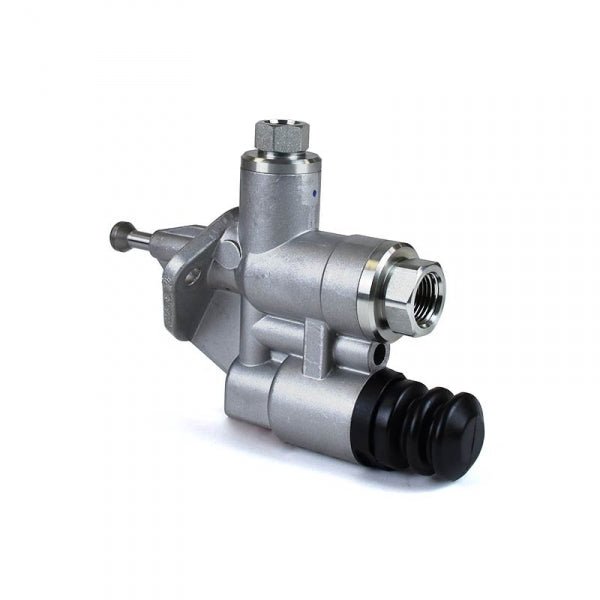
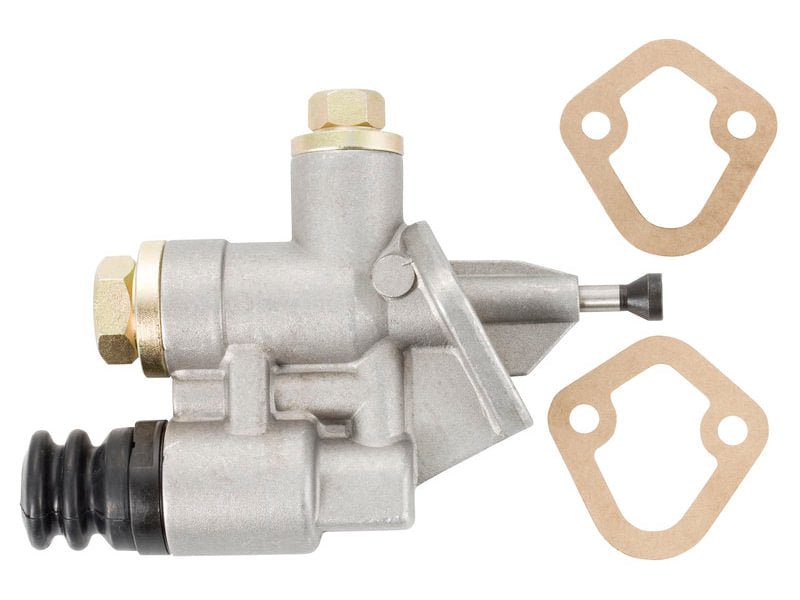
- Mechanical lift pump. It loses output with age. You'll see hard cold starts, an idle that slowly drops, lost pep, and finally a no-start. Confirm with a fuel pressure test. A dead lift pump leaves you stranded but doesn't damage the injection pump.
- Overflow valve. A weak one bypasses too much fuel and drops supply pressure. It mimics a bad lift pump, with low power and stalling at hot idle, especially on automatics.
- Fuel shutoff solenoid circuit. The solenoid, its relay, the fusible link or fuse #9 can fail. The truck cranks but won't start, dies right after starting, or won't shut off with the key. It's one of the most common no-starts on these trucks.
- Rubber return hose. The hose under the intake manifold near the filter boss hardens from engine heat and leaks, letting air into the system. The short hoses and clamps at the lift pump do the same.
- Pre-strainer. The nylon strainer in the fuel heater clogs and starves the lift pump, and its quad-ring seal can cut and weep fuel at the heater bowl.
- Tank sending unit. The sender sticks or reads low, and the barrel strainer it rides on can bind. The fix is dropping the tank.
Stock replacement vs. upgrade
On a stock or near-stock truck, OEM-style service parts fix most complaints: a new lift pump, an overflow valve, heat-resistant fuel-rated return hose with screw-band clamps, a clean pre-strainer with a fresh quad ring, and a shutoff solenoid kit. Change the spin-on filter every 12,000 miles or 12 months, or every 6,000 miles in severe service.
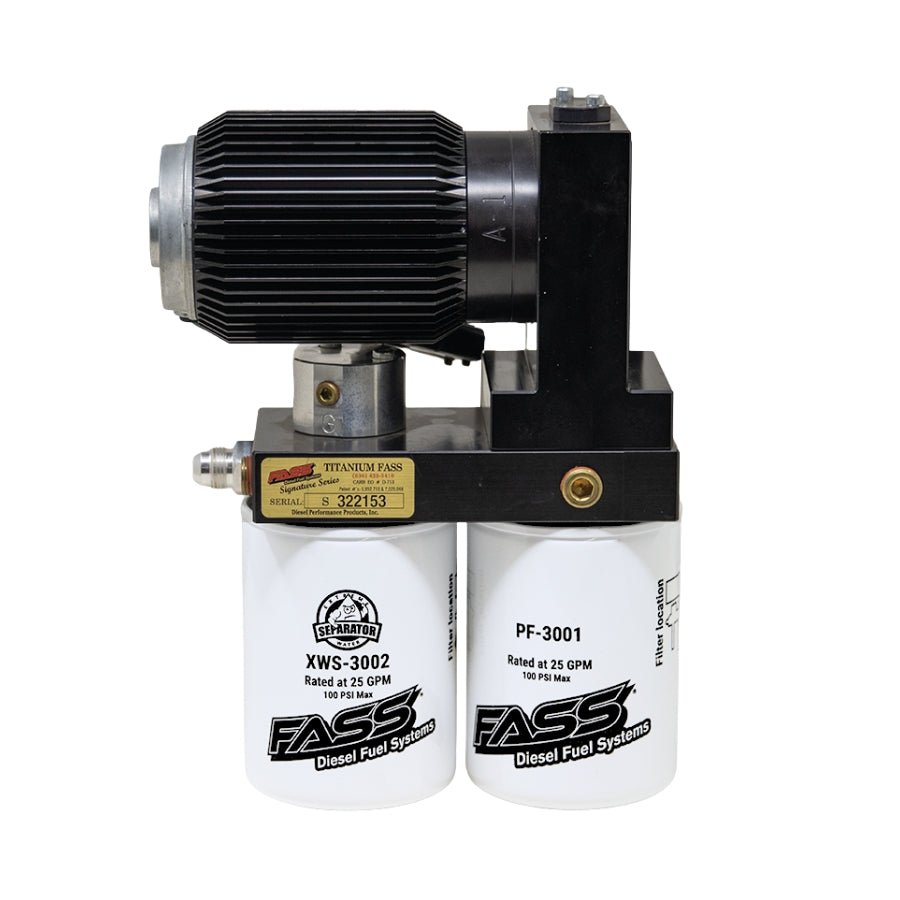
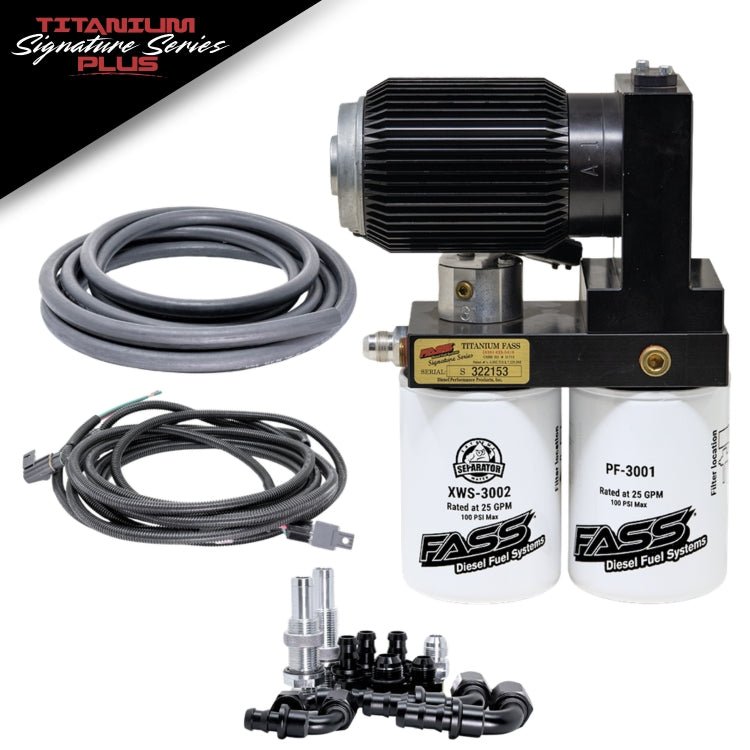
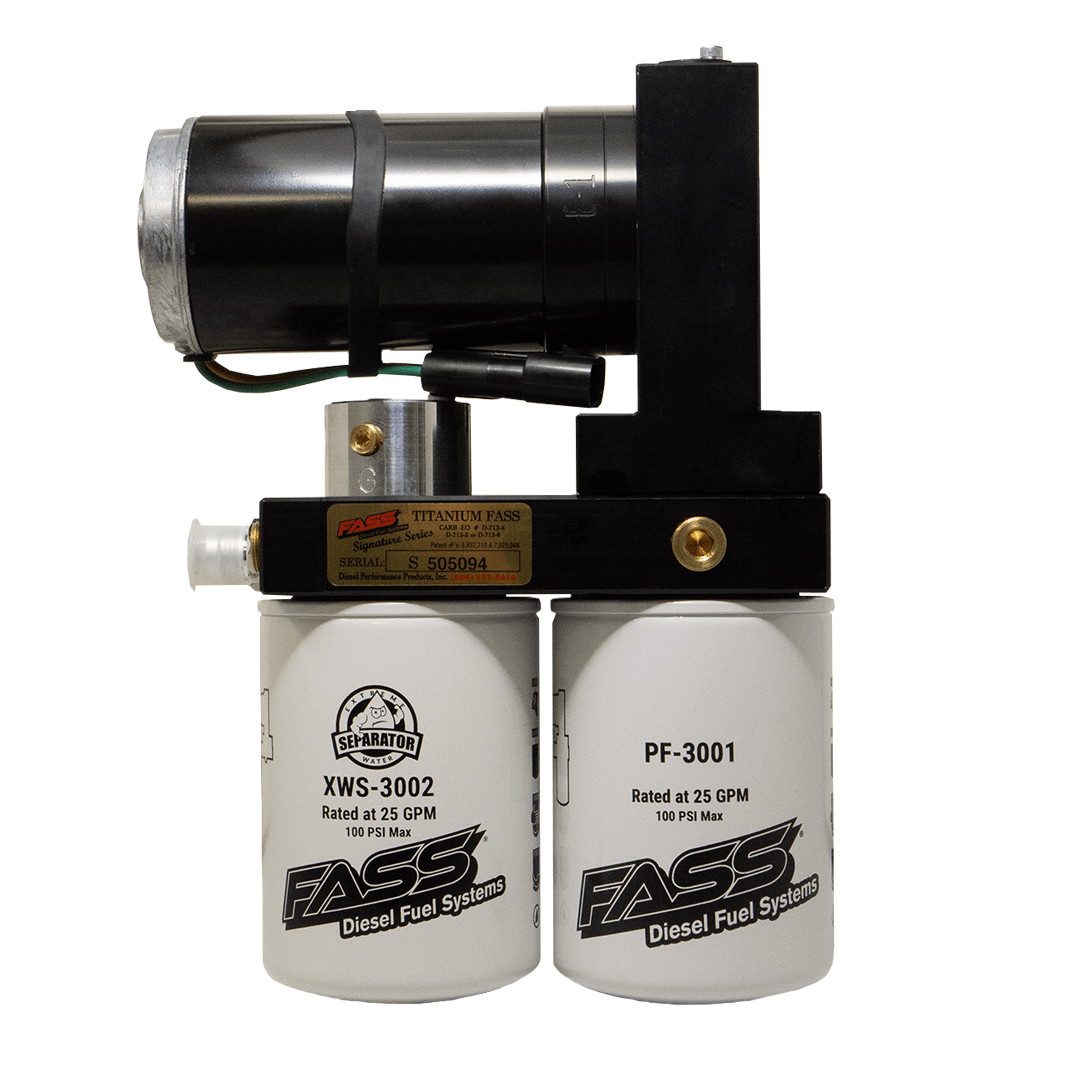
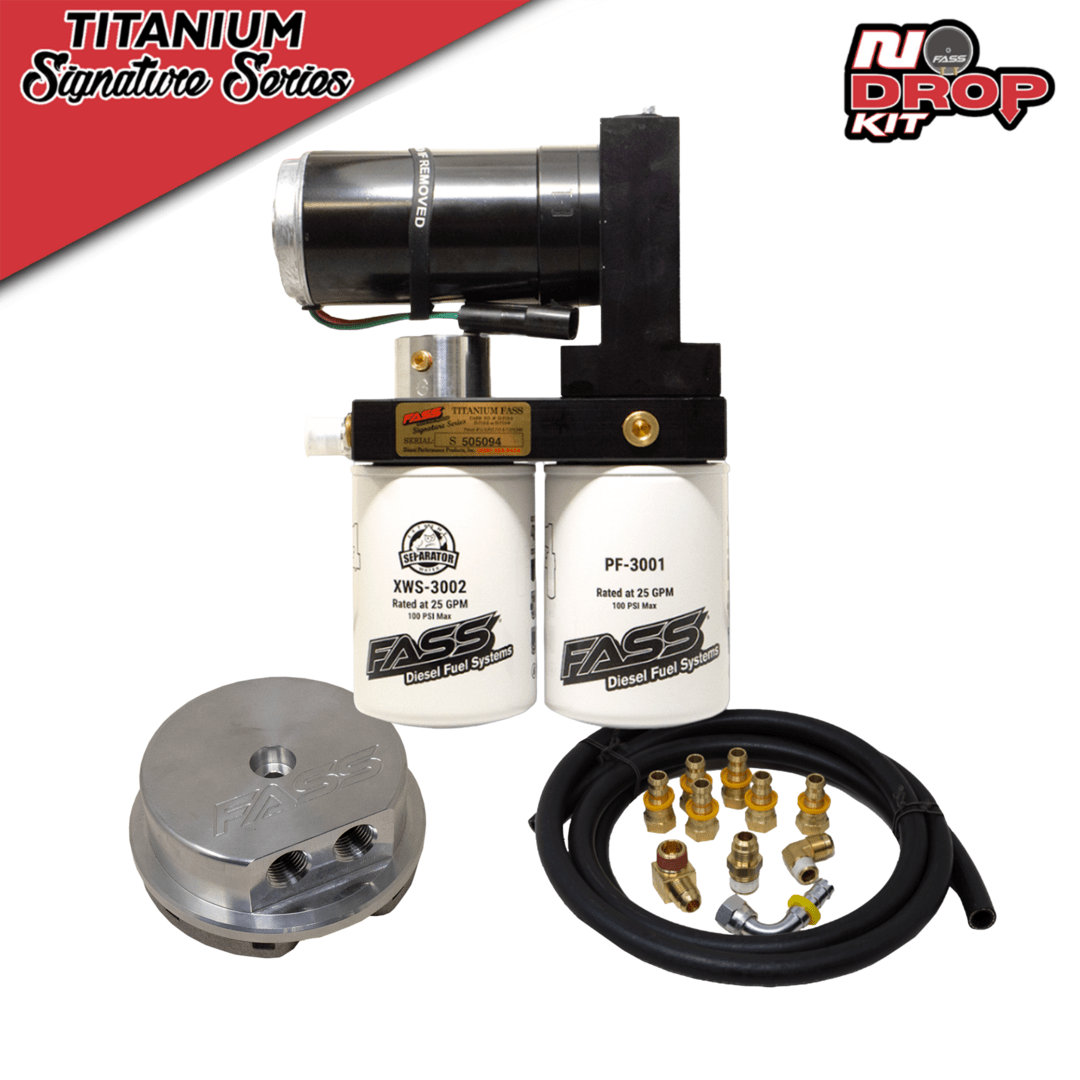
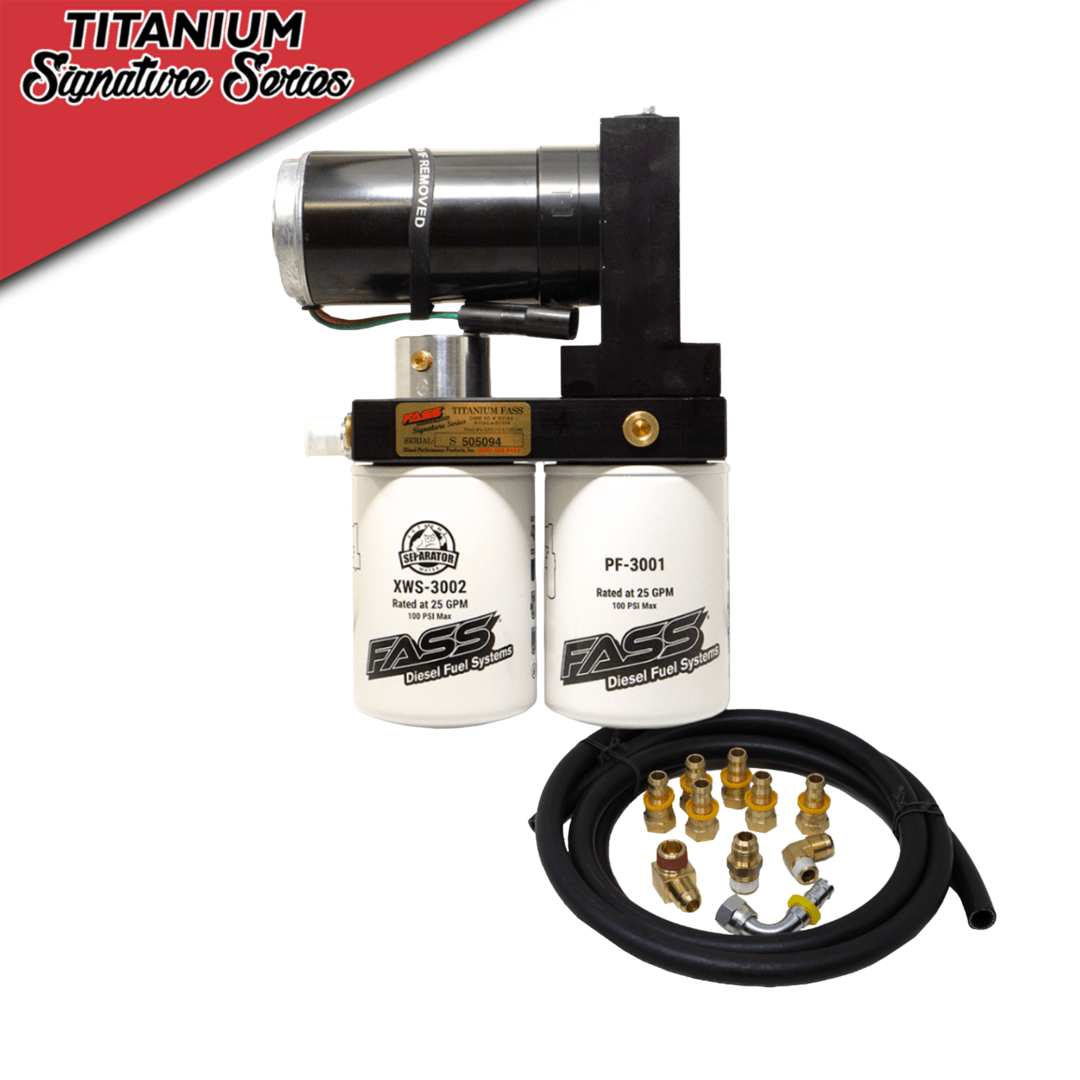
If the engine has been built and needs more supply, a frame-mounted electric lift pump system replaces the mechanical pump, adds water separation and 2-micron filtration, and holds 35-55 psi of supply. A block-off plate seals the old pump opening. Larger injectors on new Bosch bodies are the usual next power step, paired with a modified P7100 and a bigger turbo. Pump calibration parts change the factory fuel calibration, so check the emissions rules where your truck is registered before you install them.
What we carry
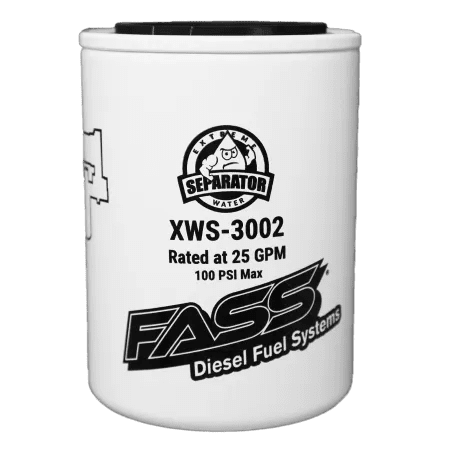
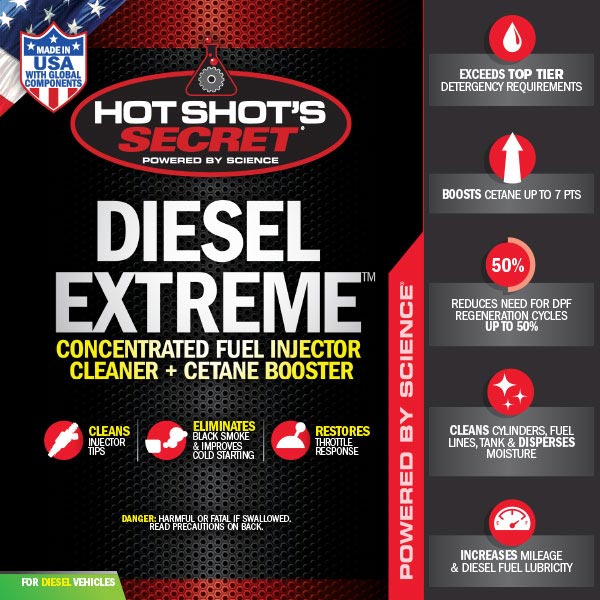
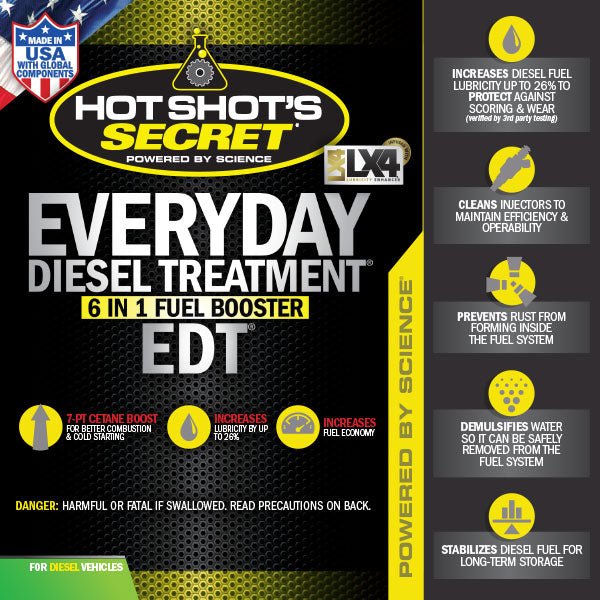
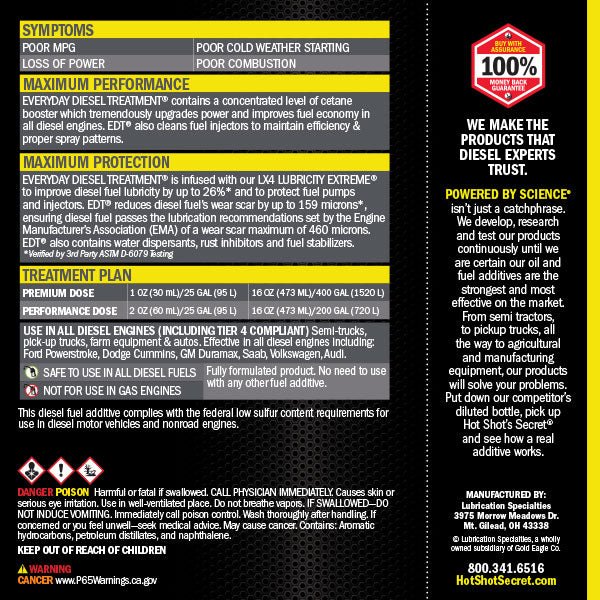
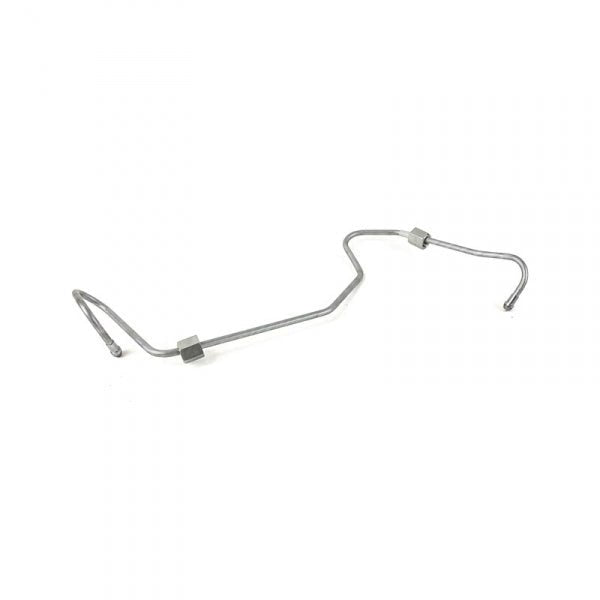
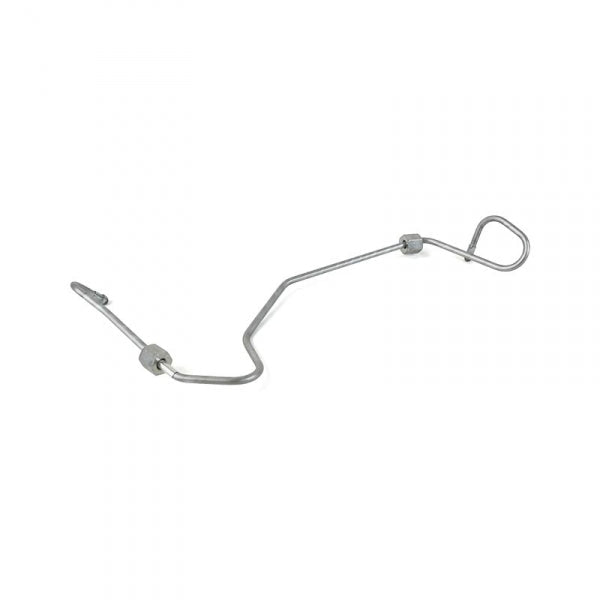
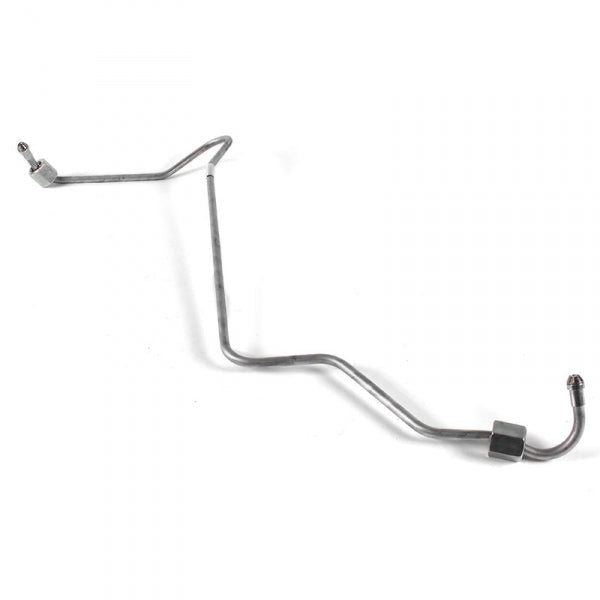
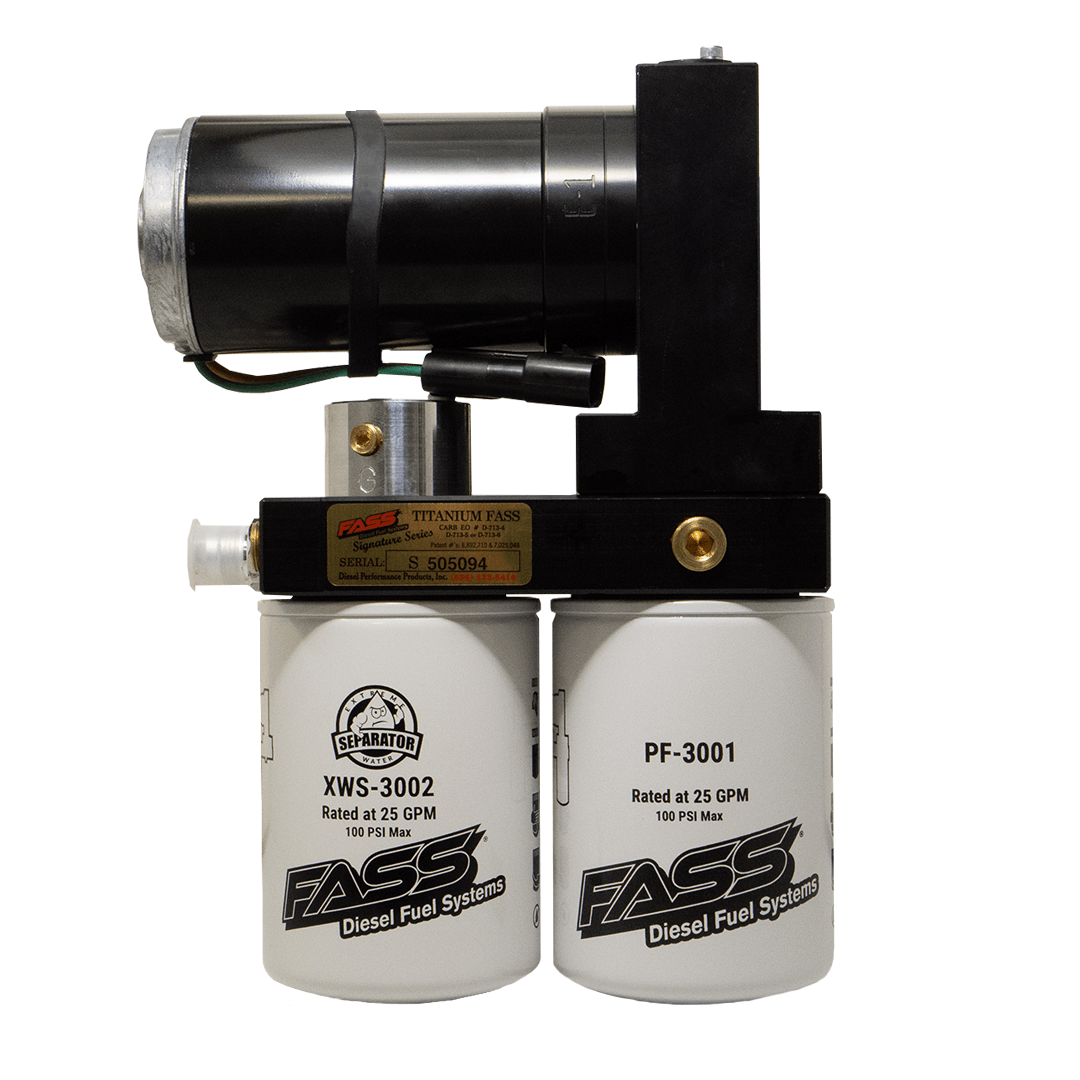
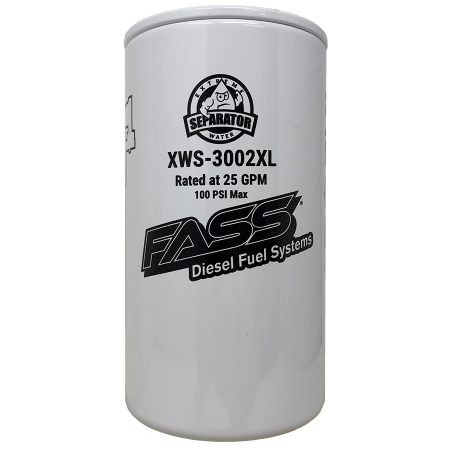
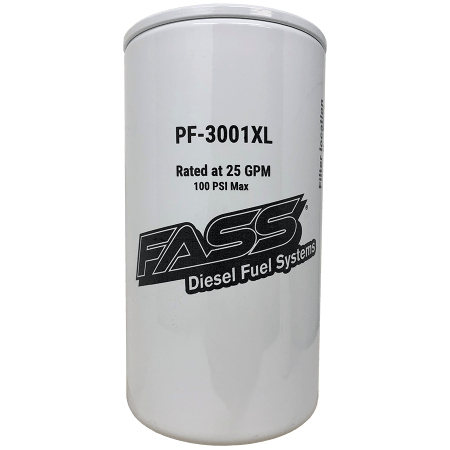
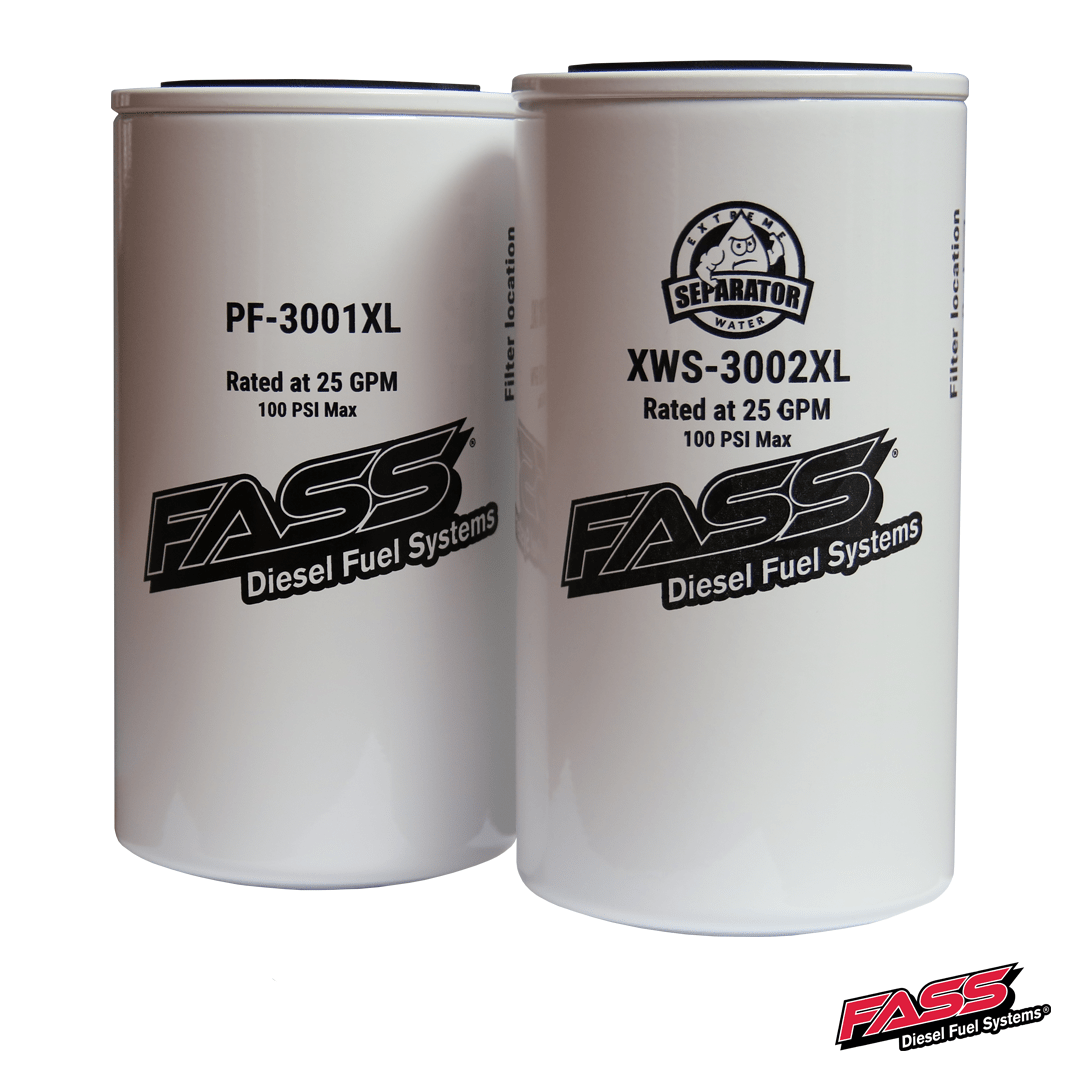
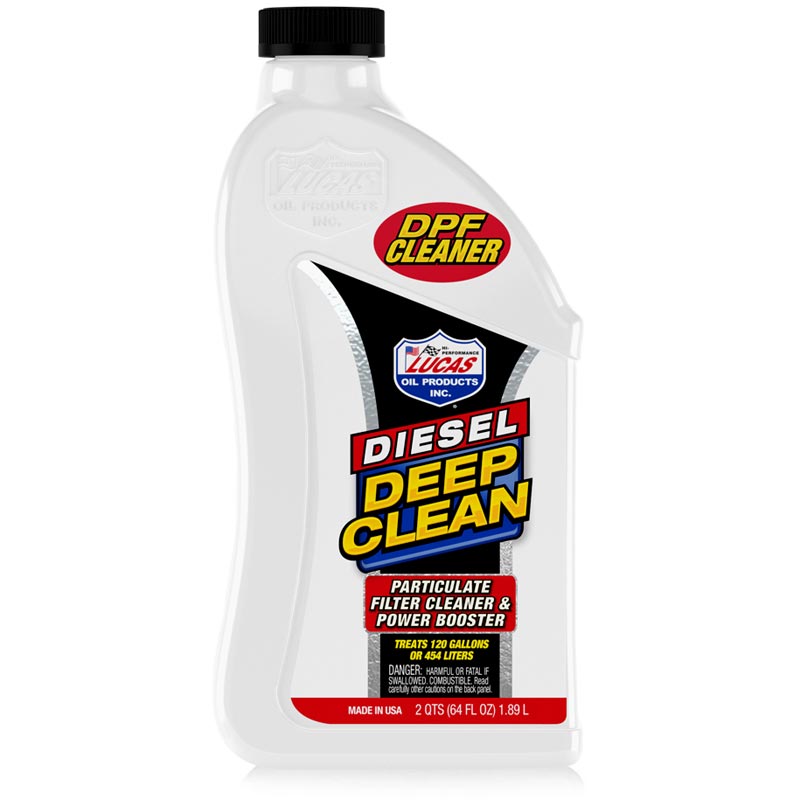
Genuine Cummins injection lines for each cylinder, the injector return line and the mechanical fuel transfer lift pump, plus an Alliant Power transfer pump. Frame-mounted lift pump and filtration systems from FASS (Titanium Signature Series in standard, PLUS and No-Drop versions) and AirDog, with their replacement filters and water separators. XDP shutoff solenoids for the P7100, rack caps, fuel tank sumps, a lift pump block-off plate and new stock-HP injectors. Dynomite Diesel P7100 parts and injector sets, replacement P7100 pumps from BD Diesel, a Fleece block-off plate, fittings and additives from Exergy, and fuel treatments from Hot Shot's Secret, Lucas Oil and Merchant Automotive.
Fitment notes
1998 is a split year. The 12-valve ran until the middle of the 1998 model year, when Dodge switched to the 24-valve ISB with the electronic VP44 pump. Check the engine, not the calendar: a 12-valve has the P7100 inline pump with a mechanical shutoff solenoid on top, while a 24-valve has the VP44 rotary pump with a wiring harness. Parts listed as fuel rail or lift pump parts for 1998.5-2002 trucks don't fit a 12-valve. Fuel filters split at 1997: FS19519 for 1994-1996 and FS19598 for 1997-1998. Injectors have to match the pump build, and 12-valve injectors don't interchange with 24-valve injectors. Some injectors here are listed by transmission as well as year, so read the title. When in doubt, verify by VIN.
Frequently asked questions
Why does my 12-valve start hard in the morning and idle low?
A worn mechanical lift pump is the classic cause: hard cold starts, an idle that slowly drops and lost power, ending in a no-start. A clogged pre-strainer in the fuel heater can starve the pump too. Test fuel pressure before you buy parts.
My truck cranks but won't start. Is the injection pump bad?
Probably not. The fuel shutoff solenoid circuit is one of the most common no-starts on 1994-1998 trucks. At the three-wire connector, look for +12 V on the red/black-trace wire while cranking. Voltage with no pull-in means a bad solenoid; no voltage points to the relay, fusible link or fuse #9.
Will a failing lift pump hurt my P7100?
No. The P7100's governor is lubricated by engine oil, so low supply pressure leaves you stranded without damaging the pump. That's the big difference from the VP44 on 24-valve trucks.
Where do I hook up a fuel pressure gauge?
Tap the 1/8 NPT port on the fuel filter head. An electric sender keeps fuel out of the cab, and it's the setup the Turbo Diesel Register recommends.
Should I replace the overflow valve along with the lift pump?
Many owners do. A weak overflow valve mimics a bad lift pump, with low power and stalling at hot idle even when the pump is putting out. Replacing both at the same time rules both out.
Not sure what fits? Call the shop at the number in the header, or use the fitment checker on any product page. We install everything we sell.