
Shop Fuel System by Category


Filters
110 products







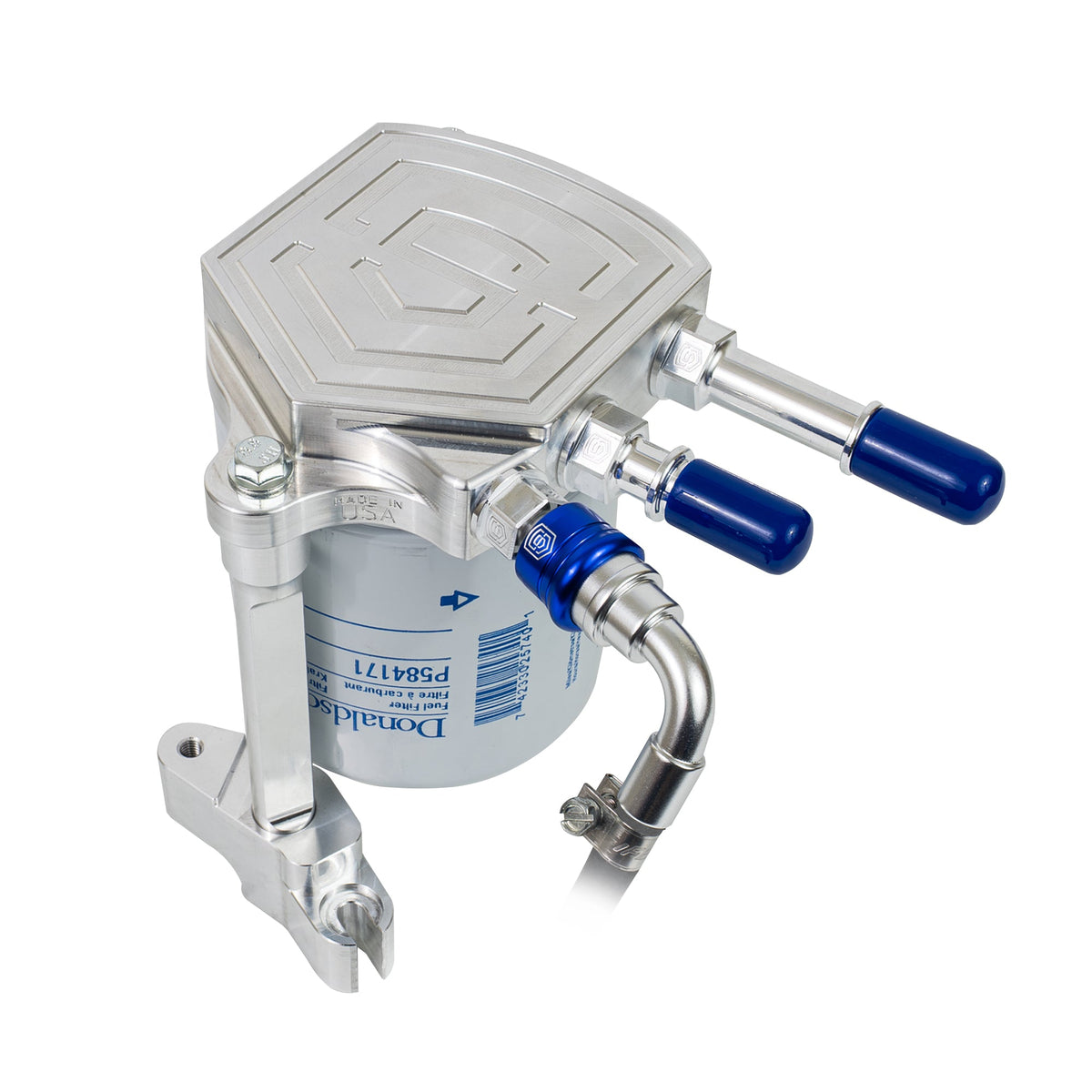
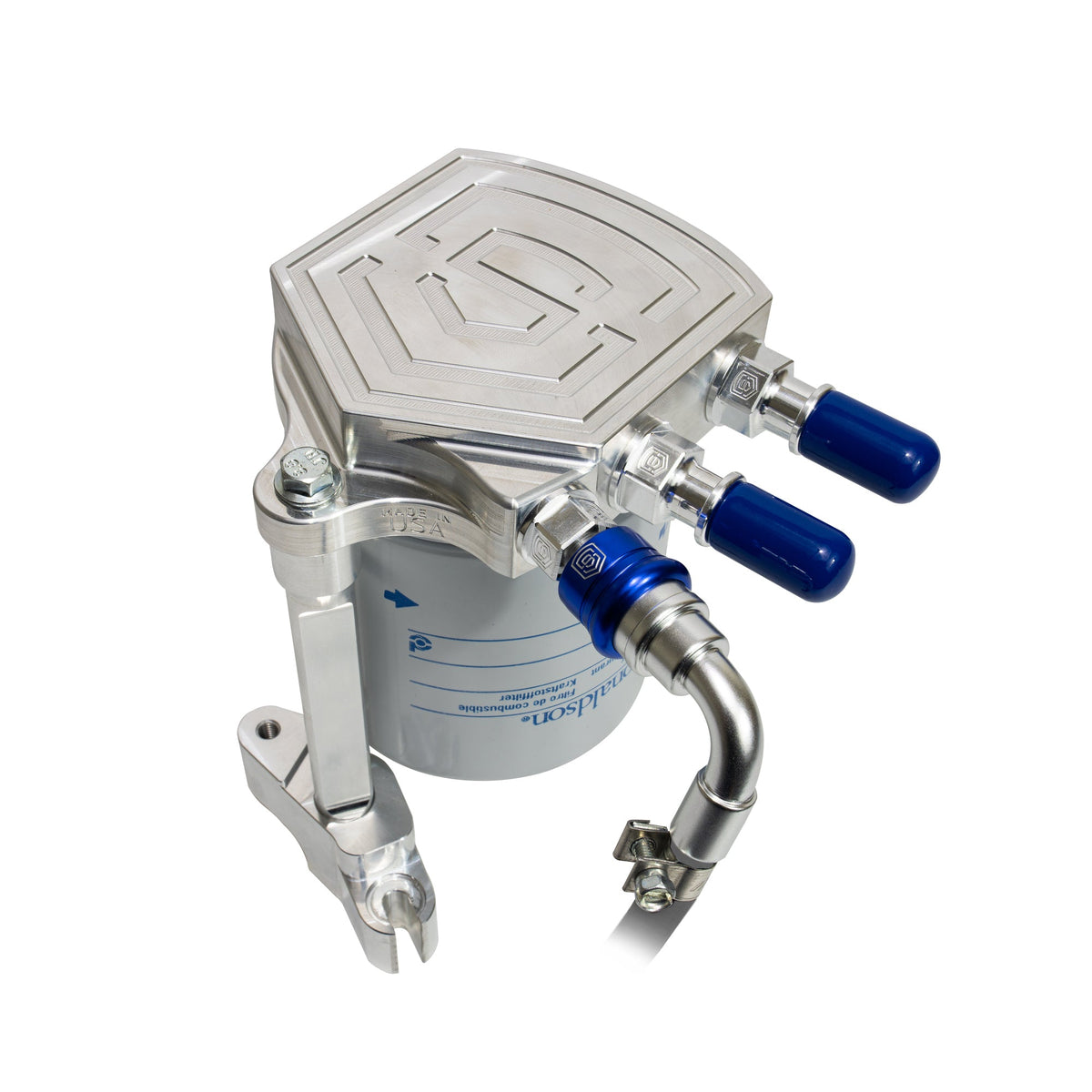


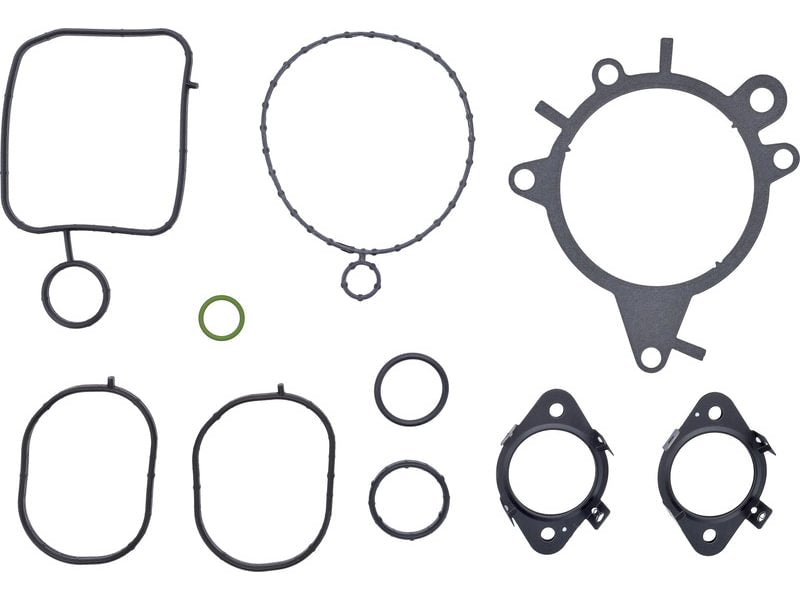
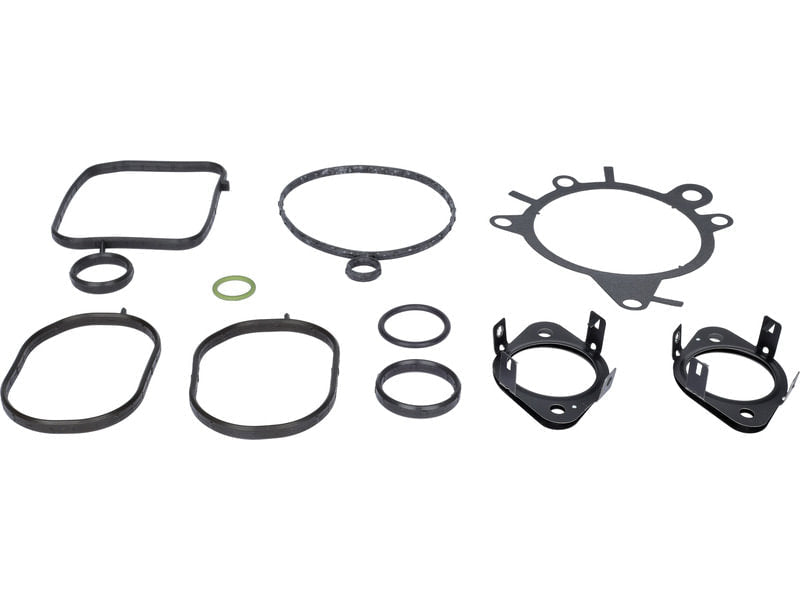
Not sure it fits your truck?
Our Wildwood, FL techs will confirm the right part for your build before you buy.
Call or Text (352) 722-5295Fuel system on the 2015-2016 Ford 6.7L Powerstroke
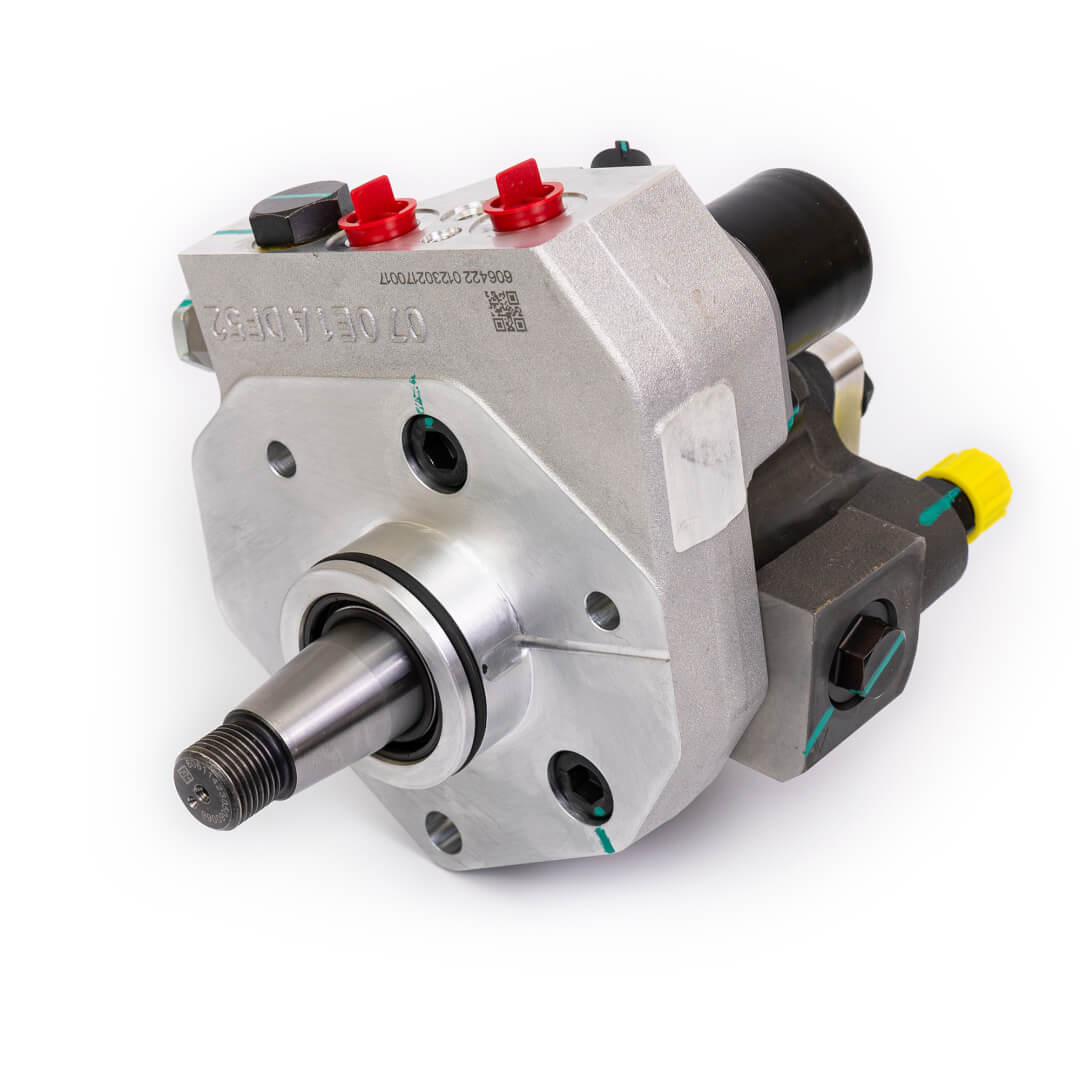
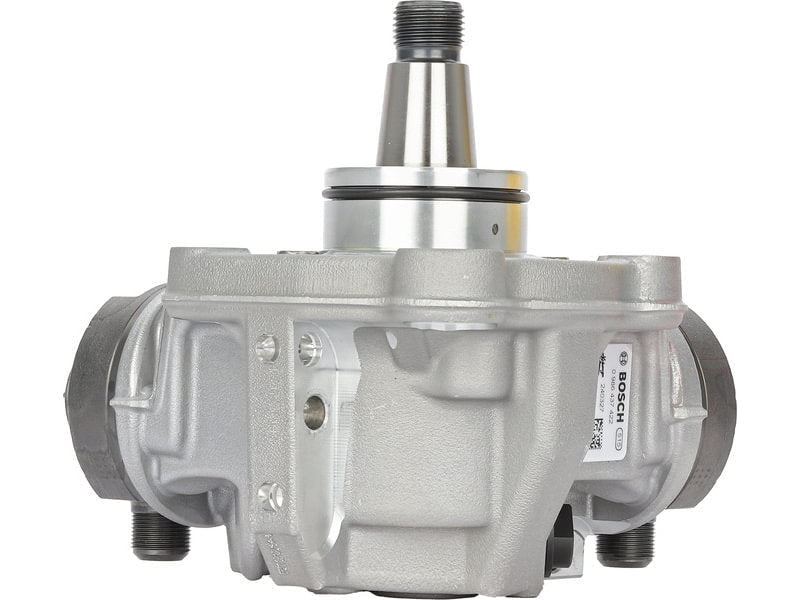
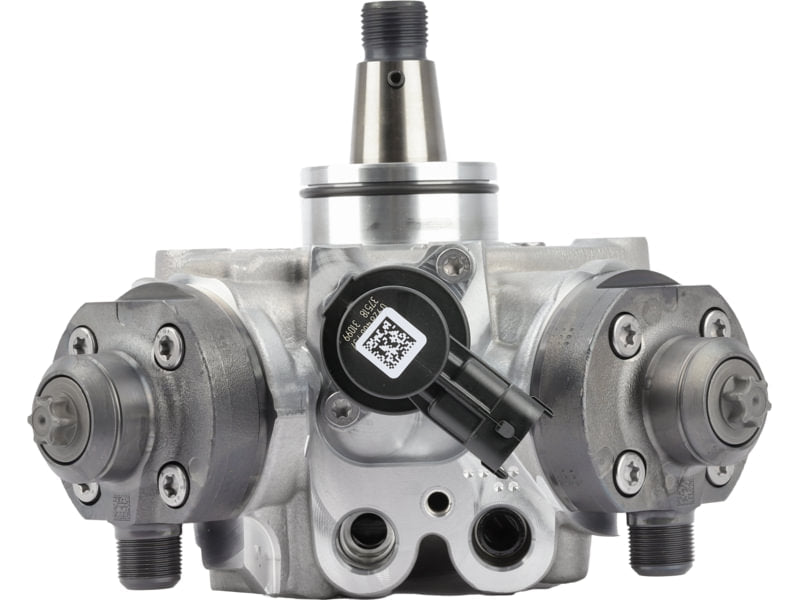
Fuel leaves the tank and goes to a frame-mounted Diesel Fuel Conditioning Module. That module holds the factory electric lift pump, a 10-micron primary filter and the water separator. From there, fuel runs forward to a 4-micron secondary filter on the driver side of the engine, then into the Bosch CP4.2 high-pressure pump. The CP4.2 is a twin-plunger radial pump that turns at twice engine speed and feeds two common rails at up to 30,000 psi. The rails supply eight 19 mm piezo injectors with 8-hole nozzles that can fire up to five times per cycle. For 2015, Ford fitted new injector nozzles as part of the refresh that brought the 440 hp / 860 lb-ft rating, so 2015-2016 injectors are not the 2011-2014 part. One thing Ford got right: the CP4.2 is fed by an electric lift pump in the frame module instead of an internal gear pump like the Duramax uses, which Diesel Hub rates as better at resisting fuel starvation. Shopping other systems on this engine? Start at the Powerstroke hub.
What fails and why
The CP4.2 is the big one. The pump is lubricated by the fuel running through it, and its roller followers ride on a cam. When fuel lubricity is low, those rollers can skate on the cam and shed fine metal. That metal passes the metering-valve screen and contaminates the injectors, rails, lines, lift pump and tank. Failures are usually abrupt, with little warning: a sudden stall or no-start, sputtering and lost rail pressure, a hard start after refueling, or metal flakes in the fuel filter. One NHTSA owner complaint on a 2016 F-350 reports metal shavings in the filter at 71,234 miles, and Diesel Hub suggests considering proactive replacement before 100,000 miles. Running the tank low speeds up the wear, because a pump that depends on fuel for lubrication gets starved of it. Ford's own 2024 CP4 analysis blamed aged biodiesel deposits in the pump's roller parts. Your 2015-2016 truck carries the earlier RP7 design; Ford did not switch to the sturdier RP8 until August 2021 production.
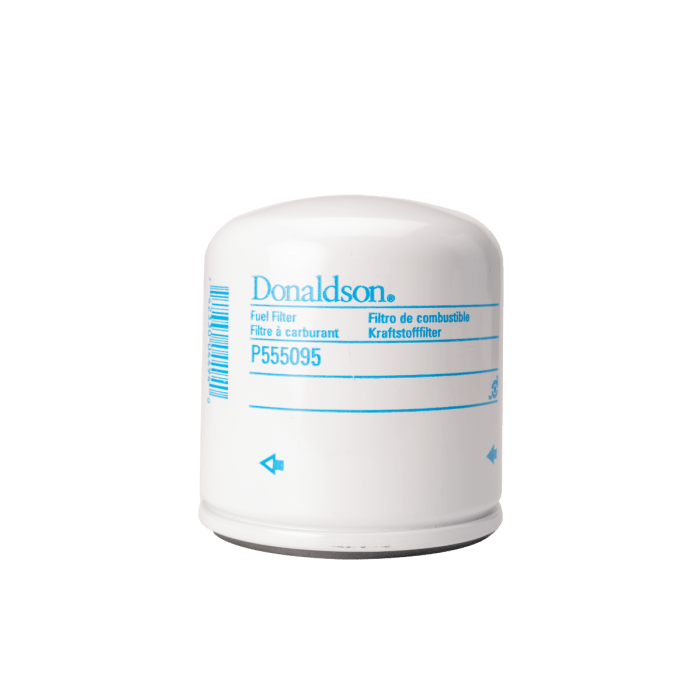
The second problem is leaks. The plastic engine-mounted fuel filter housing and the brittle plastic injector-return fitting can crack and spray fuel onto the exhaust that sits in the engine valley, which is a fire hazard. Watch for a diesel smell, fuel on top of the engine, or drips near the driver-side filter. The third is plain neglect. Ford's filter interval is 22,500 miles in normal service, or 15,000 miles, 6 months or 600 hours in severe service, and biodiesel counts as severe. Low rail pressure codes, power loss and a water-in-fuel light are the usual signs a filter has gone too long.
Stock replacement vs. upgrade
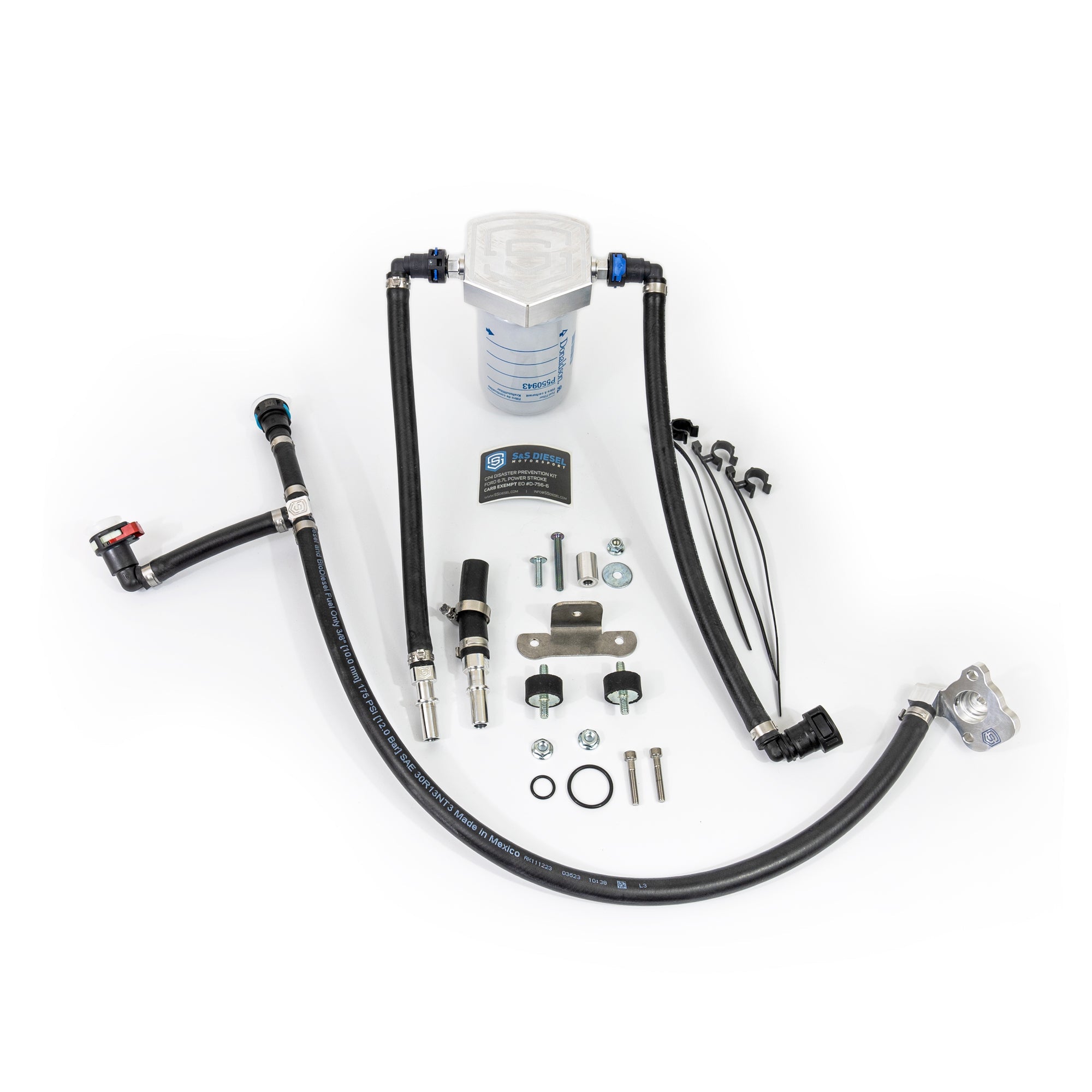
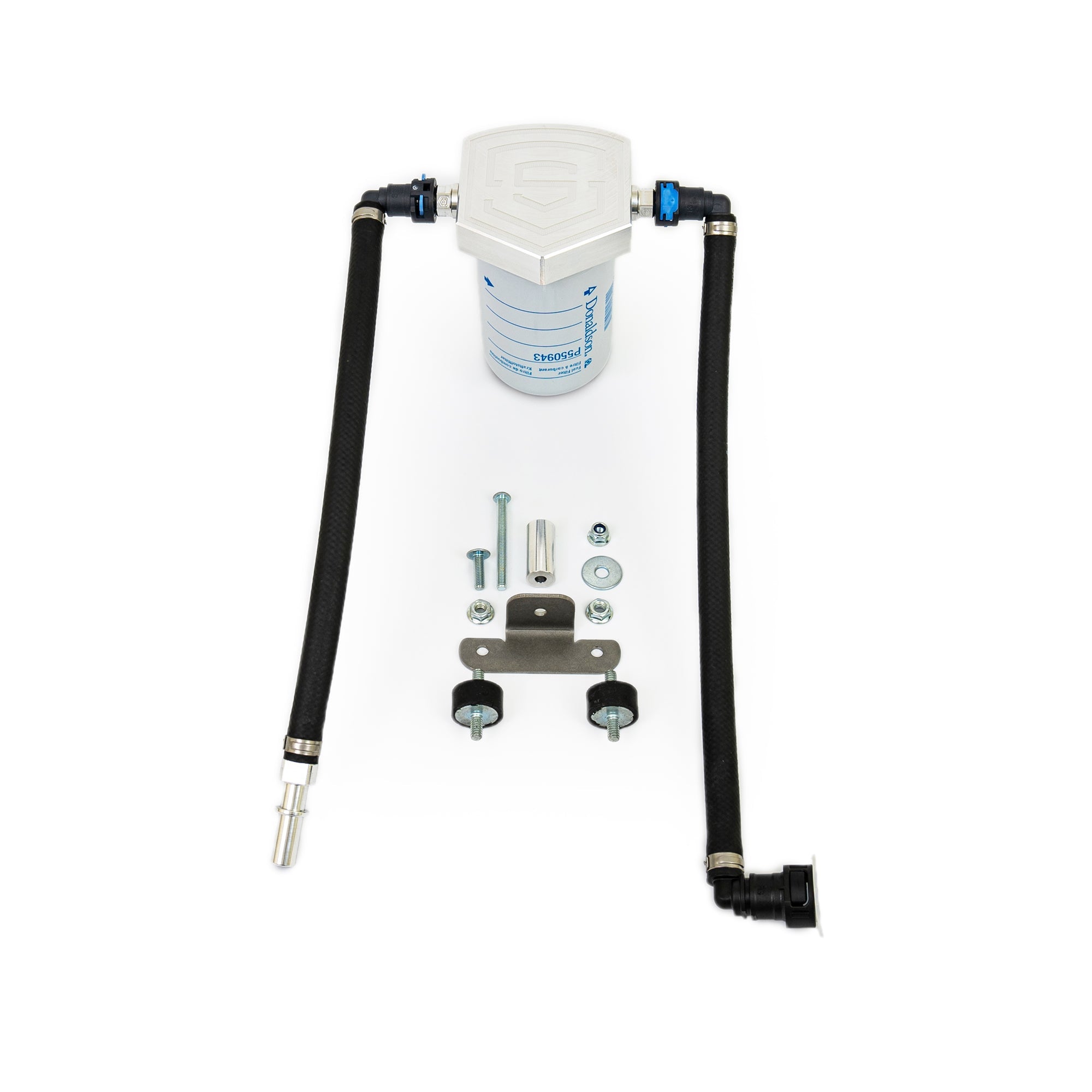
If your pump is healthy, protect it. Change both filters on schedule, add a lubricity treatment at every fill, never run the tank low, and let the lift pump run 5-10 seconds after the wait-to-start light goes out before you crank. After any fuel-system service, cycle the key 5-10 times, 20-30 seconds each, to prime. For more protection, the S&S CP4 Disaster Prevention Kit (CARB EO D-756-6) splits the supply ahead of the pump and sends the pump's return through a 9-micron spin-on filter, so a failing pump cannot seed the rails and tank.
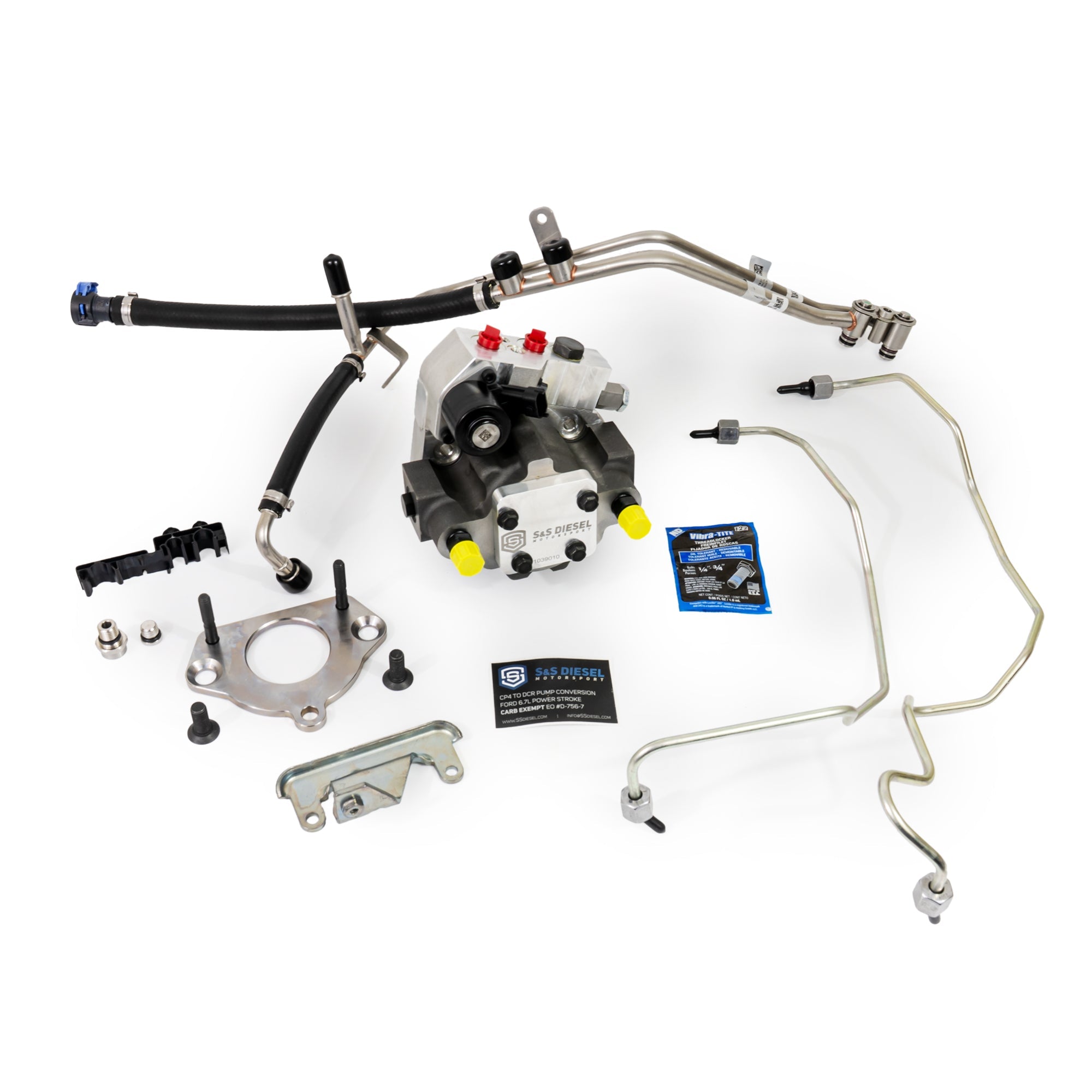
If the pump has already failed, you have three paths: an OEM-style CP4.2 with the same risk profile, a CP4.2 paired with a disaster-prevention kit, or the S&S DCR conversion (CARB EO D-756-7), a pressure-lubricated pump with 25% more displacement. The DCR does not need the disaster kit and is not compatible with it. Whichever pump you choose, a CP4 failure means the injectors, rails, lines, lift pump, filters and tank get replaced or cleaned too.
What we carry
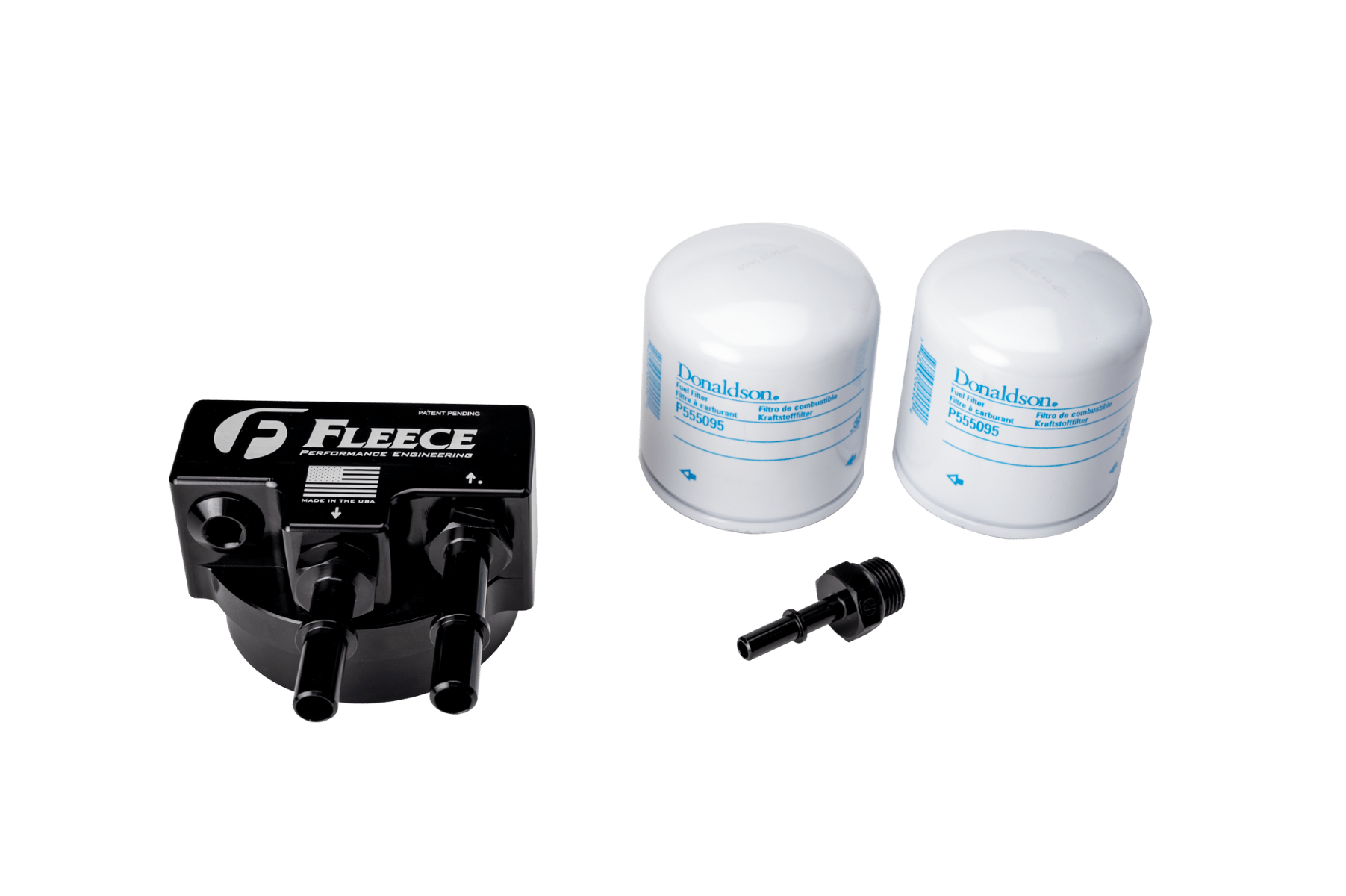
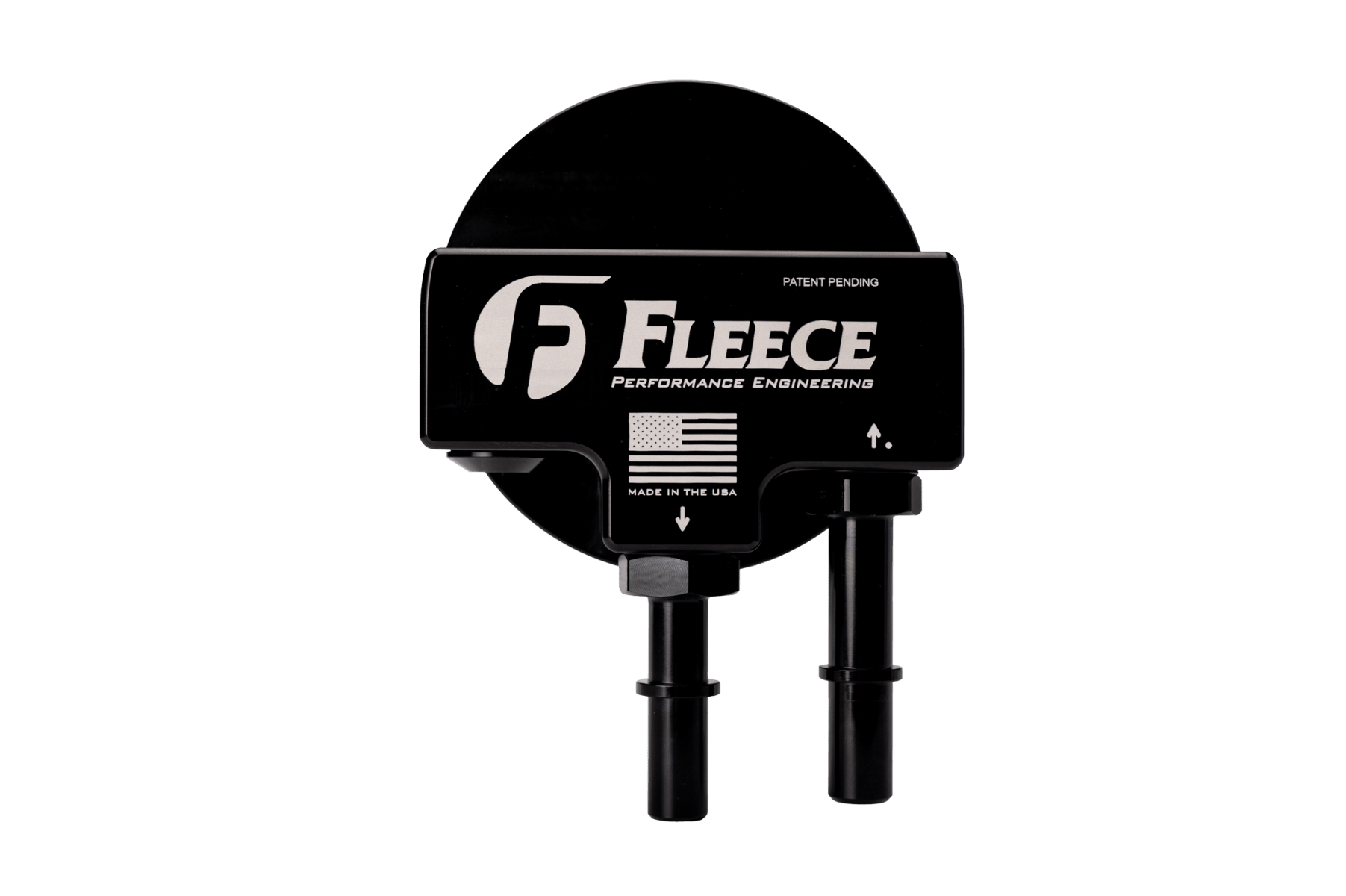
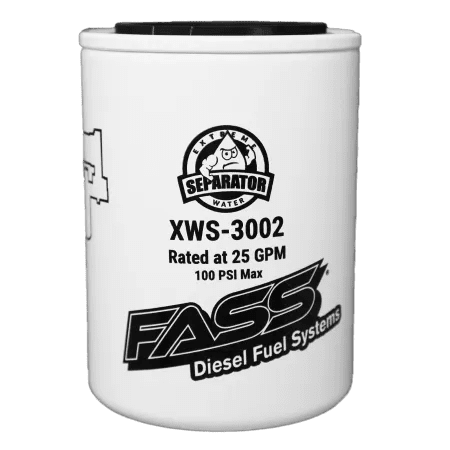
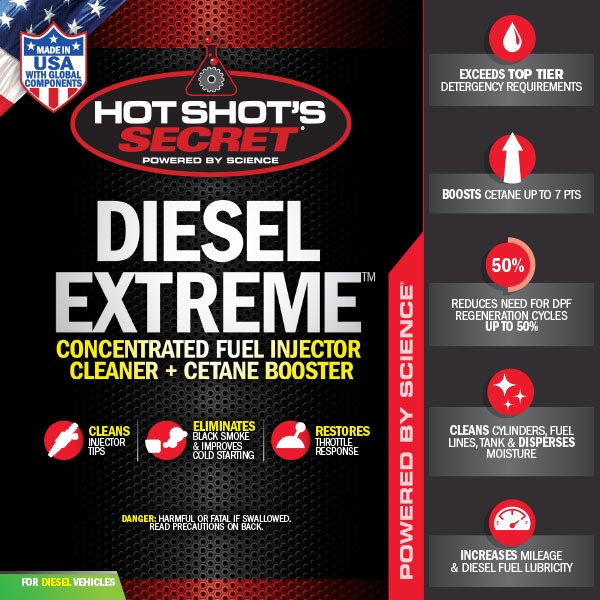
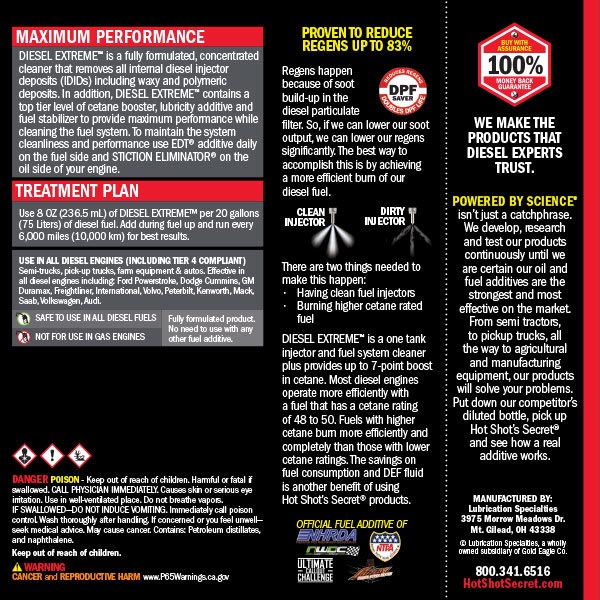
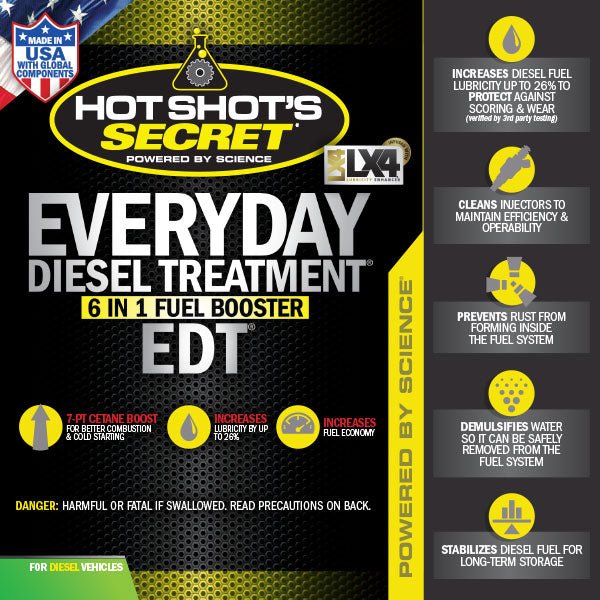
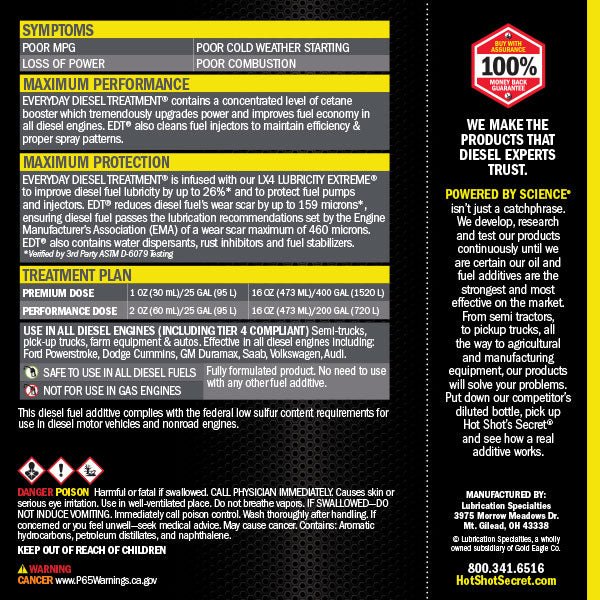
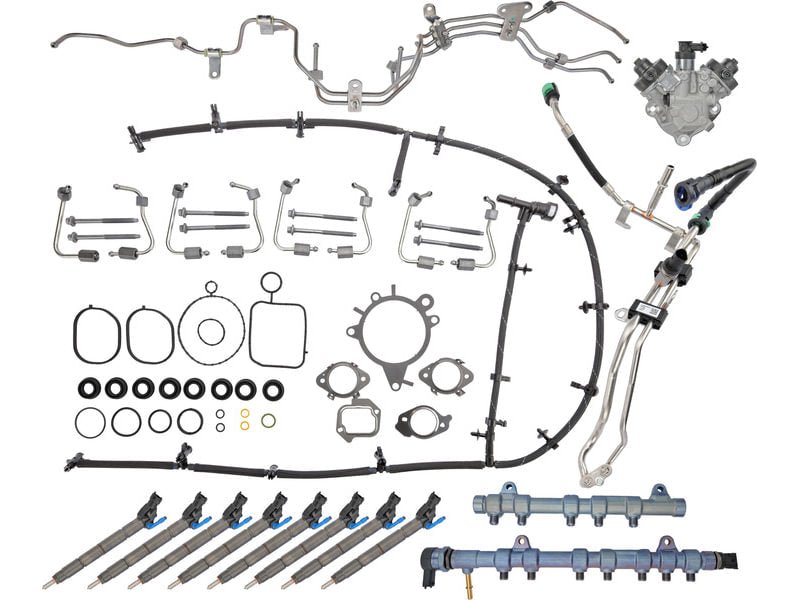
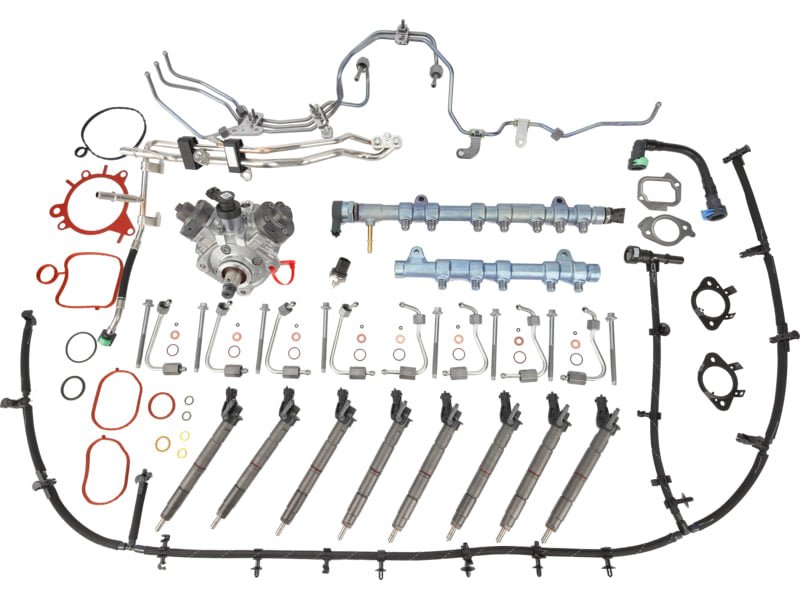
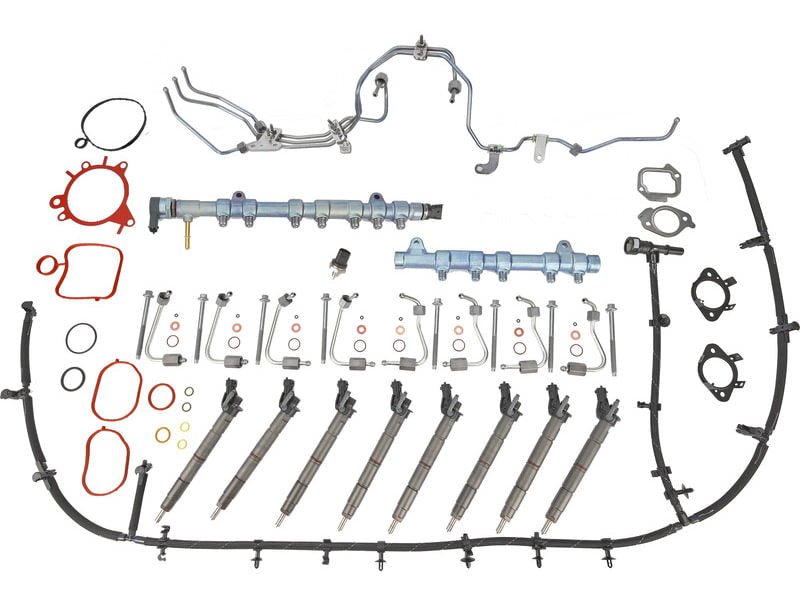
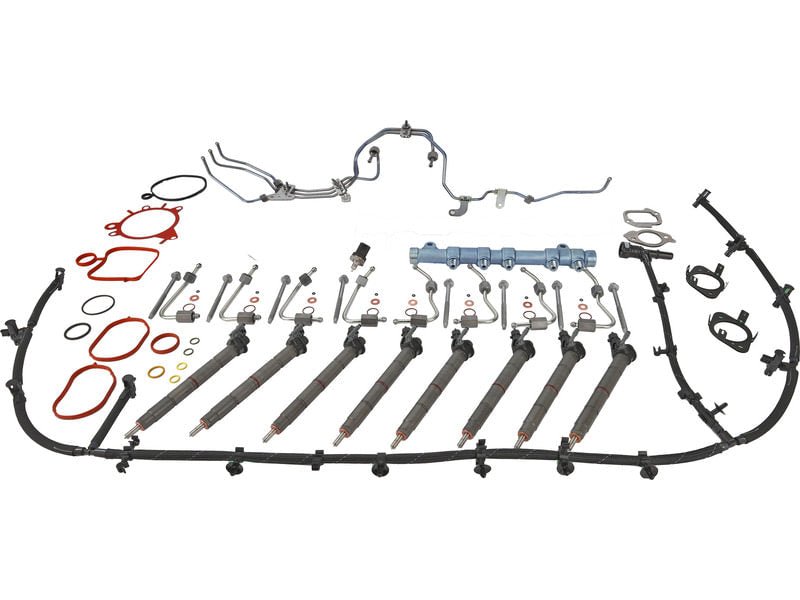
Pumps and conversions: the S&S Diesel Motorsport DCR Pump Conversion and CP4 Disaster Prevention Kit, remanufactured and new CP4 pumps from XDP and Dynomite Diesel, an Exergy Performance CP4.2 and Exergy improved inlet metering valves, plus the Alliant Power AP0190 pump install kit. Fuel contamination kits, with or without a pump, come from Alliant Power, XDP and SPE Motorsport. For injectors, there are remanufactured units with bolt and line from Alliant Power and XDP, new and reman sets from Dynomite and Exergy, and seal kits from Mahle. Rails include new driver-side and passenger-side assemblies from XDP and Exergy. On the supply side, look at FASS Titanium Signature Series systems and filter packs, AirDog pumps and filters, and Fleece Performance Engineering filter assemblies; the lift pumps category has more. Fuel additives come from Hot Shot's Secret, Lucas Oil, Exergy and Alliant Power.
Fitment notes
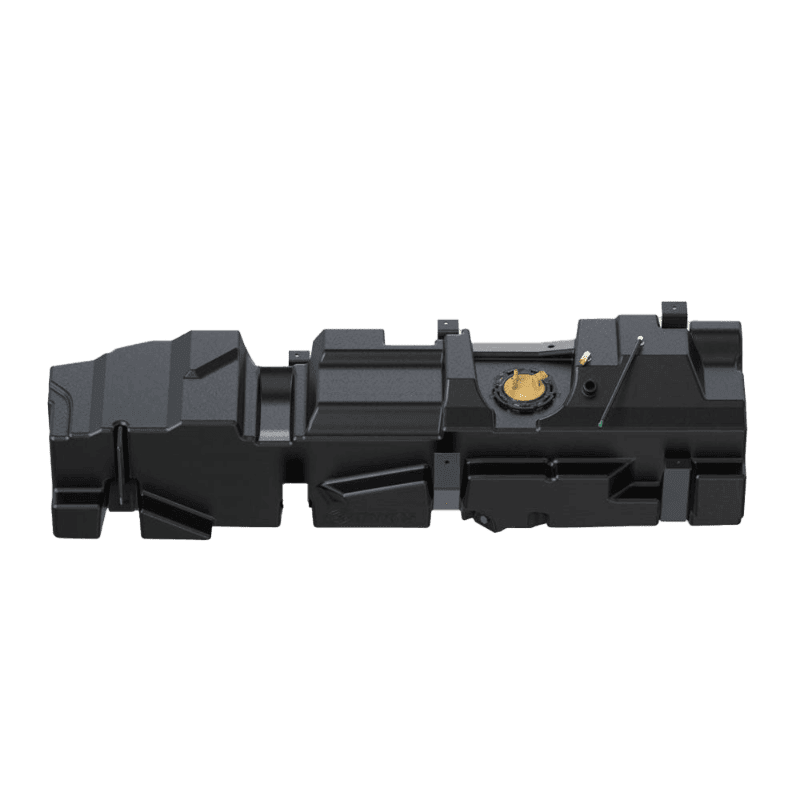
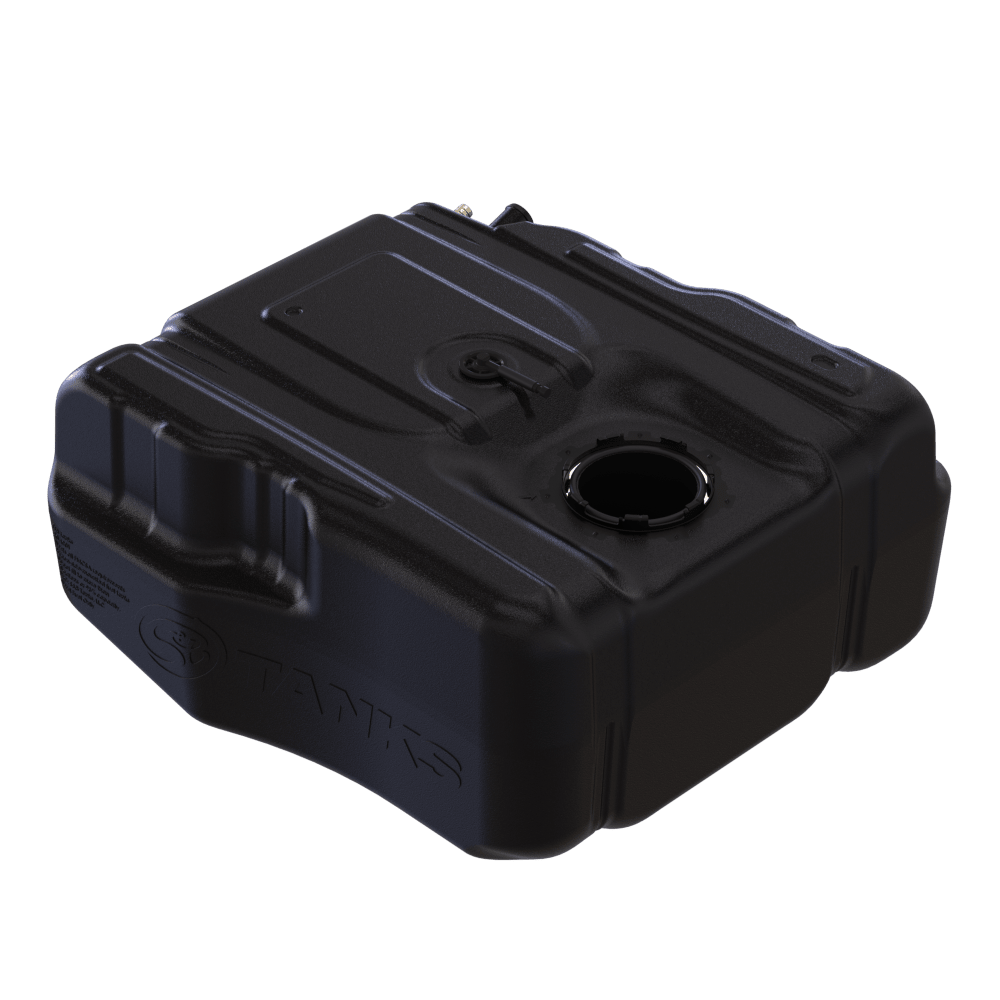
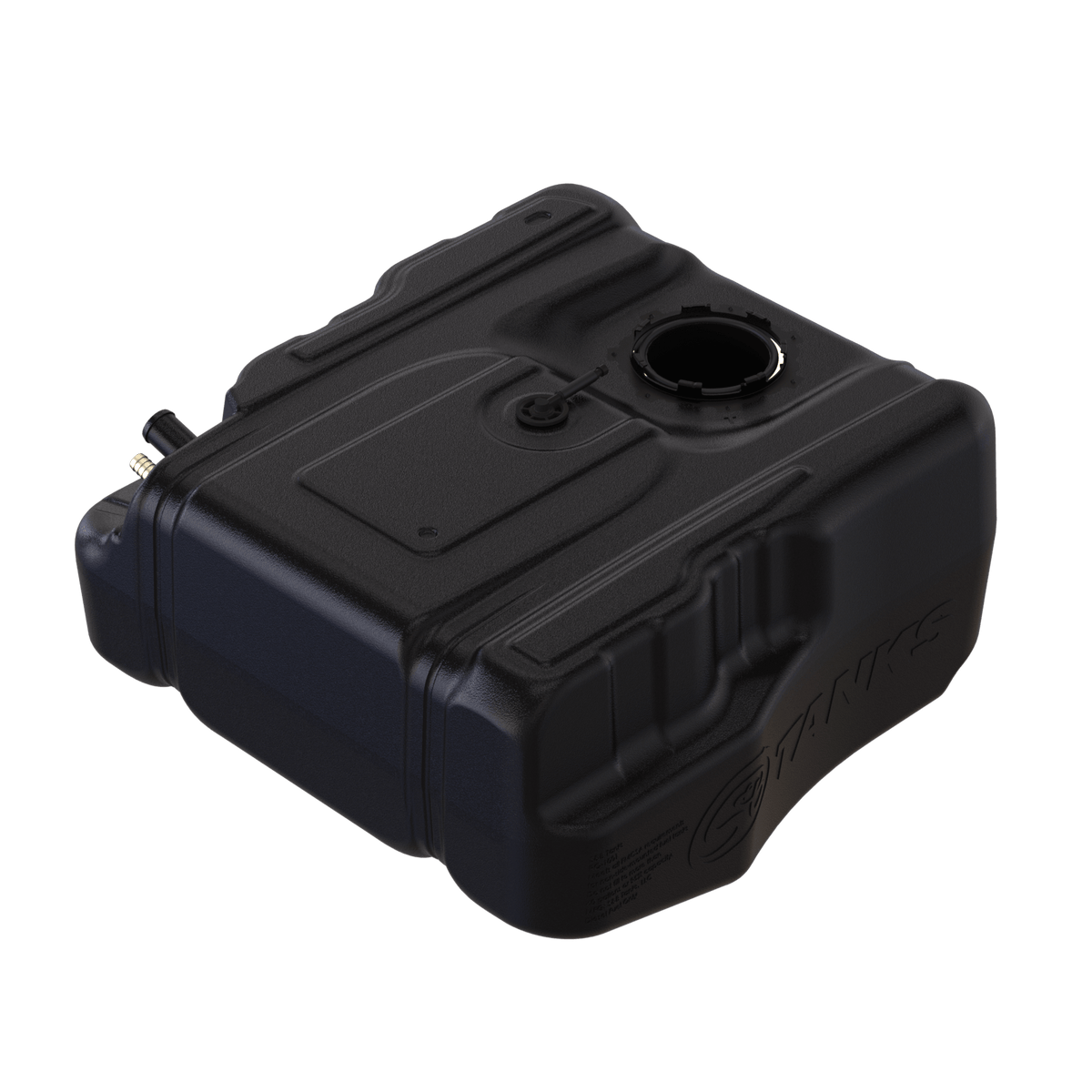
Order by model year, not just by engine. The 2015-2016 injectors use the revised nozzles, and several injector part numbers are split by cylinder position (1-2-7-8 versus 3-4-5-6). The Motorcraft FD-4615 filter kit is the 2011-2016 part; 2017 and later trucks use FD-4625AA with a different engine-mounted housing, and the S&S leak-prevention kit comes in separate 2011-2016 and 2017-and-later versions. Chassis cab trucks get their own contamination kit (Alliant AP57010). Some parts cover a narrower range than your truck, such as the Alliant AP63527 transfer pump listed for 2012-2015, so a 2016 owner should look twice. Fuel tank size varies by wheelbase: 26 gallons on 137, 142 and 156-inch diesel F-250 and F-350 trucks, 37.5 gallons on 158 and 172-inch trucks and every F-450. When in doubt, verify by VIN.
Frequently asked questions
Does my 2015 or 2016 F-250 have the CP4 pump?
Yes. Every 2011-2016 6.7L Powerstroke left the factory with the Bosch CP4.2, and that includes the F-350, F-450 and chassis cab trucks. Yours carries the earlier RP7 design. Ford moved to the more robust RP8 version on August 23, 2021 production, so no 2015-2016 truck got it from the factory.
What are the warning signs of a CP4 failure?
A sudden stall or no-start, sputtering with lost rail pressure, a hard start after refueling, and metal flakes in the fuel filter. Failures usually come with little warning, so the filter is your best early look. At every filter change, cut the old one open; metallic debris is the earliest sign the pump is shedding.
Should I replace my CP4 before it fails?
Failures can happen at any mileage, and Diesel Hub suggests considering proactive replacement before 100,000 miles. If you keep the factory pump, a disaster prevention kit like the S&S Gen2.1 (CARB EO D-756-6) keeps a failing pump from seeding the rails and tank. If you replace it, the S&S DCR conversion swaps in a pressure-lubricated pump.
Can I replace just the pump after a CP4 failure?
No. Metal from a failed CP4.2 travels downstream, so the lines and rails must be replaced or cleaned along with all eight injectors, the pump, the lift pump, the filters and the tank. That is why the contamination kits in this collection exist, in versions with and without a pump.
How often should I change the fuel filters?
Ford calls for the FD-4615 kit, both filters, every 22,500 miles in normal service. Severe service or biodiesel moves you to 15,000 miles, 6 months or 600 hours. Drain the water separator at the same time and inspect the old filter for metal.
Not sure what fits? Call the shop at the number in the header, or use the fitment checker on any product page. We install everything we sell.