
Shop Cooling System by Category


Filters
29 products


Not sure it fits your truck?
Our Wildwood, FL techs will confirm the right part for your build before you buy.
Call or Text (352) 722-5295Cooling on the 2019-2024 Ram 6.7L Cummins
Ram redesigned the 6.7L Cummins for 2019, and the cooling system changed with it. The factory increased cooling capacity and moved the water pump and oil pump into aluminum housings, where the earlier engine used cast iron. The system holds 23.8 quarts on both standard-output and high-output engines. Ram fills it with a 10-year/150,000-mile OAT coolant mixed 50/50 with distilled water, and the flush interval is 150,000 miles or 120 months.
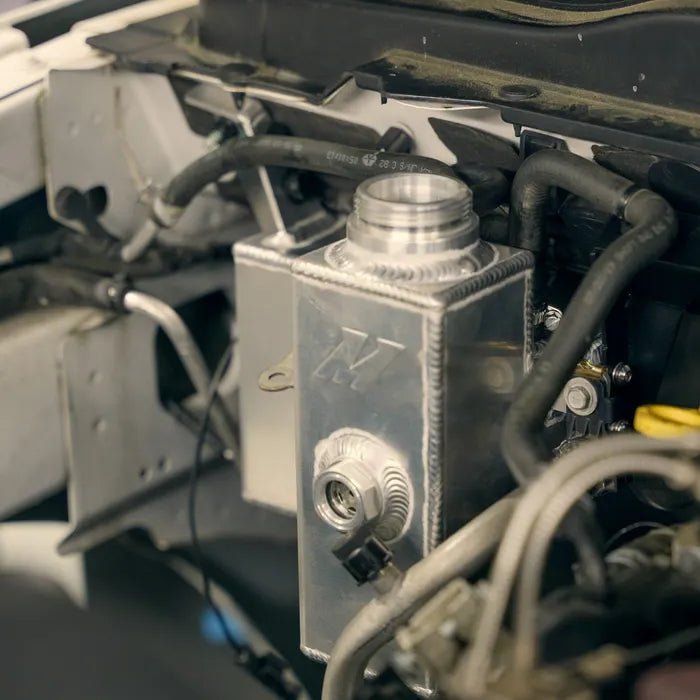
Up front you have the radiator, the A/C condenser and the largest intercooler Ram had used up to then. Inside the engine, coolant also runs through a liquid-cooled EGR cooler, and for 2019 Ram added an EGR cooler bypass valve. The pressurized degas bottle is the fill point and the place you check level. It is also where an internal leak usually shows up first, as a level that keeps going down.
What fails and why
The EGR cooler is the part to watch. When it leaks internally, coolant goes into the exhaust or intake side instead of onto your driveway. The signs are a coolant level that drops with no drips, white sweet-smelling steam on a cold start, and a P2457 code. Owners of 2020 and 2021 trucks have filed repeated complaints about cracked EGR coolers burning coolant, and one 2021 owner traced lost cabin heat on the driver side to a failed cooling-system gasket. Those reports are anecdotal, but they keep coming up.
Head gaskets are the second item. Diesel Hub lists head-gasket failure as more common on the 6.7L than on the 5.9L because of higher cylinder pressure. The 2019 engine got larger head bolts that were meant to address it, so treat it as a lower-probability problem on these trucks. When it does happen, you see coolant pushing into the degas bottle and overheating under load, mostly on high-mileage or tuned engines. A new radiator fixes neither problem, so diagnose before you buy.
Stock replacement vs. upgrade
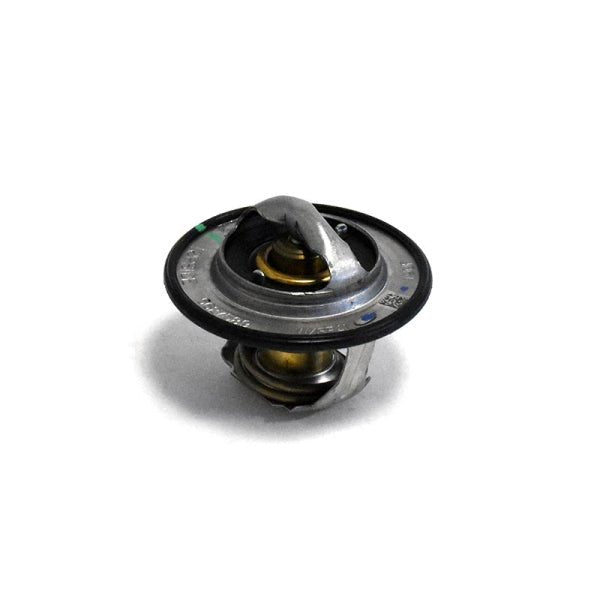
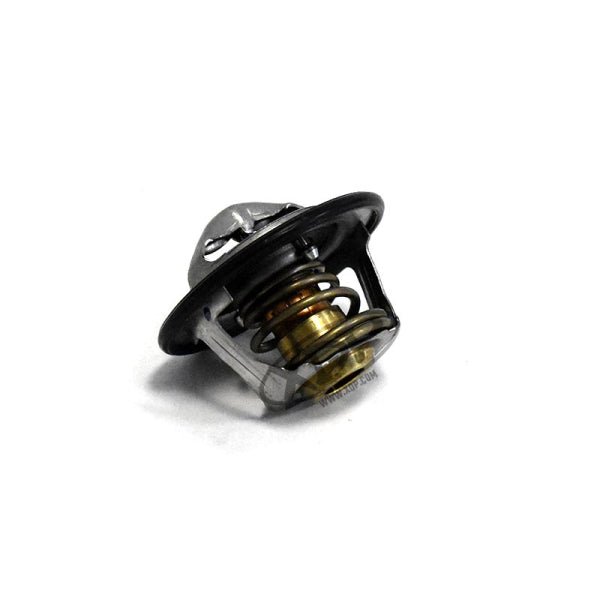
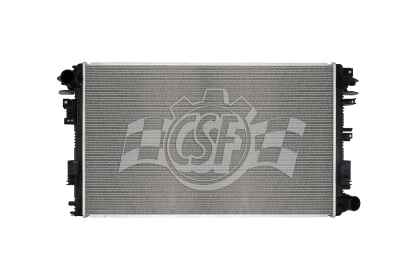
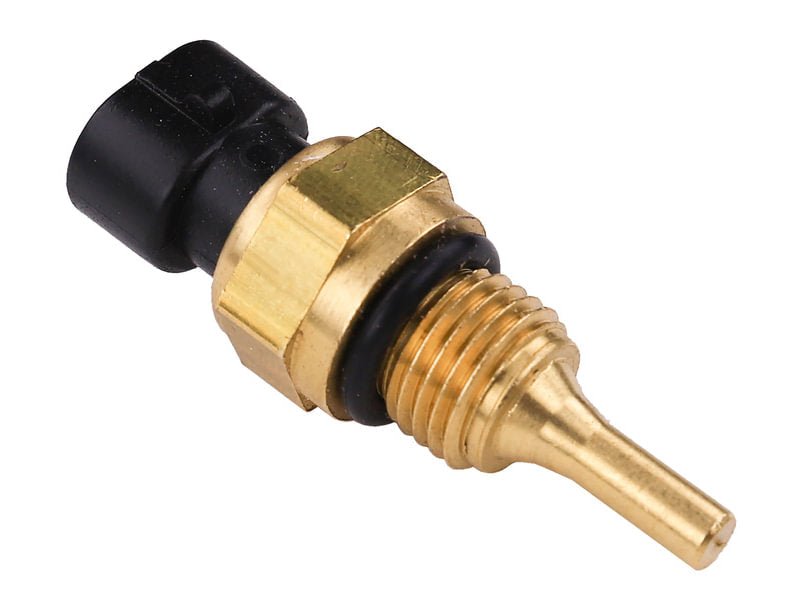
For most repairs, factory-style parts are the right call. A CSF OEM-style replacement radiator or an Alliant Power temperature sensor puts the truck back the way Ram built it, and that is all most daily drivers and work trucks need. The Genuine Cummins thermostat here is a 190-degree unit, while the factory thermostat on this engine opens at 200 F, so check the rating before you order.
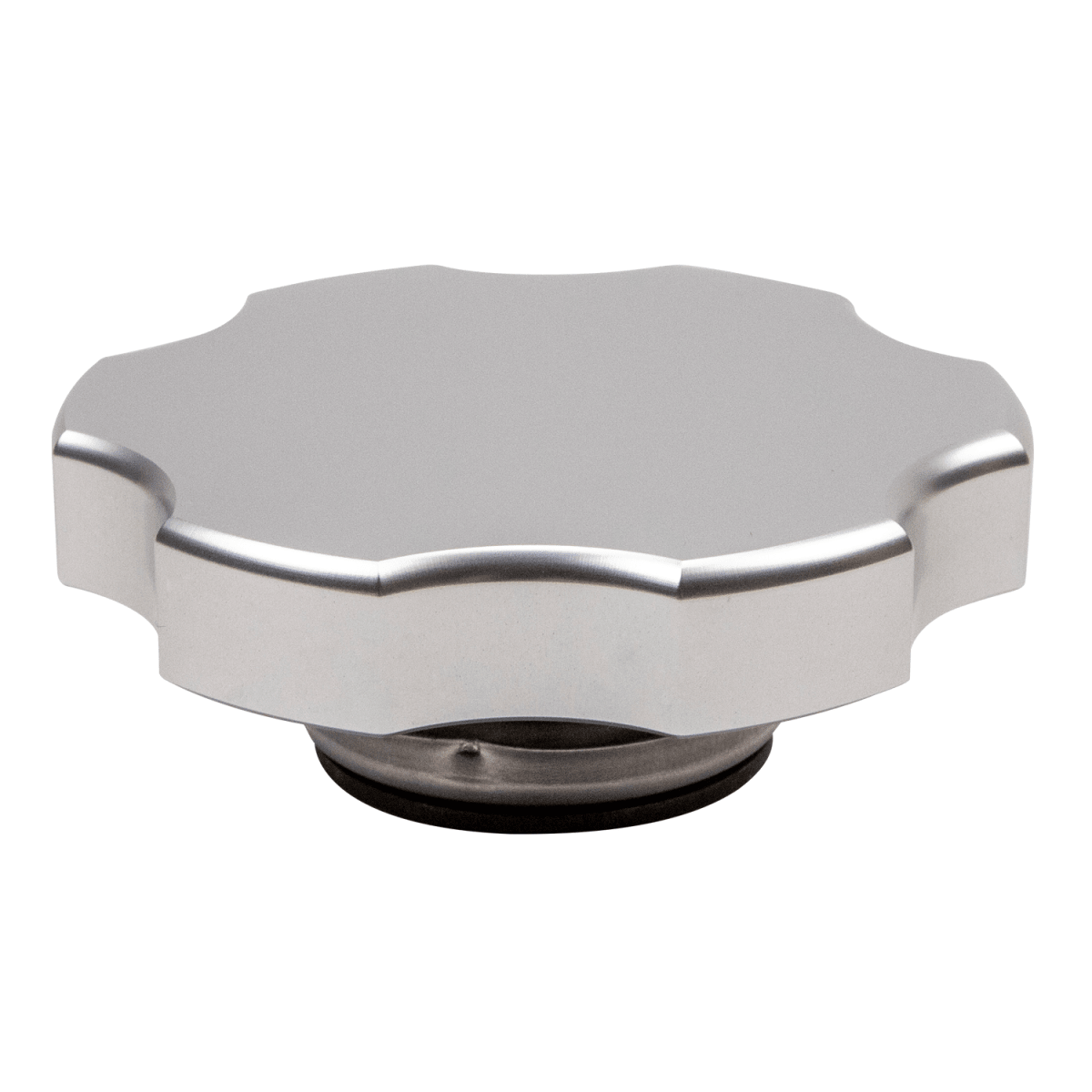
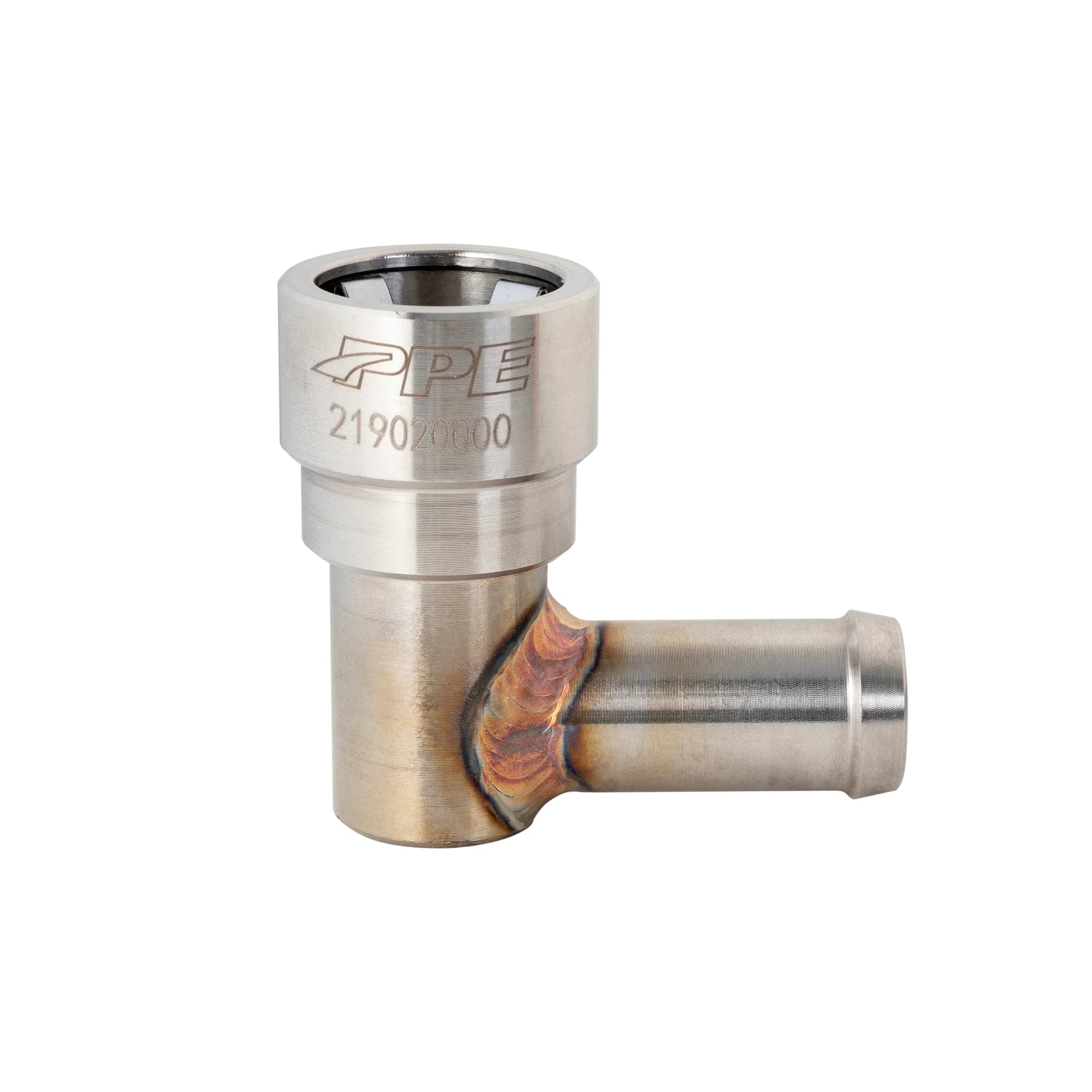
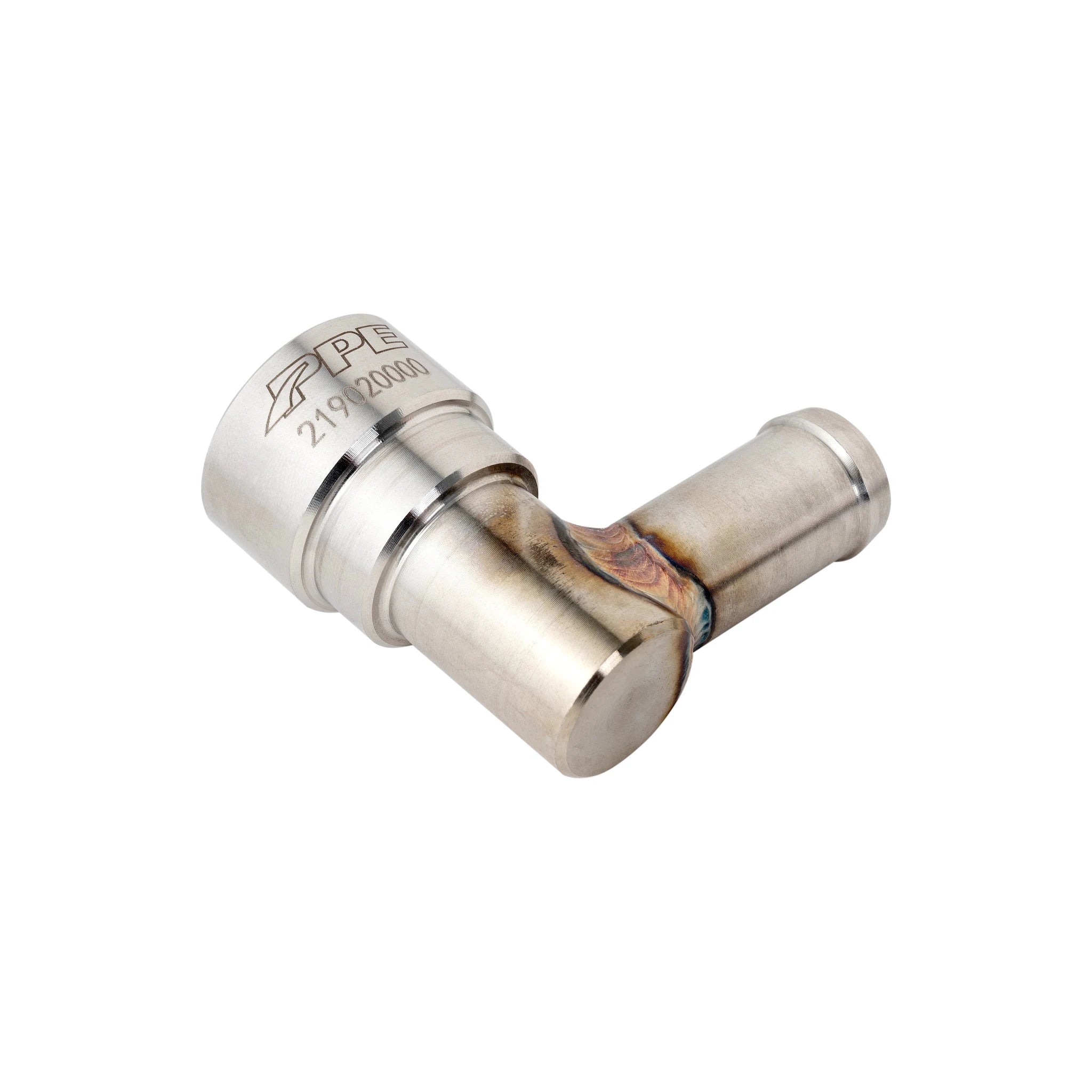
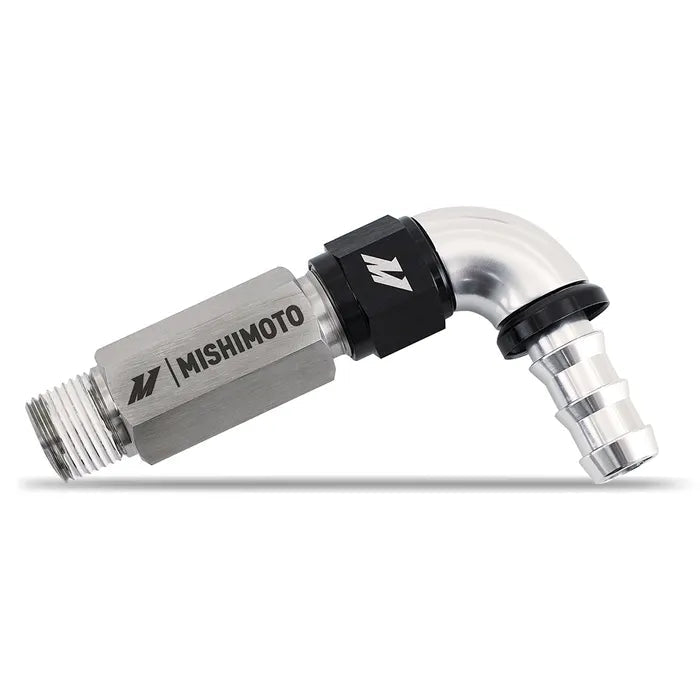
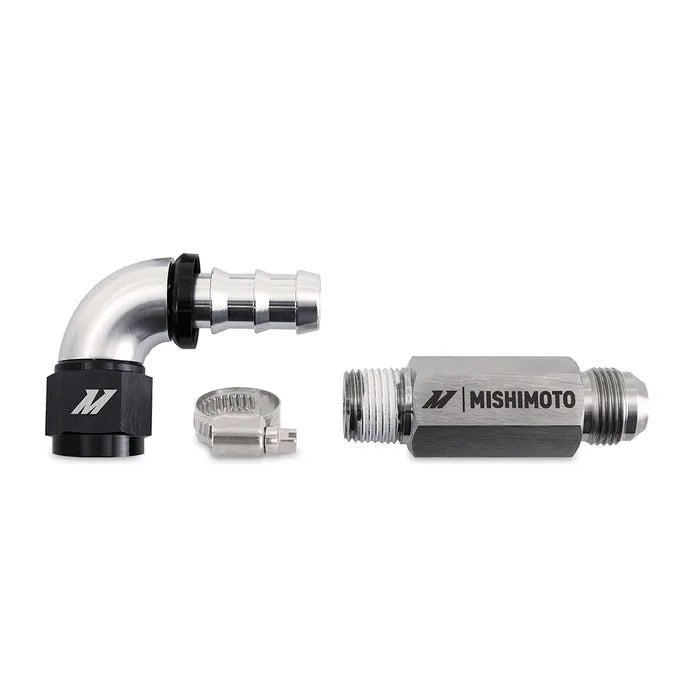
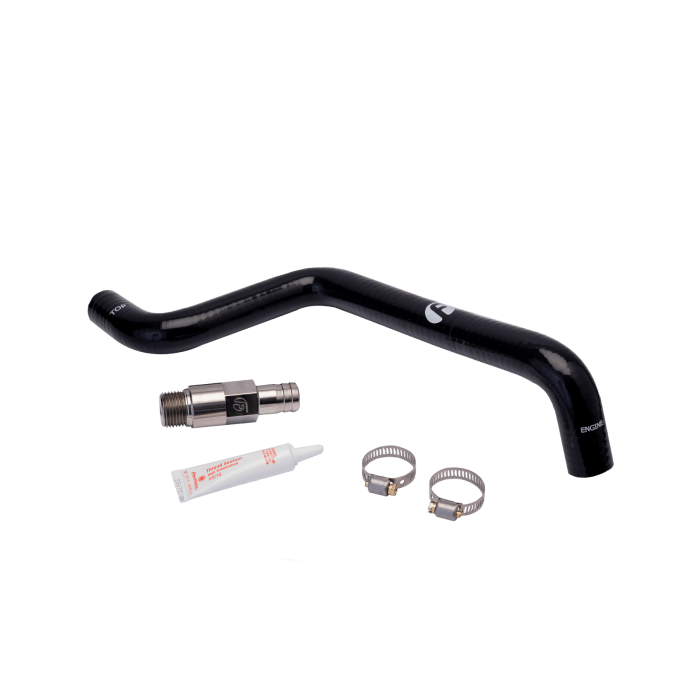
Upgrade parts make sense when you are already in the system for a repair, or when you want a part made from a different material. That side of this collection includes silicone radiator hoses from Mishimoto, a billet aluminum coolant tank cap, thermostat housing and upper coolant pipes from WCFab, and a stainless heater hose connector from PPE. For the heater circuit, Fleece Performance Engineering offers feed and return hose kits. None of it changes how the system works. It changes what the parts are made of.
What we carry
- Radiators and condenser: CSF OEM-style replacement radiators for standard-output and high-output trucks, plus a CSF A/C condenser.
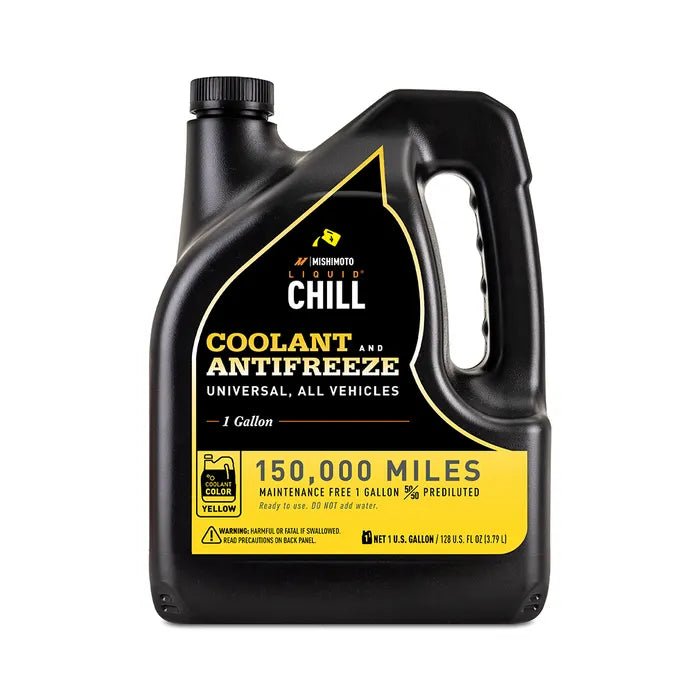
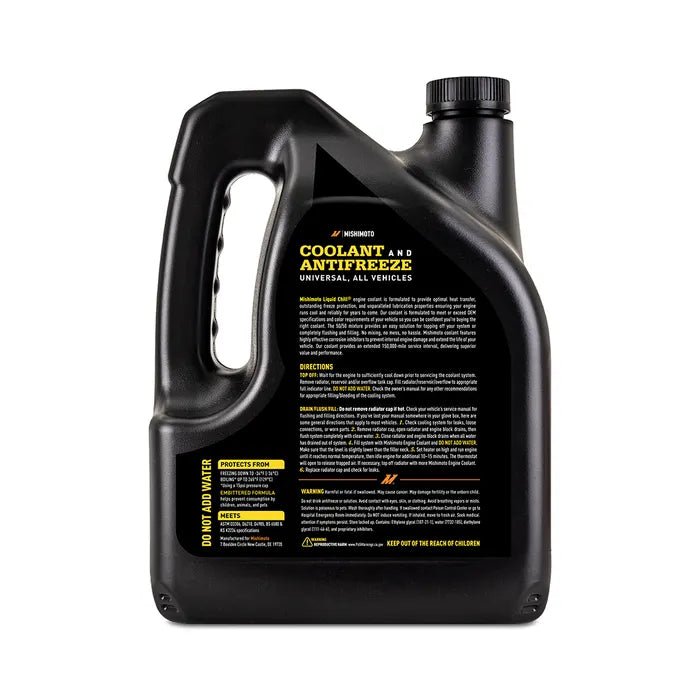
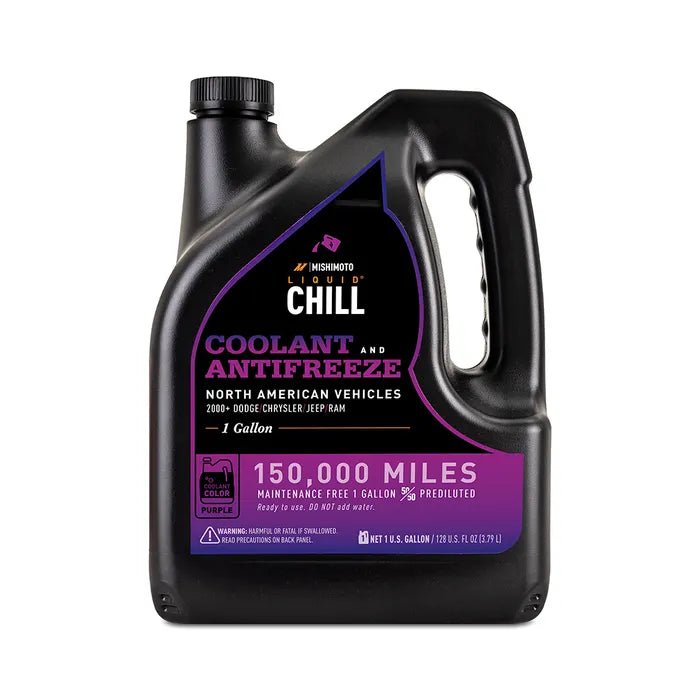
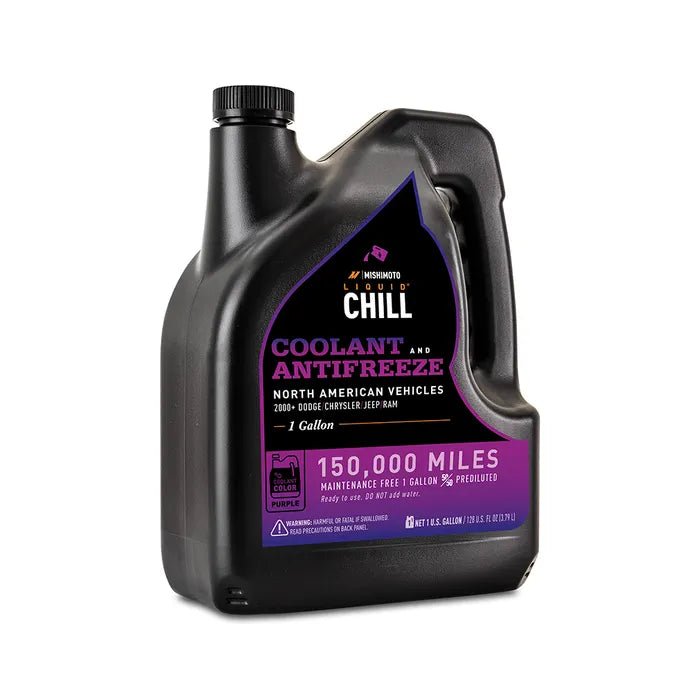
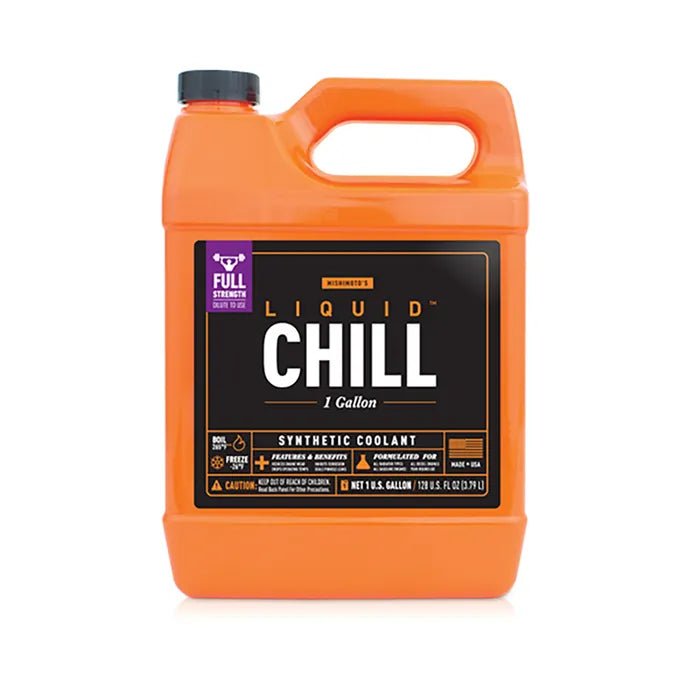
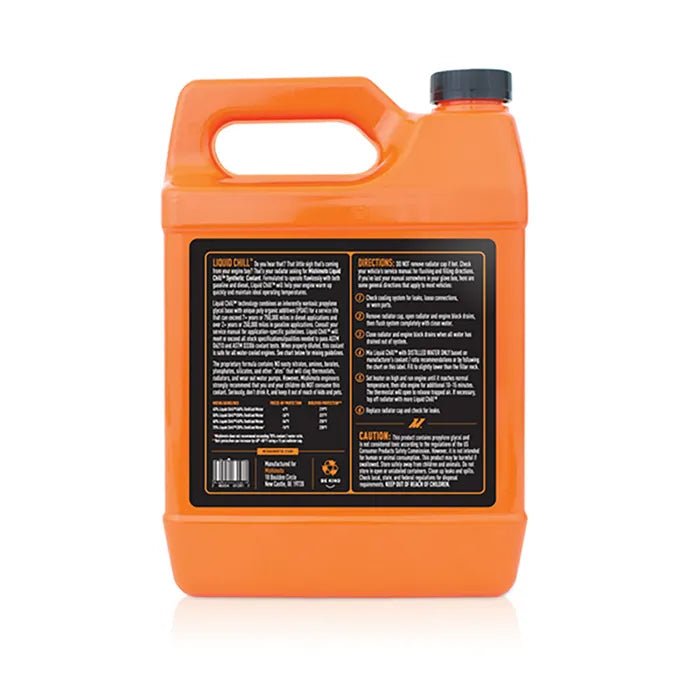
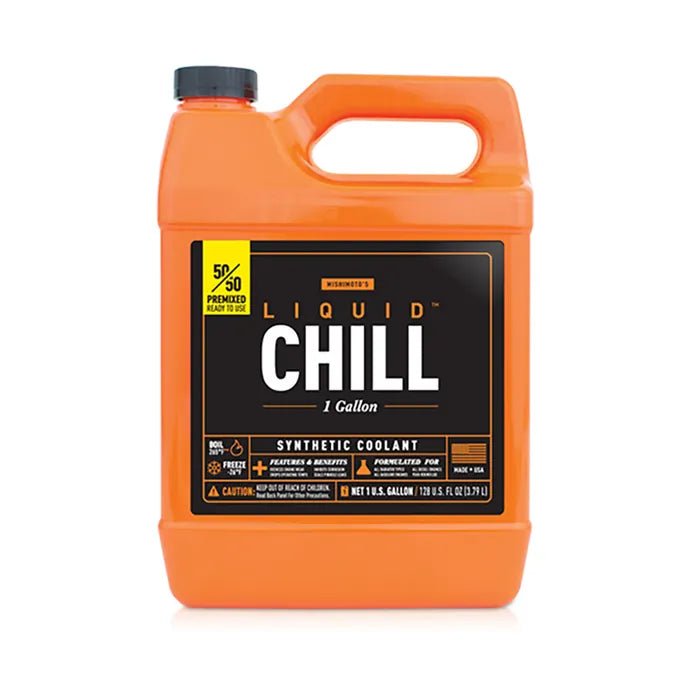
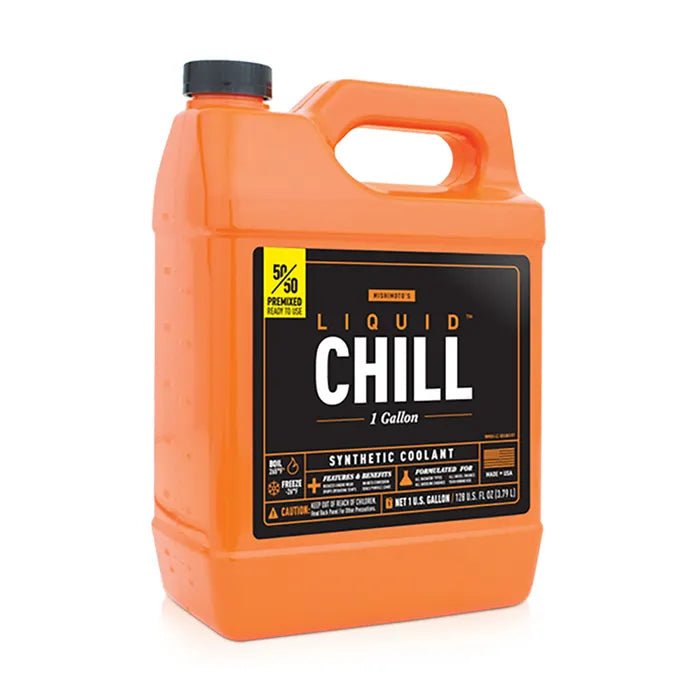
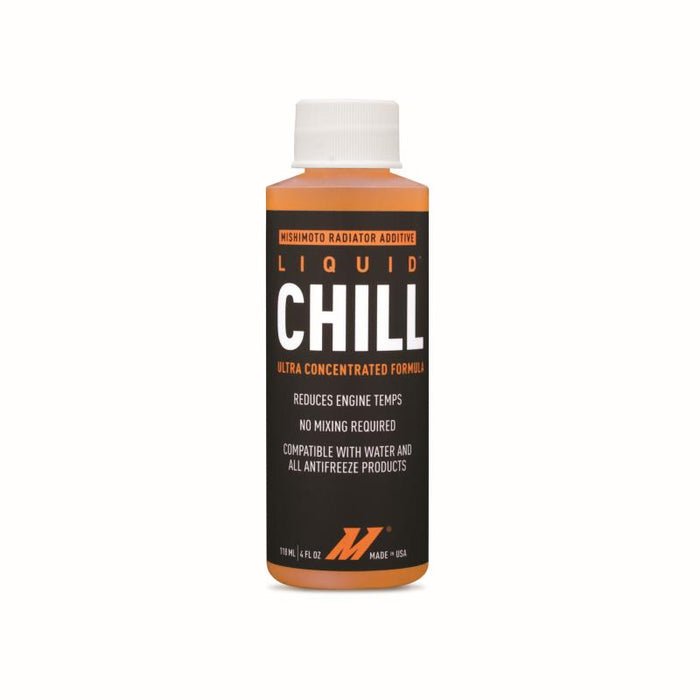
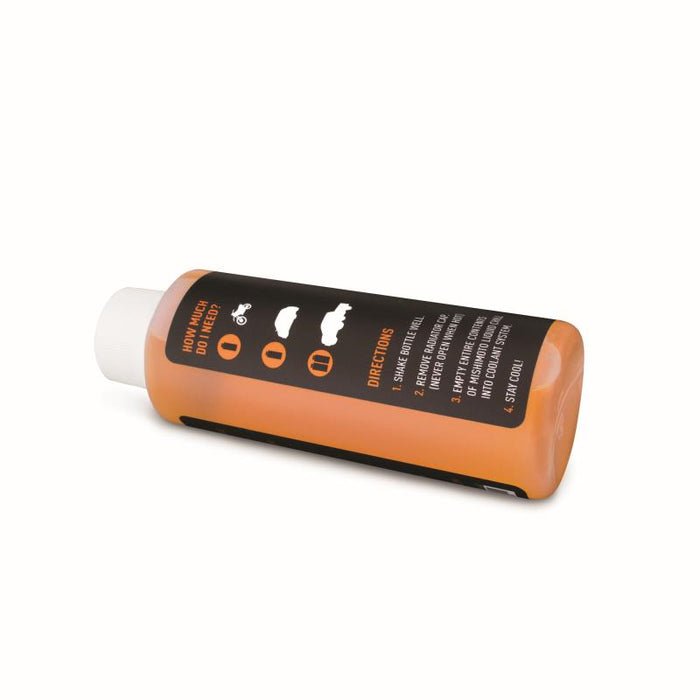
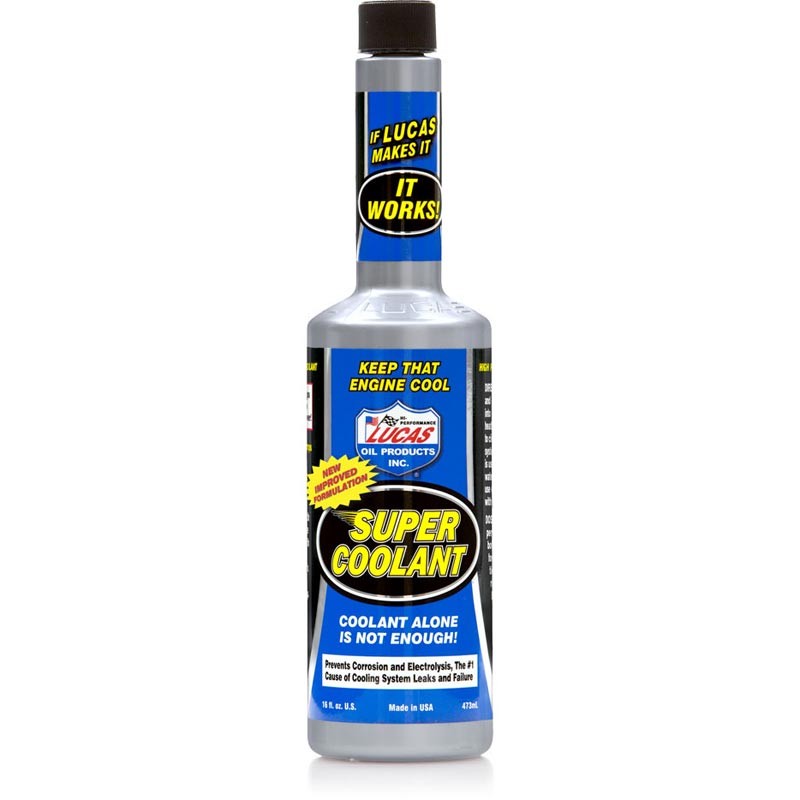
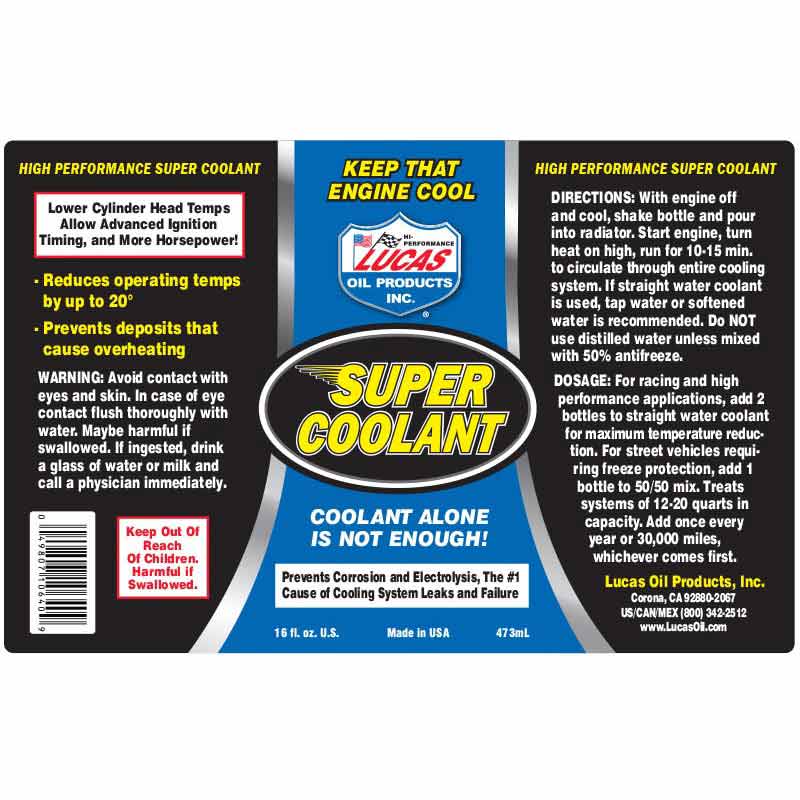
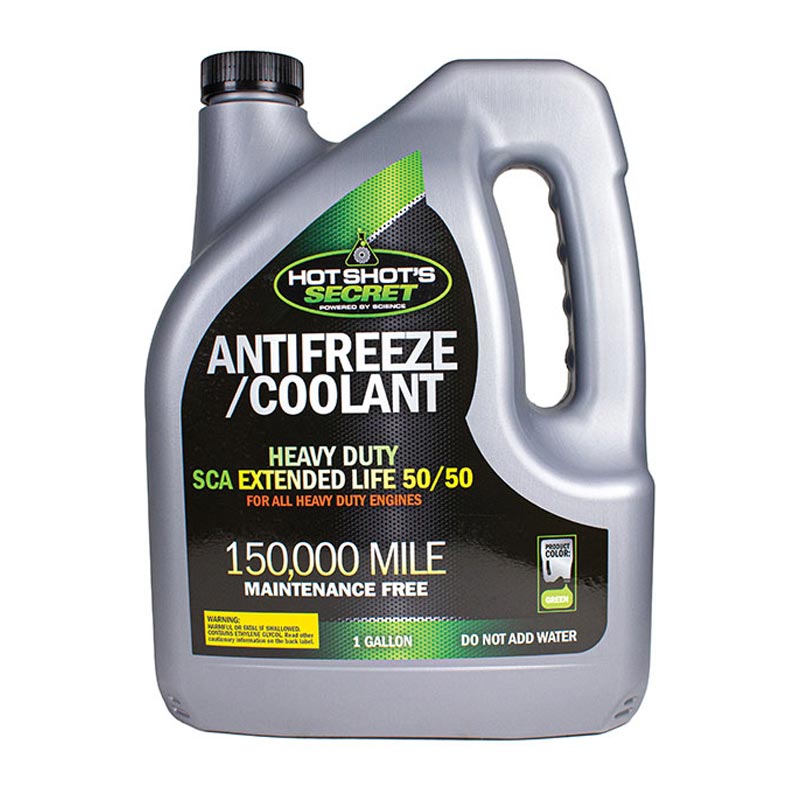
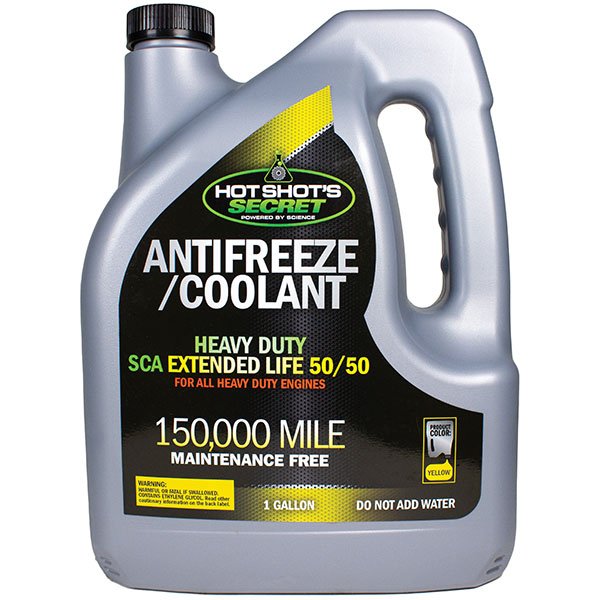
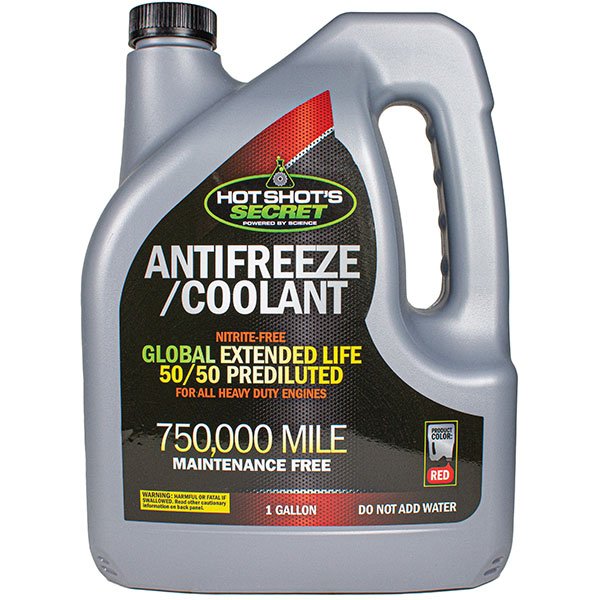
- Coolant: Mishimoto Liquid Chill pre-mixed and synthetic coolant and Liquid Chill additive, Hot Shot's Secret extended-life and ultra long life heavy-duty coolants, and Lucas Oil Super Coolant.
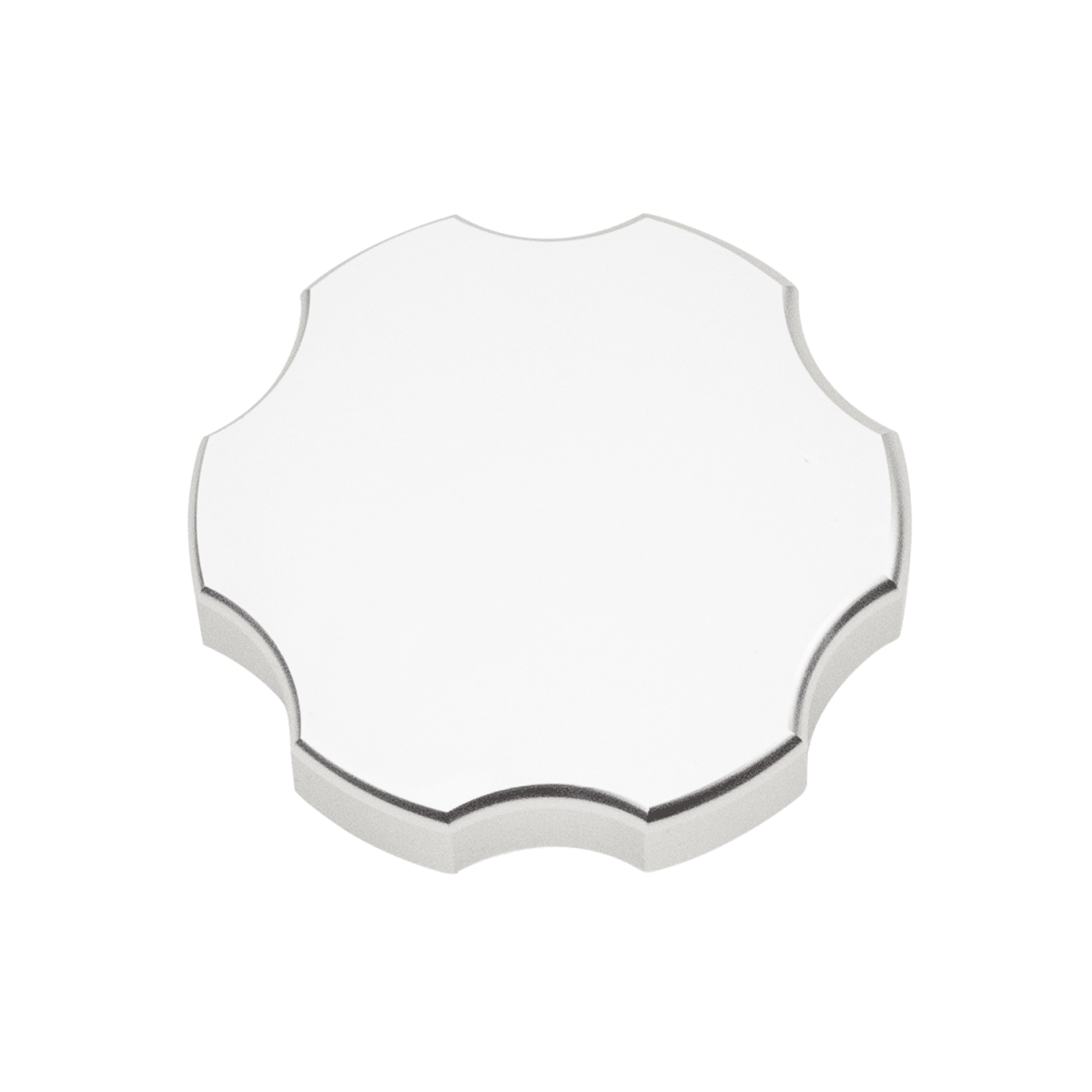
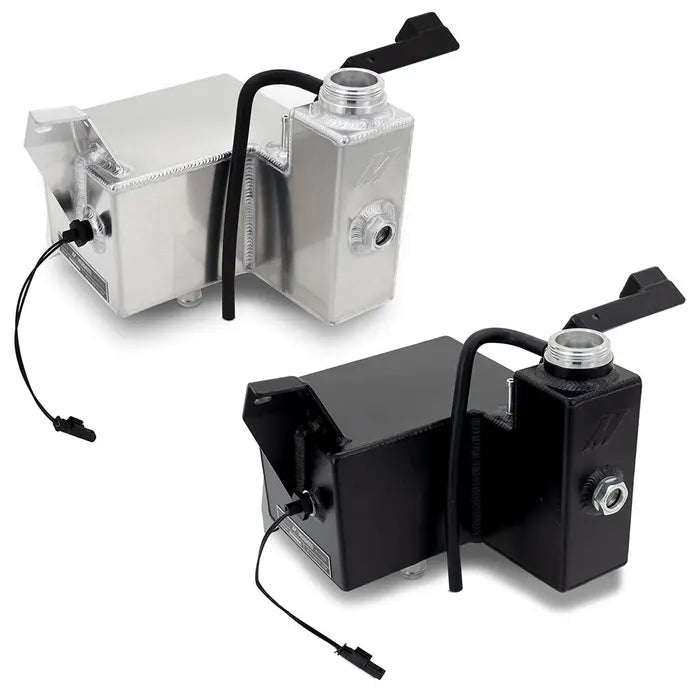
- Tanks and caps: a Mishimoto aluminum degas bottle, a WCFab OEM-placement coolant tank kit and a WCFab billet coolant tank cap.
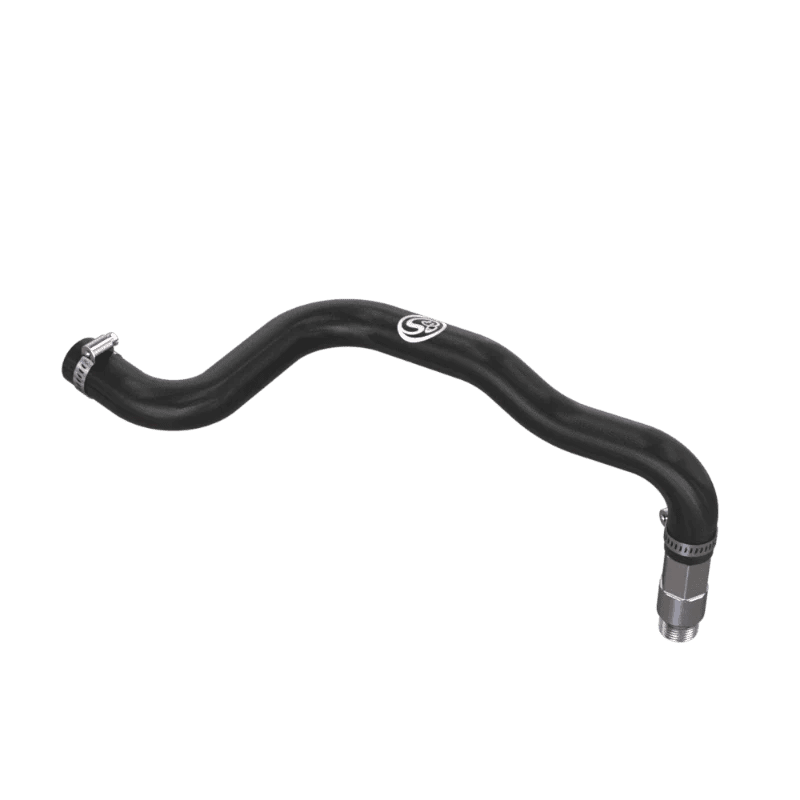
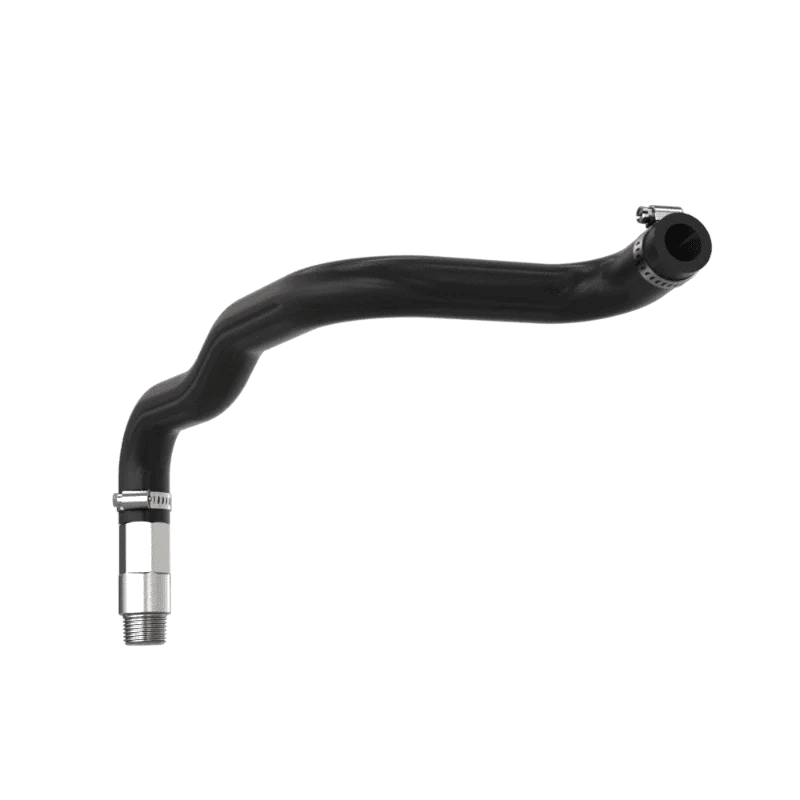
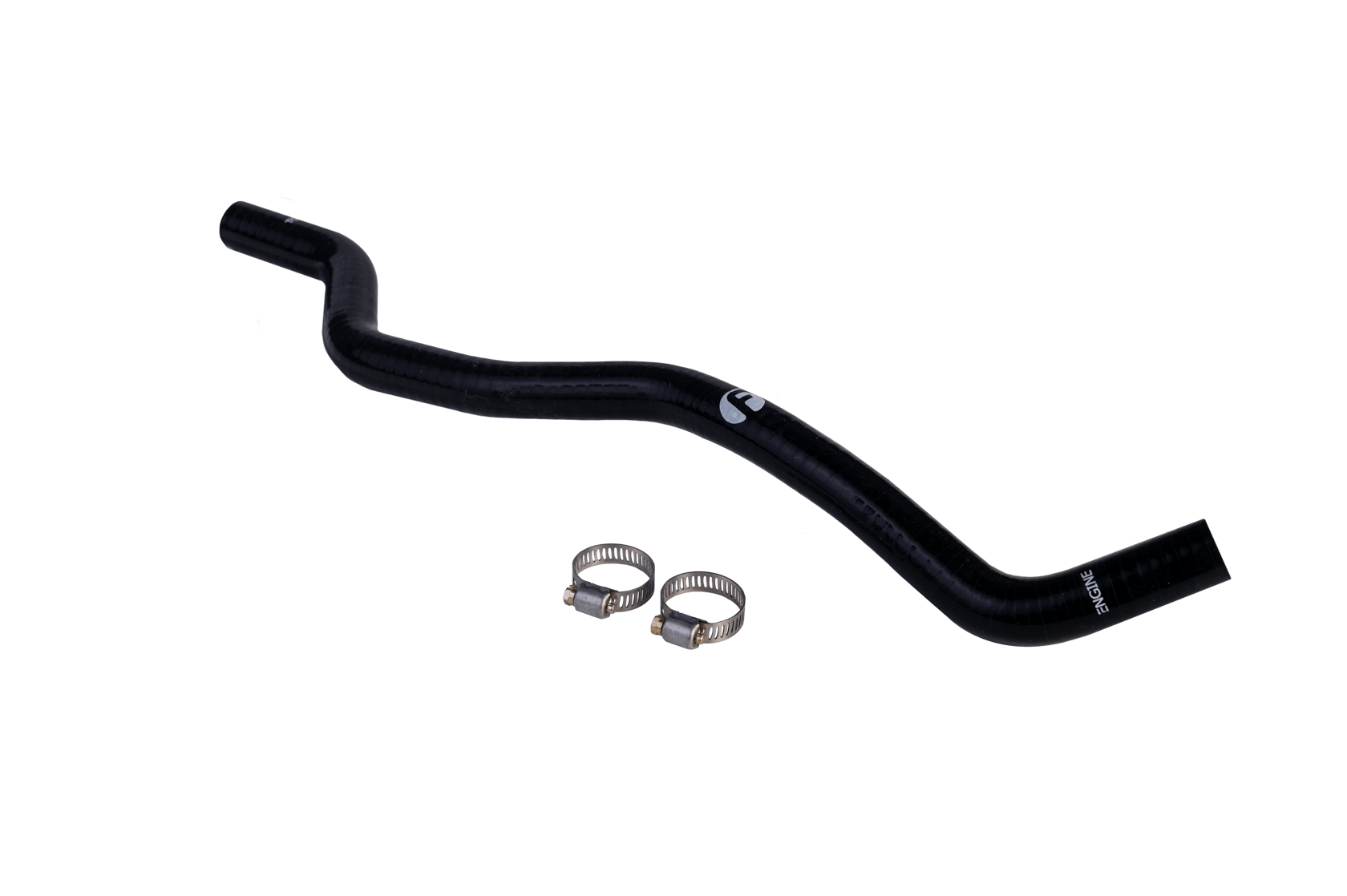
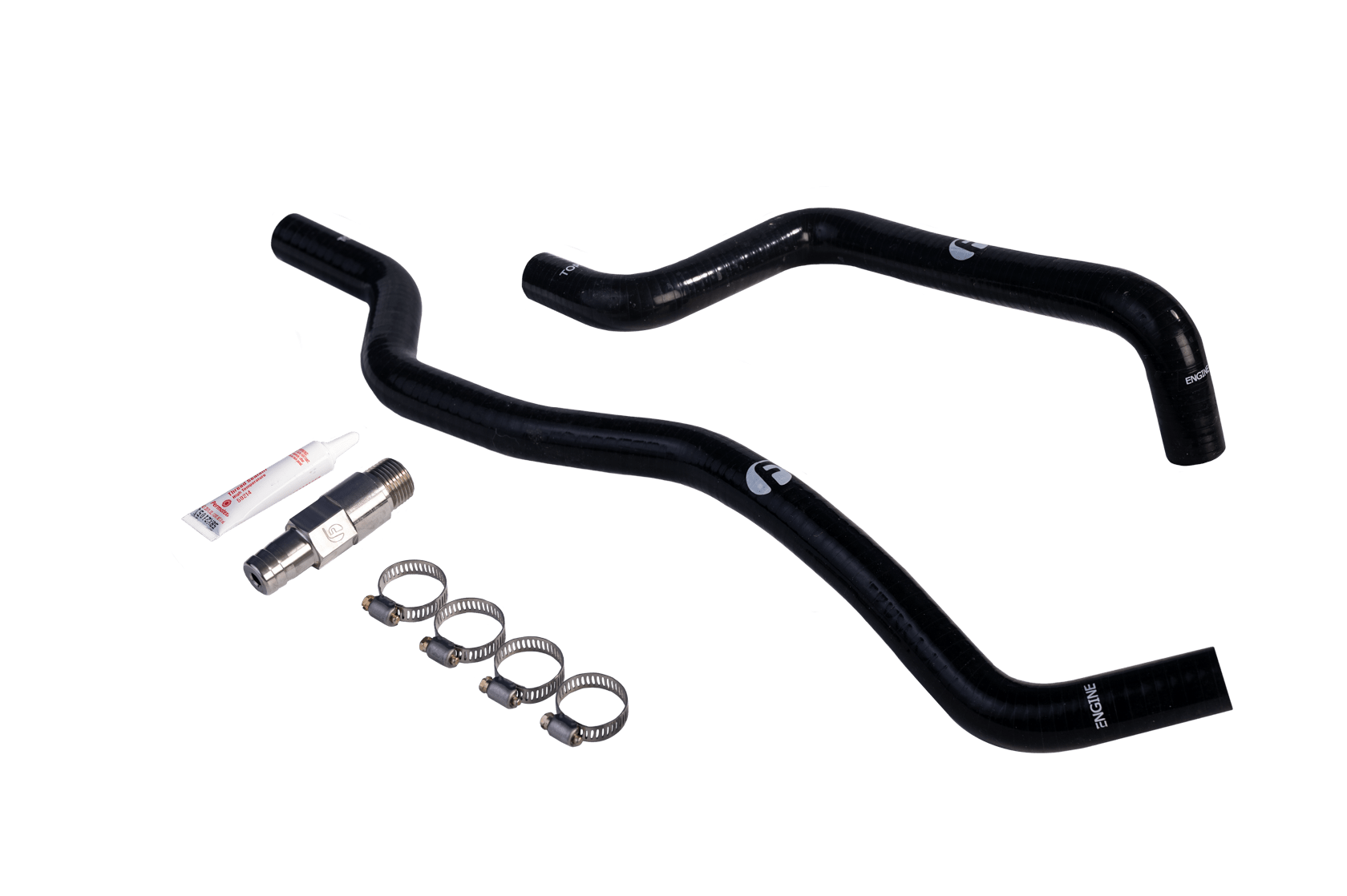
- Hoses and pipes: a Mishimoto silicone radiator hose kit and top heater hose upgrade, Fleece heater feed, return and heater core hoses, an S&B heater core supply hose, the PPE heater hose connector and WCFab standard-output and high-output upper coolant pipes.
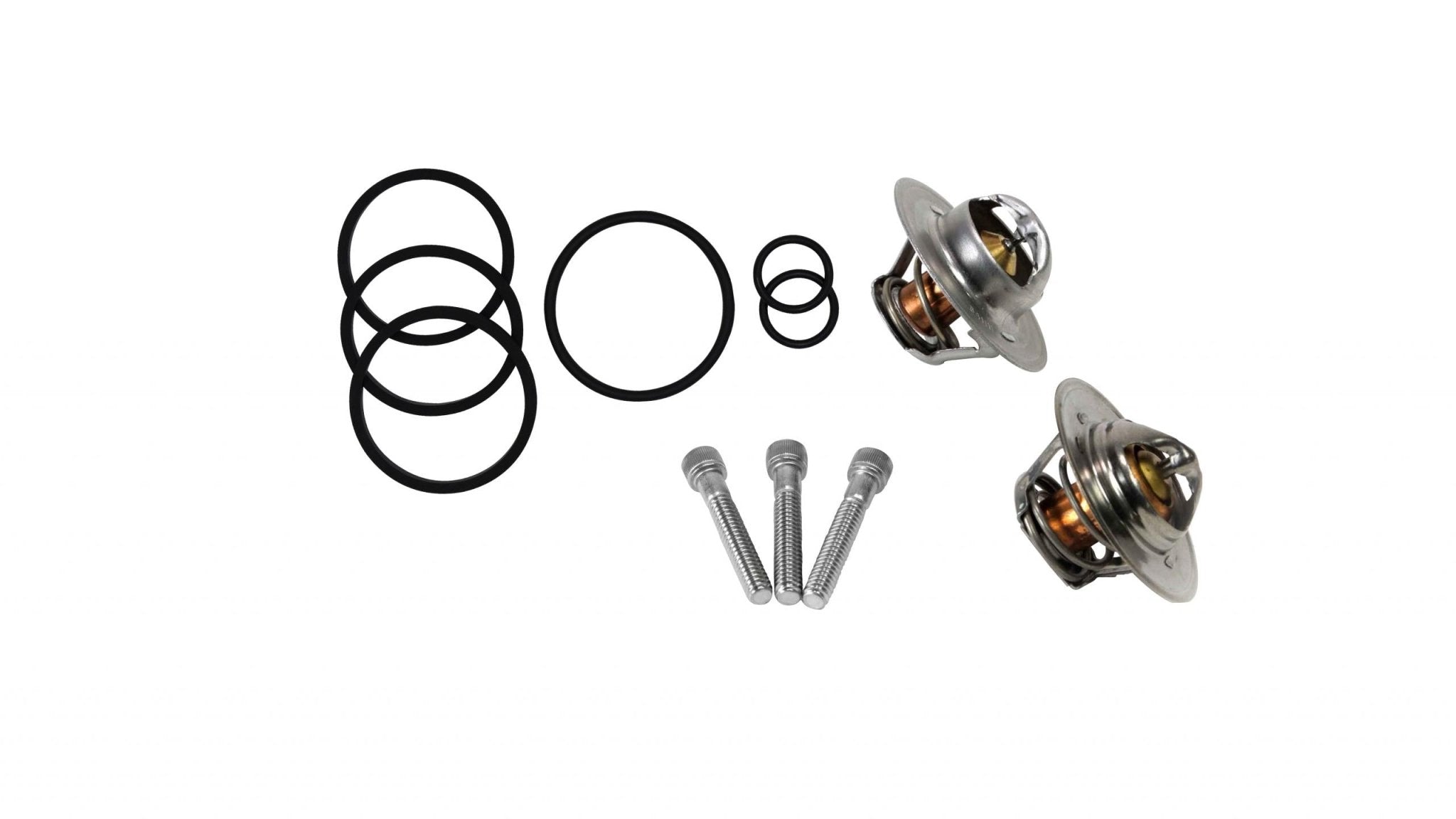
- Thermostat, housing and sensors: a Genuine Cummins thermostat, a WCFab thermostat housing, an Alliant Power oil/fuel/coolant temperature sensor, an XDP engine coolant temperature sensor and a Fleece coolant bypass service kit.
Fitment notes
Ram changed the radiator hoses, water pump and thermostat housing for 2019, so those 2013-2018 cooling parts do not carry over. Some items here, like heater hoses, sensors and the coolant bypass kit, are listed for a wider span of years, and the year range in each product title tells you. Know whether you have the standard-output or high-output engine before you order a radiator or an upper coolant pipe. High output was offered only in the 3500 pickup with the Aisin AS69RC transmission. Standard output runs the 68RFE in the 2500 and 3500. The CSF radiators are listed for 2019-2023, and the XDP coolant temperature sensor is listed through 2021. Chassis cabs may use different EGR components and part numbers than pickups. When in doubt, verify by VIN.
Frequently asked questions
Why is my 2019-2024 Ram 6.7L Cummins losing coolant with nothing on the ground?
The usual internal path on this engine is the EGR cooler. A leak there sends coolant into the exhaust or intake side, so nothing drips. Look for white, sweet-smelling steam on a cold start and a P2457 code, and watch the degas bottle level with the engine cold.
How much coolant does the 2019-2024 6.7L Cummins hold?
It holds 23.8 quarts on both standard-output and high-output engines. Ram specifies a 10-year/150,000-mile OAT coolant mixed 50/50 with distilled water, with a flush at 150,000 miles or 120 months. Do not mix it with an older HOAT coolant.
Will cooling parts from my 2013-2018 Ram fit a 2019 or newer?
Not the main ones. The radiator hoses, water pump and thermostat housing changed for 2019, and the water pump moved to an aluminum housing. Some heater hoses and sensors cover both generations, and the product title lists the years each part fits.
Do I need a different radiator for a high-output 3500?
Order the one that matches your engine. CSF lists one OEM-style radiator for standard-output trucks and a separate one for the high-output 3500. If your 3500 pickup has the Aisin AS69RC transmission, it is a high-output truck; if you are unsure, verify by VIN.
Are head gaskets a problem on the 2019 and newer 6.7L?
They are treated as a lower-probability item on these engines. Diesel Hub lists head gaskets as more common on the 6.7L than the 5.9L because of cylinder pressure, and the 2019 redesign used larger head bolts to address it. Coolant pushing into the degas bottle and overheating under load are the signs to watch for.
Not sure what fits? Call the shop at the number in the header, or use the fitment checker on any product page. We install everything we sell.