
Shop Cooling System by Category


Filters
73 products


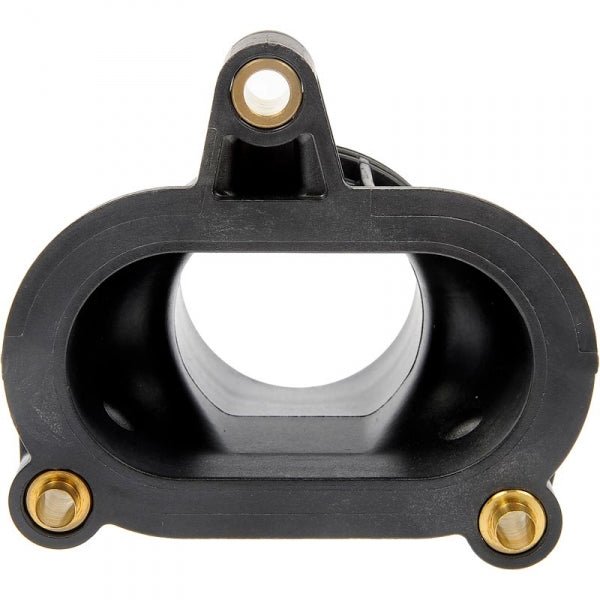
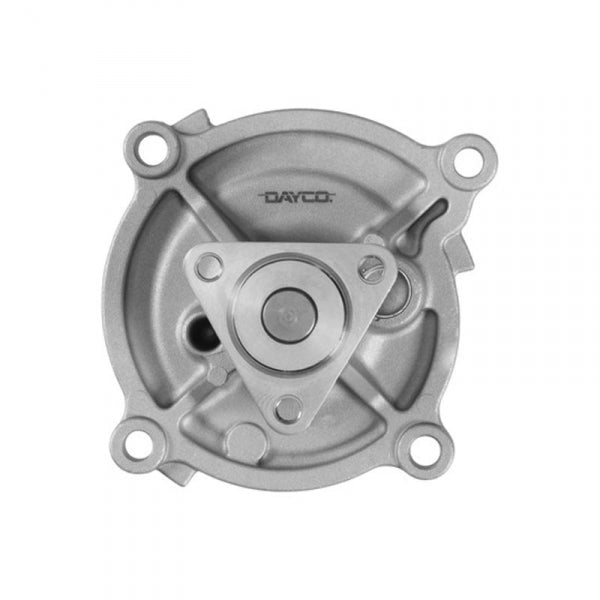
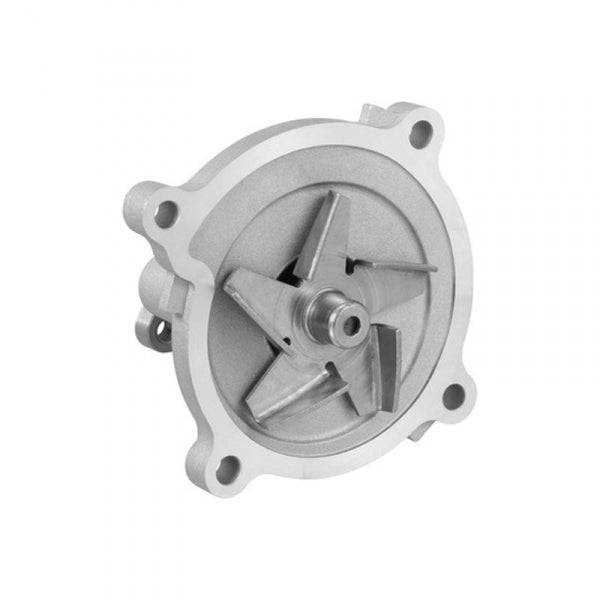
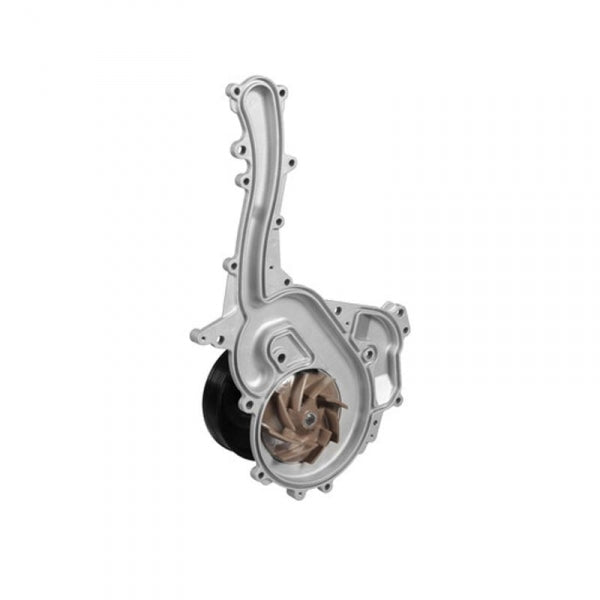
Not sure it fits your truck?
Our Wildwood, FL techs will confirm the right part for your build before you buy.
Call or Text (352) 722-5295Cooling system on the 2011-2014 Ford 6.7L Powerstroke
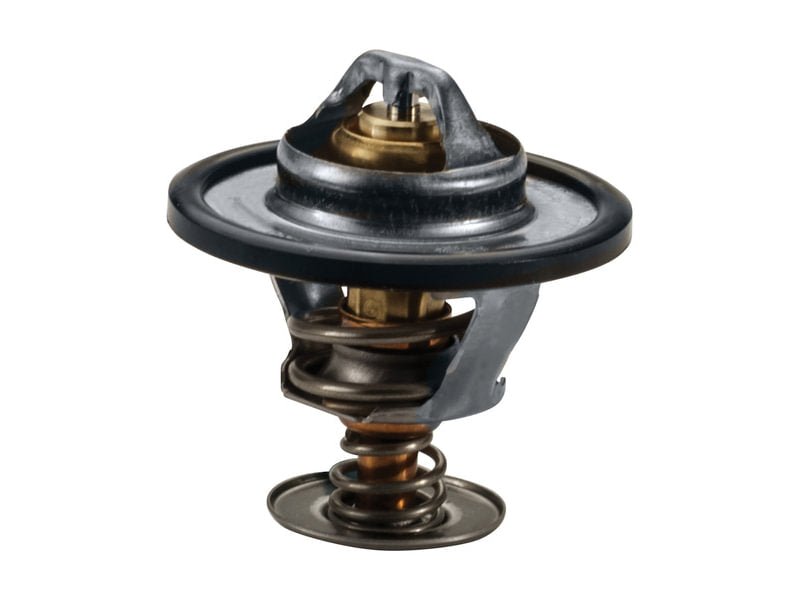
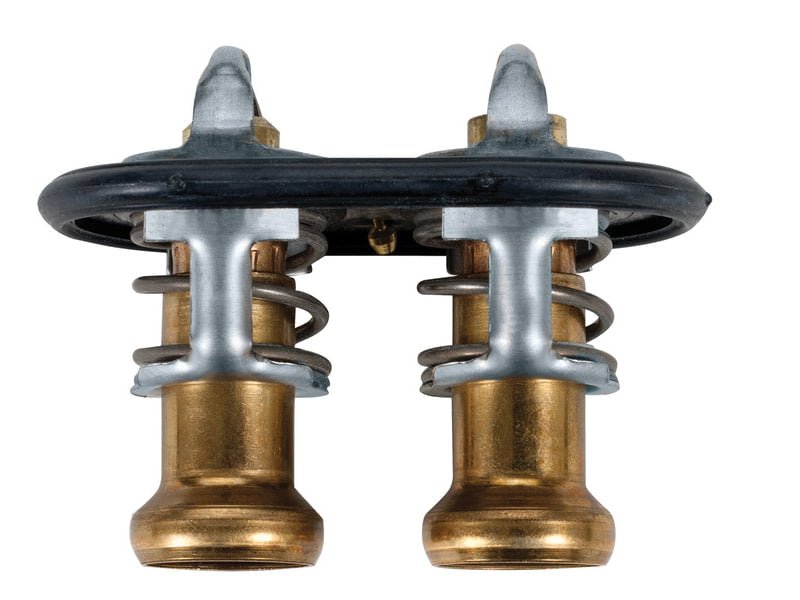
On the 6.7L Powerstroke, Ford split cooling into two independent loops. The primary, high-temperature loop uses a dual thermostat that opens at 194°F and 201°F. It cools the block and heads, the oil cooler, the turbo, the heater core and the first half of the EGR cooler. The secondary, low-temperature loop has its own smaller radiator and degas bottle, with thermostat-controlled outlets at 140°F and 113°F. It cools the air-to-water intercooler, the fuel cooler, the second half of the EGR cooler and the transmission cooler.
That intercooler detail trips people up. On this truck it isn't an air-to-air core in front of the radiator. It's a liquid-cooled charge air cooler on the secondary loop, and primary coolant never flows through it. Capacities tell the rest: the primary loop holds 7.25 to 7.75 gallons, the secondary only 2.0 gallons.
What fails and why
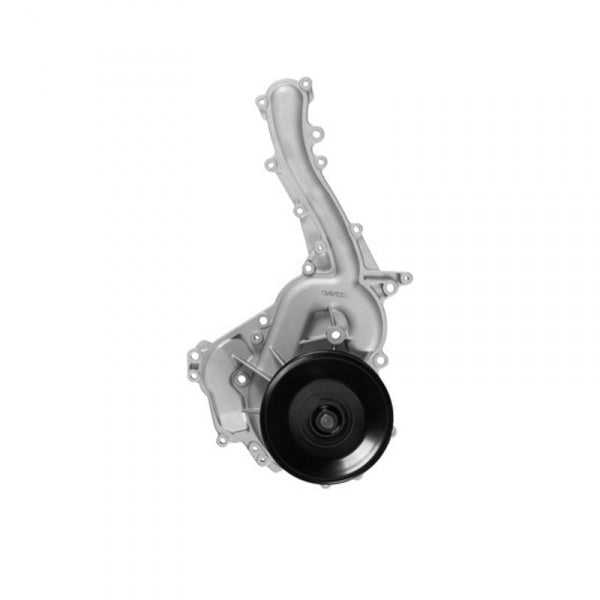
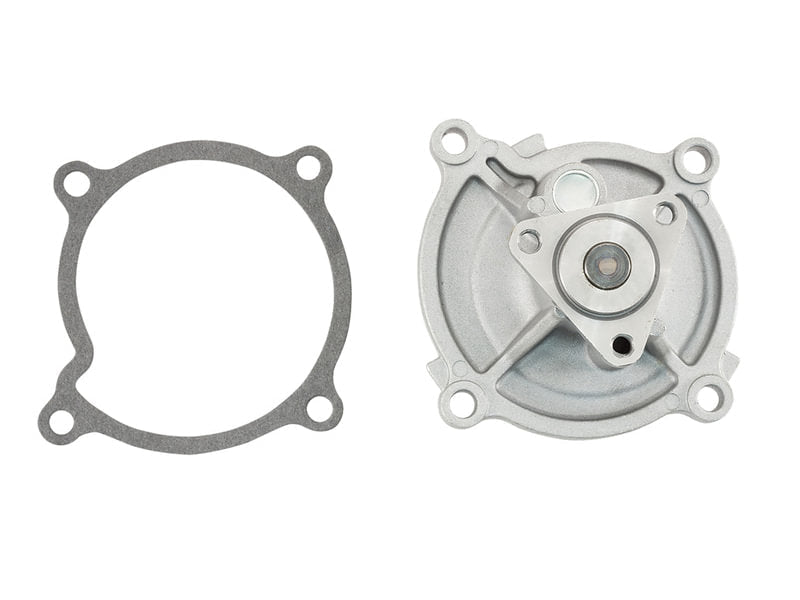
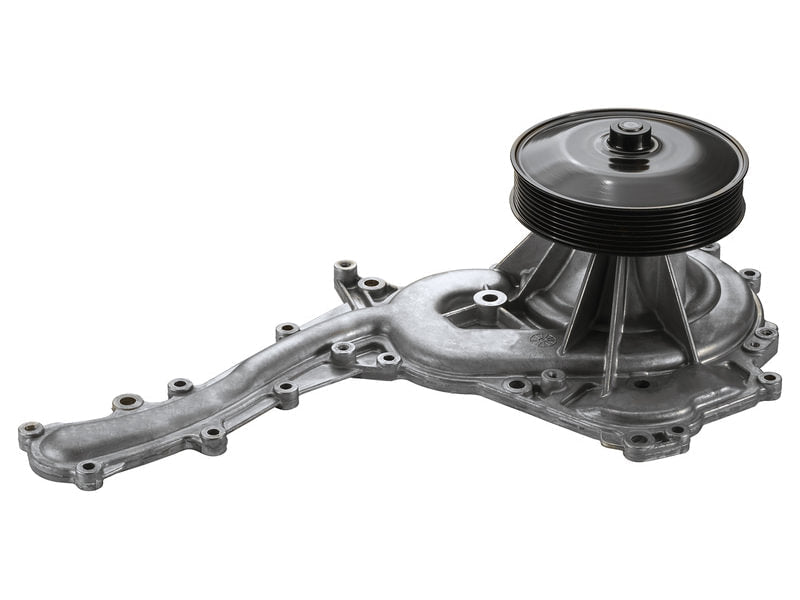
The water pump is the most common coolant leak on the 6.7L. The belt-driven pump weeps from its weep hole onto the lower radiator hose, usually at higher mileage. Look for a coolant trail down that hose, a sweet smell and a slow drop in level.
2011-2014 trucks also leak at the turbo coolant inlet fitting, a 2011 design, and at the oil cooler T-line and radiator hose O-rings. That shows up as seepage in the valley or around the oil cooler. Early 2011 pickups built before September 2010 came with defective radiators that leak, with drips and low-coolant warnings as the signs.
If the secondary bottle keeps dropping and nothing is dripping, look inside. The air-to-water intercooler can leak internally and send coolant into the intake, which brings white smoke and coolant residue in the charge pipes; the EGR cooler is the other suspect. These are commonly reported around 150,000 miles, and owners usually find them only after pressure testing the secondary system. With just 2.0 gallons in that loop, a small leak empties it fast.
Overheating while towing is usually a heat-rejection problem, not a coolant problem: a plugged cooling stack, a dirty radiator or intercooler, a stuck fan clutch or a charge-air leak. Temps climb on grades, EGT spikes and boost goes soft. The factory fan clutch is a PWM-controlled viscous unit, Motorcraft YB3188 on 2011-2014 trucks.
Stock replacement vs. upgrade
For most repairs, OE-style parts are the right answer: a replacement water pump, a thermostat that matches the factory opening temperatures, and new O-rings, gaskets and hoses. That puts the truck back the way Ford built it, whether it's an XL work truck or a King Ranch that tows on weekends. Upgrades make sense when you're replacing a part anyway and want something different from the original: an aluminum radiator or degas tank, a silicone hose kit, a billet thermostat housing, a coolant filtration system or a lower-temperature thermostat.
What we carry
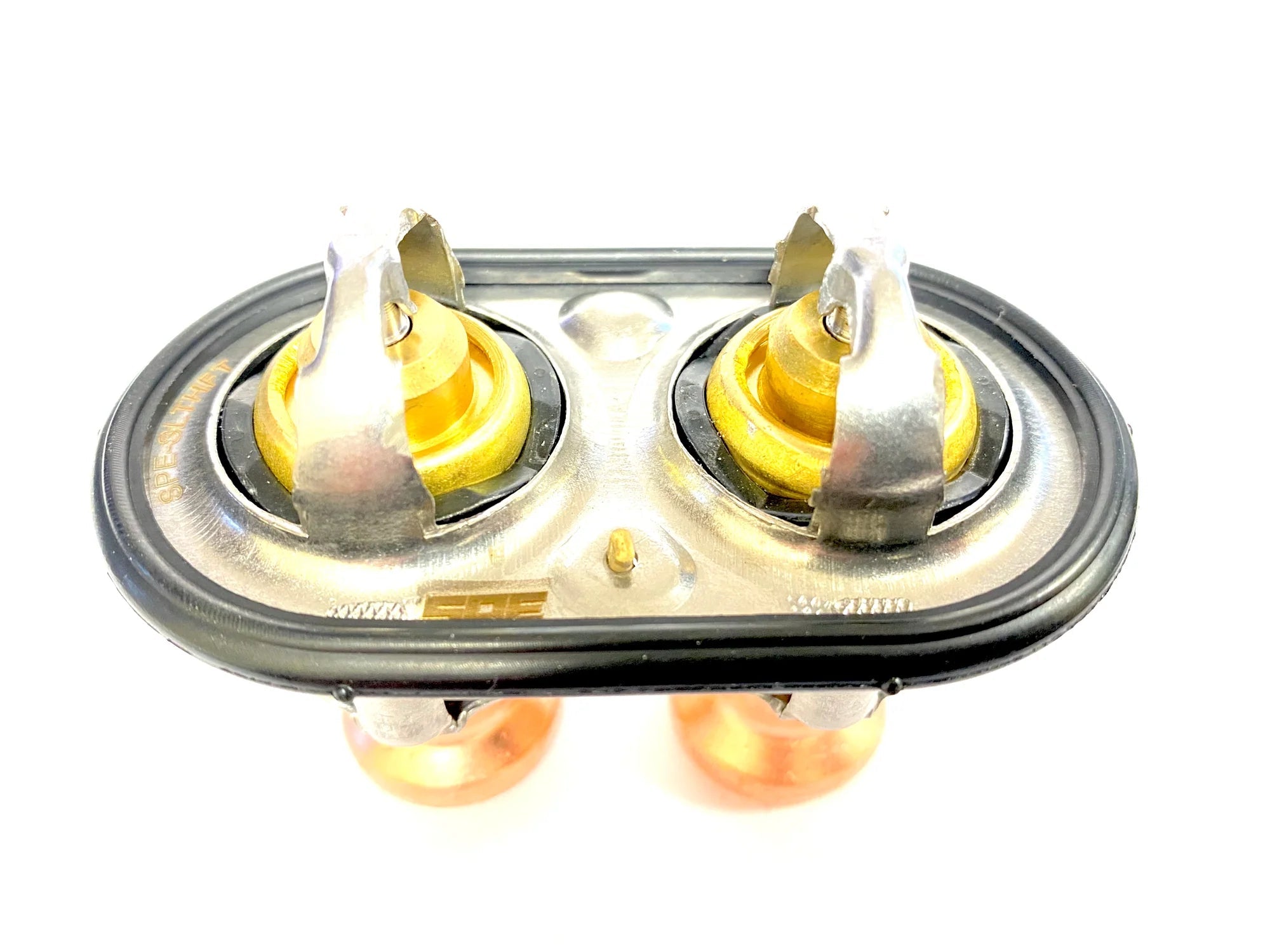
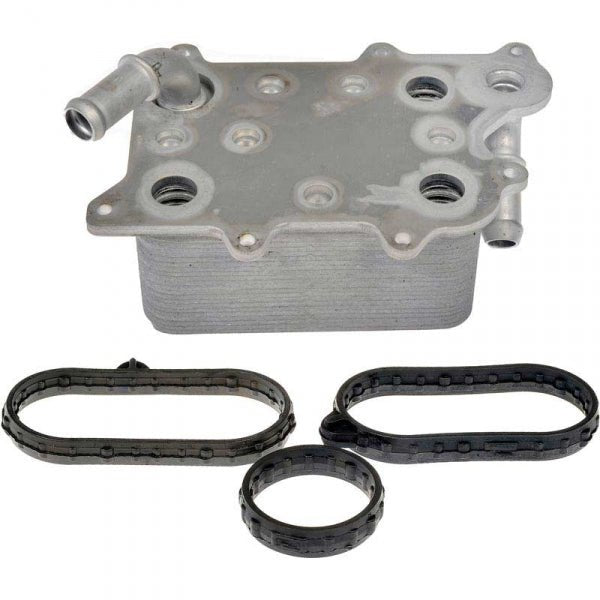
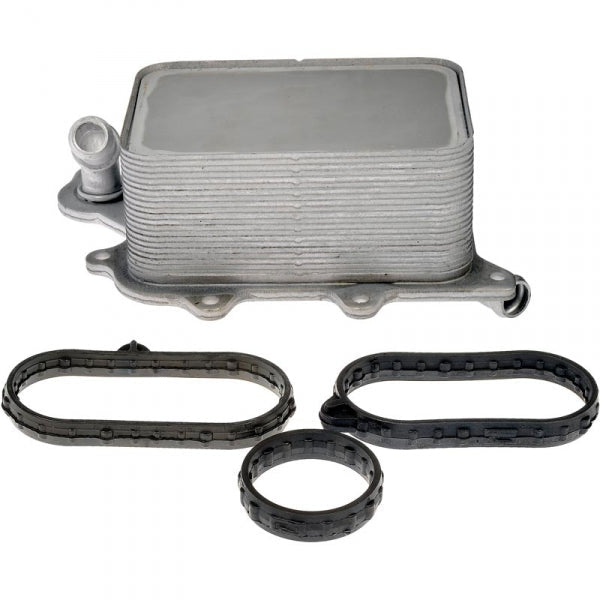
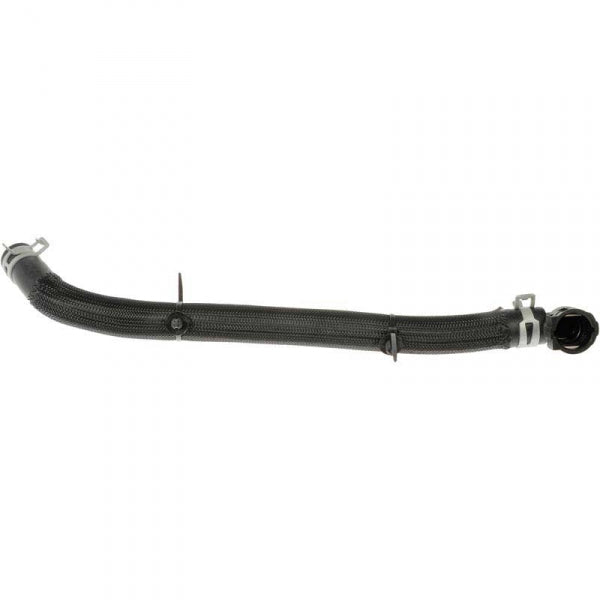
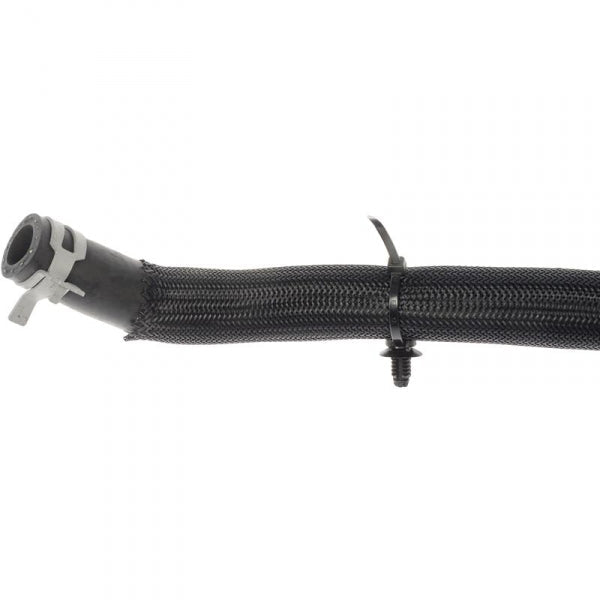
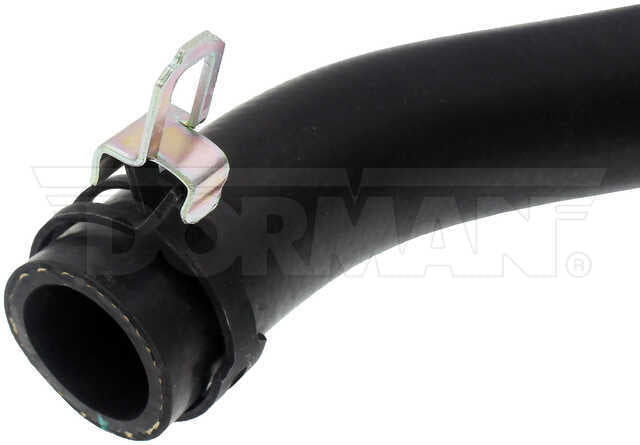
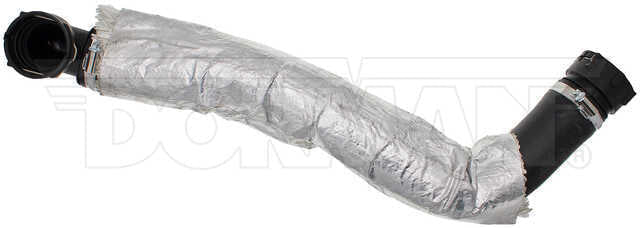
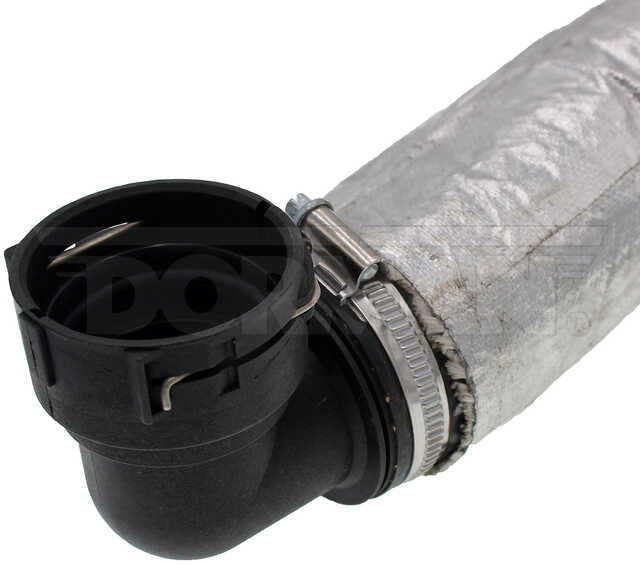
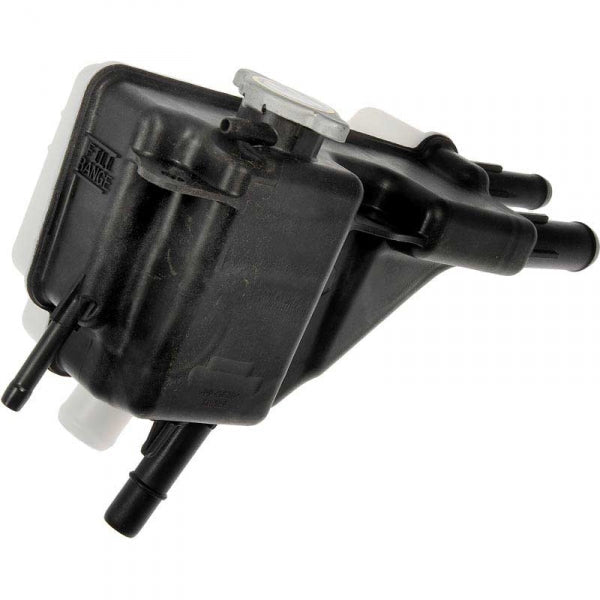
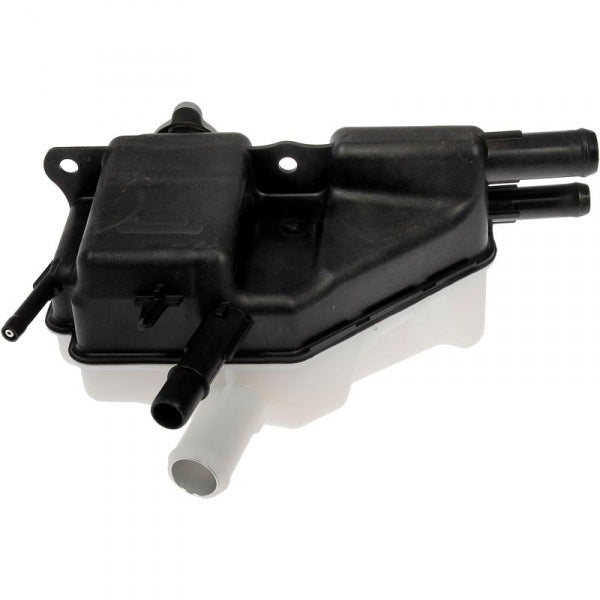
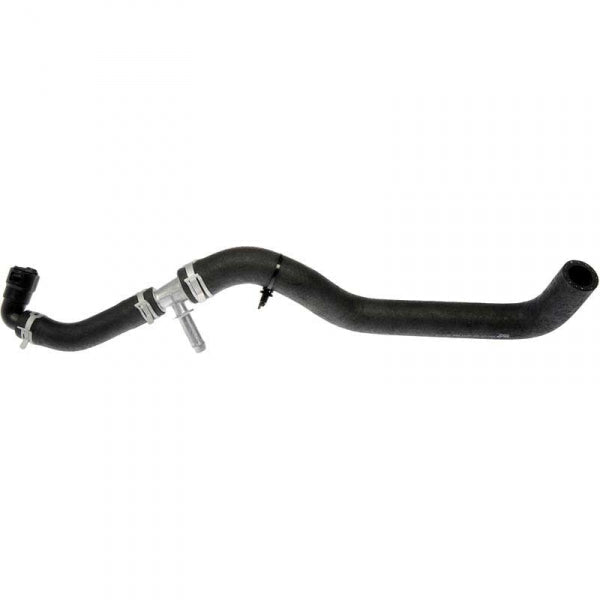
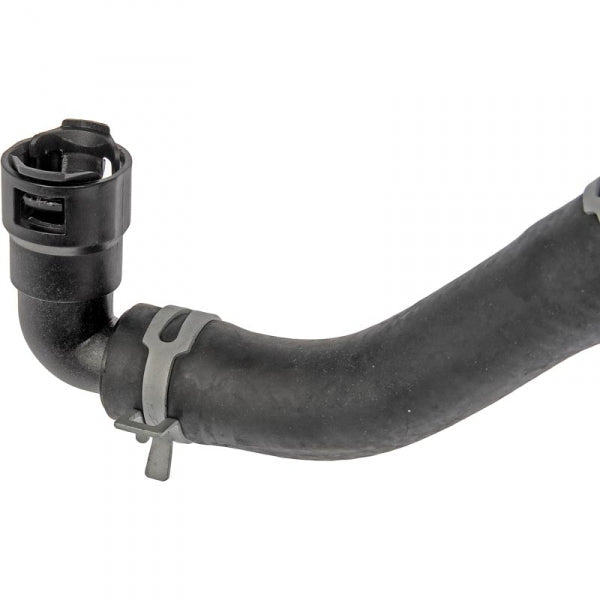
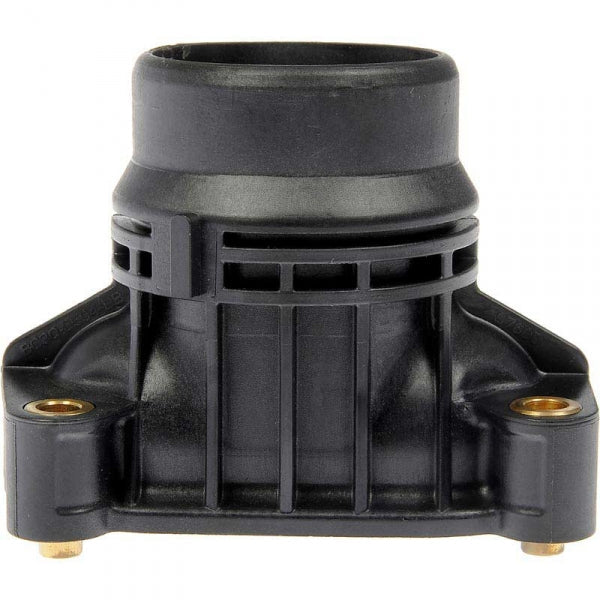
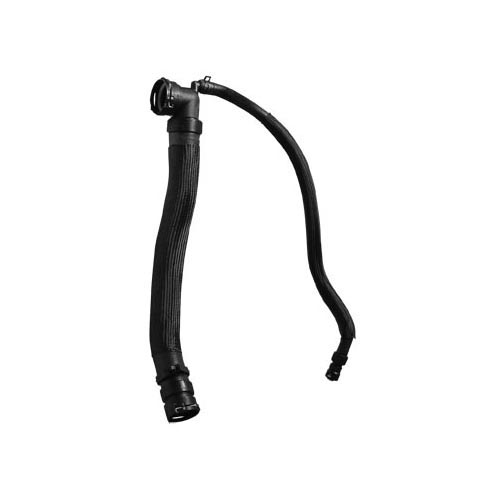
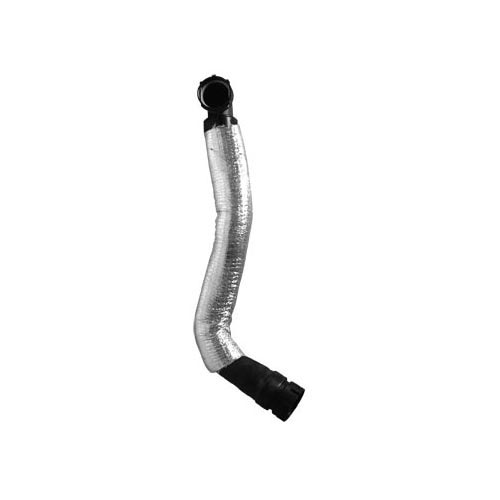
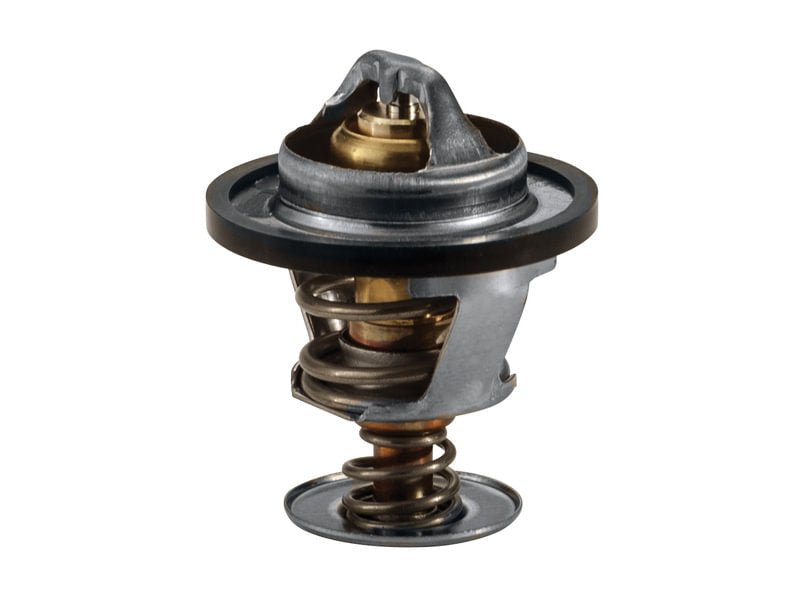
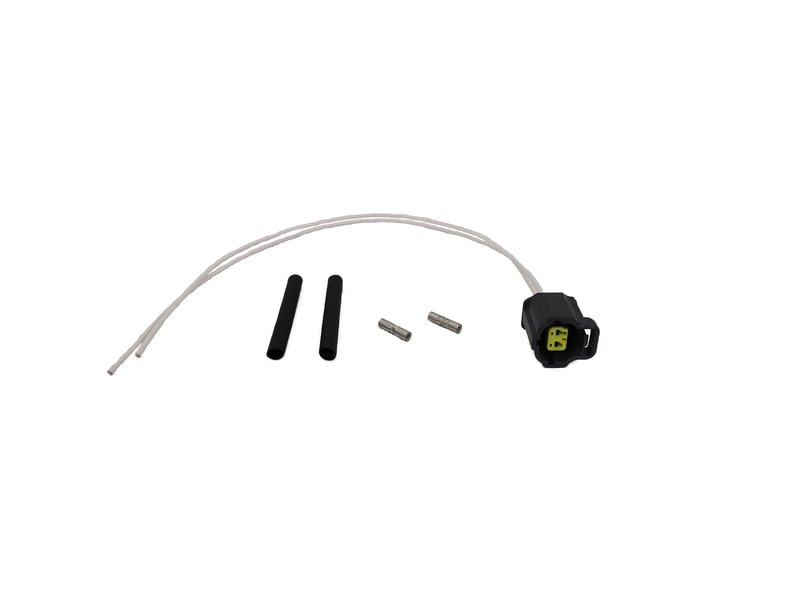
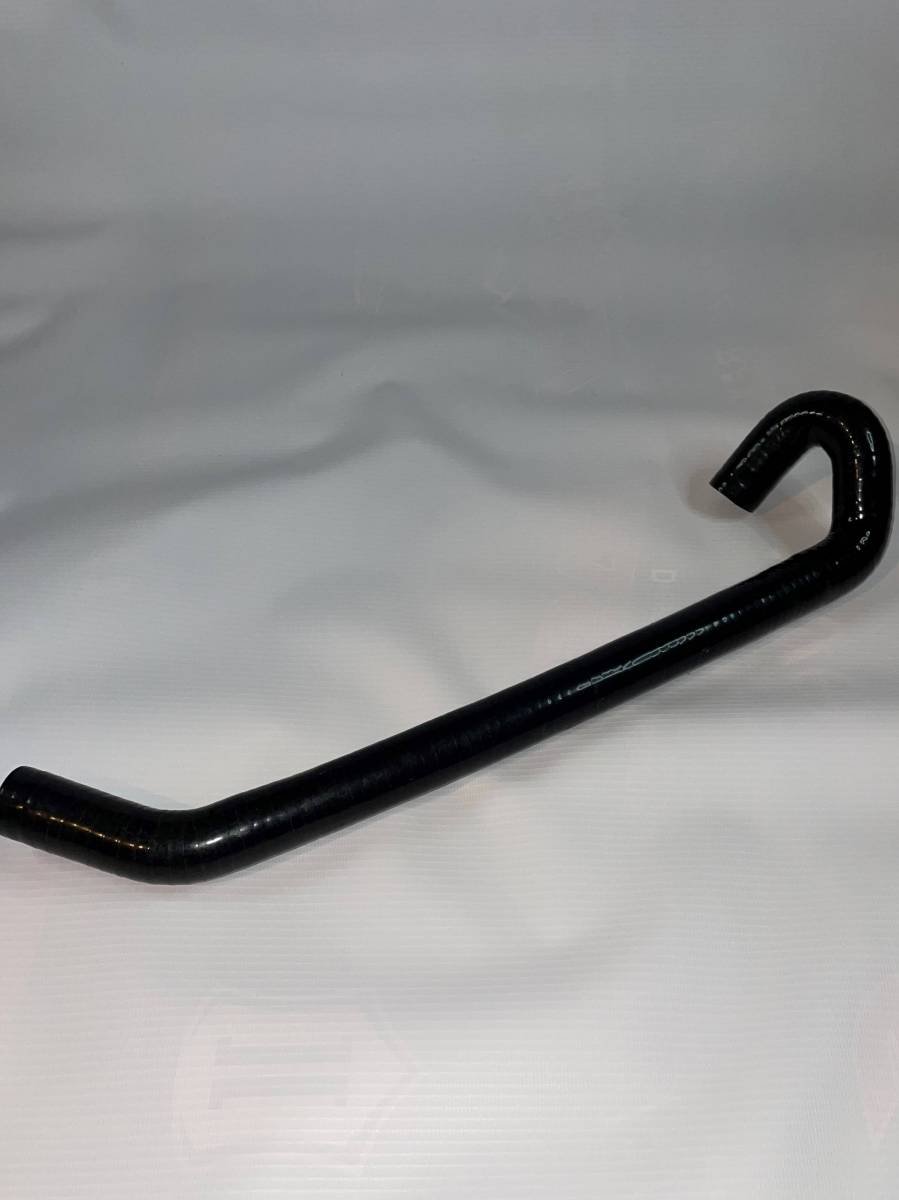
For straight replacements, Dorman covers the 904-381 engine oil cooler and its inlet and outlet lines, heater hose assemblies, the upper radiator hose, the coolant recovery reservoir and the 902-1074 thermostat housing. Alliant Power supplies primary and secondary water pumps, the primary thermostat, both secondary thermostats and a two-wire pigtail. Dayco has primary and secondary water pumps and curved upper and lower radiator hoses. MAHLE fills in the TX44390 primary thermostat, coolant crossover gaskets and the upper radiator hose O-ring, and CSF builds OEM-style primary and secondary radiators.
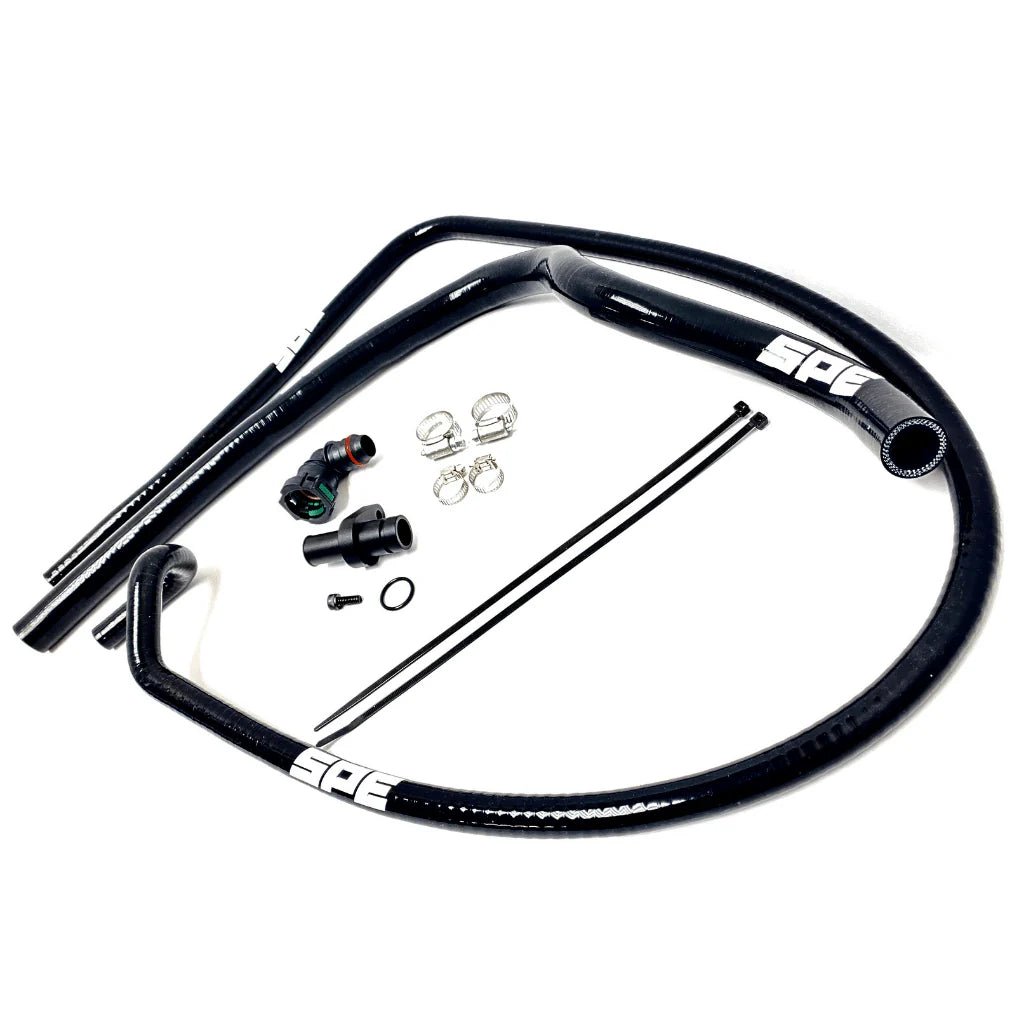
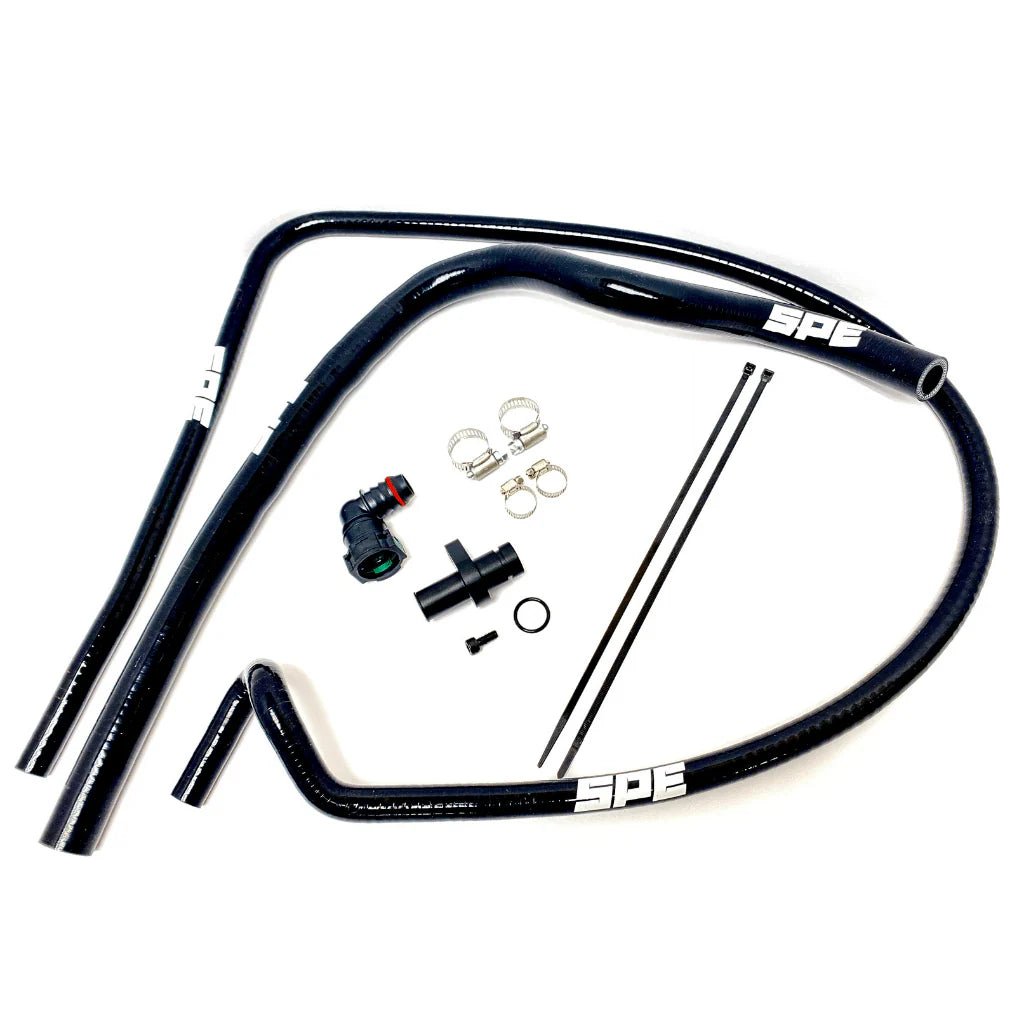
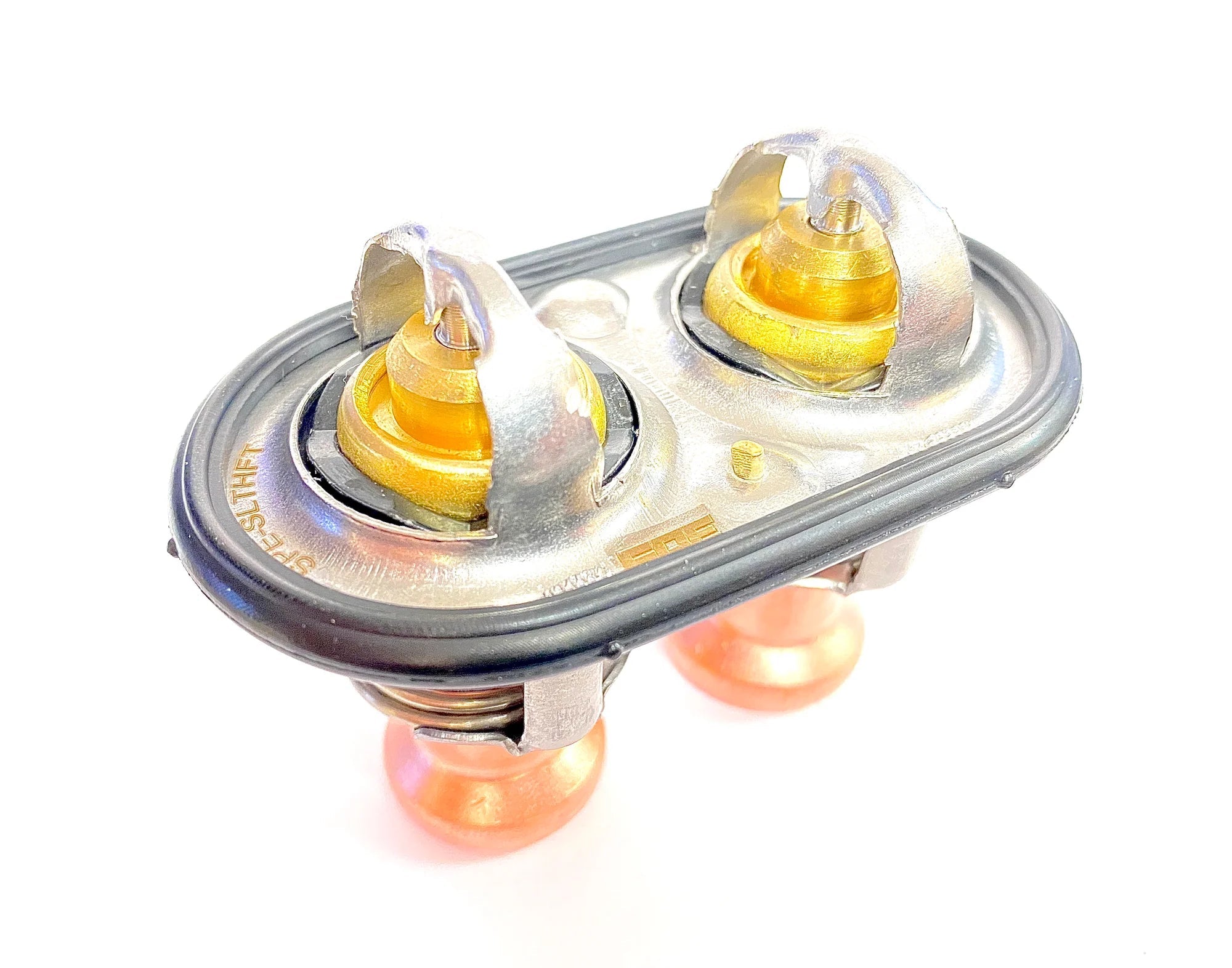
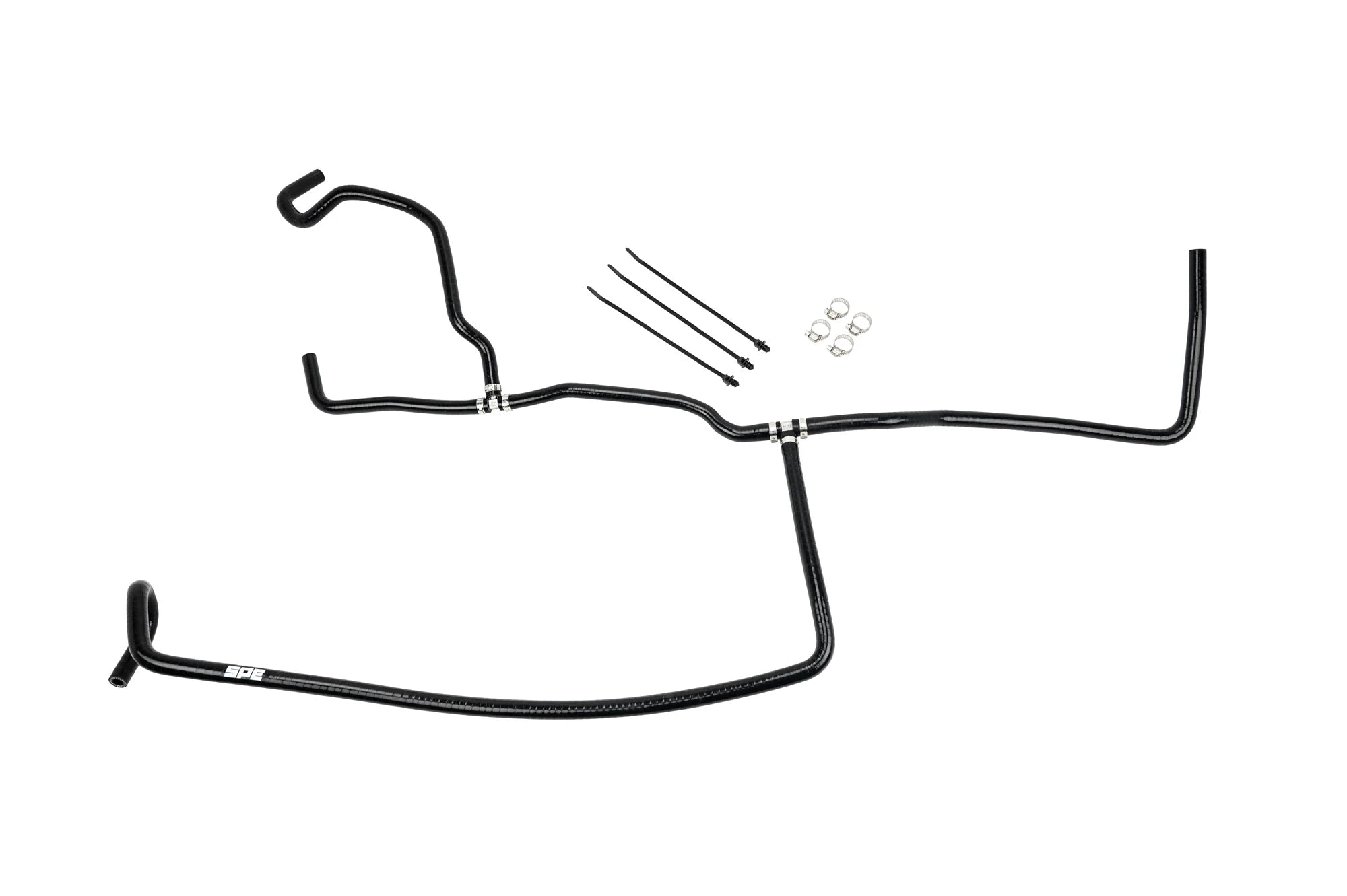
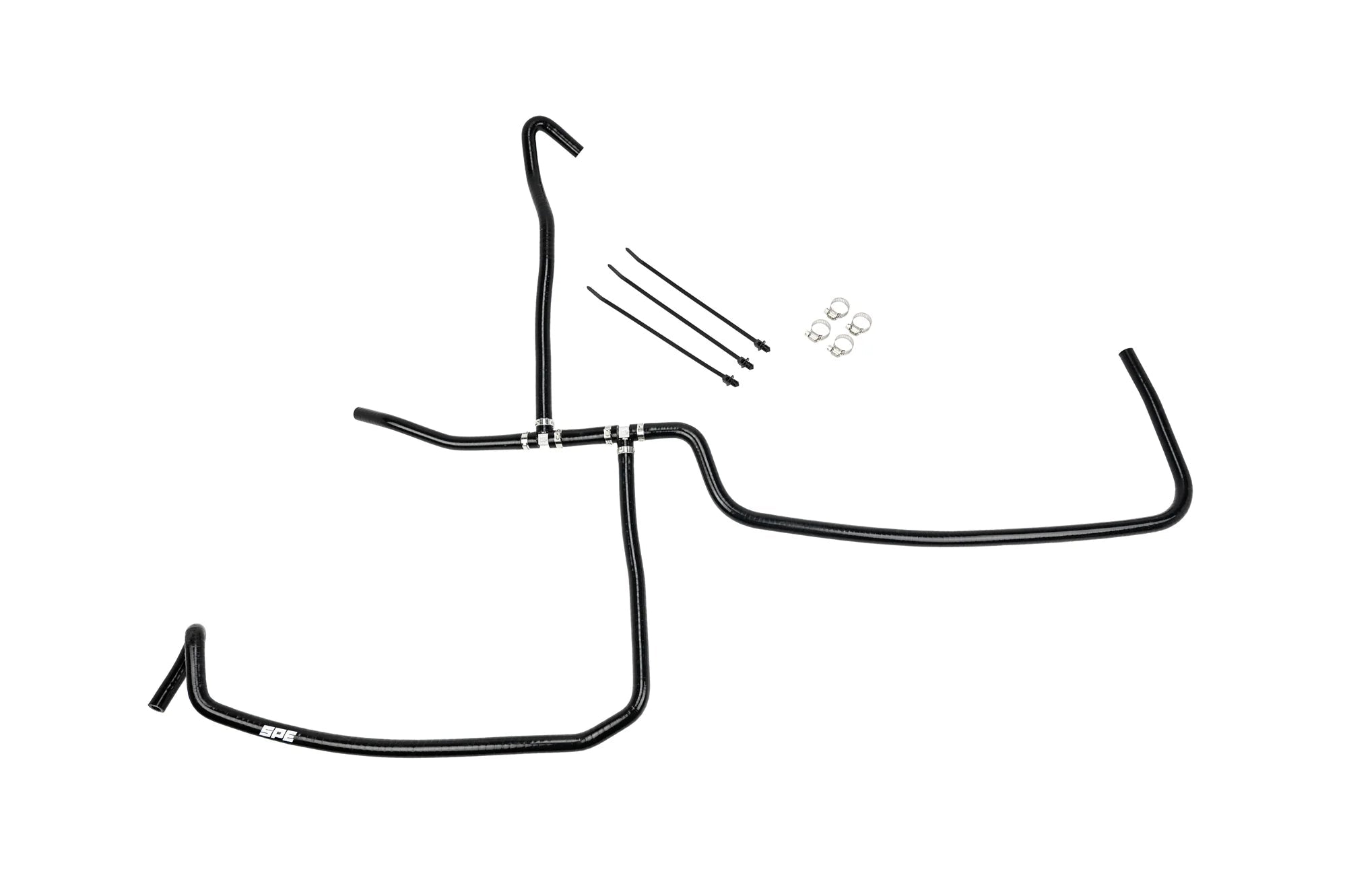
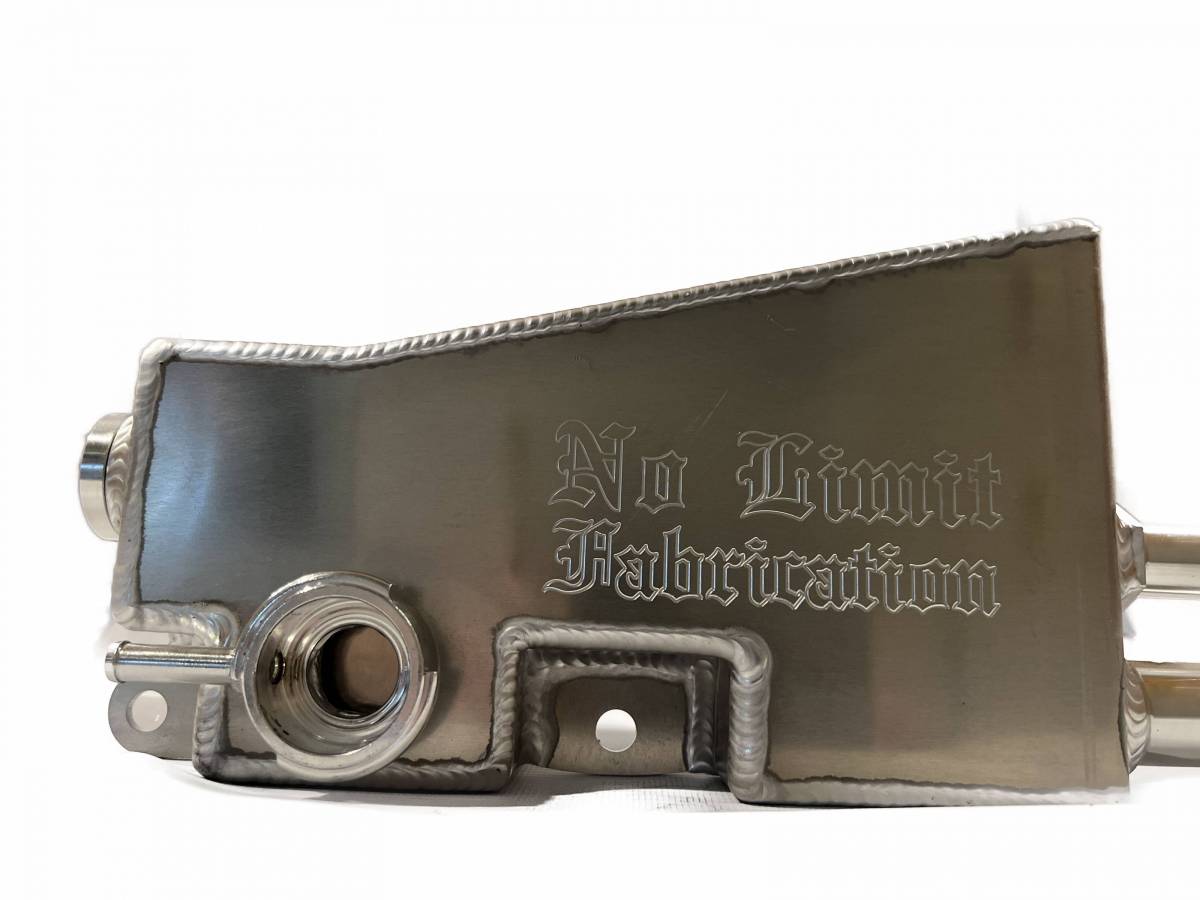
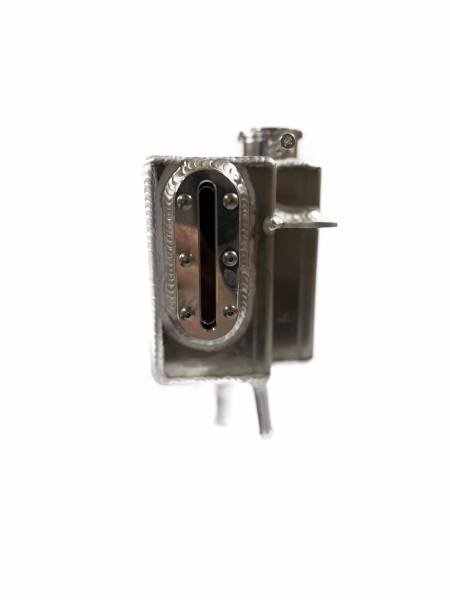
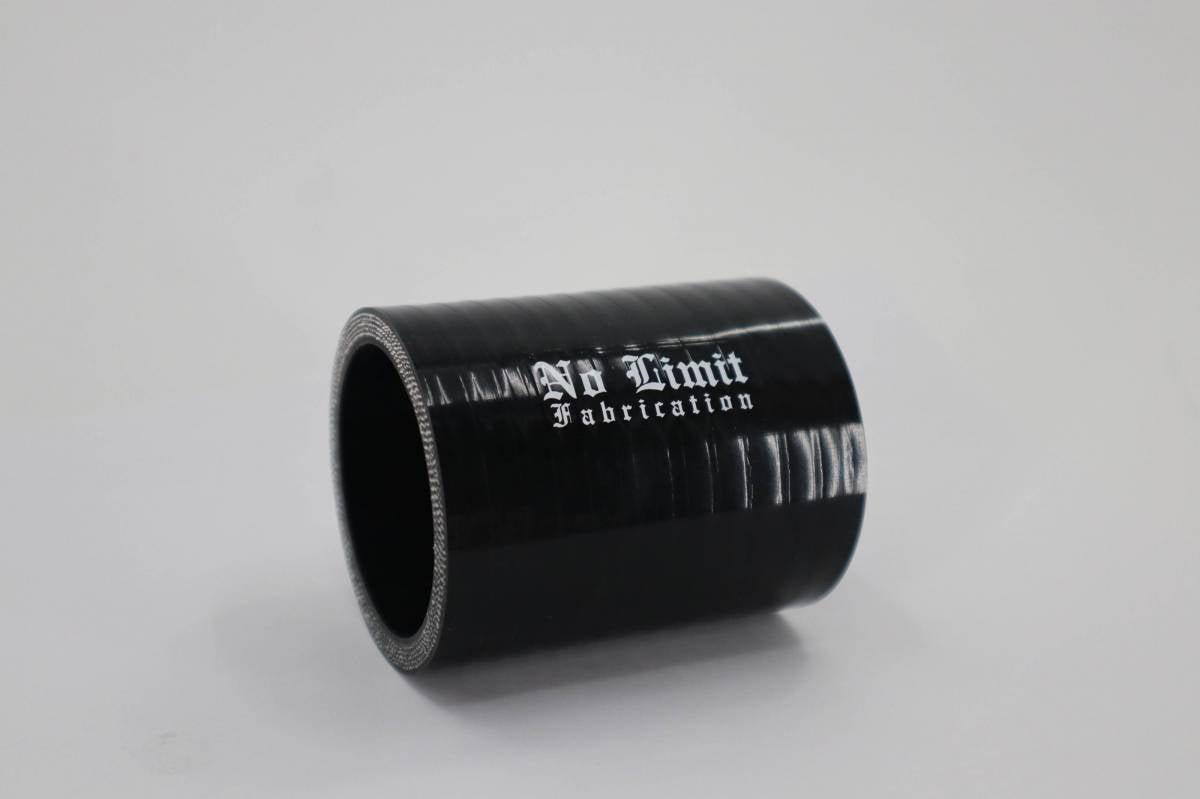
On the upgrade side, Mishimoto offers aluminum radiators, degas and expansion tanks, a silicone radiator hose kit, high- and low-temperature primary thermostats, an upper support bar, radiator bundles and Liquid Chill coolant. XDP adds Xtra Cool water pumps and radiators, an ECT sensor, a degas cap and the XD192 coolant filtration system. SPE Motorsport has a coolant hose reroute kit, a low-temp high-flow thermostat and a factory-replacement degas hose kit. You'll also find a WCFab billet thermostat housing, an S&B upper coolant pipe, a No Limit Fabrication secondary coolant tank, cooling parts from Fleece Performance Engineering, and Hot Shot's Secret heavy-duty extended-life coolants.
Fitment notes
Read the year range on every listing. Plenty of parts here are listed for 2011-2016, others for 2011-2019, and some carry into 2025 and later, but the 2015 refresh changed enough that you shouldn't assume a part listed from 2015 fits a 2014. Fan clutch part numbers split 2011-2014 versus 2015-2019. F-350, F-450 and F-550 chassis cabs use a different turbo and a 300 hp calibration from the pickups, so confirm chassis-cab fitment before you order. When you refill, mind the two degas bottles: filling or pressure-testing the wrong system is an easy mistake, and techs have overlooked the primary tank after EGR work. Ford's coolant is Motorcraft Orange VC-3-B mixed 50/50 with distilled water, with the first change due at 105,000 miles or six years. If anything is unclear, verify by VIN.
Frequently asked questions
How do I tell which cooling loop is leaking?
Watch the two degas bottles. A steadily dropping secondary bottle points to the intercooler, EGR cooler or fuel cooler. A dropping primary bottle points to the radiator, water pump, oil cooler or heads. Then pressure test the loop that's losing coolant.
Why does my 6.7L run hot towing but fine empty?
Usually it's heat rejection, not the coolant. Check for a plugged cooling stack, a dirty radiator or intercooler, a stuck fan clutch or a charge-air leak. Those show up as climbing temps on grades, EGT spikes and soft boost.
Is a wet lower radiator hose a sign of a bad water pump?
It's the first suspect. The water pump is the most common coolant leak on the 6.7L, and it weeps from its weep hole onto the lower radiator hose. Confirm the source before you buy, because the oil cooler T-line and radiator hose O-rings also seep on 2011-2014 trucks.
What coolant does the 2011-2014 6.7L Powerstroke take, and how much?
Ford calls for Motorcraft Orange VC-3-B mixed 50/50 with distilled water in both loops. The primary loop holds 7.25 to 7.75 gallons and the secondary holds 2.0 gallons. If you buy a different brand, check its label against Ford's spec before you pour it in.
I have an early 2011. Should I worry about the radiator?
Early 2011 pickups built before September 2010 had defective radiators from the factory, and they leak. If yours is one of those and still has its original primary radiator, inspect it for drips and watch for low-coolant warnings. Replacement primary radiators from CSF, Mishimoto and XDP are in this collection.
Not sure what fits? Call the shop at the number in the header, or use the fitment checker on any product page. We install everything we sell.