
Filters
9 products
Not sure it fits your truck?
Our Wildwood, FL techs will confirm the right part for your build before you buy.
Call or Text (352) 722-5295Radiators on the 2011-2014 Ford 6.7L Powerstroke
The primary radiator on the 6.7L Powerstroke serves the high-temperature loop: block, heads, oil cooler, turbo, heater core and the first half of the EGR cooler, controlled by a dual thermostat that opens at 194°F and 201°F. The smaller secondary radiator serves the low-temperature loop, with thermostat-controlled outlets at 140°F and 113°F, and cools the air-to-water intercooler, fuel cooler, the second half of the EGR cooler and the transmission cooler.
One point surprises people coming from other trucks: the intercooler here is not an air-to-air core stacked in front of the radiator. It's a liquid-cooled charge air cooler fed by the secondary loop, and primary coolant never flows through it.
What fails and why
Early 2011 pickups built before September 2010 came with defective primary radiators that leak. Coolant drips and low-coolant warnings are the signs. Radiator hose O-rings also leak on 2011-2014 trucks, so check the hose connections before you condemn the core.
Overheating under tow is usually about airflow and heat rejection rather than a failed radiator: a plugged cooling stack, a dirty radiator or intercooler, a stuck fan clutch or a charge-air leak. Temps climb on grades, EGT spikes and boost goes soft. Clean the stack and check the fan clutch before you buy a radiator to solve a heat problem.
Stock replacement vs. upgrade
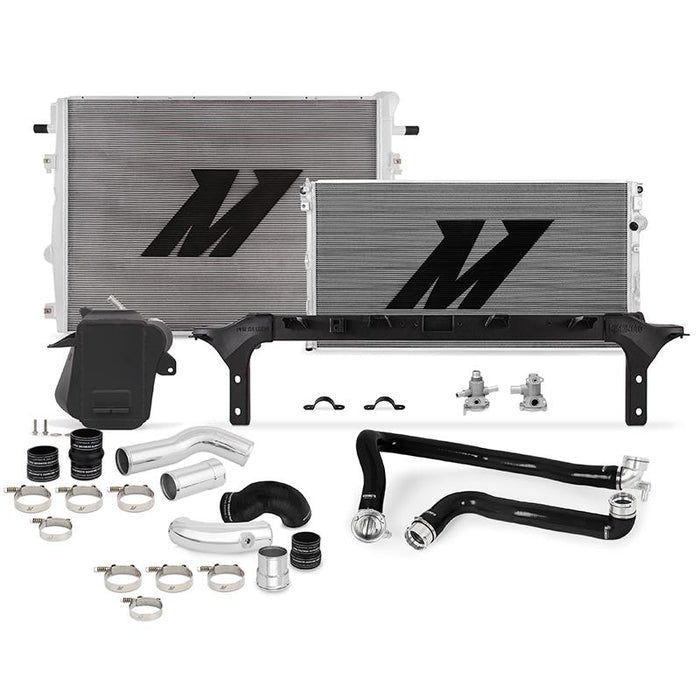
An OEM-style radiator restores the factory core and fit, which is all most trucks need. Aluminum radiators are the upgrade path when the original needs replacing and you want a different construction than stock. Bundles are another way to go; check each bundle's contents on its product page so you know exactly what's included.
What we carry
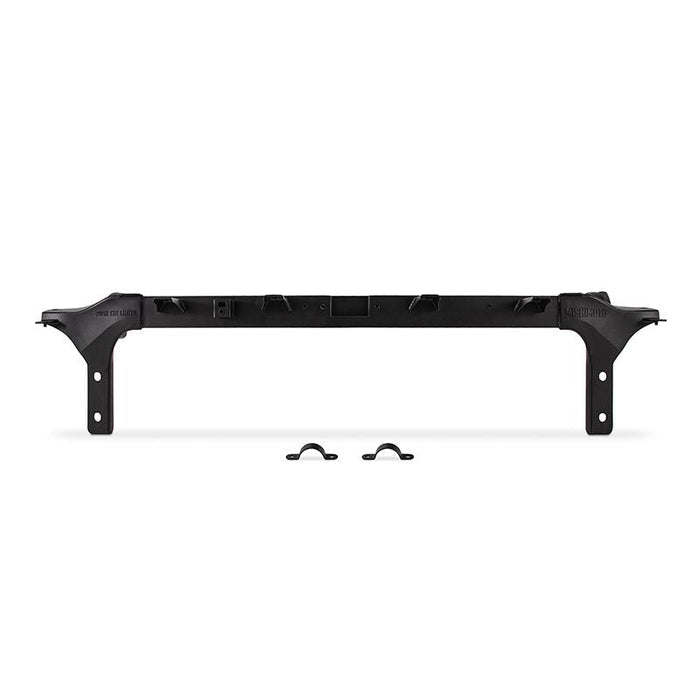
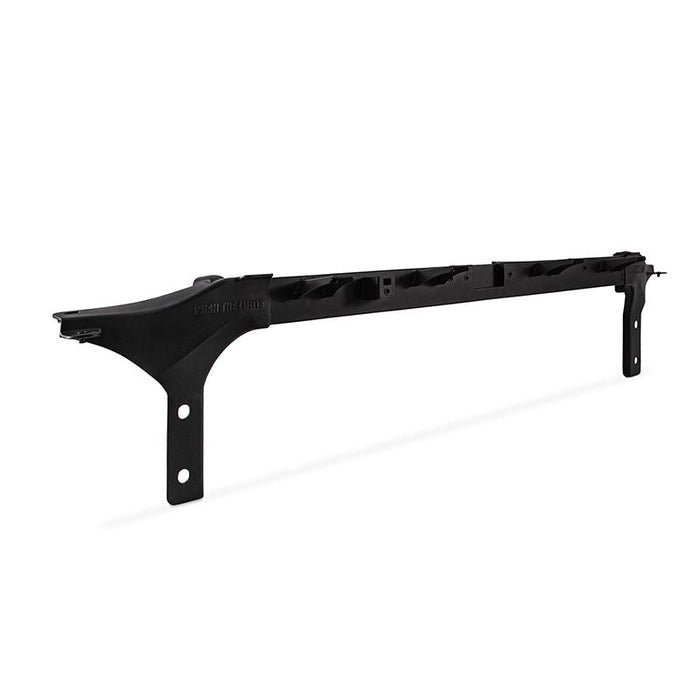
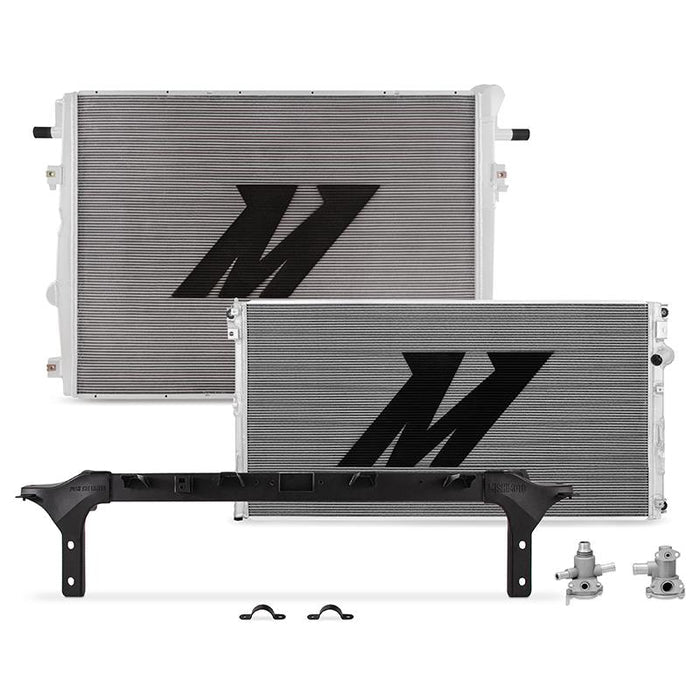
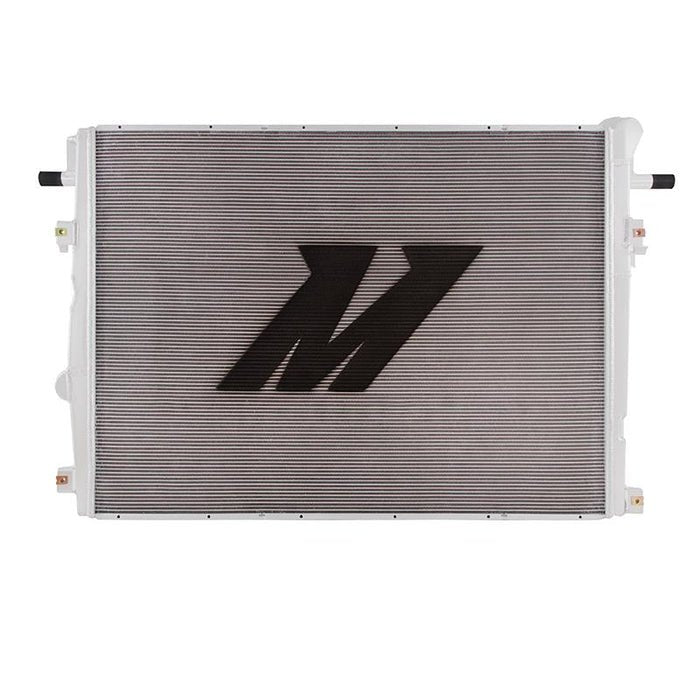
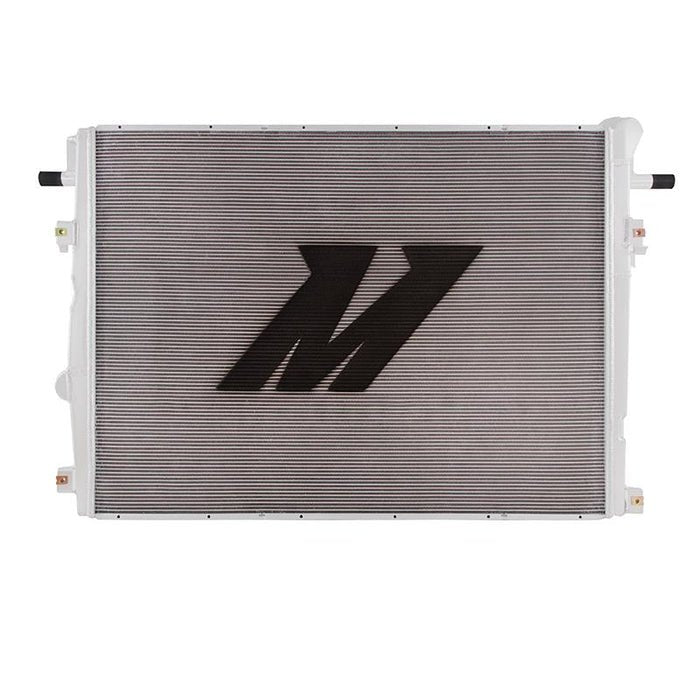
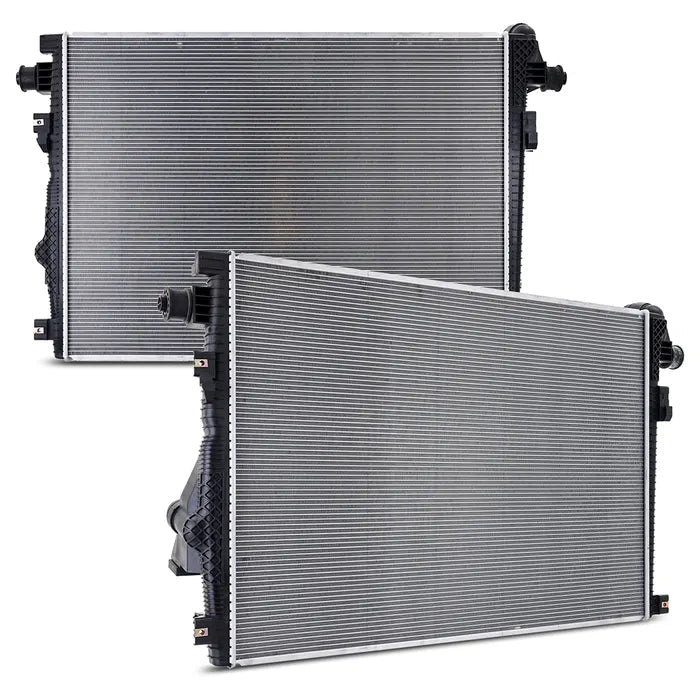
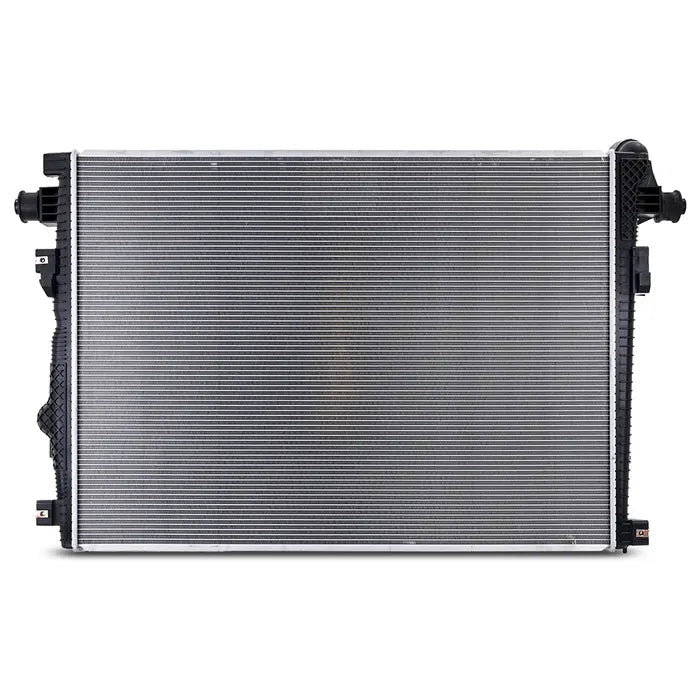
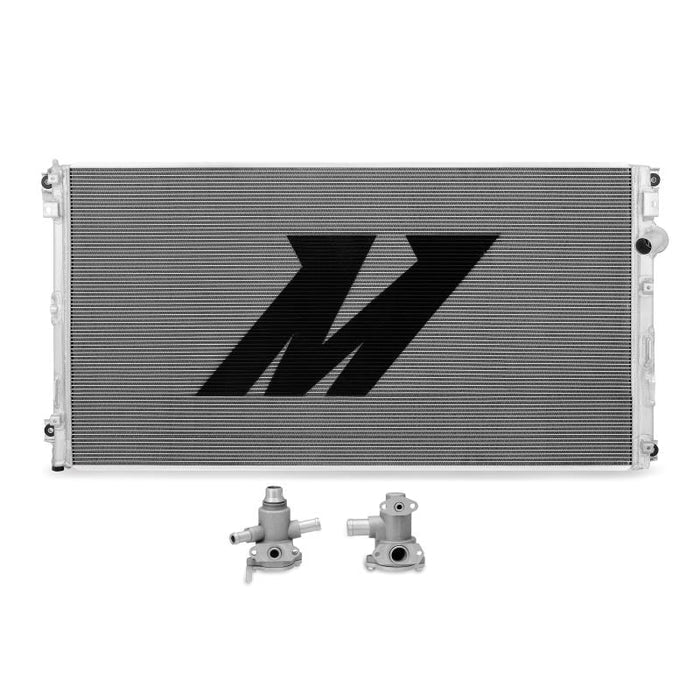
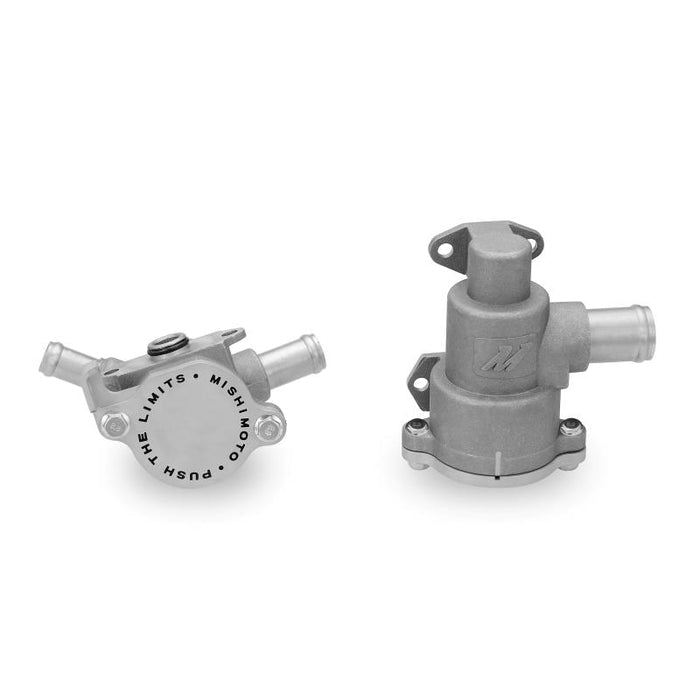
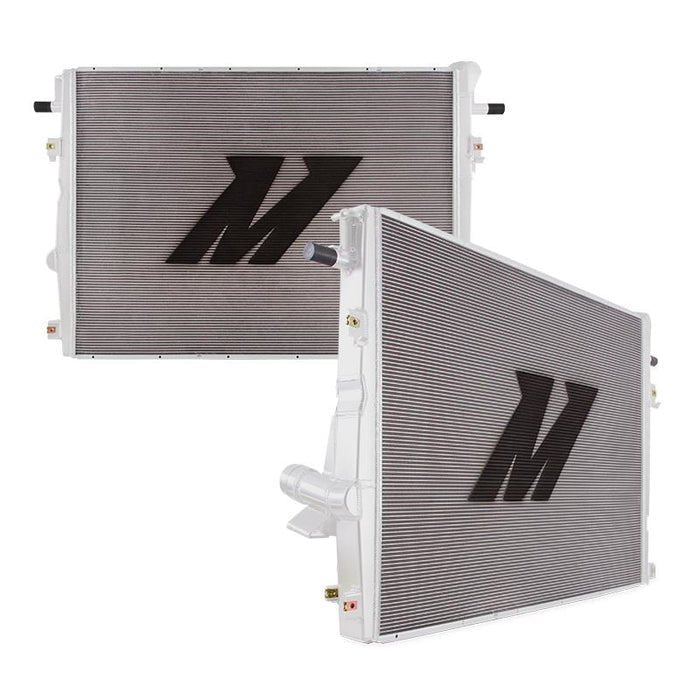
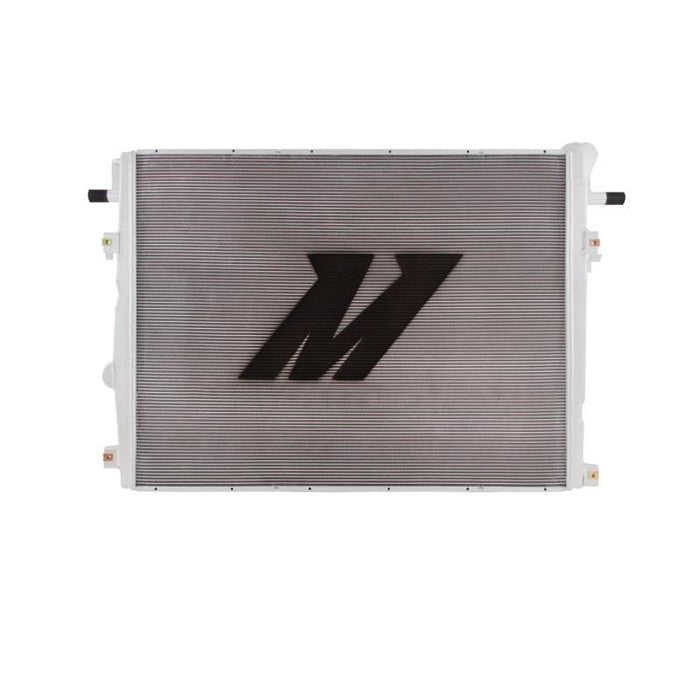
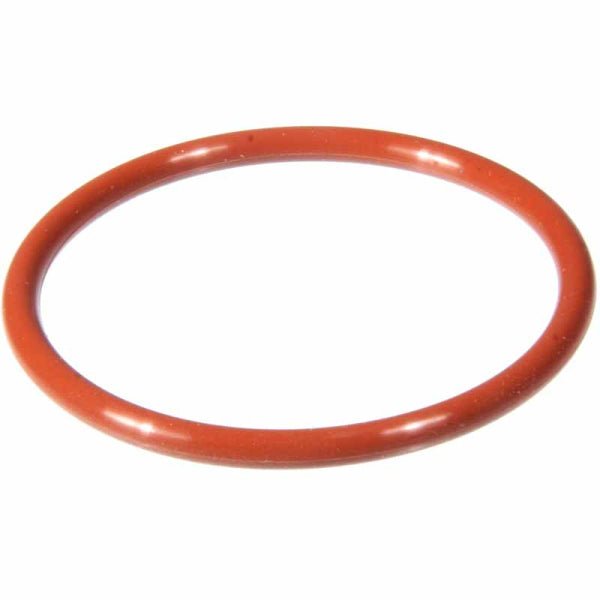
CSF builds OEM-style replacement radiators for both positions: the 3601 primary and the 3602 secondary. Mishimoto offers the R13230 replacement primary radiator, the MMRAD-F2D-11V2 aluminum primary, the MMRAD-F2D-11S aluminum secondary, the MMUS-F2D-11M upper support bar, the MMB-F2D-003 Radiator Essentials Bundle and the MMB-F2D-004 Radiator and Intercooler Heavy-Duty Bundle. XDP's XD291 Xtra Cool is a direct-fit replacement main radiator. MAHLE's C32248 upper radiator hose seal O-ring, listed for 2008-2016 6.4L and 6.7L trucks, is worth replacing any time the upper hose comes off.
Fitment notes
Order by position first: primary and secondary radiators are different parts. The radiators in this collection are listed for 2011-2016 6.7L Powerstroke trucks. F-350, F-450 and F-550 chassis cabs use a different turbo and calibration from the pickups, so verify on those by VIN. Refill with Motorcraft Orange VC-3-B mixed 50/50 with distilled water; the primary loop holds 7.25 to 7.75 gallons and the secondary 2.0. Fill through the correct degas bottle, because filling or pressure-testing the wrong system is an easy mistake.
Frequently asked questions
Could my early 2011 have a defective factory radiator?
Yes, if it was built before September 2010. Those early 2011 pickups had defective primary radiators from the factory that leak. If yours still has its original primary, inspect it for drips and watch for low-coolant warnings.
How do I tell whether the primary or secondary side is leaking?
Watch the degas bottles. A dropping primary bottle points to the radiator, water pump, oil cooler or heads, while a dropping secondary bottle points to the intercooler, EGR cooler or fuel cooler. Then find the wet spot before you order.
Will a new radiator fix overheating when I tow?
Not by itself, in most cases. Towing heat on this truck usually comes from a plugged cooling stack, a dirty radiator or intercooler, a stuck fan clutch or a charge-air leak. Fix those first, and replace the radiator if it's leaking or damaged.
Not sure what fits? Call the shop at the number in the header, or use the fitment checker on any product page. We install everything we sell.