
Shop Parts by Category
Pick a category to narrow your truck down, or scroll to browse every part that fits.


















Filters
716 products




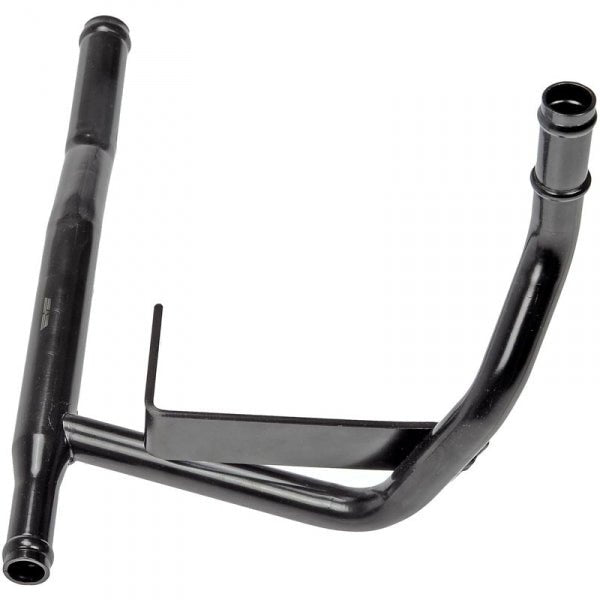
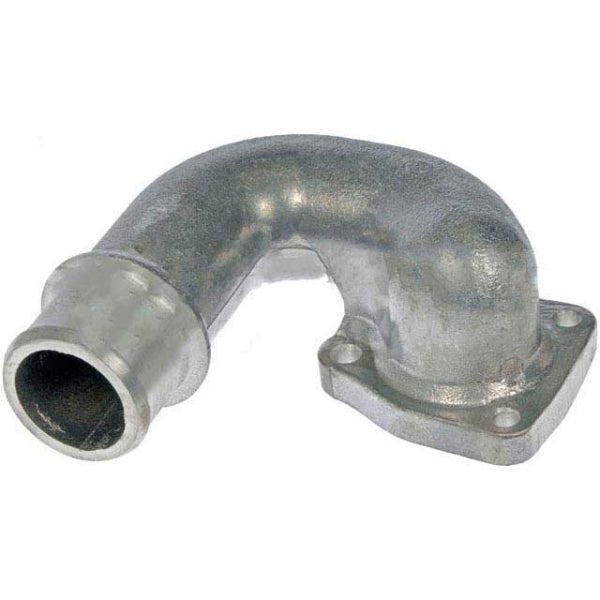
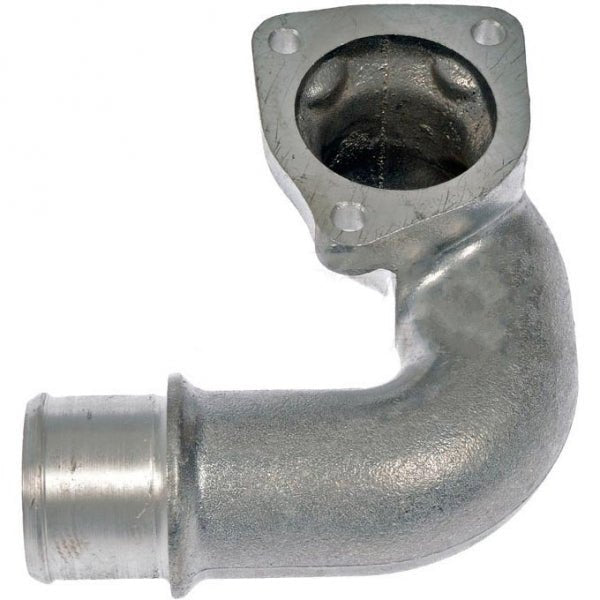
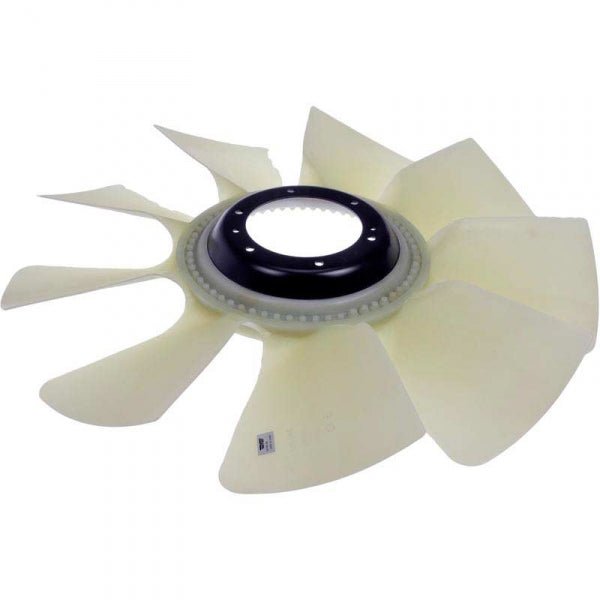
Not sure it fits your truck?
Our Wildwood, FL techs will confirm the right part for your build before you buy.
Call or Text (352) 722-5295The 2004.5-2007 Ram 2500/3500 and the 5.9L Cummins
Cummins released the 600 version of the common-rail ISB in the middle of the 2004 model year: 325 hp at 2,900 rpm and 600 lb-ft at 1,600 rpm, raised to 610 lb-ft for 2005. It is a cast-iron, parent-bore inline six with a 24-valve iron head, 17.2:1 compression and a block stiffened for common-rail cylinder pressure. Fuel leaves the tank through a low-pressure lift pump, passes the 7-micron Fleetguard FS19856 filter and water separator on the driver side of the block, and enters a gear-driven Bosch CP3 that feeds the rail at up to roughly 23,000 psi, where six solenoid injectors fire three events per cycle. Because the block is parent-bore with no wet liners, it does not need supplemental coolant additives, which is a real difference from a Power Stroke. Behind the engine is the 48RE four-speed automatic, the NV5600 six-speed manual through 2005, or the Mercedes G56 from mid-2005 on. Body styles run Regular Cab, Quad Cab and, from 2006, the Mega Cab, in ST, SLT and Laramie trim.
What changed at 2004.5, 2005 and 2006
The 600 engine brought the Holset HE351CW in place of the HY35W, three injection events instead of two, a factory 4-inch exhaust with a catalytic converter in place of the earlier 3.5-inch downpipe, and a larger airbox inlet with a baffle and a vaned intake tube. For 2005 the lift pump moved from the engine into the fuel tank, and the G56 began replacing the NV5600 mid-year. For 2006 came the body refresh and the Mega Cab, a CAN-bus ECM, a one-piece plastic valve cover with an integral breather, and a metal-end-tank intercooler in place of the plastic tanks commonly reported on 2005 trucks. The 5.9L was retired partway through the 2007 model year; trucks built after January 1, 2007 left the plant with the 6.7L, so a 2007 has to be identified by engine.
What fails and why
The fuel system writes most of the repair orders. Injectors wear at the return check ball and seat, stick, or crack from high rail pressure and heat, and failures are seen particularly past 150,000 miles. The signs are long crank, white smoke at idle, a rough miss, knock, fuel in the oil and poor economy; electrical faults in the harness that passes through the valve-cover gasket set P2149 on cylinders 4 through 6. Driven long enough, a failing injector washes a cylinder or dilutes the oil. The fuel control actuator on the back of the CP3 sticks and causes a rattle at idle, surging, rough idle and hard starts, and it is one of the first parts to check. Injector lines number 4 and 6 have cracked, and Cummins issued an updated line with a hold-down bracket. Water in the fuel rusts the injector connector tubes and sends rust to the injectors; a connector-tube nut left under its 37 ft-lb spec leaks into the return and mimics bad injectors.
Outside the fuel system, the recurring items on this platform are these:
- Lift pump. The 24-valve factory pump has an expected life of about 100,000 miles. Pressure under roughly 5 psi at full power is the warning you get before CP3 and injector damage.
- Exhaust manifold. The long cast-iron log cracks from thermal cycling: loud ticking that grows with rpm, exhaust smell, soot streaks and lost power. Manifold-to-head bolts and the turbo flange start leaking once it warps.
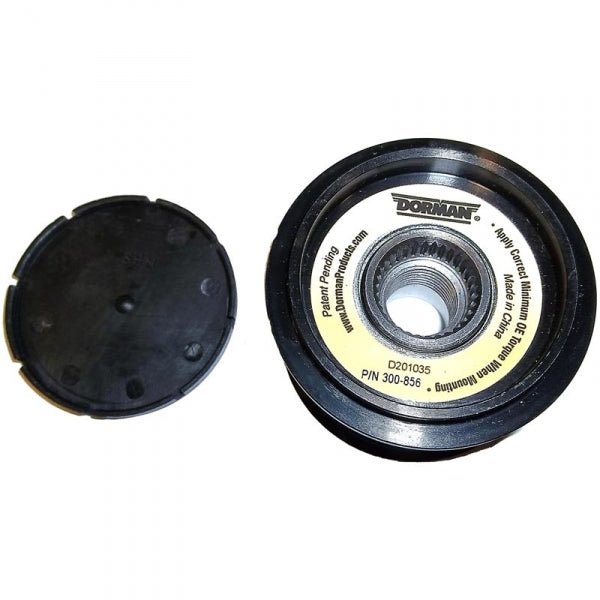
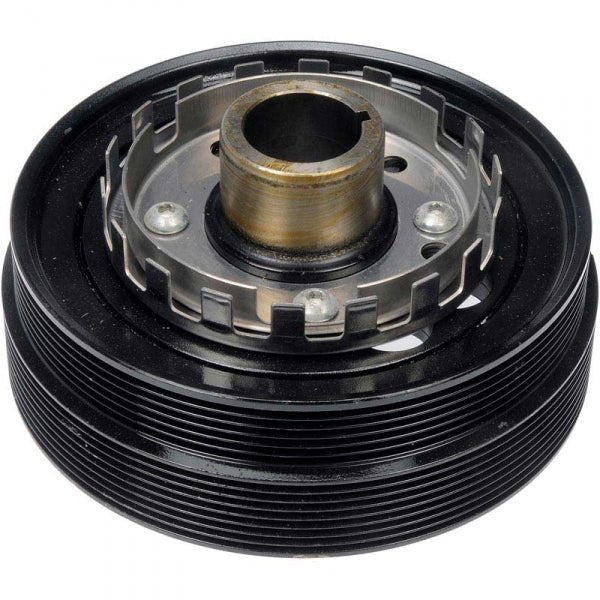
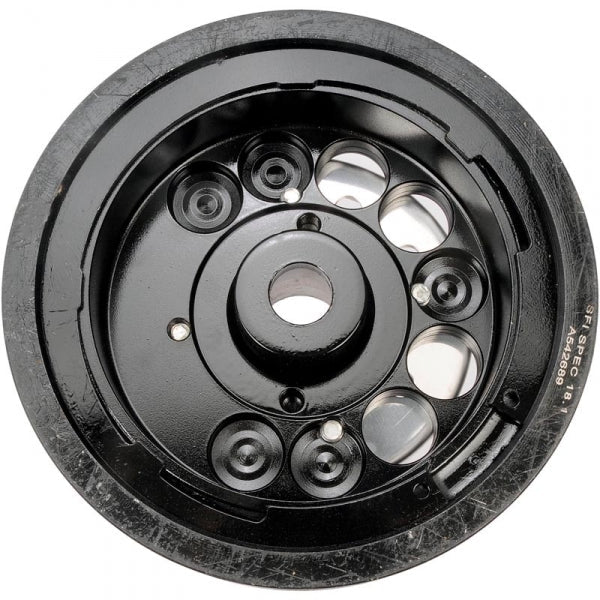
- Harmonic damper. The rubber deteriorates with heat and age and the pulley walks out of alignment. Replace it if the index line is more than 1/16 inch out; the owner's manual prompts inspection at 30,000, 60,000 and 90,000 miles.
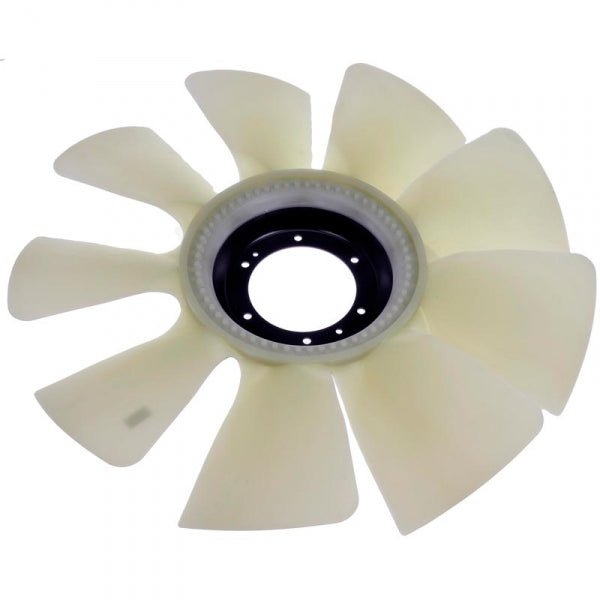
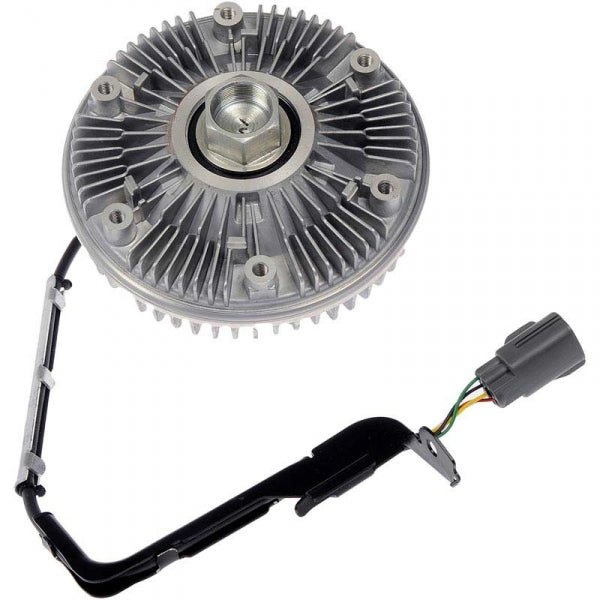
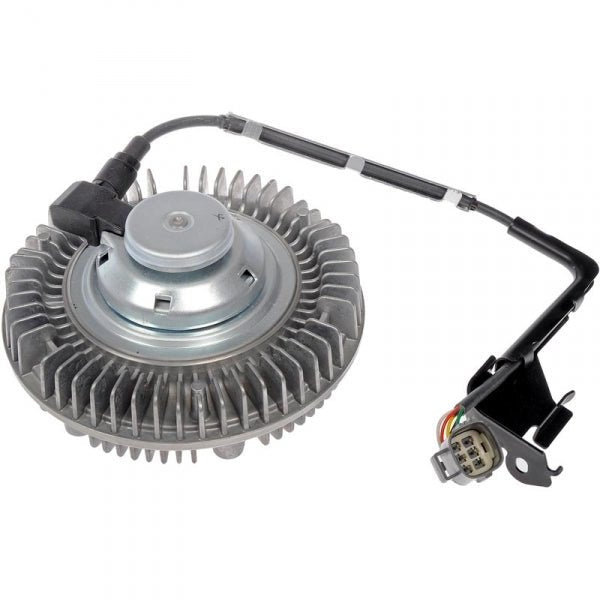
- Fan clutch. Silicone fluid loss lets the fan spin free and the truck runs hot towing or in traffic; a seized clutch roars and costs fuel.
- Intercooler and boots. Factory rubber boots crack with age and leak boost, which reads as a turbo problem: hissing under load, high EGT, black smoke, power loss. The 2005 plastic end tanks are commonly reported to crack even at stock boost.
- 48RE. It is rated 560 to 570 lb-ft of input against the engine's 610, and failures are reported in the 100,000 to 150,000-mile range even at factory power: slipping, no overdrive, burnt fluid.
- Front end. The left tie rod is covered by NHTSA recall 13V528000 on 2003-2008 4x4 trucks, so check open recalls by VIN. Track bar bushings, tie rod ends, ball joints, unit hub bearings and the Delphi steering box all wear, and that accumulated play is what feeds death wobble.
Stock replacement vs. upgrade
If the truck tows and you want it to stay stock-reliable, buy OEM-grade and stay on the service schedule: Cummins ReCon injectors (5254688RX for 2004.5-2007), genuine seals and thermostats, a cast replacement manifold with fresh hardware, Fleetguard filters, the LF16035 oil filter with 12 quarts, and HOAT coolant. Keep the 48RE on its fluid, filter and band schedule; that is the cheapest insurance on an unbuilt truck. If you are adding power, buy air and filtration before you buy fuel. The ECM caps boost near 30 to 31 psi and the stock turbine housing is the single largest restriction in the exhaust path, so the HE351CW runs out of margin quickly: the EGT ceiling is 1,500 F on these engines, and repeated excursions are what drop a valve seat. A 2 to 3 micron lift pump and filtration system, a monitor that reads EGT, boost and fuel pressure, and a turbo or intercooler sized to the fuel are what keep a fueled truck alive. Keep rail pressure near stock; raising it does not improve mileage, it cracks nozzles and pops the 28,000 psi rail relief valve, which usually will not reseal. Tuning should be CARB EO-numbered product only, verified per product and model year. Above stock power the 48RE snaps input shafts around 500 rwhp, and on manual trucks the G56 dual-mass flywheel is the weak point, which is why single-mass conversion clutch kits are so common. ARP head studs are the usual insurance above about 40 psi of boost.
What we carry
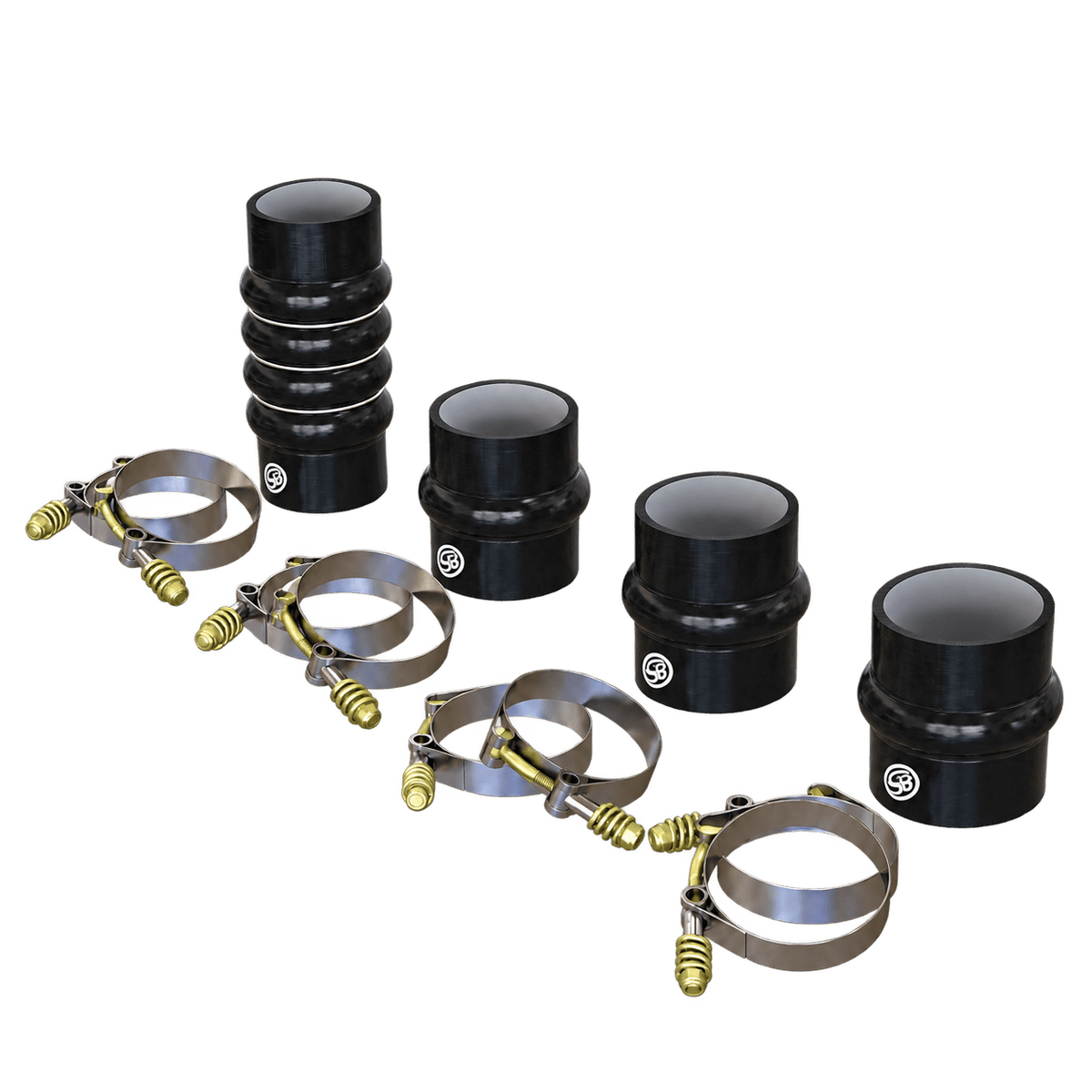
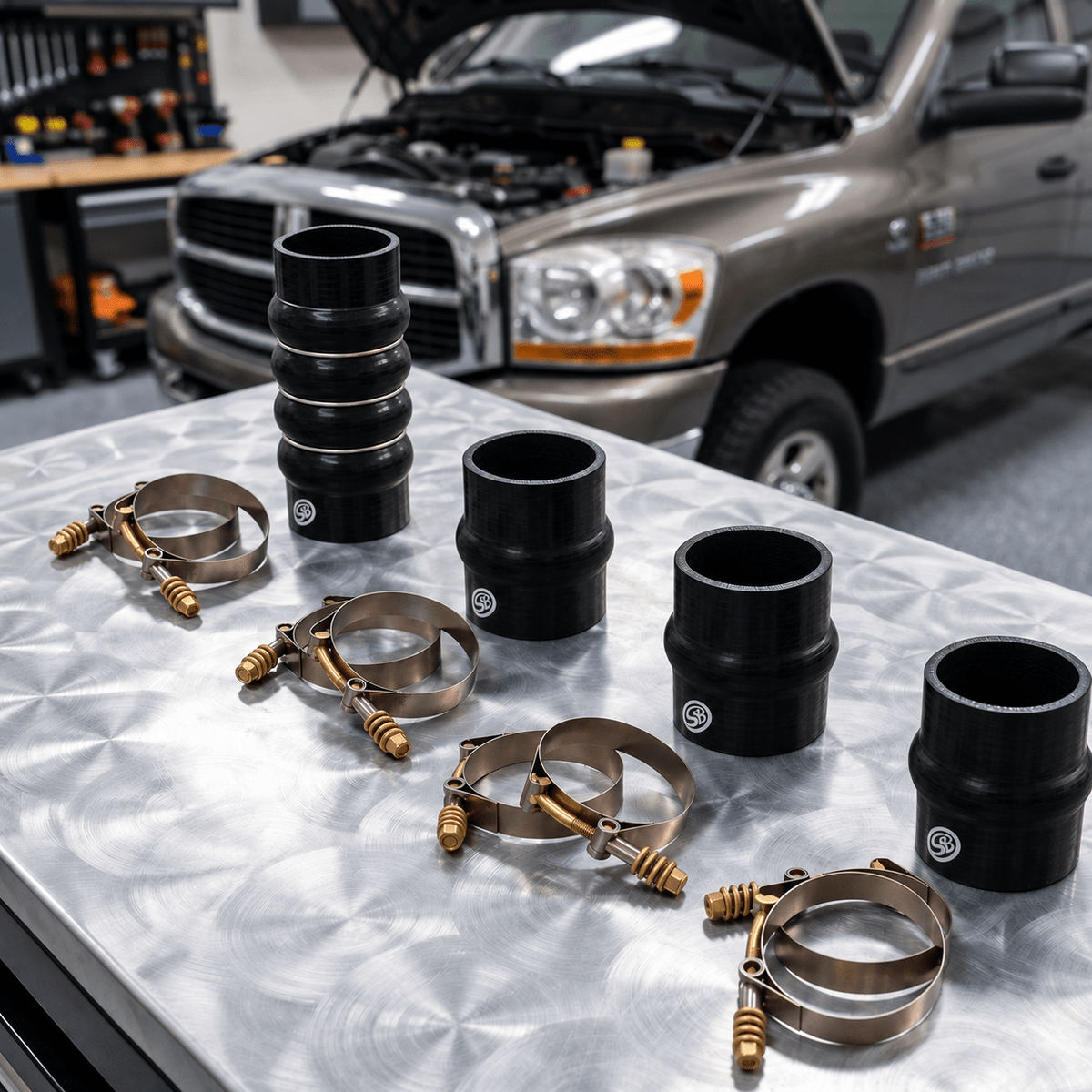
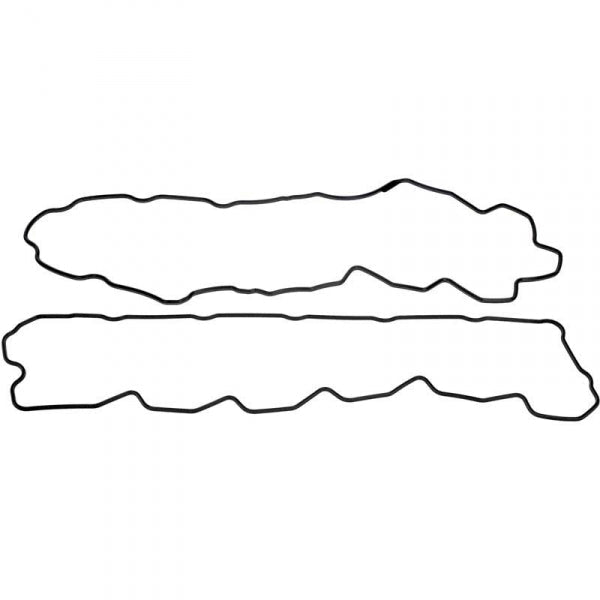
Genuine Cummins service parts sit next to Mahle gasket sets, rear main seals and valve cover grommets for the same jobs. On the fuel side there are FASS lift pump systems and water separator filters, S&S Diesel Motorsport high-pressure pumps, and Fleece Performance Engineering turbo oil feed lines and coolant bypass kits. For air and charge air: S&B and Wehrli Custom Fabrication filters, WCFab silicone boots and clamp kits, and Mishimoto cooling parts. Exhaust and turbo accessories come from MBRP and BD Diesel; transmission parts include ATS Diesel Performance governor pressure transducers and BD valve body electronics kits. Gauges and sensors come from Edge Products, hardware from ARP and XDP, differential covers from Mag-Hytec and cover hardware from WCFab, hitches and ball mounts from Big Hitch Products and B&W Trailer Hitches, oil filters from PPE, and fluids and fuel additives from Hot Shot's Secret and Lucas Oil. If you are shopping across engines, the Cummins hub covers the rest.
Fitment notes
Order by engine and build date, not by model year. Early 2004 trucks have the 3.5-inch factory downpipe and the HY35W turbo; 2004.5 and later have the 4-inch system with the catalytic converter and the HE351CW, and airboxes and intake tubes split at the same point. Injectors are year-coded: the 503 for 2003-2004, the 505 for 2004.5-2007. Lift pump kits depend on where yours lives, engine-mounted through 2004.5 and in-tank from 2005, and some trucks were relocated, so look before you order; in-tank trucks sometimes need an optional pickup tube with an aftermarket pump. Tuners and programmers are split 2004.5-2005 versus 2006-2007 because of the 2006 CAN-bus ECM, and valve covers, breathers and injector harnesses split in the same place. Front fascia, grille and headlamp assemblies changed with the 2006 refresh and do not interchange with 2003-2005. Rear axle parts split AAM 10.5 versus AAM 11.5, so count the cover bolts (the 11.5 has 14) and check ring gear size before ordering covers, gears, shafts or seals. The 2003-2007 AAM front axle shares nothing with the 1994-2002 Dana 60. Cab-and-chassis trucks take different axle, suspension and gooseneck parts than pickups and use different alignment specs, and cab and bed length change the over-axle and tailpipe sections on a cat-back. One more: the Power Wagon is a Hemi 2500, not a Cummins truck.
Frequently asked questions
Is my 2007 a 5.9L or a 6.7L?
Both engines were sold as 2007 models. Trucks built after January 1, 2007 have the 6.7L with cooled EGR, a particulate filter and the 68RFE six-speed automatic; earlier 2007 builds are 5.9L with the 48RE or G56. Turbos, exhaust, injectors and front-of-engine parts are engine-specific, so confirm the engine before you order. The 6.7L viscous damper is not a bolt-on to a 5.9L, for example.
How do I tell whether my lift pump is on the engine or in the tank?
2003 through 2004.5 trucks carry it on the engine next to the filter canister; 2005-2007 trucks use an in-tank module. Dealer relocations exist, so put eyes on the truck instead of going by the year. A fuel pressure gauge is the recommended companion to any electric lift pump, and watching for a sag below about 5 psi at full power is how you catch a dying pump before it takes the CP3 and injectors with it.
What are the first signs my injectors are going?
Long crank or hard start because the rail cannot build pressure, white smoke at idle, a rough miss, fuel in the oil and poor economy. An electrical fault in the injector harness shows as P2149 on cylinders 4 through 6. Failures turn up particularly past 150,000 miles. Do not keep driving a dead-miss truck, because a failed injector can wash a cylinder or dilute the oil.
Can I add power without hurting the truck?
Within limits, yes. A stock-turbo truck may or may not stay safe with 60 to 70 hp over stock depending on load, altitude and ambient temperature, and EGT must stay under the 1,500 F ceiling, with about 1,300 F as the target for long pulls. Add filtration and a monitor first, keep rail pressure near stock, and keep the tune transmission-aware on a 48RE. Use CARB EO-numbered products only, and verify the EO for your specific part and model year.
My 2005 is a manual. NV5600 or G56?
Either. The G56 began replacing the NV5600 mid-year in 2005, so identify yours by shift pattern and label before ordering clutches, fluid or shifter parts. The fluid question matters too: Ram specifies ATF+4 for the G56 while Mercedes calls for gear oil, so tell us what is in it. Under heavy hauling or above stock power the G56 dual-mass flywheel is the part that complains first.
What fluids and filters does this truck take?
Oil is 12 quarts with the Fleetguard LF16035, 15W-40 above 0 F or 5W-40 synthetic year-round. The fuel filter is the 7-micron Fleetguard FS19856 at 15,000-mile intervals. Coolant is about 7.3 gallons of Mopar HOAT MS-9769; 2003-2008 trucks use HOAT, not the low-silicate green specified for 1998.5-2002 trucks, and mixing the two shortens the interval and can drop silicates that abrade the water pump seal. No supplemental coolant additive is needed on this parent-bore block. Valve lash gets checked at 150,000 miles.
Not sure what fits? Call the shop at the number in the header, or use the fitment checker on any product page. We install everything we sell.