

Shop Engine by Category


Filters
127 products


Not sure it fits your truck?
Our Wildwood, FL techs will confirm the right part for your build before you buy.
Call or Text (352) 722-5295The 24-valve 5.9L Cummins in the 1998.5-2002 Ram
Mid-1998 the 24-valve ISB replaced the 12-valve, because the mechanical-pump engine could not meet the coming emissions rules. What you got is a 359 cubic inch cast-iron inline-six with a cast-iron four-valve head, a solid-lifter cam and a 1-5-3-6-2-4 firing order, about 1,150 pounds dressed. It is direct injection with no glow plugs. The block is parent-bore with no wet liners, so liner pitting and SCA coolant additives are not part of owning one.
Output depends on year and transmission. 1998.5-2000 automatics made 215 hp and 420 lb-ft, manuals made 235 hp and 460 lb-ft, and 2001-2002 standard-output trucks made 235 and 460. The 2001-2002 High Output made 245 hp and 505 lb-ft, came only with a manual and was not sold in California. The HO also got higher compression, powdered-metal valve seat inserts, a larger flywheel and a reworked Bosch fuel system. Our Cummins parts hub covers every generation; this page is the engine itself for the second-gen Ram 2500 and 3500.
What fails and why
The big one is the 53 block. About 100,000 ISB blocks carry the 53 casting, and the 1999-2001 blocks cast in Brazil have thin water-jacket walls. Some crack, usually on the passenger side directly below the freeze plugs, and on automatics the crack can hide behind the transmission heat exchanger. Heavy towing, hard throttle before the engine is warm and overheating are the triggers. Watch for coolant seeping down the side of the block, coolant loss or overheating. Not every 53 block cracks.
Other patterns to know on this engine:
- Exhaust manifold cracks. The long cast-iron manifold cracks from heat cycling. You hear a ticking that rises with rpm and smell exhaust under the hood.
- Vacuum pump seal. The shaft seal where the power-steering pump drives through the back of the tandem vacuum pump leaks engine oil onto the floor.
- Breather oil. The front-mounted crankcase breather can push oil out on steep descents and drip on the driveway. It often gets blamed on a front axle seal.
- Dirty MAP or IAT sensors. False readings or poor connections make the ECM restrict fuel, and power fades with no obvious code.
- Killer dowel pin. Mostly a 12-valve problem, but it has been noted on some 1999 trucks. The timing cover dowel can back out into the gears without warning, so deal with it whenever the front cover or crank seal is off.
Stock replacement vs. upgrade
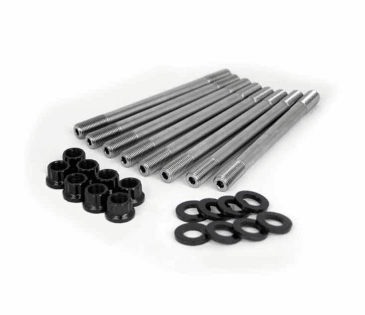
For a daily driver or a working truck at stock power, factory-grade parts are the right call. Genuine Cummins and MAHLE gaskets, seals and timing cover parts put the engine back the way it left the factory. Upgrades start when you add boost and cylinder pressure. Head studs are the usual first step, because rising cylinder pressure is what drives head-gasket failure and the factory head bolts become the weak link. Stiffer valve springs and stronger pushrods are sold for higher rpm, higher boost and exhaust-brake duty. Fire-ringing the head is a race-level step, not something a street truck needs.
Three repairs are worth knowing by name. If a 53 block cracks, Lock-N-Stitch is the accepted fix; welding hardens the cast iron and spreads the crack. If the exhaust manifold cracks, a multi-piece slip-joint or one-piece stainless manifold grows with heat instead of fighting it. For breather oil, Dodge TSB 09-002-02 moves the breather inlet back alongside the engine.
What we carry
This collection covers the engine side of the 24-valve, from the oil pan to the valve cover.
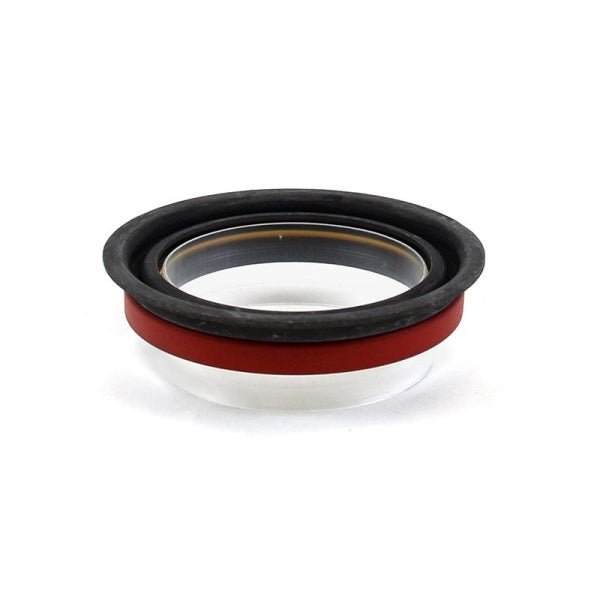
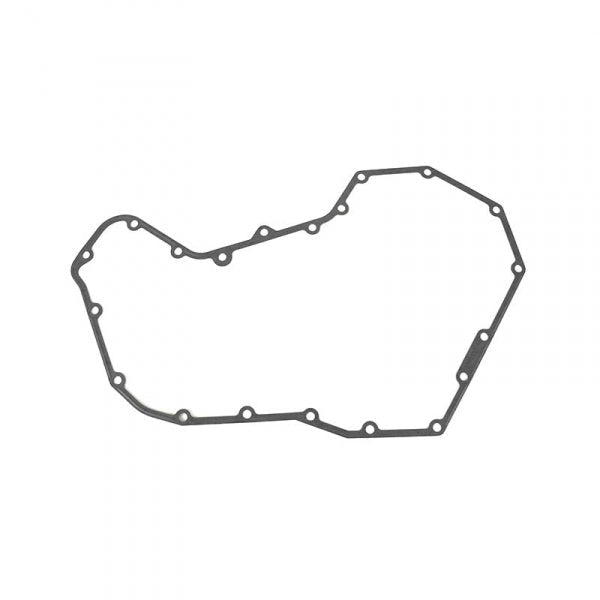
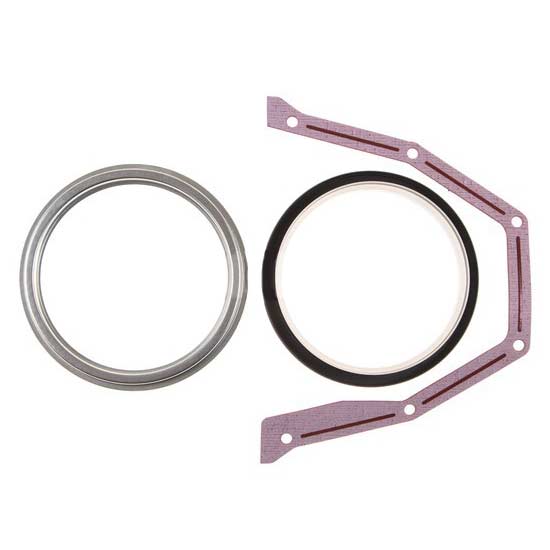
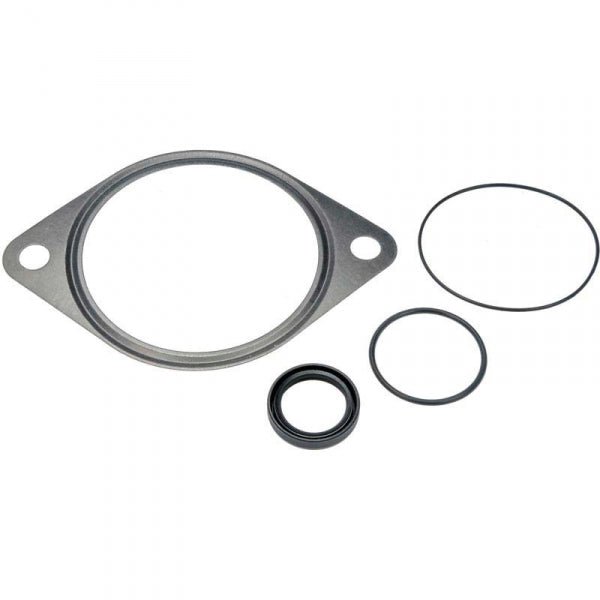
- Gaskets and seals: Cummins genuine head gaskets, upper and lower engine gasket kits, timing case gaskets, front crank seal kits and rear main seals; MAHLE rear main seal sets and gasket kits; Dorman tappet cover gaskets and steel expansion plugs; Alliant Power head and valve cover gasket kits.
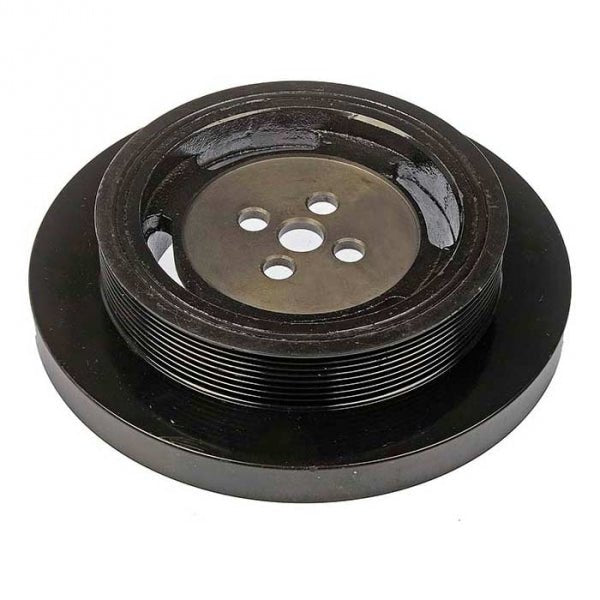
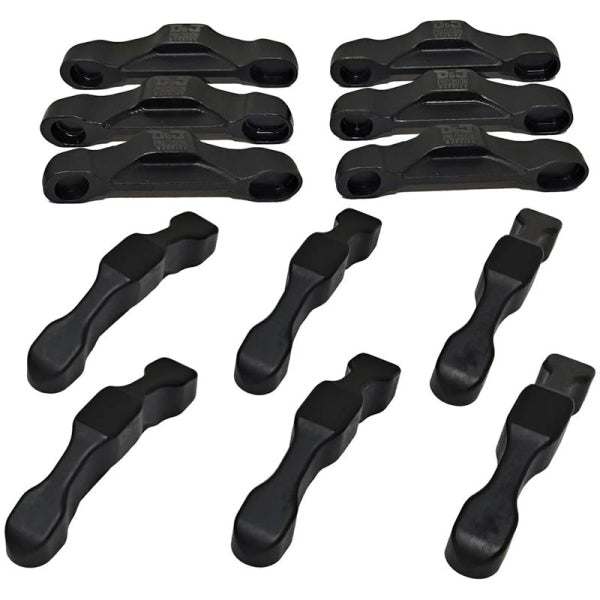
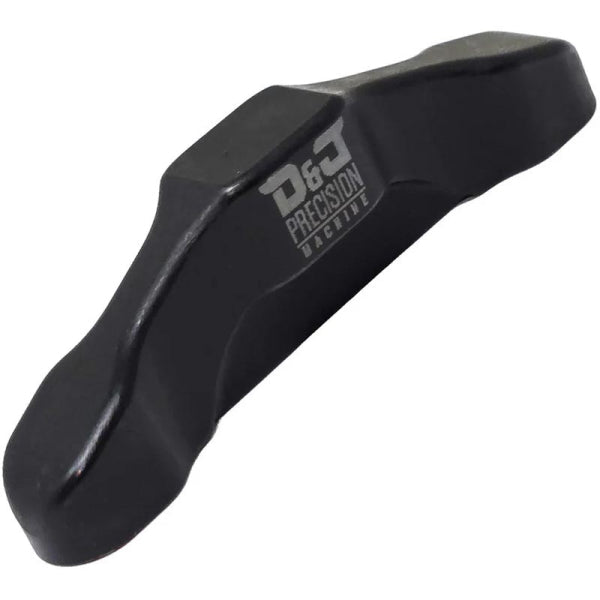
- Valvetrain and bottom end: XDP rocker arms, valve springs, billet bridges, pushrods and harmonic balancers; Hamilton Cams camshaft combos, valve springs, rockers and pushrods; Fleece Performance Engineering billet rocker arm bridges; MAHLE pistons with rings and ring sets.
- Studs: ARP and Pacific Performance Engineering head stud kits.
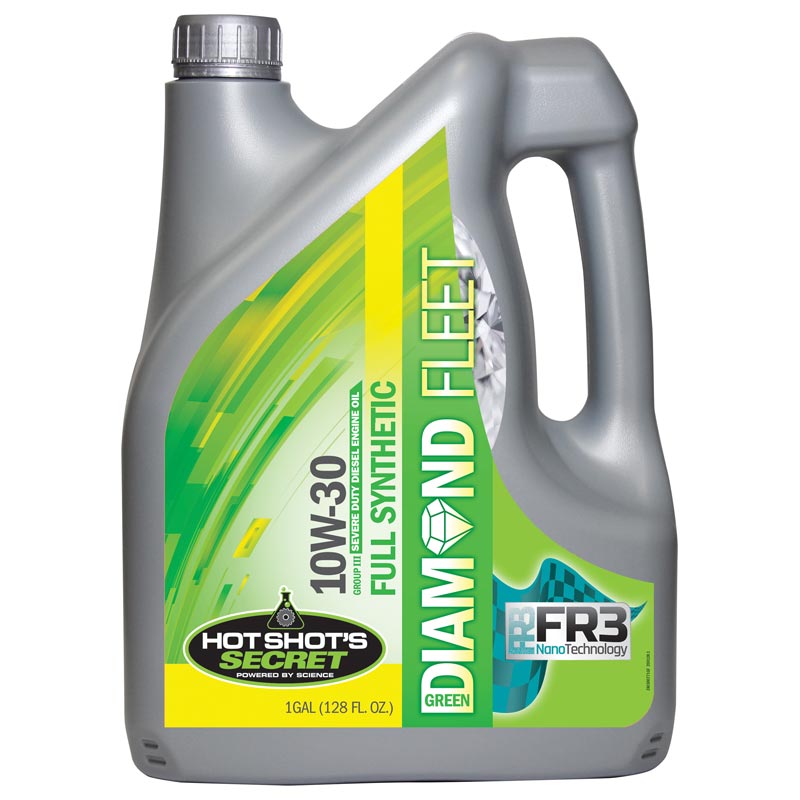
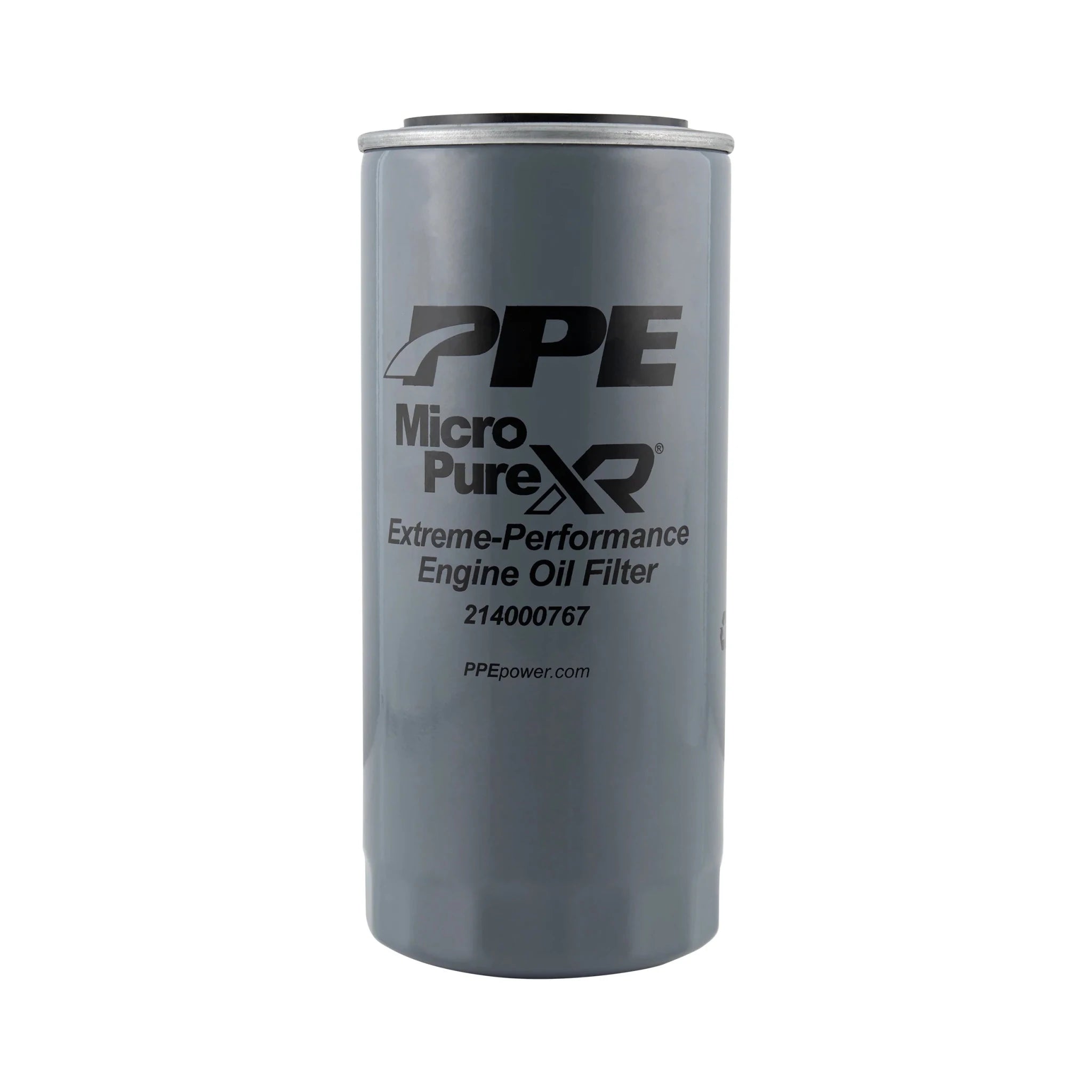
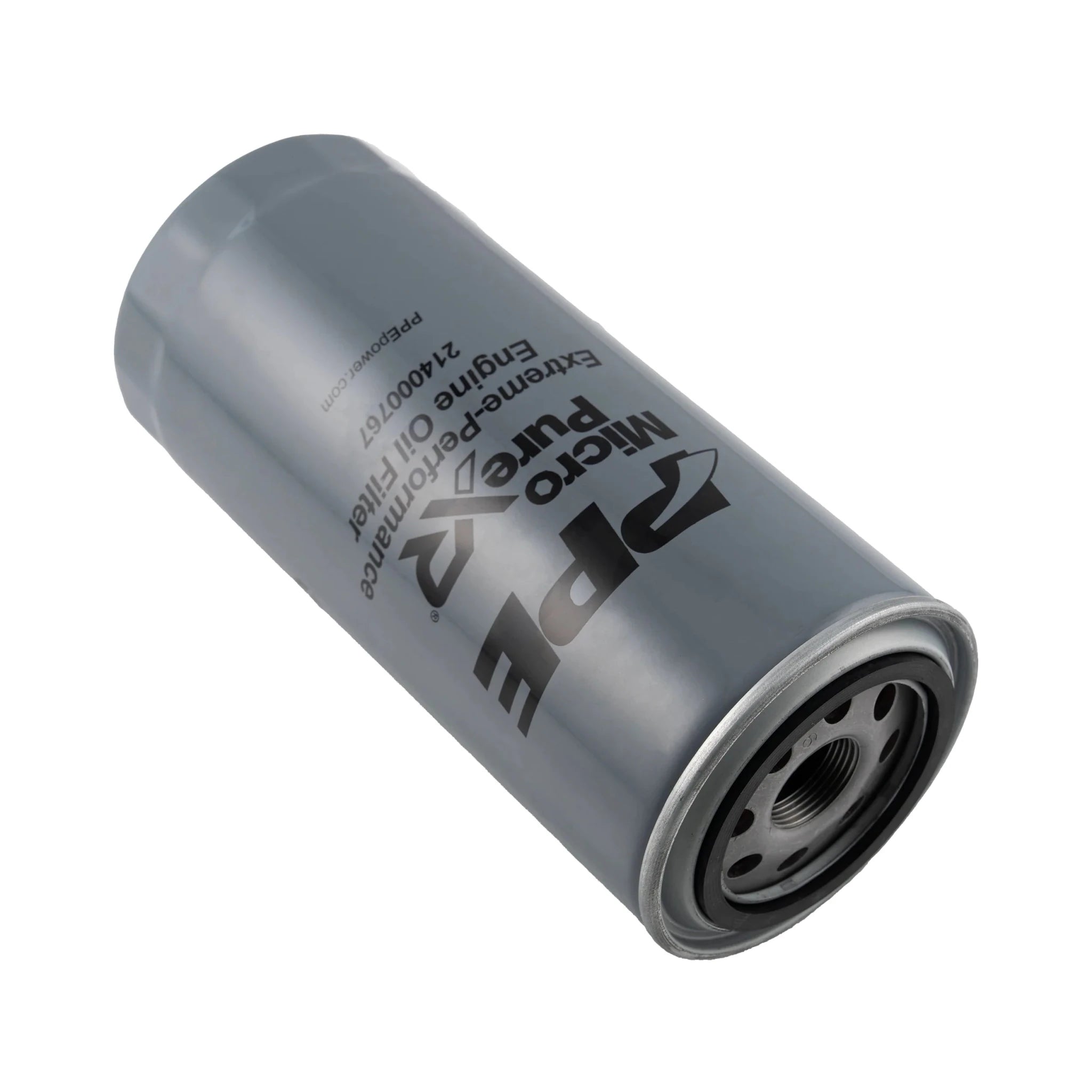
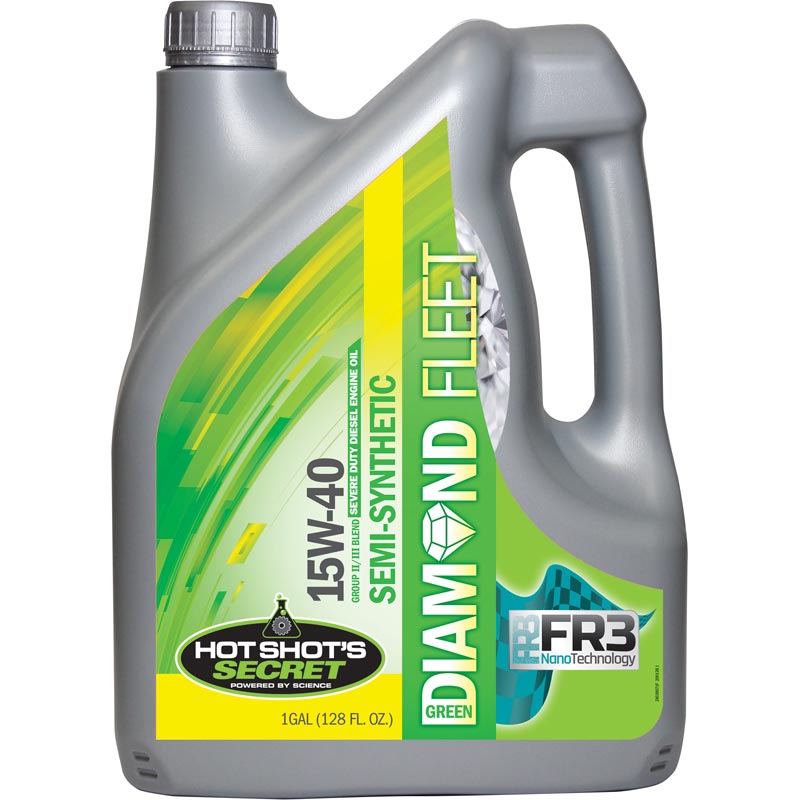
- Oil: Hot Shot's Secret and Lucas Oil engine oils and additives, PPE MicroPure XR filters, and Cummins oil pans, pickup tubes, oil coolers and filter housings.
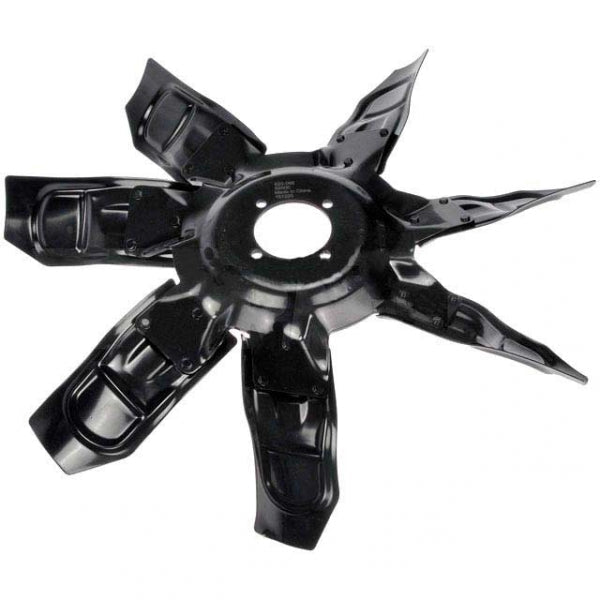
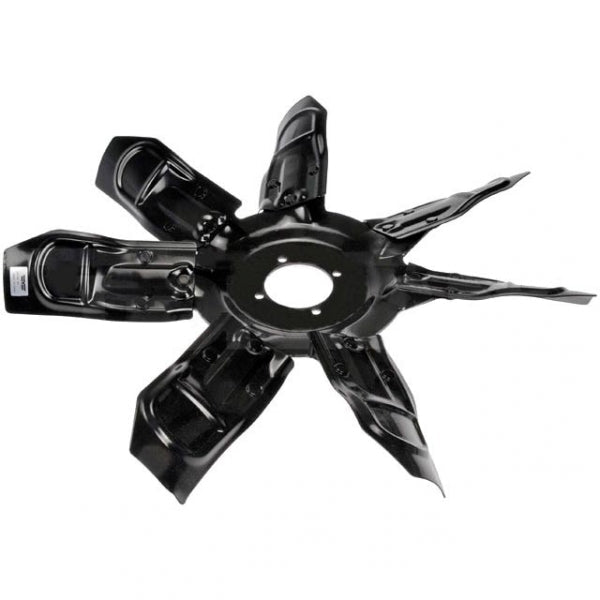
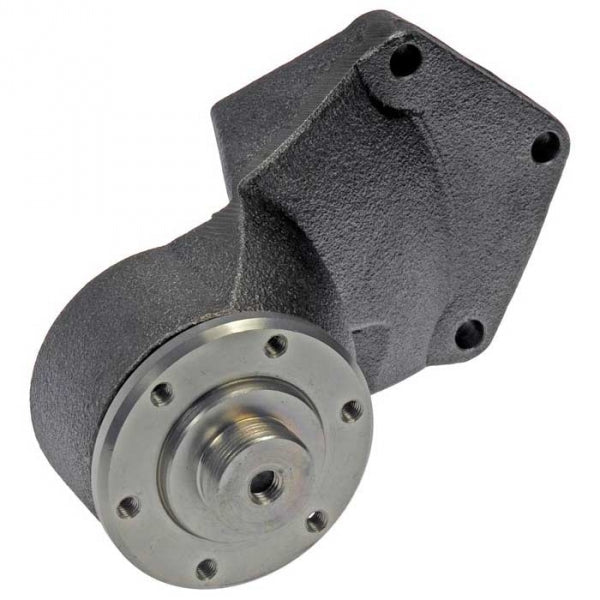
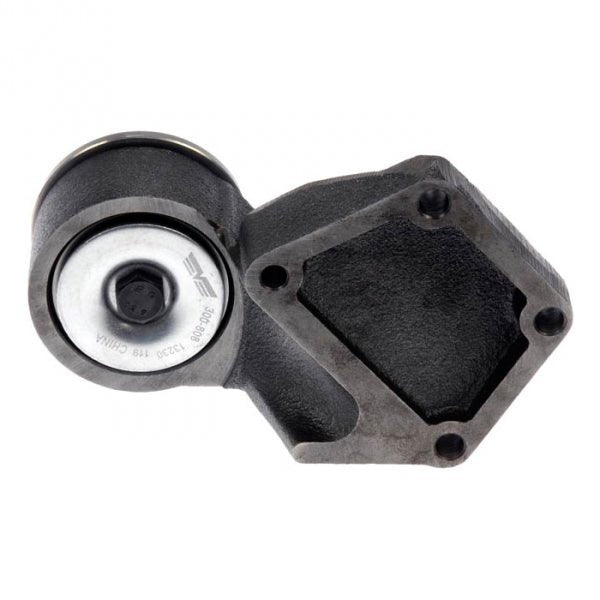
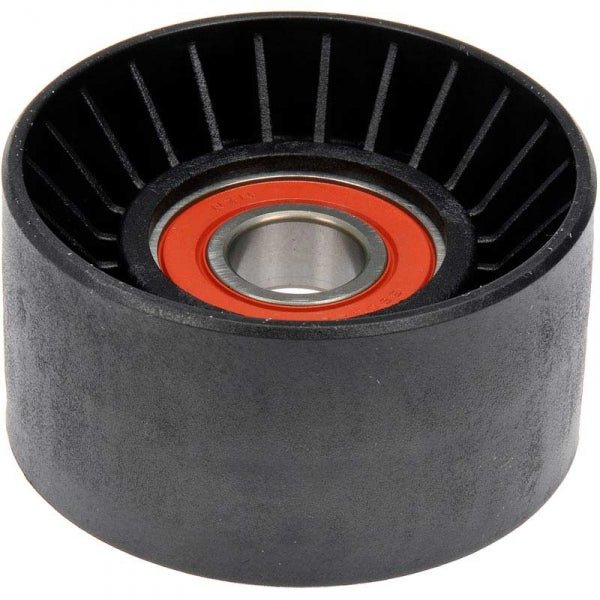
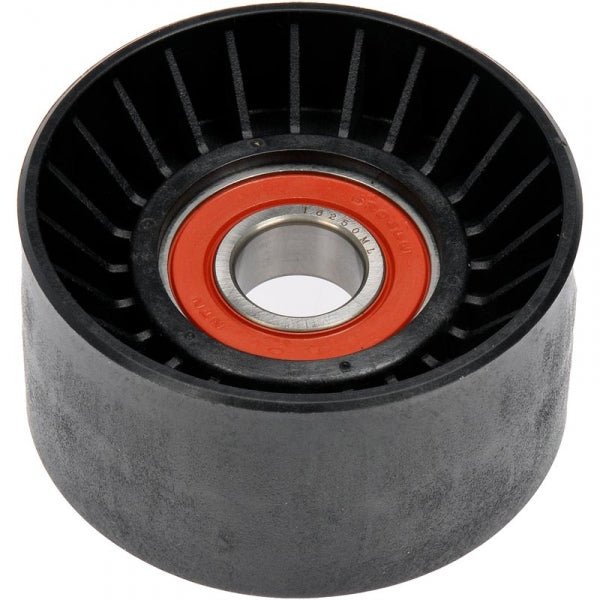
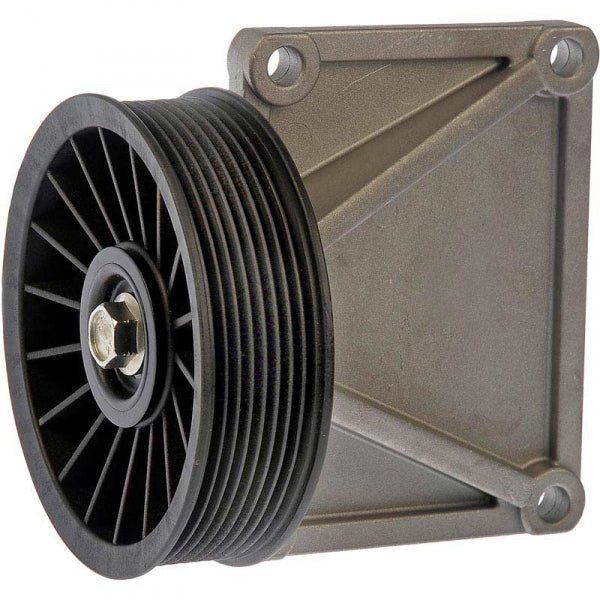
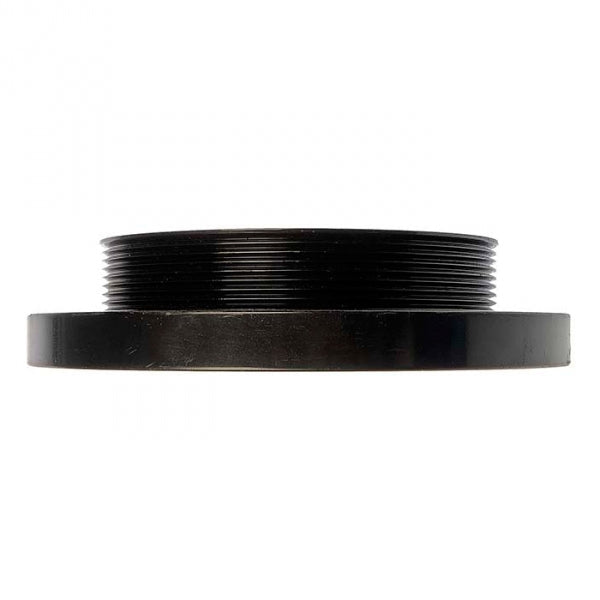
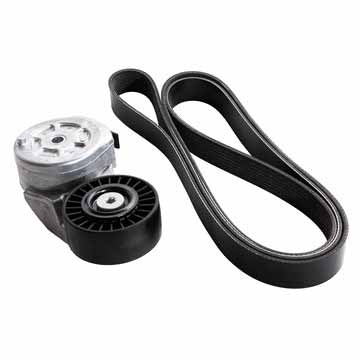
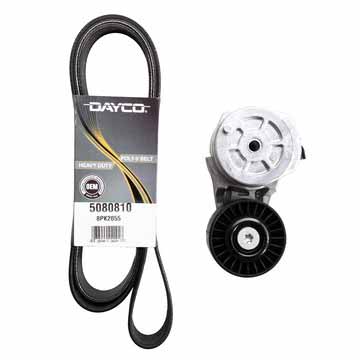
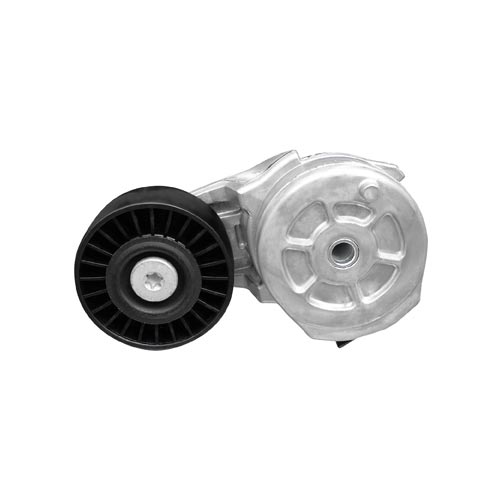
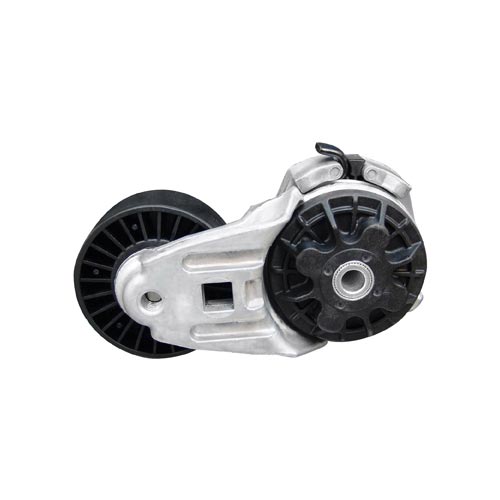
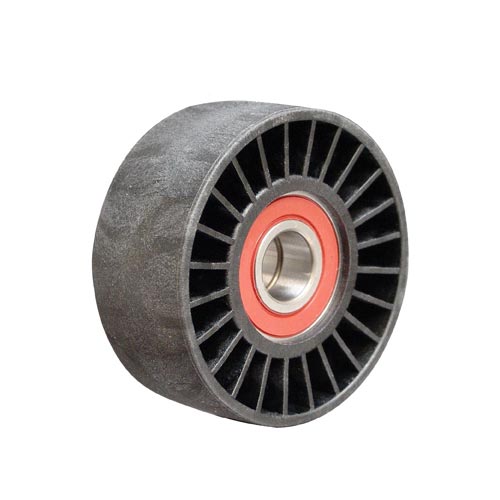
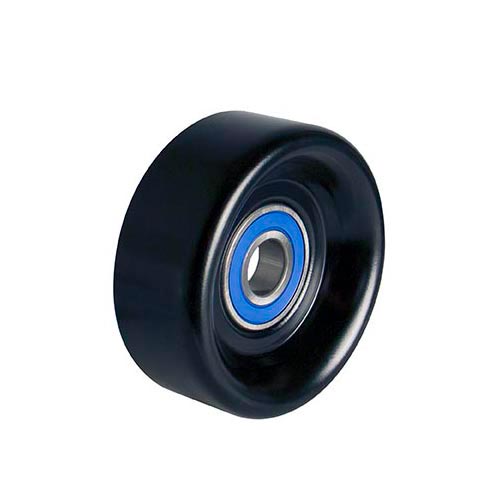
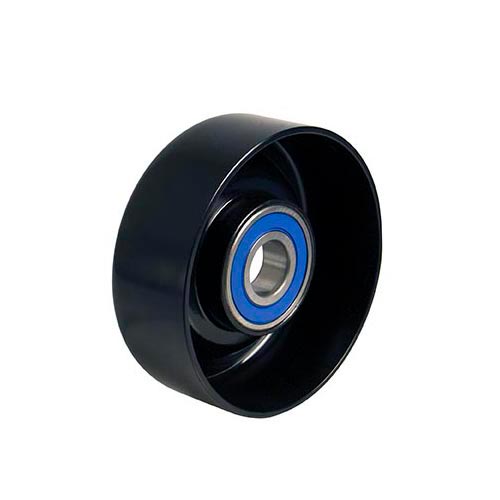
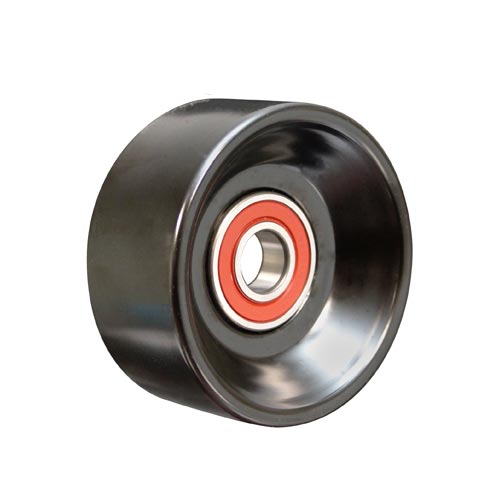
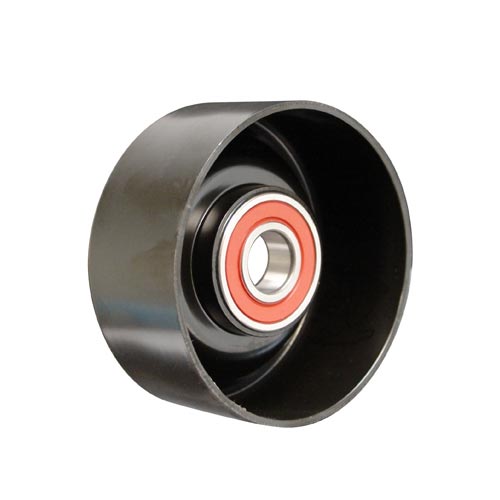
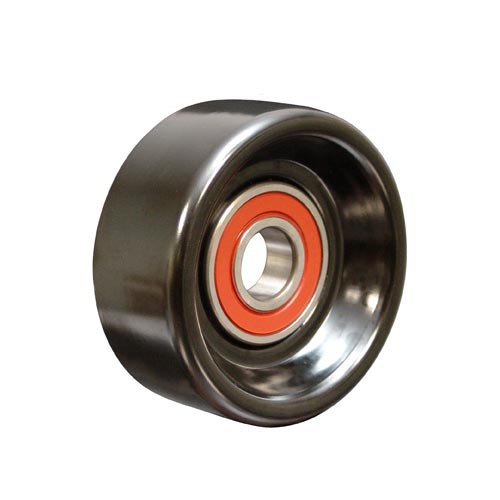
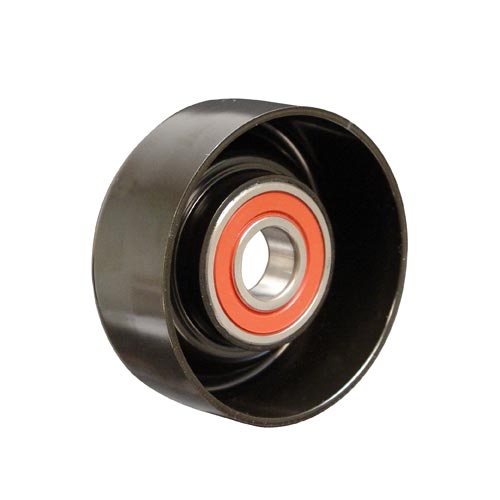
- Belt drive: Dayco serpentine belts, tensioners and idler pulleys, plus Dorman pulleys, a fan blade and a harmonic balancer.
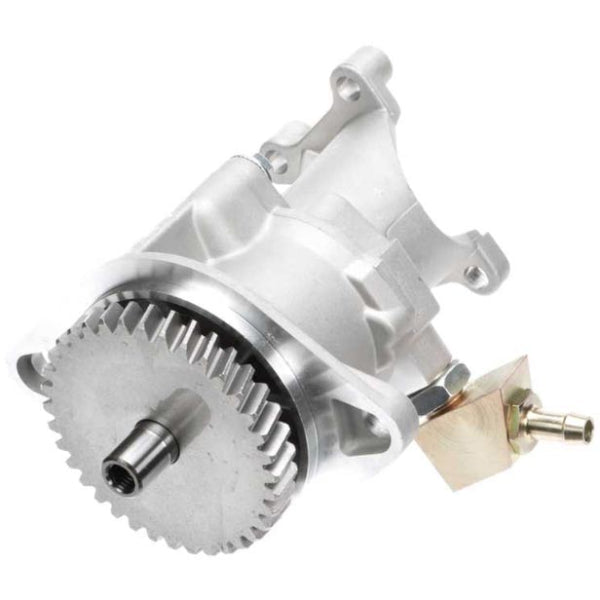
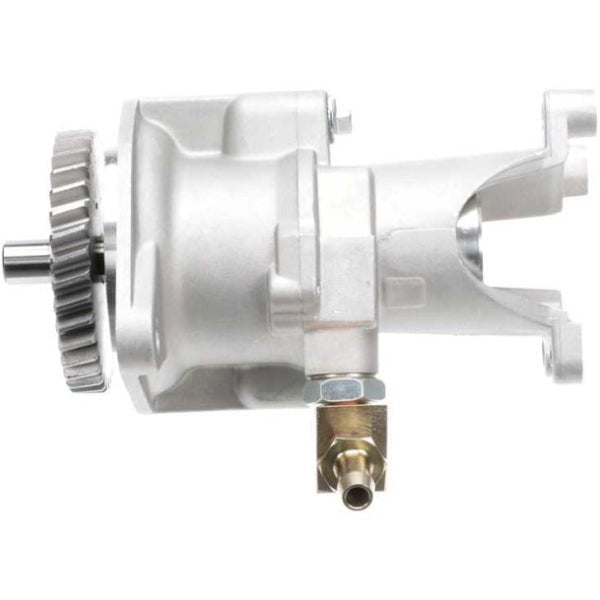
- Sensors and pumps: Cummins, Alliant Power and XDP cam, crank and temperature sensors, a Dorman vacuum pump, and parts from BD Diesel.
Fitment notes
The 24-valve run splits in two. The 1998.5-1999 and 2000-2002 trucks differ in fuel filter housing, turbo, front brakes, spindles and steering tapers, so a listing that only says 24-valve is not enough; confirm the year. High Output and standard-output engines use different VP44 pump and injector calibrations, so check the VIN before ordering fuel parts. A 2002 Ram 2500 or 3500 is still a second-gen truck, and 2003 common-rail parts do not carry back. Titles on this page cover different year ranges, from 1989-2002 to 1998.5-2024, so read the years against your truck and verify by VIN.
Frequently asked questions
How do I tell if my truck has a 53 block?
Look at the passenger side of the block below the injection pump, and sometimes the driver side, for a 53 cast into the iron. It is the 1999-2001 24-valve blocks that have the cracking problem; 12-valve blocks with a 53 casting do not share it. If you have one, keep an eye below the freeze plugs for coolant seepage, especially if you tow heavy.
What oil does the 1998.5-2002 5.9L Cummins take?
It holds 12 quarts with the filter. Run 15W-40 above 10 F, which covers normal Florida weather. Colder climates step down to 10W-30 between 0 and 30 F without a block heater, or 5W-30 from -10 to 30 F with one. Change it every 7,500 miles or 6 months, or every 3,750 miles under severe service.
Do I need head studs on a stock 24-valve?
Not on a truck that stays stock. Head studs are the common first step once you start raising boost and cylinder pressure, because the factory head bolts become the weak link as that pressure rises. Fire-ringing goes further and is a race-level job.
Why is there oil under the front of my engine?
On 1998.5-2002 trucks the crankcase breather sits at the front of the engine and can push oil out, especially on steep descents. It is often mistaken for a front axle seal leak, and Dodge TSB 09-002-02 relocates the breather inlet. If the oil is coming from the back of the tandem vacuum and power-steering pump, the shaft seal is the likely source.
What is the valve lash spec?
Set lash cold at 0.010 inch intake and 0.020 inch exhaust. The 24-valve runs a much longer lash interval than the 12-valve did, so it is not a frequent job on a stock engine.
Not sure what fits? Call the shop at the number in the header, or use the fitment checker on any product page. We install everything we sell.