
Shop Cooling System by Category


Filters
46 products


Not sure it fits your truck?
Our Wildwood, FL techs will confirm the right part for your build before you buy.
Call or Text (352) 722-5295Cooling on the 2020-2022 Ford 6.7L Powerstroke
Ford split the job in two. The primary loop cools the block and heads and holds about 7.25 to 7.75 gallons. The secondary, low-temperature loop holds about 2.0 gallons and serves the air-to-water charge air cooler, the EGR cooler, the fuel cooler and the transmission fluid cooler, which keeps that heat out of the engine's main coolant. Each loop has its own degas bottle and its own fill, so a coolant service on this truck is really two services. The thermostat assembly is mechanical, and the EGR system gets two stages of cooling. For 2020, Ford moved the 10R140 ten-speed's cooler beneath the transmission bellhousing, with a coolant control valve on the return hose managing transmission temperature. On these trucks, even the transmission depends on the cooling stack. Shop the rest of your Powerstroke parts from the engine hub.
What fails and why
Cooling trouble on this generation is mostly leaks and plugged stacks, not one weak component. Leaks from the radiator, hoses, water pump and their fittings are the failure family on every 6.7L generation, and they get worse with miles and towing hours. Watch for coolant loss you can't explain, a sweet smell under the hood and overheating on grades.
If the temperature climbs only on long grades or under tow and reads normal when you're empty, look at the stack before the parts. Bugs and debris packed between the stacked coolers, an airflow restriction or a worn fan clutch is the usual cause. The secondary loop has its own tell: when its coolant is low, the intercooler and EGR cooler run short, so you see high intake air temperatures and EGR temperature codes while the engine itself never overheats. Some owners also find coolant seepage at the turbo coolant lines. That was documented on 2015-2016 trucks, and later trucks share the water-cooled turbo plumbing, so crusty residue in the valley around the turbo is worth a look.
Stock replacement vs. upgrade
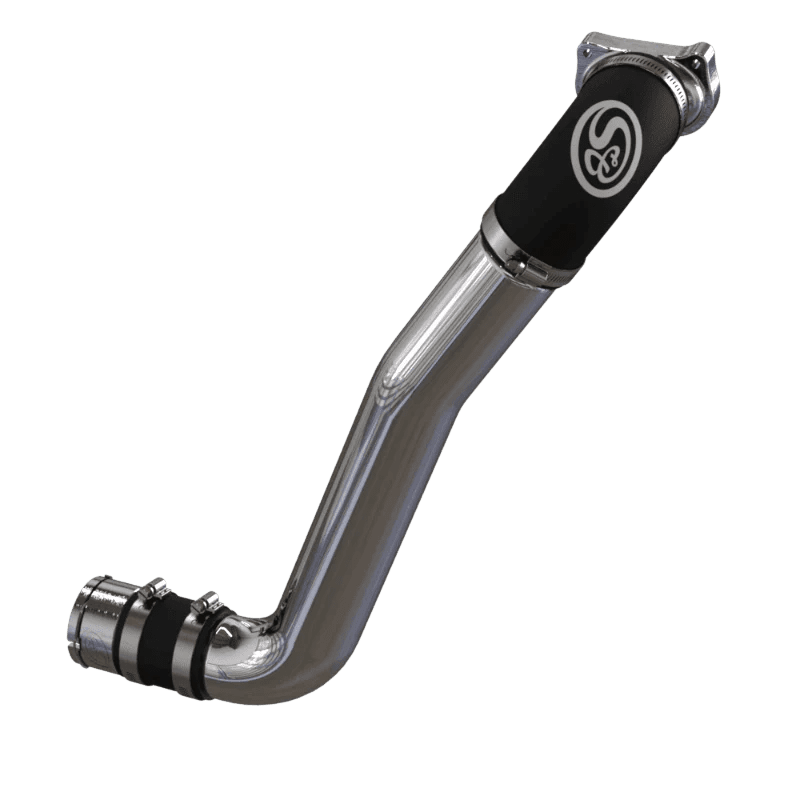
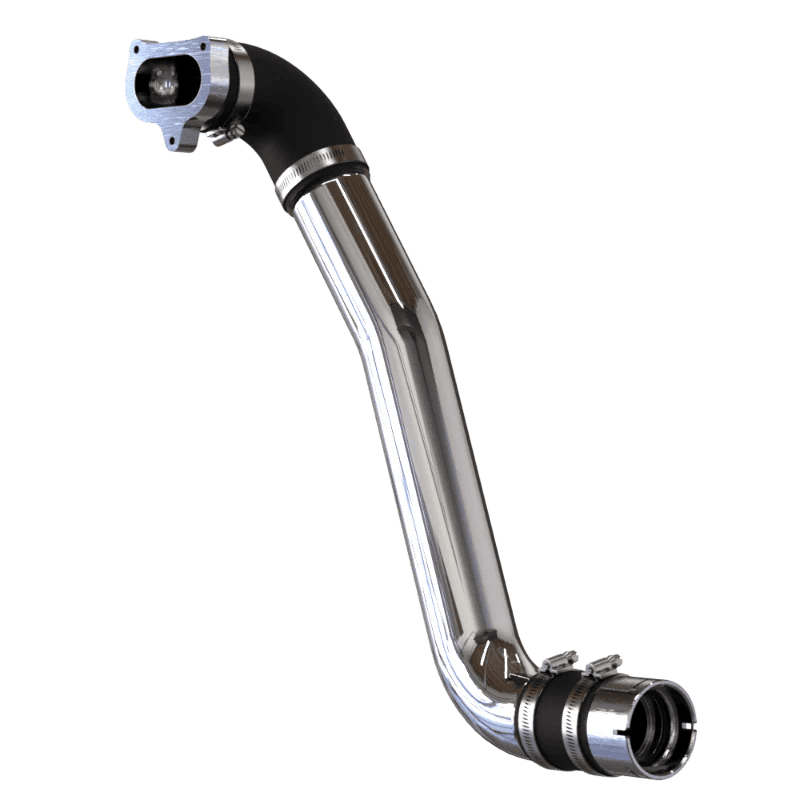
For a tow-only temperature climb, clean the cooling stack first (the charge-air cooler heat exchanger, the A/C condenser and the radiator) and confirm the fan clutch works before you buy anything. When a part has actually failed, a direct replacement puts the truck back to factory: a CSF OEM-style radiator, an Alliant Power primary thermostat or secondary water pump, a Dorman thermostat housing or a Dayco radiator hose. Upgrades make sense when you are already in there or when a stock part has let you down: a WCFab billet thermostat housing or the Fleece thermostat housing upgrade, the Mishimoto aluminum primary radiator or the XDP Xtra Cool radiators, upgraded hoses and caps from SPE Motorsport, and upper coolant pipe kits from WCFab and S&B.
What we carry
- Radiators: XDP Xtra Cool main and secondary radiators, the Mishimoto aluminum primary radiator and CSF OEM-style primary and secondary radiators.
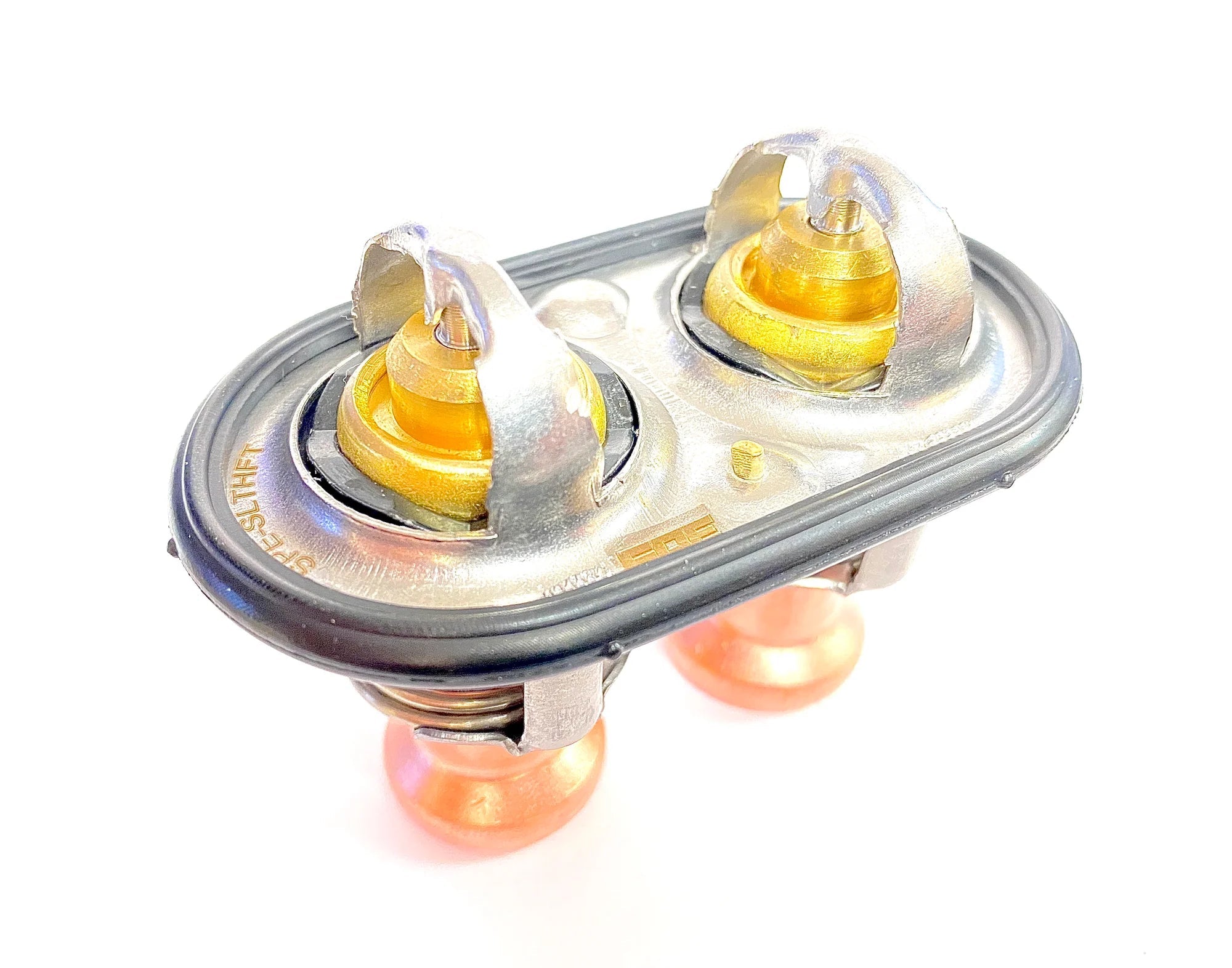
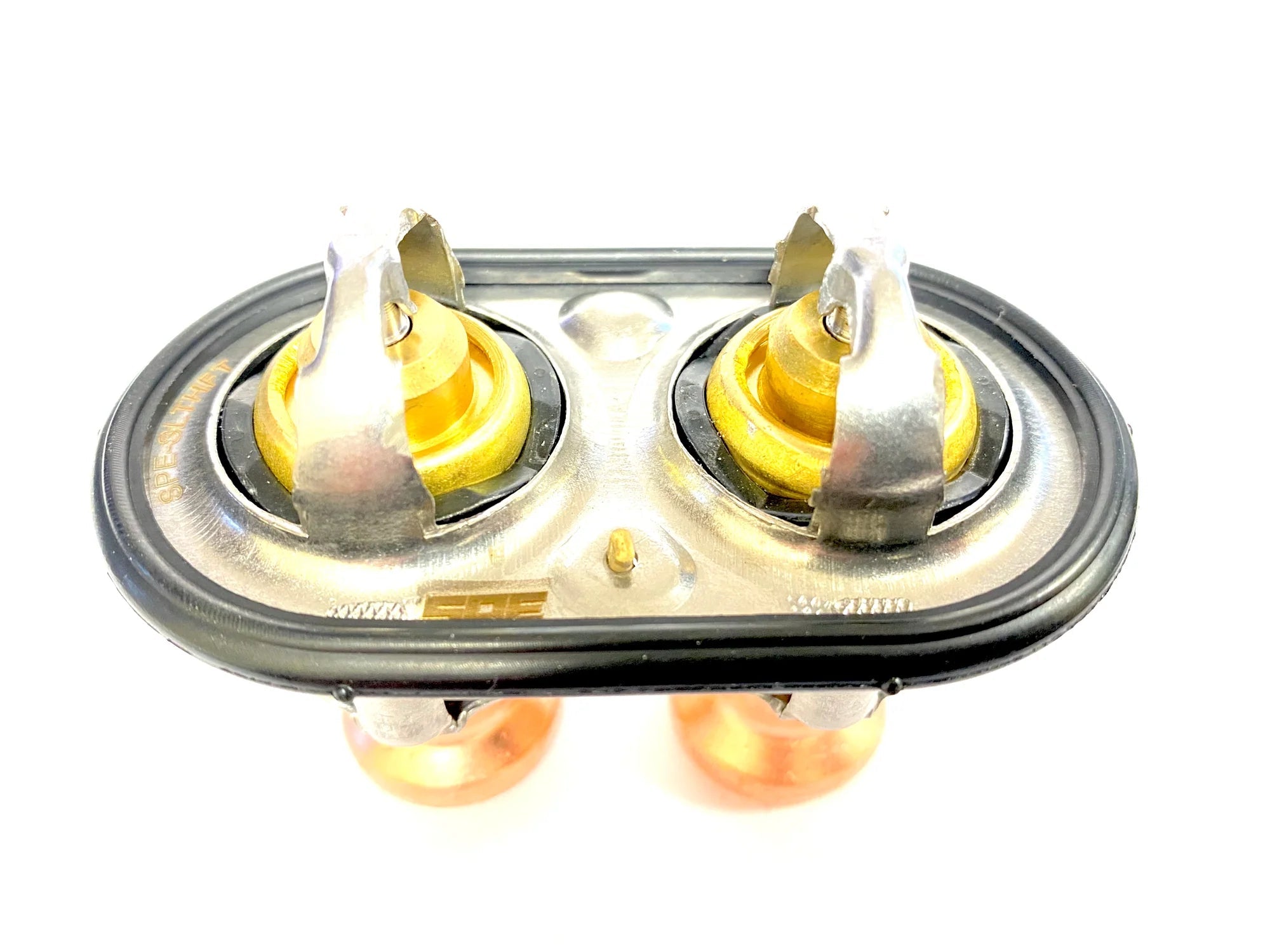
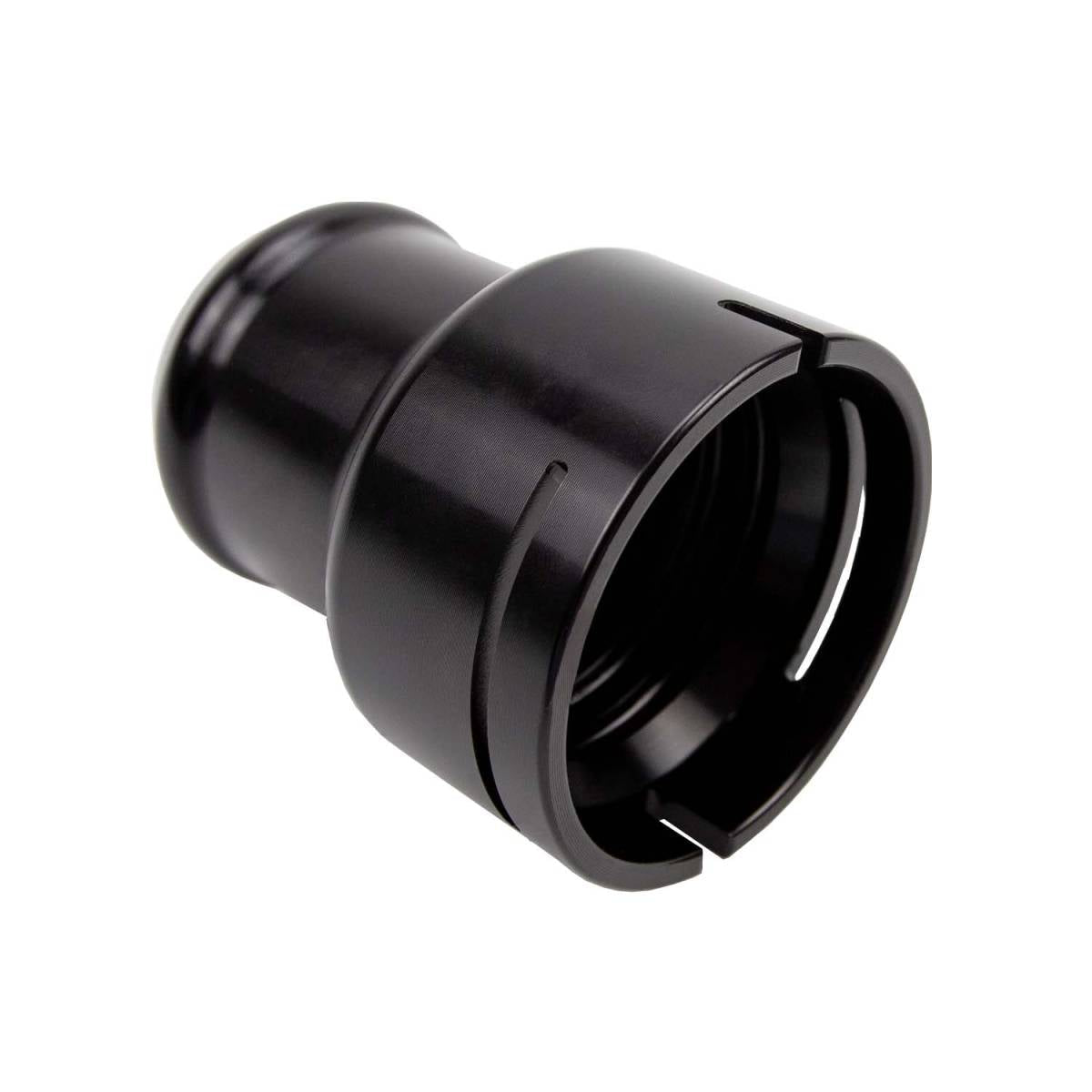
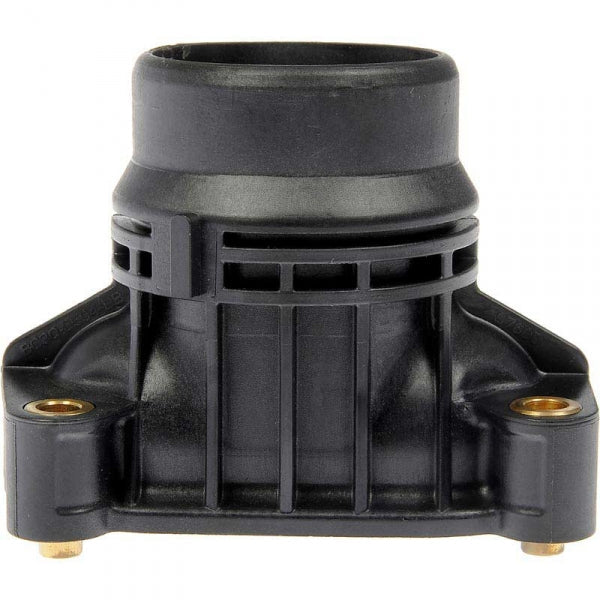
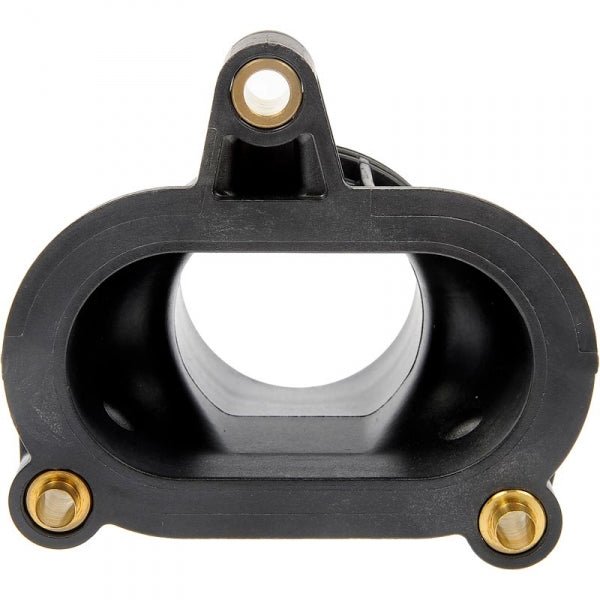
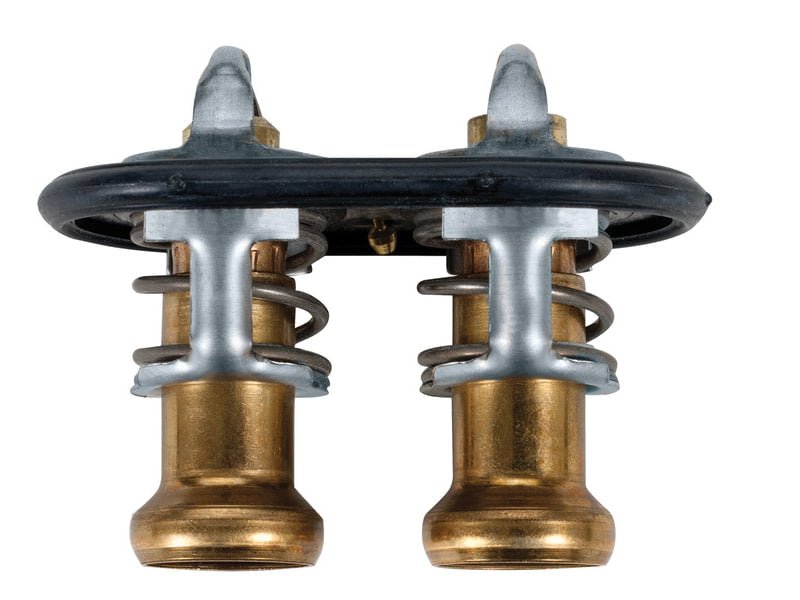
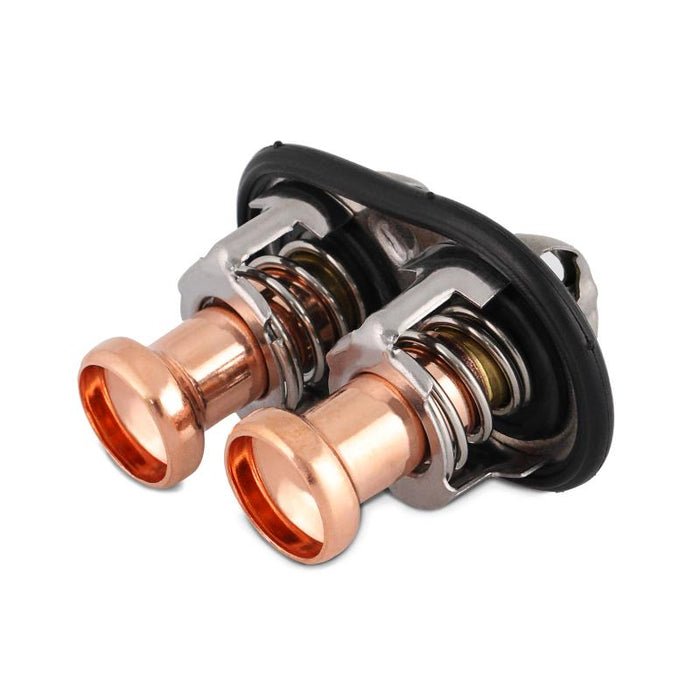
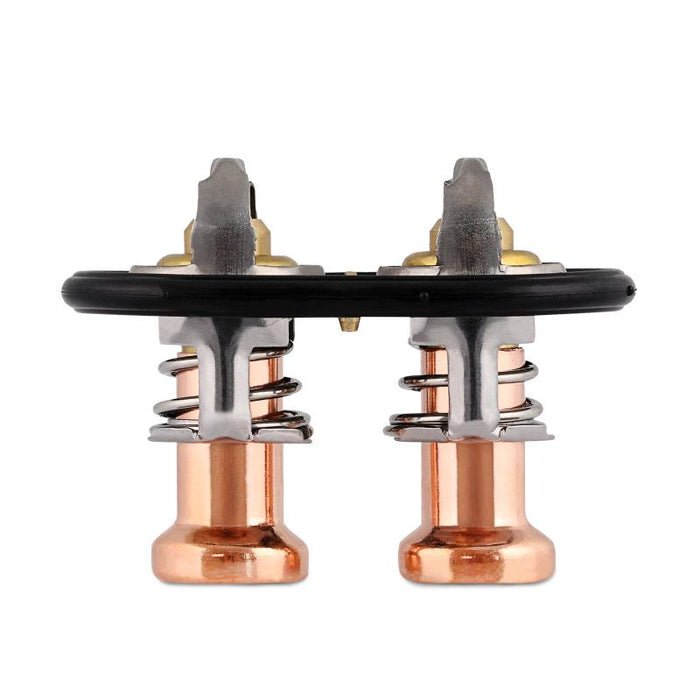
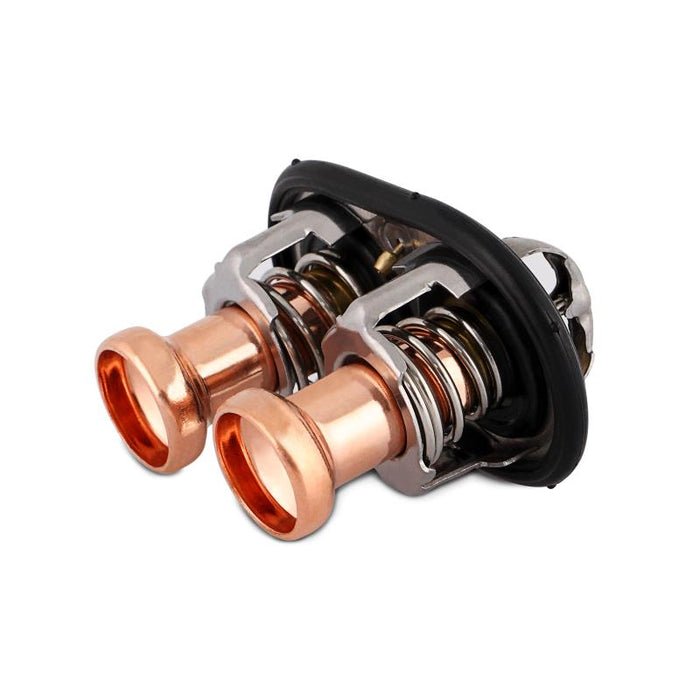
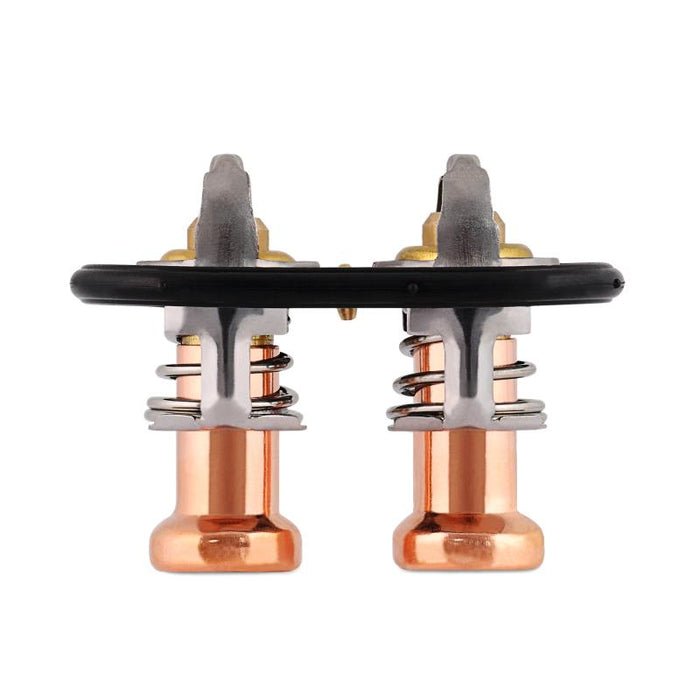
- Thermostats and housings: an Alliant Power primary thermostat, Mishimoto high- and low-temperature primary thermostats, the SPE Motorsport low-temp, high-flow thermostat, a WCFab billet thermostat housing, the Fleece Performance Engineering housing upgrade, a Dorman replacement housing and a MAHLE thermostat gasket kit.
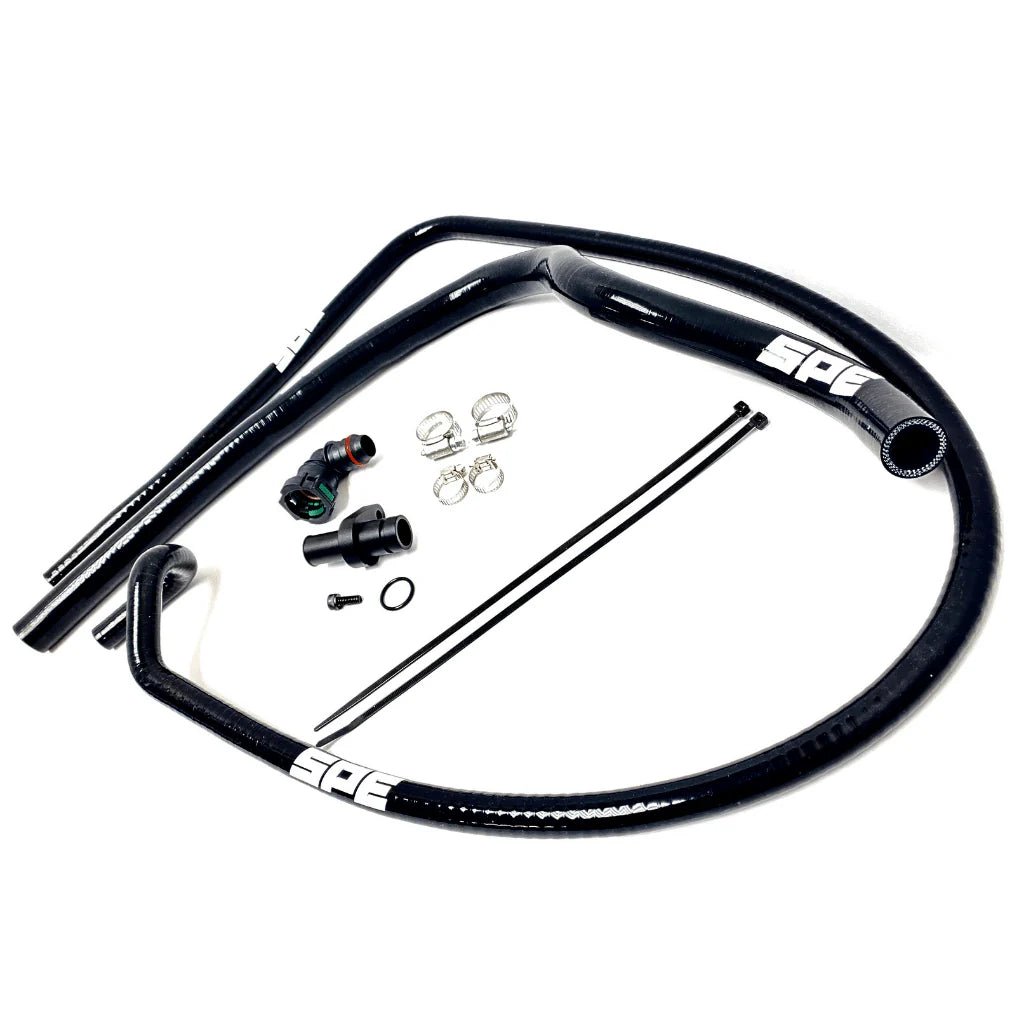
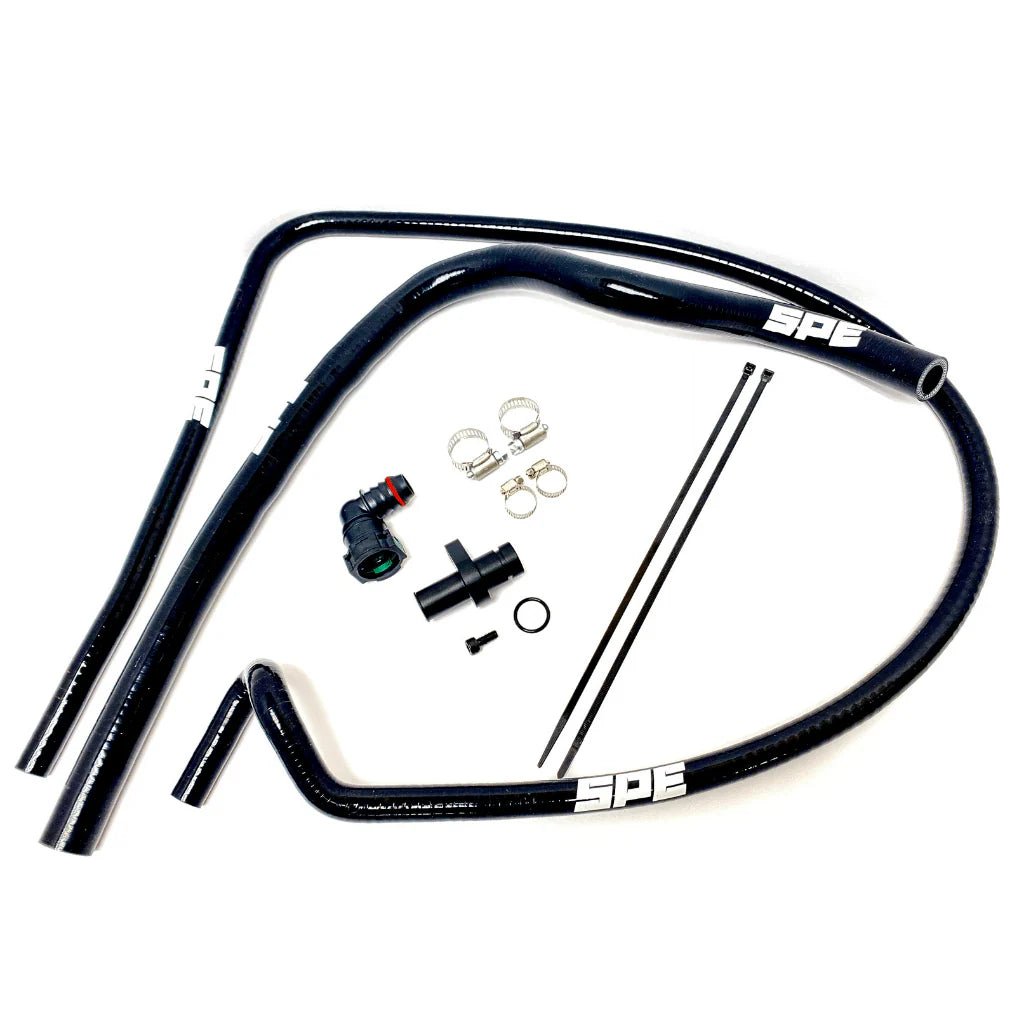
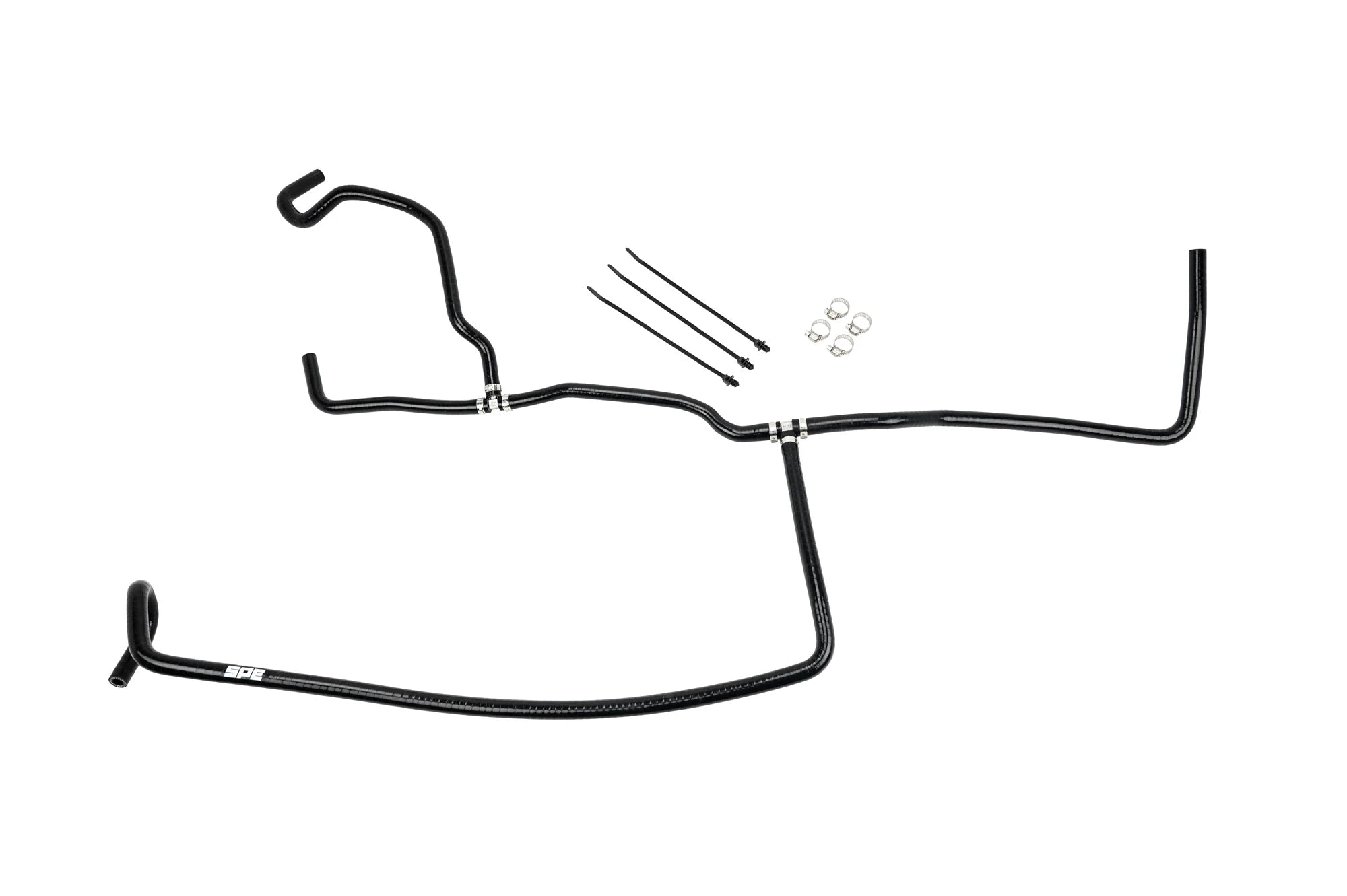
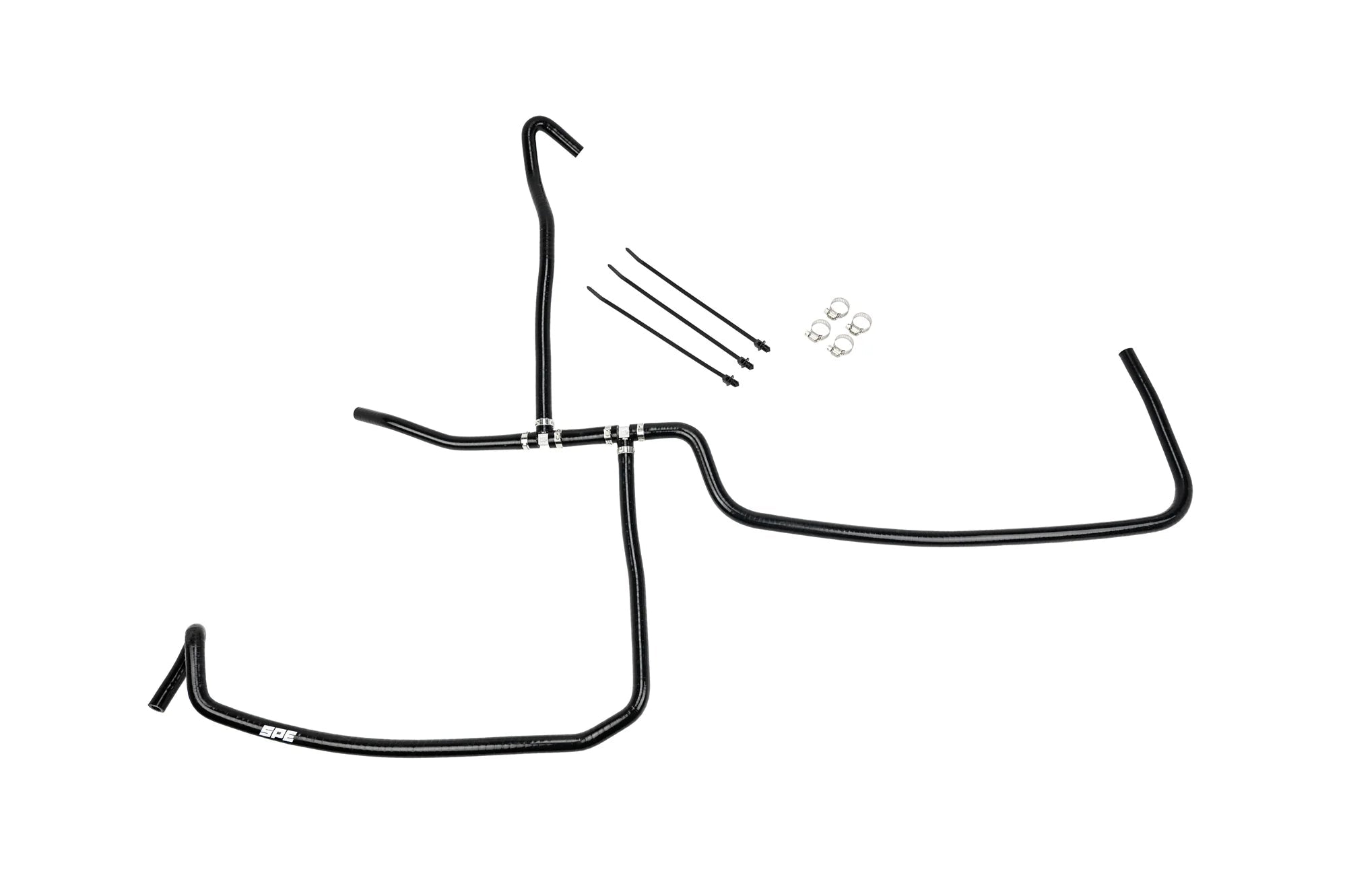
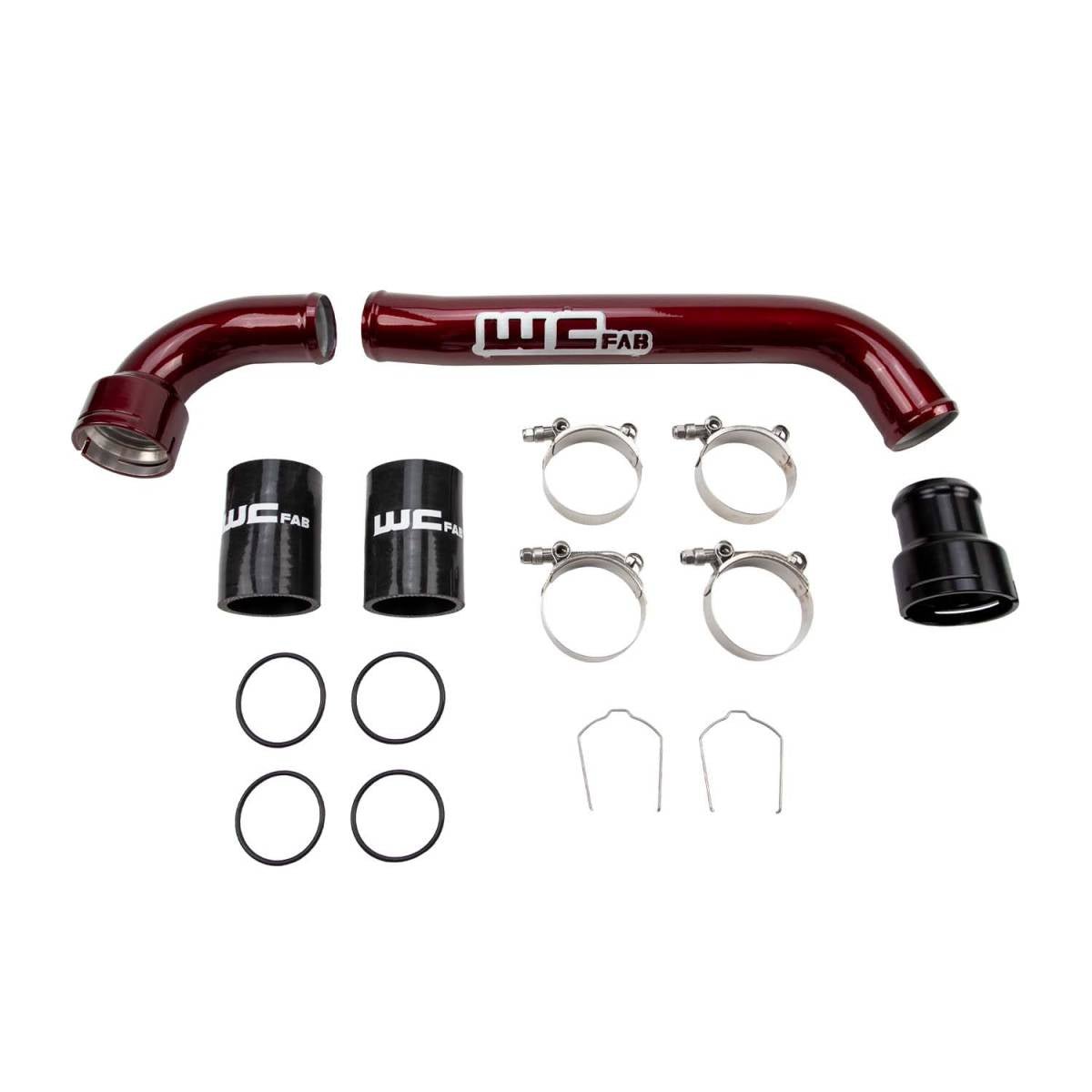
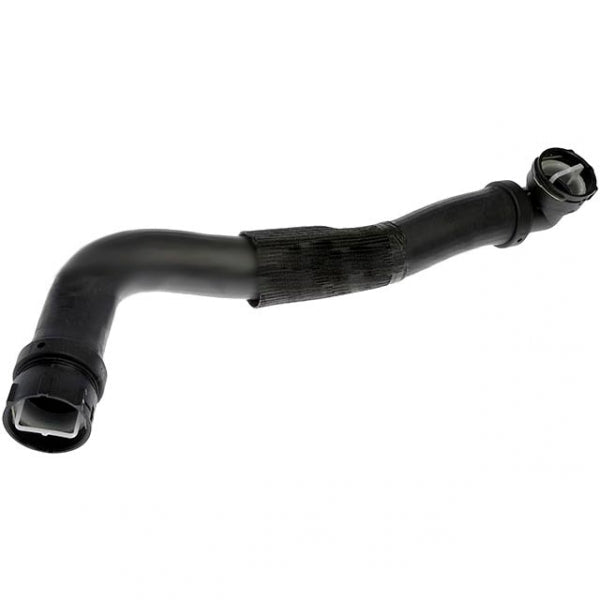
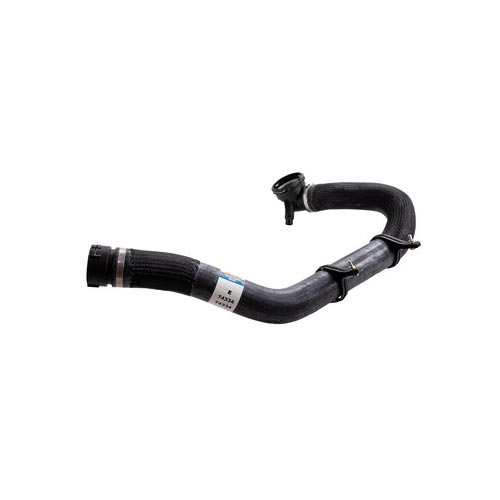
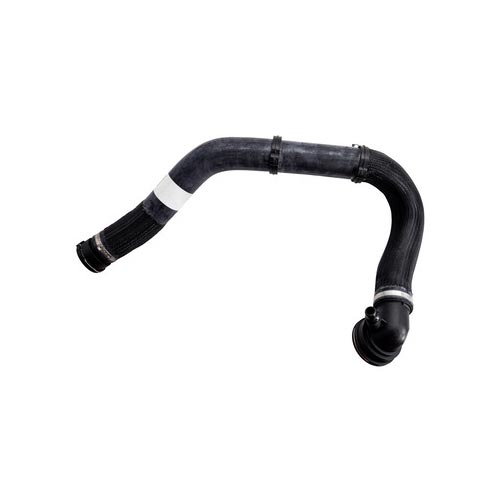
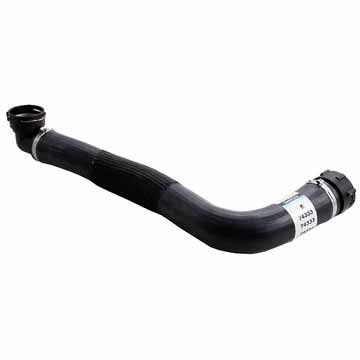
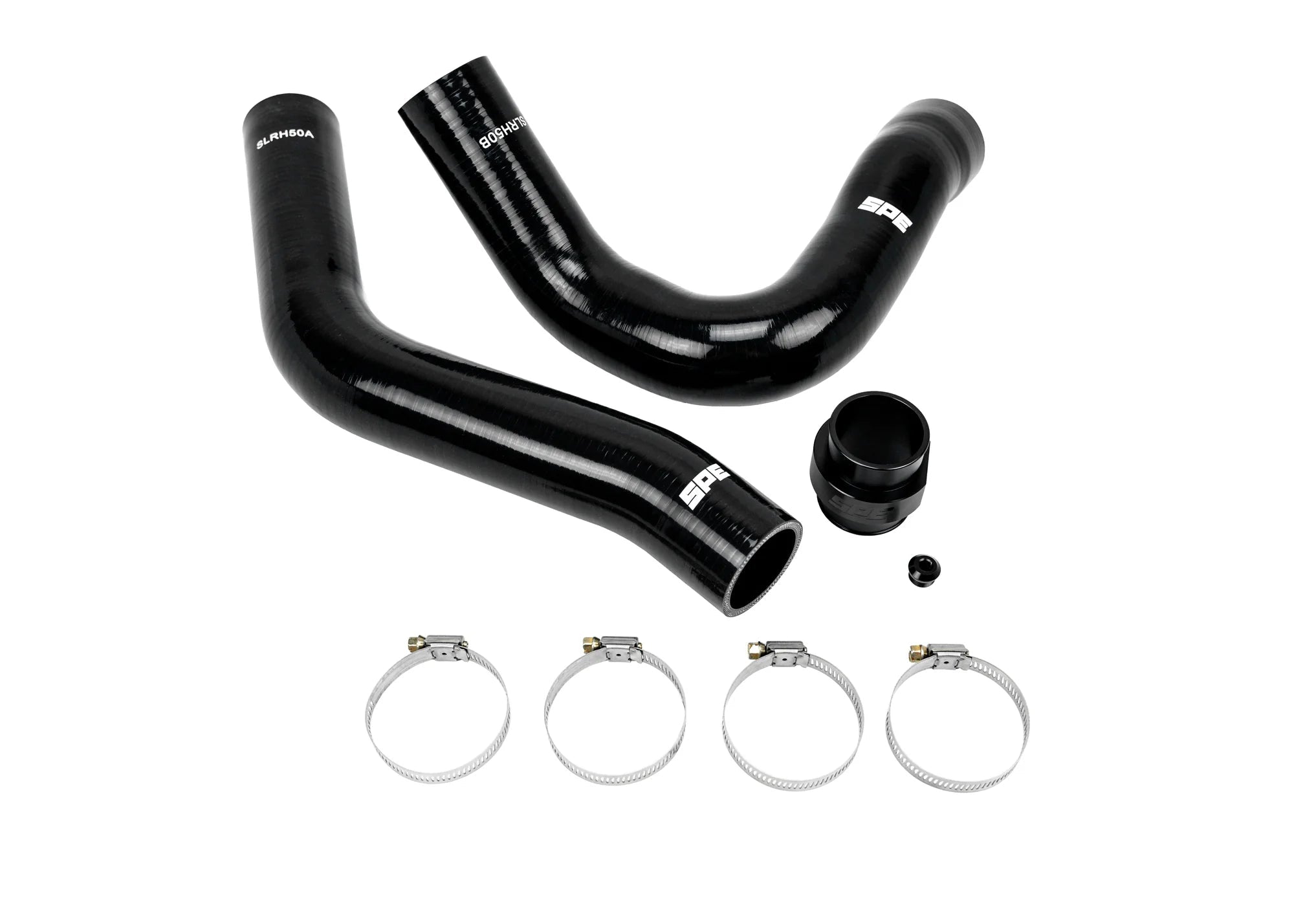
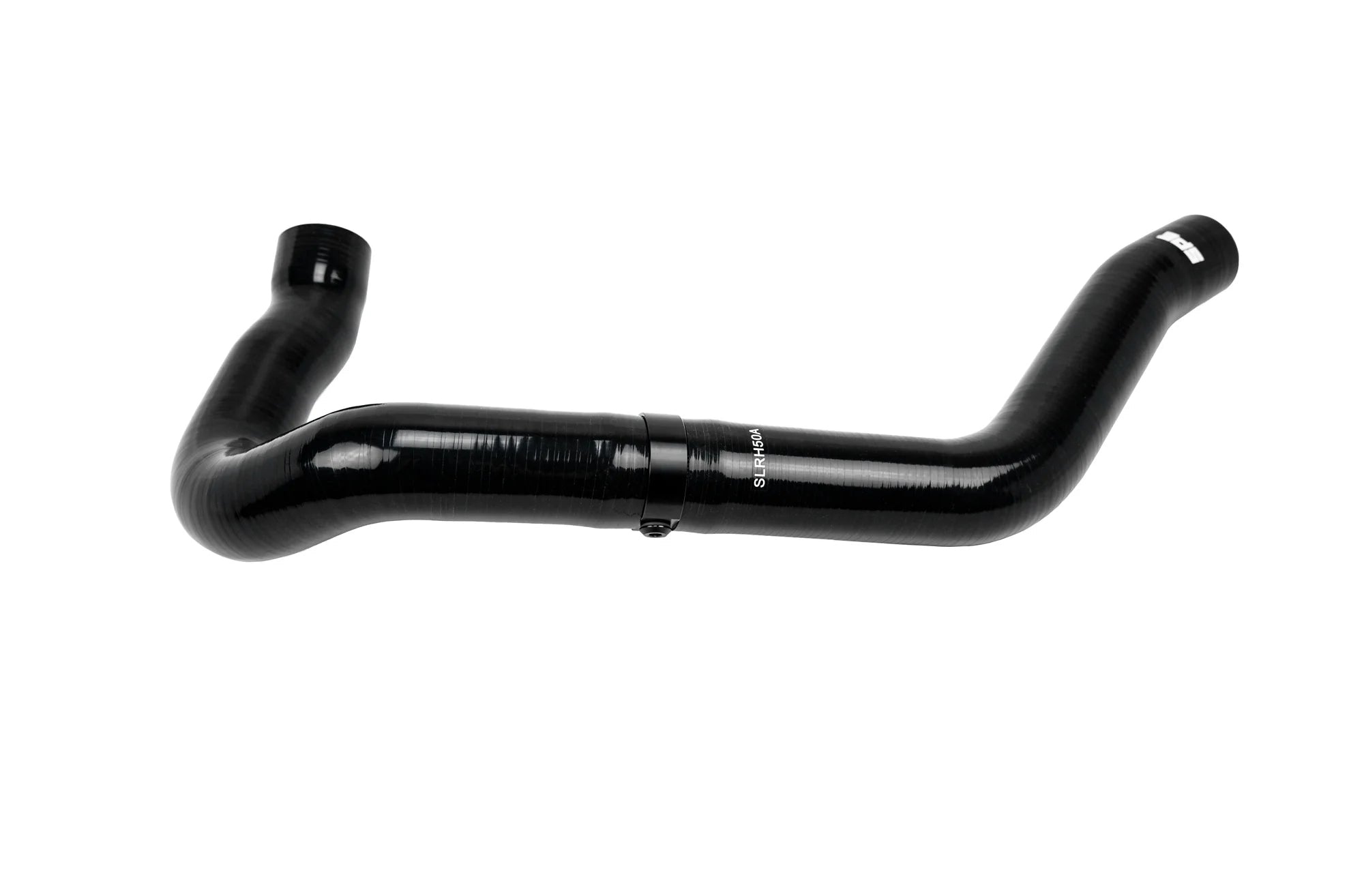
- Hoses, pipes and fittings: SPE Motorsport radiator hoses, degas hose kit, heater inlet fittings, upgraded coolant cap, drain plugs and a coolant hose reroute kit; Dayco curved radiator hoses; a Dorman upper radiator hose and heater hose clamp kit; upper coolant pipes from WCFab and S&B; and a Mishimoto silicone overflow hose.
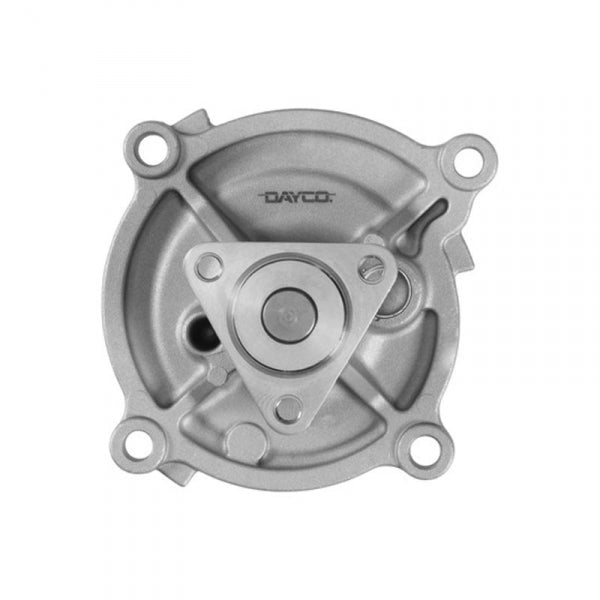
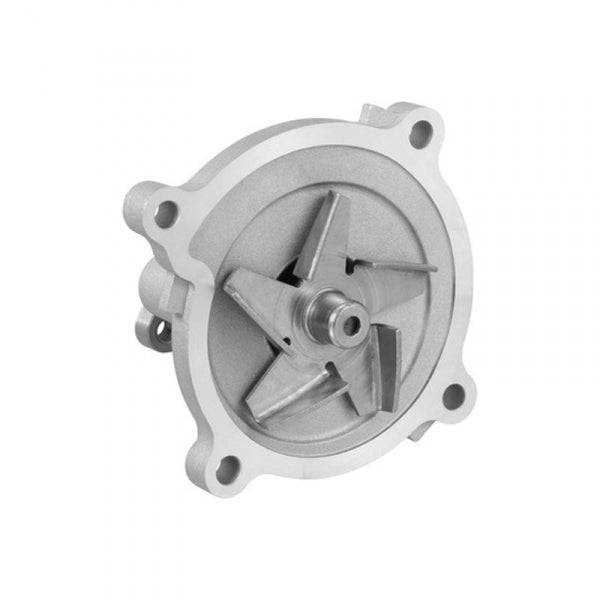
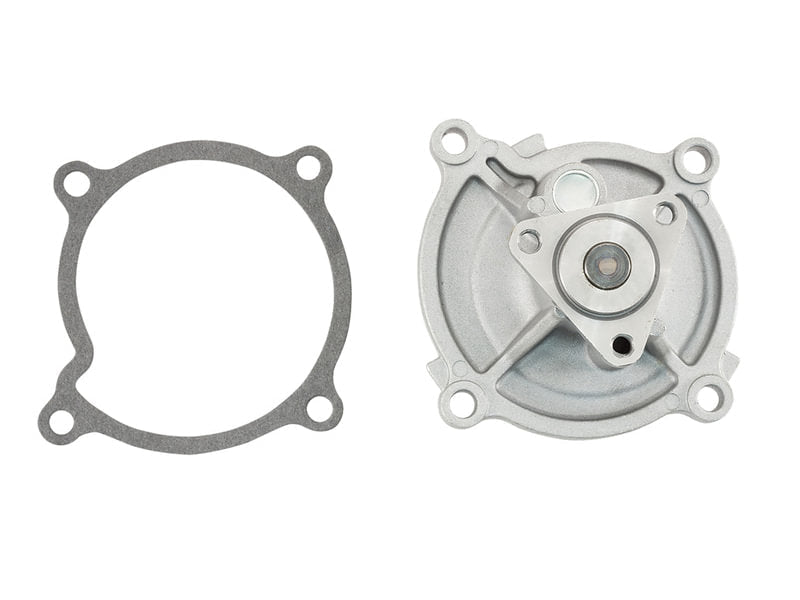
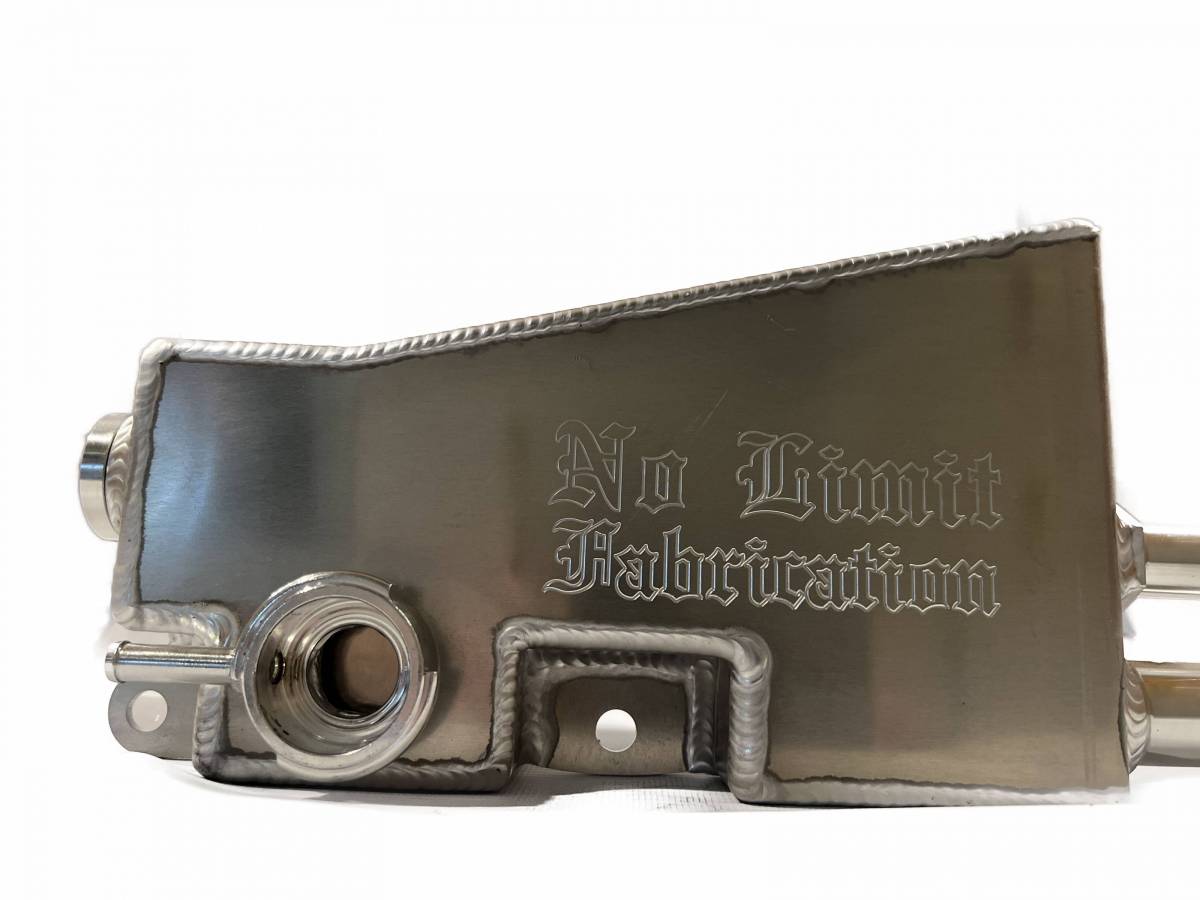
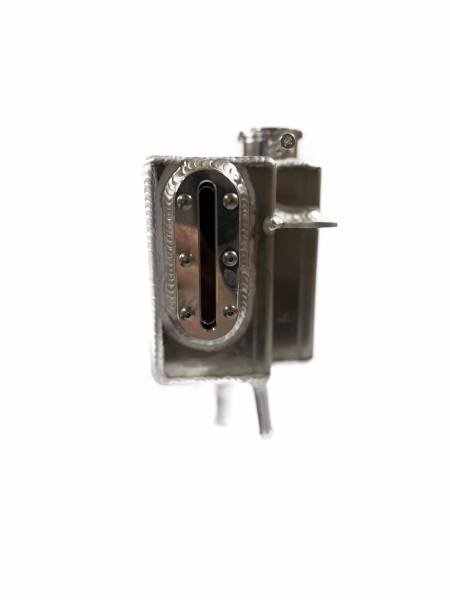
- Pumps and tanks: secondary water pumps from Dayco, Alliant Power and XDP, plus secondary coolant tanks from Mishimoto, WCFab and No Limit Fabrication.
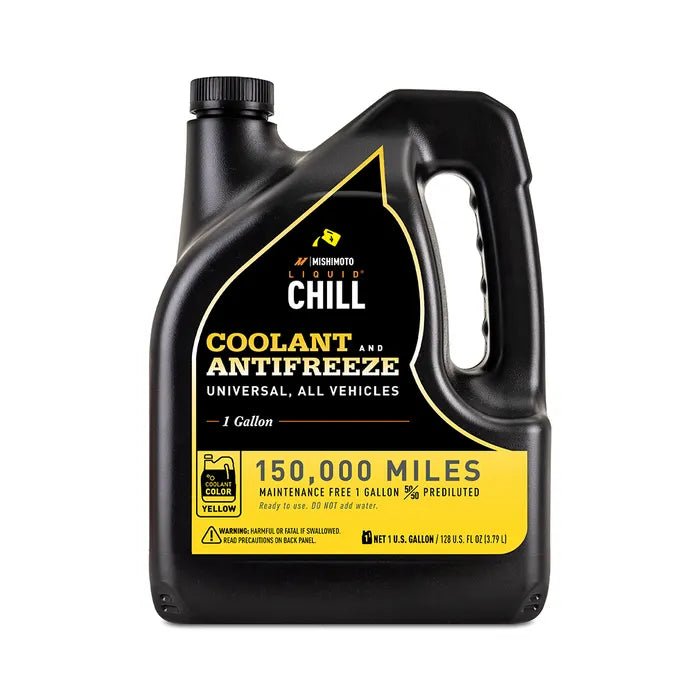
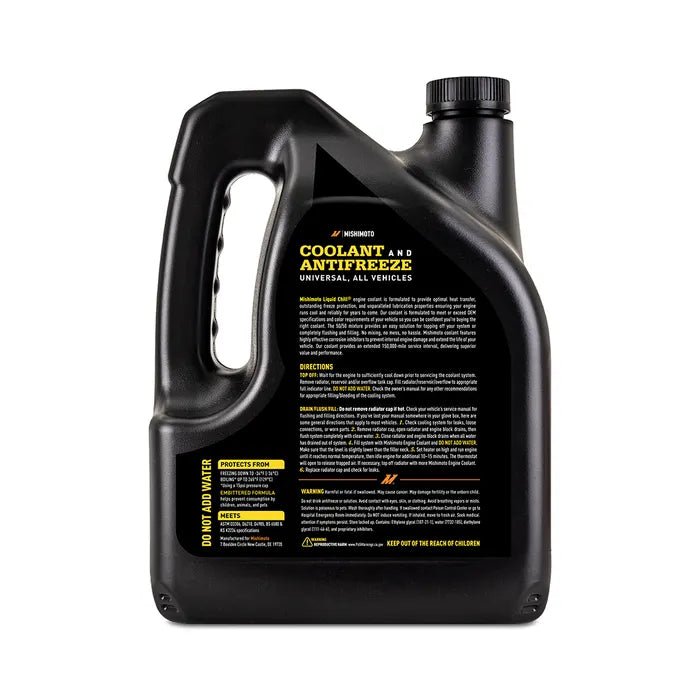
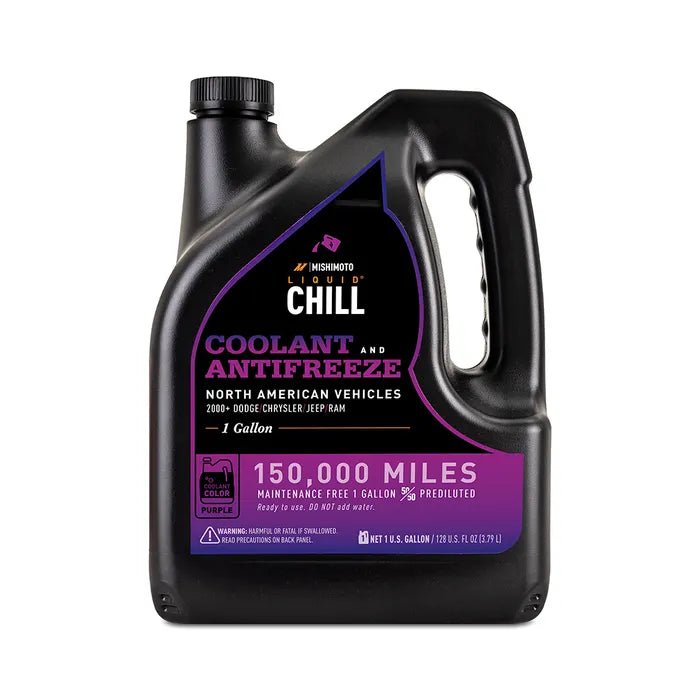
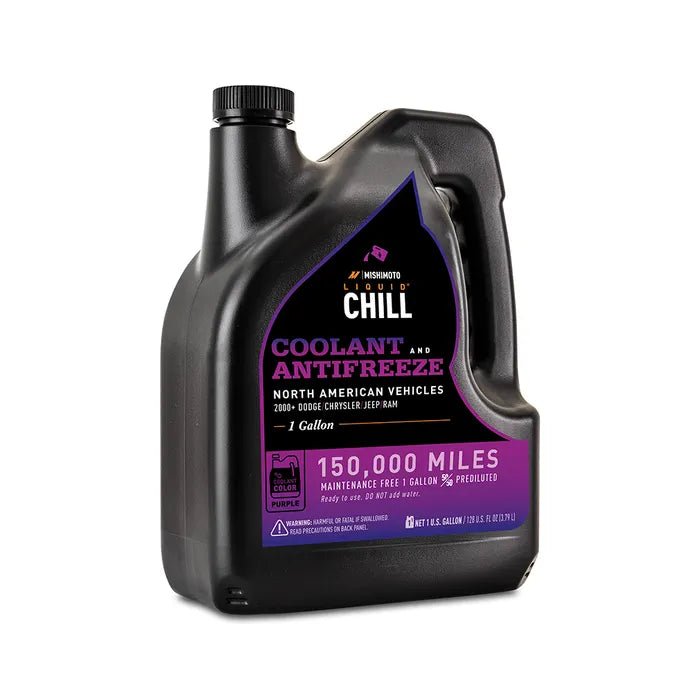
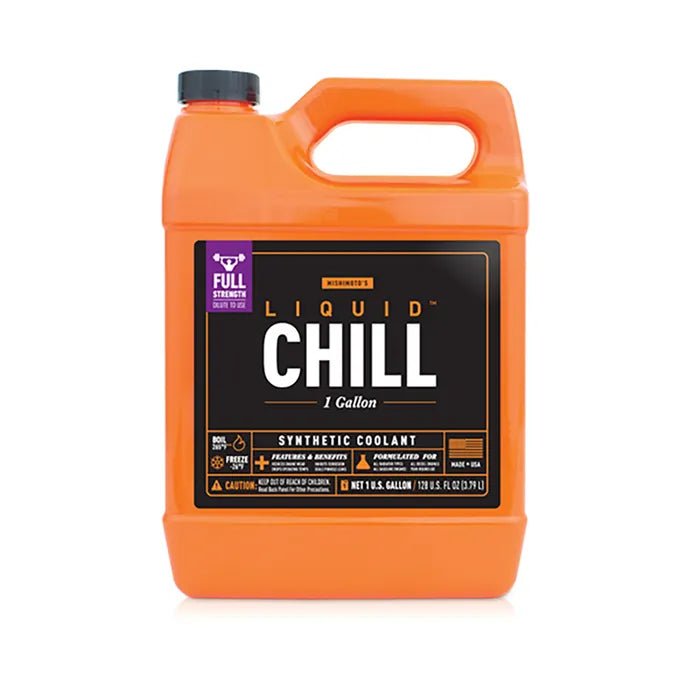
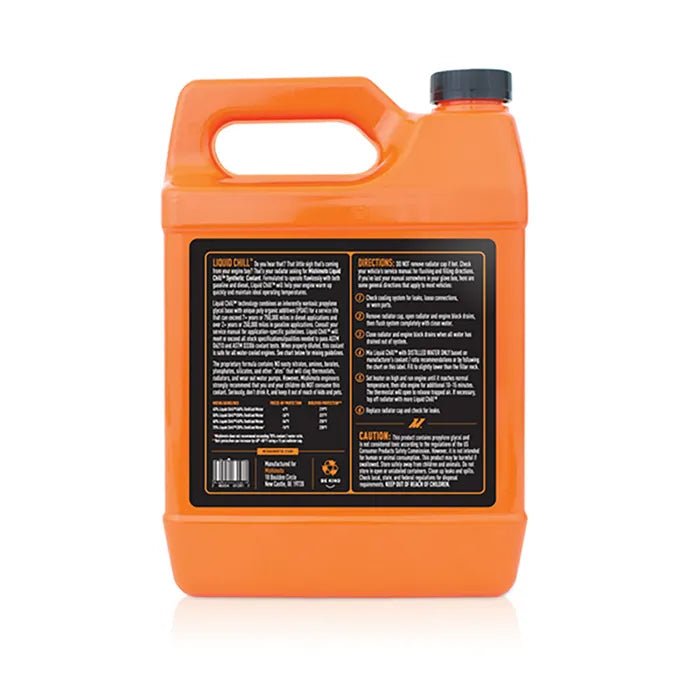
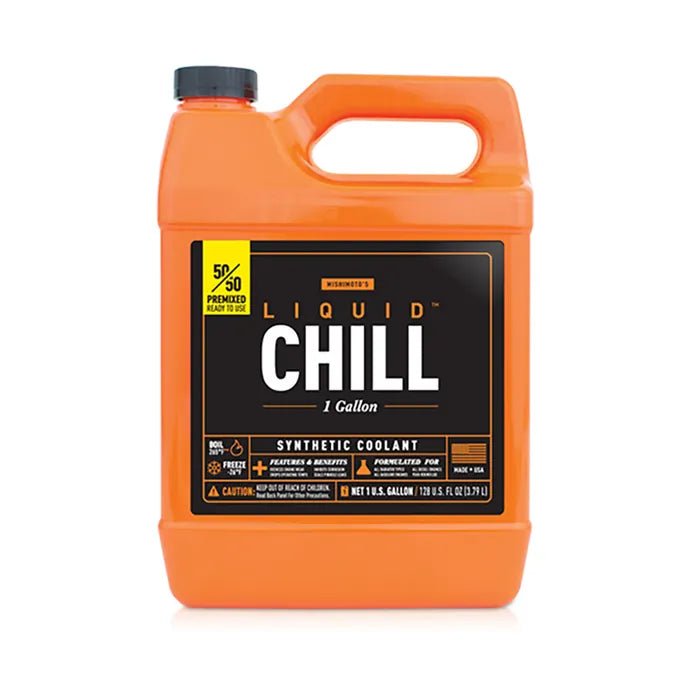
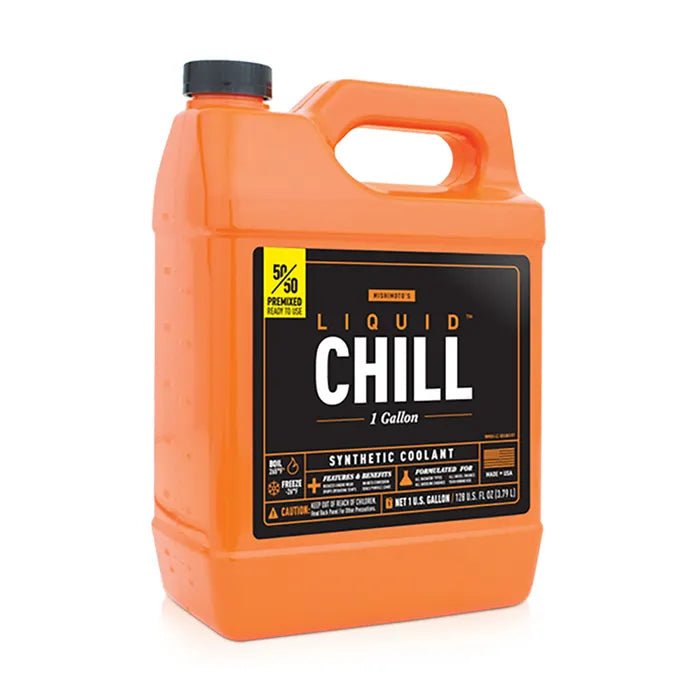
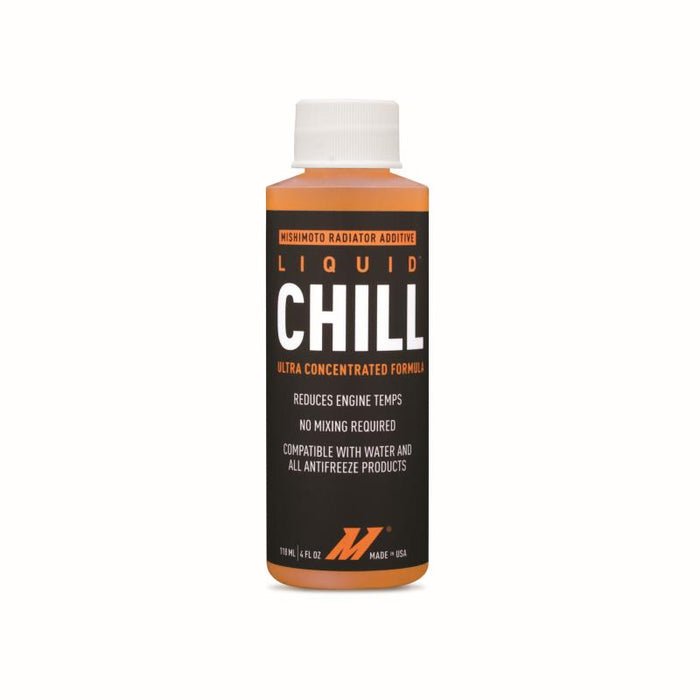
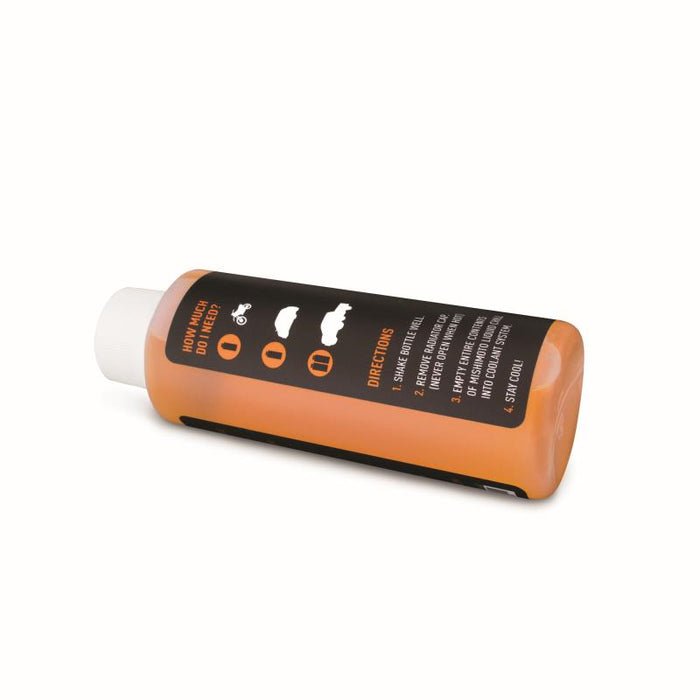
- Coolant: Mishimoto Liquid Chill coolants and additive, Hot Shot's Secret extended-life and ultra-long-life coolants and Lucas Oil Super Coolant.
- Electrical and A/C: a Fleece cooling fan pigtail and a CSF A/C condenser.
Fitment notes
Most parts here carry wide year ranges, like 2011-2025 or 2017-2025, because the cooling layout carried over from earlier trucks. Not all of them do. Some hoses are split by year or end before 2022, so read the year range in each title. Your truck is the refreshed fourth-generation Super Duty; 2023 brought an all-new truck and a High-Output engine with its own parts, so a 2023-only listing is not a match. Ford's coolant chart calls for Motorcraft Yellow to WSS-M97B57-A1/A2 on every 2020-and-newer F-250 through F-550, so match your coolant to that spec and to the under-hood decal. Chassis cabs share the engine but are separate products, so verify those by VIN.
Frequently asked questions
Why does my 6.7L Powerstroke run hot only when I tow?
Temperature that climbs on grades or under load and reads normal empty usually points to a plugged cooling stack, an airflow restriction or a worn fan clutch. Clean the charge-air cooler heat exchanger, condenser and radiator, and check the fan clutch, before you replace parts.
Does the 2020-2022 6.7L have two coolant reservoirs?
Yes. The primary and secondary loops each have their own degas bottle and fill. The primary holds about 7.25 to 7.75 gallons and the secondary about 2.0 gallons, so a full coolant service means doing both.
What coolant does a 2020-2022 F-250 or F-350 take?
Ford's chart calls for Motorcraft Yellow to specification WSS-M97B57-A1 or -A2 on all 2020-and-newer F-250 through F-550 trucks. That is VC-13-G concentrate or VC-13DL-G prediluted. Keep the mix at 48 to 50 percent and don't mix in Gold or other coolant families.
My intake air temps are high but the engine isn't overheating. What should I check?
Check the secondary loop. It cools the air-to-water intercooler and the EGR cooler, so low coolant there shows up as high intake air temperatures and EGR temperature codes before the engine ever runs hot. Look for leaks at the water pump, hoses and fittings on that loop.
How often should I inspect cooling hoses and clamps?
Twice a year is a good habit. Hoses, clamps and the radiator are the leak-prone wear items on this engine, and catching a slow leak early keeps it from turning into an overheat on a long pull.
Not sure what fits? Call the shop at the number in the header, or use the fitment checker on any product page. We install everything we sell.