
Shop Engine by Category


Filters
113 products


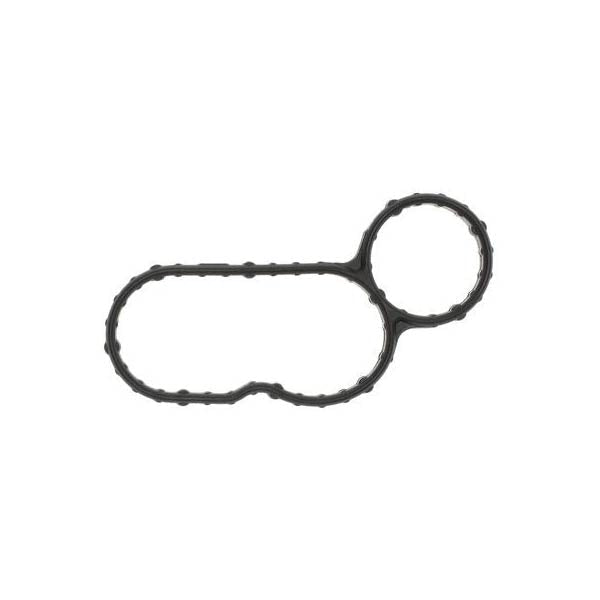
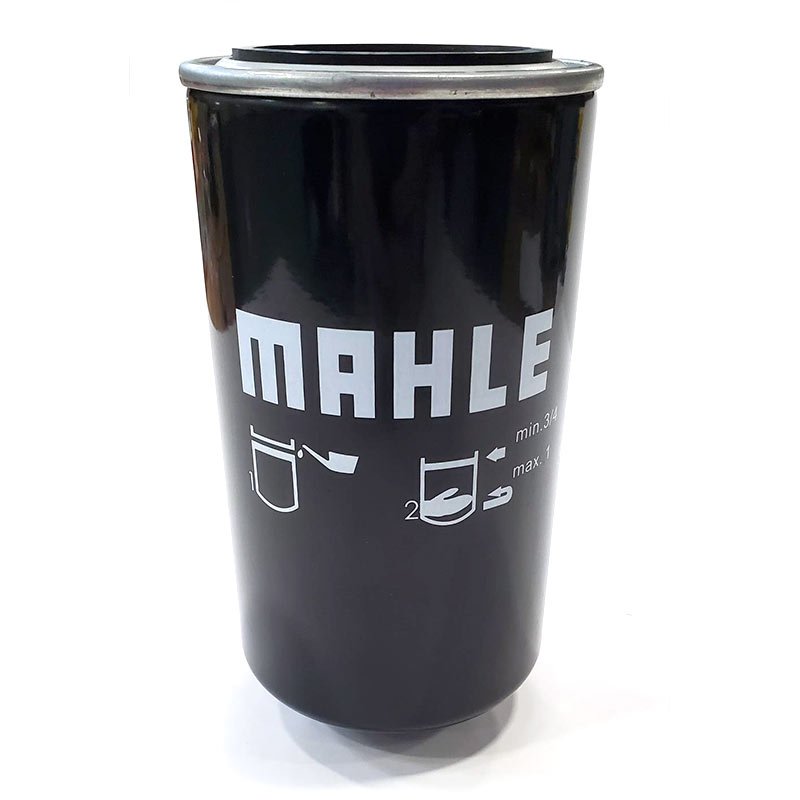
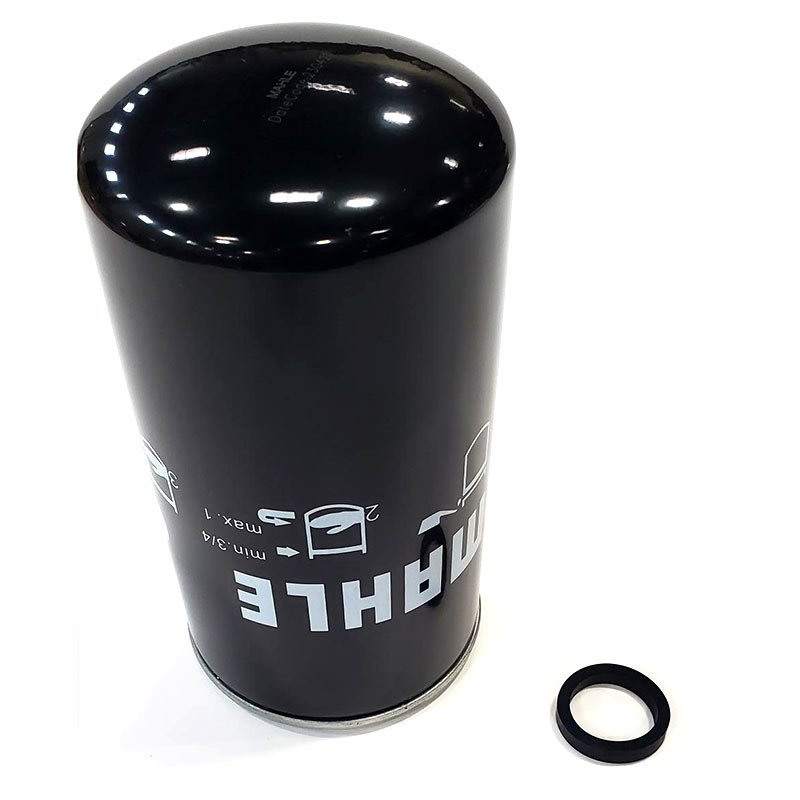
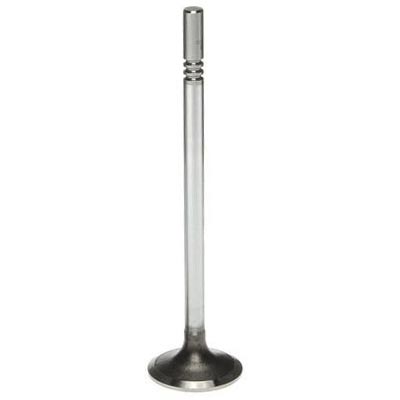


Not sure it fits your truck?
Our Wildwood, FL techs will confirm the right part for your build before you buy.
Call or Text (352) 722-5295Engine parts for the 2011-2014 Ford 6.7L Powerstroke
2011 was the first year of Ford's in-house 6.7L Powerstroke, the engine that replaced the Navistar-built 6.4L. It is a 90-degree V8 with a compacted graphite iron deep-skirt block, aluminum reverse-flow cylinder heads clamped by six head bolts per cylinder, and a pushrod cam-in-block valvetrain with four valves per cylinder. Reverse-flow means the intake ports sit on the outside of the heads and the exhaust ports face the valley, where the turbo lives, so the heads take a lot of heat.
Pickups launched at 390 hp and 735 lb-ft, and a free PCM reflash brought them to 400 hp and 800 lb-ft, the rating that carried through 2014. F-350, F-450 and F-550 chassis cabs run a different turbo and a 300 hp, 660 lb-ft calibration. The engine holds 13.0 quarts of oil with the filter, Ford prefers 10W-30, and the change interval is 10,000 miles in normal service or 5,000 in severe service. Ford designed it around a 500,000-mile B10 life. On a healthy truck, most of the work in this collection is service and stopping leaks.
What fails and why
The 2011 model year carries the real hardware problems, and the build date decides which trucks have them. Leaks are the everyday complaint on every year.
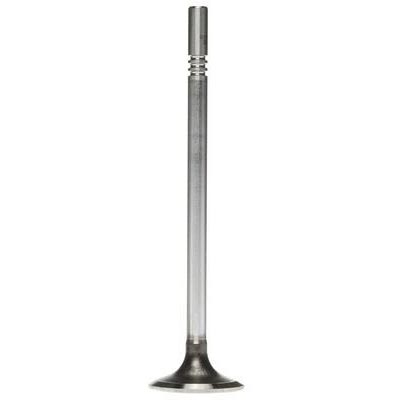
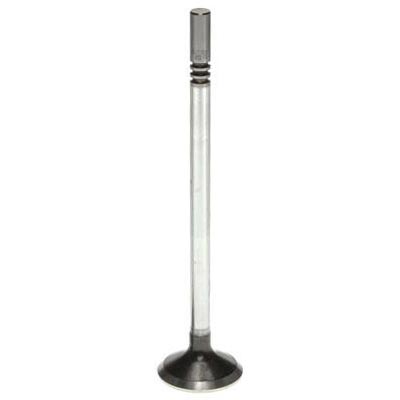
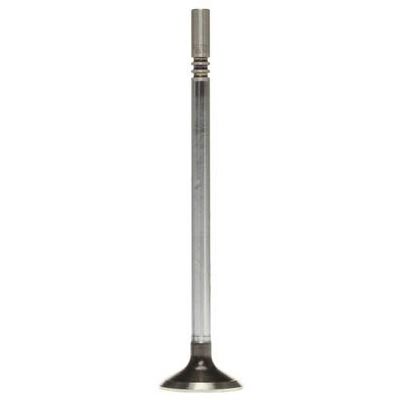
- Early 2011 exhaust valves. Engines built on or before March 29, 2011 had exhaust valves that could break off and destroy the piston, cylinder and head. It shows up as sudden loud banging, an immediate loss of power and a stall. Most were repaired under warranty.
- Early 2011 glow plugs. Some early engines, mostly reported on chassis cabs, had two-piece ceramic glow plugs whose tips could drop into the cylinder. Hard starts come first, then a sudden knock and a loss of power if a tip falls.
- 2011 plastic lower oil pan. It warps and seeps with heat cycles. Ford switched to a stamped-steel pan for 2012.
- Upper oil pan and rear cover. These leaks collect at the bell housing and get mistaken for a rear main seal. The fix means dropping the transmission or lifting the engine.
- Vacuum pump gasket. The gasket and loose mounting bolts leak oil onto the front cover on 2011-2016 engines.
- Clogged CCV separator. Crankcase pressure climbs, oil gets pushed past healthy seals, and the charge pipes and intercooler load up with oil.
- Fuel in the oil. Post-injection during active DPF regeneration can dilute the oil, worst on short-trip and idling trucks. A rising oil level and a diesel smell on the dipstick are the tells.
Stock replacement vs. upgrade
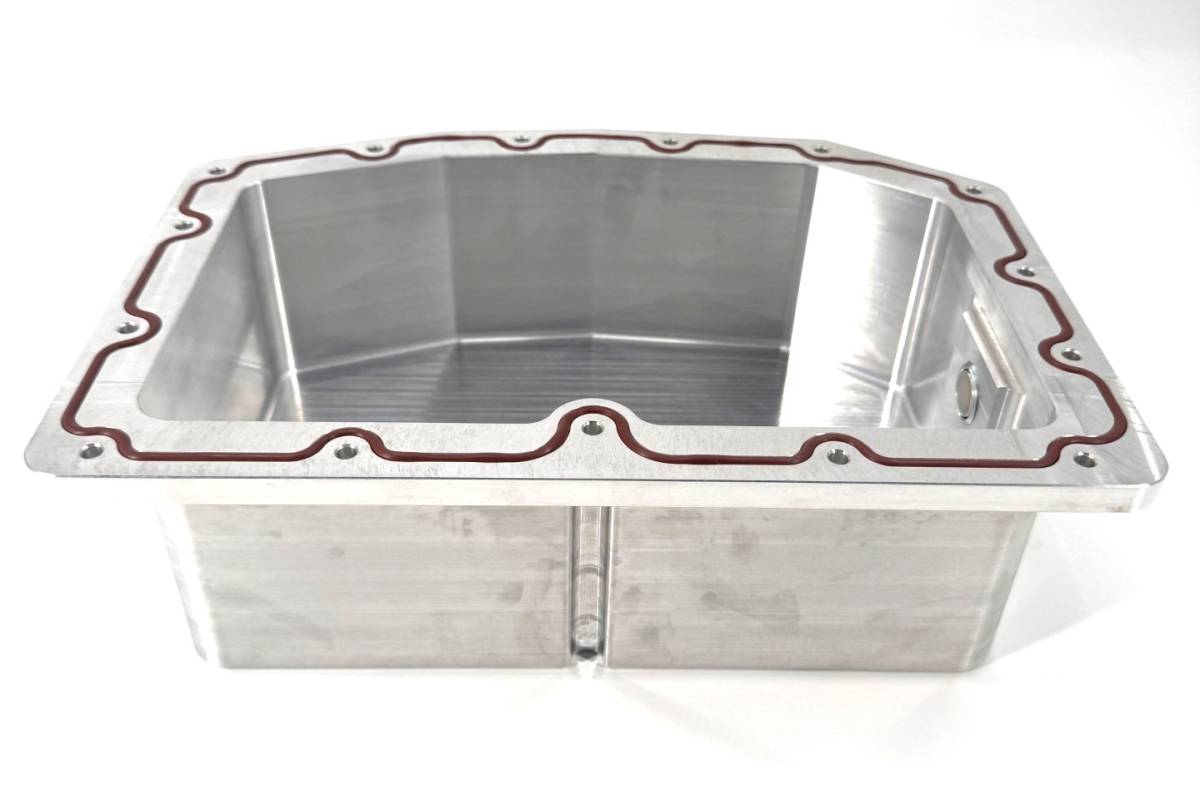
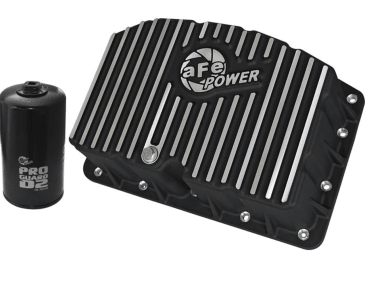
Start with the fix Ford would make. A leaking 2011 plastic pan gets a 2012-style stamped-steel lower pan; a heavy-duty aluminum pan is the upgrade that replaces the plastic one and adds capacity. Crankcase pressure is cheapest to deal with before it causes leaks: replace the CCV separator every 30,000 to 40,000 miles to protect the turbo seals and keep oil ash out of the DPF, and owners report getting 1 to 2 mpg back. A gasket job on a stock engine goes back together with OE-grade gaskets and fasteners. Head studs, chromoly pushrods and stronger valve springs belong on engines being built past stock power.
What we carry
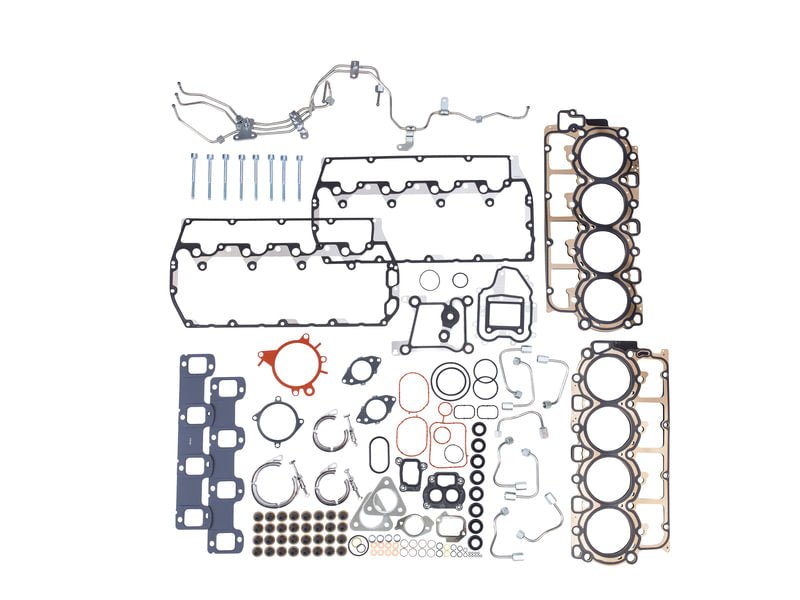
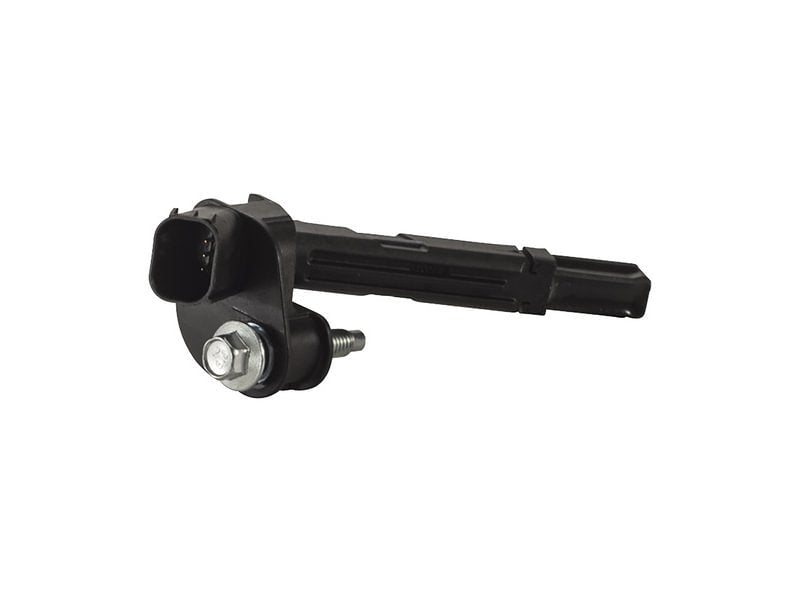
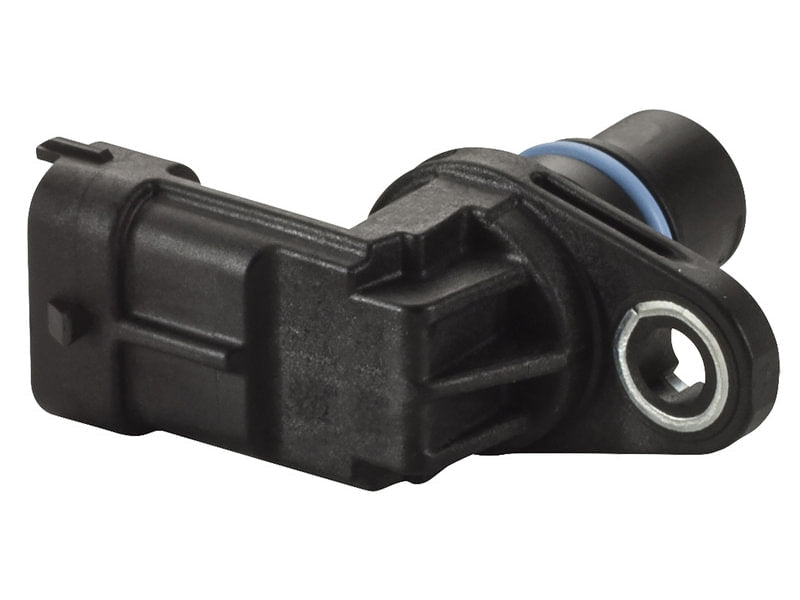
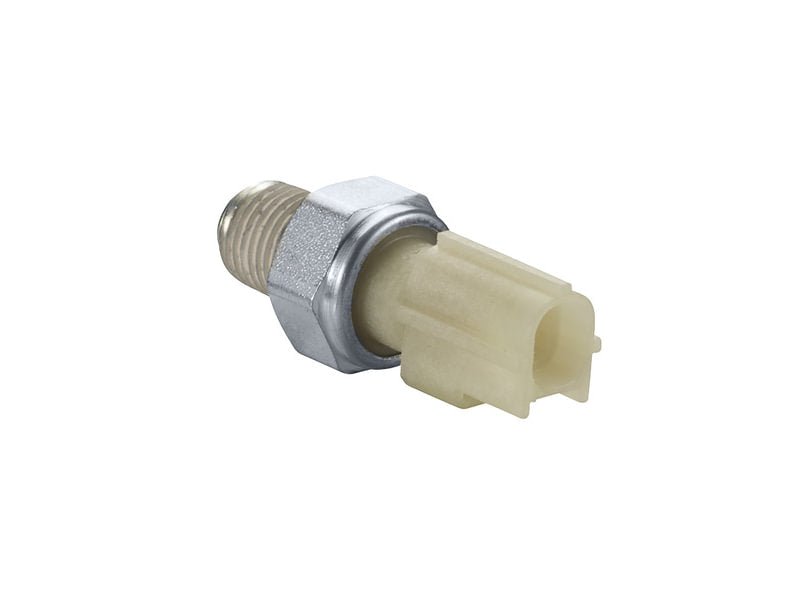
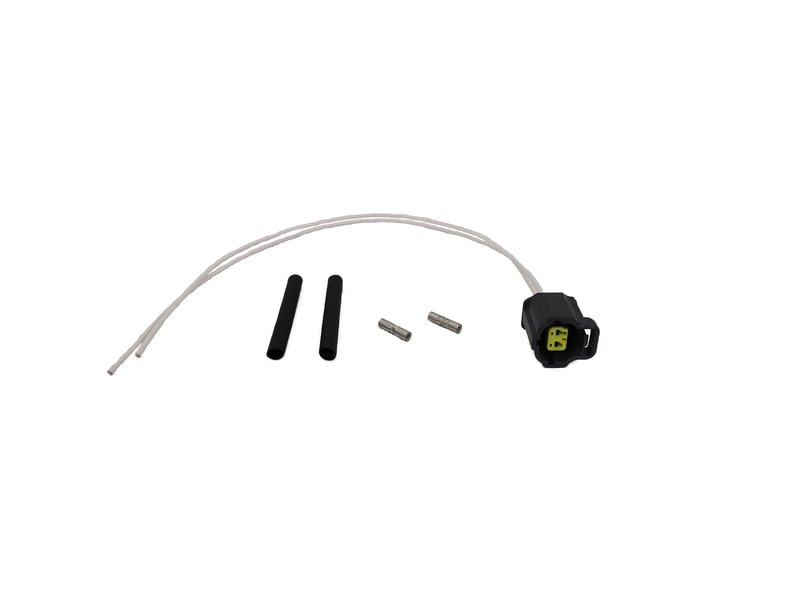
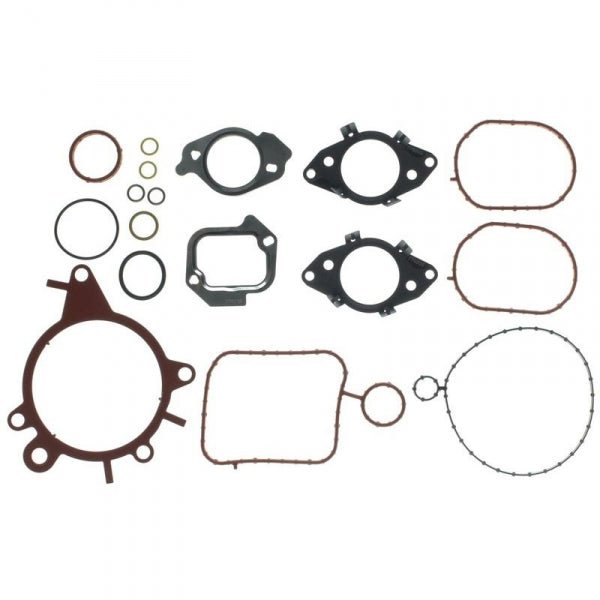
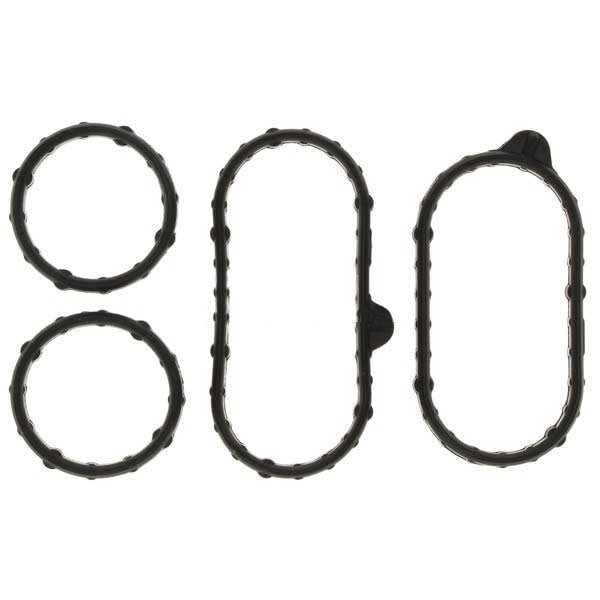
For gaskets and seals, MAHLE covers head sets, head gaskets, valve cover sets, the timing cover gasket and seal, the rear main seal set, oil pan gaskets, the vacuum pump gasket and piston ring sets. Dorman supplies OE-style valve cover gaskets, a lower oil pan, the clutch fan blade, the upper fan shroud, idlers and a belt tensioner. Dayco brings serpentine belts, tensioners and idler pulleys, and Alliant Power brings crank, cam and oil pressure sensors, the glow plug control unit, a vacuum pump and a head gasket kit.
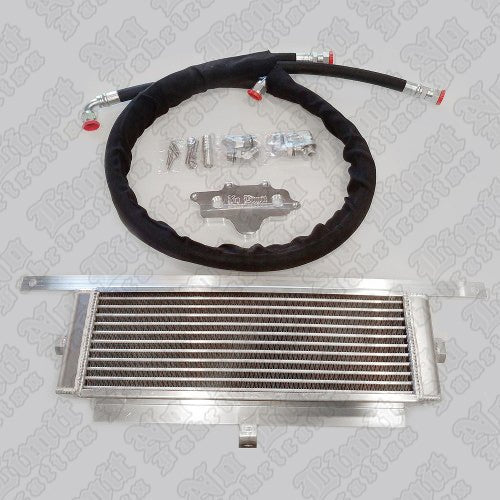
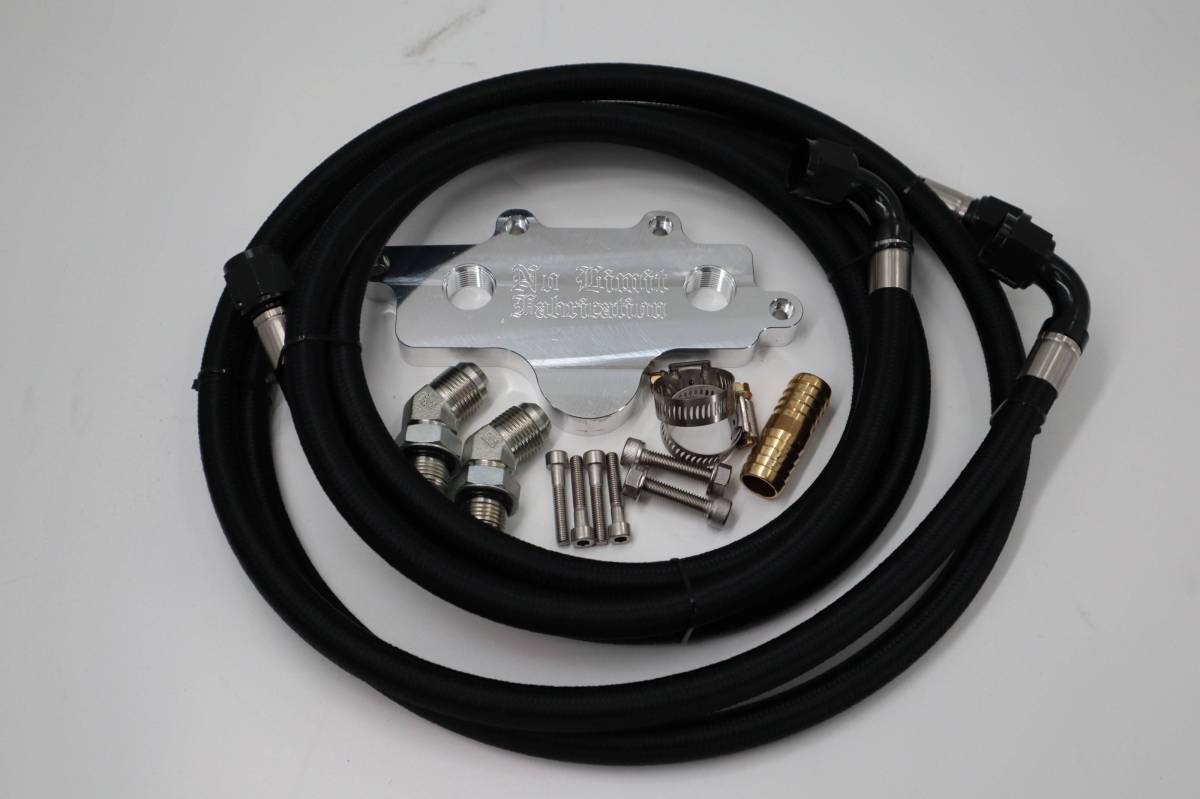
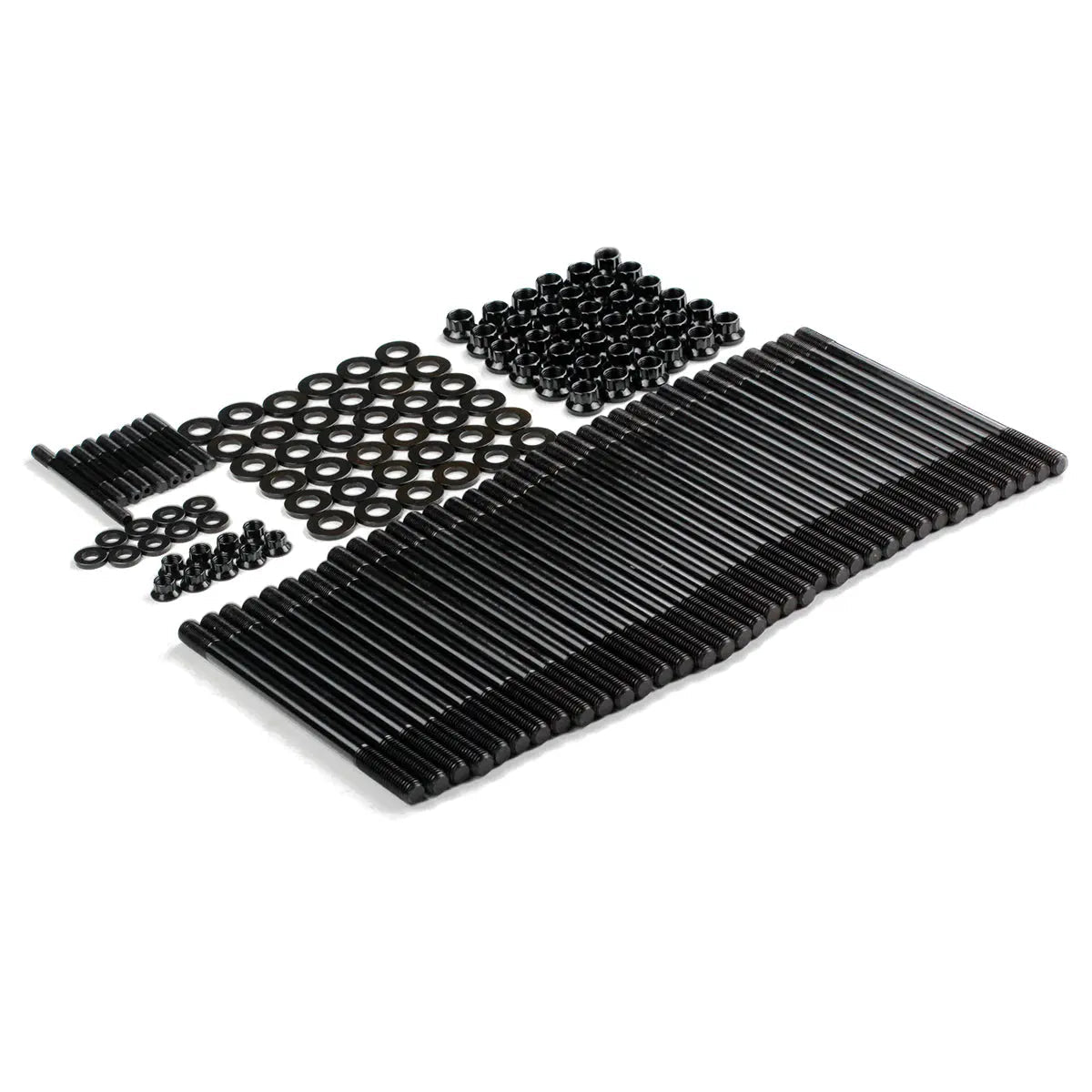
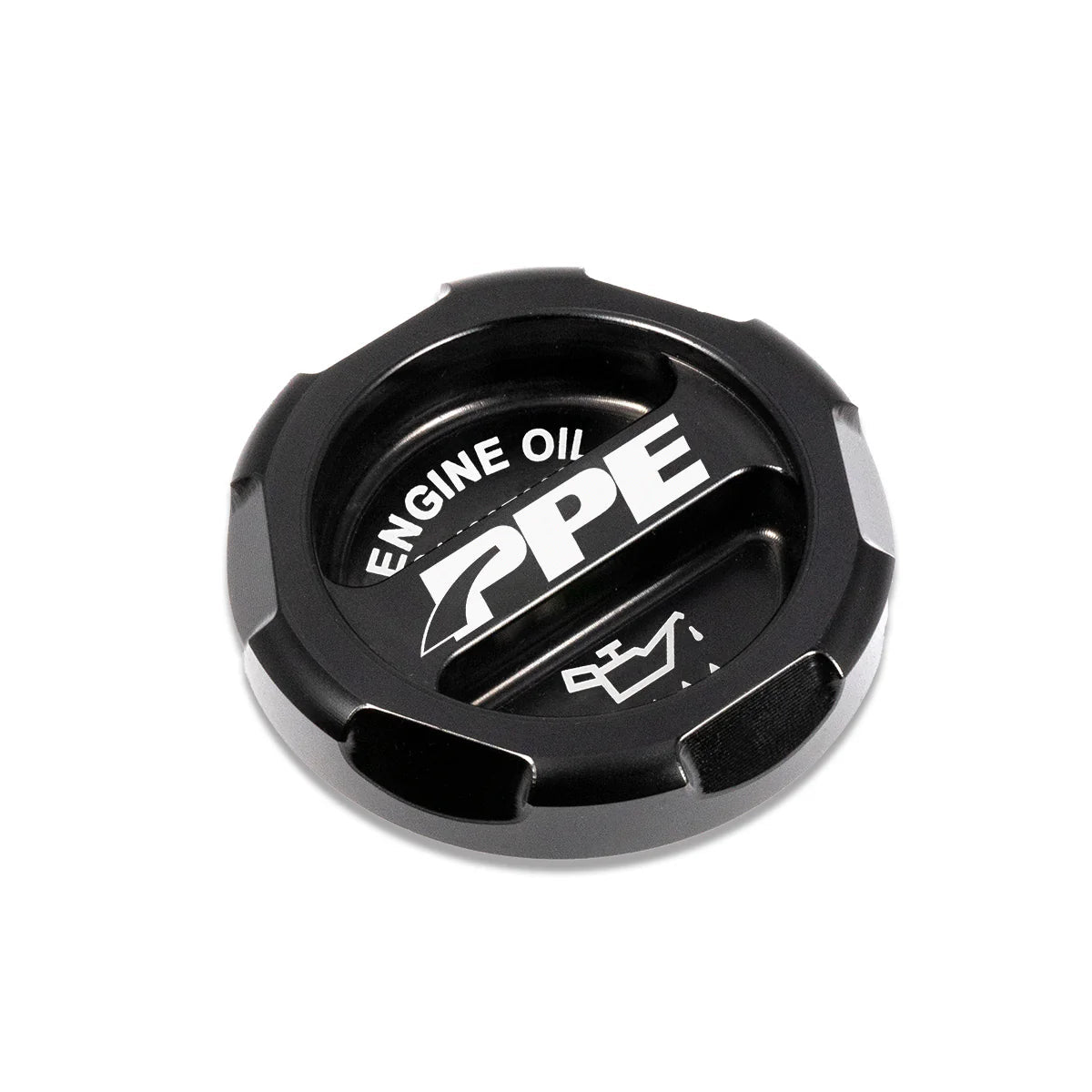
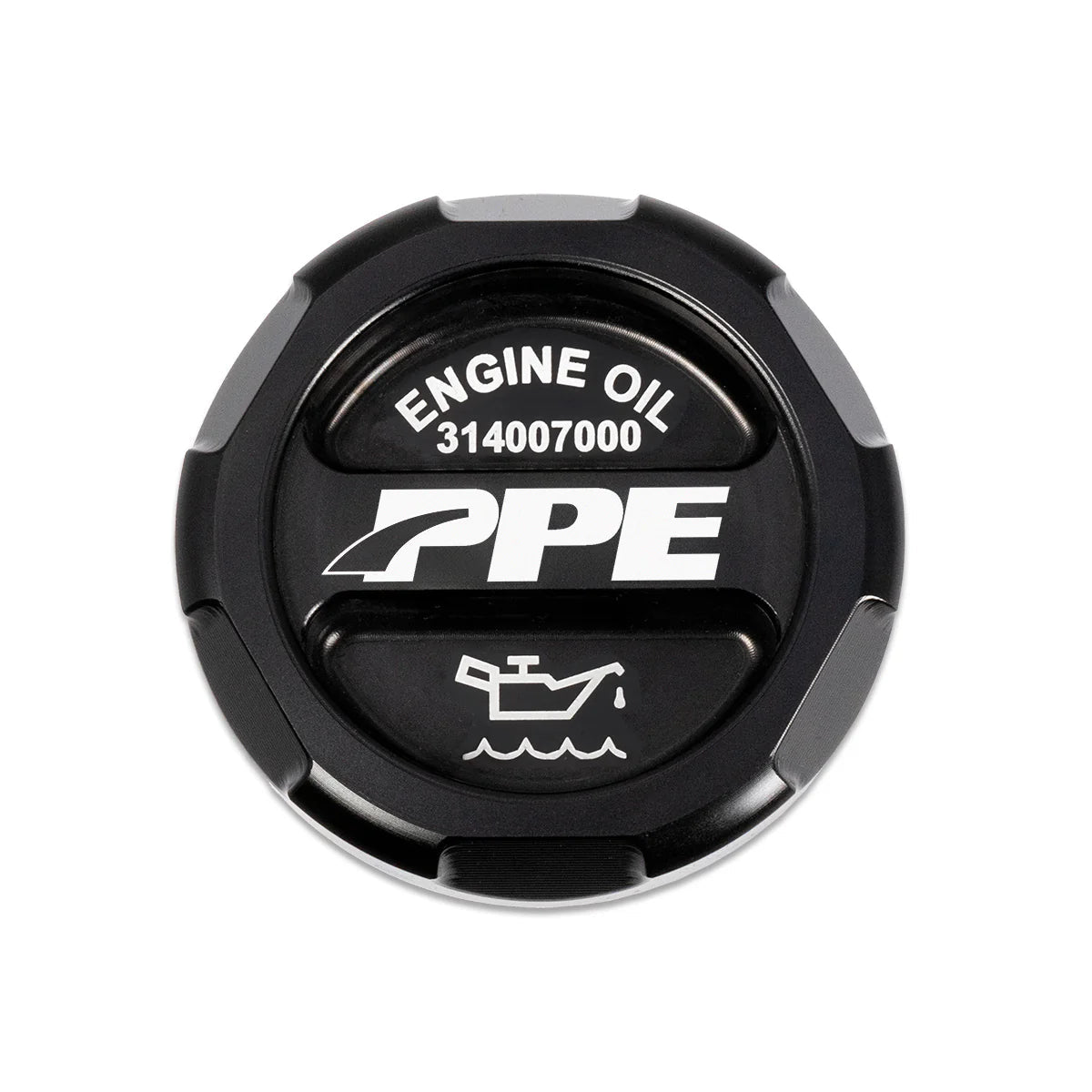
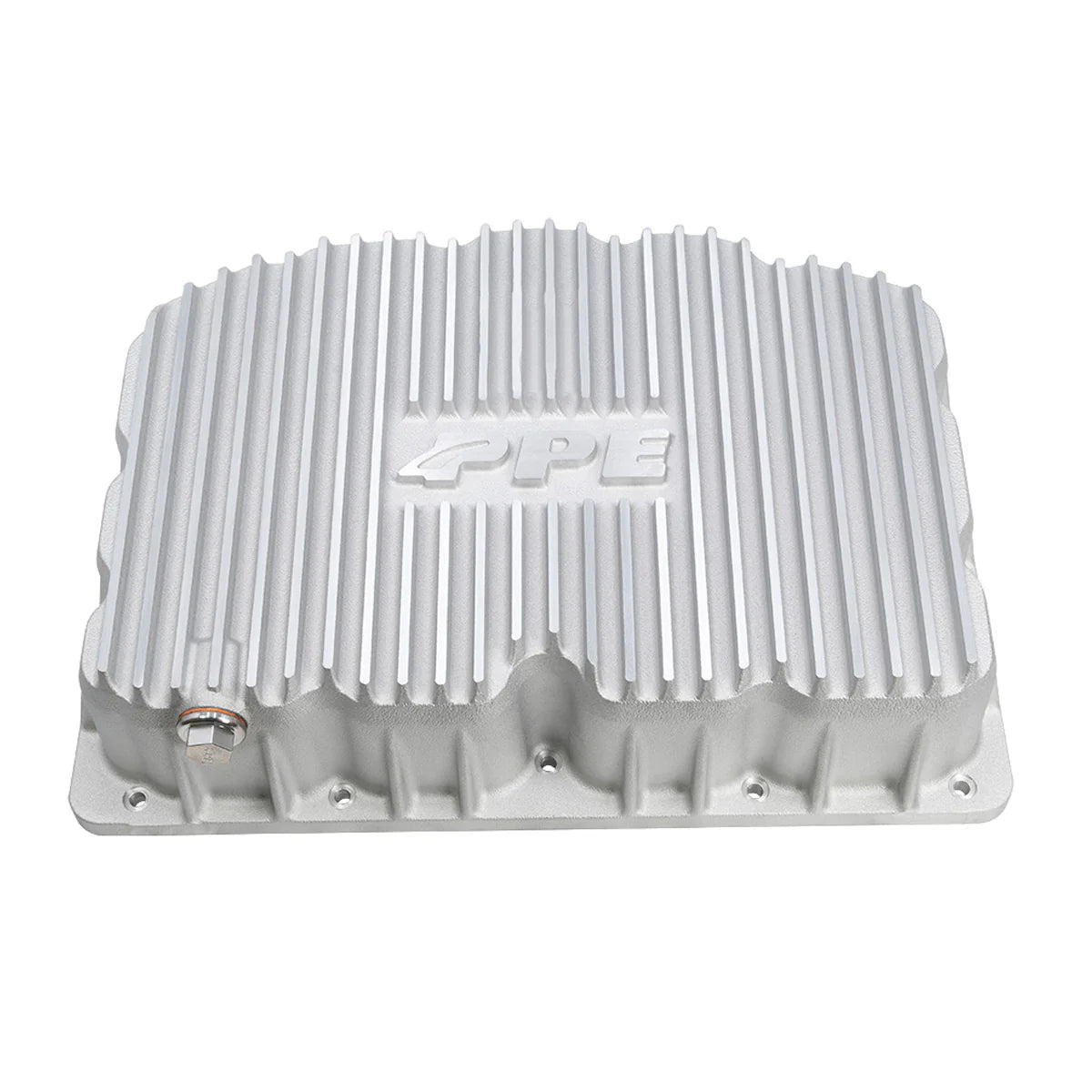
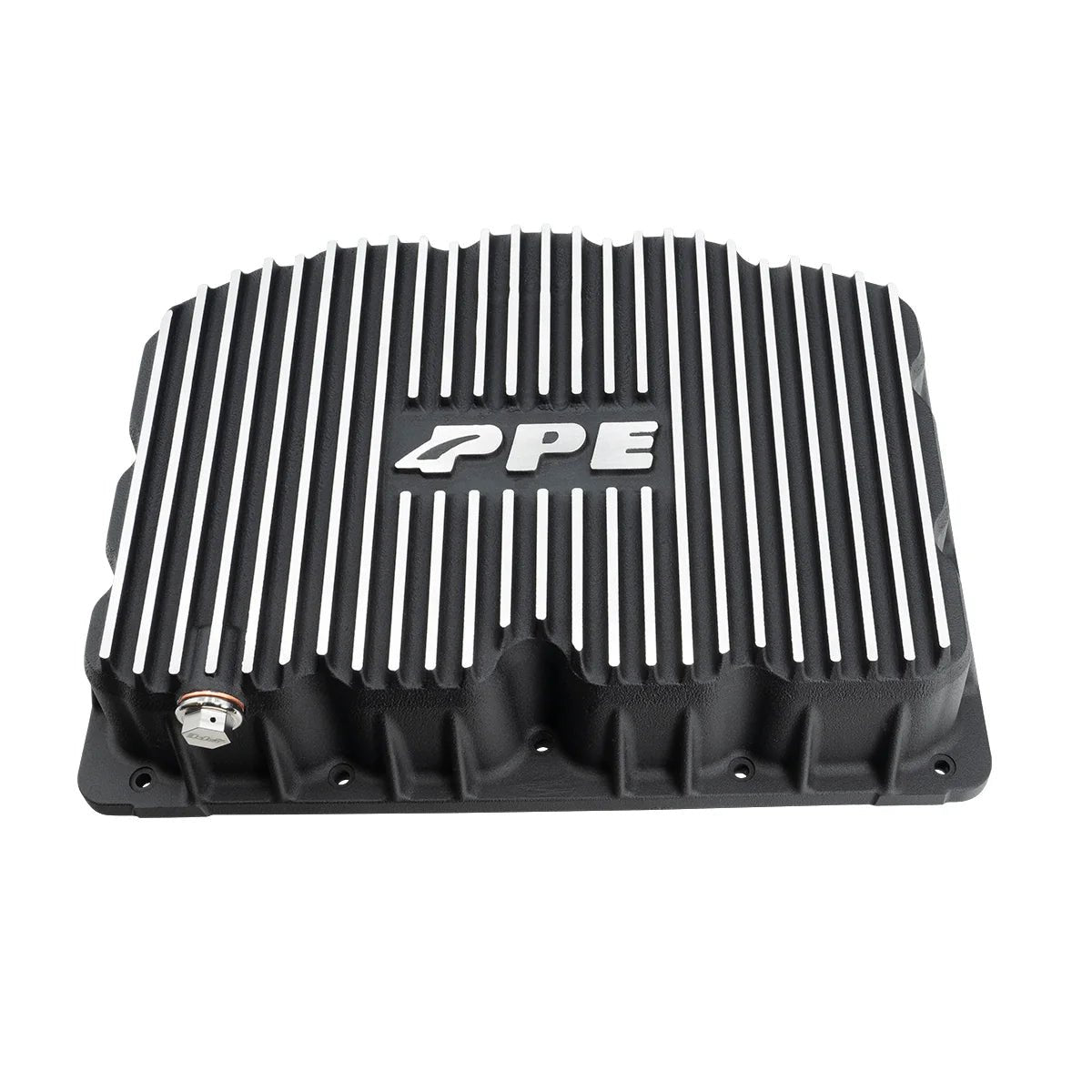
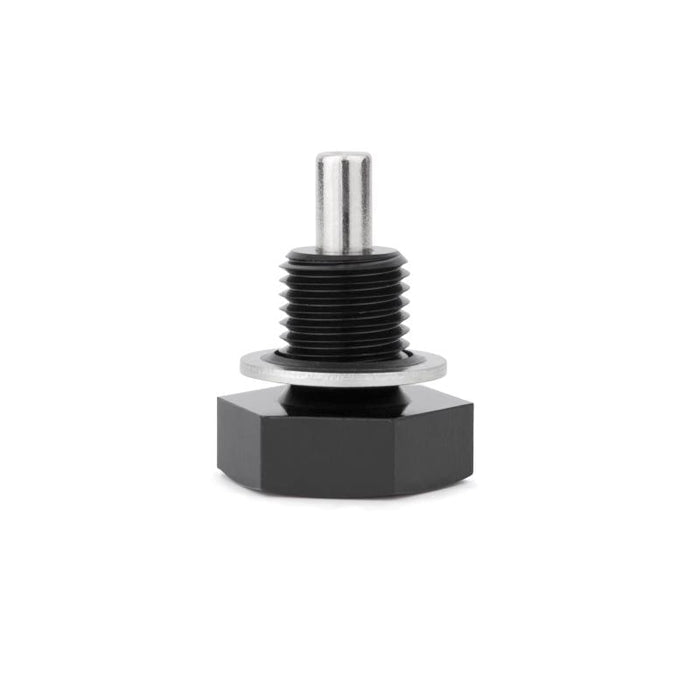
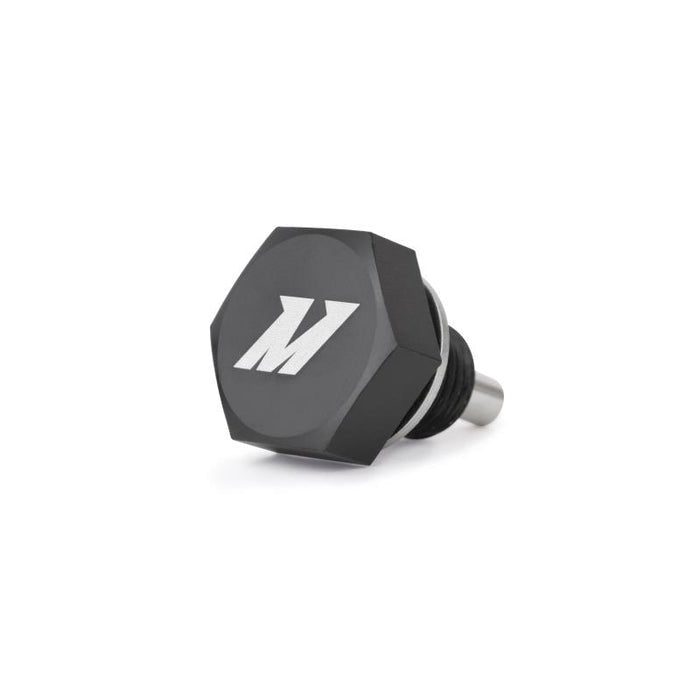
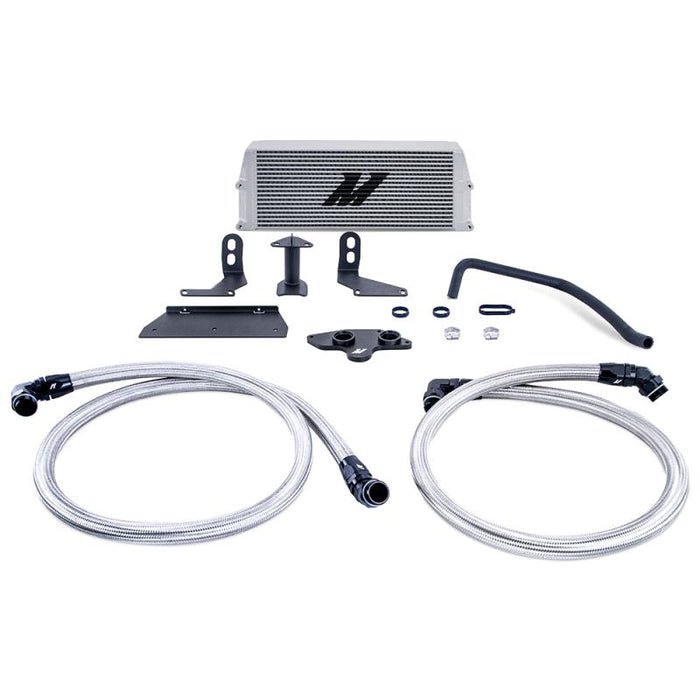
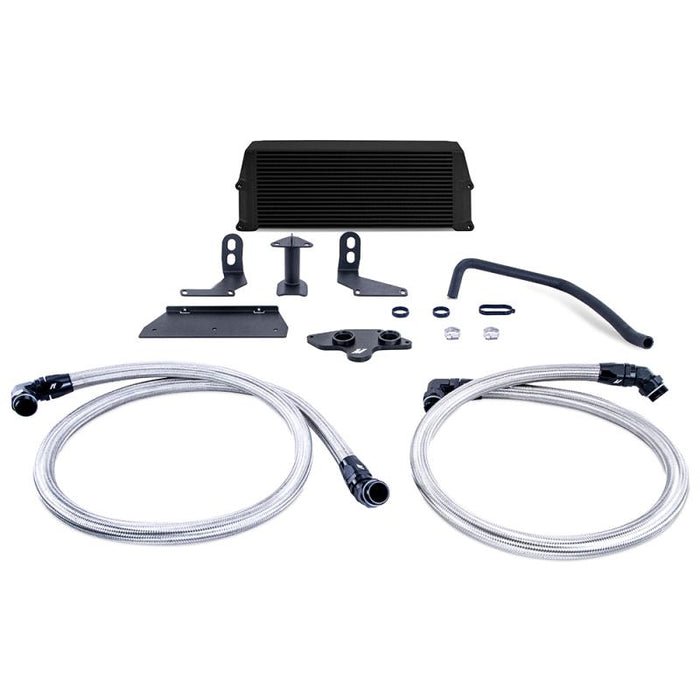
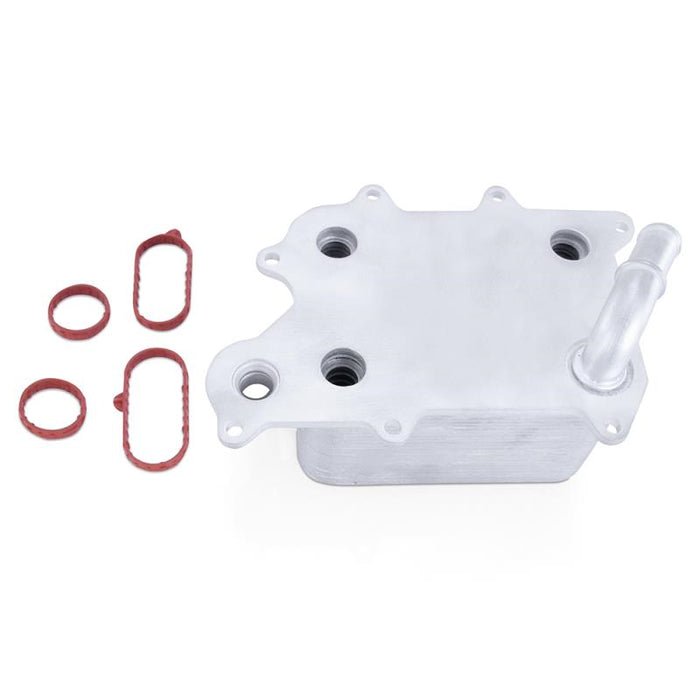
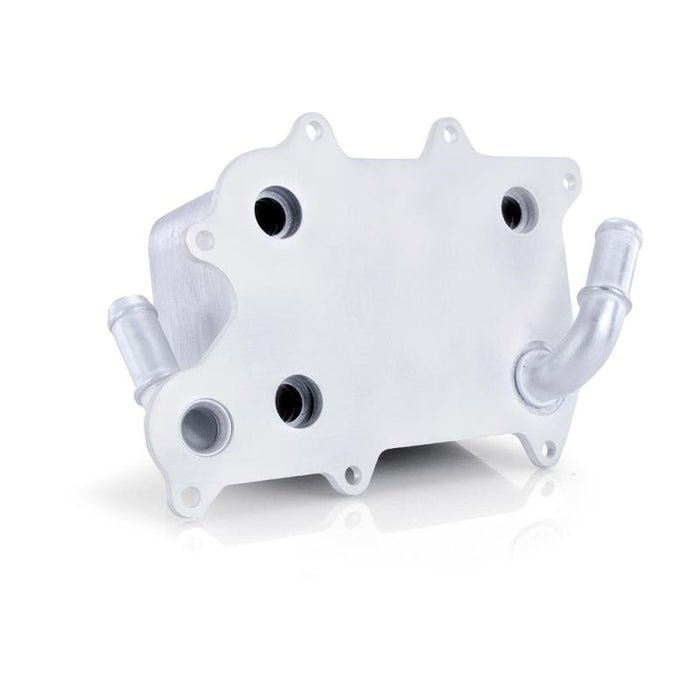
Oil and additives come from Hot Shot's Secret and Lucas Oil, with oil filters from PPE and MAHLE. On the upgrade side, SPE Motorsport offers a billet drain plug, a billet oil pump gear, chromoly pushrods, Stage-2 valve springs and a recirculating CCV kit. PPE adds a head stud kit, a heavy-duty cast aluminum oil pan and a billet fill cap. XDP has a head stud kit, pushrods, a stock-replacement harmonic balancer and an oil pan bolt kit. Mishimoto has replacement and performance oil coolers, Mag-Hytec has an oil pan, and No Limit Fabrication rounds out the oil system parts.
Fitment notes
Three splits catch people on this engine. Pickup or chassis cab: F-350, F-450 and F-550 chassis cabs use a different turbo and calibration, so confirm which you have before ordering turbo or tuning parts. 2011 or 2012-2014: the oil pan, oil cooler hardware and turbo fittings changed for 2012, so some parts are 2011-only. Build date: glow plug part numbers split at December 1, 2012, not at a model year change. Belts split again by single or dual alternator. Many parts here also fit later trucks, and the year range is in every product title. Verify by VIN, or use the fitment checker on the product page.
Frequently asked questions
How do I know if my 2011 has the early exhaust valve problem?
Go by the engine build date, not the model year. The affected engines were built on or before March 29, 2011, and most were repaired under warranty. If you are buying an early 2011, ask for the service records, and treat sudden banging with a loss of power as a reason to shut the engine off.
What oil does the 2011-2014 6.7L Powerstroke take, and how much?
It takes 13.0 quarts with the filter. Ford prefers 10W-30 and lists 5W-40, 15W-40 and 0W-40 as alternatives, meeting API CJ-4 and Ford WSS-M2C171-F1, with synthetic recommended. Change it every 10,000 miles in normal service or every 5,000 in severe service.
Why is the oil level on my dipstick going up?
On this engine, look at fuel dilution first. Post-injection during active DPF regeneration can wash fuel into the oil, and you will often smell diesel on the dipstick. It is worst on trucks that make short trips or idle a lot; more highway time and less idling reduce it.
Oil is dripping off my bell housing. Is it the rear main seal?
Maybe not. Upper oil pan and rear cover leaks on this engine run down to the bell housing and are frequently misdiagnosed as a rear main seal. The repair means dropping the transmission or lifting the engine, so pin down the source before you start.
How often should the CCV separator be replaced?
Every 30,000 to 40,000 miles. A clogged separator raises crankcase pressure, pushes oil past healthy seals and fills the charge pipes with oil, and it has been linked to turbo oil-seal failure. Owners also report getting 1 to 2 mpg back after a replacement.
Not sure what fits? Call the shop at the number in the header, or use the fitment checker on any product page. We install everything we sell.