
Shop Fuel System by Category


Filters
57 products


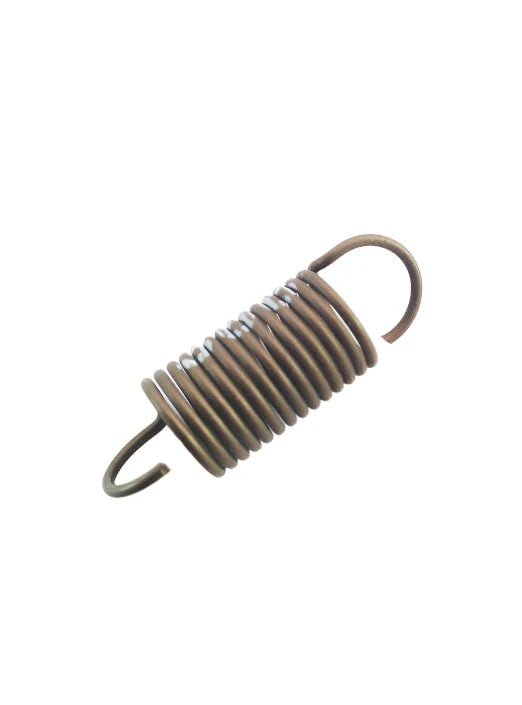
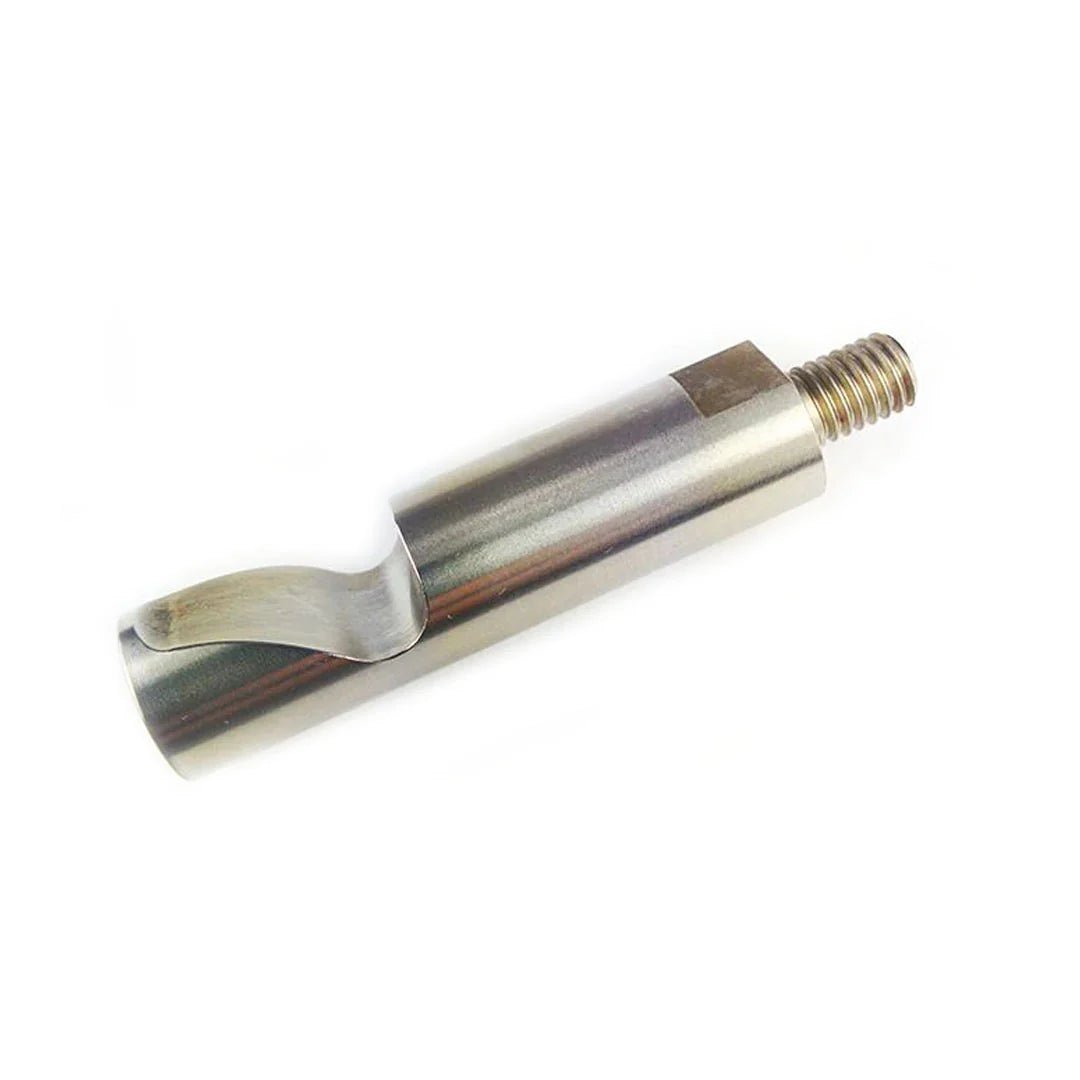
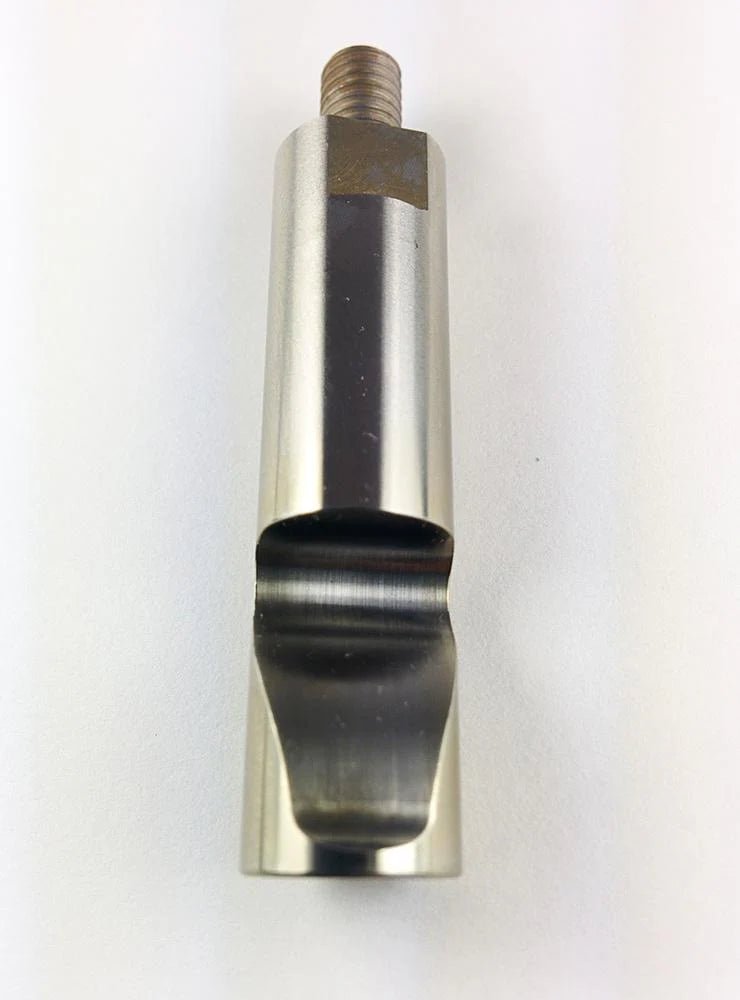
Not sure it fits your truck?
Our Wildwood, FL techs will confirm the right part for your build before you buy.
Call or Text (352) 722-5295The fuel system on the 1989-1993 Ram 5.9L Cummins
First-gen Cummins trucks are about as simple as a diesel fuel system gets. There is no ECM, no common rail and no CP3 or CP4. A lever-arm transfer pump rides a camshaft lobe and pulls fuel from the tank through a Fleetguard FS1232 filter and water separator. It feeds a Bosch VE44 rotary injection pump on the driver side of the gear housing, driven off the front gear train. The VE does the real work: one plunger meters and pressurizes fuel for all six cylinders in turn, sending it through six individual steel lines to mechanical Bosch injectors. The lift pump only moves fuel; the VE makes the injection pressure. Fueling is set inside the pump by the fuel pin, the governor spring and the AFC, which reads manifold boost through its own reference line. Every year carries the same factory rating, 160 hp at 2,500 rpm and 400 lb-ft at 1,600 rpm, and all five model years use the VE. The Bosch P7100 inline pump did not arrive until 1994.
What fails and why
These trucks are more than 30 years old, and the fuel system wears in a few predictable places.
- Transfer pump and pickup. The cam-driven mechanical pump loses output with age, and the factory draw-straw pickup loses suction at roughly a quarter tank. Expect hard starting after the truck sits, power loss under load, surging or stalling at low fuel, and air you have to purge with the hand primer.
- VE pump seals. The throttle-shaft O-ring and the head and cover seals harden over the decades. Diesel weeping at the throttle shaft or pump body, a fuel smell or a slow drip onto the block is the sign.
- Throttle linkage. A stretched cable and worn linkage keep the pump arm from reaching full travel. Diesel Army found one truck turning only about 1,900 rpm that should have spun past 2,500. Nearly an inch of pedal play and a flat top end point here before they point at the pump.
- ULSD lubricity. The VE and the mechanical injectors were designed for higher-sulfur fuel. The 2007 ULSD mandate cut that natural lubricity, and older mechanical pumps may need an additive to hold off wear.
- Worn injectors. The evidence here is anecdotal, but on very high-mileage engines, weak pop pressure gets blamed for smoke, rough idle, uneven cylinder contribution and lost economy.
Stock replacement vs. upgrade
If the truck runs right and you're happy at stock power, stay stock-style. That means an OEM-type diaphragm transfer pump, a fresh FS1232 every 12,000 miles or 12 months (6,000 miles or 6 months in severe service), a reseal for a VE that leaks but runs well, and stock injectors matched to your intercooler setup. Restoring the throttle linkage with a pedal spacer, shortened ball-socket link and a correct kickdown adjustment gives back full pump-lever travel without touching fueling.
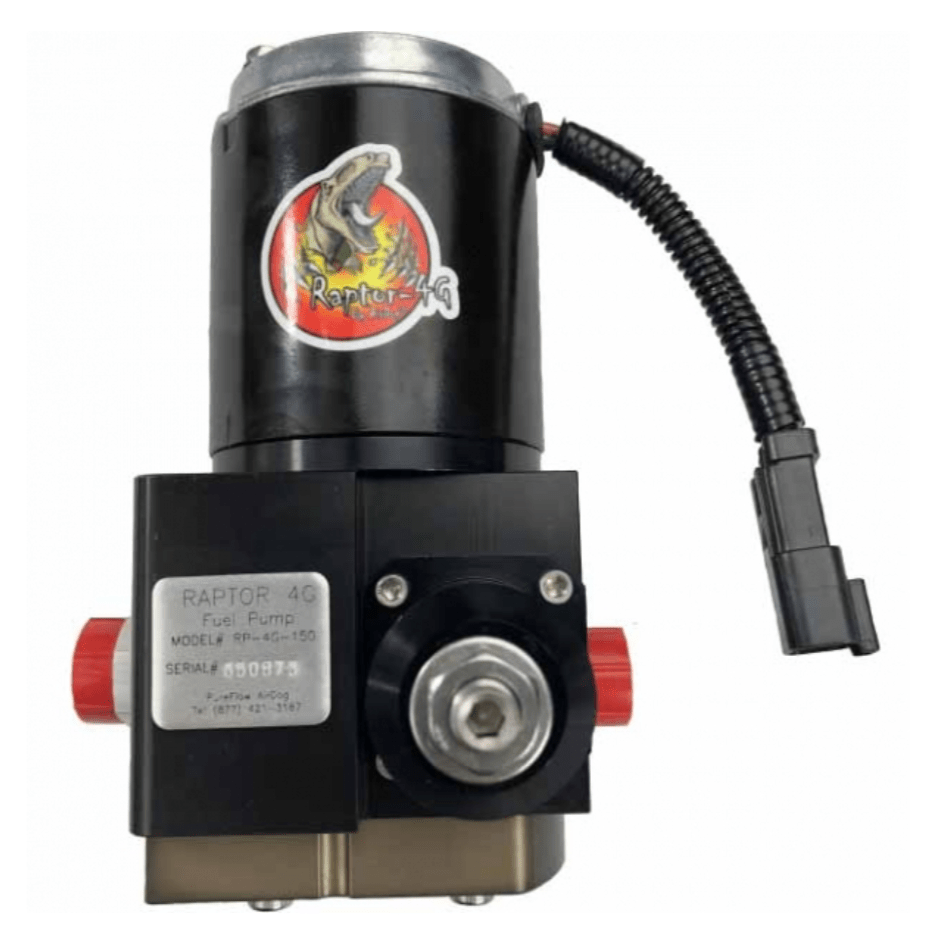
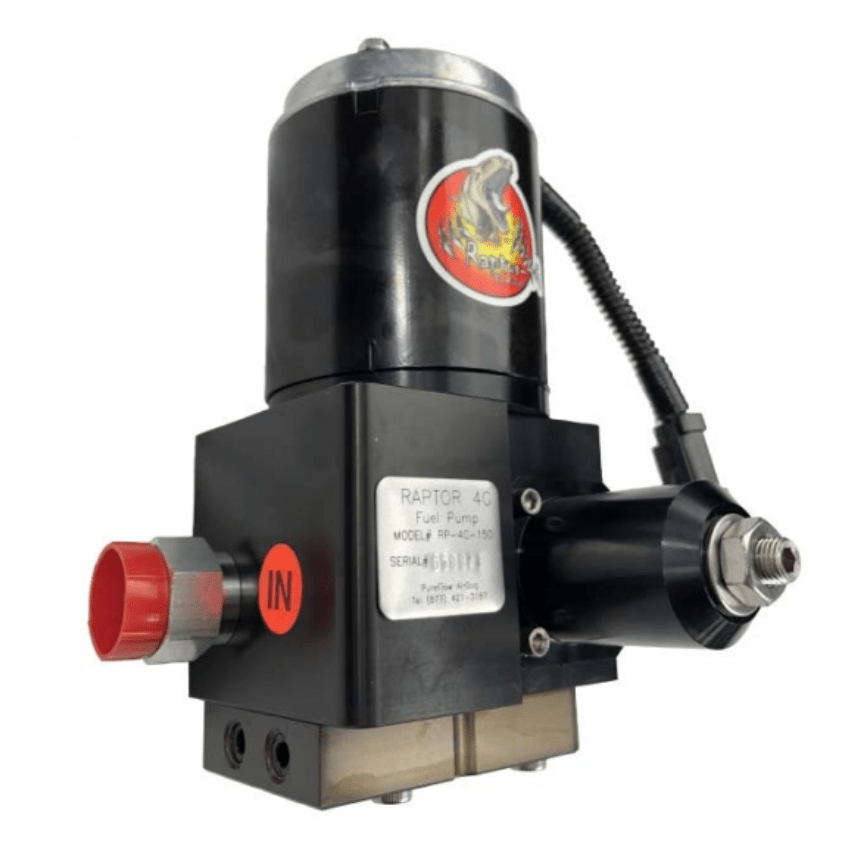
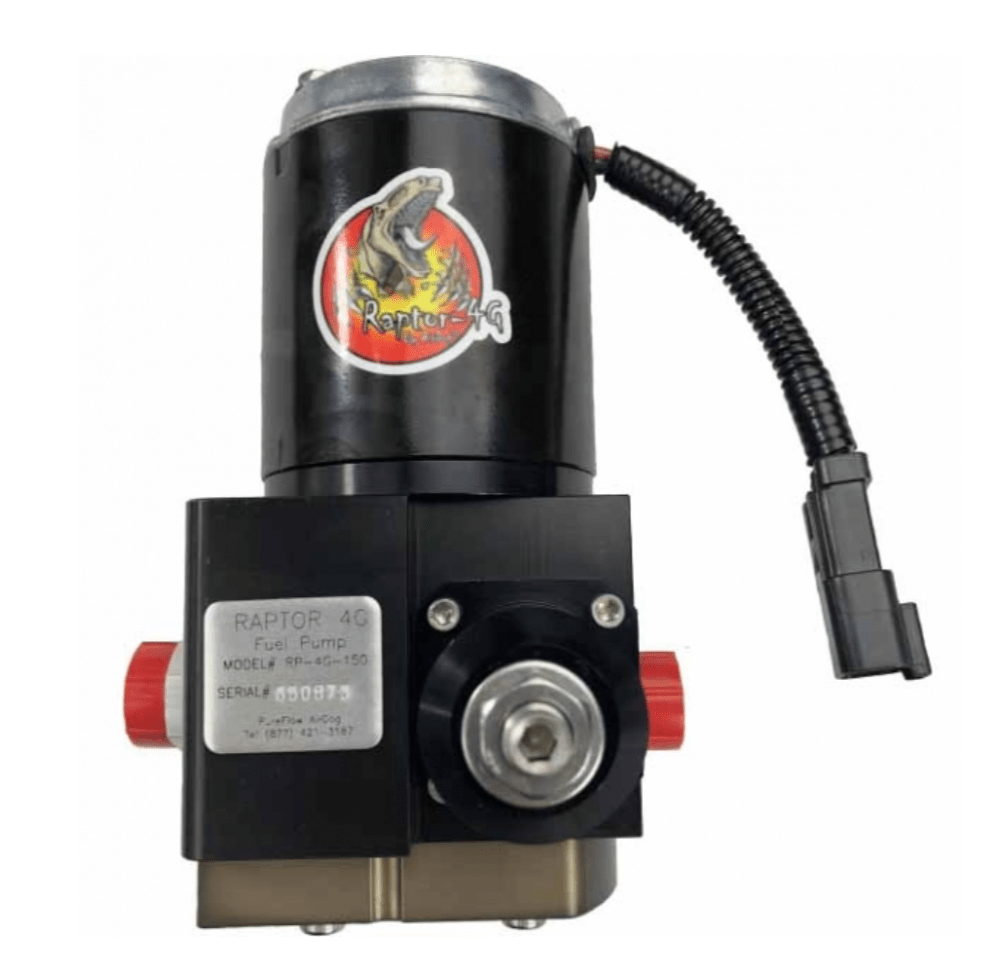
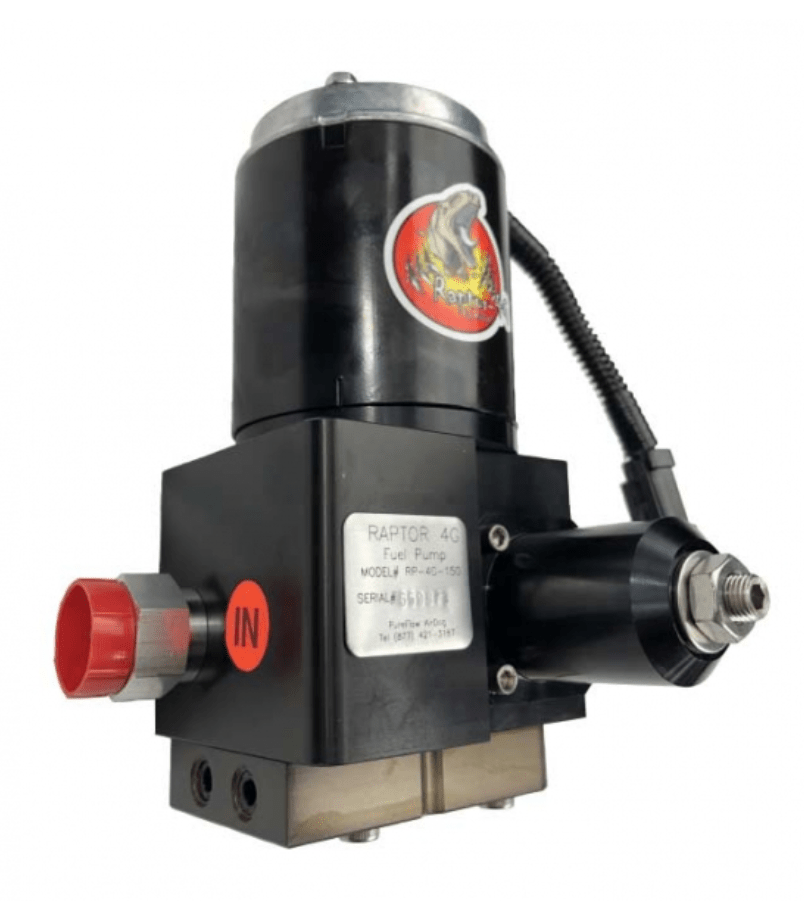
The standard supply upgrade is an electric lift pump with its own filtration. FASS Titanium Signature systems and AirDog II-5G and Raptor pumps are listed with 1989-1993 12-valve fitment, and a block-off plate covers the mechanical pump boss once the old pump comes off. A fuel sump replaces the draw straw with a bottom pickup to end quarter-tank suction problems. Past that, staged injectors need a matching pump and supply. Diesel Army rates the VE as topping out around 500 hp, and the P7100 from 1994-1998 trucks is the conversion pump beyond that. A P-pump swap is not a bolt-on job.
What we carry
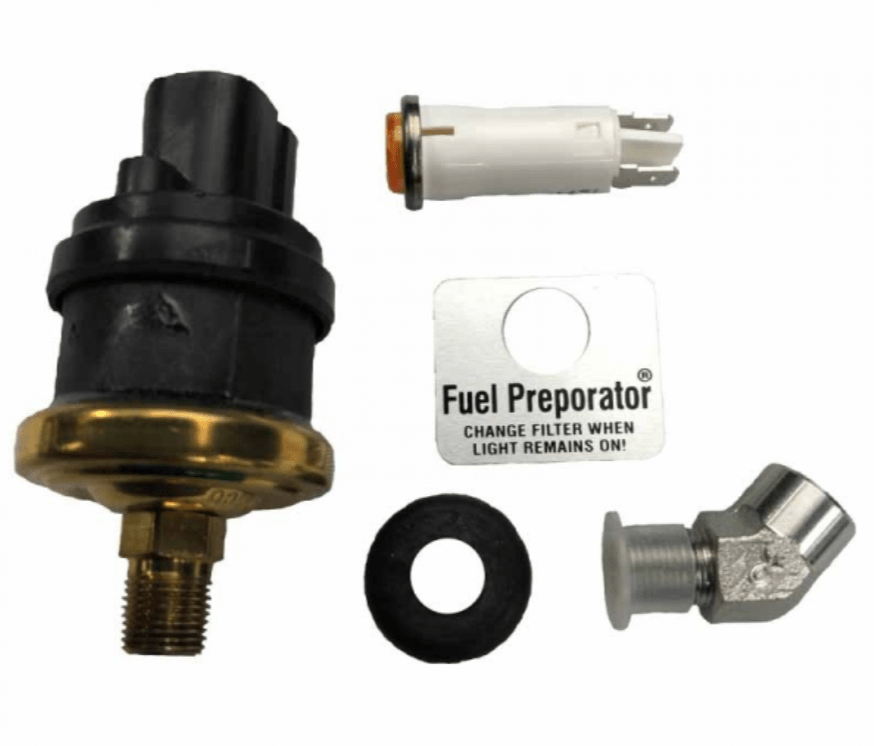
Supply and filtration: FASS Titanium Signature Series and Signature Series PLUS systems titled for 1989-1993 trucks, FASS Filter Packs, extreme water separators and extended-length particulate filters, and AirDog air/fuel separation systems, Raptor pumps and replacement filters. XDP MFG adds one-hole fuel tank sumps, with or without a return, and a mechanical lift pump block-off plate titled for 1989-2002. For a stock-style repair, Alliant Power has the AP63478 fuel transfer pump titled for 1989-1993. Our full lift pump lineup is one click away.
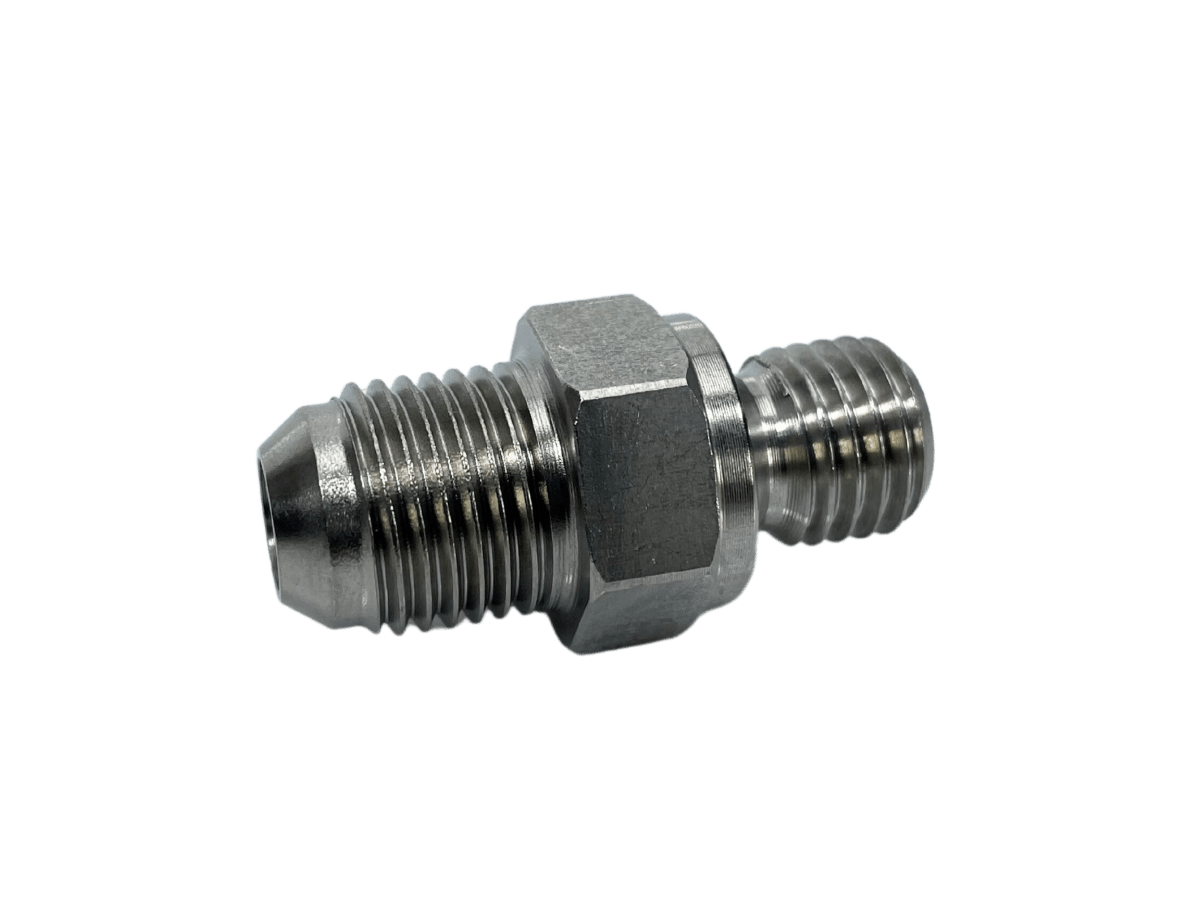
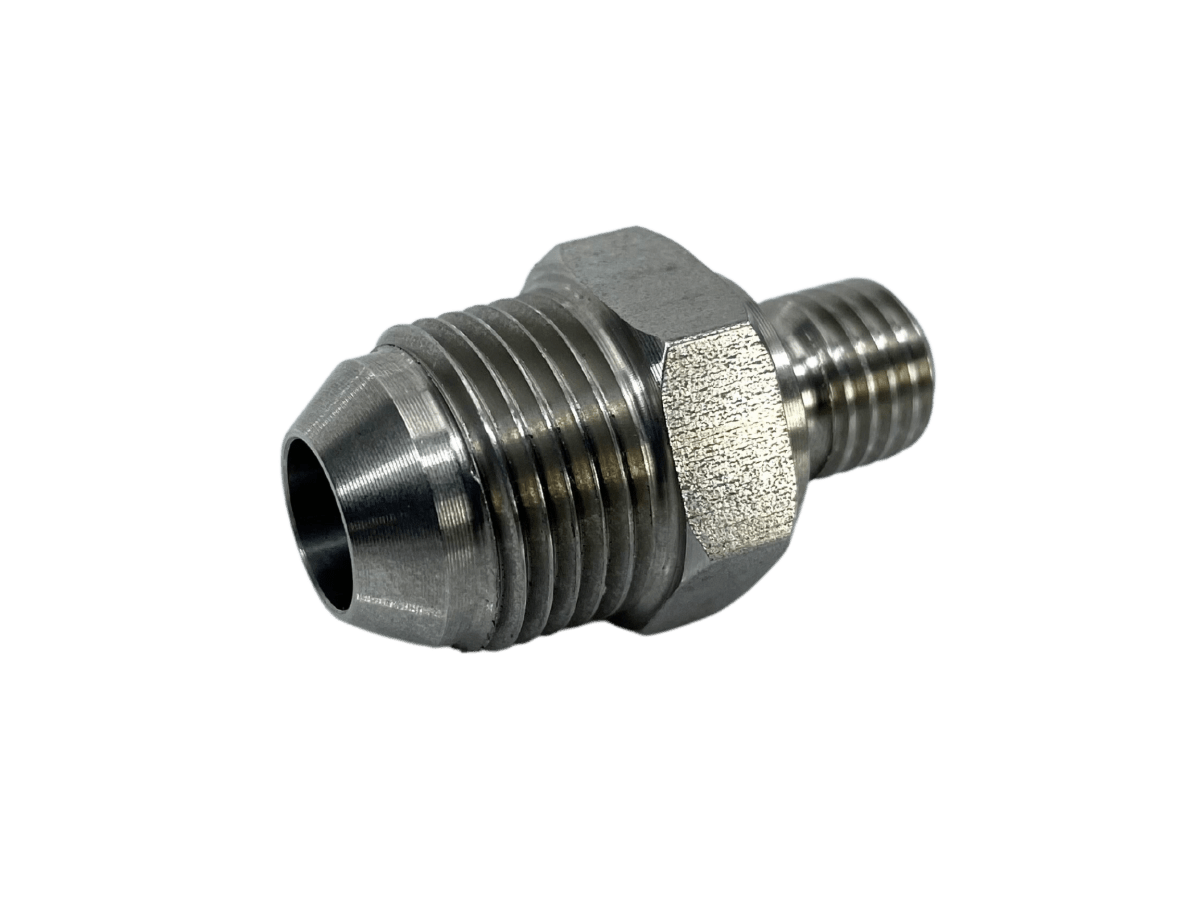
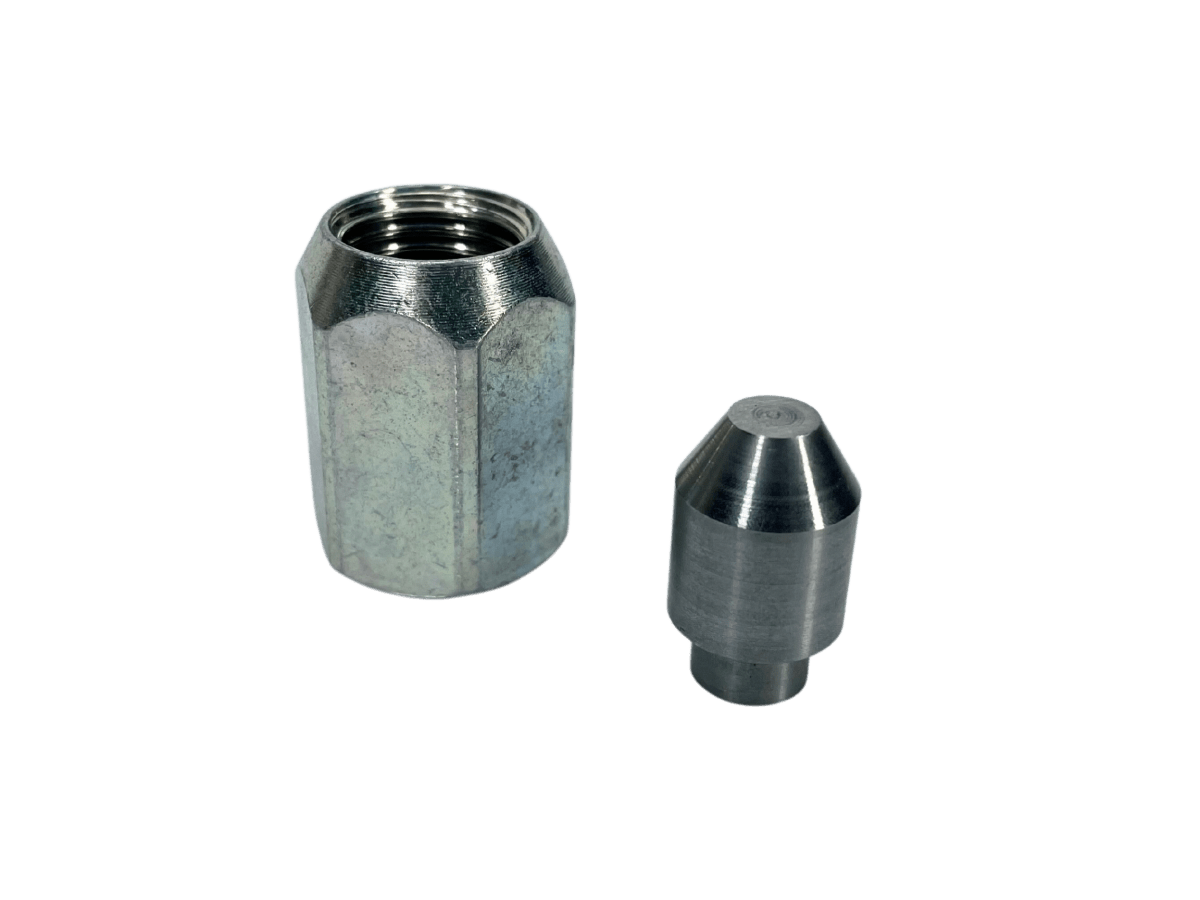
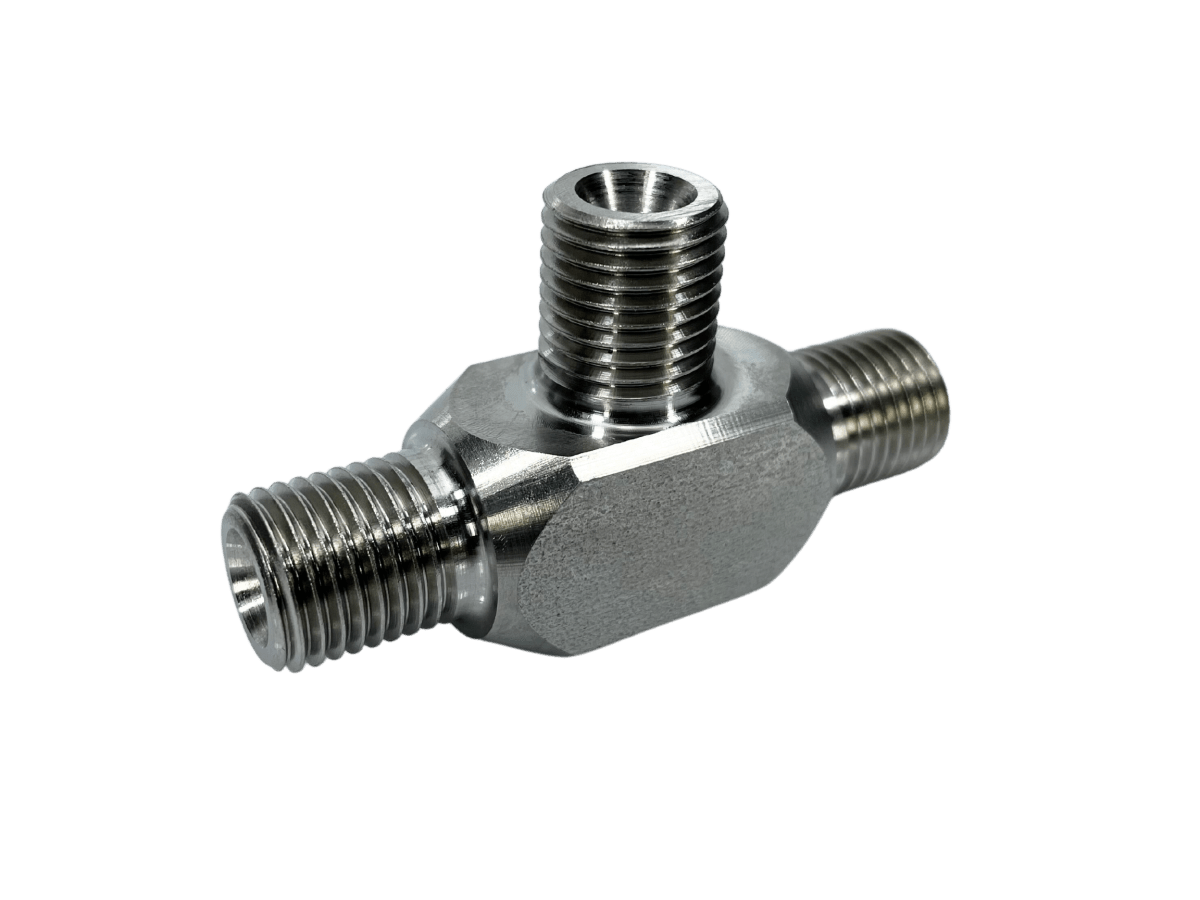
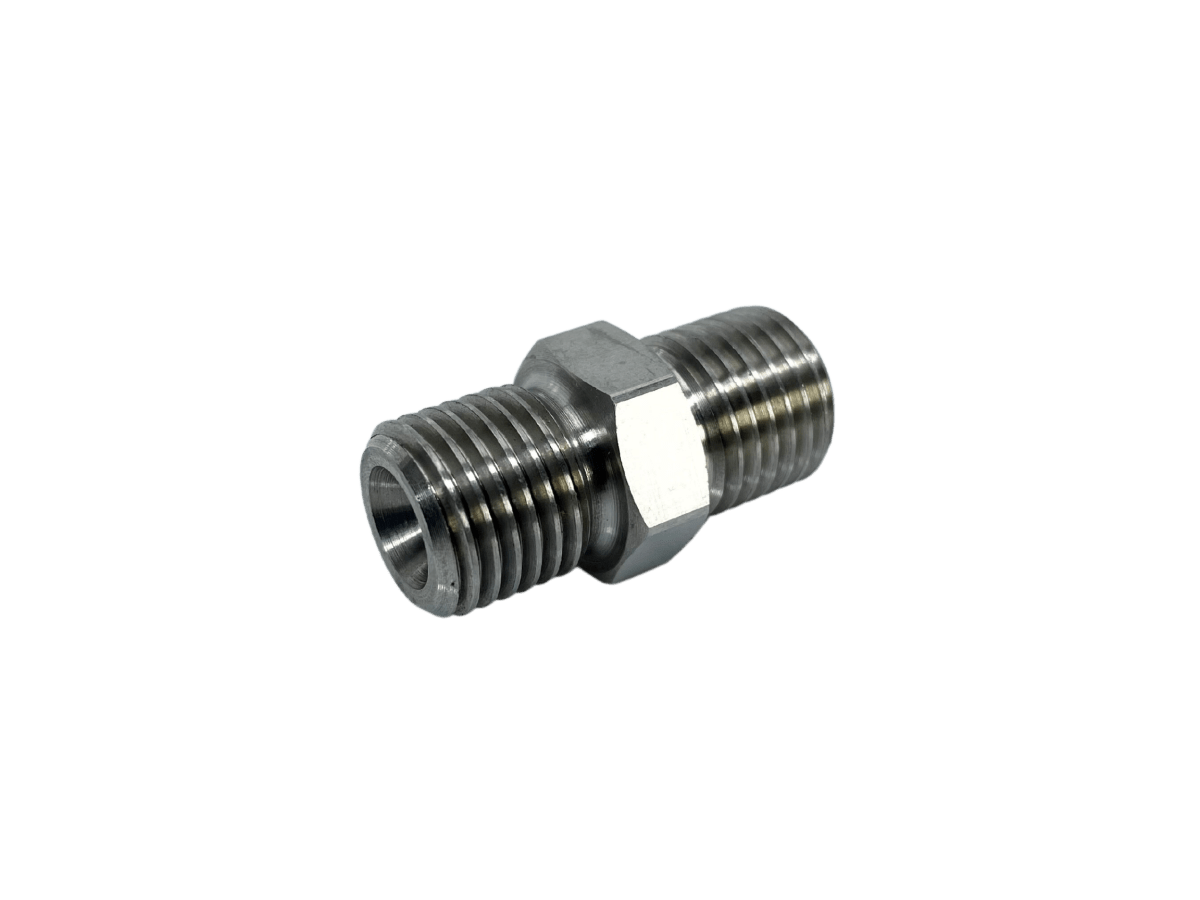
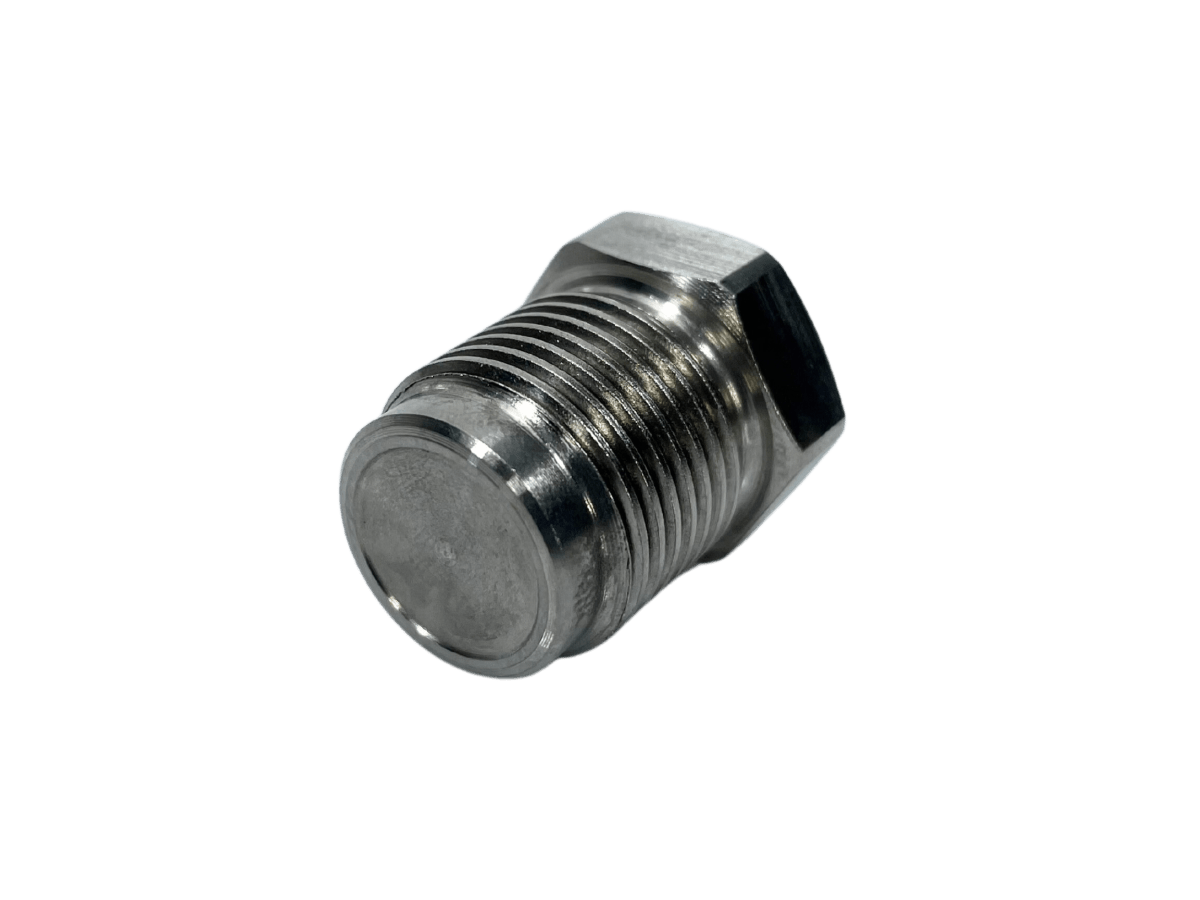
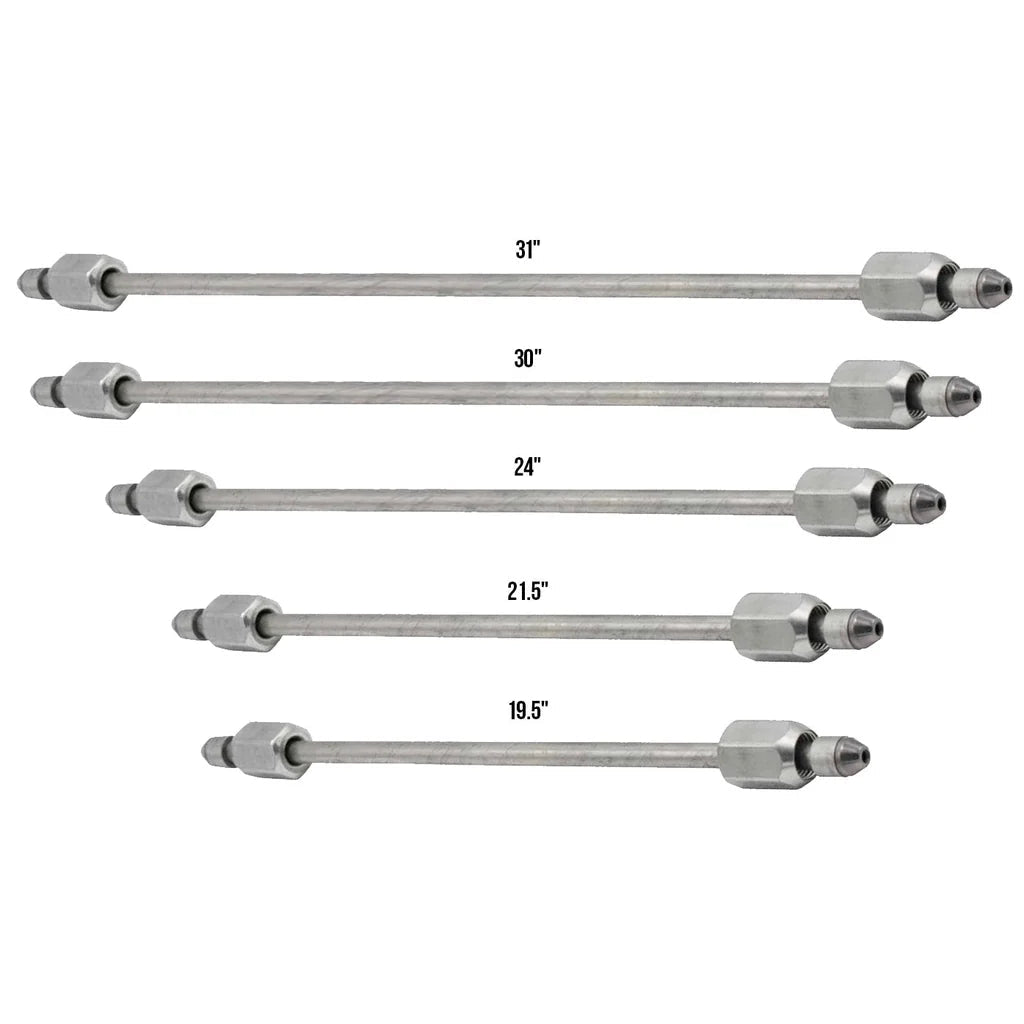
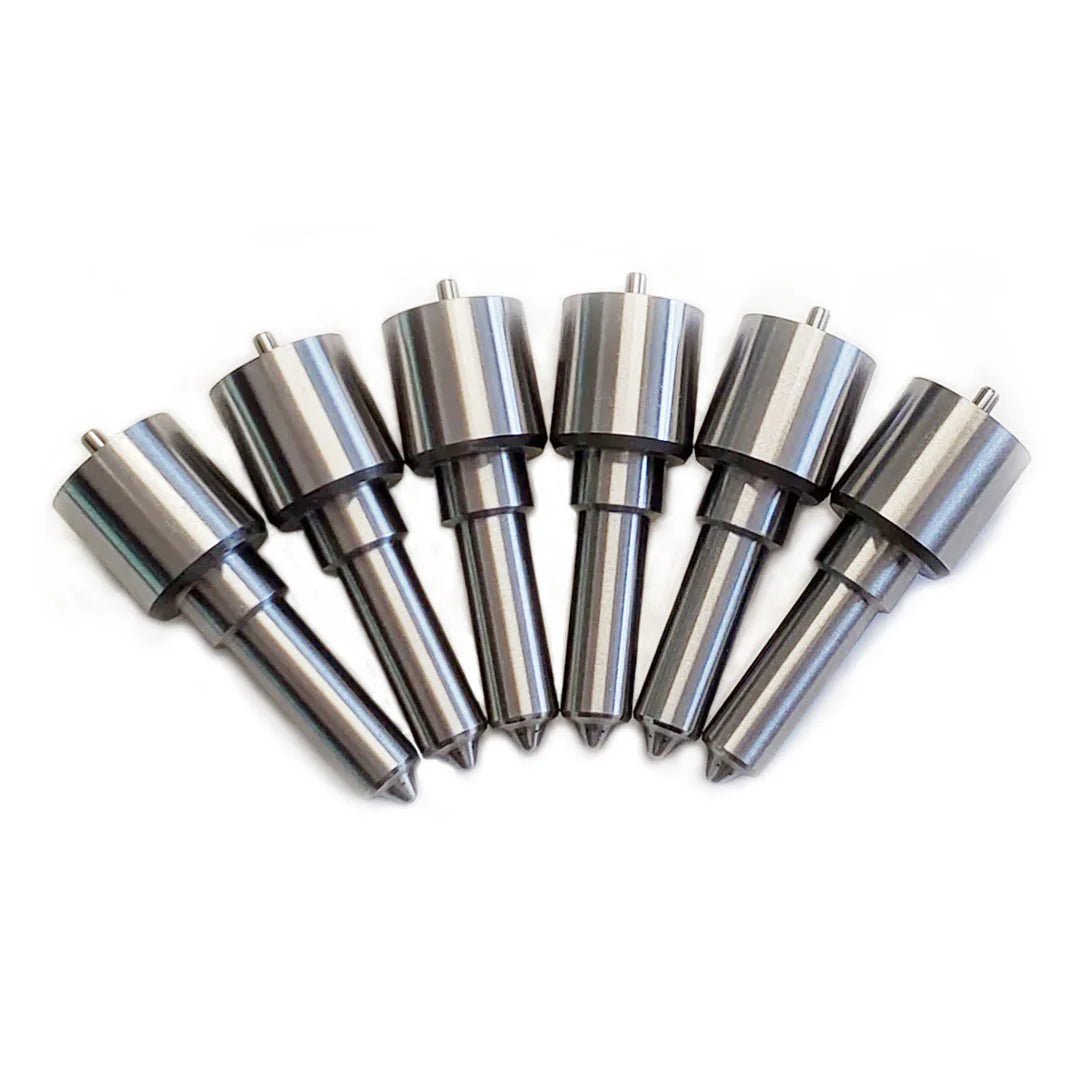
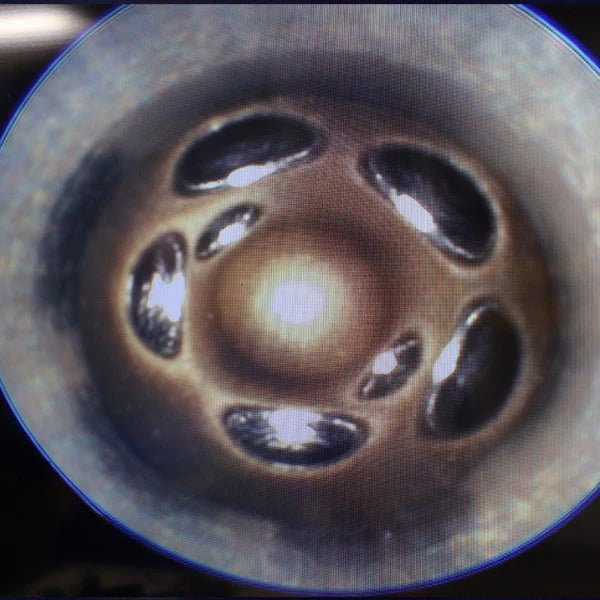
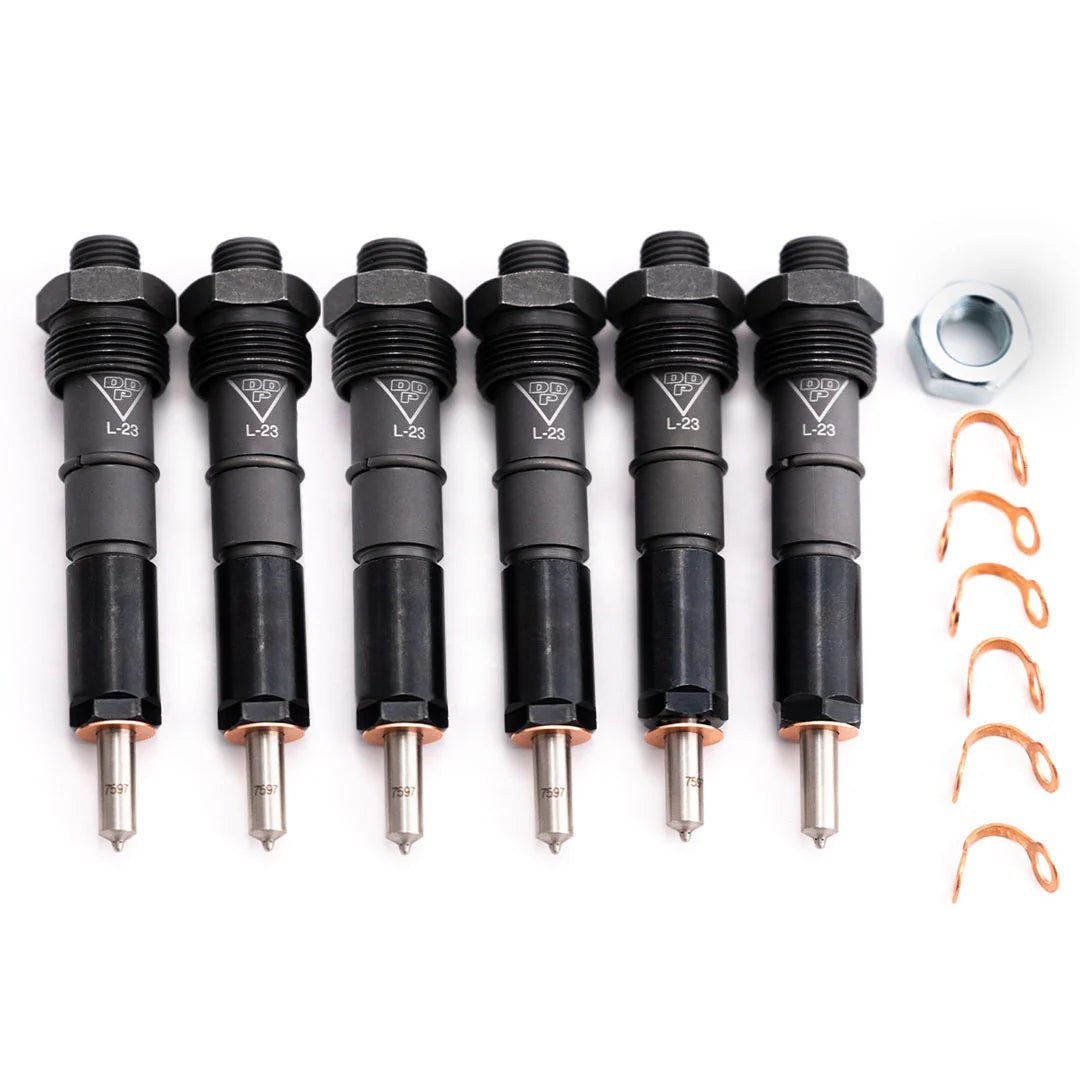
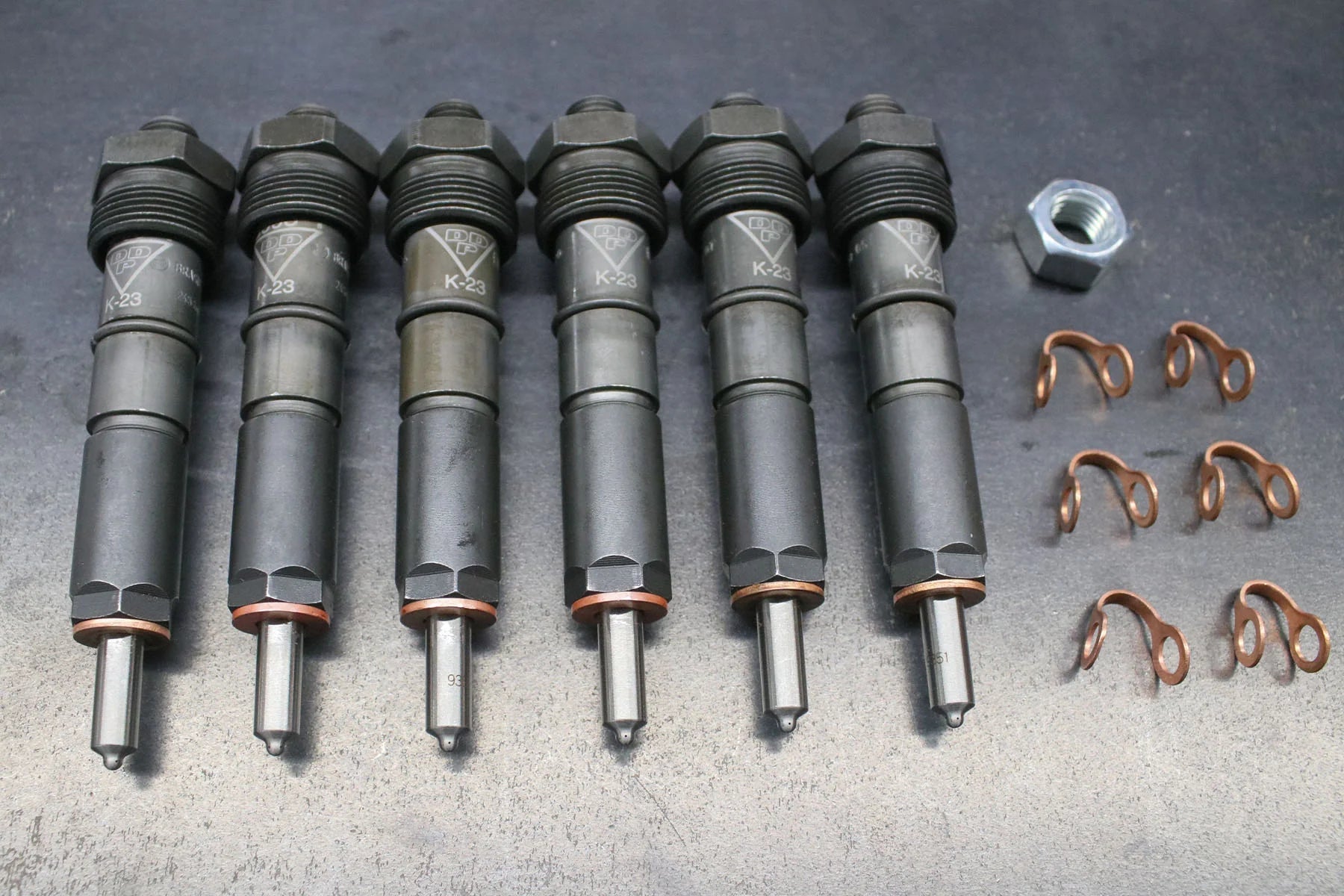
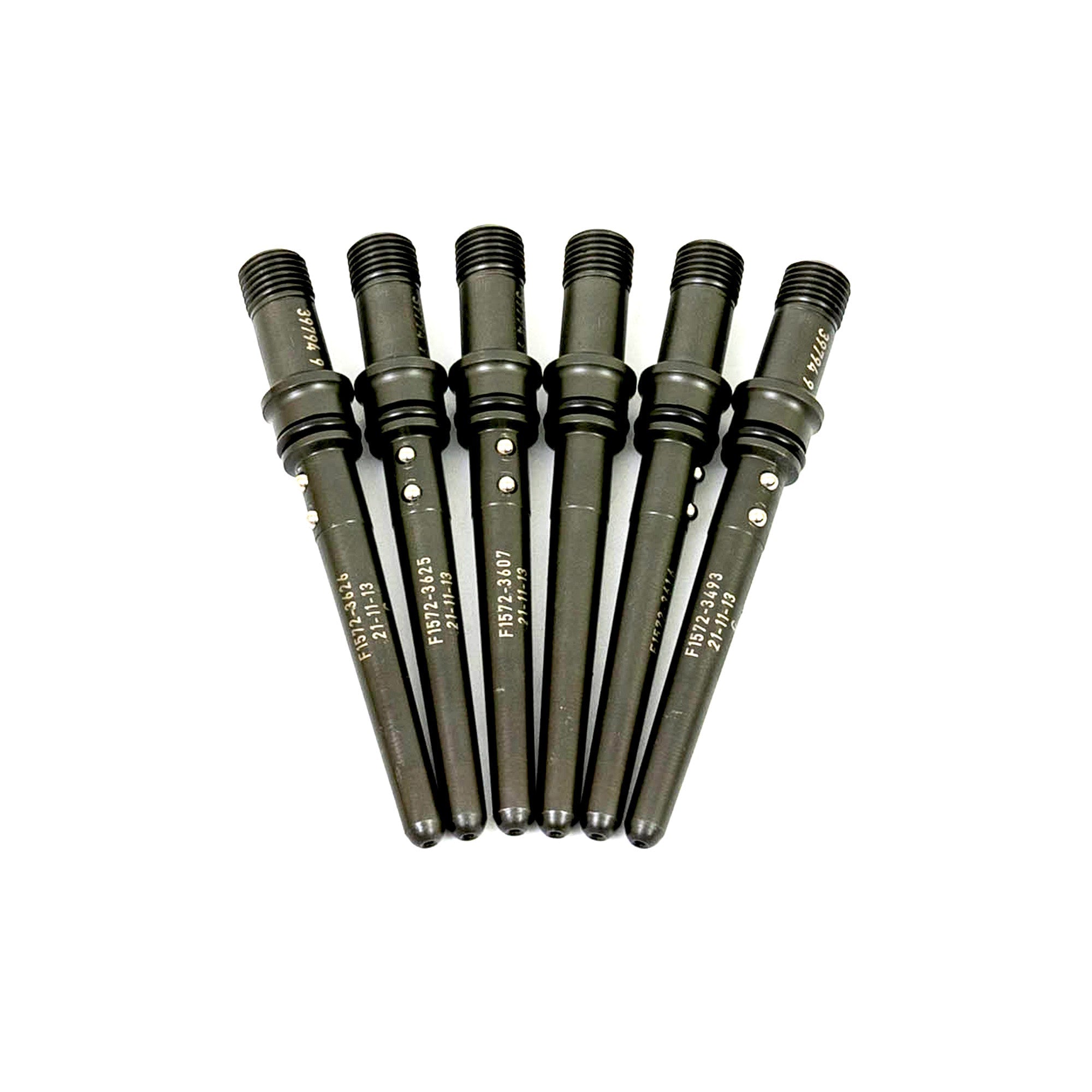
Injection side: a genuine Cummins 4932713 VE injection pump gear, a MAHLE fuel heater gasket, and Dynomite Diesel 12-valve nozzle and injector sets plus oversized high-pressure injection lines. Exergy Performance fittings, rail plugs and CP3 supply fittings are listed here as well; read the fitment notes below before ordering those. Shopping a full set? Browse all injectors.
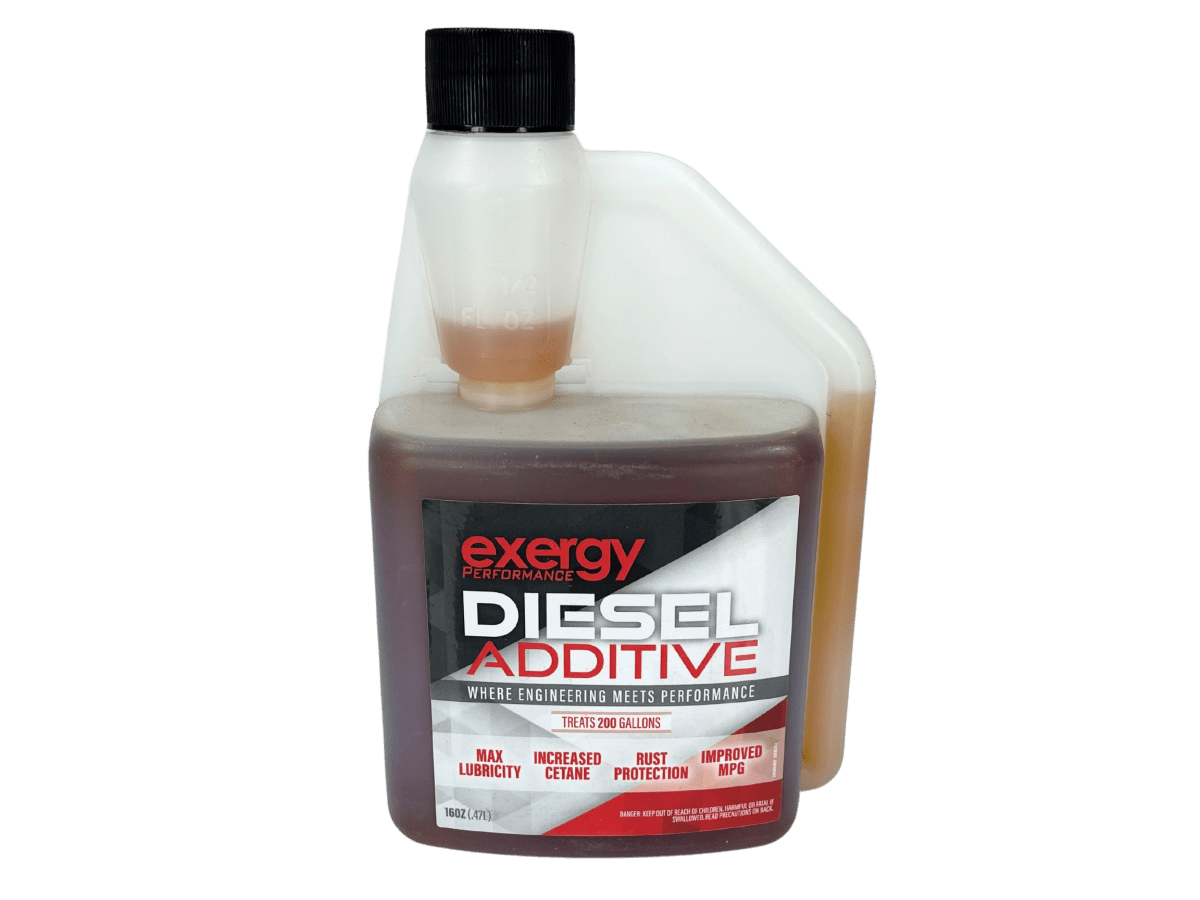
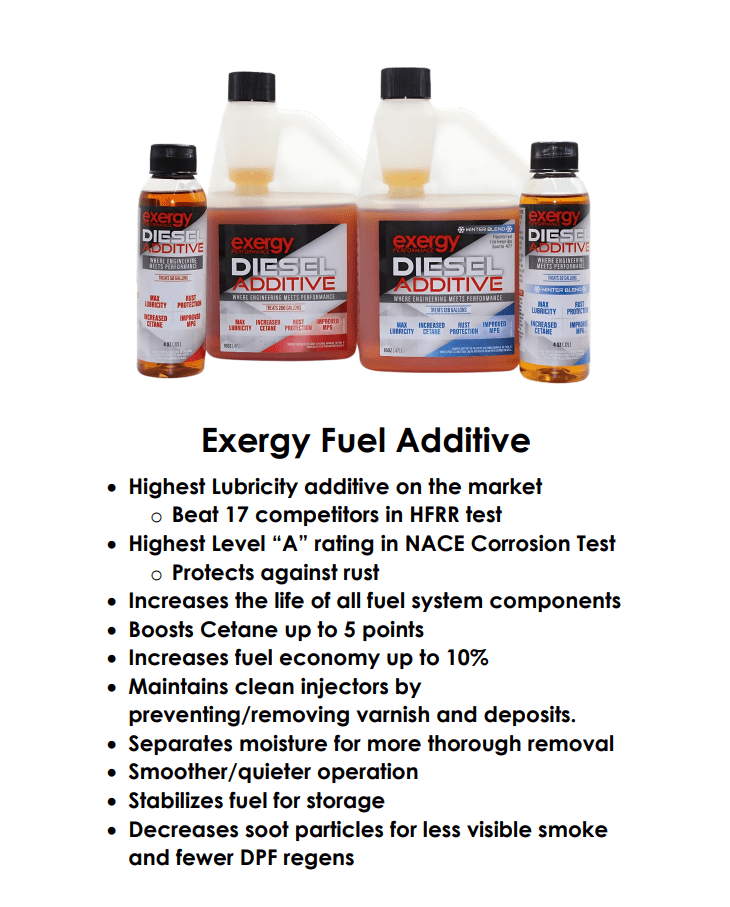
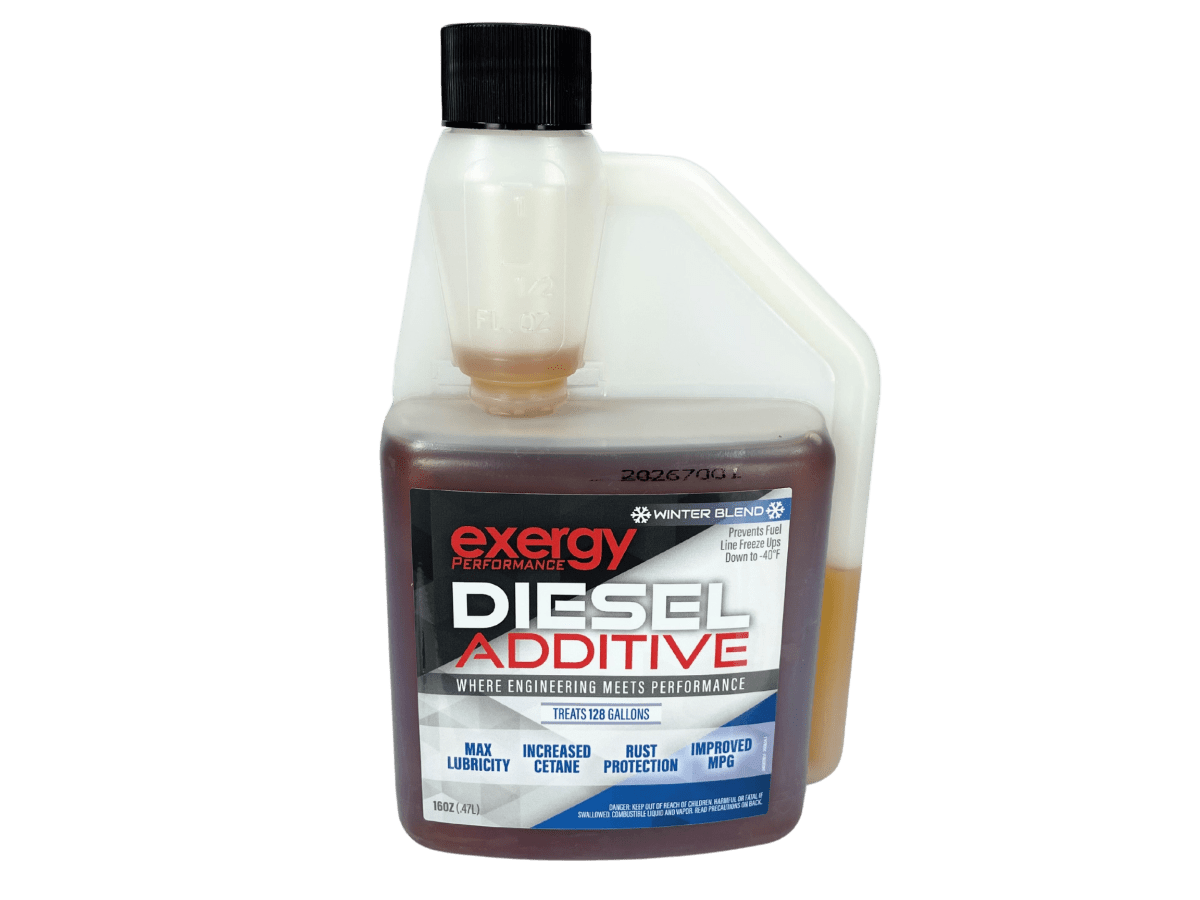
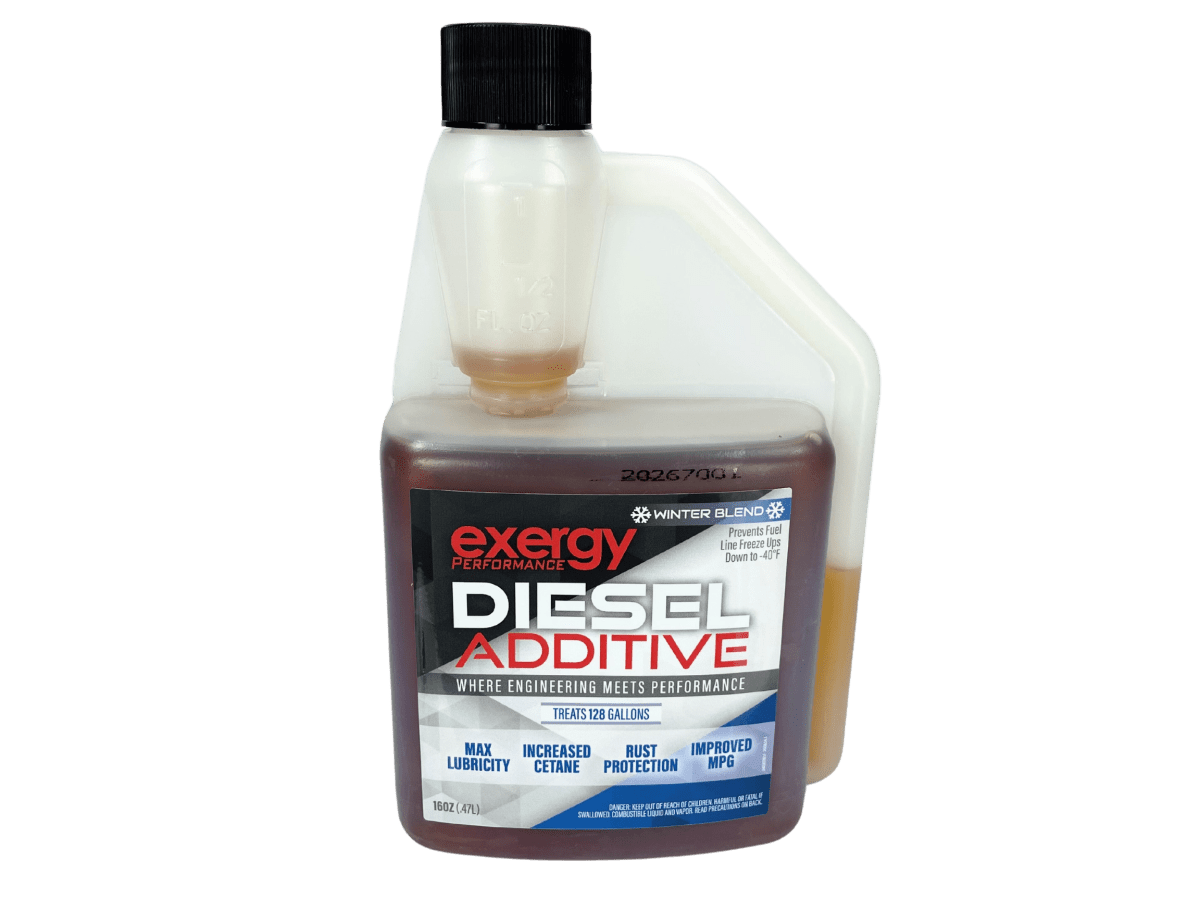
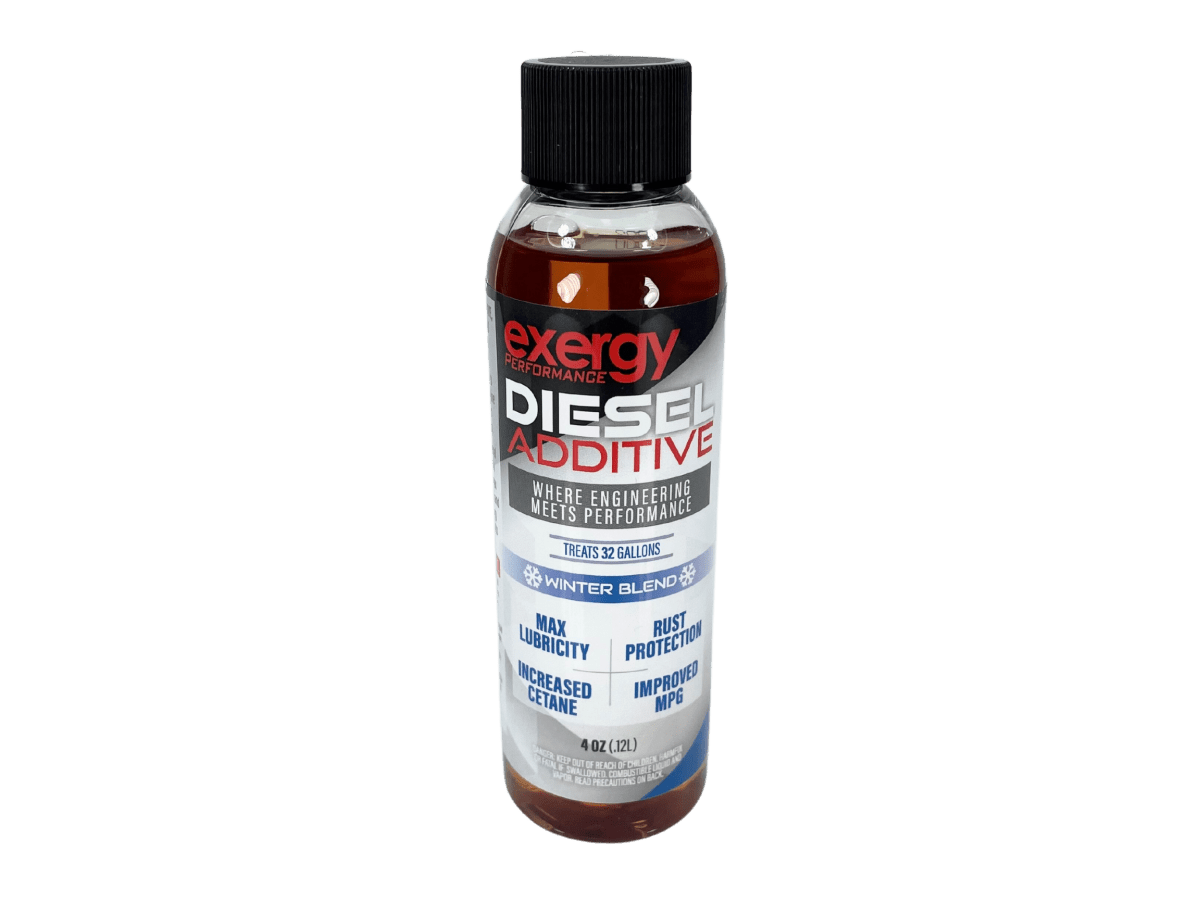
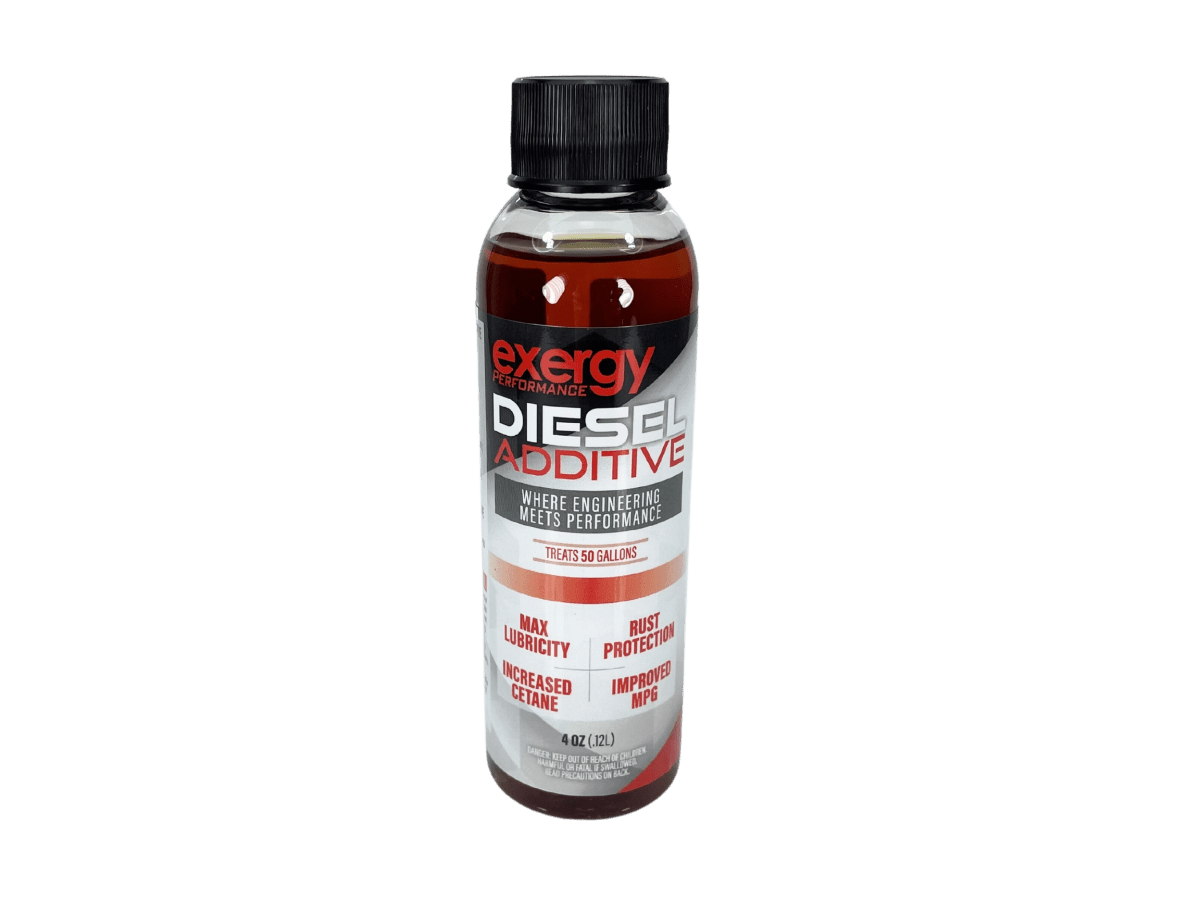
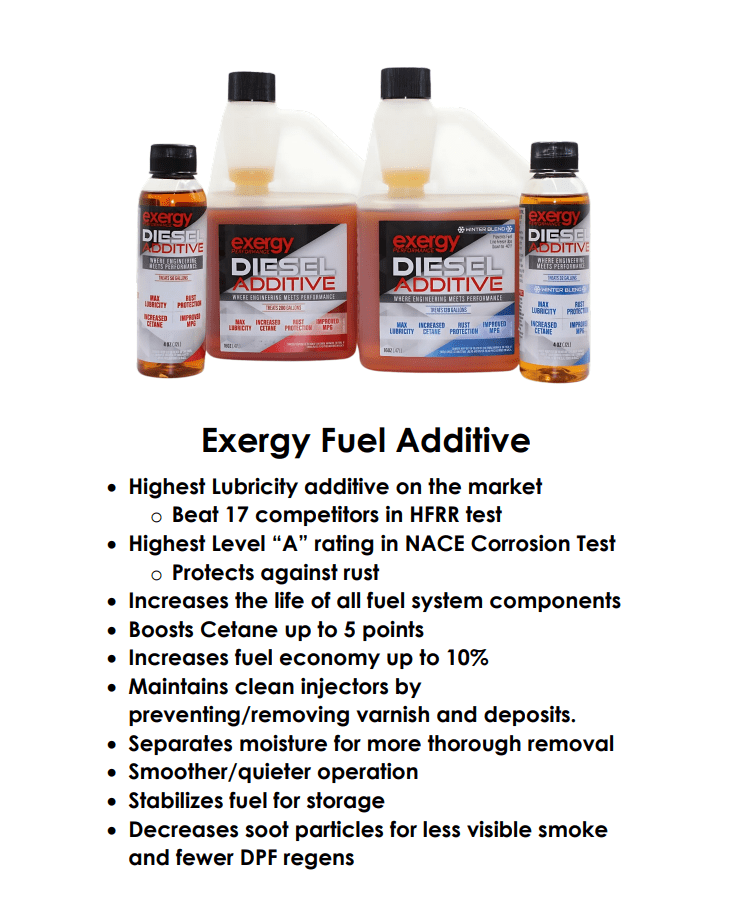
Fuel treatment: Hot Shot's Secret, Lucas Oil, Exergy, Merchant Automotive and XDP, covering everyday treatment, lubricity, cetane and winter anti-gel. See every fuel additive we carry.
Fitment notes
- Check for the factory intercooler, not the year. The intercooler arrived mid-1991, so early-1991 trucks are non-intercooled. VE pump calibrations and stock injectors differ between the two, and vendor listings often split them 1989-1990 and 1991-1993, which misfiles early-1991 trucks.
- No rail, no CP3. A stock first gen feeds each injector through its own steel line. Rail plugs, rail caps, rail pressure sensors and CP3 supply fittings do not apply to a VE-pump truck, so confirm your setup before ordering any Exergy rail hardware.
- Converting to electric supply. When the mechanical transfer pump comes off, its boss on the block needs a block-off plate. Supply-side upgrades typically run 1/2 in hose.
- Pump work needs the right tool. The VE is gear-driven off the front cover and timed mechanically, so pulling it calls for an injection-pump removal tool.
When in doubt, run the fitment checker on the product page, or call with your VIN and we'll sort it out.
Frequently asked questions
Does a 1989-1993 Cummins use a CP3 or a common rail?
No. Every first gen runs the Bosch VE44 rotary pump, which makes injection pressure itself and feeds each injector through an individual steel line. Rail parts, rail pressure sensors and CP3 or CP4 pumps do not apply. The P7100 inline pump replaced the VE for 1994.
Why does my truck surge or stall around a quarter tank?
The factory draw-straw pickup loses suction near a quarter tank, and an aging mechanical transfer pump loses output on top of that. A fuel sump with a bottom pickup fixes the tank side, and an electric lift pump with filtration replaces the tired mechanical pump. After any fuel repair, bleed the air out with the hand primer.
How often should I change the fuel filter?
The factory Fleetguard FS1232 spin-on filter is on a 12,000-mile or 12-month interval, or 6,000 miles and 6 months for severe service. An added FASS or AirDog system brings its own filters on the frame rail, so keep spares for those too.
Do I need a fuel additive with today's diesel?
The VE pump and mechanical injectors were designed around higher-sulfur fuel, and ULSD cut that natural lubricity. Diesel Hub says older mechanical pumps may require an additive. Pick one with lubricity first; cetane gains level off around 55.
My truck feels flat up top and never reaches rated rpm. Is the injection pump bad?
Check the throttle linkage first. Stretched cables and worn linkage keep the VE arm from reaching full travel; Diesel Army found a truck turning about 1,900 rpm that should have passed 2,500. A pedal spacer, shortened ball-socket link, pump-arm hole change and correct kickdown adjustment restore that travel without changing fueling.
Not sure what fits? Call the shop at the number in the header, or use the fitment checker on any product page. We install everything we sell.