
Shop Engine by Category


Filters
114 products








Not sure it fits your truck?
Our Wildwood, FL techs will confirm the right part for your build before you buy.
Call or Text (352) 722-5295The engine in the 1994-1998 Dodge Ram 5.9L Cummins
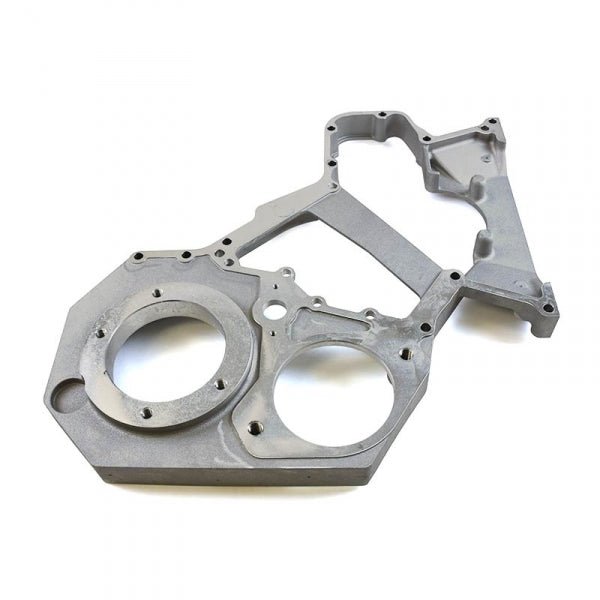
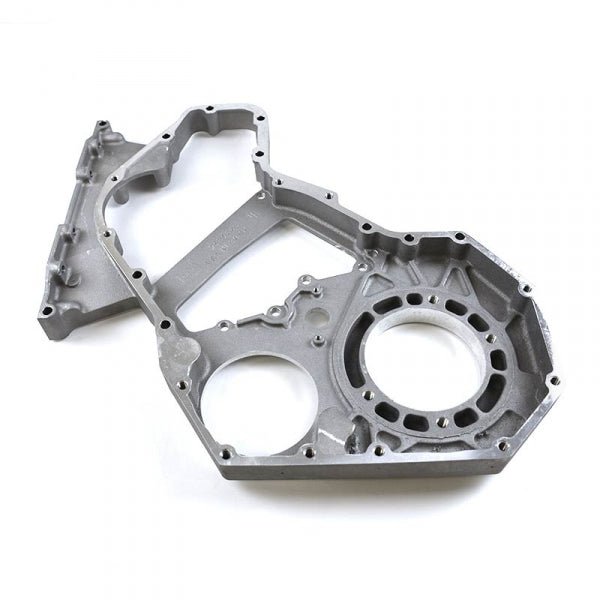
For 1994 Dodge launched the second-generation Ram and paired the 6BT 12-valve Cummins with the Bosch P7100 inline injection pump. It is a 359 cubic inch six-cylinder with a cast-iron block and head, a 4.02 in. bore, a 4.72 in. stroke and 17.0:1 compression. Inside you get a forged-steel crank in seven main caps and forged I-beam rods. A front gear train drives the camshaft and the injection pump, the valvetrain runs solid lifters with one intake and one exhaust valve per cylinder, and the head is clamped by six 12mm bolts per cylinder.
There is no engine computer. Past the fuel shutoff solenoid and the grid heater circuit, nothing electrical is needed to keep it running. The engine weighs about 1,100 lb dressed, holds 12 quarts of oil with the filter, and carries a B50 life of 350,000 miles, meaning half of these engines go that far before they need an overhaul.
What fails and why
This engine has a short list of weak spots, and most of them are far cheaper to fix early than late.
- Killer dowel pin. A steel dowel locates the aluminum front gear housing. It can vibrate out of its bore and drop into the timing gears. Wedged between gears, it can crack the cam nose or the gear housing; dropped into the pan, it does no harm. The 1994-1998 P7100 engines are the highest-risk years because the heavier pump adds vibration to the gear case, and there is usually no warning before it fails.
- Head-bolt clamp loss. The factory 12mm head bolts lose 20 to 30 ft-lb of torque with age and heat cycling. Once power is raised, head gaskets can start leaking at as little as 200 rwhp. Signs are coolant pushed into the overflow bottle, an external weep at the gasket, or coolant loss under boost.
- Age-related leaks. Freeze plugs corrode and leak on high-mileage blocks. The 1994-1997 dipstick tube cracks at the handle and weeps oil while the engine runs. The crankcase breather tube drips oil near the front differential yoke, and that drip has caused many needless yoke-seal replacements.
- Valve lash drift. Solid lifters do not self-adjust. Neglected lash shows up as valvetrain clatter, rough idle and lost power.
Stock replacement vs. upgrade
For a stock or lightly modified truck, genuine Cummins gaskets, seals and internal parts put the engine back the way it left the factory. The bottom end is the strong part of this engine: the factory rods are proven to 800-900 rwhp in street use, so most owners never need more than OEM-grade parts below the head.
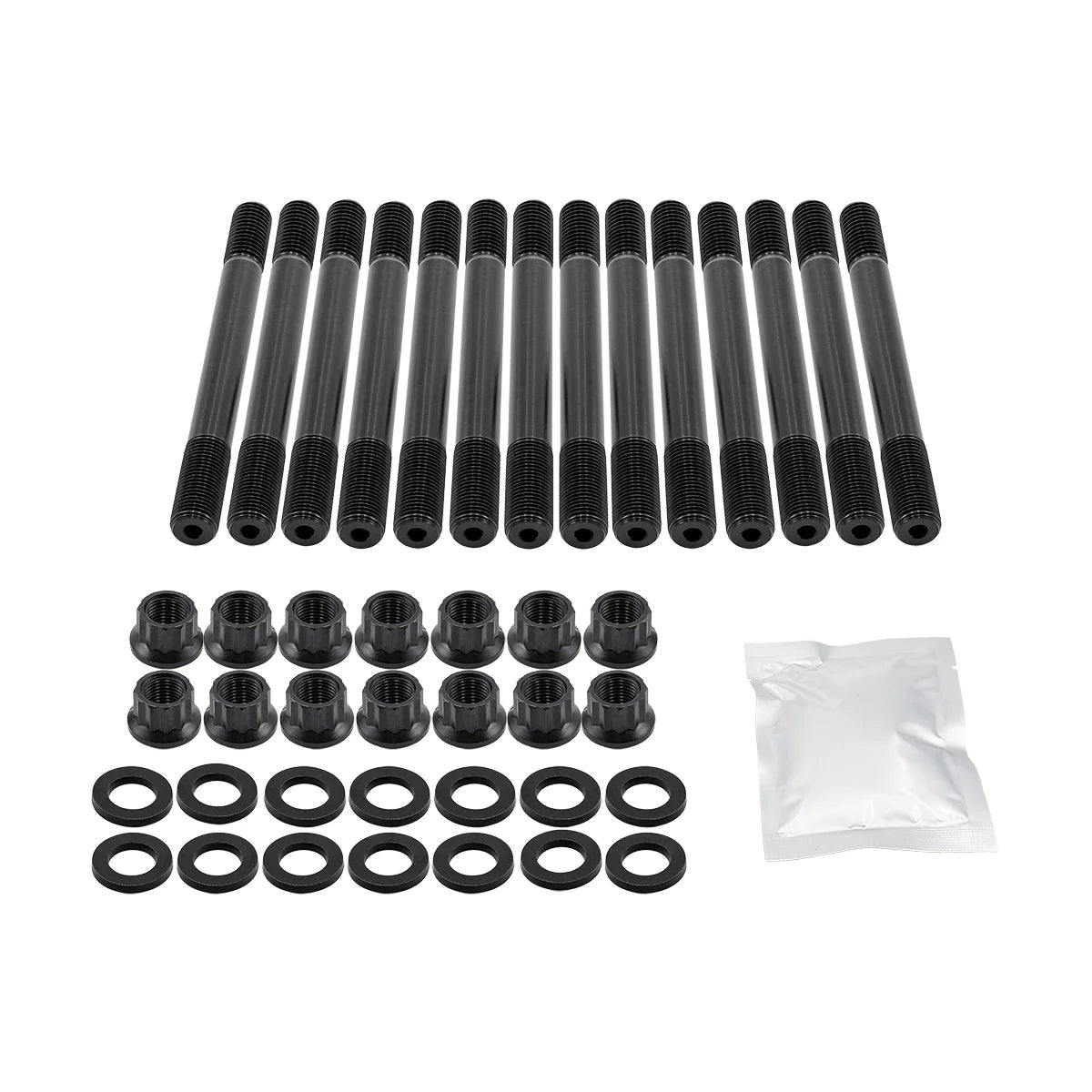
Upgrades make sense at the known weak spots. A KDP tab kit keeps the dowel from backing out. Head studs replace the factory bolts when power goes up, and fire rings come into play around 800 rwhp. Heavy-duty freeze plugs replace corroded steel cups. If the engine has been set up to turn past the stock limit of roughly 2,700 rpm, stiffer valve springs of 60 lb or more are required to keep the valves from floating.
What we carry
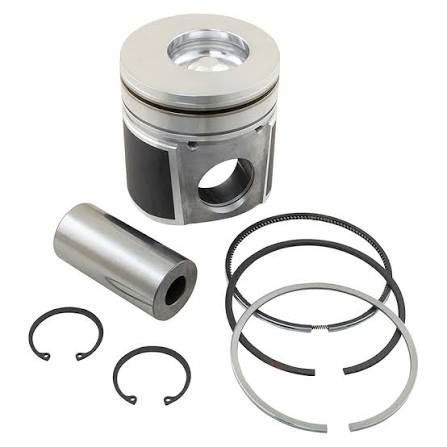
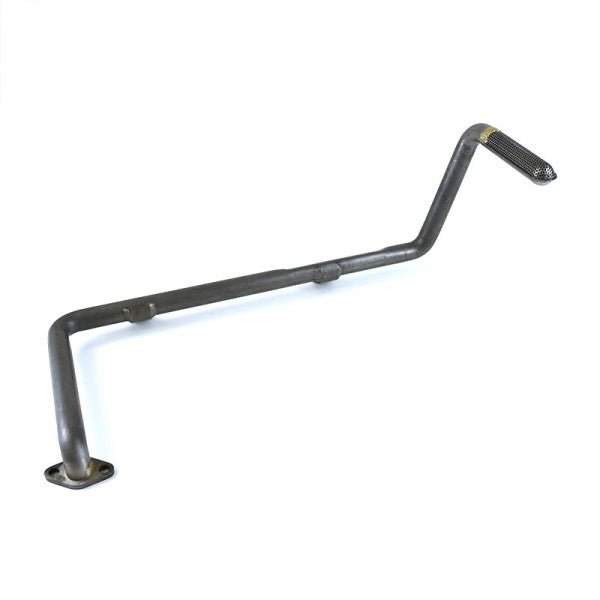
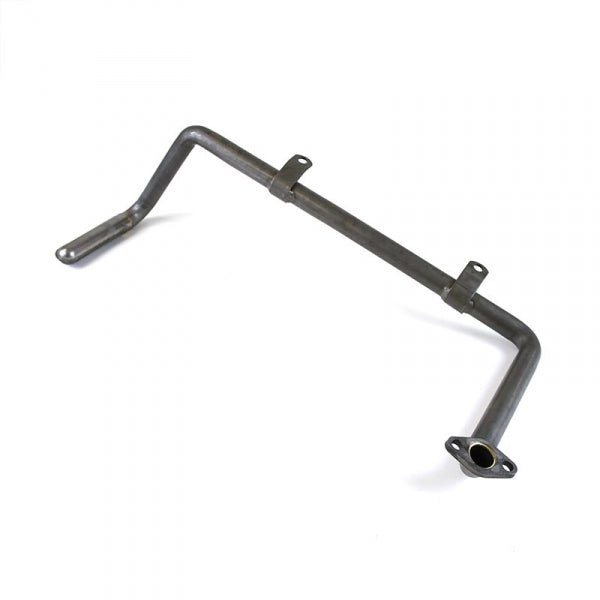
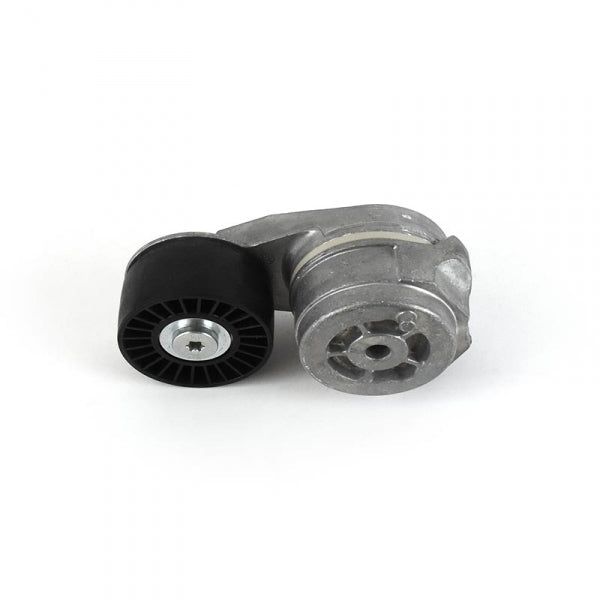
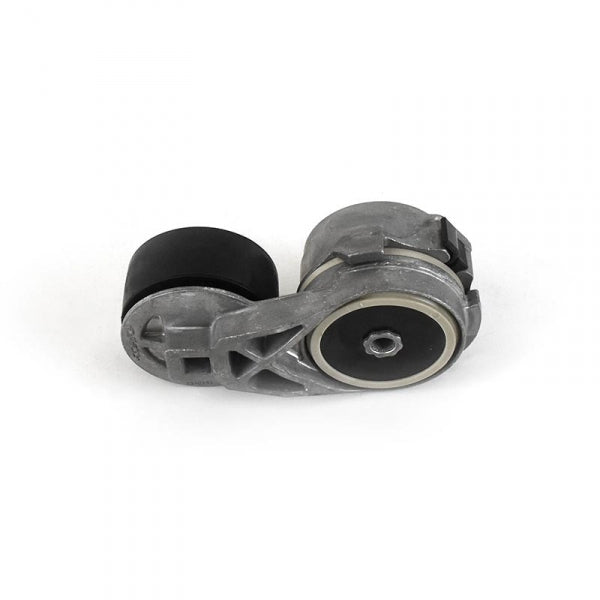
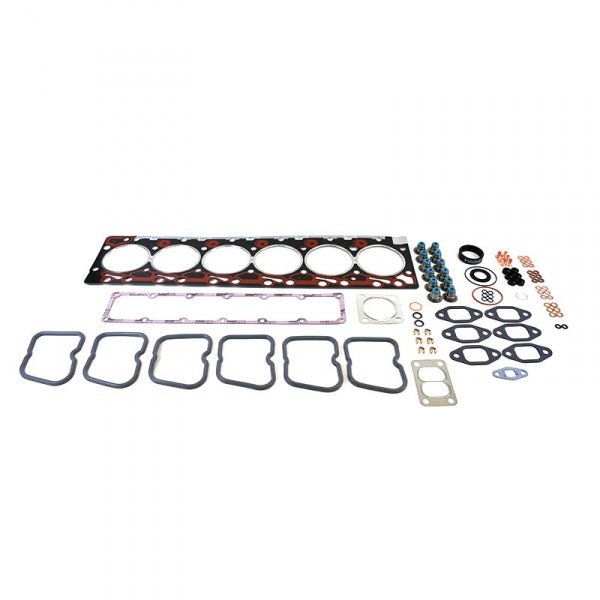
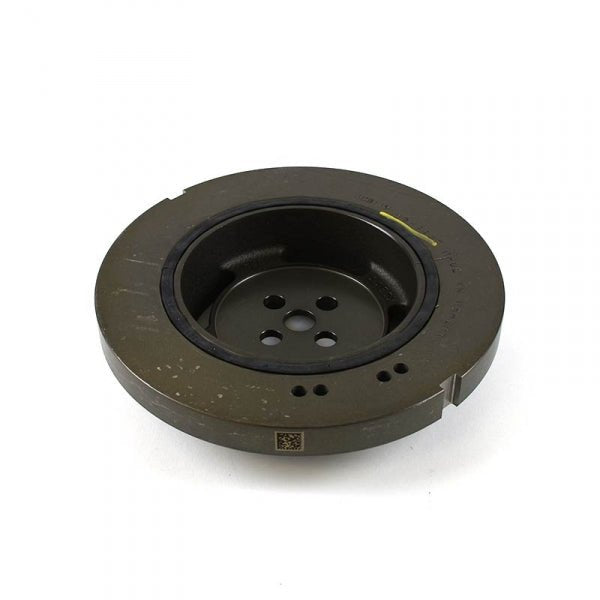
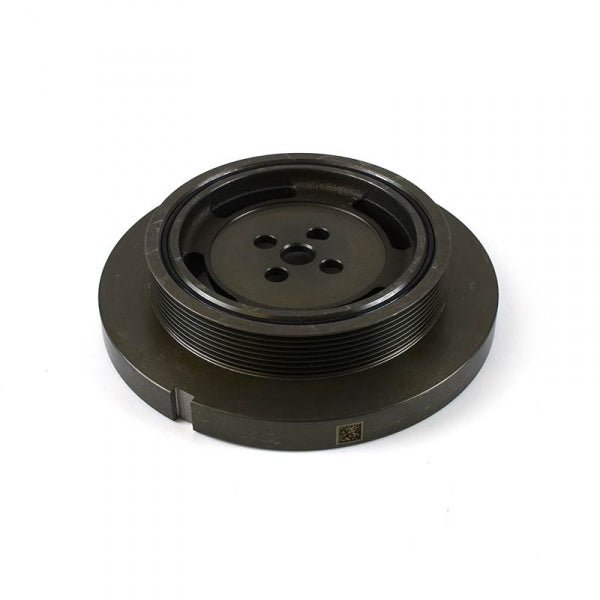
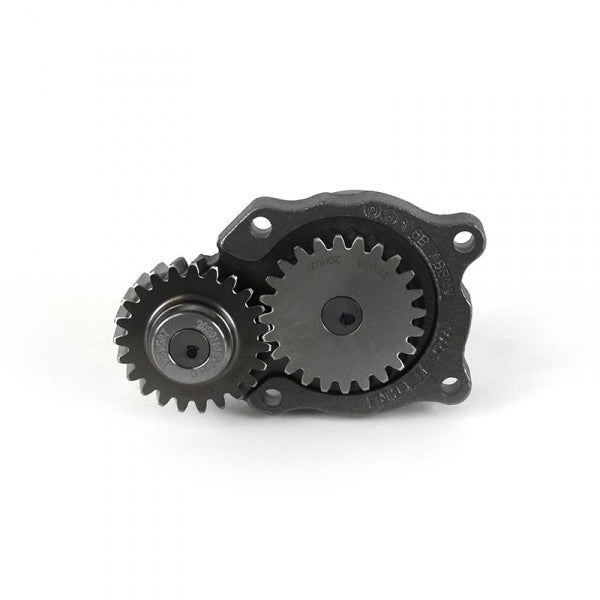
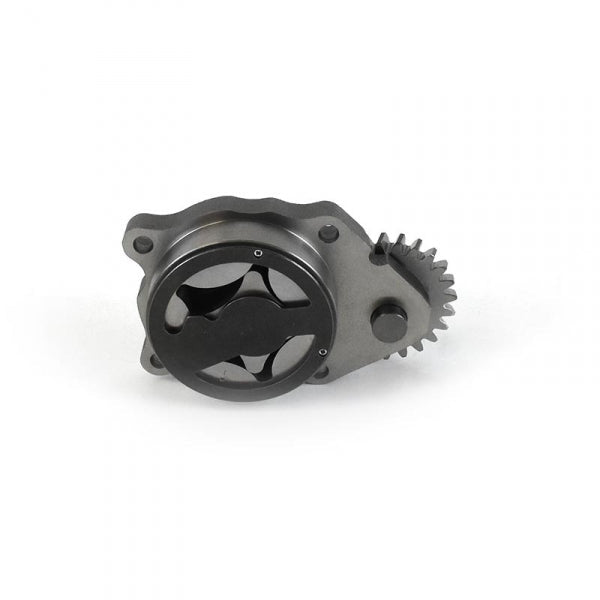
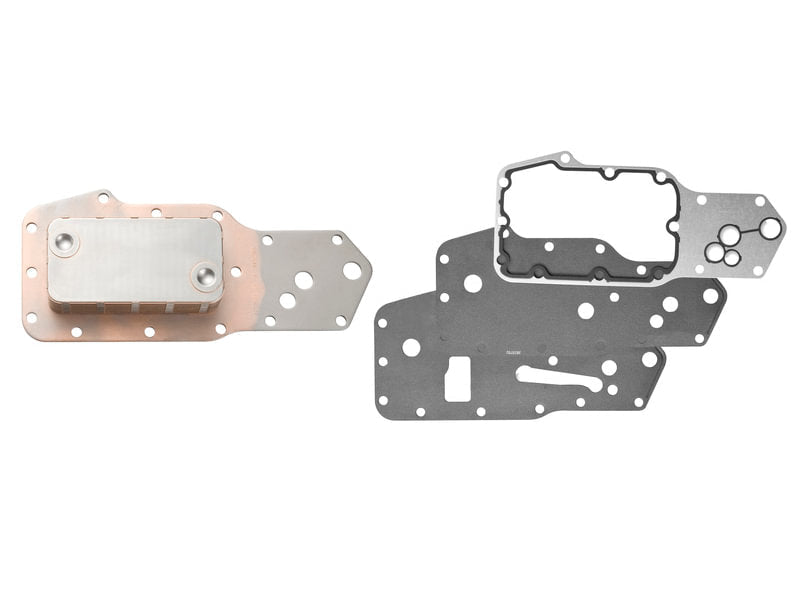
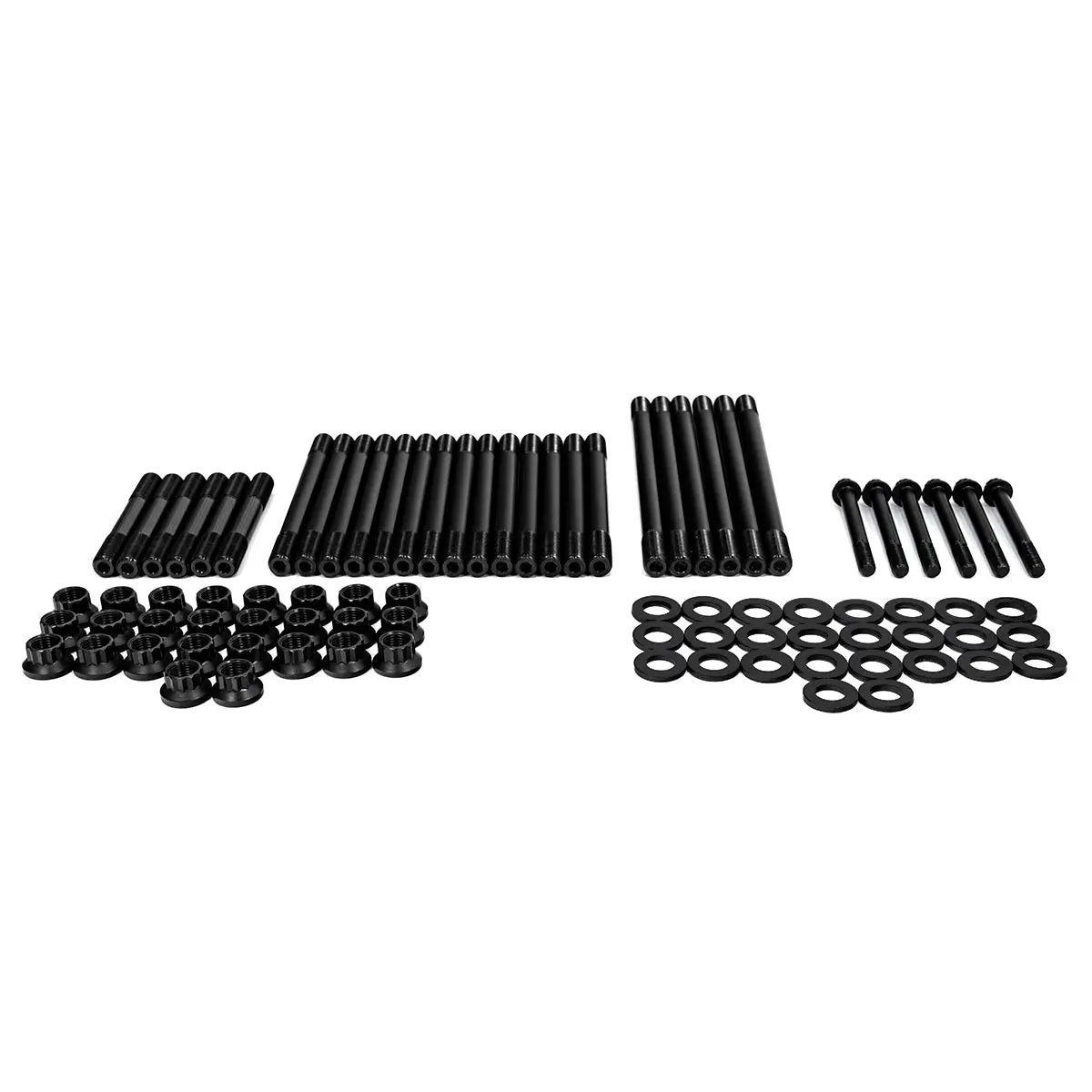
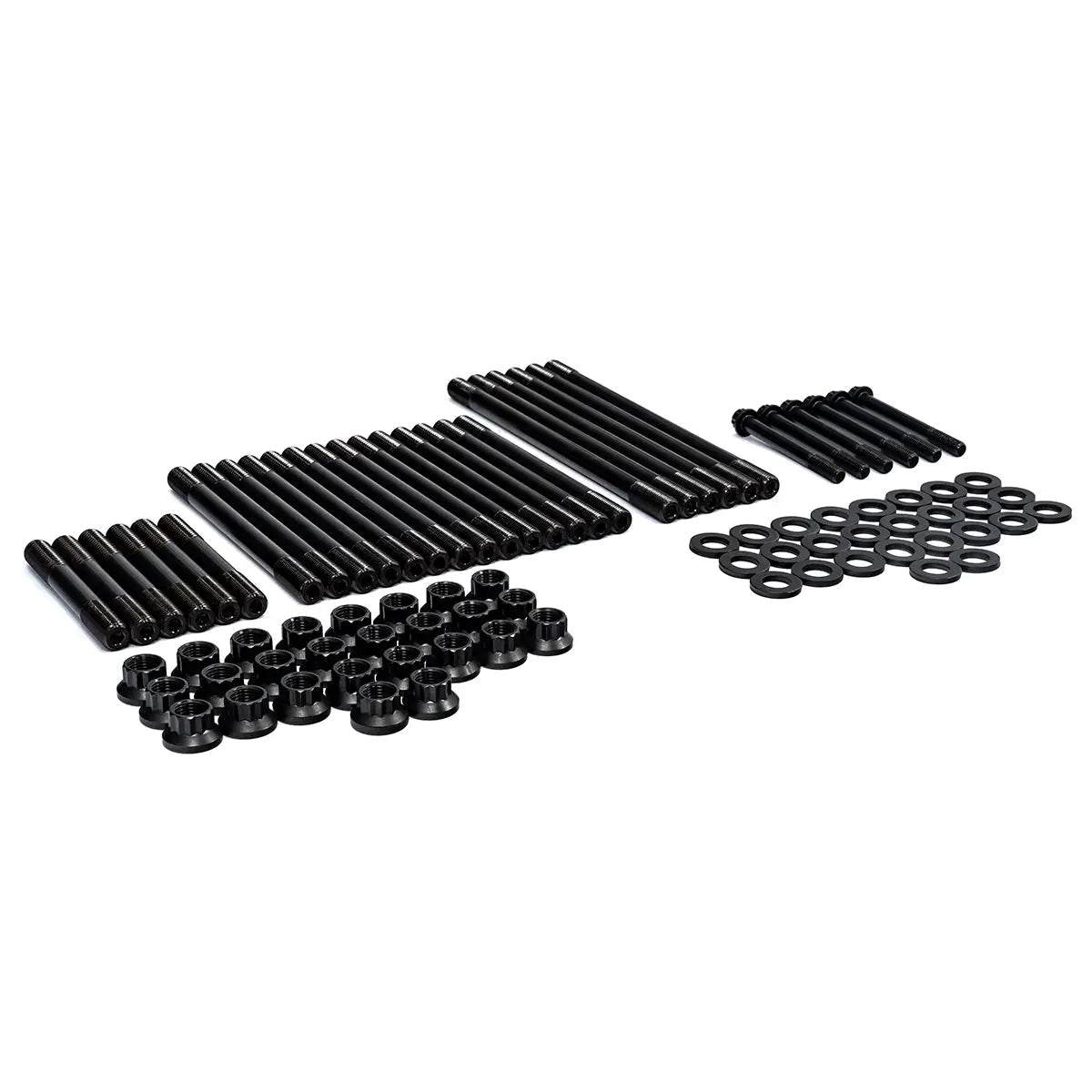
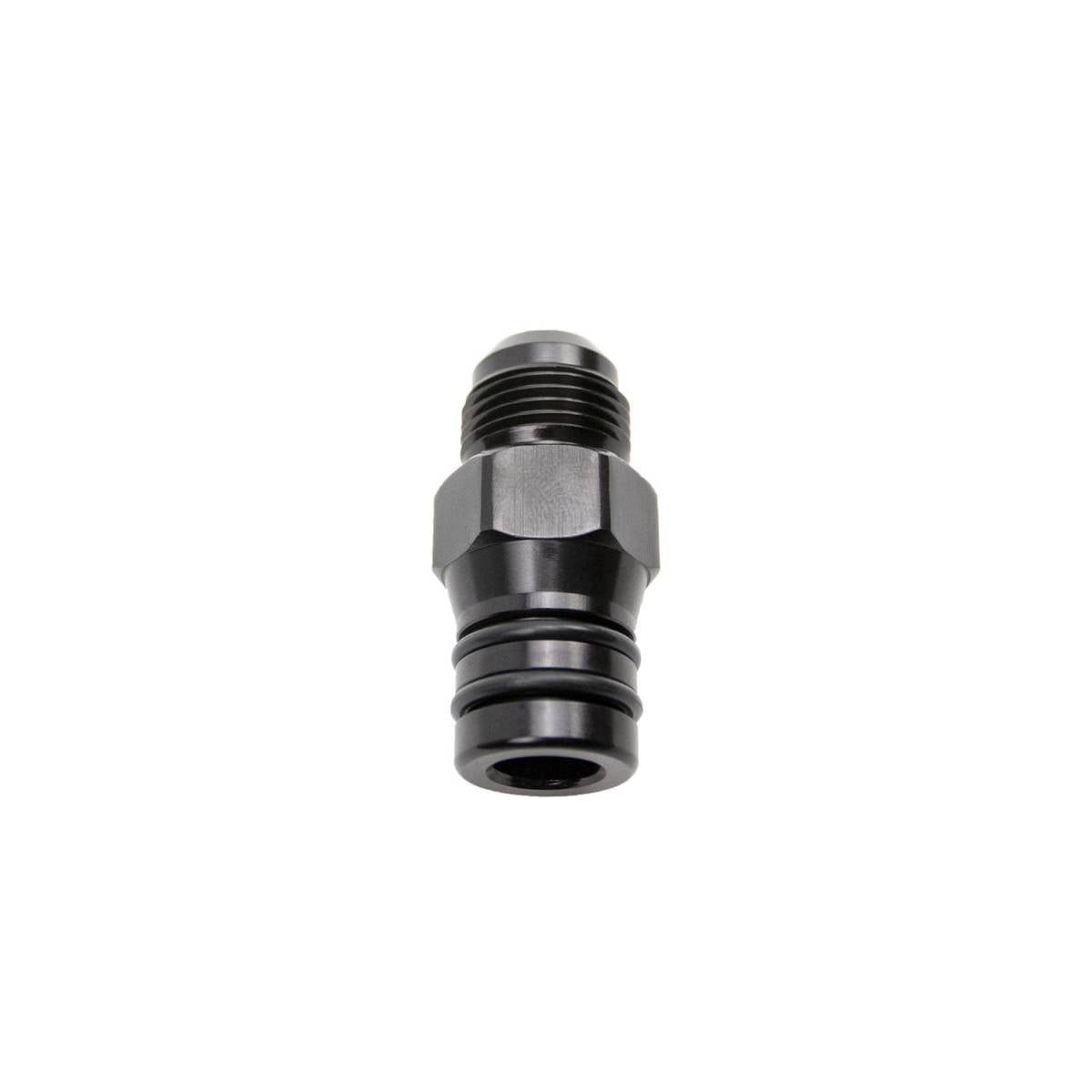
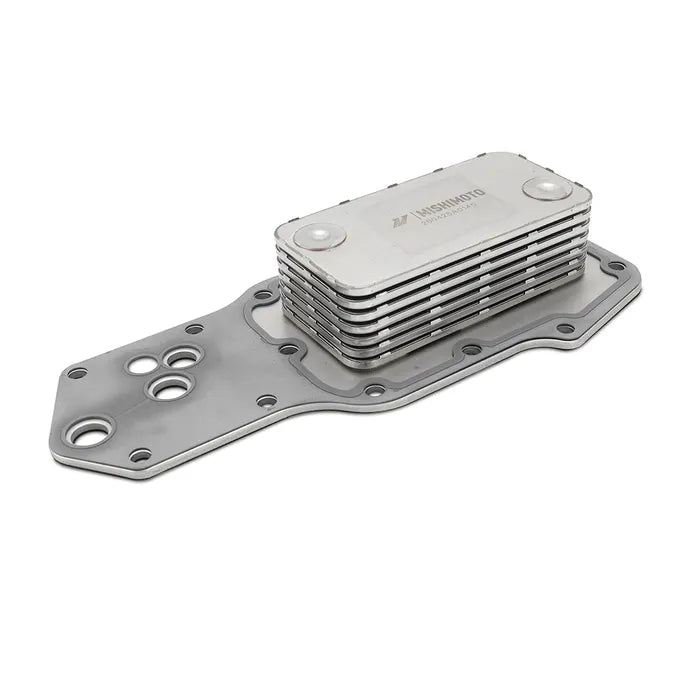
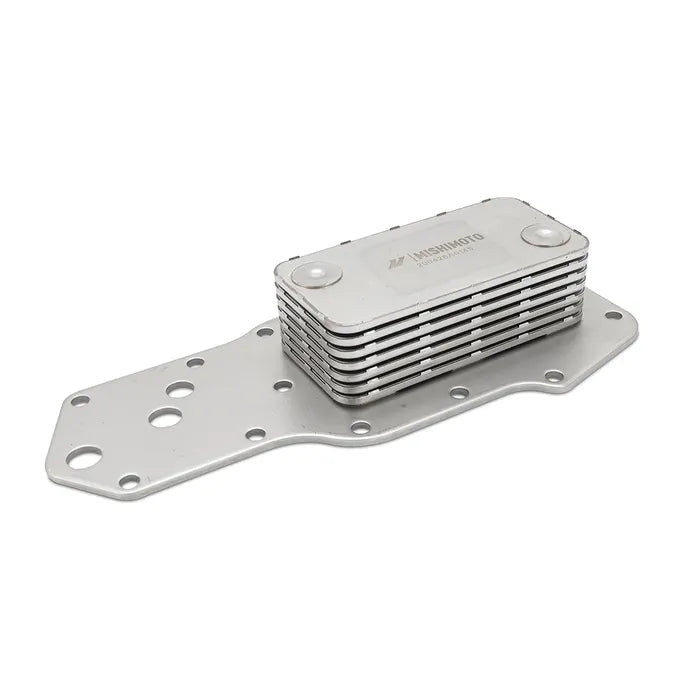
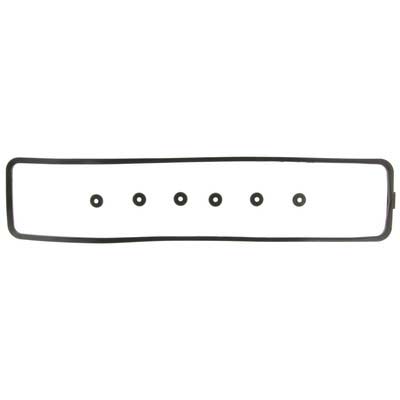
Genuine Cummins parts cover the factory list: upper and lower engine gasket kits, head gaskets in standard and +.010 in. thickness, front crank seal kits, rear main seals, the timing gear case housing and front cover gasket, camshaft gear, standard piston kit, oil pump, oil cooler, oil pan, pickup tube, belt tensioner and harmonic balancer. Mahle adds engine gasket sets, rear main seals, oil filters and oil pan and cooler gaskets. XDP fills in crank and cam position sensors, harmonic balancers and bolt sets, head and main stud kits, piston oil cooling nozzles, pushrods, valve springs and bolt-on freeze plugs. Hamilton Cams performance valve springs, PPE head and main stud kits and MicroPure XR oil filters, Gator Fasteners hardware, the Fleece Freedom Series 12V cylinder head and BD Diesel Cool Cover valve covers round out the hard parts.
Out front, Dayco and Dorman cover serpentine belts, the tensioner, idler pulleys, the clutch fan blade, fan pulley bracket, timing case front cover, expansion plugs and the vacuum pump. For the oil itself, Hot Shot's Secret and Lucas Oil stock 15W-40 and 10W-30 diesel oils plus oil stabilizers and additives.
Fitment notes
A 1998 Ram can have either engine. Dodge switched to the 24-valve ISB with the electronic VP44 pump partway through the 1998 model year, and head gaskets, head bolts, injectors, the gear cover, the intake horn and the breather location do not interchange across that split. Look at the pump: the inline P7100 with a shutoff solenoid on top is the 12-valve this page covers; a VP44 rotary pump with a wiring harness is the 24-valve.
Main bolt size changed from 14mm to 12mm on later blocks, so some late 1997-1998 engines have 12mm mains, and main stud kits are block-specific. Serpentine belts are listed separately for trucks with and without A/C. Many listings here also cover 1989-1993 or 1999-2002 trucks, so read the year range on each one, then verify by VIN and by what is actually on your engine.
Frequently asked questions
Does my 1994-1998 Cummins really need a KDP tab?
If no one has installed one, yes. The dowel gives no warning before it backs out, and the 1994-1998 P7100 years are the highest risk, so the tab is treated as preventive on every truck that lacks it. The tab is held by a gear-cover bolt with thread locker torqued to 18 ft-lb, and you should replace the front crank seal while the cover is off.
What oil does the 12-valve take, and how much?
It holds 12.0 quarts with the filter. Run 15W-40 above 10 F, 10W-30 between 0 and 30 F, and 5W-30 below 0 F; in Florida, 15W-40 is the call. The normal interval is 6,000 miles or 6 months, or 3,000 miles or 3 months for severe service.
How often should the valve lash be set?
Every 24,000 miles or 24 months. Cold specs are 0.010 in. intake and 0.020 in. exhaust. The individual valve covers come off for the job, so plan on new valve cover gaskets each time.
Should I re-torque the head bolts or switch to studs?
On a stock truck with high miles, re-torquing the factory bolts to spec restores lost clamp load; aged bolts are routinely found 20-30 ft-lb low. If you plan to raise power, step up to head studs with a hot re-torque, since gaskets on tired bolts can start leaking at as little as 200 rwhp.
I keep hearing about the 53 block. Is that a 12-valve problem?
The documented 53-block cracking is on 1999-2001 24-valve engines. Some 12-valves were built with the 53 casting, but there is no evidence of the same cracking on them. It is something you may hear about when shopping for a truck, not a known 1994-1998 failure.
Not sure what fits? Call the shop at the number in the header, or use the fitment checker on any product page. We install everything we sell.