

Shop Turbo by Category


Filters
45 products





Not sure it fits your truck?
Our Wildwood, FL techs will confirm the right part for your build before you buy.
Call or Text (352) 722-5295How the Sierra's variable-vane turbo works
The LMM carries a water-cooled Garrett GT3788VA breathing through an air-to-air intercooler, the same basic turbo GM hung on the LLY and LBZ, revised for efficiency when the LMM arrived. Engine oil pressure does the moving. A solenoid feeds oil to the actuator, the actuator swings a unison ring inside the turbine housing, the ring pivots every vane at once, and the ECM reads a vane position sensor to confirm it got the angle it asked for. Closing those vanes is how a Sierra pickup makes 660 lb-ft at 1,600 rpm on its way to 365 hp at 3,200. One mechanism does all of it, which is why nothing about this turbo stays simple.
What the scan tool says
Pull codes before parts. On an LMM the vane side of the turbo announces itself:
- P0299 underboost, common with bound vanes, though a failed particulate-filter regeneration sets it too.
- P003A vane position not learned.
- P2563 vane position sensor performance.
- P0234 overboost, which is what you get when the vanes stick closed.
Drivability tells you something as well. A Sierra with sluggish or erratic boost, or one that pulls hard down low and falls flat on top, or the reverse of that, is describing a vane problem rather than a tired engine.
Soot is what kills these turbos
The LMM was the first Duramax with a diesel particulate filter, and that changed the air its turbo lives in. EGR keeps feeding soot into the intake, the filter raises backpressure behind the turbine, and carbon builds on the vanes, their pivots and the unison ring until the mechanism stops moving freely. Mileage is a poor predictor here. LBZ turbos commonly pass 200,000 miles before anything binds, while LMM turbos generally get there sooner. Duty cycle decides it: trucks that idle for hours or hold one steady cruise speed are the ones that stick.
Backpressure does damage past the vanes, too. It can force soot by the shaft seals and add heat stress to the turbine and bearings, which shows up as oil at the compressor or soot in the intercooler. At high mileage the bearings themselves wear out. A little shaft play is normal, but a compressor wheel that visibly moves toward the housing is finished, and whine and oil in the intake usually arrive with it.
Look-alikes to rule out first
A failed vane actuator or solenoid, or a sensor or wiring fault, behaves exactly like bound vanes, and when the actuator is dead the vanes do not move at all. Those are cheaper parts than a turbocharger and they get tested first. Air leaks fool people as well. The up-pipe flex bellows crack on these engines and charge-air boots at the Y-bridge work loose, and either one reads as lost boost. Close up exhaust leaks at the manifolds and up-pipe before you condemn a turbo for lag. If the truck has also been making oil from post-injection fuel dilution, or has been run on something other than the low-ash CJ-4 oil this era requires, sort that out while you are in there.
Clean, exchange or step up
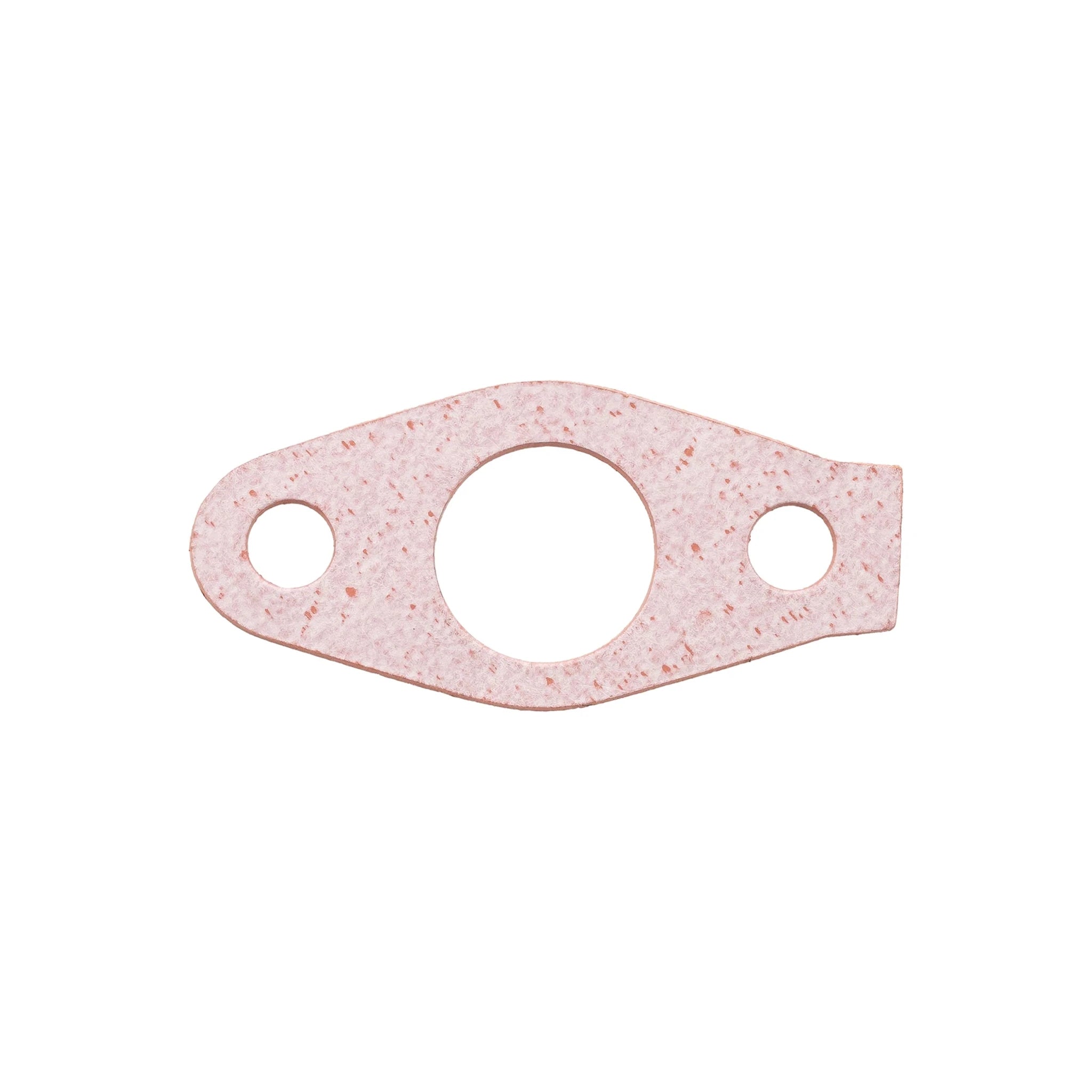
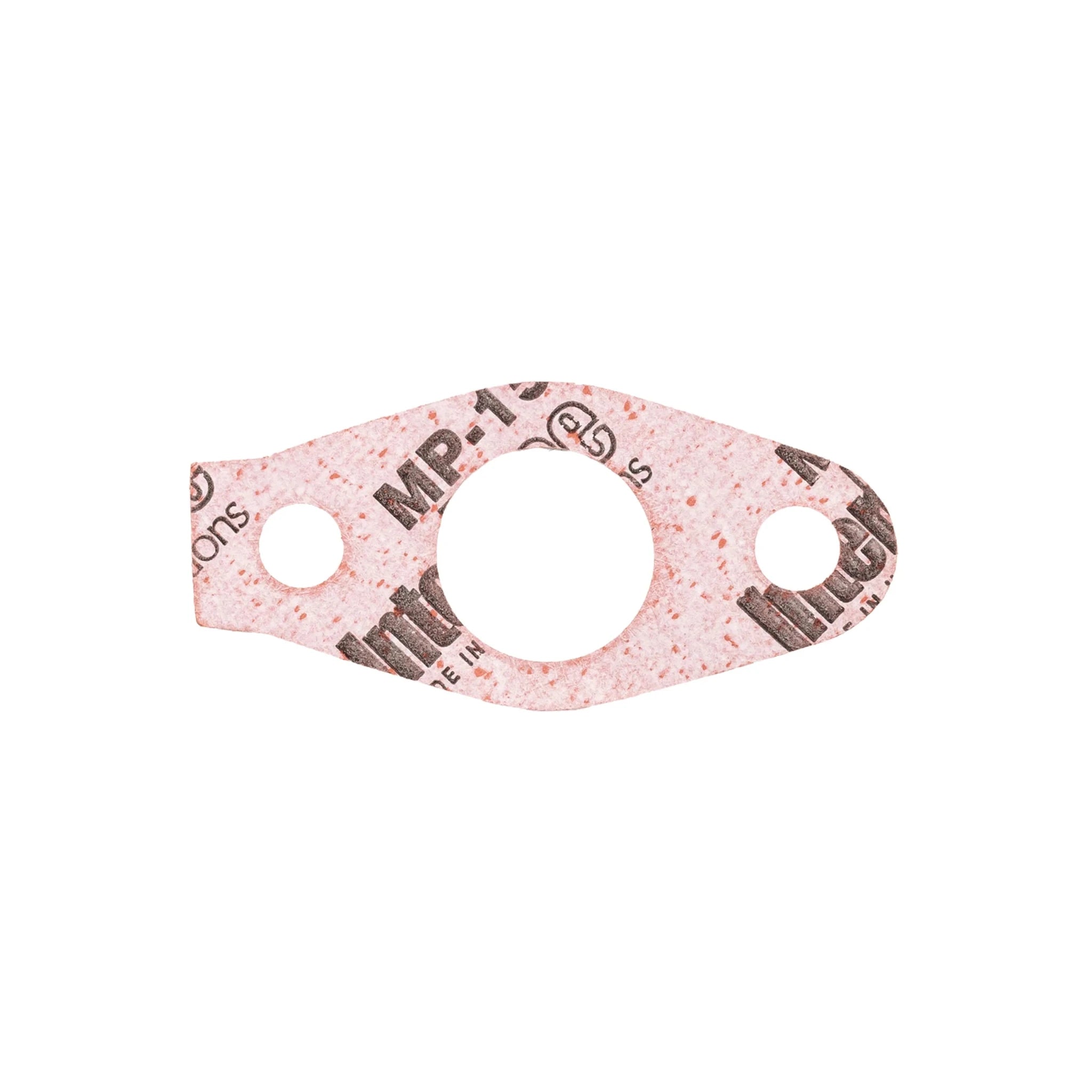
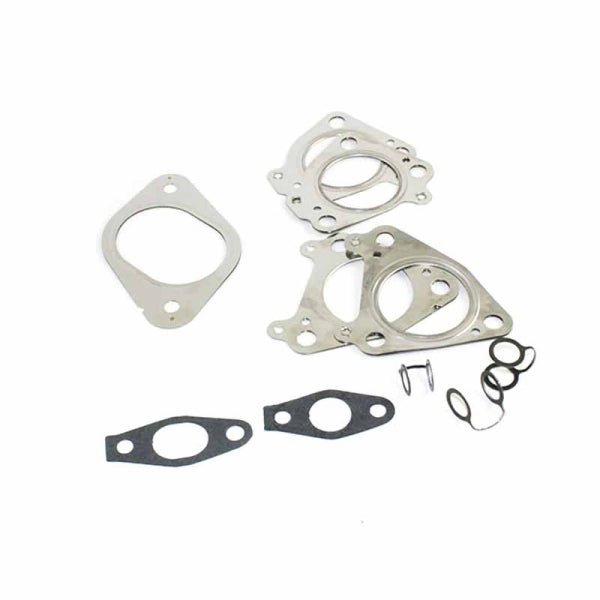
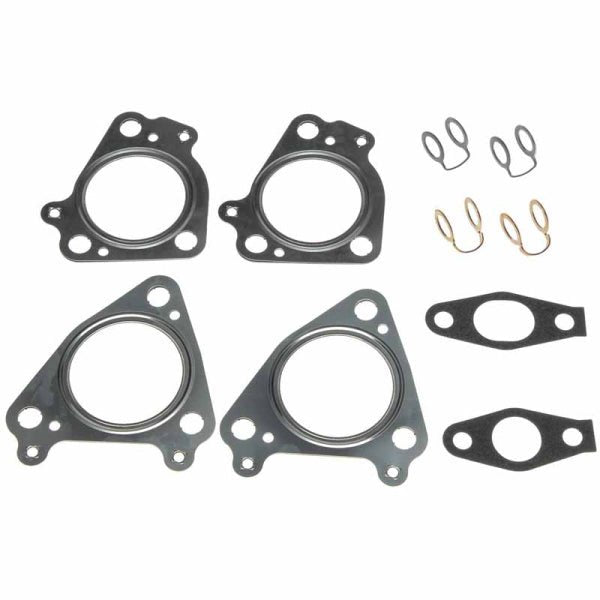
Carbon-only sticking is a repair, not a parts order. The turbo comes off, the turbine side gets taken apart, the vanes, pivots and unison ring are cleaned, the ring slots are checked for wear, and it all goes back together with high-temp anti-seize. If the bearings are gone, cleaning buys nothing and an exchange GT3788VA-style unit is the stock path; those are sold on core exchange. One more check before anything new goes on: if the old turbo swallowed debris, find out where the debris came from, because a cracked piston sends material into the turbine and pressurizes the crankcase. Budget gaskets either way, since the mouthpiece and inlet gaskets are a separate kit from the oil feed and drain gaskets.
In this collection
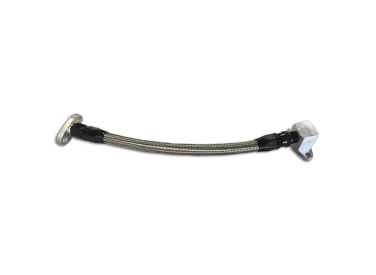
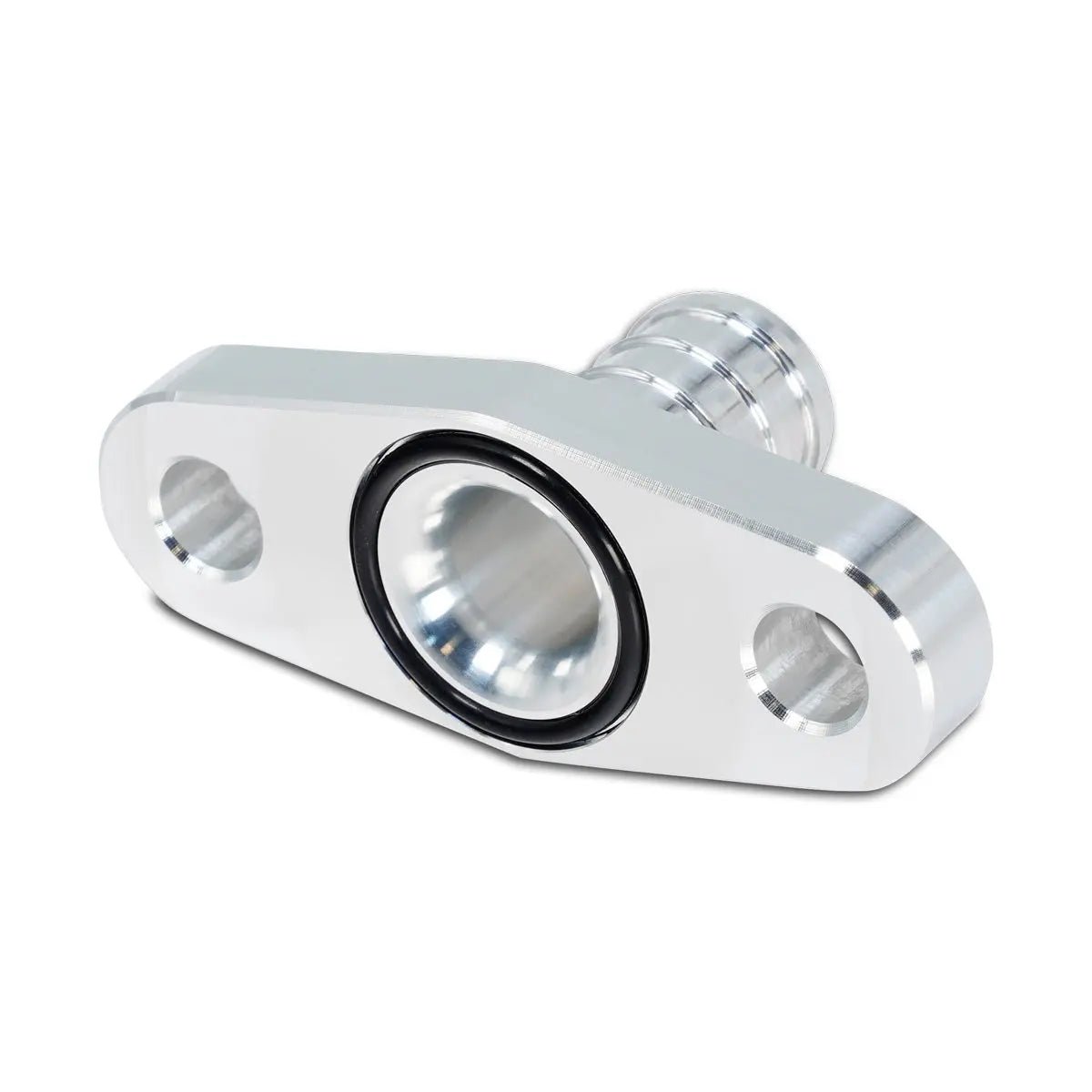
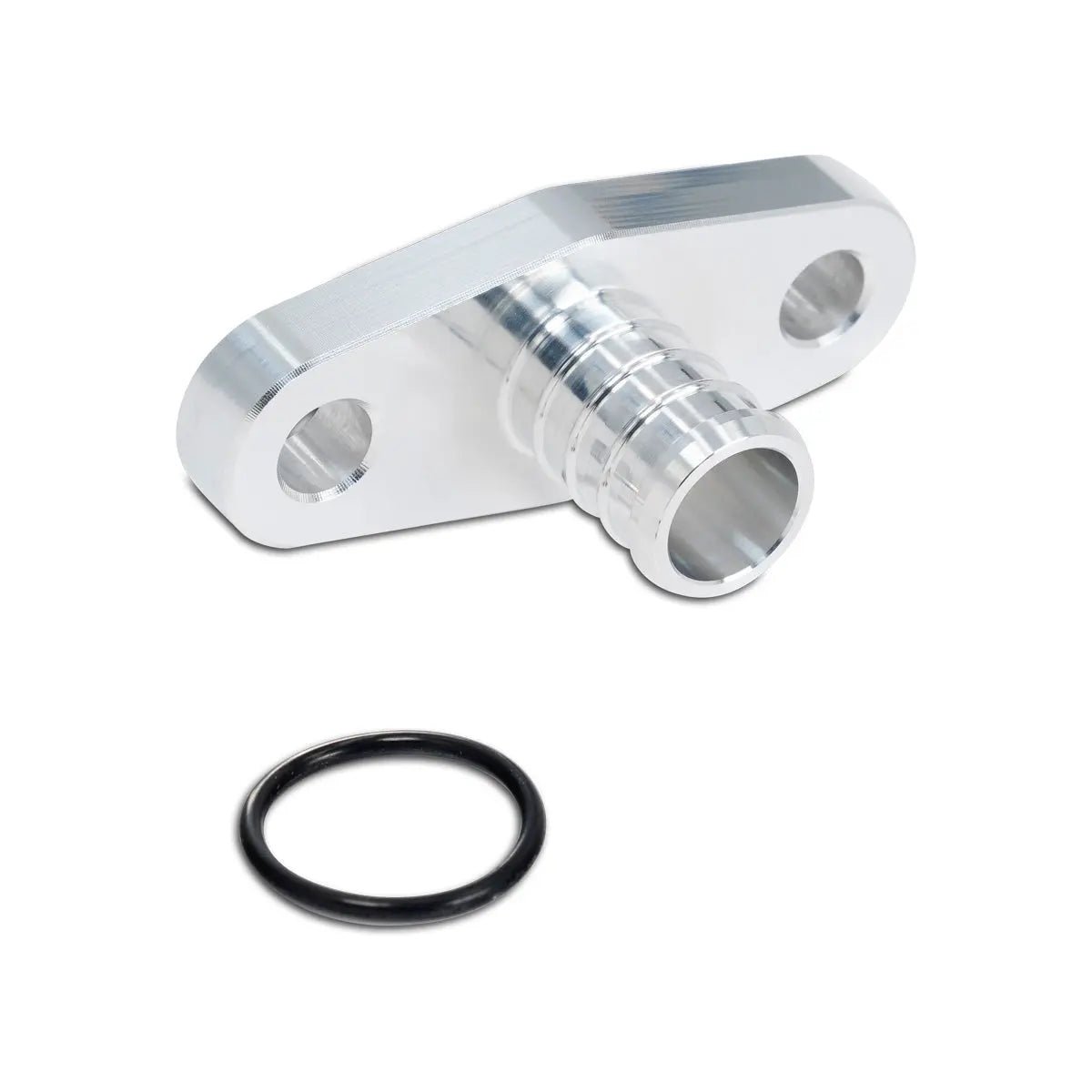
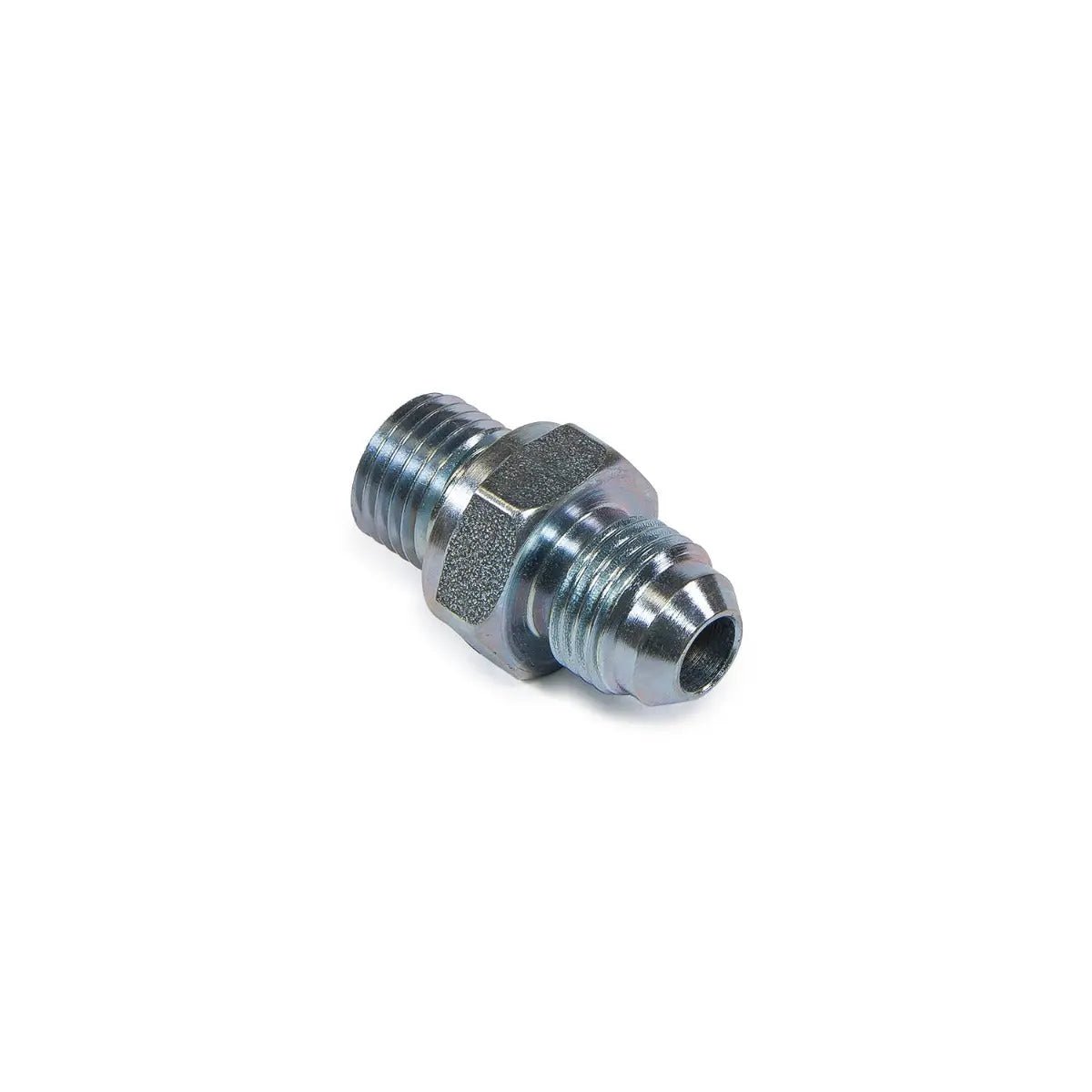
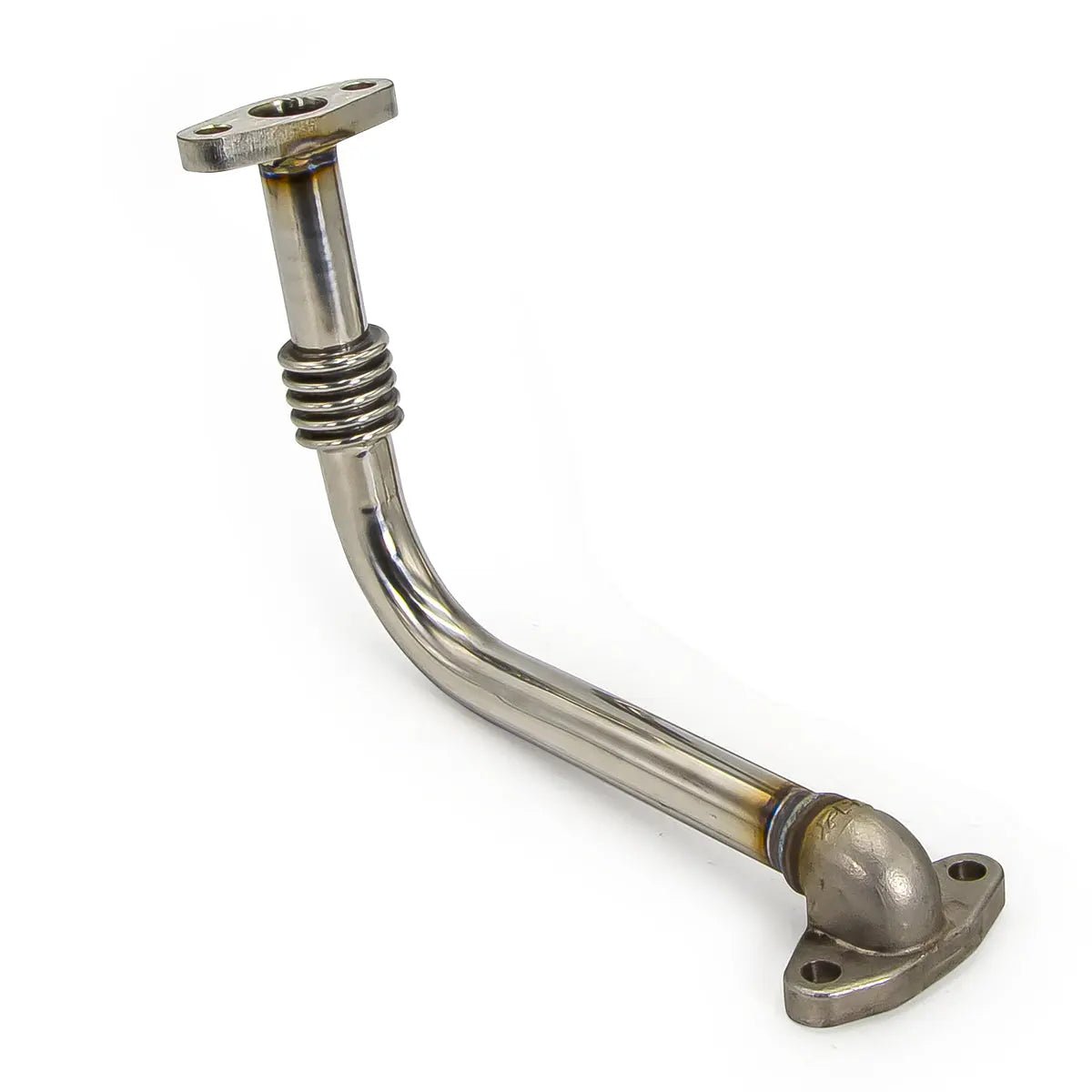
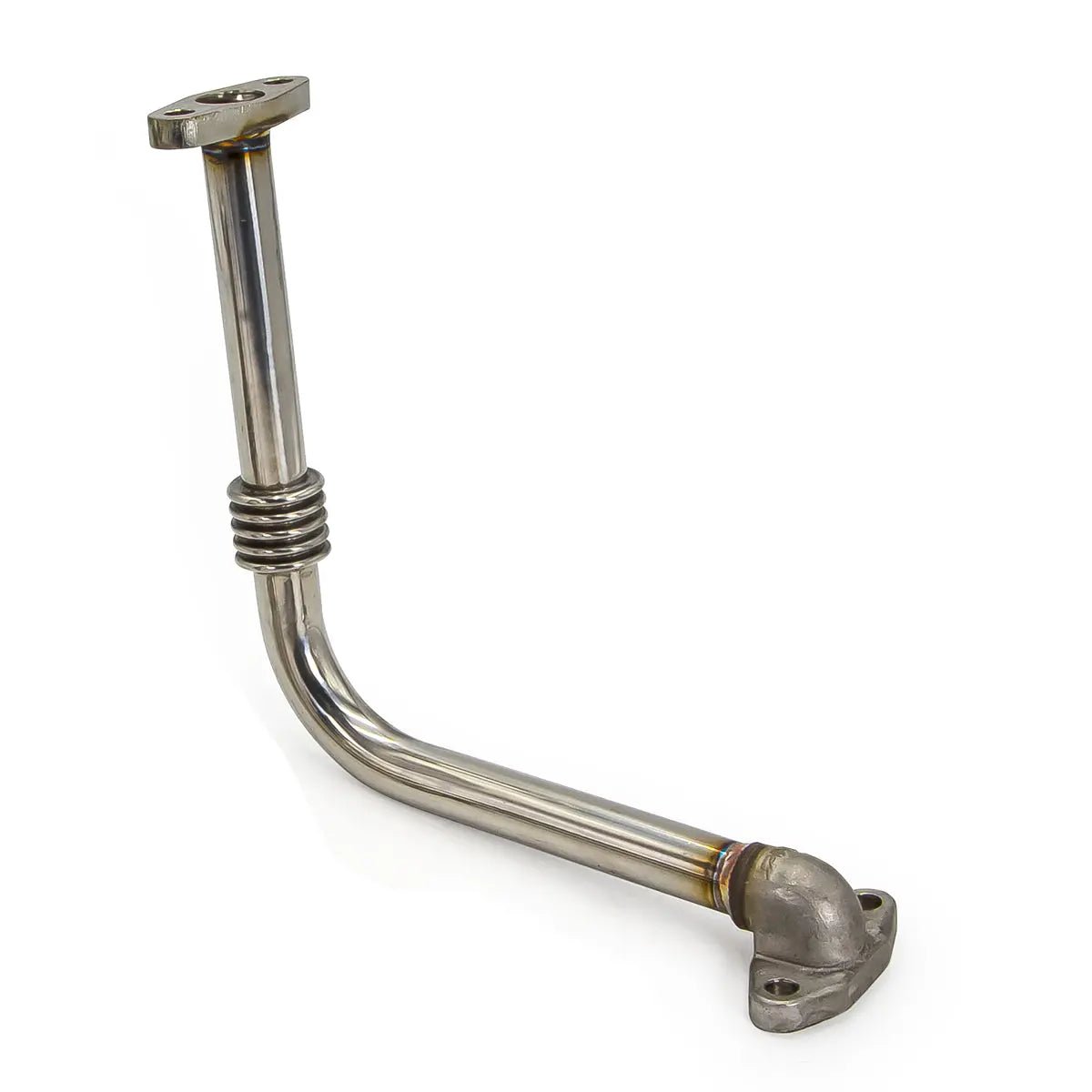
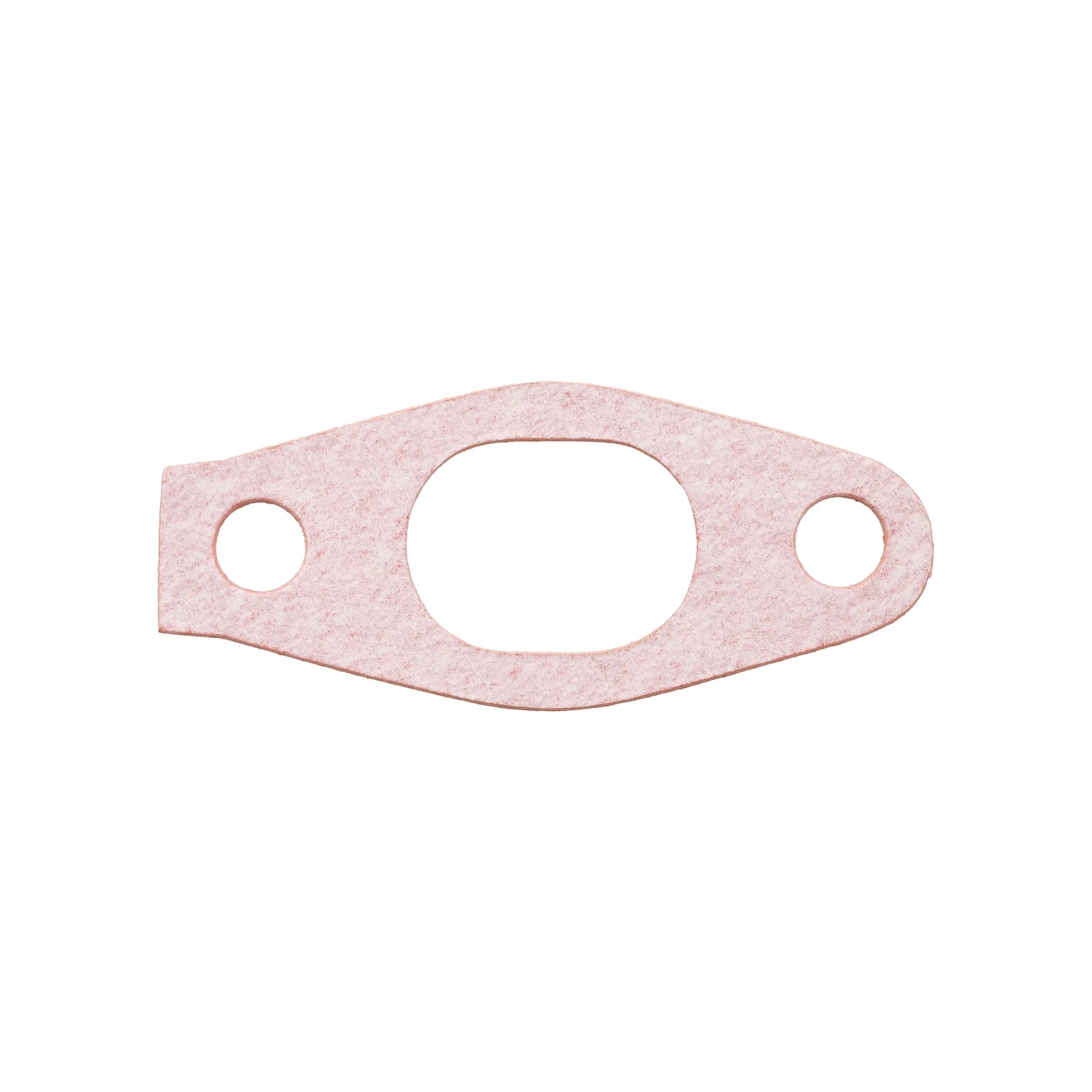
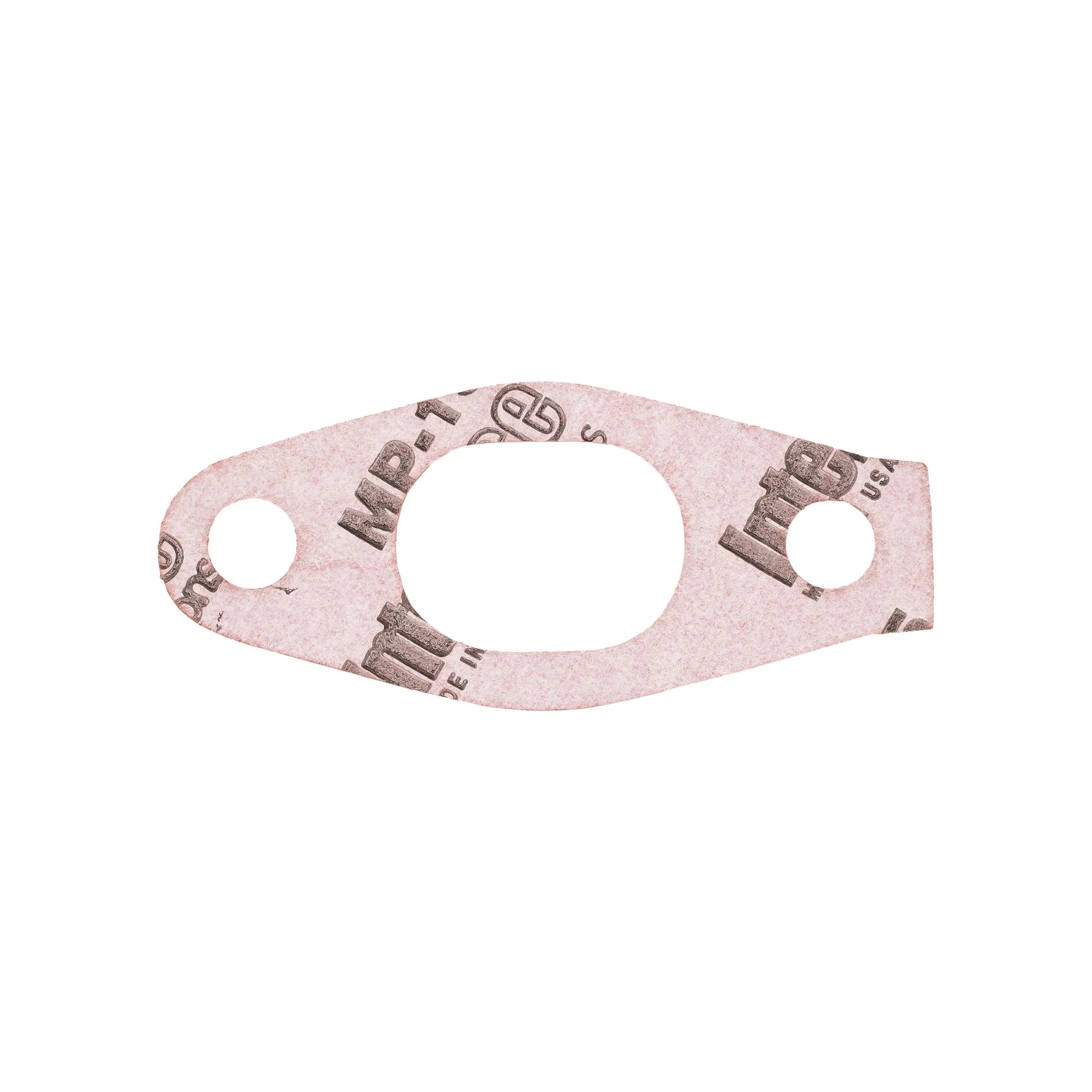
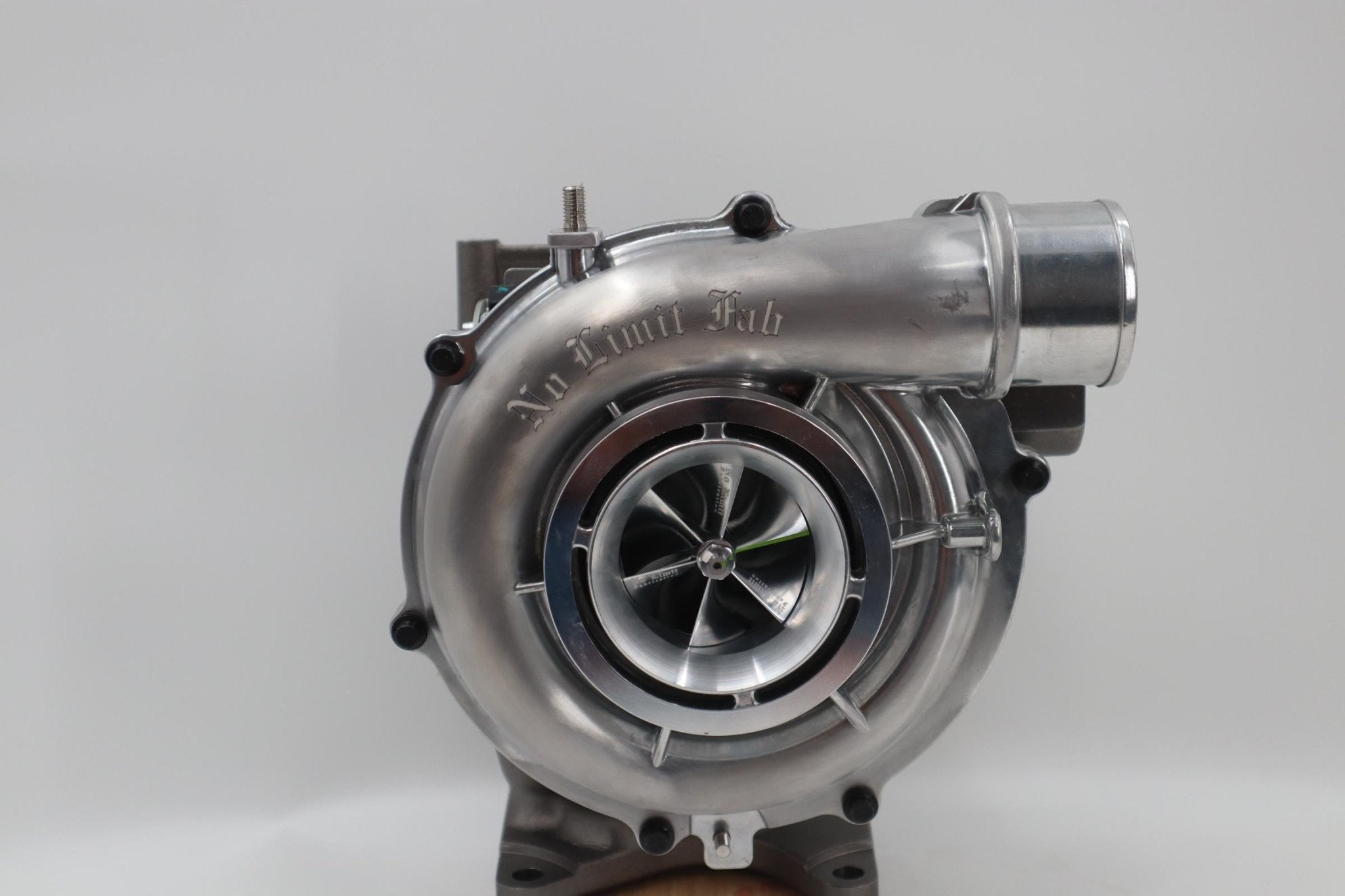
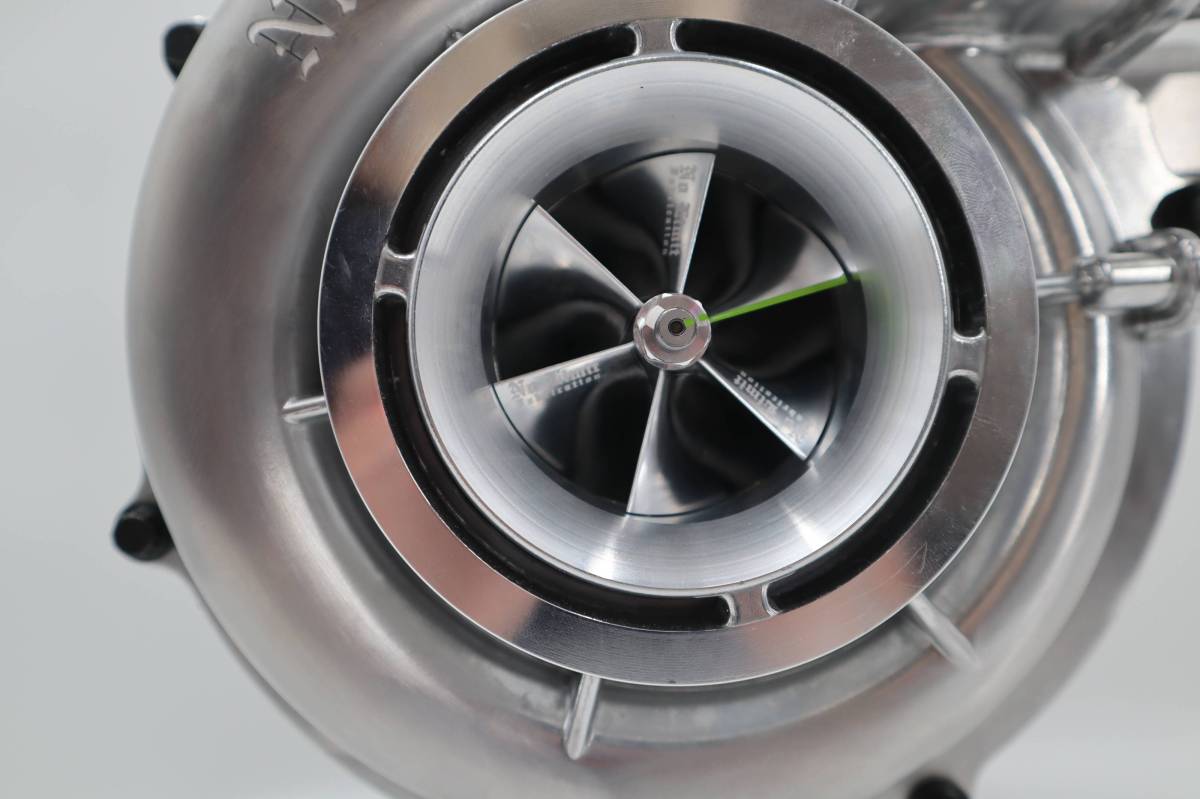
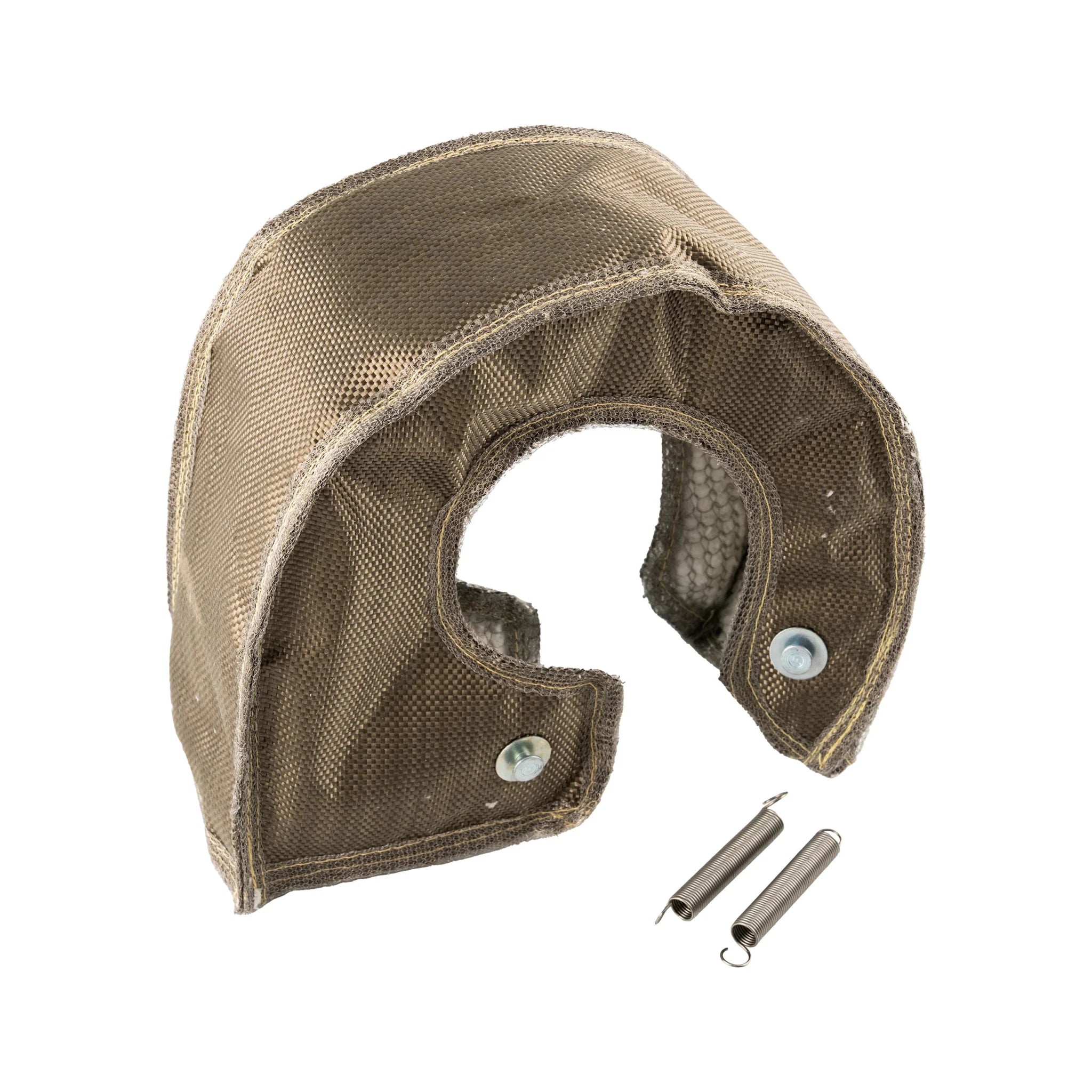
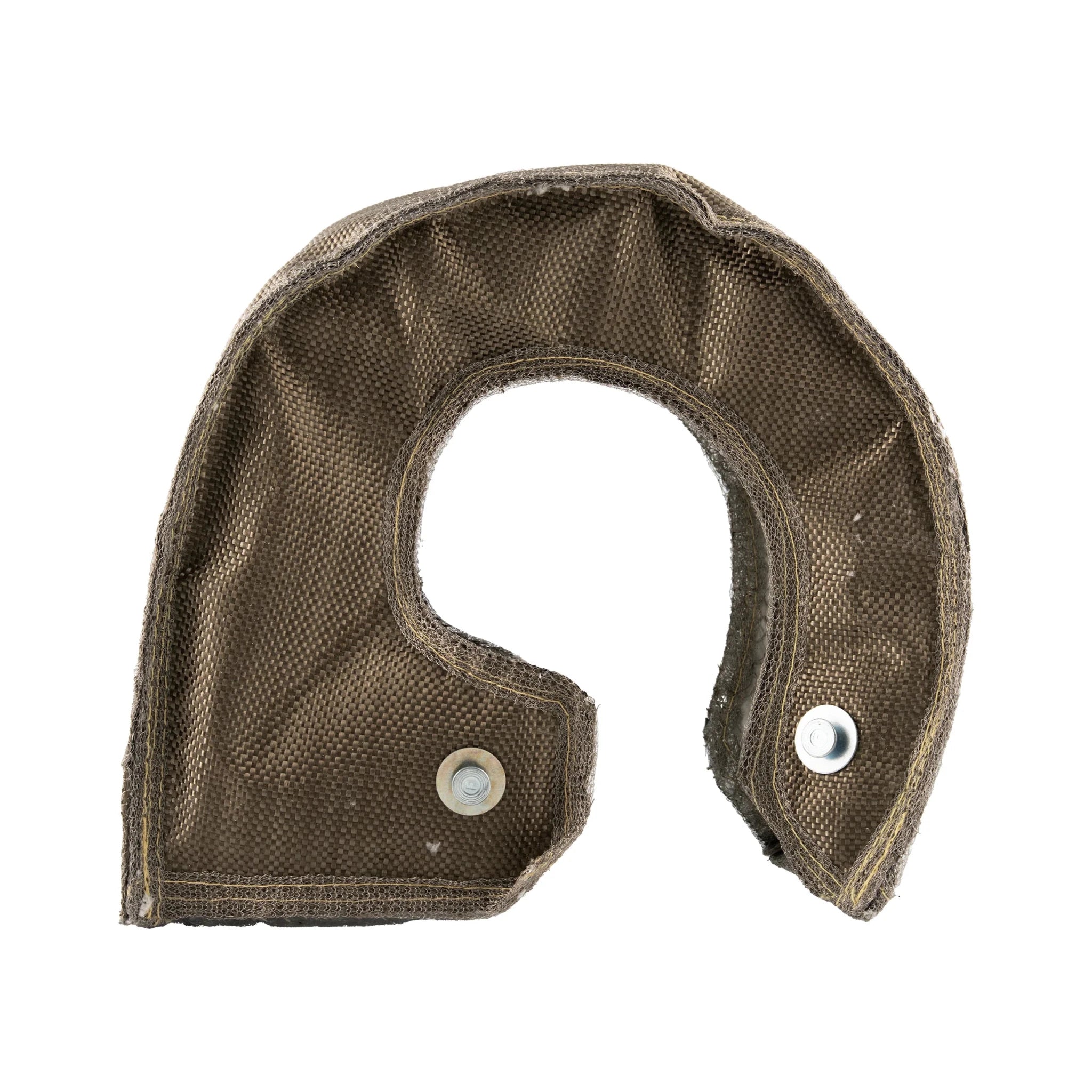
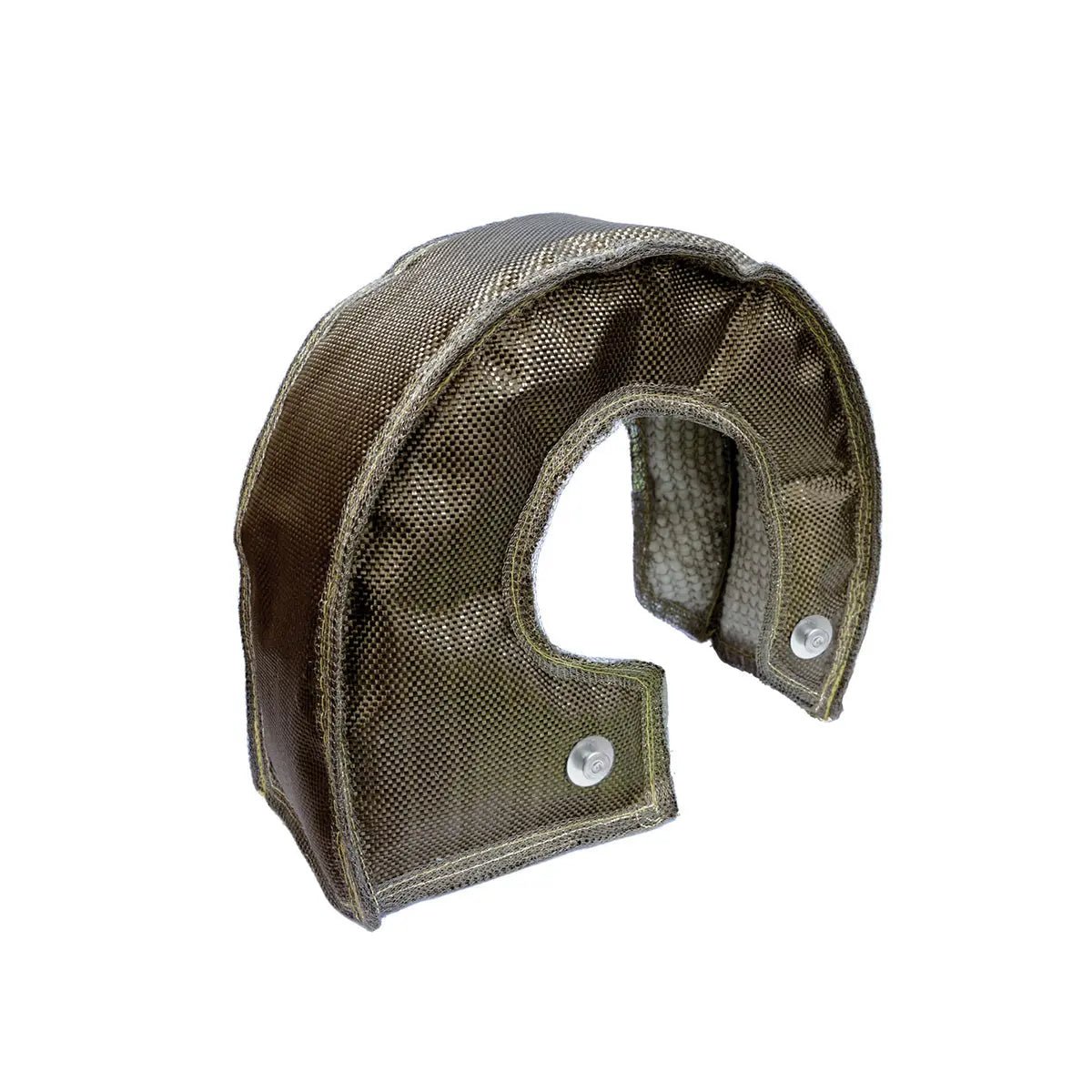
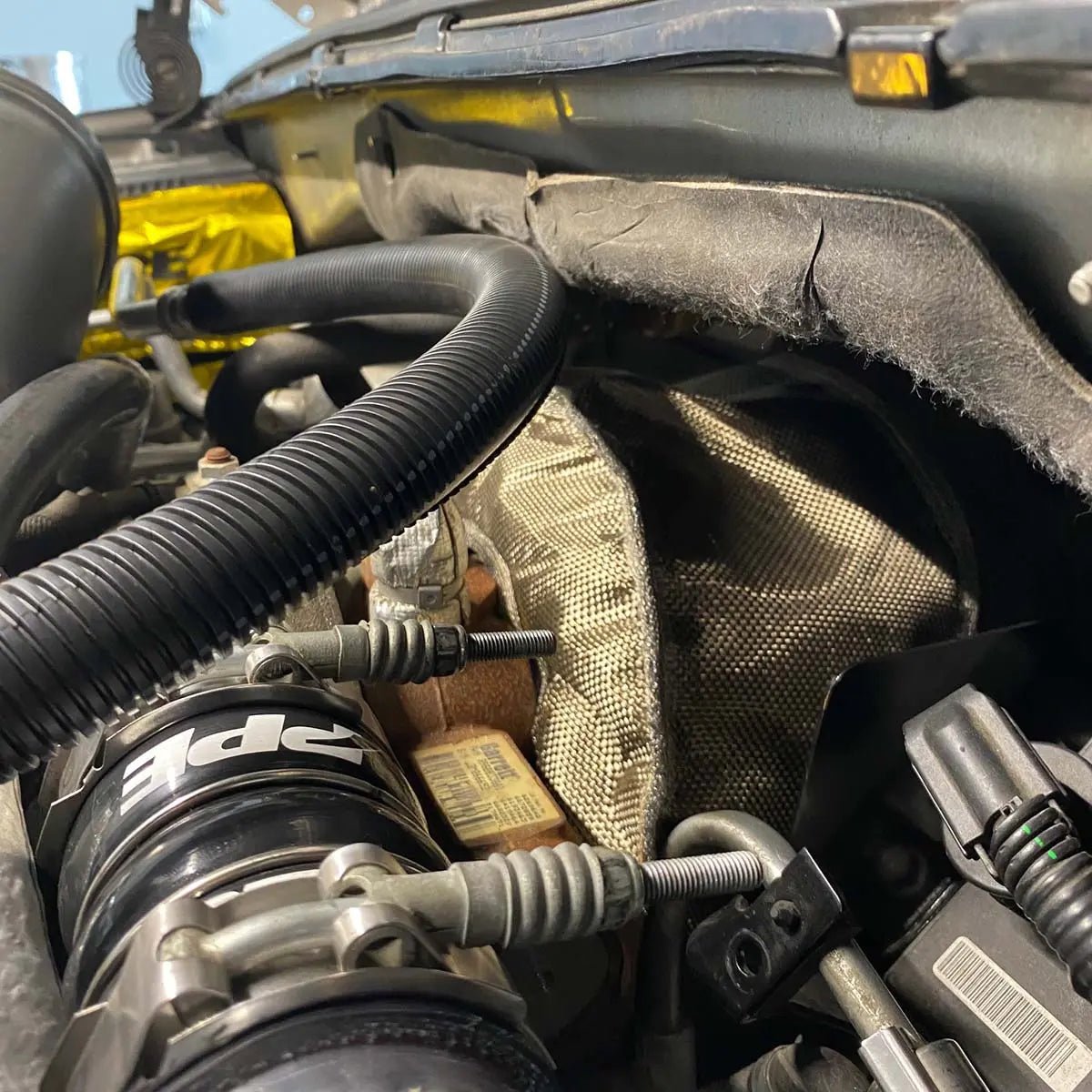
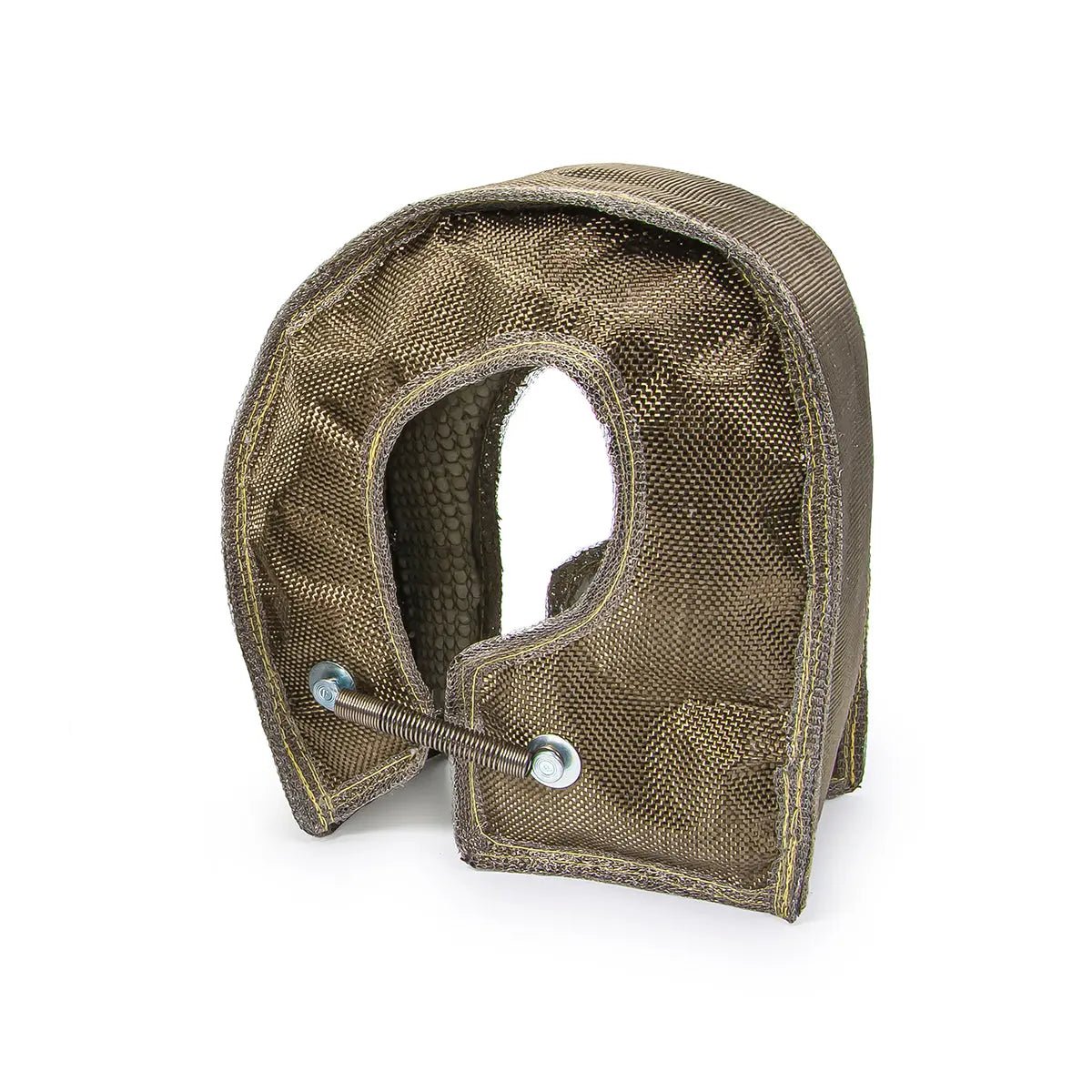
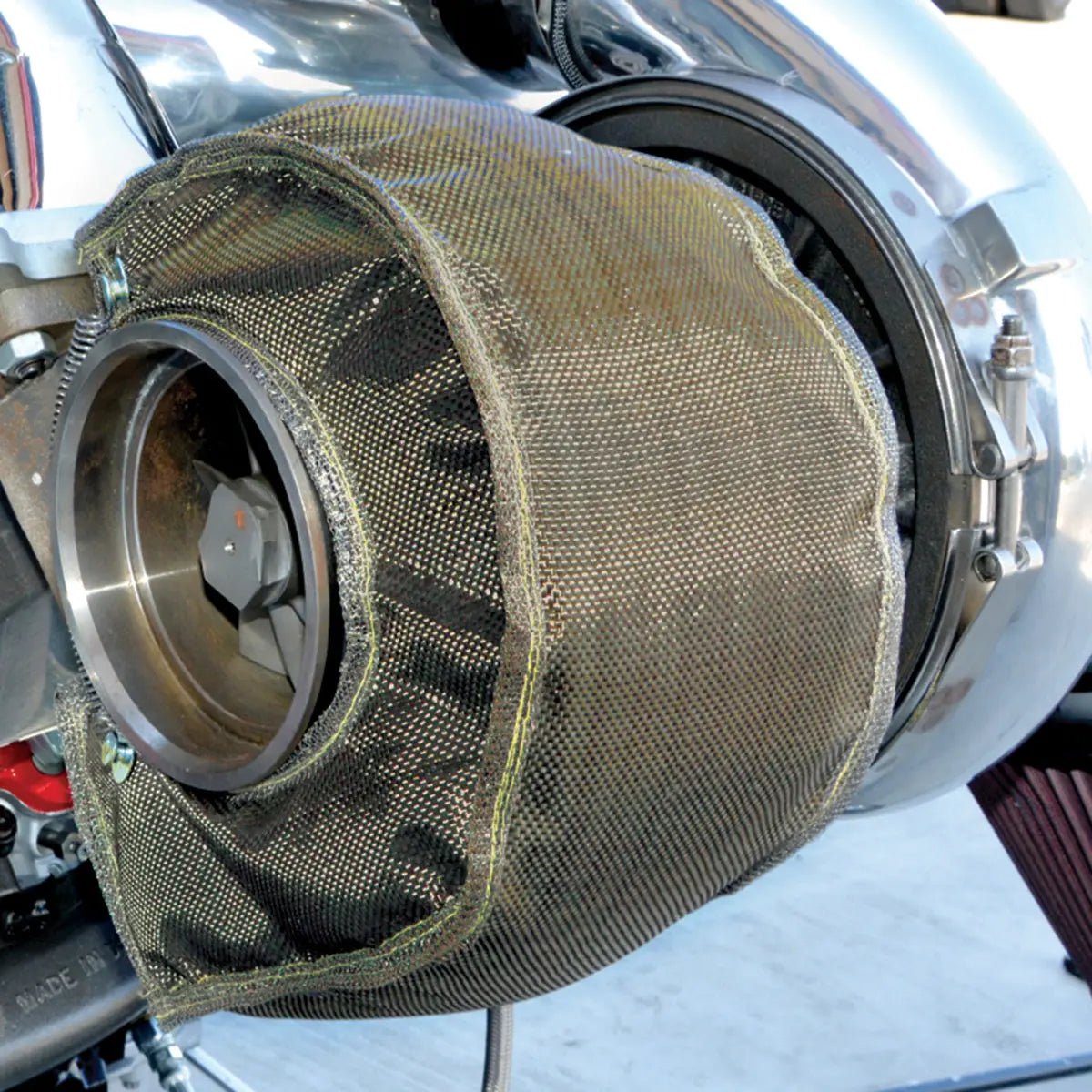
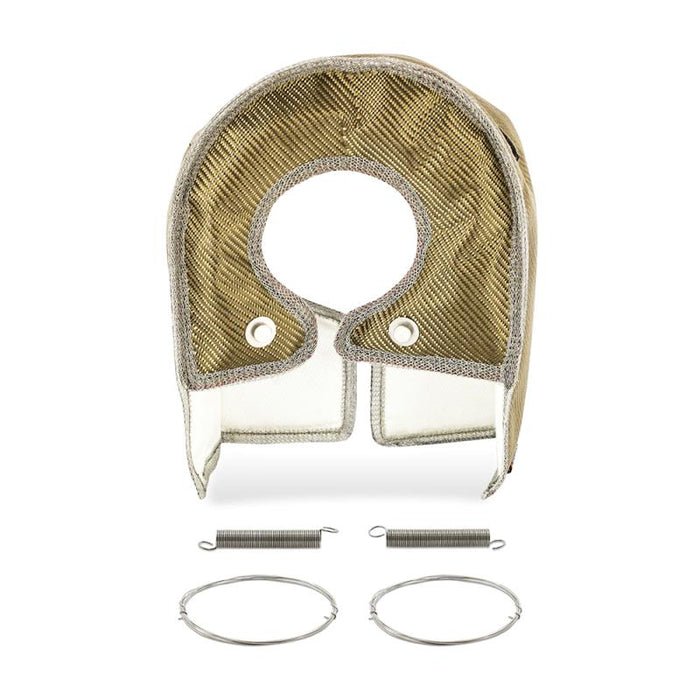
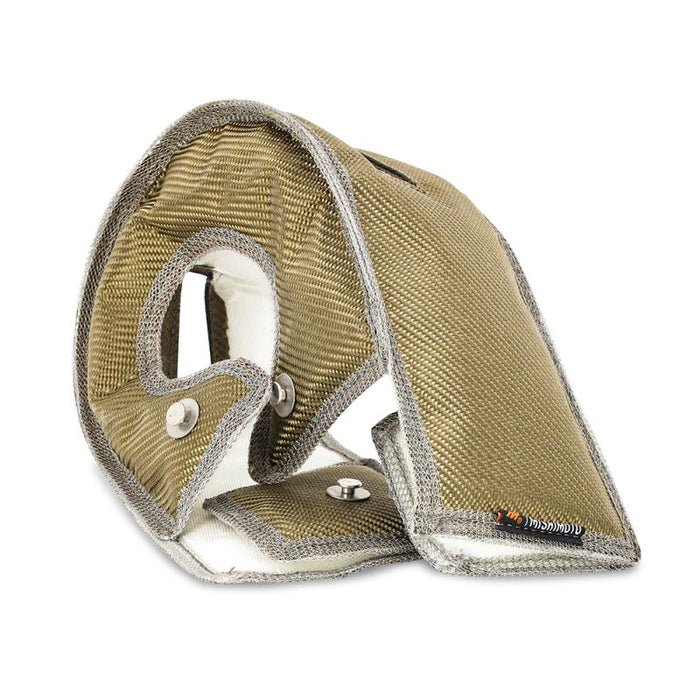
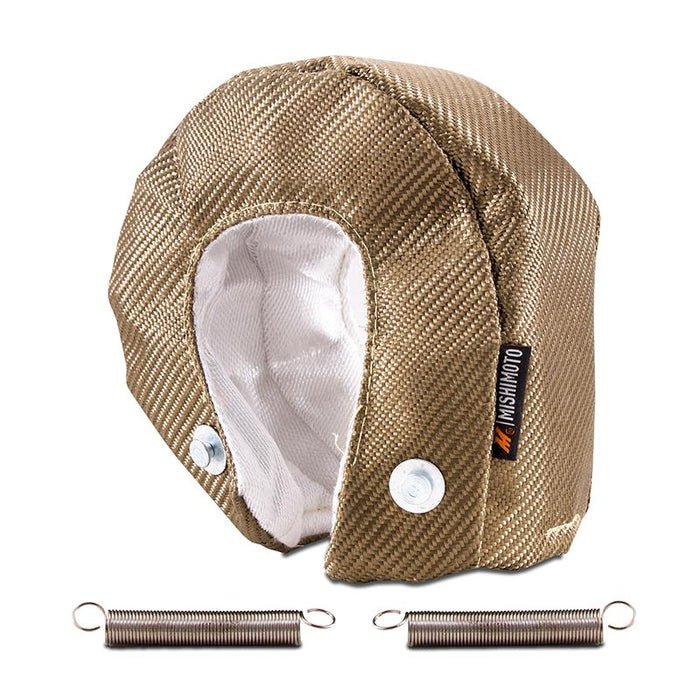
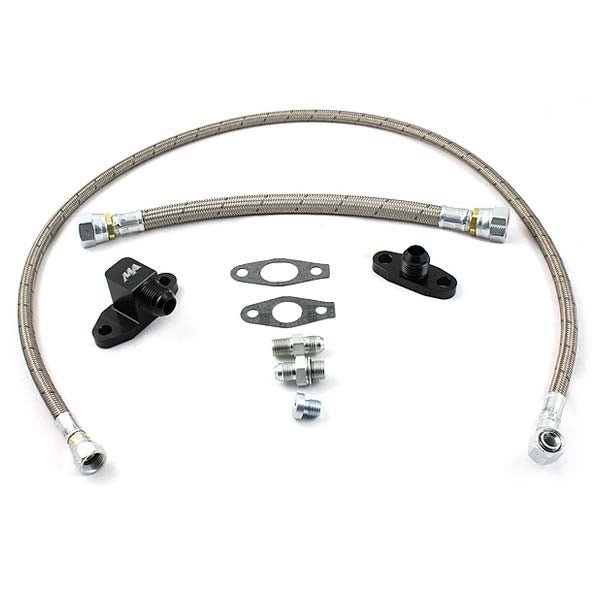
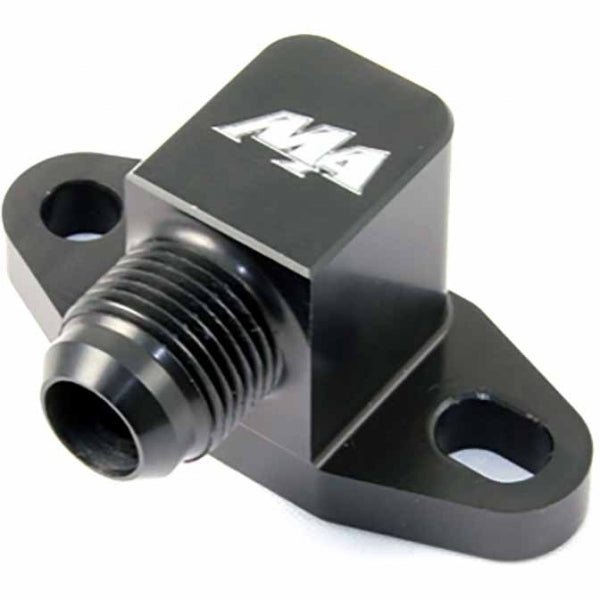
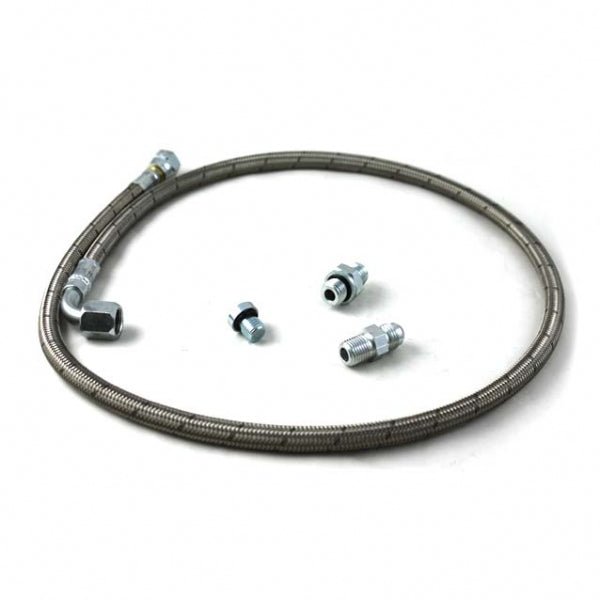
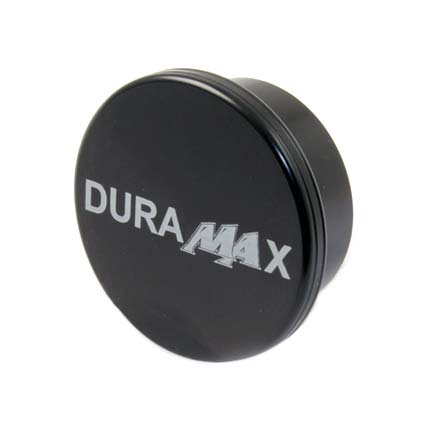
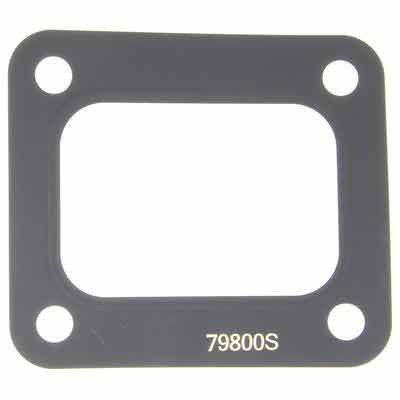
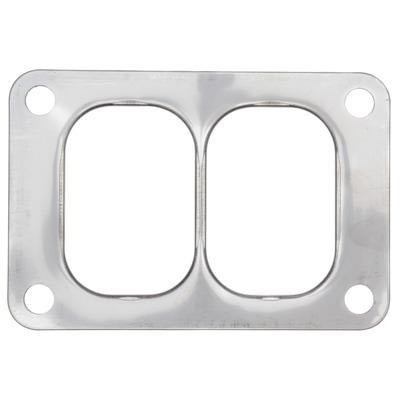
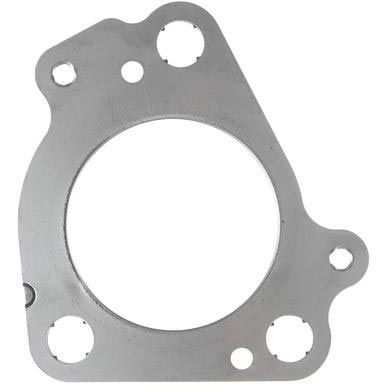
Complete turbos first: the XDP XD555 Xpressor, a remanufactured stock replacement listed for 2007.5-2010 6.6L trucks, and the No Limit Fabrication VGT turbocharger listed for 2004.5-2010 Duramax trucks. Everything else here supports the job. Alliant Power covers the AP91000 vane actuator and the AP0162 installation kit. MAHLE handles sealing with mounting gasket sets, the F32918 up-pipe-to-turbo gasket and T4 and T6 flange gaskets, while Merchant Automotive adds the 10124 gasket kit cut for 2007.5-2010. Oil plumbing runs from PPE feed and drain fittings, drain-line gaskets and a stainless return pipe through Merchant and G&R Diesel S300/S400 feed and drain kits to the WCFab S400 single turbo oil line kit. For heat there are titanium and woven blankets from PPE, Mishimoto and WCFab, including a VGT-specific blanket. BD Diesel brings V-band and high-torque clamps plus the Cool Down Timer 2. Billet resonator plugs are here from Fleece Performance Engineering, Merchant Automotive and XDP. And Calibrated Power Solutions supplies the Stealth Boost Tester regulator with its inlet and faceplate adapters for leak-testing the charge side. Browse every turbo we stock, or start over from the Duramax hub.
Fitment notes
These parts are for the GMT900-body Sierra 2500HD and 3500HD in WT, SLE and SLT trim, with the 3500HD sold single or dual rear wheel. A 2007 Sierra HD Classic is the earlier GMT800 truck with the LBZ, which is why LMM coverage starts at 2007.5; 2011 and newer Sierras moved to the LML, so nothing here crosses that line. Pickups under 10,000 lb GVWR carry the 365 hp and 660 lb-ft rating, while box-delete and chassis cab trucks above that weight were derated, so check those by VIN. Listing ranges wider than your truck's years are normal in this collection: Garrett 736554-0015, 759622-0005 and 790032-0004 (GM 97387896) serve the LLY, LBZ and LMM from 2004.5 to 2010, and only the LLY needs the 771864-0001 position sensor adapter. Kits labeled S300 or S400 are plumbing for aftermarket frame-mounted turbos, not for the factory Garrett.
Frequently asked questions
My Sierra pulls hard off idle but has nothing left up top. Is that the turbo?
That pattern, or its opposite, is classic vane behavior on an LMM, with the mechanism stuck somewhere in its travel instead of sweeping. Scan for P0299, P003A, P2563 and P0234 first. Then test the actuator and the vane position sensor before deciding the turbo itself is through.
What does the particulate filter have to do with my turbo?
It sits downstream and raises backpressure, which can force soot past the turbo's shaft seals and add thermal stress to the turbine and bearings. A regeneration that fails can also set a P0299 underboost code that looks turbo-related when it is not. Oil at the compressor or soot in the intercooler means the turbo deserves a real look.
Can the vanes be cleaned with the turbo still on the truck?
No. It has to come off and the turbine side has to be opened so the vanes, pivots and unison ring can actually be cleaned and the ring slots inspected, then it reassembles with high-temp anti-seize. Cleaning only answers carbon. If the compressor wheel moves toward the housing, the bearings are worn and the unit needs rebuilding or replacing.
Why is my boost low when the turbo itself checks out?
Look for leaks and liars. Cracked up-pipe bellows and loose charge-air boots both read as lost boost, and exhaust leaks at the manifolds or up-pipe should be repaired before any turbo gets replaced for lag. Vane actuator, solenoid, sensor and wiring faults belong on the same list.
Does the way I drive it really matter?
It does. Periodic moderate-to-heavy acceleration works the vanes through their range, and using grade braking does the same thing, so carbon has a harder time packing the mechanism. The Sierras that stick are usually the ones that idle a lot or never leave one cruise speed.
Not sure what fits? Call the shop at the number in the header, or use the fitment checker on any product page. We install everything we sell.