
Shop Turbo by Category


Filters
31 products



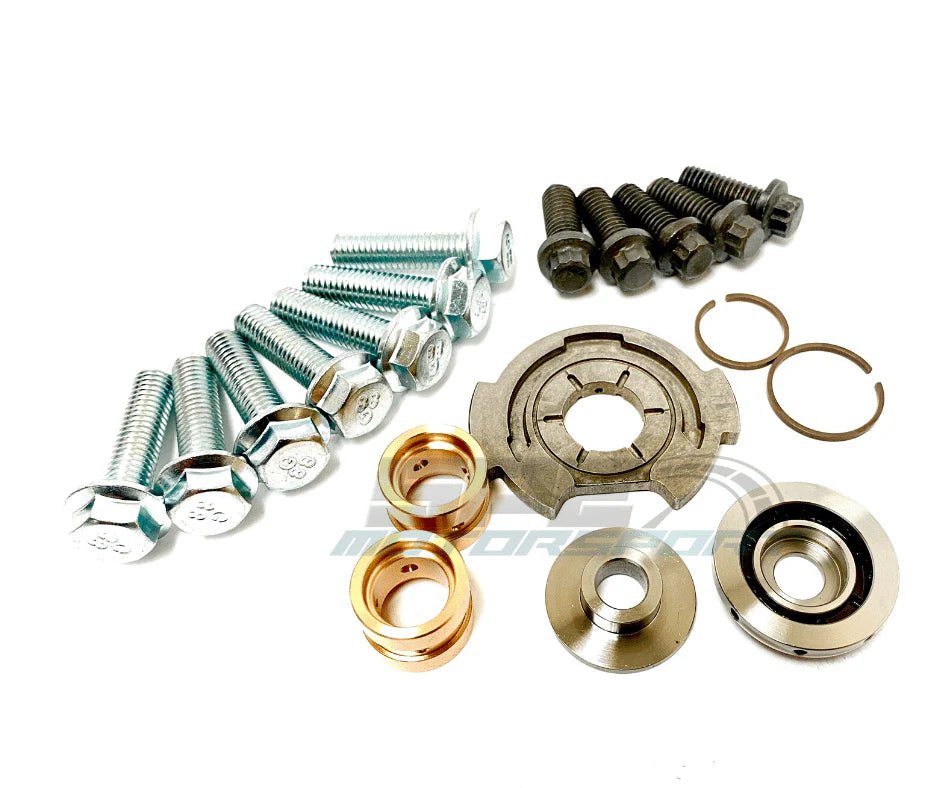
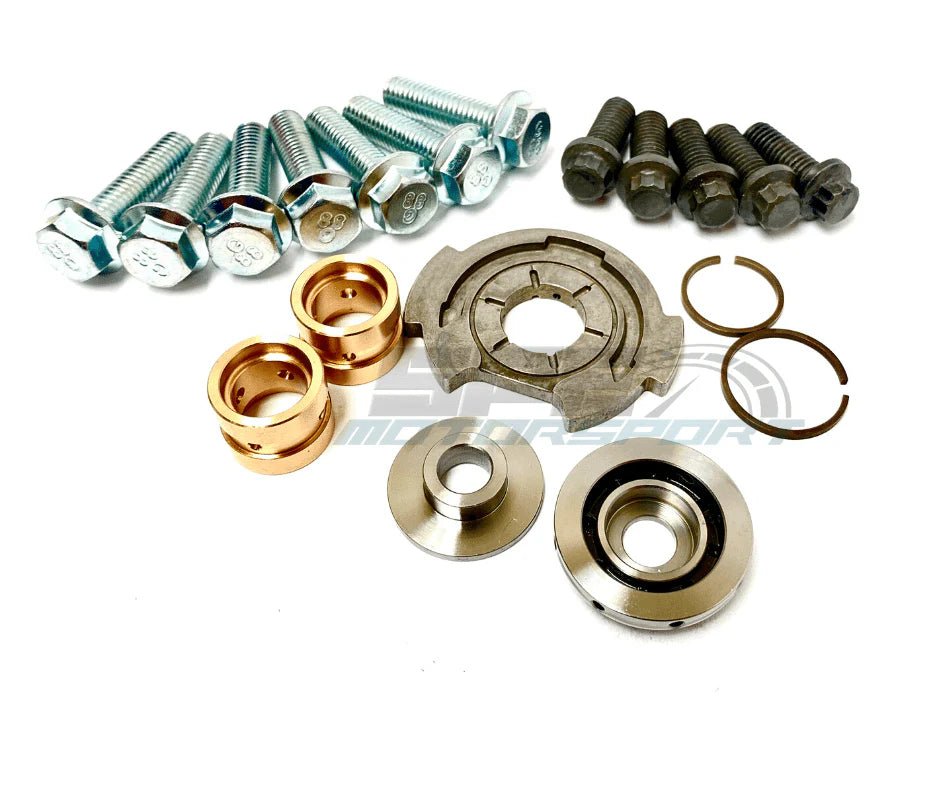
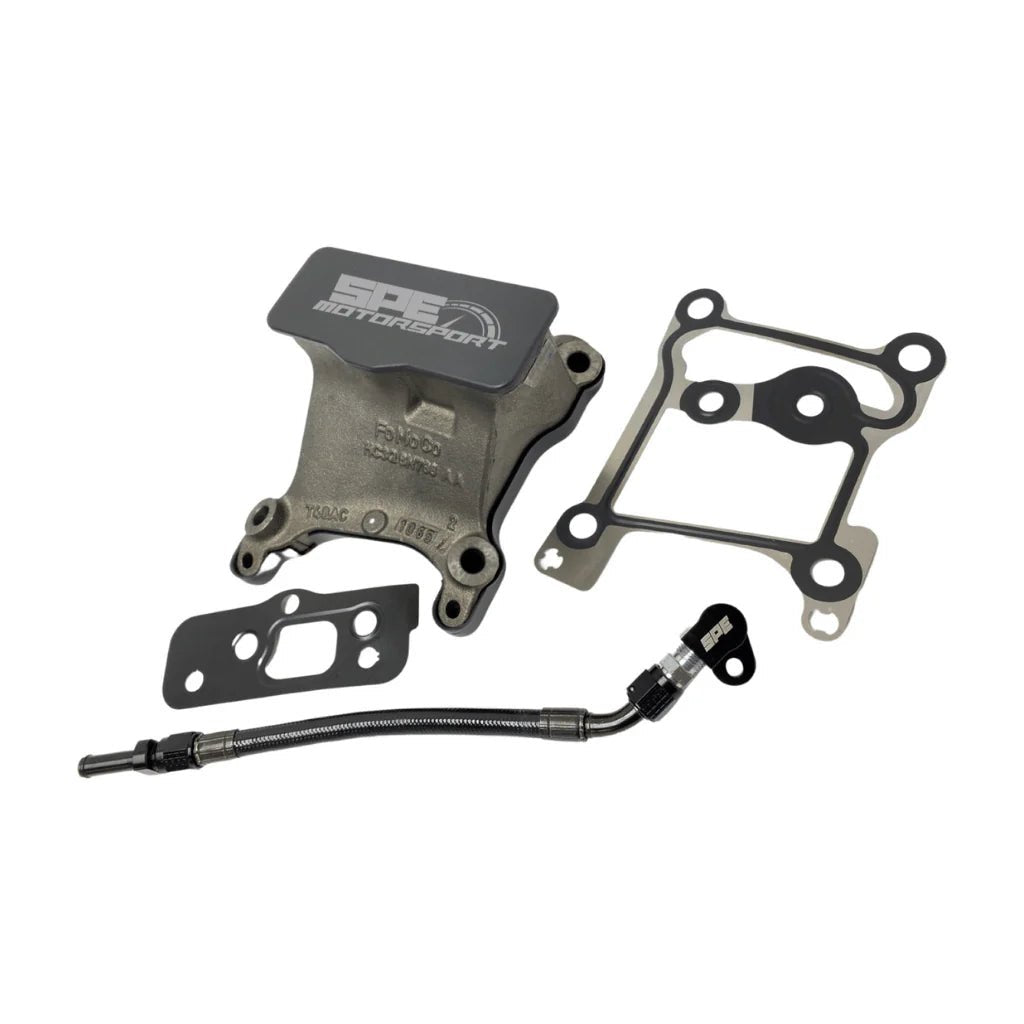
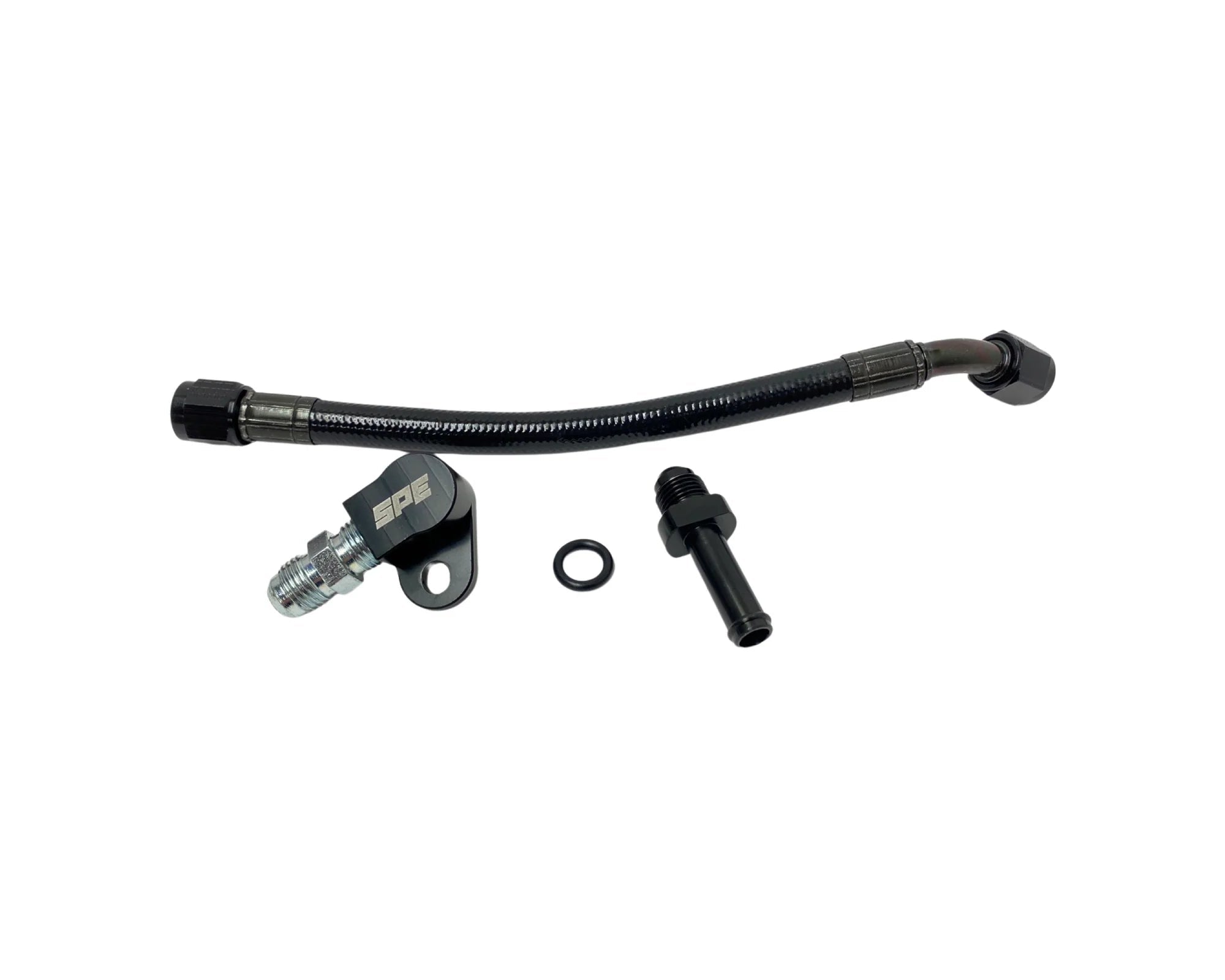
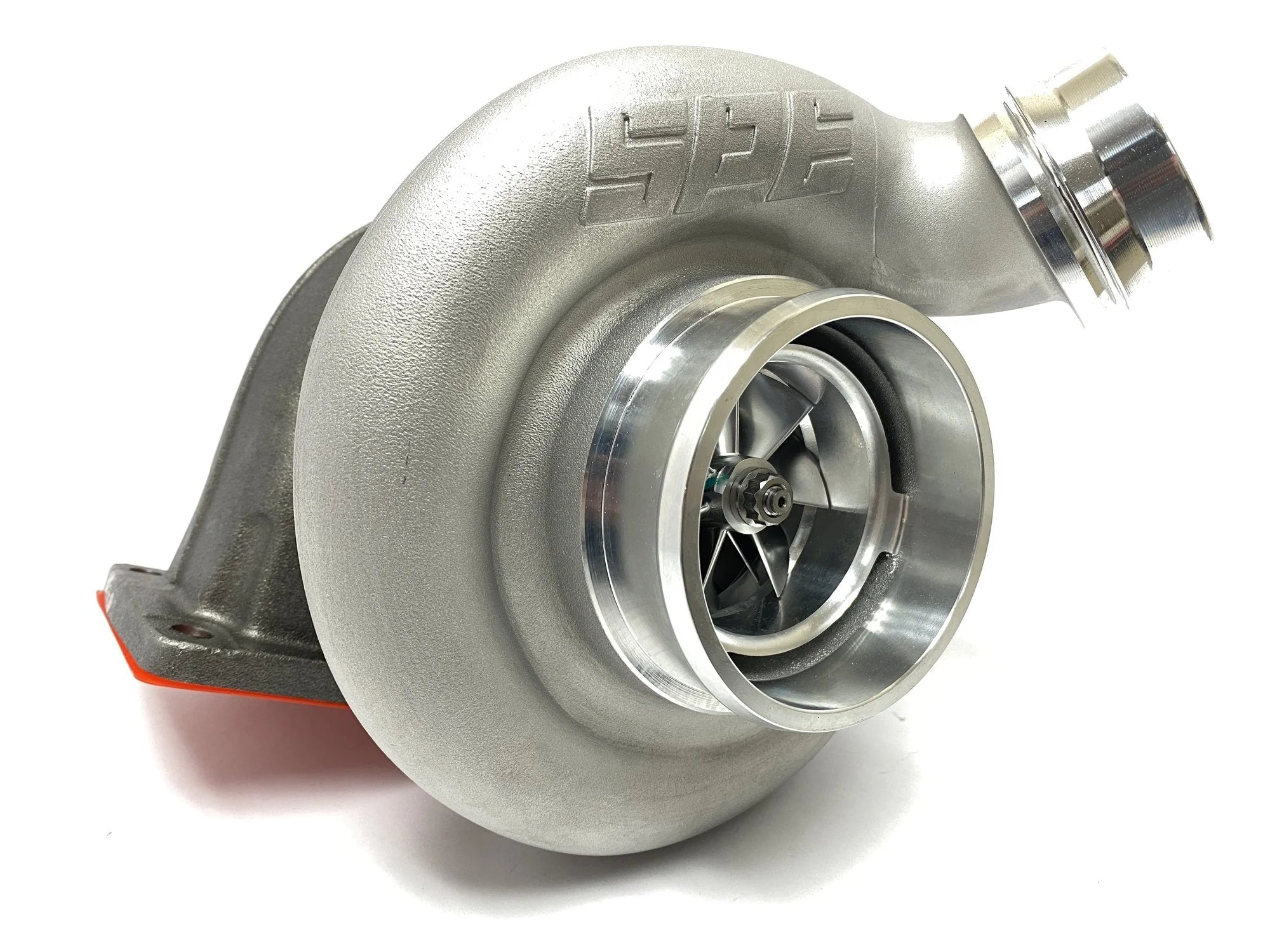
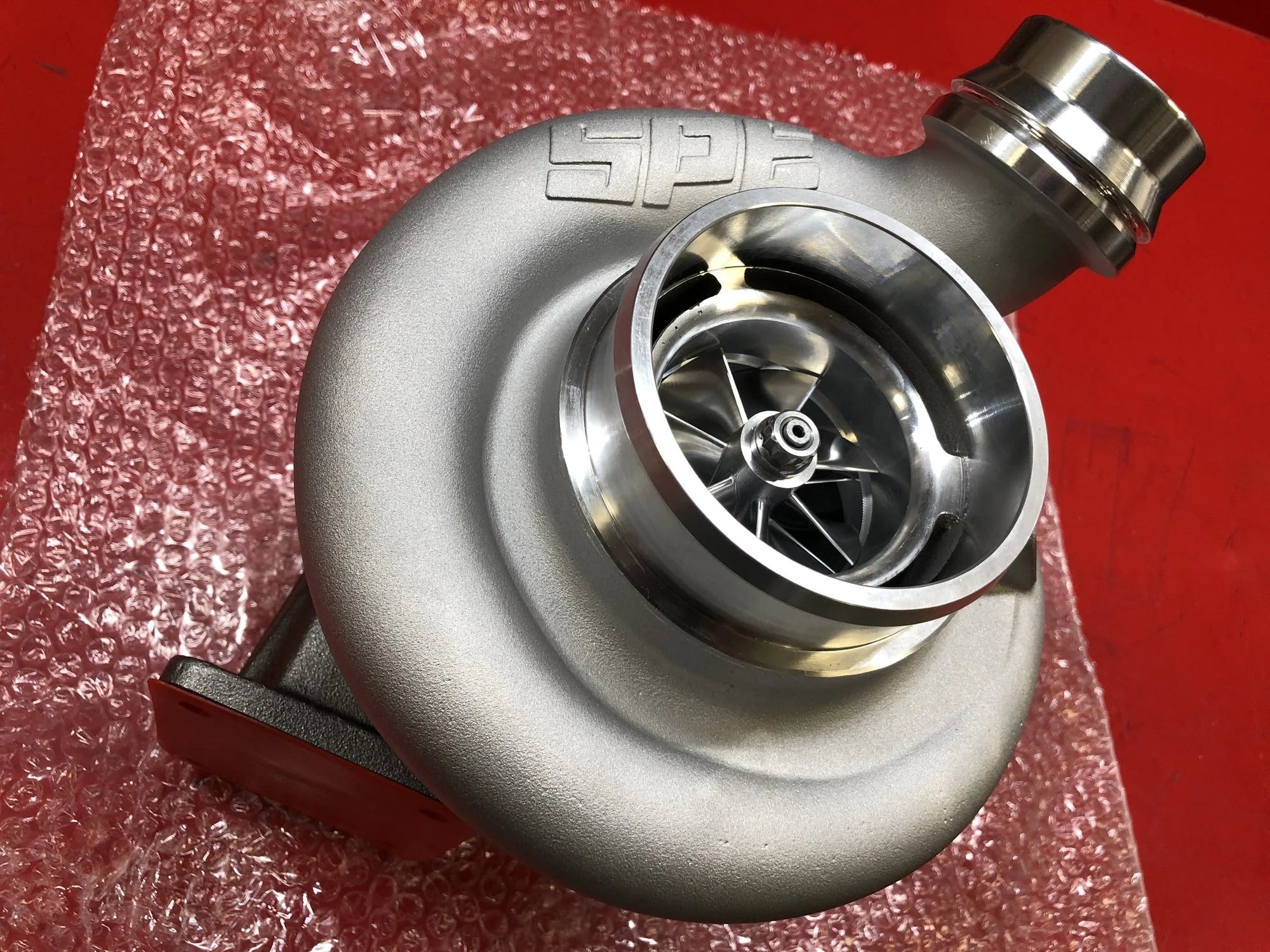

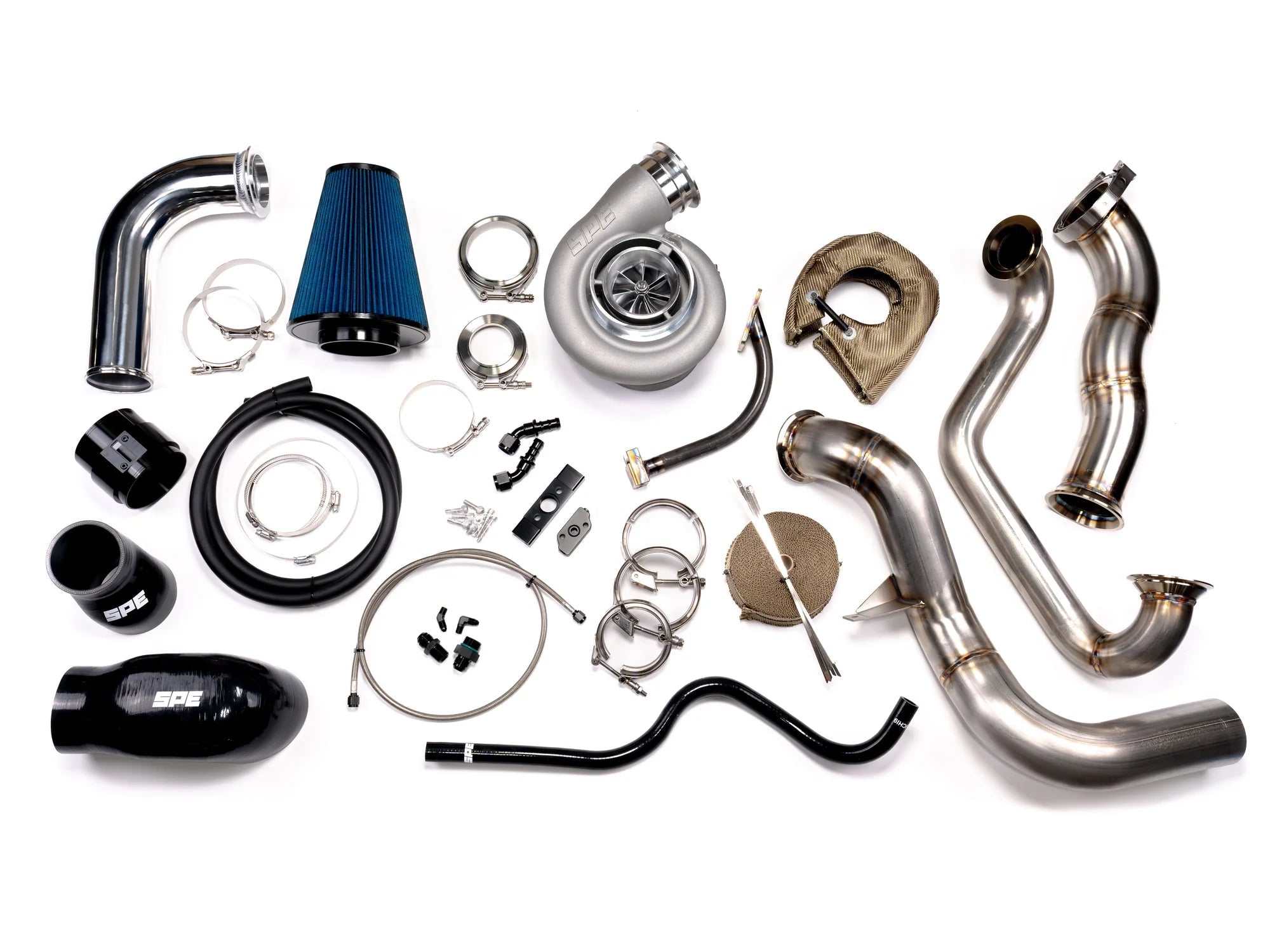
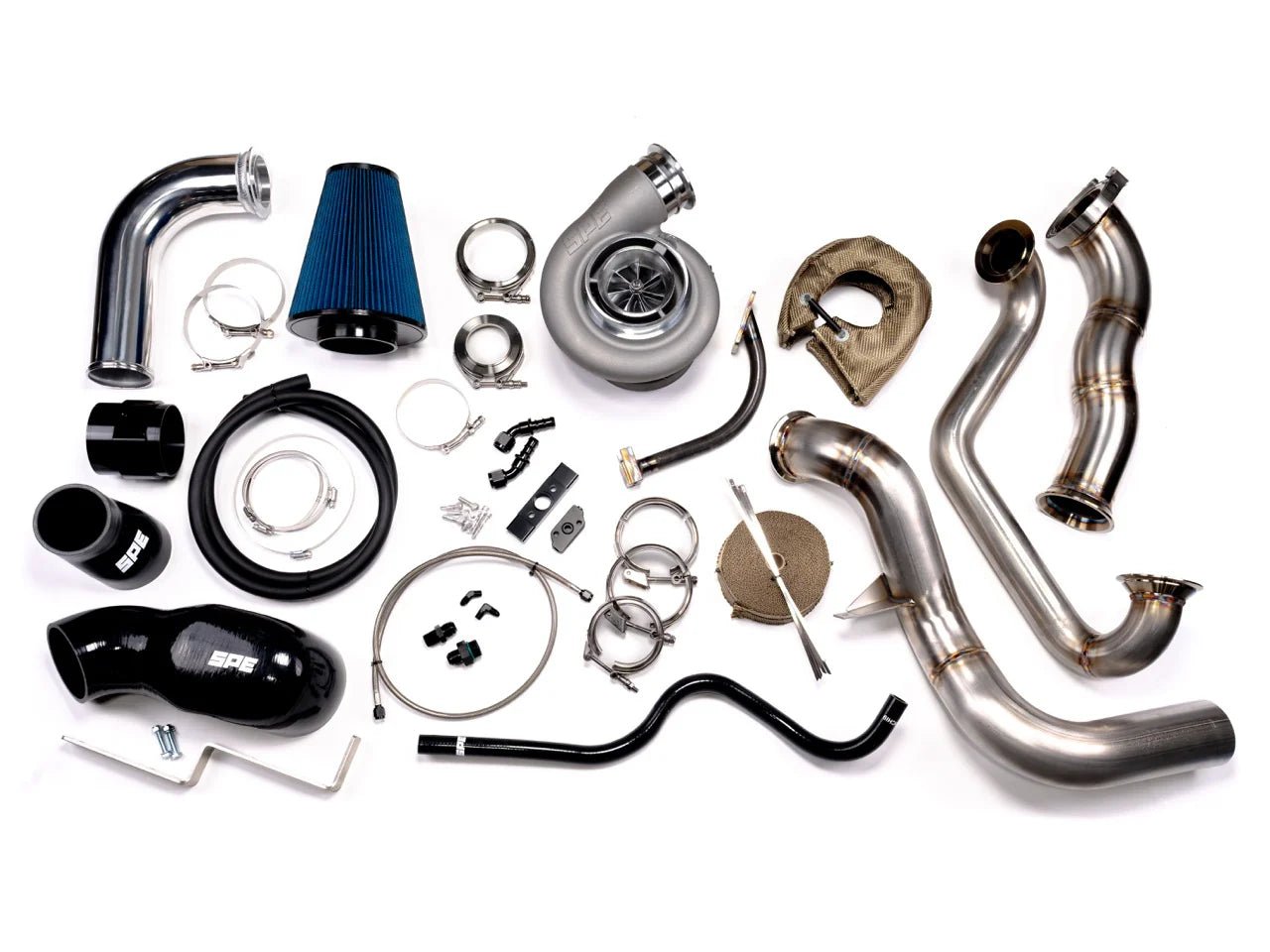


Not sure it fits your truck?
Our Wildwood, FL techs will confirm the right part for your build before you buy.
Call or Text (352) 722-5295The turbo on the 2015-2016 Ford 6.7L Powerstroke
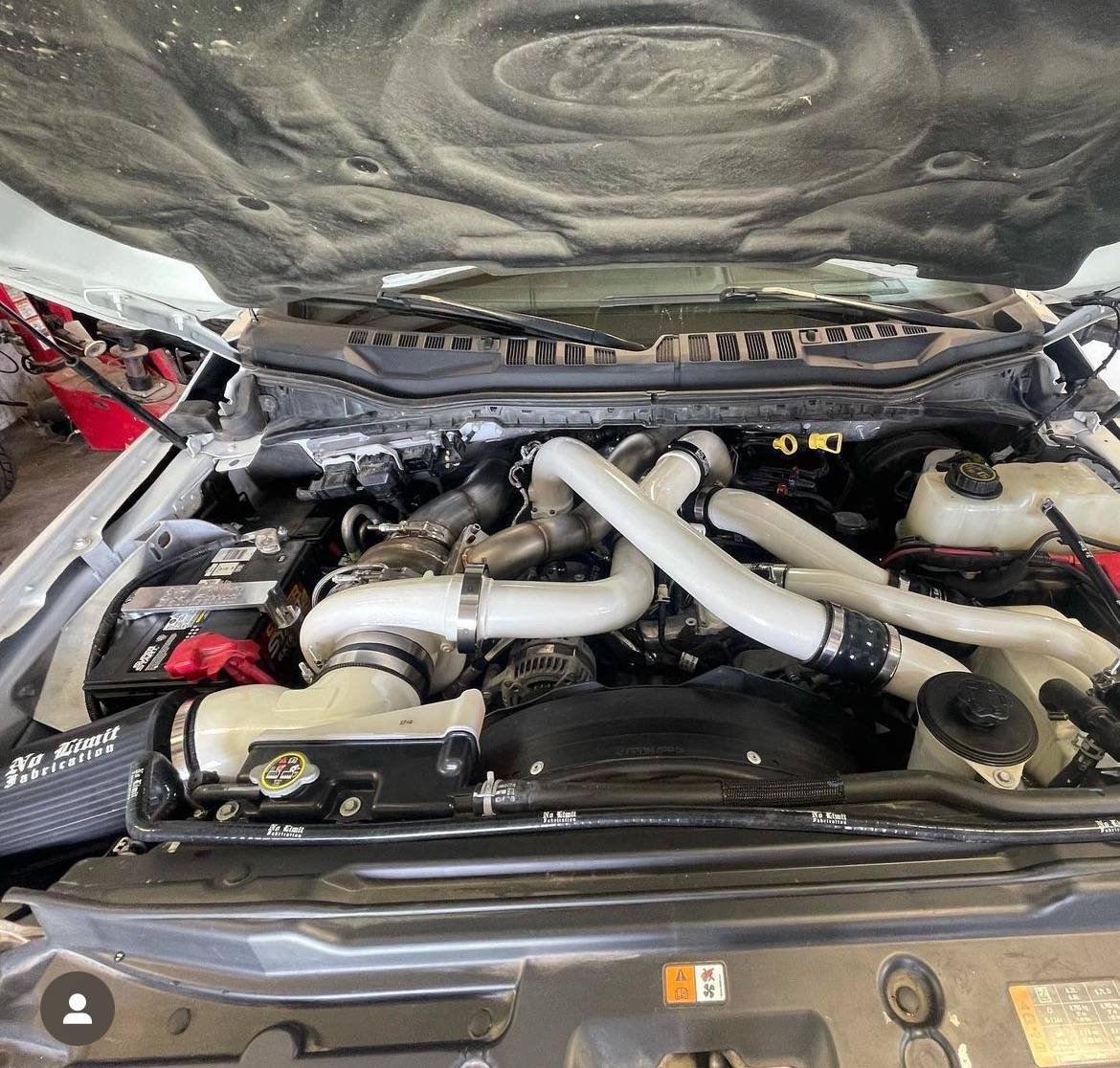
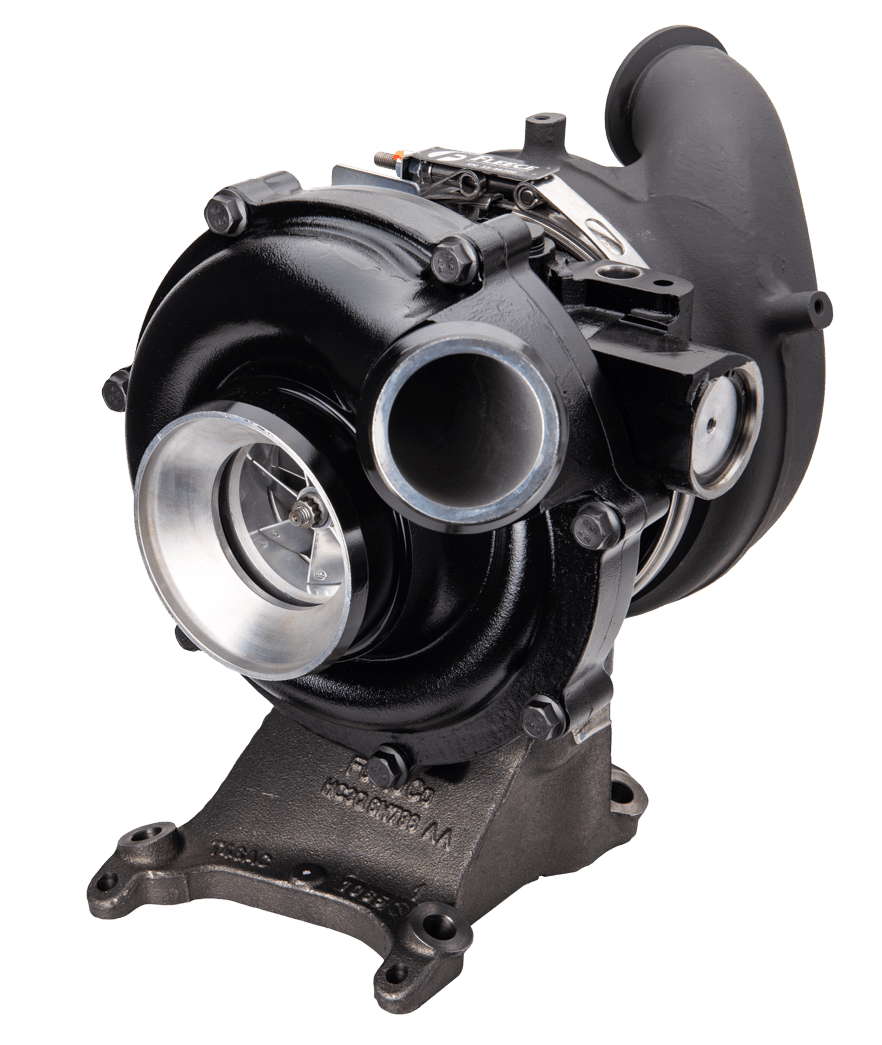
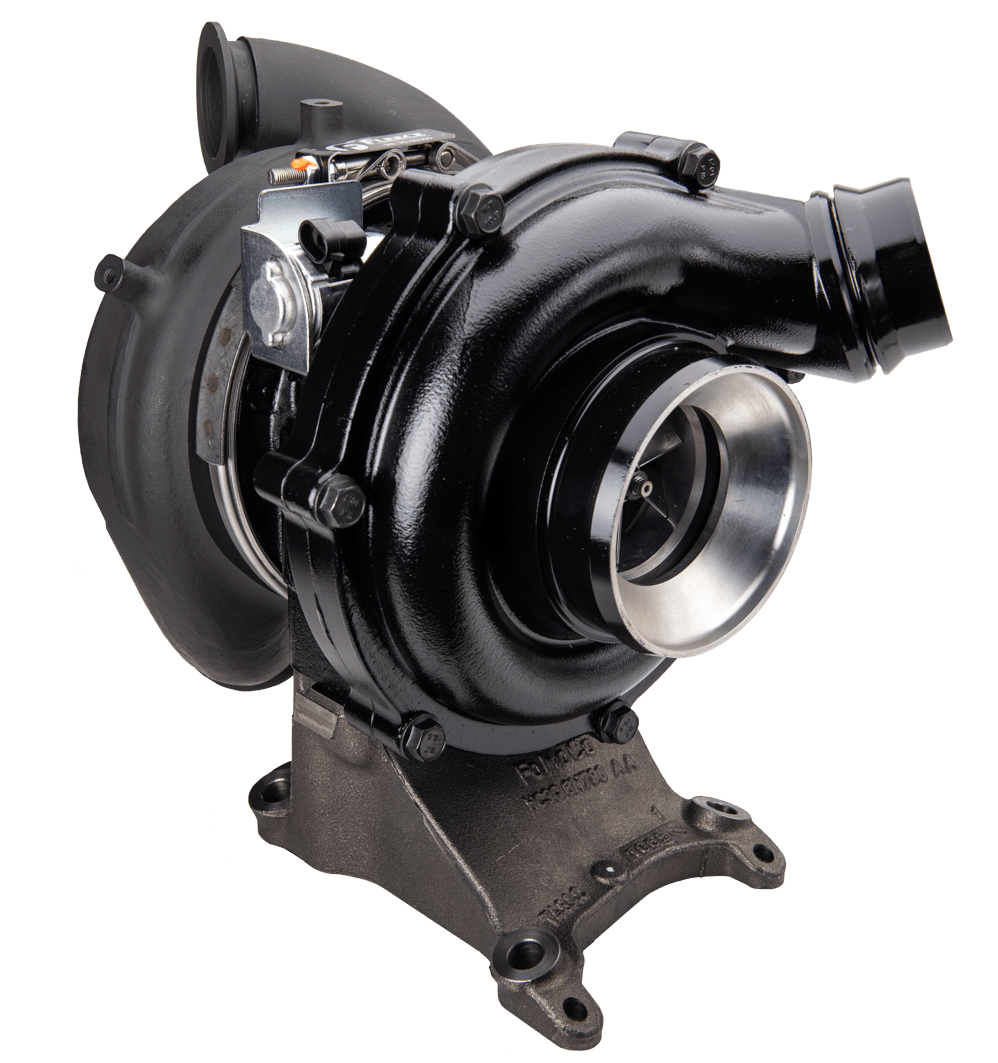
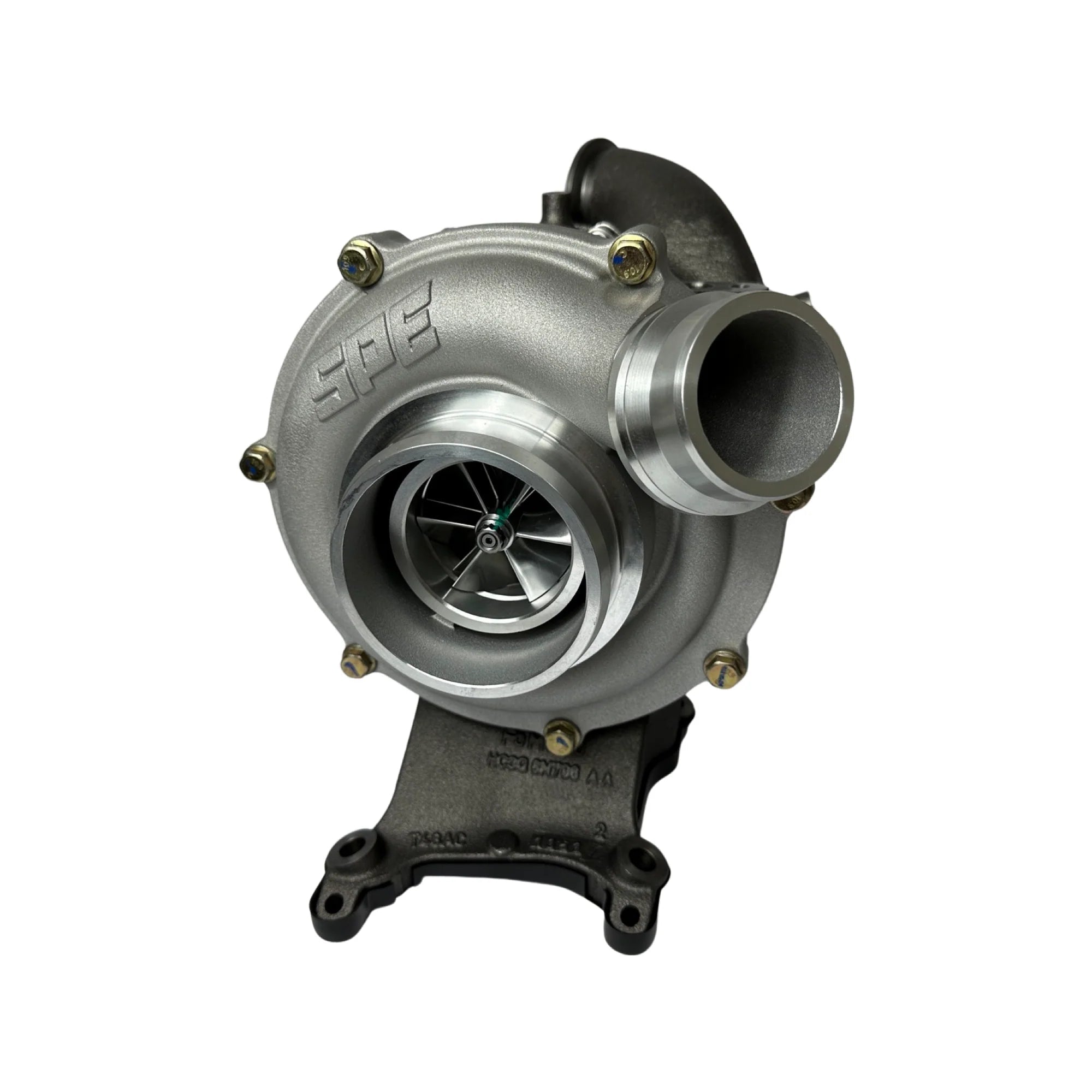
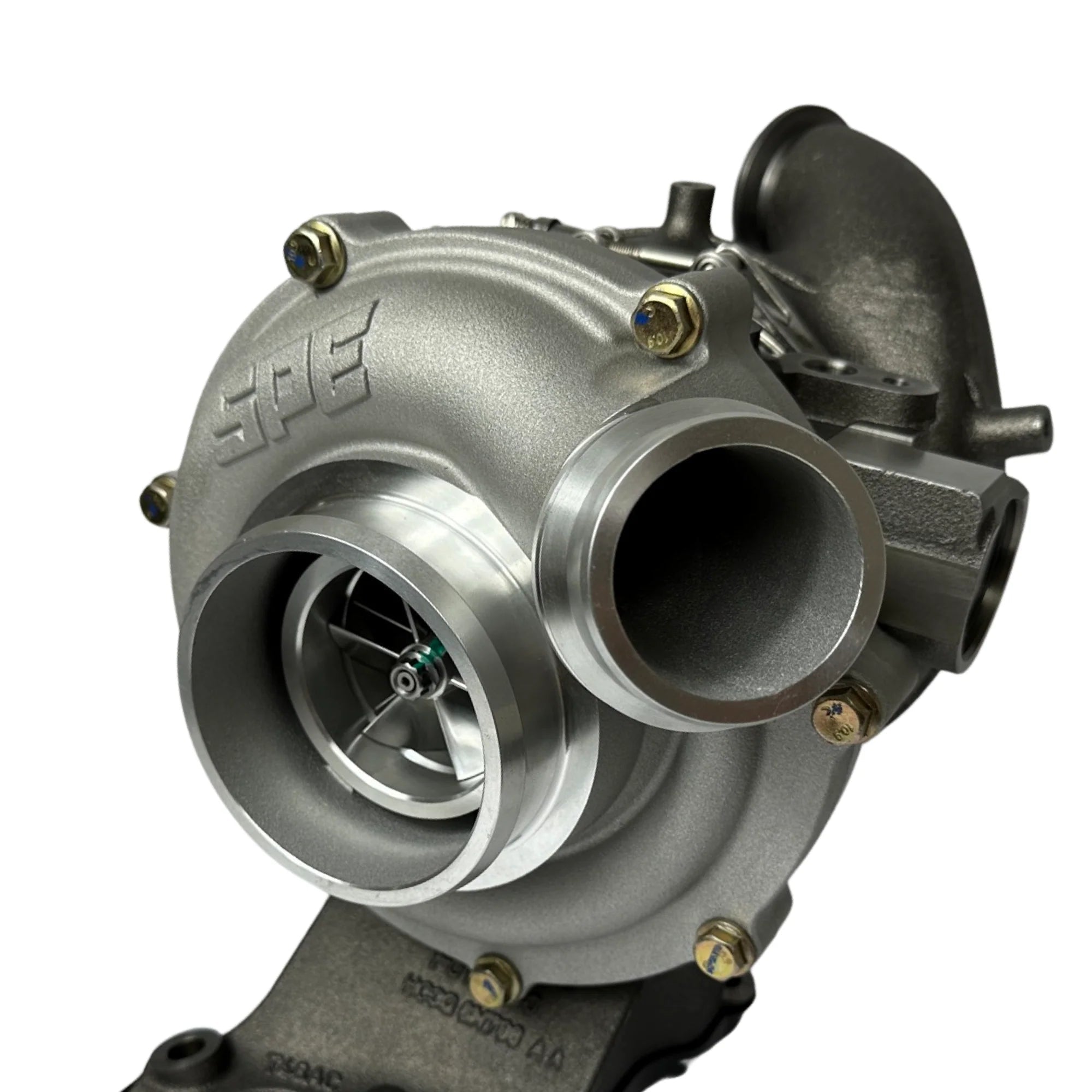
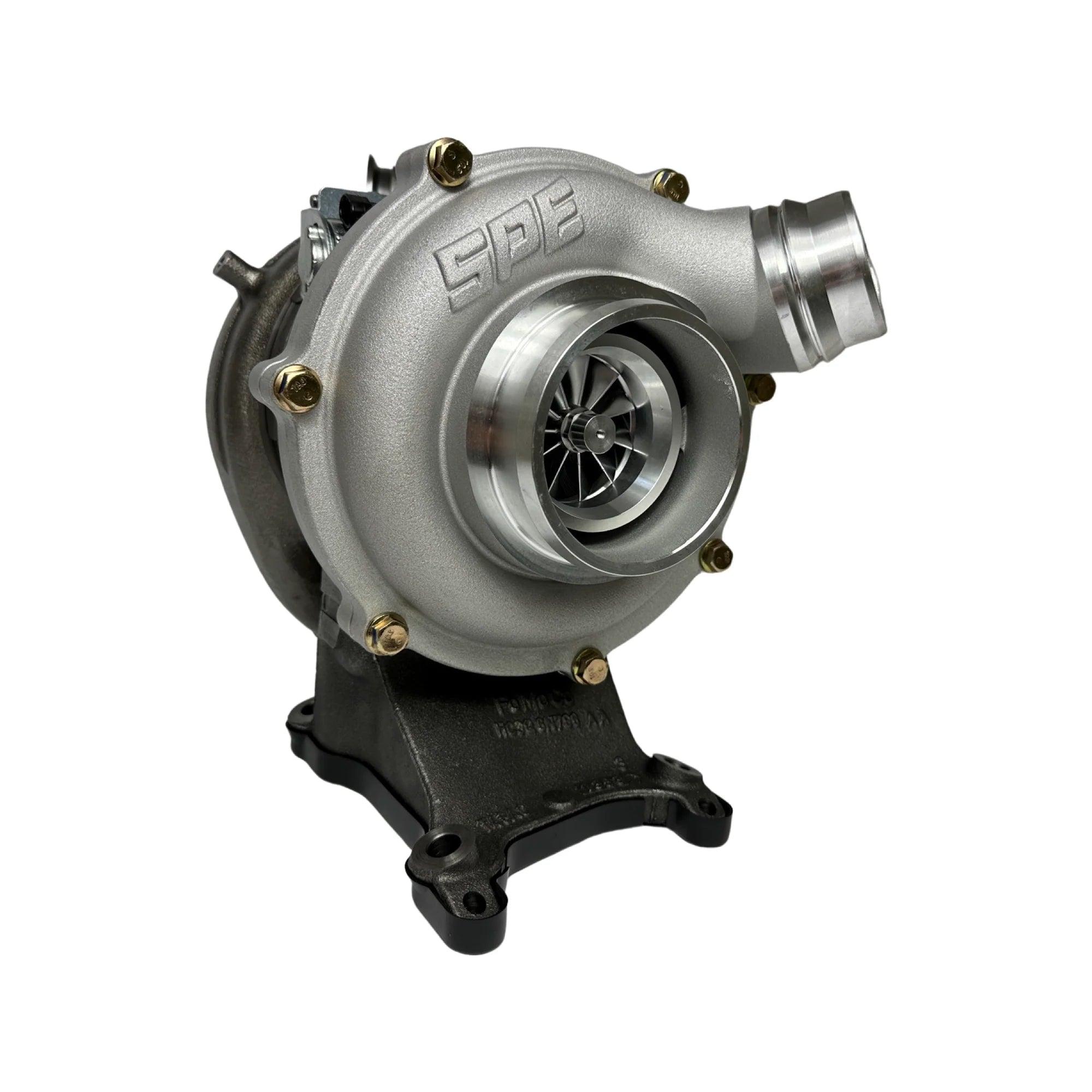
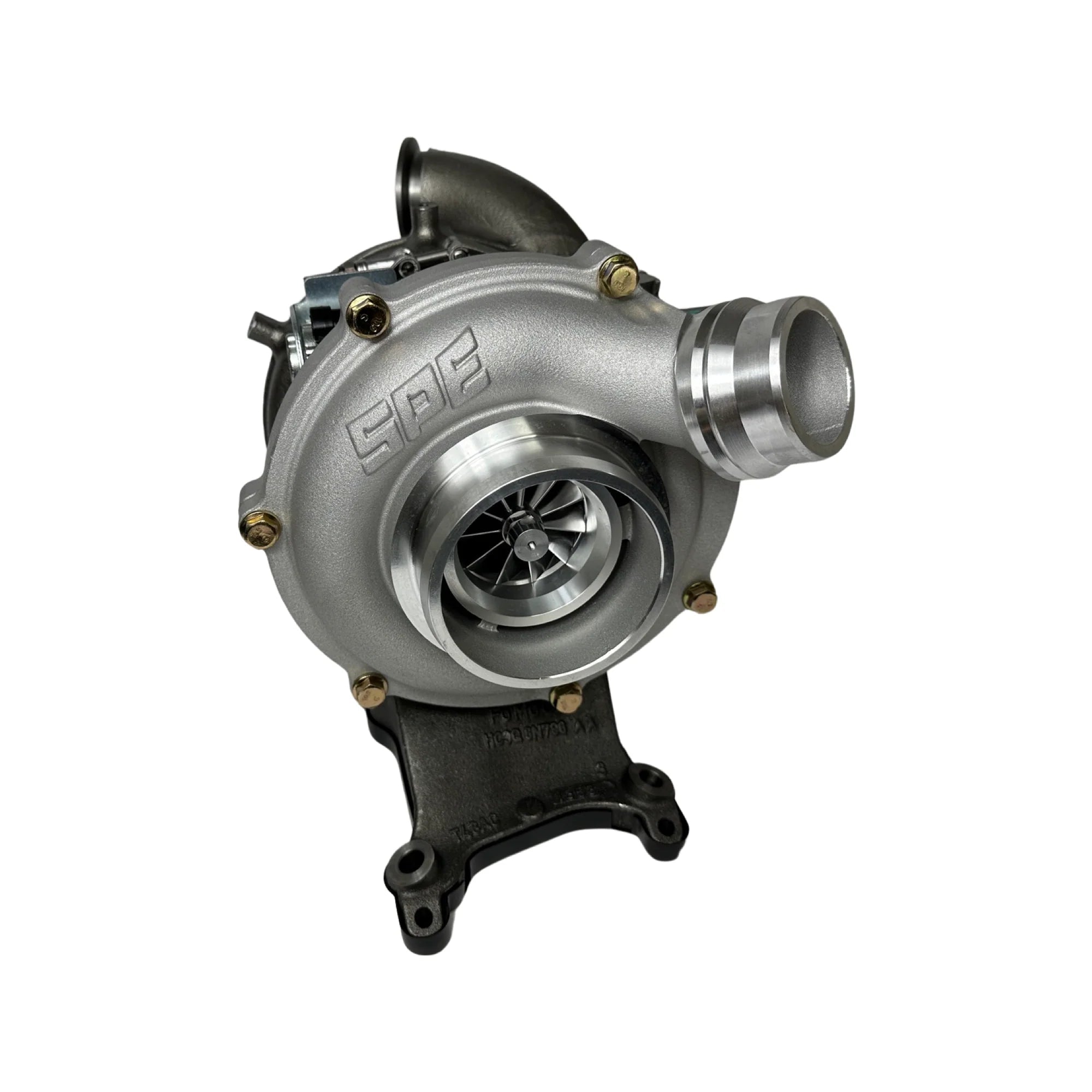
For 2015, Ford pulled the Garrett SST3266V DualBoost off the pickup and fitted a Garrett GT3788V. It is a single, conventional variable-geometry turbo with a 72.5 mm turbine and an 88 mm compressor. A hydraulic actuator moves the vanes, there is no wastegate, and the center section is water-cooled from the primary cooling loop. Like everything else on the 6.7L Powerstroke, it sits in the engine valley, fed by exhaust ports that face inward from the reverse-flow heads. Ford credited the bigger turbo for the jump to 440 hp and 860 lb-ft, and for stronger engine-exhaust braking when you tow, which saves wear on the wheel brakes and transmission. Boost leaves the compressor through a hot-side tube, passes through an air-to-water charge-air cooler on the secondary cooling loop, and returns to the engine through a cold-side tube. The factory tubes measure about 2.34 in inside diameter on the hot side and 2.37 in on the cold side.
What fails and why
The GT37 itself has no widely documented failure pattern in the sources we work from. What strands these trucks is the plumbing around it. The factory cold-side intercooler tube on 2011-2016 trucks is plastic. Heat cycles make it brittle until it cracks, and the hot-side connection can pop off the turbo outlet under load. One documented failure happened while towing at altitude. Symptoms come on fast: sudden power loss, a P0299 underboost code, P1247, P0402 EGR flow codes and limp mode. Keep driving without boost and the DPF can load with soot in as little as 5 to 10 miles.
So when a 2015-2016 sets an underboost code, rule out boost leaks and oil-supply problems before you condemn the turbo. The screeching, blue-smoke bearing failures you read about belong to 2011-2012 DualBoost units with weak ceramic ball bearings. Ford moved to steel bearings and then dropped that design for 2015. It is a prior-year problem, not a 2015-2016 one.
Stock replacement vs. upgrade
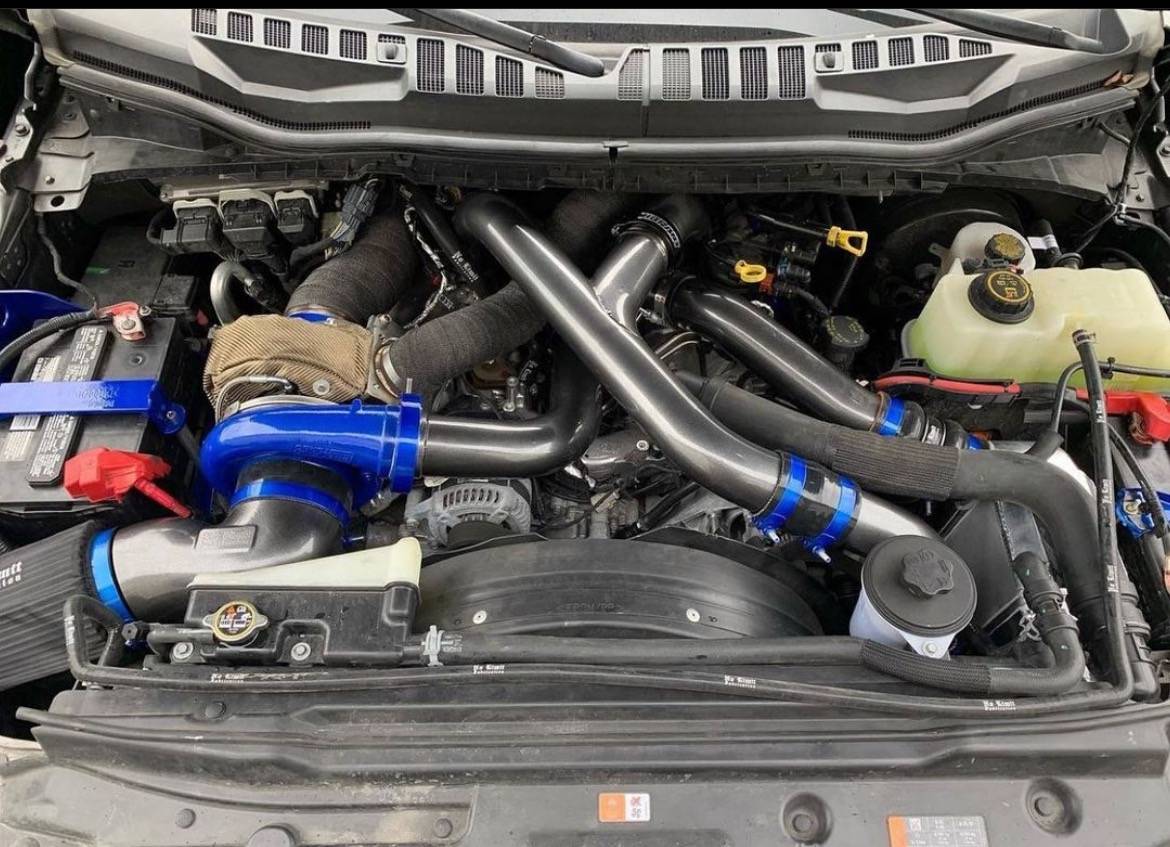
If your original turbo is healthy, the repair is usually in the plumbing, and the clamps, gaskets and pedestal hardware here cover the install side. A metal tube with stronger couplers in place of the plastic cold-side tube is the common permanent fix for the cracking problem. If the turbo is worn, or you are building a truck that tows heavy every day, you have two directions. A drop-in turbo goes into the factory location and keeps the single-turbo layout. A compound kit pairs two turbos and is a much bigger job with more parts to fit. Either way, the factory DOC, DPF, SCR and EGR system stays in place and working.
What we carry
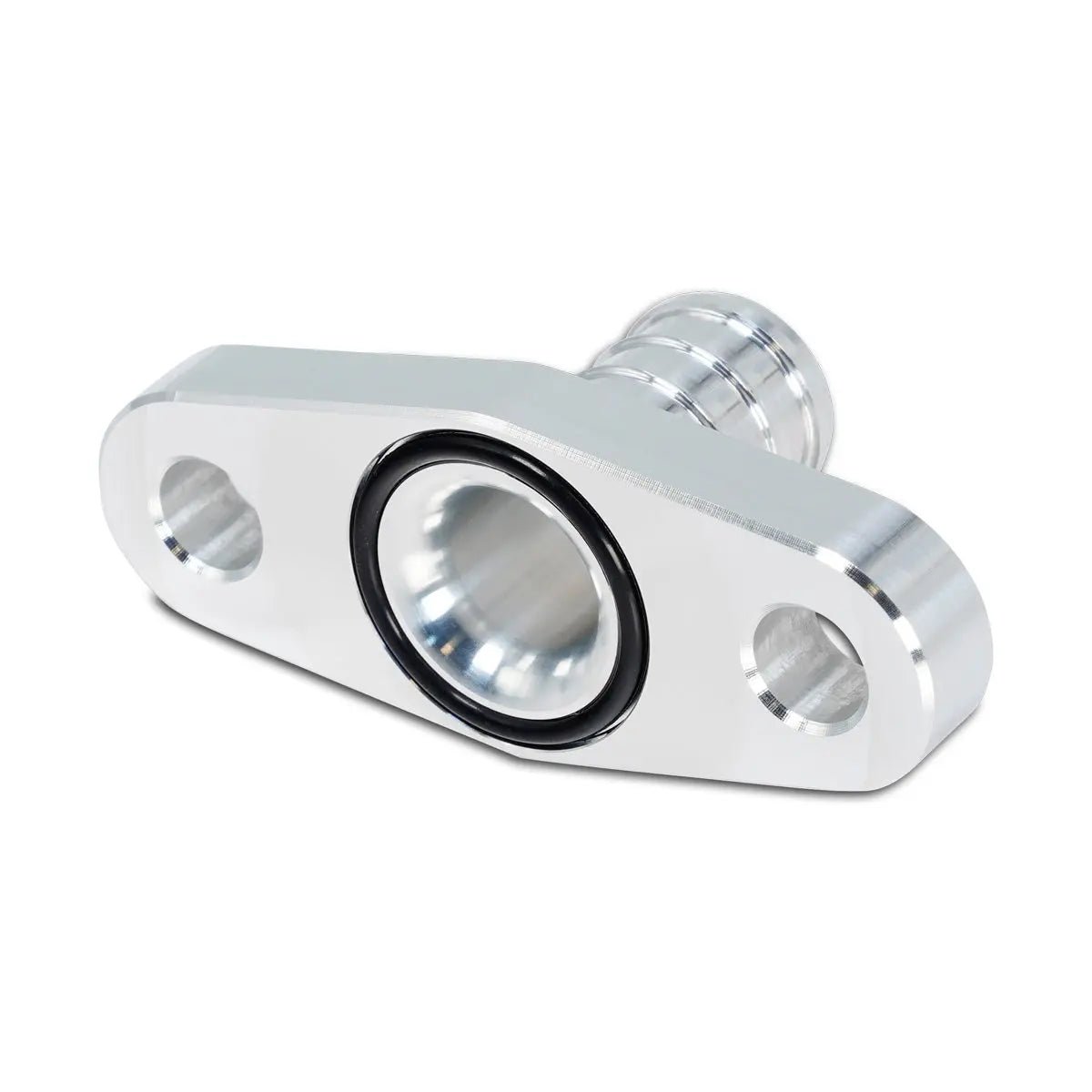
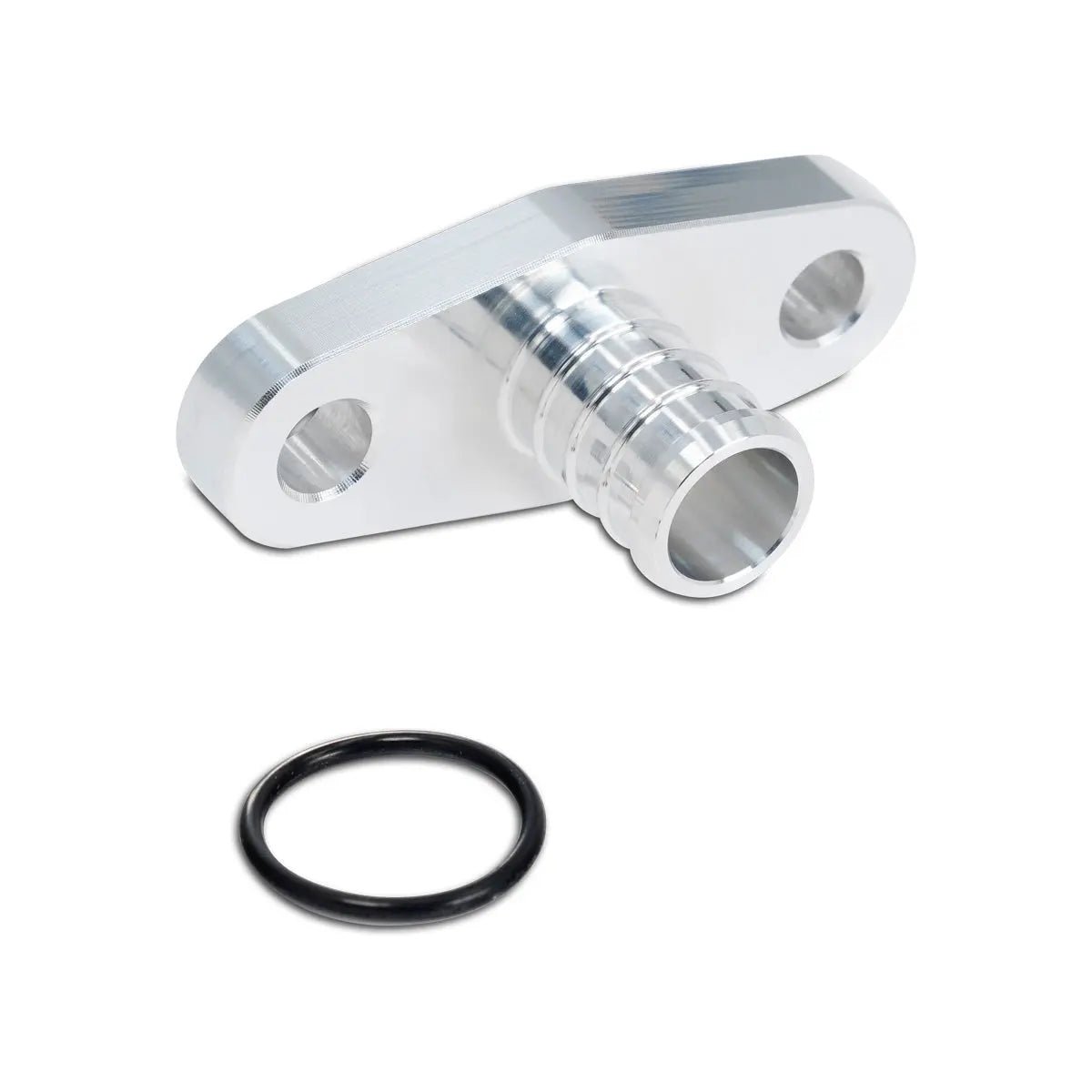
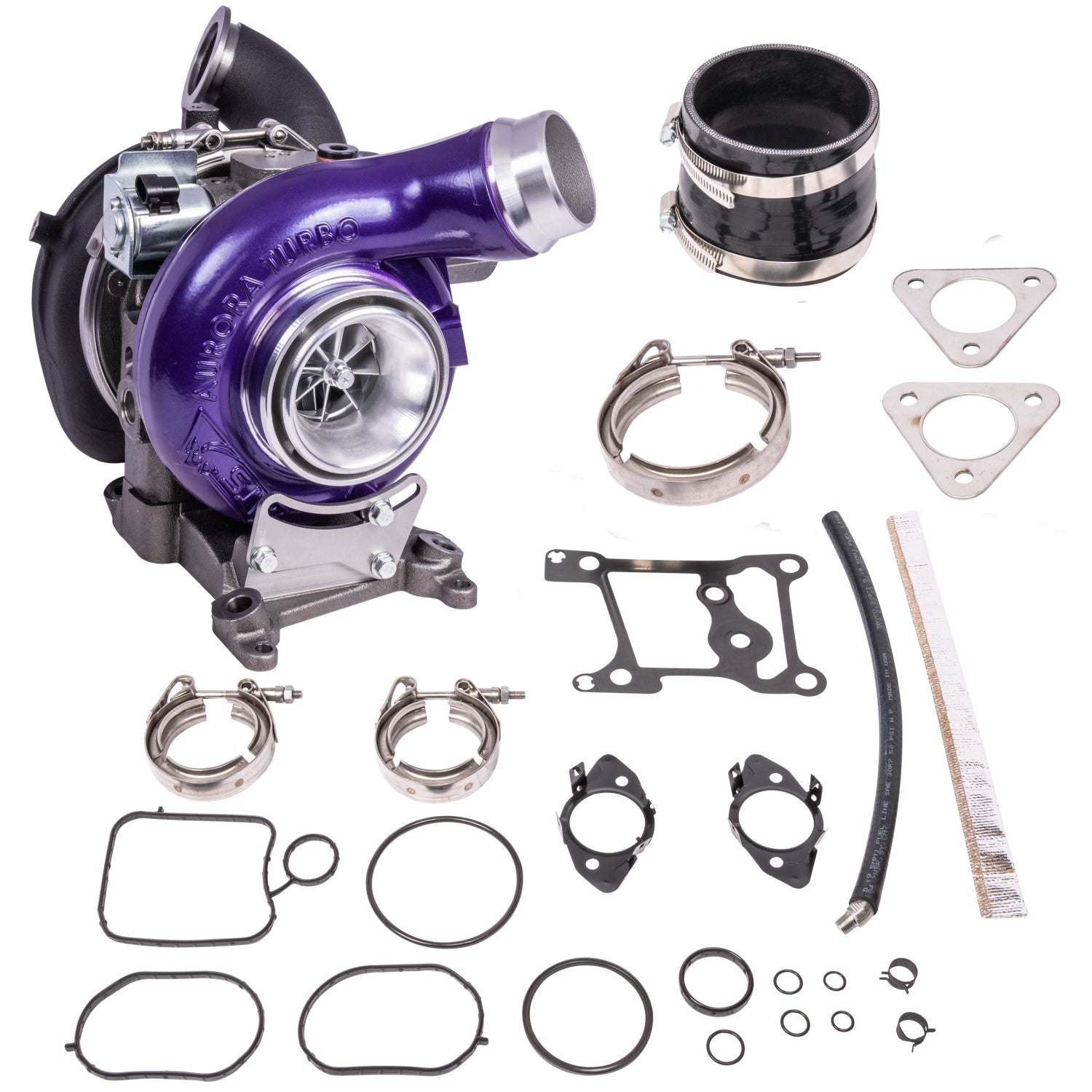
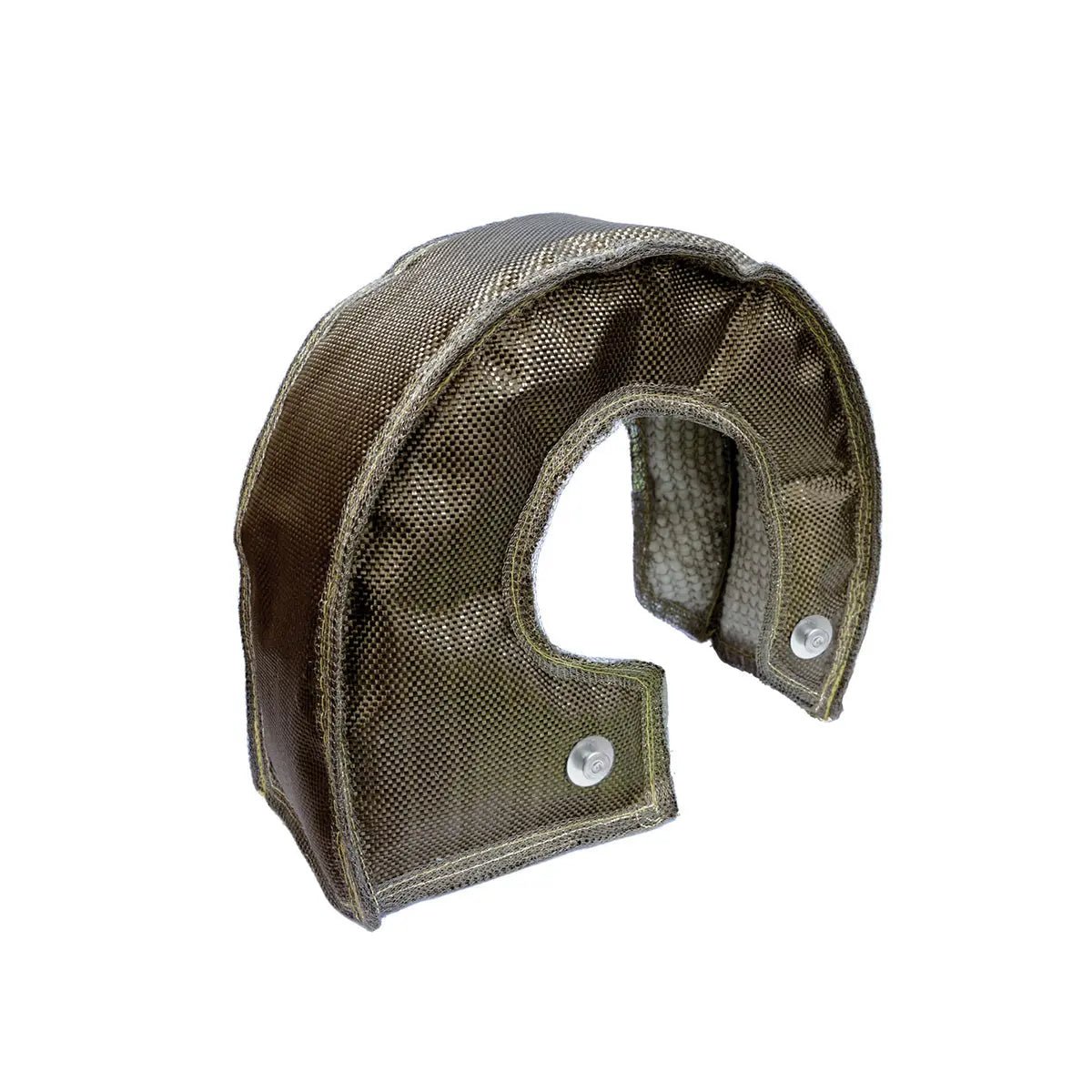
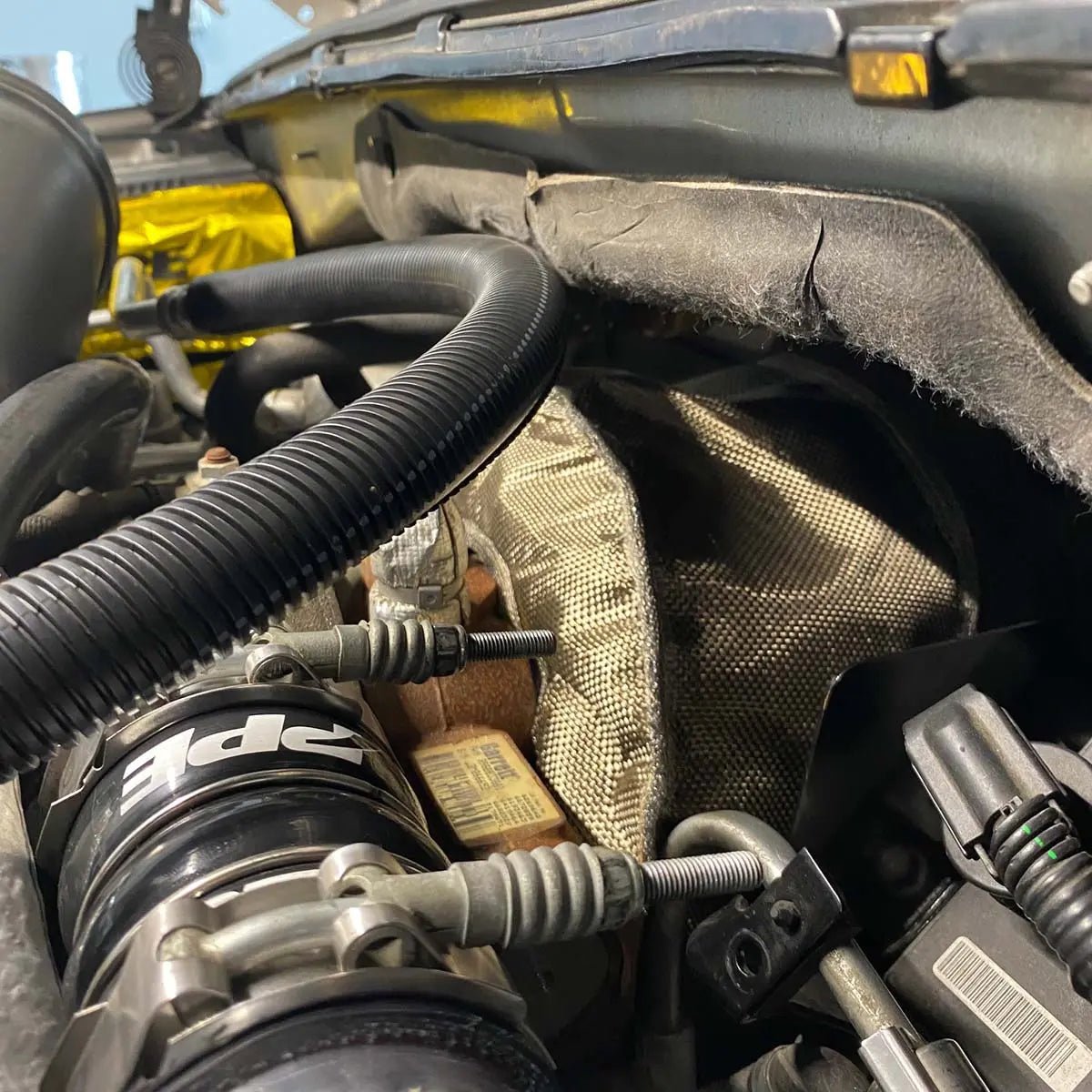
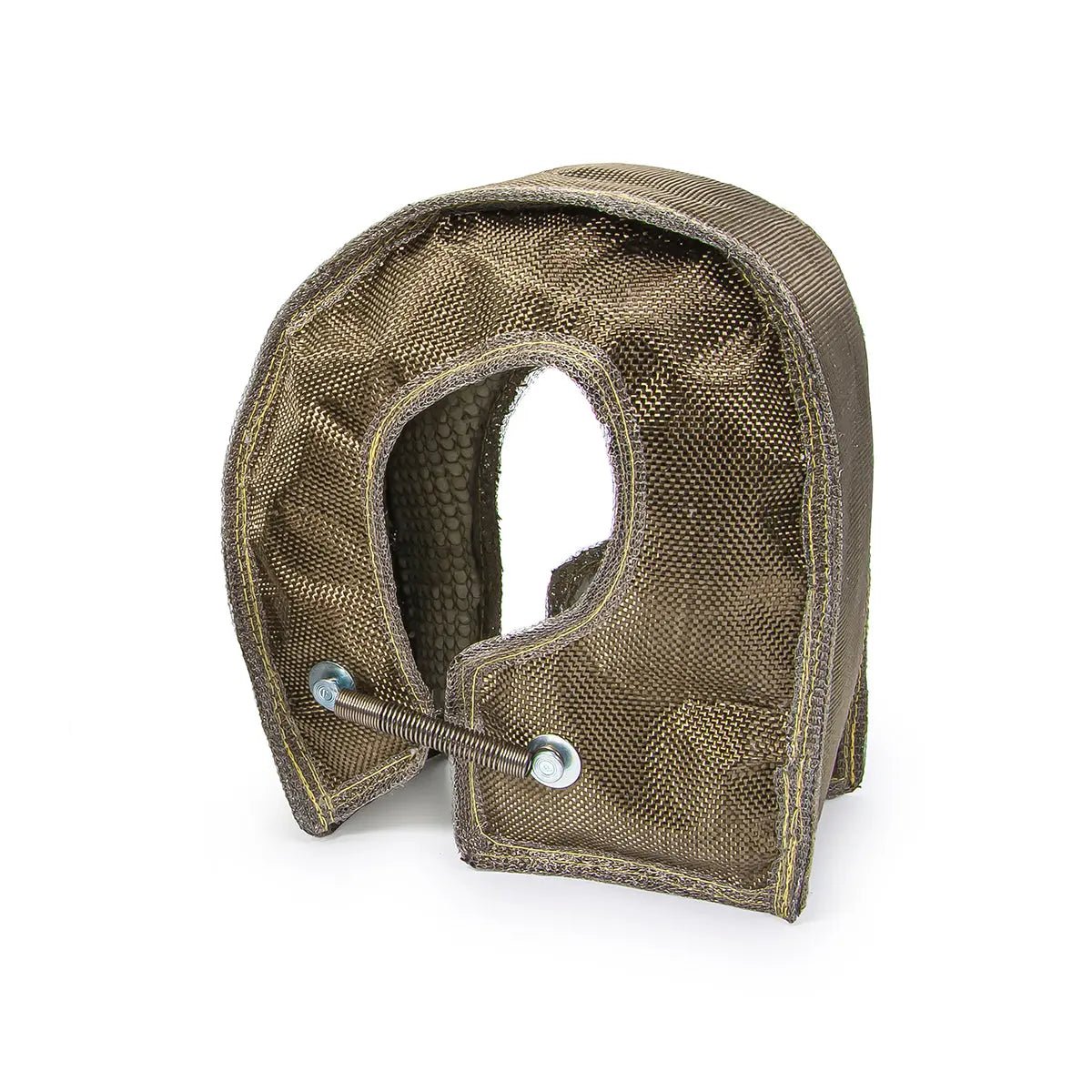
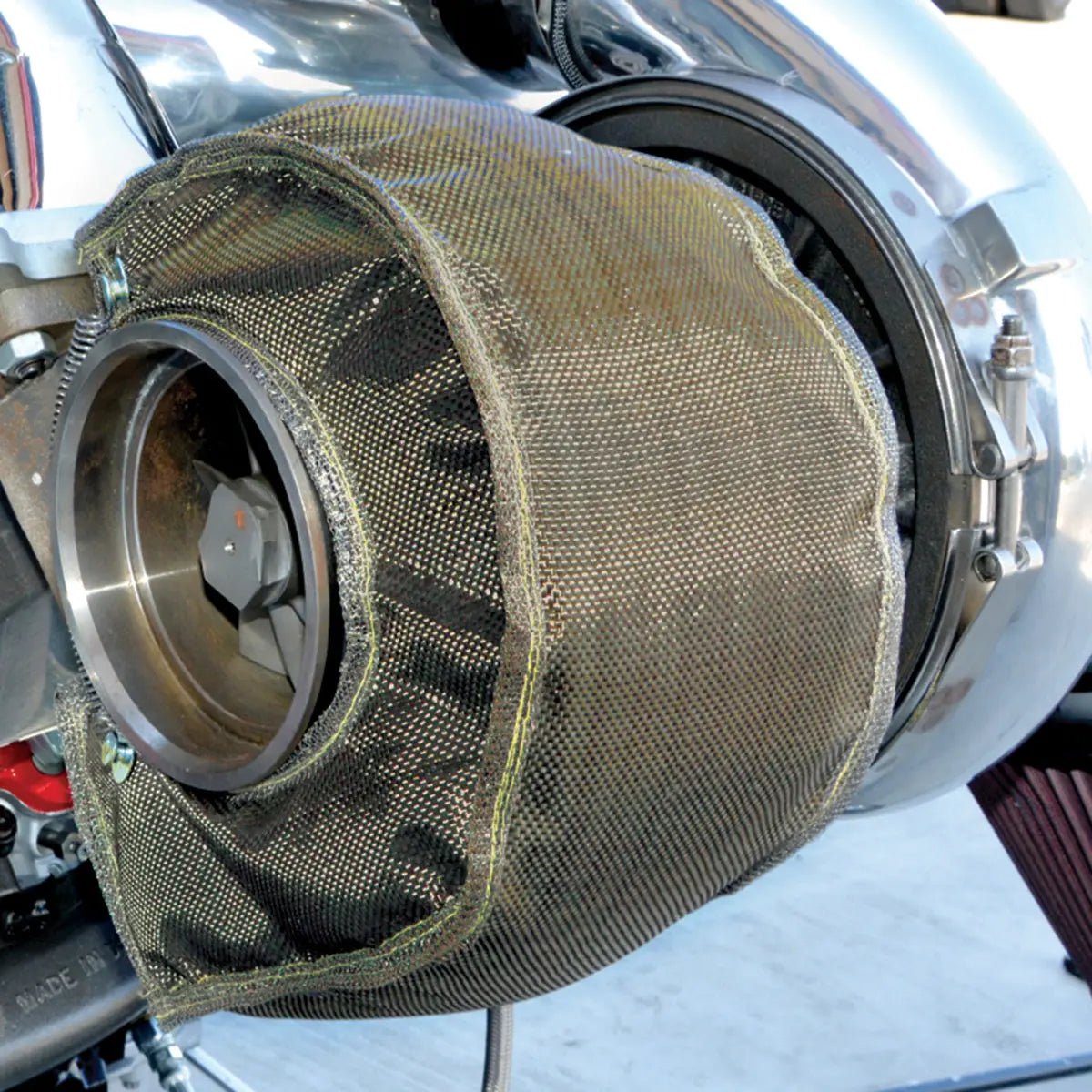
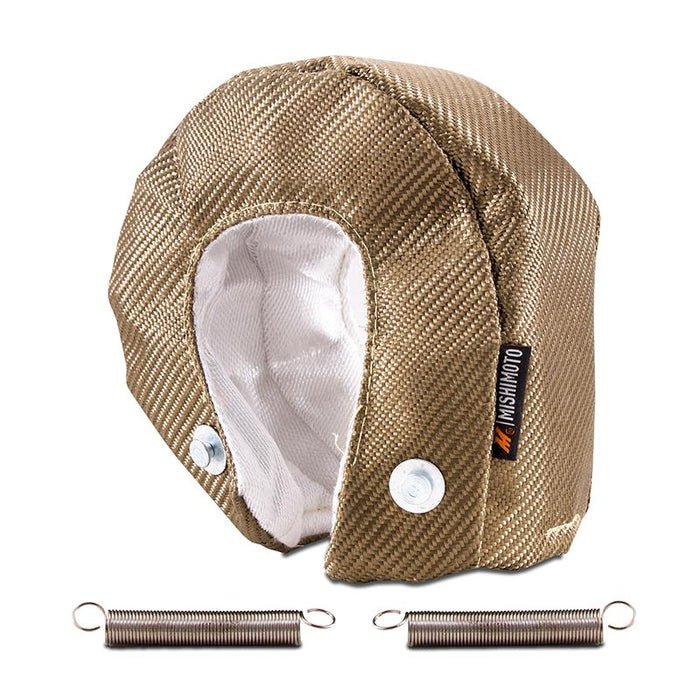
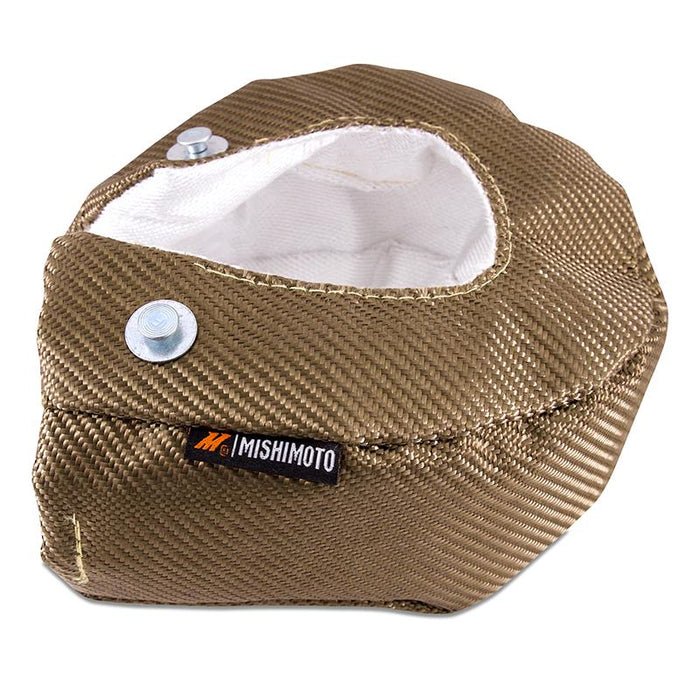
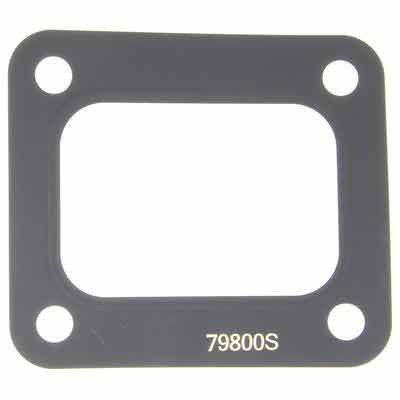
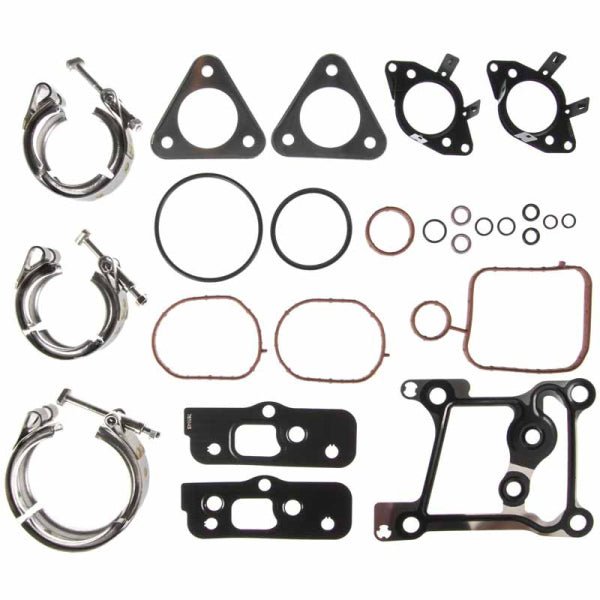
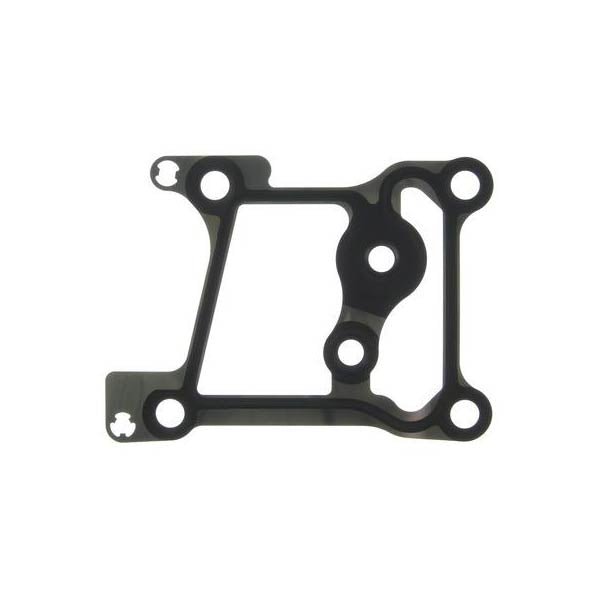
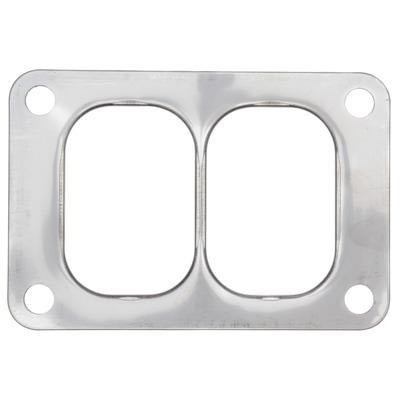
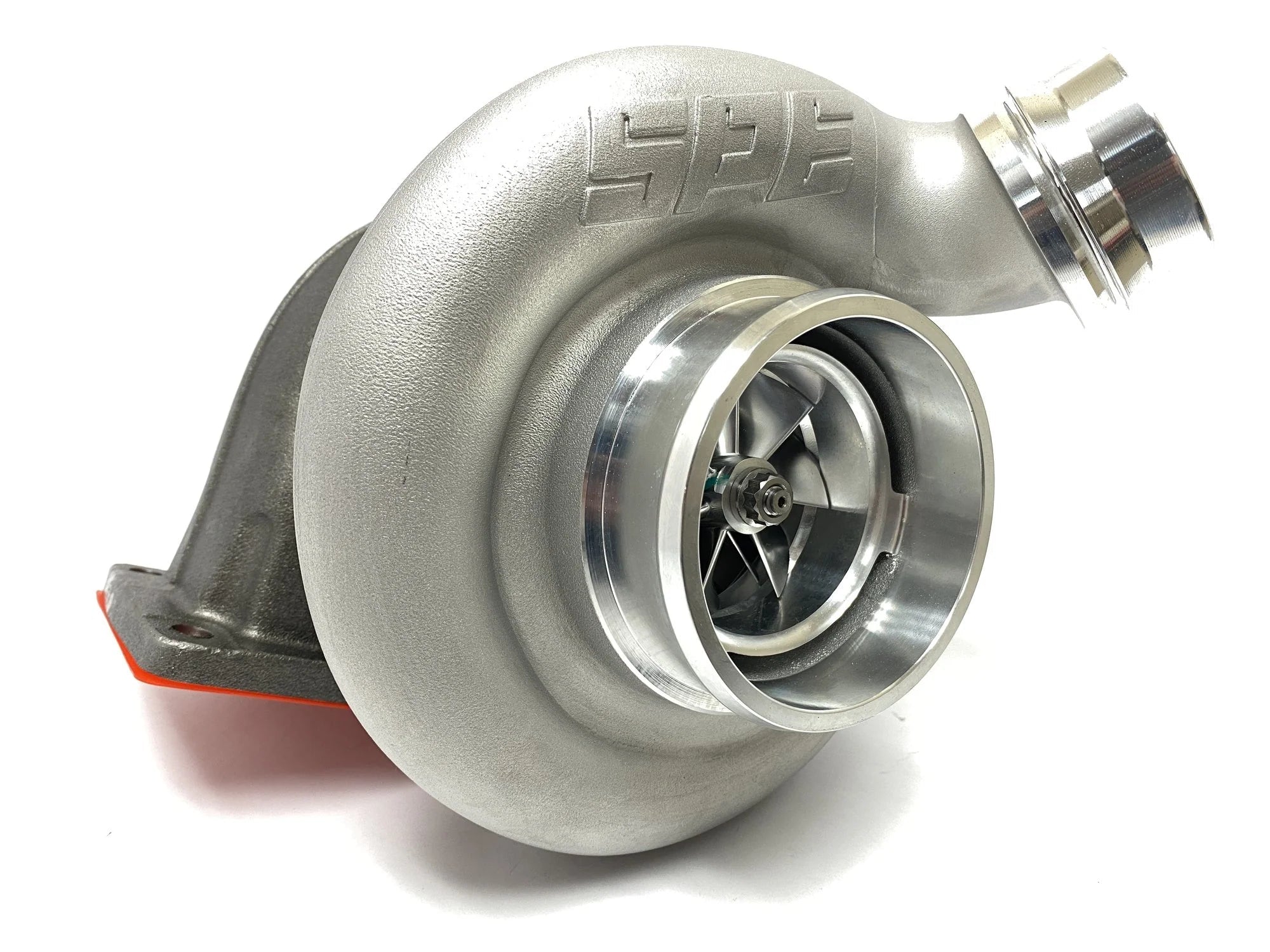
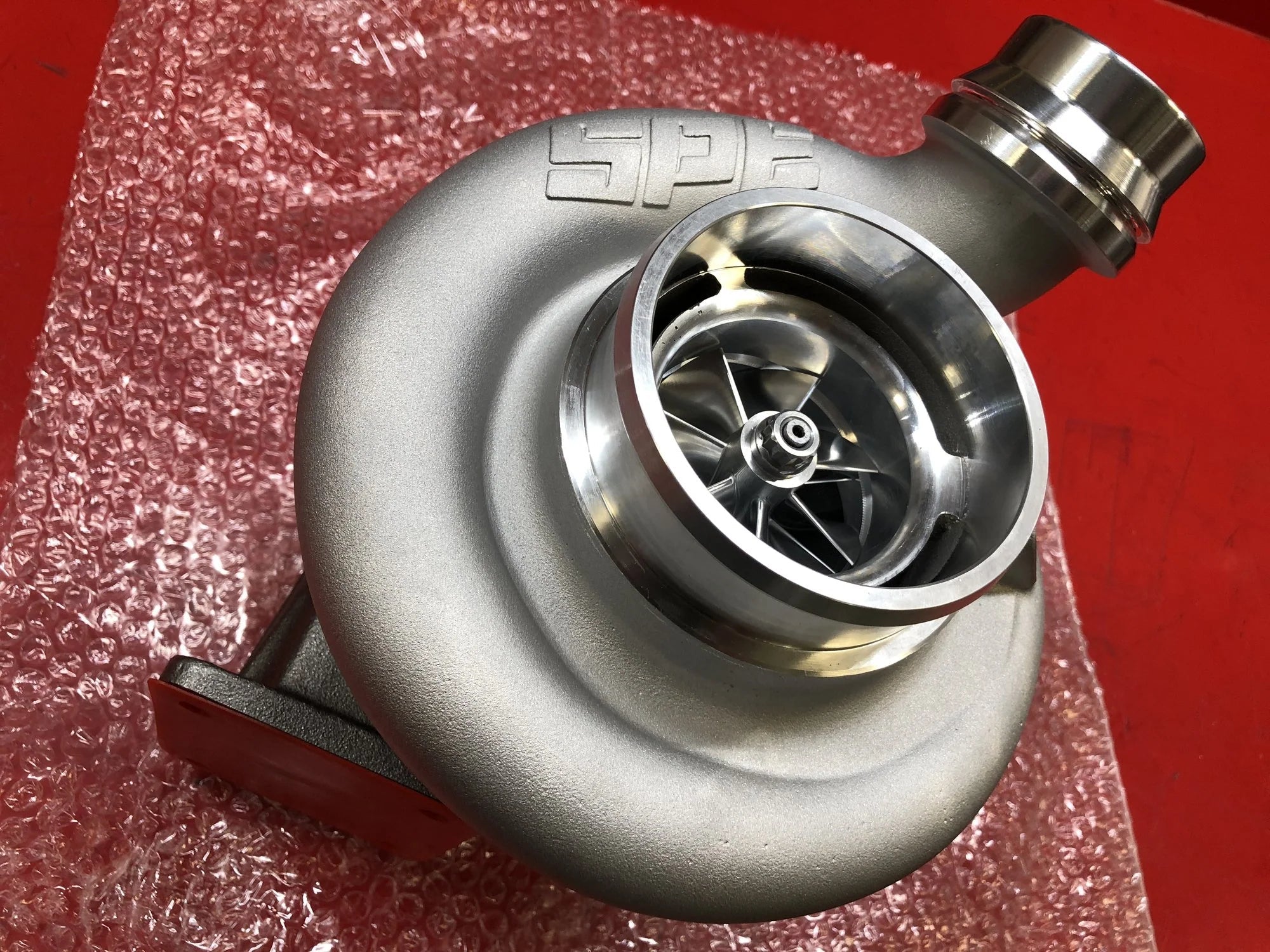
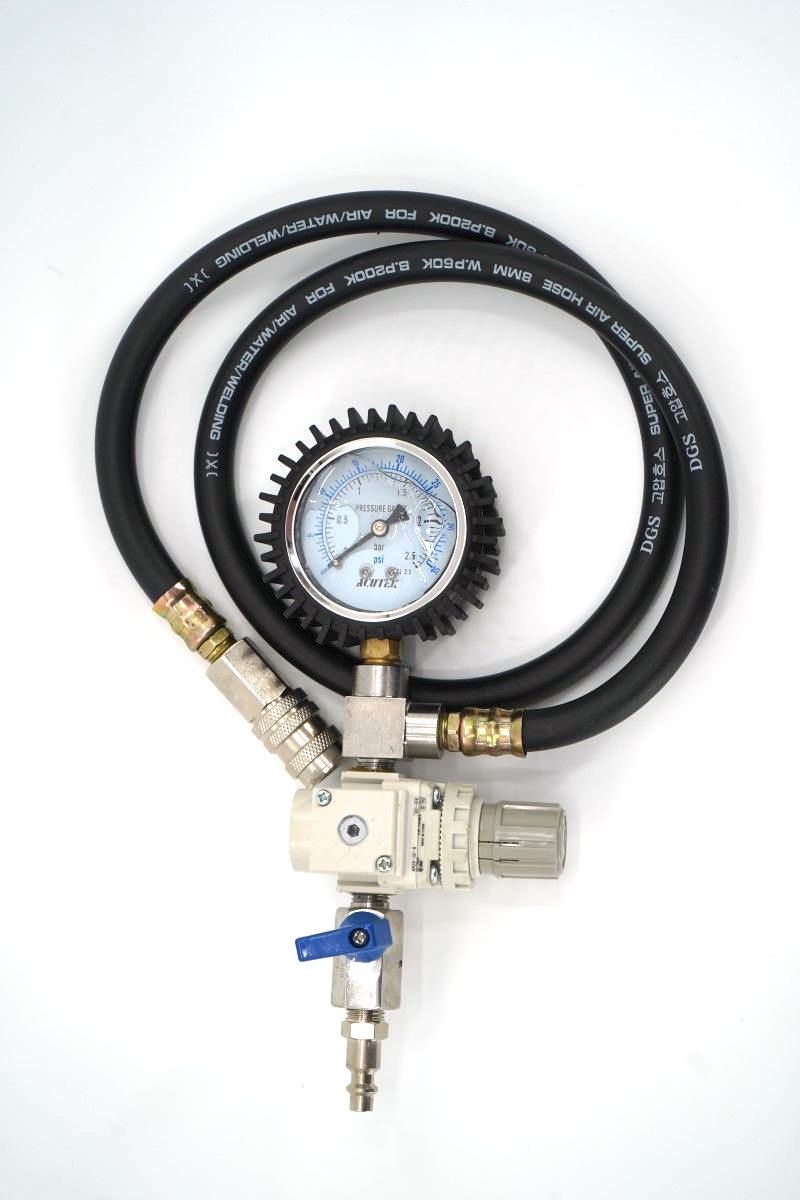
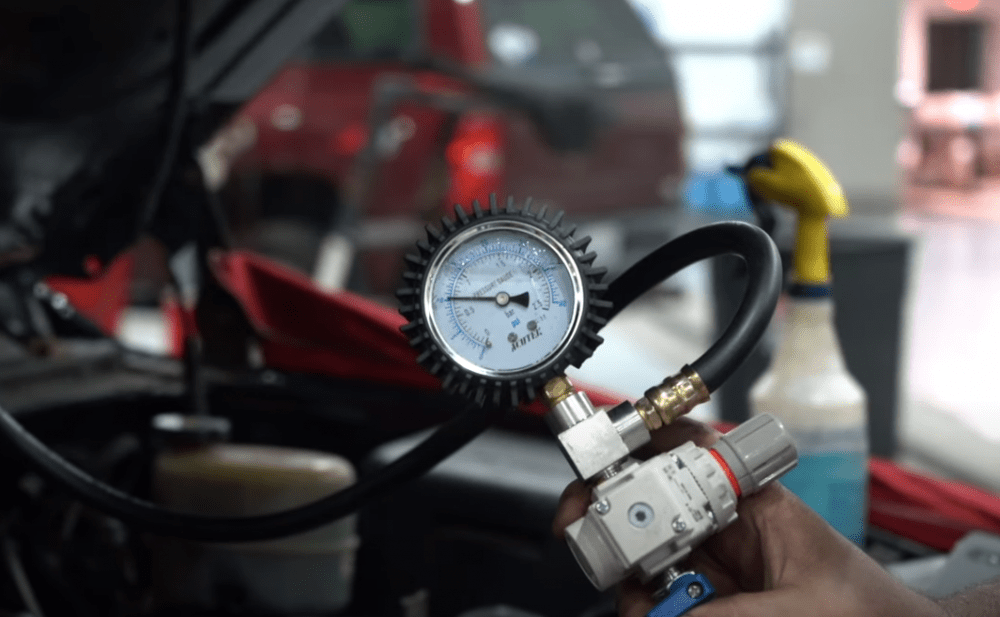
Drop-in turbos come from SPE Motorsport, including the S300 Emperor, the Emperor Quick Spool and the Strike VGT Stage-1 and Stage-2, from Fleece Performance Engineering with the Cheetah, and from ATS Diesel Performance with the Aurora VNT kit for cab-chassis trucks. Compound kits include SPE's Death Stalker and Ultimate Turbo System Bundle and the 67CTK from No Limit Fabrication. For the install, you will find Mahle mounting gasket sets and flange gaskets, Alliant Power pedestal update and installation kits, SPE's 360XD rebuild kit and pedestal conversion kit, BD Diesel V-band and hose clamps plus the Cool Down Timer 2, and Turbosmart constant tension clamps. Titanium turbo blankets come from PPE and Mishimoto, ATS adds a T4 turbo blanket, and PPE also supplies a T4 oil drain fitting. For diagnosis, Calibrated Power Solutions makes the Stealth Boost Tester HD regulator and its inlet adapters. Every turbo we stock for all platforms is on the main turbos page.
Fitment notes
Year matters on this turbo more than on most parts. A 2015-2016 turbo is not directly interchangeable with 2017-2019, because Ford revised the turbo oil supply line and pedestal for 2017. Going the other way, do not put 2011-2014 DualBoost hardware on a 2015-2016. Vacuum wastegate parts and SST-specific downpipes and charge pipes belong to a different turbo family, and downpipe catalogs split at 2014/2015. Chassis cabs are their own case: the 2011-2016 F-350, F-450 and F-550 chassis cab uses a Garrett AVNT3276V, not the pickup turbo, which is why the ATS Aurora kit is listed for cab-chassis trucks. Many aftermarket listings cover 2011-2019 or wider, so read the product page to confirm the kit carries the pedestal, oil feed and gaskets for a 2015-2016. Whether you drive an XL work truck or a Platinum, verify by VIN when in doubt.
Frequently asked questions
Why does my 2015-2016 6.7L Powerstroke throw P0299 and drop into limp mode?
On these trucks the usual cause is a boost leak, not a bad turbo. The factory plastic cold-side intercooler tube cracks with age and heat, and the hot-side connection can pop off the turbo outlet under load. Expect P0299, P1247 or P0402 with a sudden loss of power. Fix it quickly, because without boost the DPF can load with soot in 5 to 10 miles.
Will a 2017-2019 turbo bolt onto my 2016 F-250?
Not directly. Ford changed the turbo oil supply line and pedestal for 2017, so a 2017-2019 turbo is not a straight swap onto a 2015-2016 engine. A true drop-in for your truck matches the GT3788V pattern with the 2015-2016 pedestal and oil feed. Check each listing for the hardware your year needs.
Do 2015-2016 trucks have the same turbo failures as the early DualBoost?
No. The screeching, blue-smoking turbos with shaft play were 2011-2012 DualBoost units built with weak ceramic ball bearings. Ford switched to steel bearings and then replaced the DualBoost with the Garrett GT3788V for 2015. The sources we use show no widely documented failure pattern for the GT37 itself.
Does my F-350 chassis cab use the same turbo as the pickup?
No. The 2011-2016 F-350, F-450 and F-550 chassis cabs use a Garrett AVNT3276V and are rated at 300 hp and 660 lb-ft, while 2015-2016 pickups use the GT3788V. A chassis-cab turbo will not drop into a 2015-2016 pickup. In this collection, the ATS Aurora VNT kit is the one listed for cab-chassis trucks.
What did the bigger 2015 turbo change for towing?
Ford credited the larger GT3788V for the 2015 rise to 440 hp and 860 lb-ft and for stronger engine-exhaust braking. The variable-geometry vanes, moved by a hydraulic actuator, are what give the engine that braking. It takes wear off the wheel brakes and the transmission when you are towing.
Not sure what fits? Call the shop at the number in the header, or use the fitment checker on any product page. We install everything we sell.