
Shop Turbo by Category


Filters
30 products








Not sure it fits your truck?
Our Wildwood, FL techs will confirm the right part for your build before you buy.
Call or Text (352) 722-5295The turbo on the 2011-2014 Ford 6.7L Powerstroke
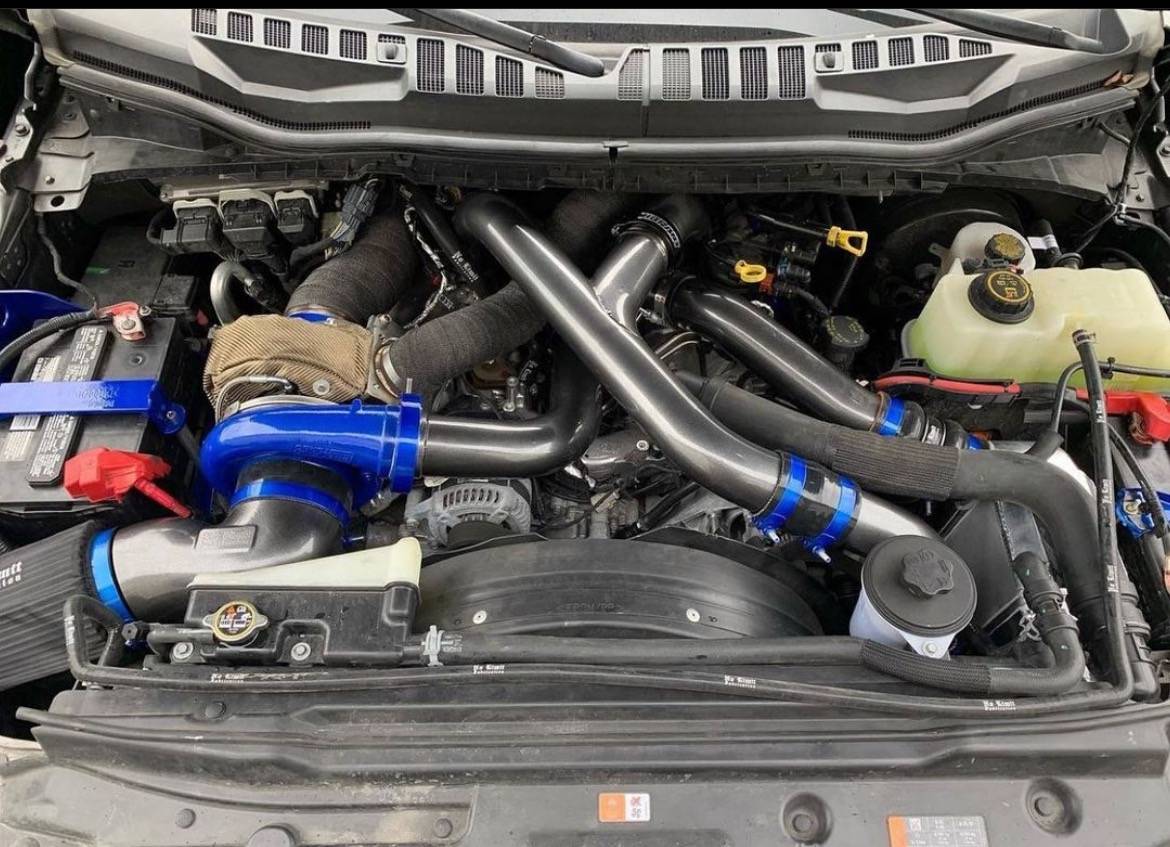
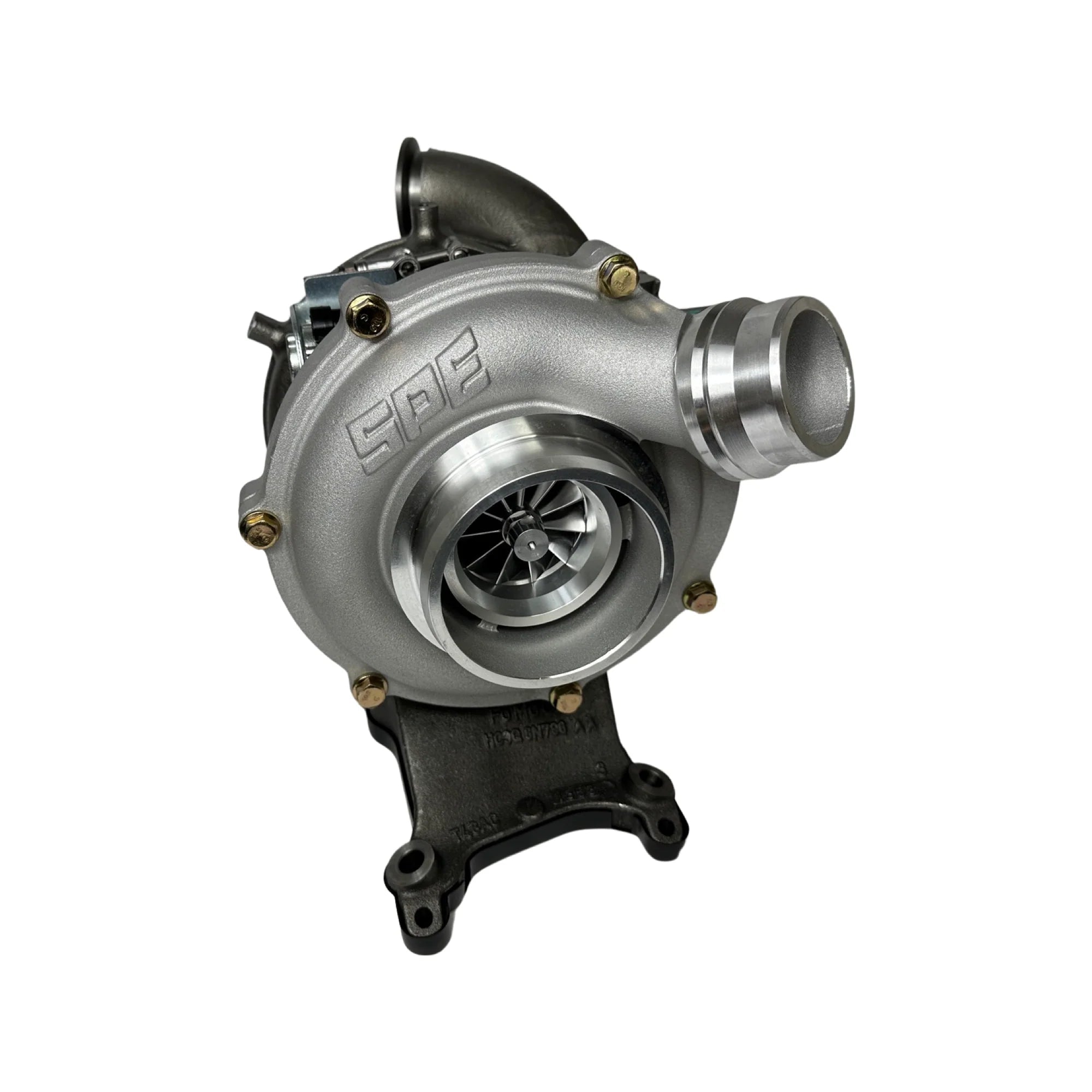
Ford's 6.7L uses reverse-flow heads, so the exhaust ports face the valley and the turbo sits right on top of the engine, fed by valley-mounted manifolds and up-pipes. On 2011-2014 pickups that turbo is the Garrett SST3266V, better known as the GT32 SST or DualBoost. It runs one turbine shaft with a double-sided compressor wheel, two 46 mm inducers in a single housing, variable vanes and a ceramic ball-bearing cartridge on early trucks. It is oil- and water-cooled. The design is responsive but restrictive, and it runs very high shaft speed and drive pressure to feed an engine rated at 400 hp and 800 lb-ft. Chassis cabs from the same years use a different turbo, the Garrett AVNT3276V. For 2015 Ford switched pickups to the larger single-compressor GT37, with a 61 mm compressor wheel and lower shaft speeds.
What fails and why
Turbo failures were common on 2011 and 2012 pickups. The weak point was the GT32's ceramic ball bearings, and reliability improved once steel ball bearings came in. Failures commonly show up between 100,000 and 150,000 miles, sooner on tuned trucks. Watch for loud screeching, smoke from the tailpipe, loss of boost and oil consumption. Aggressive tuning makes it worse: the twin-sided wheel can be pushed past 150,000 rpm with extreme drive pressure, and that overspeed is the main reason this turbo has the failure rate it does.
Other problems stop short of a bearing failure, and some only look like the turbo. Soot can stick the VGT vanes and unison ring, and the electronic actuator can fail, which gives you slow spool, surging at steady throttle, a weak exhaust brake and sometimes limp mode, usually past 100,000 miles. On 2011 trucks the quick-connect turbo coolant inlet fitting can leak, and the oil feed and drain O-rings harden with heat and age; look for oil or coolant seeping in the valley or a coolant smell. Ford went to bolt-on fittings for 2012. Finally, the plastic cold-side charge pipe and boots can leak boost, which feels like a bad turbo: hissing under load, oily couplers, low power with no codes and high EGT. Rule that out before you buy a turbo.
Stock replacement vs. upgrade
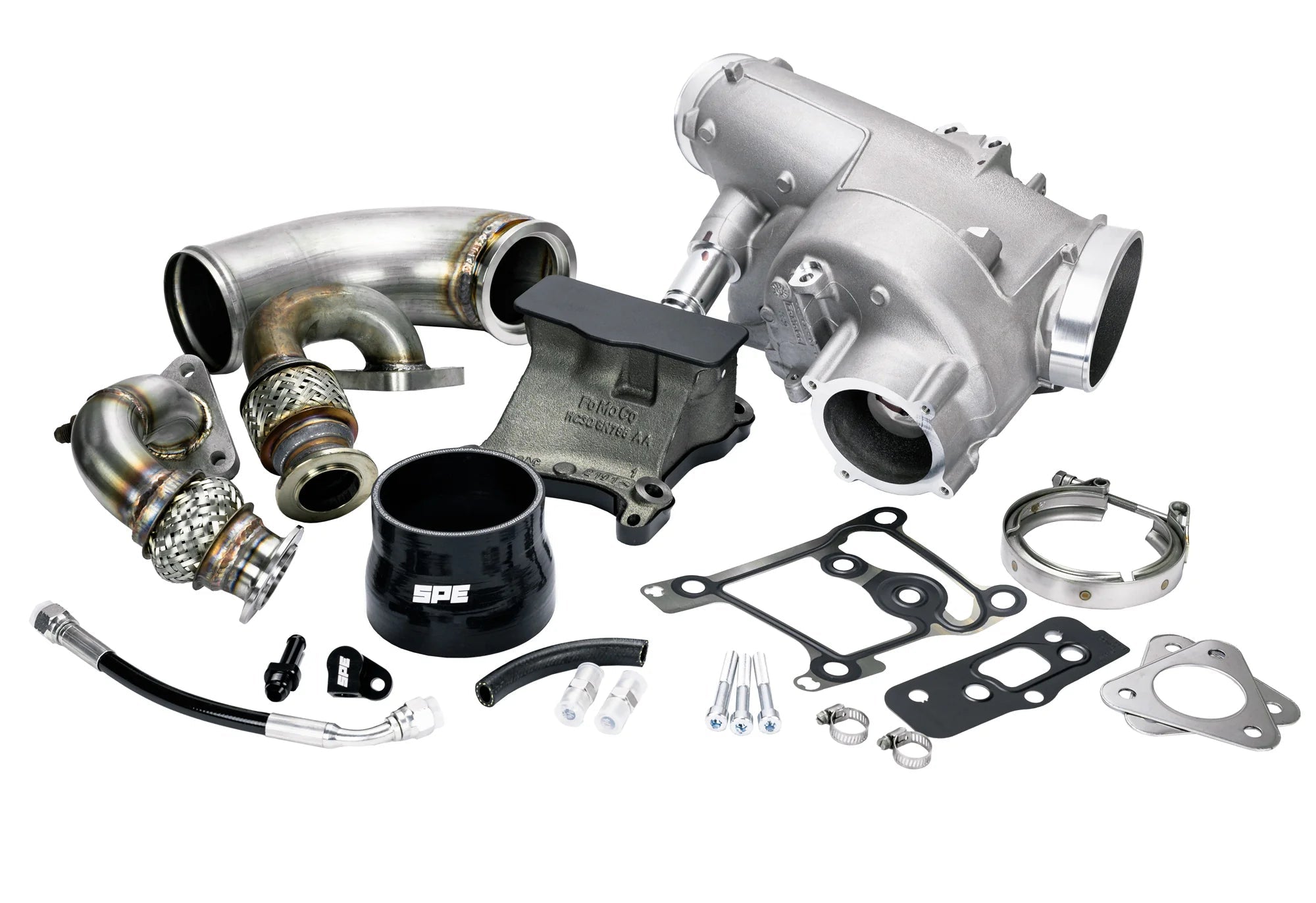
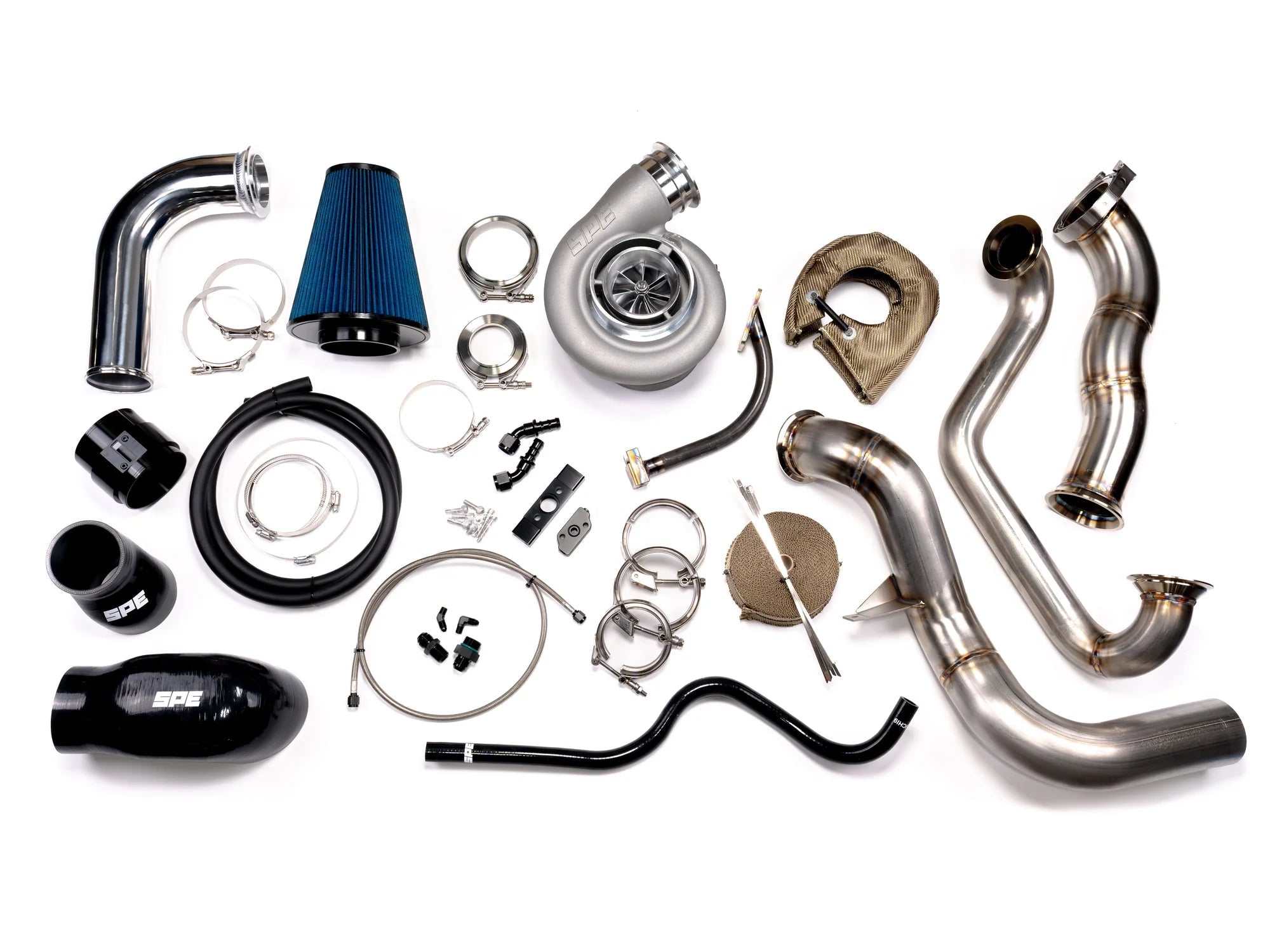
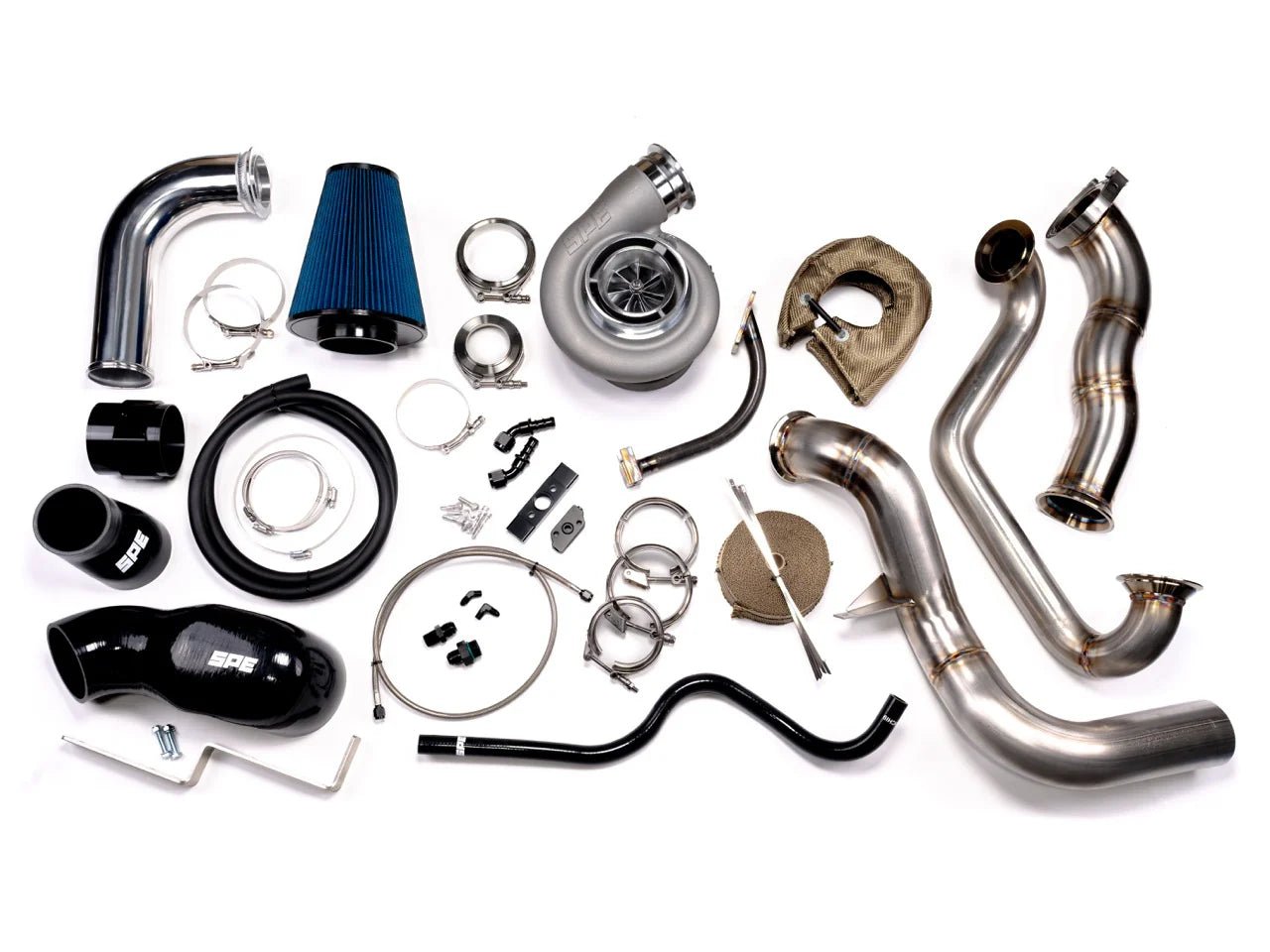
If the truck stays stock, an OEM-style DualBoost replacement is the like-for-like route, and this page is built around the upgrade paths instead. There are three. A drop-in VGT replacement keeps the factory location, actuator and emissions equipment and fixes the bearing and compressor weak spots. A 2015-style GT37 retrofit uses the later turbo, but it is a full kit: pedestal, 2015-2019 up-pipes and exhaust manifold, a two-piece 4 in downpipe, updated oil and coolant lines and the lower intake manifold. A compound kit adds an atmospheric turbo that feeds the factory VGT, so the exhaust brake keeps working, but plan on fuel-system upgrades to go with it. Whatever you choose, flush the oil lines, replace every gasket, seal and crush washer, service the CCV separator and inspect the charge pipes, because oil-fouled pipes and crankcase pressure kill new turbos.
What we carry
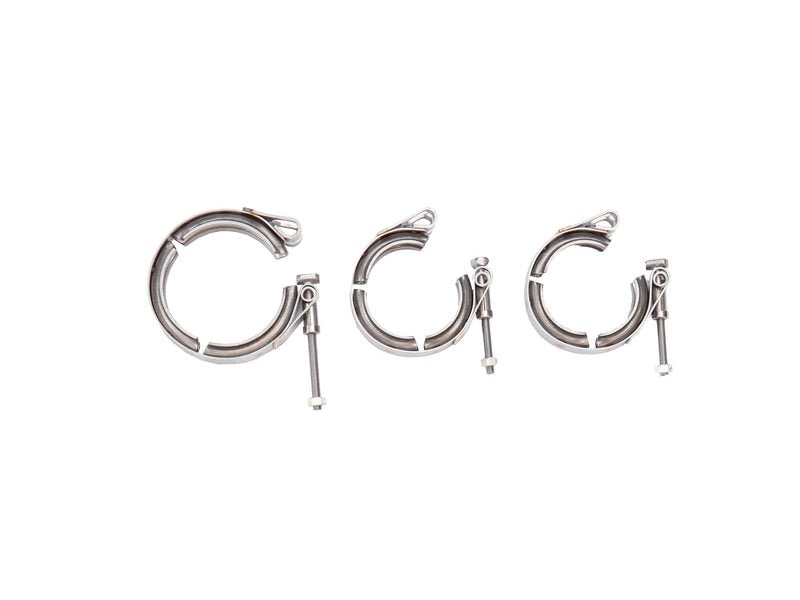
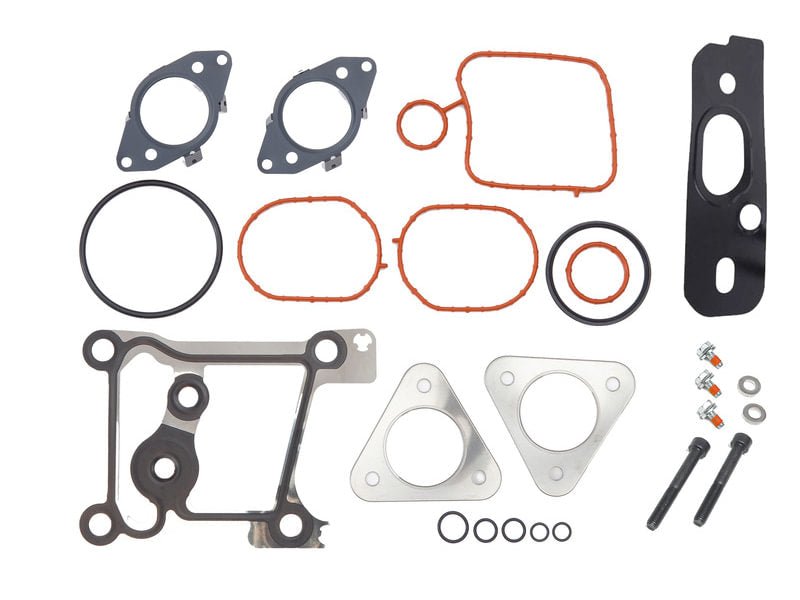
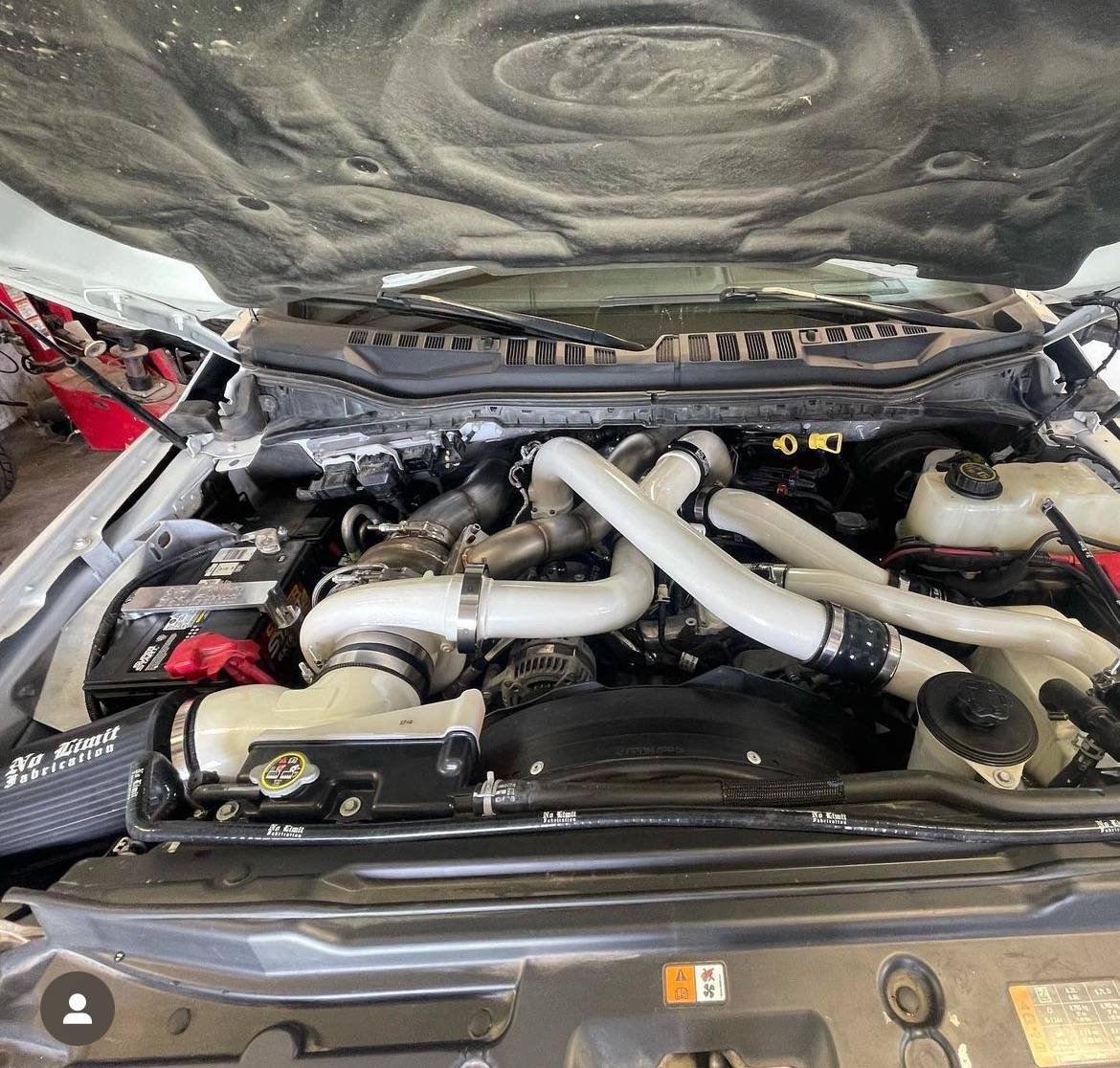
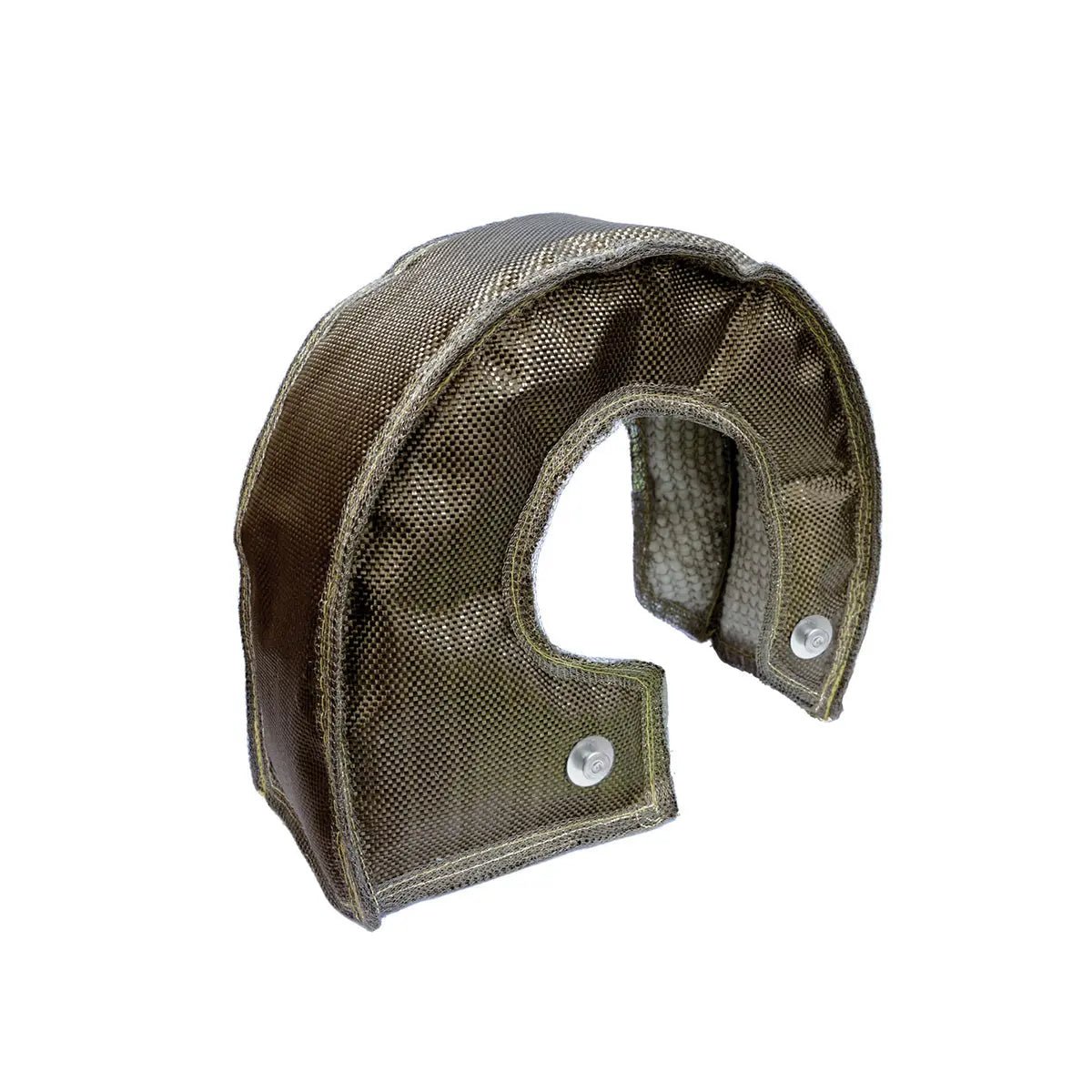
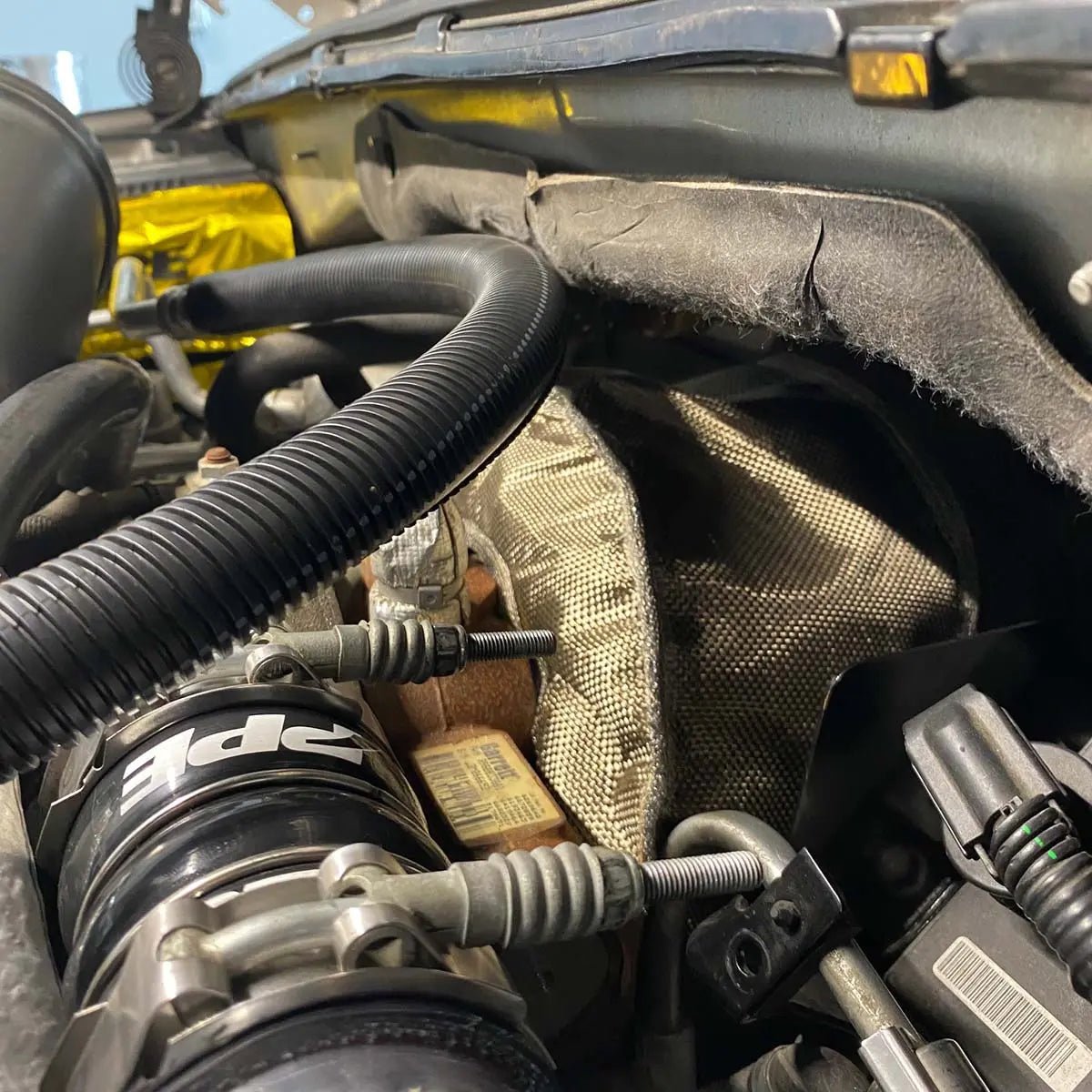
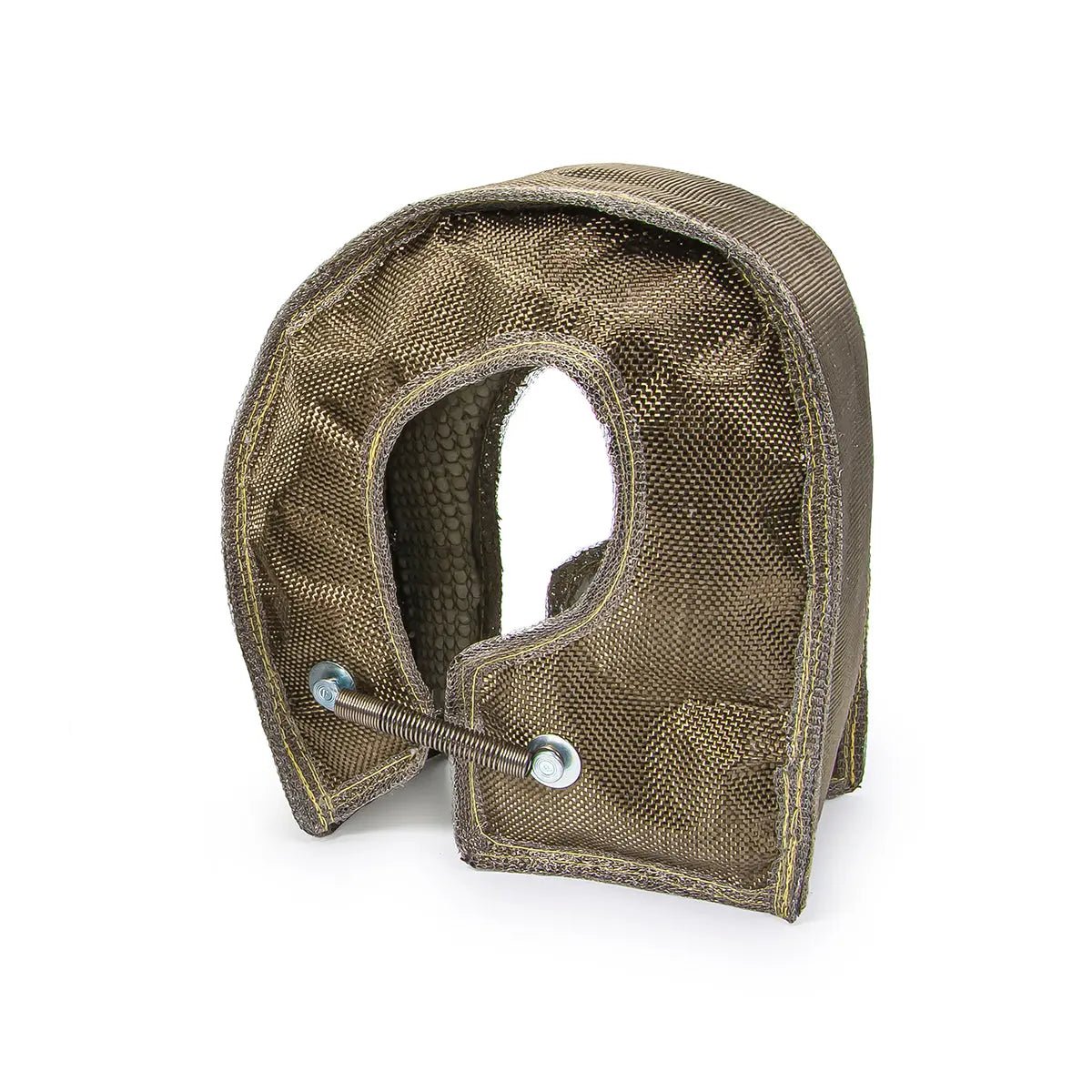
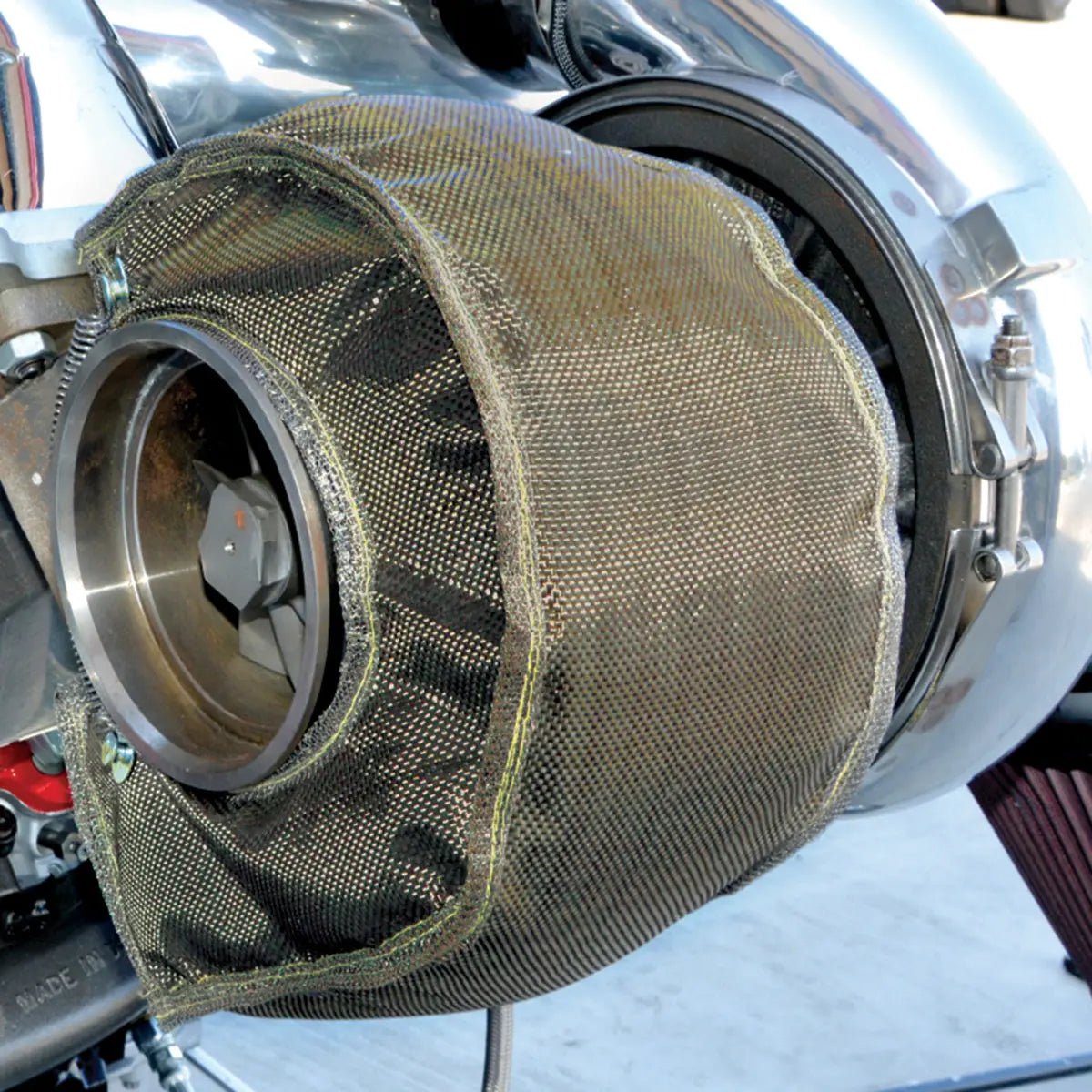
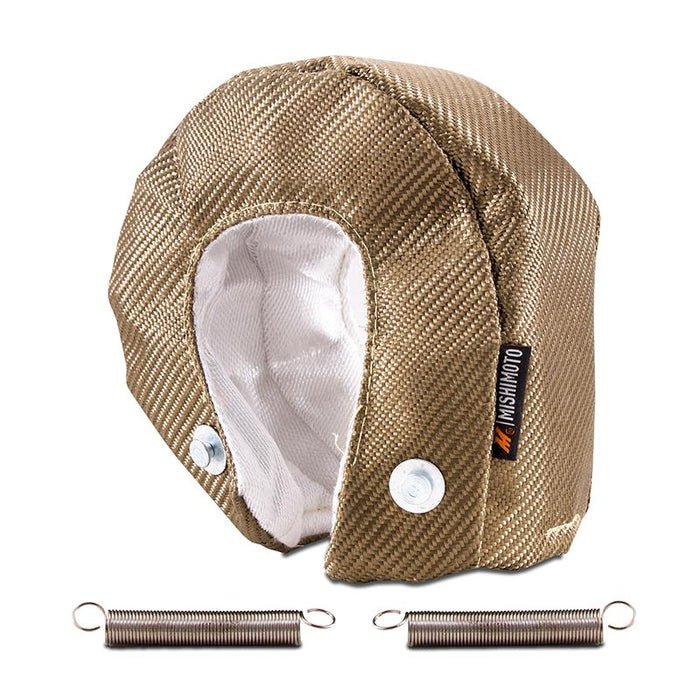
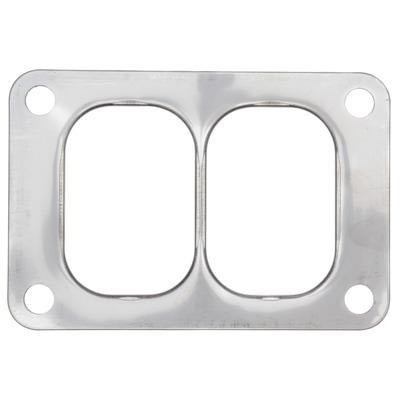
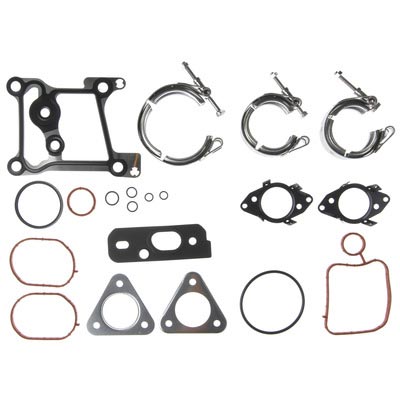
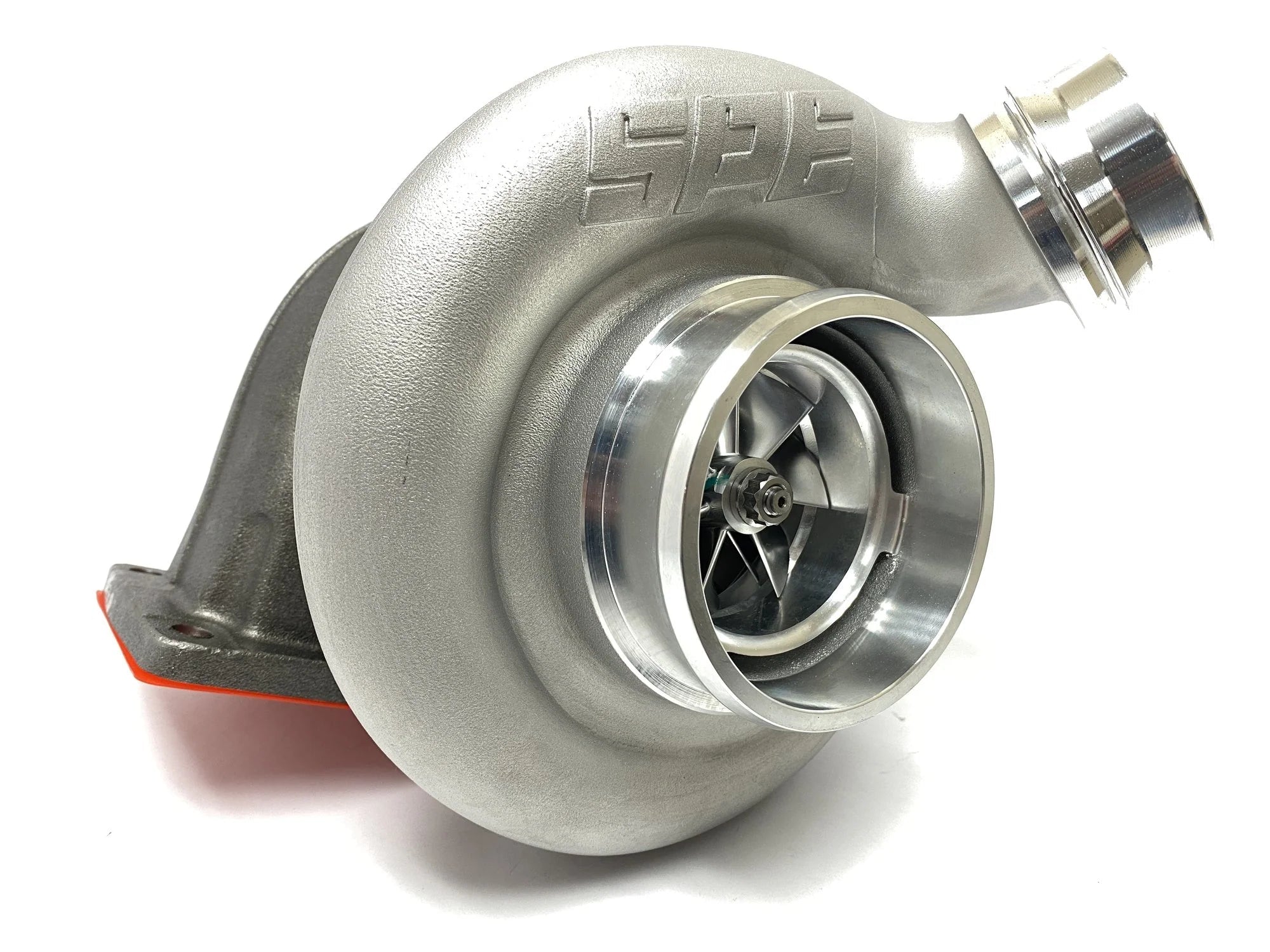
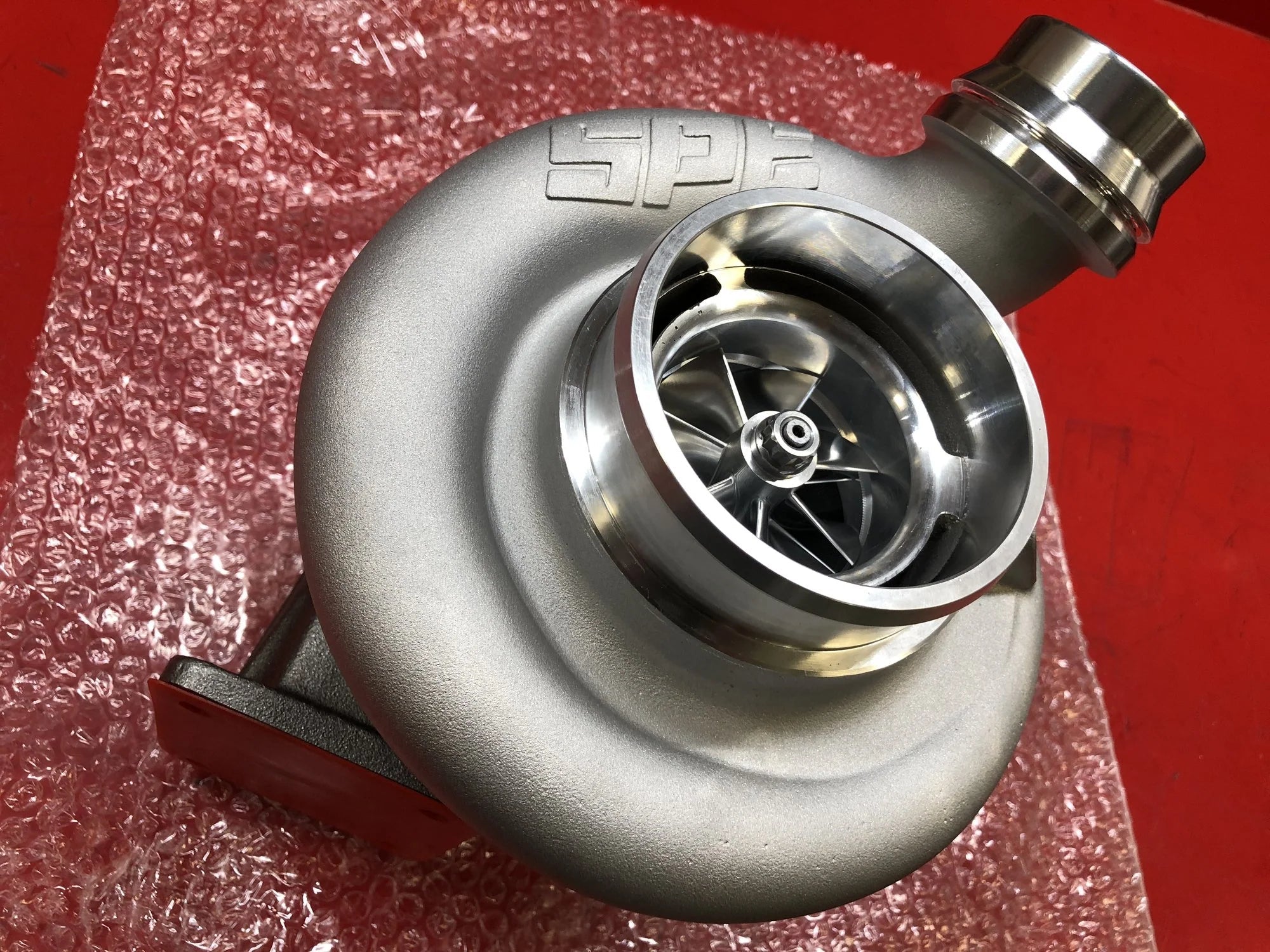
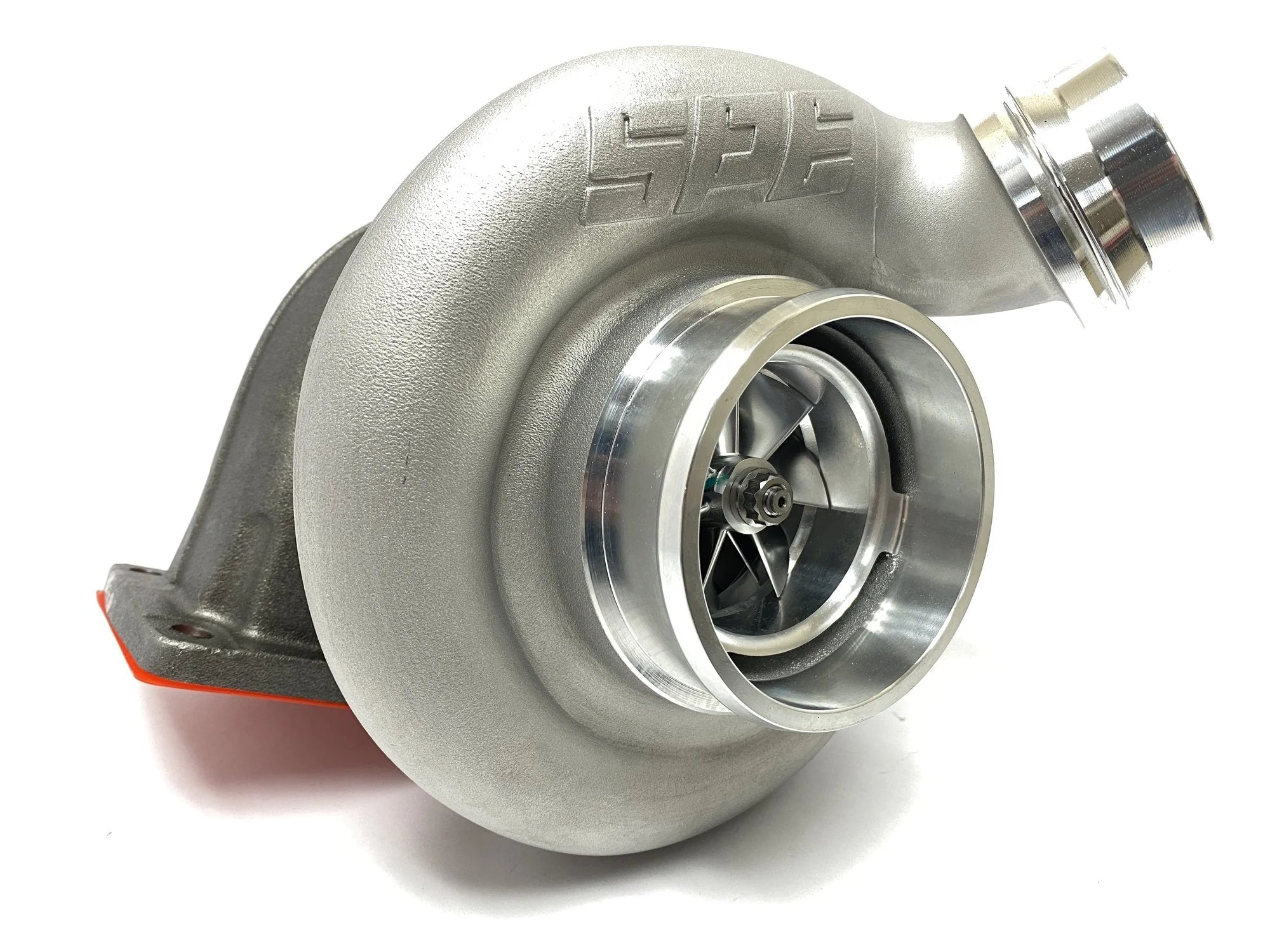
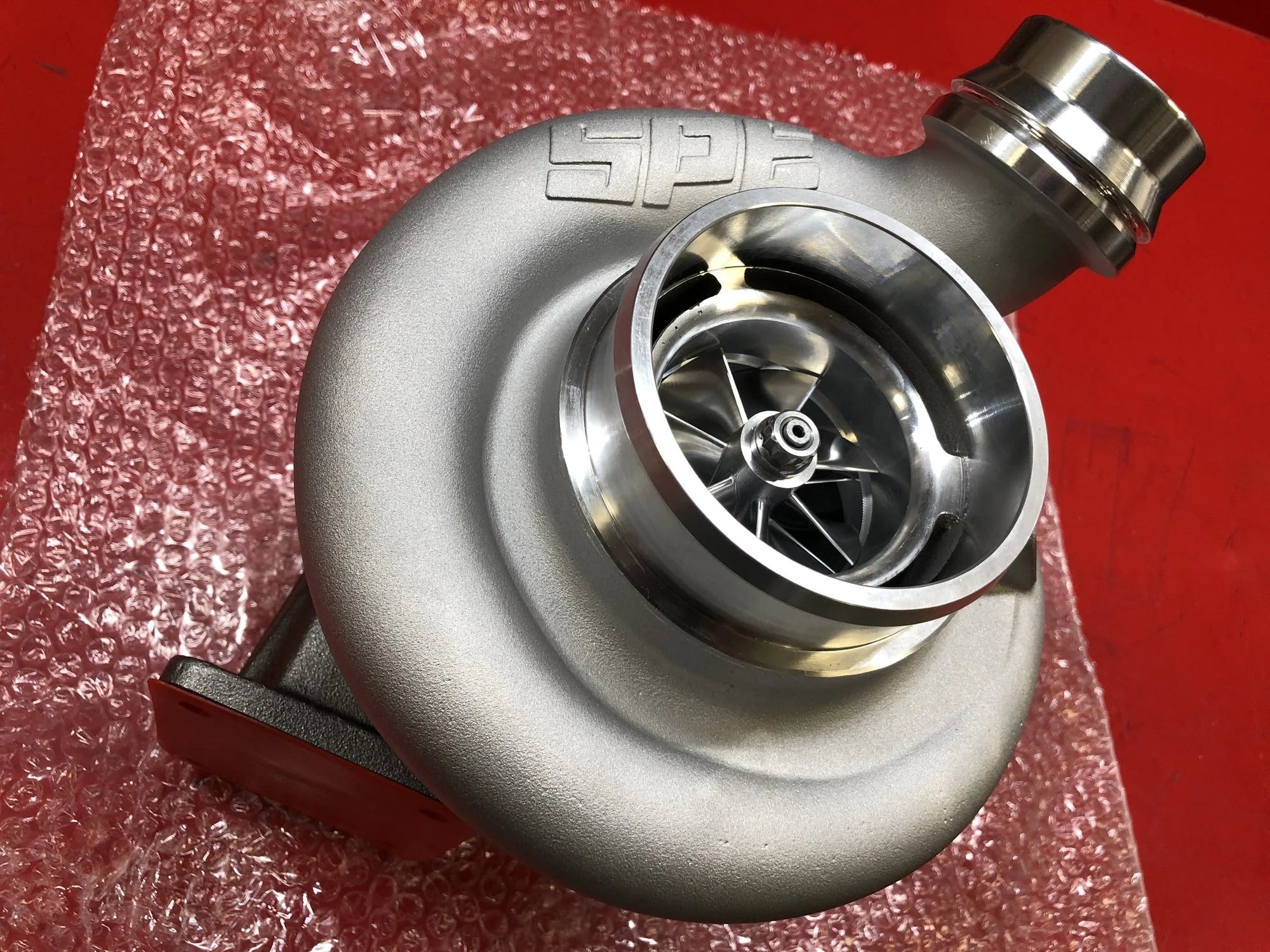
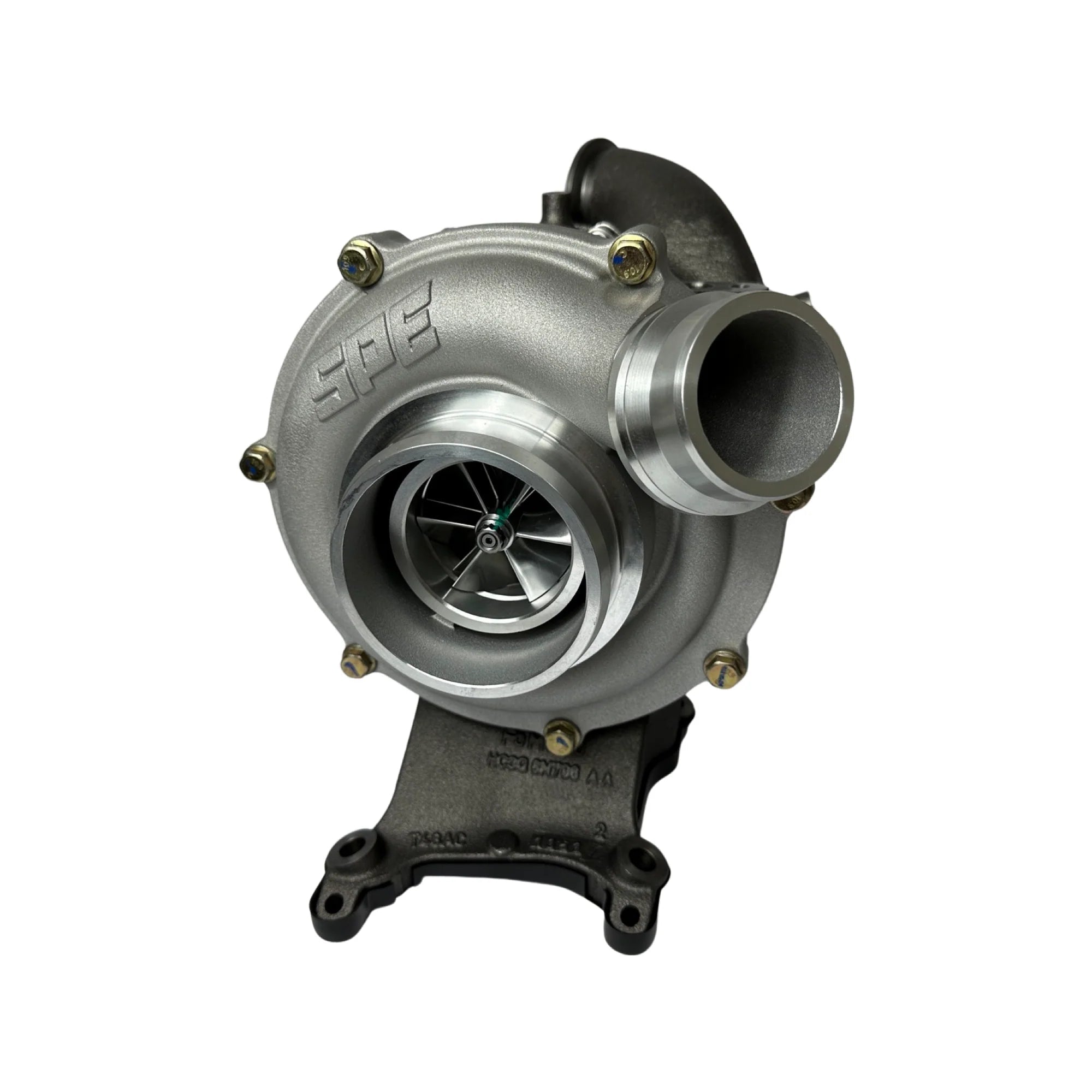
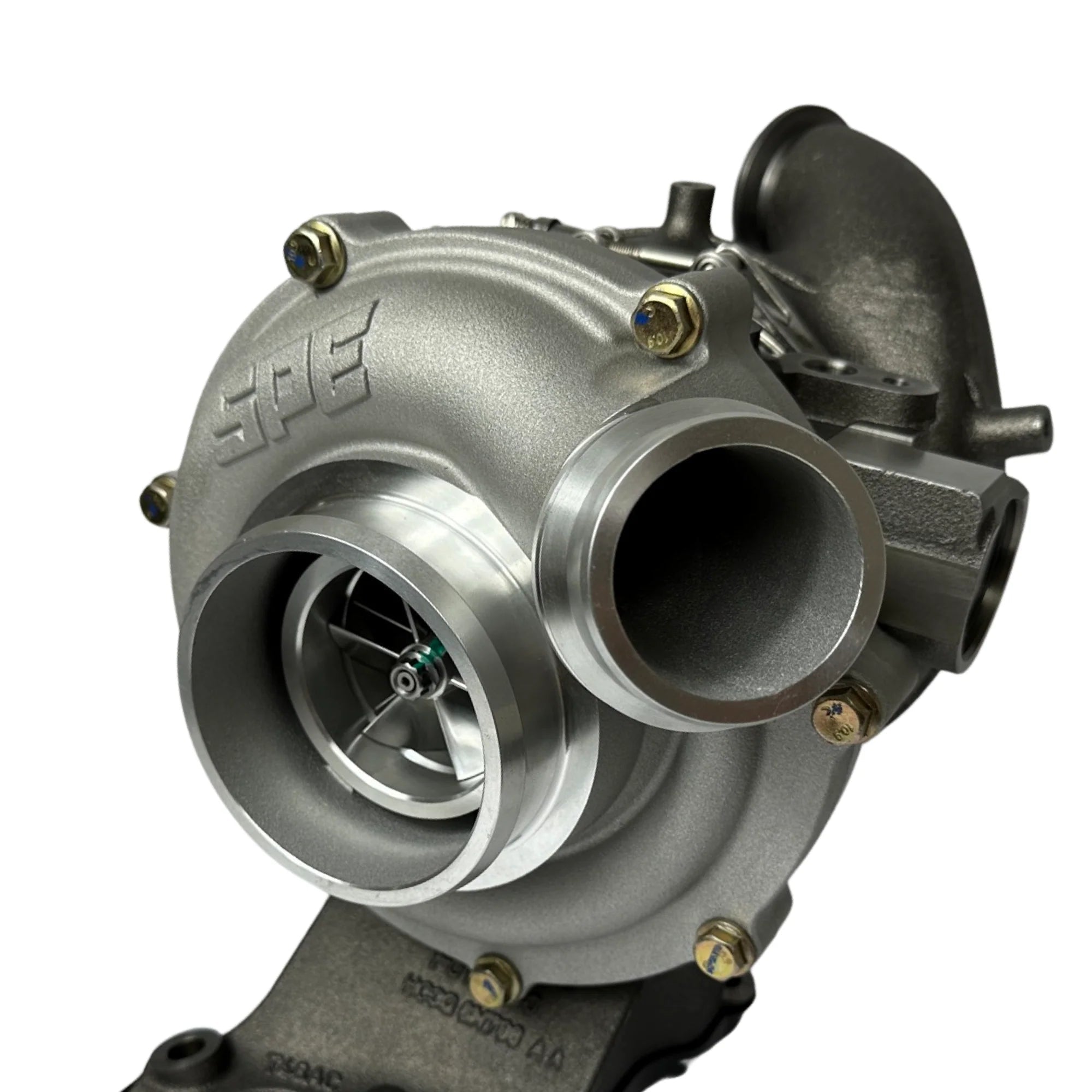
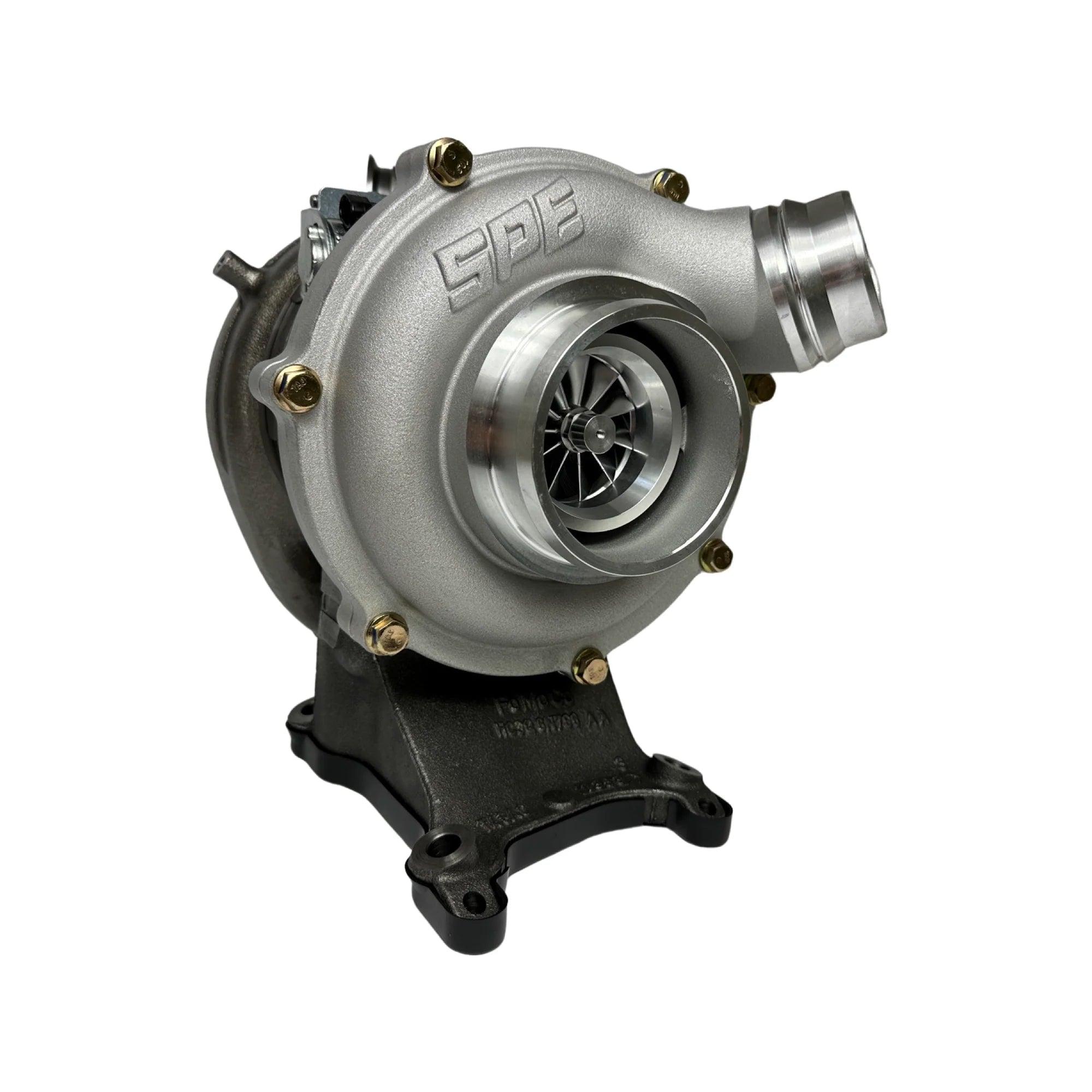
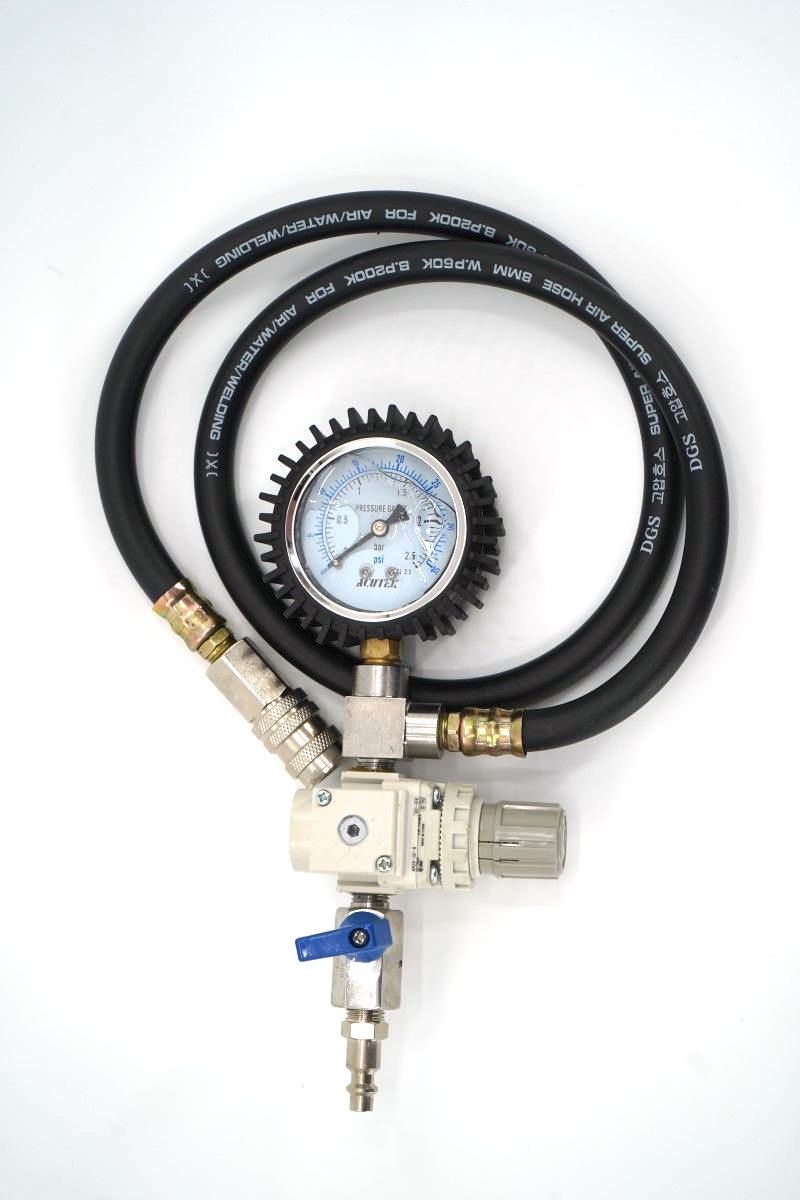
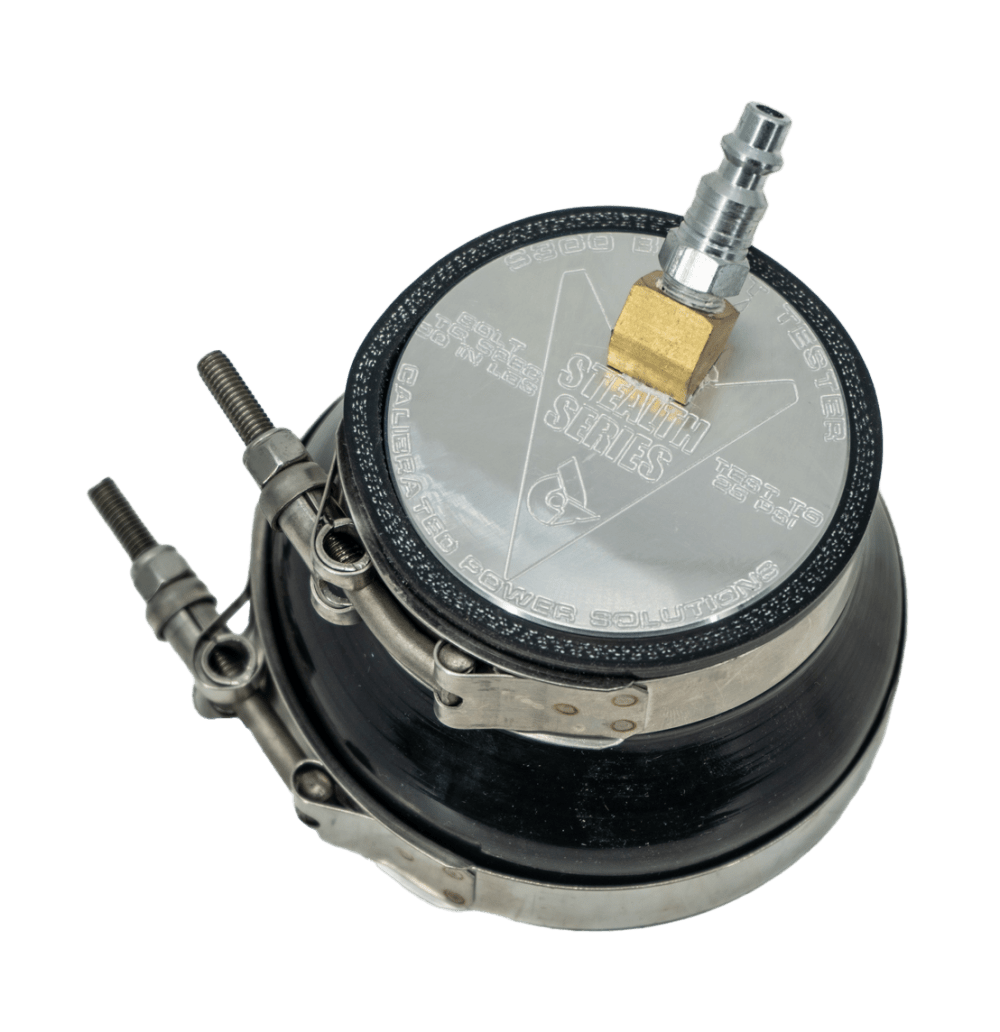
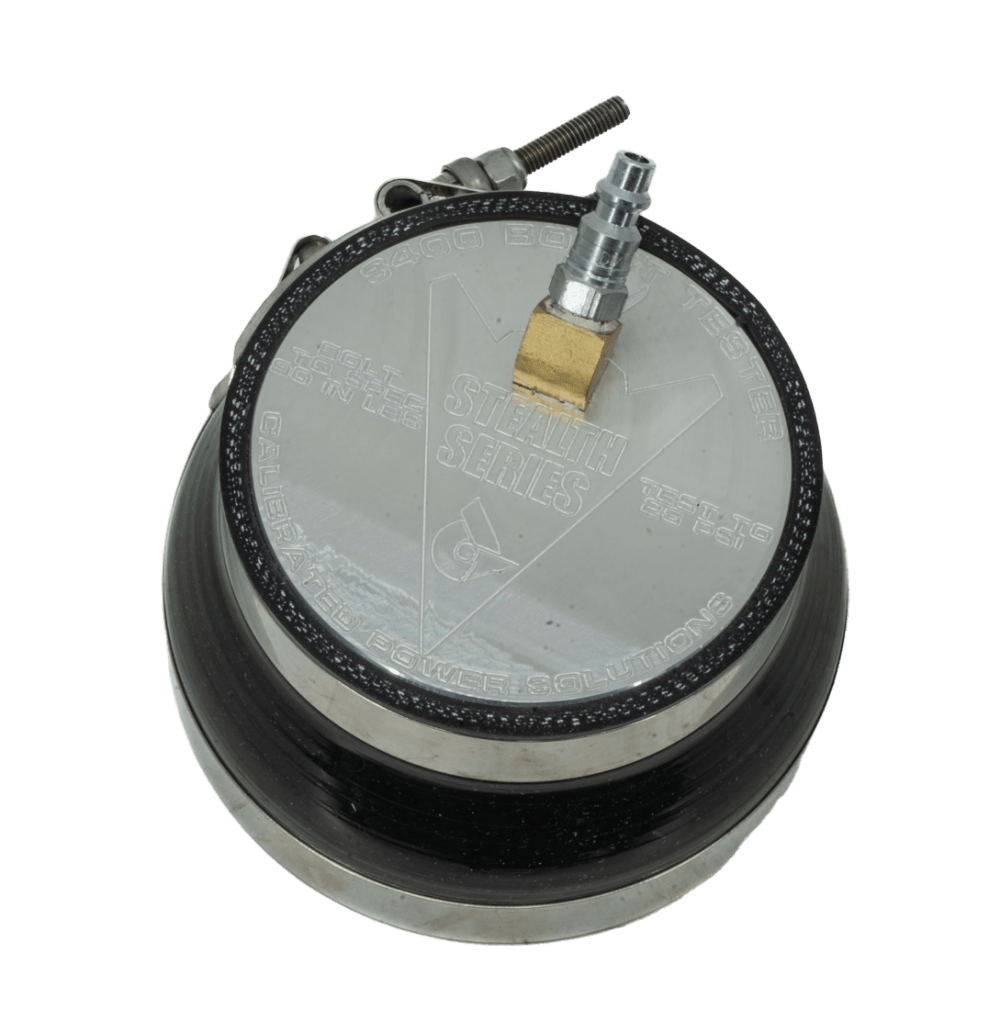
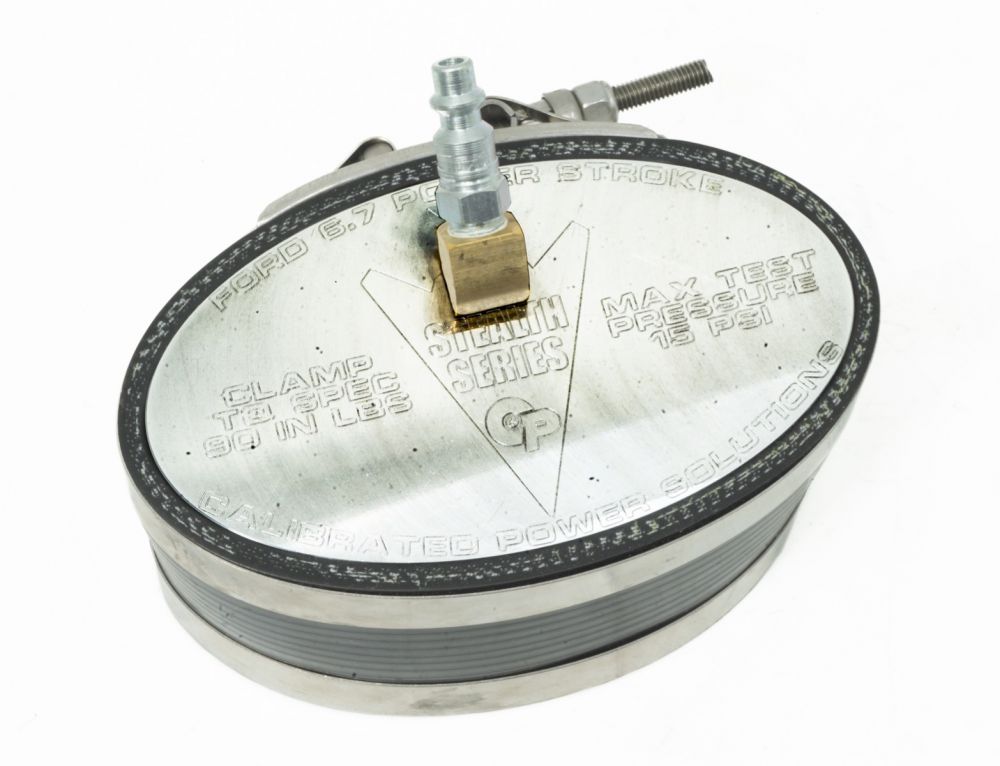
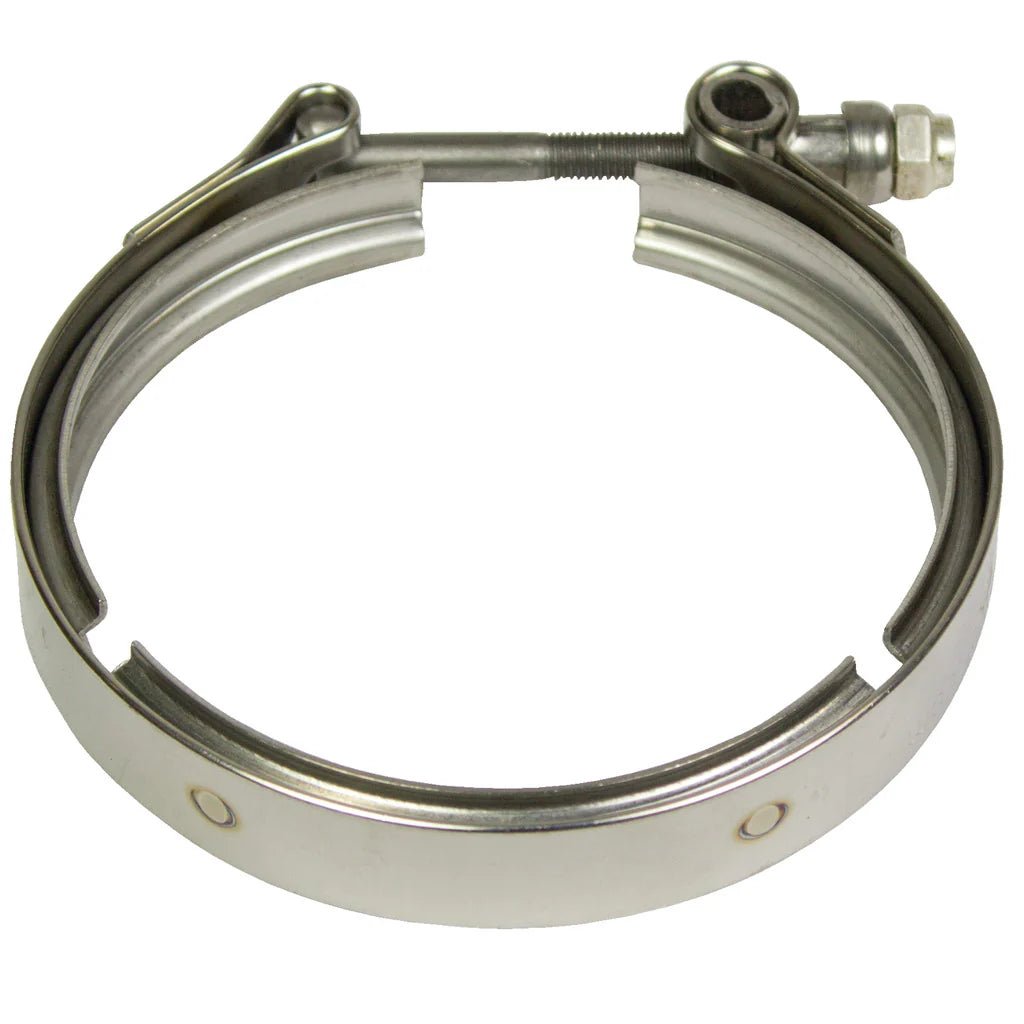
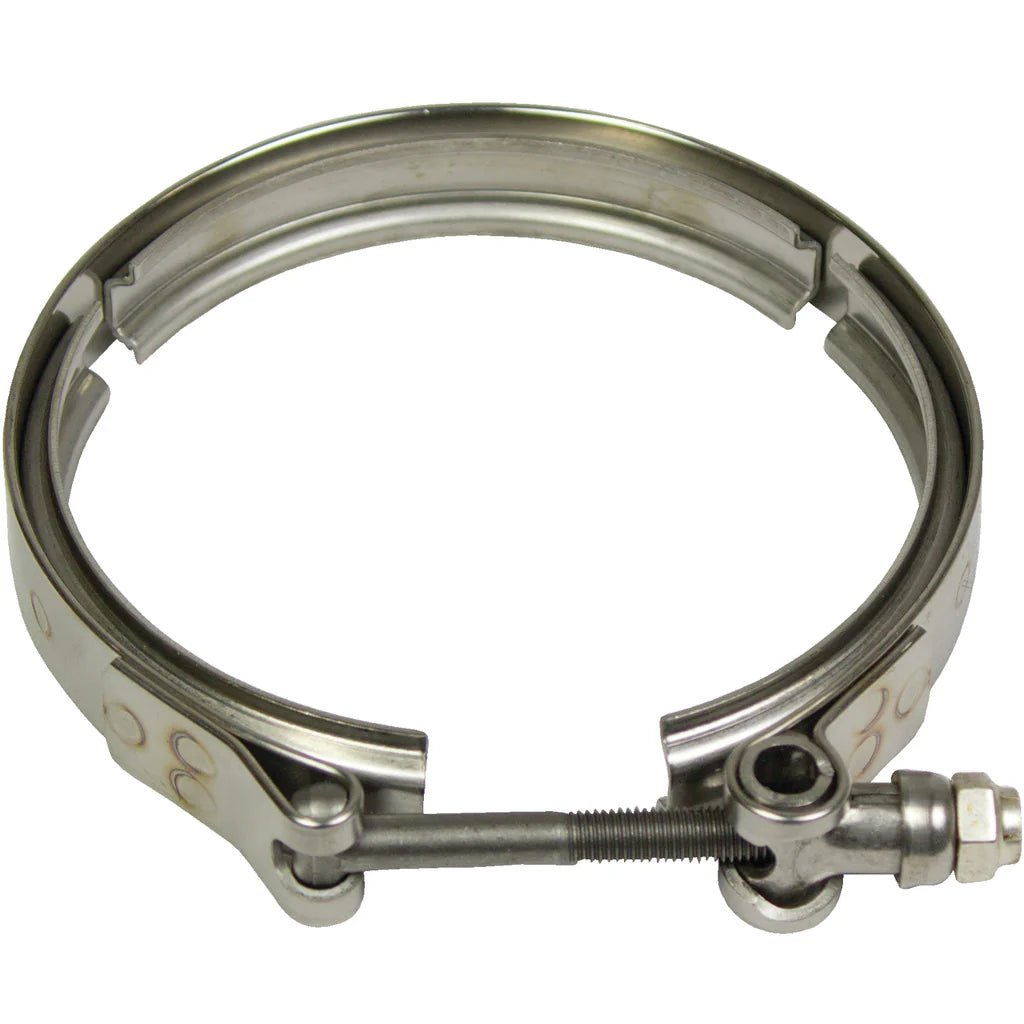
Drop-in turbos come from SPE Motorsport (Strike VGT Stage-1 and Stage-2, the S300 Emperor and Emperor Quick Spool, the Emperor Turbo System and a 2011-2014 Retrofit Install Kit) and ATS Diesel Performance (Aurora VNT kits, including a cab-and-chassis version). Compound kits include the SPE Death Stalker, the SPE Ultimate Turbo System Bundle and the No Limit Fabrication 67CTK. For the install, Alliant Power turbo installation and clamp kits and MAHLE turbo gaskets and a mounting gasket set cover the seals you should never reuse. You'll also find BD Diesel V-band and hose clamps and the Cool Down Timer 2, Turbosmart constant tension clamps, titanium turbo blankets from Pacific Performance Engineering, Mishimoto and ATS, and the Stealth Boost Tester HD Regulator with inlet adapters from Calibrated Power Solutions. Shop the whole turbos category, or browse everything for the 6.7L from our Powerstroke hub.
Fitment notes
Pickup and chassis cab turbos are different units. 2011-2014 F-250 and F-350 pickups use the GT32 DualBoost, while 2011-2016 chassis cabs use the AVNT3276V with a 300 hp calibration, so buy the version listed for your body style. Many F-450 parts split between the pickup and the chassis cab, so confirm which one you have. A 2015-and-up turbo will not just bolt into a 2011-2014 truck: the pedestal, up-pipes, manifold, downpipe and lines all change. SPE lists a separate Retrofit Install Kit for 2011-2014 trucks, and some turbos here are listed for 2011-2019 or later, so read each listing for the install parts your year needs. Ford also revised the turbo oil supply line and pedestal for 2017, so those parts from a later truck do not match yours. If you register in California or another CARB state, confirm the CARB EO status before you buy. Verify fitment by VIN.
Frequently asked questions
Why do 2011-2012 6.7L Powerstroke turbos fail so often?
The GT32's ceramic ball bearings were the weak point, and Ford improved reliability when it moved to steel ball bearings. Overspeed adds to it, especially on tuned trucks where shaft speed can top 150,000 rpm. Failures commonly land between 100,000 and 150,000 miles.
My truck feels down on power with no codes. Is it the turbo?
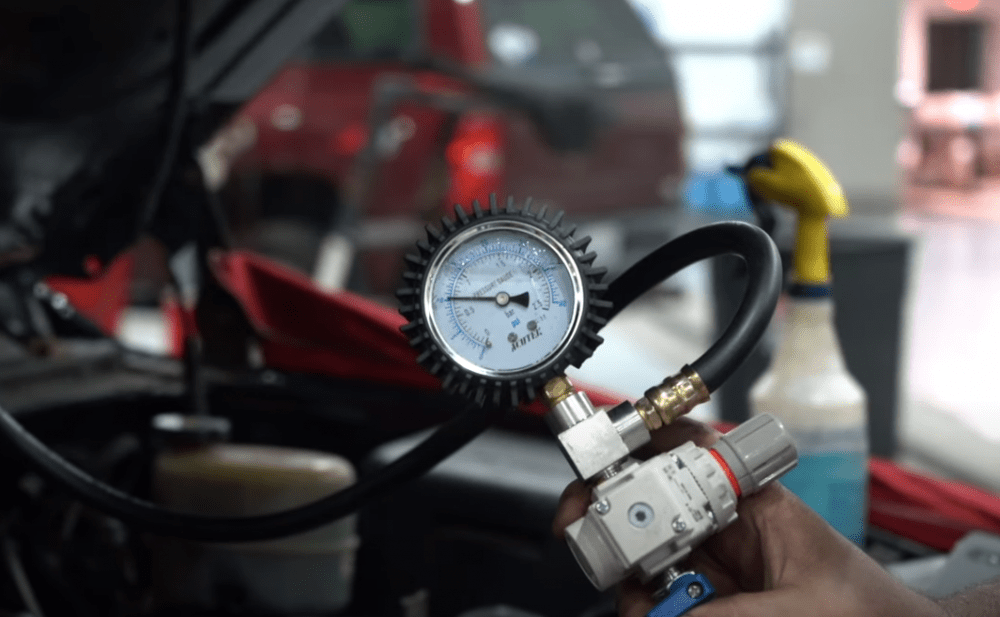
Not necessarily. The plastic cold-side charge pipe and boots on these trucks can leak boost and mimic a failing turbo, with hissing under load, oily couplers and high EGT. A boost leak tester like the Stealth Boost Tester HD Regulator in this collection lets you pressurize the system and find the leak before you replace a turbo.
Can I put a 2015 turbo on my 2014 F-250?
Not as a straight swap. The GT37 retrofit is a full kit with a new pedestal, later up-pipes and manifold, a two-piece downpipe, new lines and the lower intake manifold. On heavily modified trucks it has been reported to add about 40 hp and carry power past 3,000 rpm.
What are the warning signs of a failing turbo on a 2011-2014 6.7L?
Loud screeching, smoke from the tailpipe, loss of boost and oil consumption are the usual signs of bearing failure. Overspeed shows up as turbo speed sensor codes such as P0299, P132B or P2563 and a whistle that changes pitch. A sticking VGT or failing actuator gives slow spool, surging at steady throttle and sometimes limp mode.
Not sure what fits? Call the shop at the number in the header, or use the fitment checker on any product page. We install everything we sell.