
Shop Parts by Category
Pick a category to narrow your truck down, or scroll to browse every part that fits.


















Filters
172 products




Not sure it fits your truck?
Our Wildwood, FL techs will confirm the right part for your build before you buy.
Call or Text (352) 722-5295Inside the LWN in the 2016-2022 Colorado
GM dropped the LWN into the Colorado for 2016, a year after the second-generation truck launched, and it was the first diesel offered in a modern U.S. midsize pickup. It is a 2.8L iron-block inline-four with an aluminum DOHC 16-valve head, forged crank and rods, oil-jet-cooled pistons and a crank-driven balance shaft to cancel four-cylinder shake. The fuel side is Denso end to end: a supply pump driven off the timing-belt side of the engine, one rail at 2,000 bar (29,000 psi) and solenoid injectors, so none of the Bosch CP4 story from the bigger Duramax engines applies here. A water-cooled Garrett GT17V variable-geometry turbo bolts straight to the exhaust manifold, and its vanes also run the exhaust brake that came standard. Output was 181 hp and 369 lb-ft every model year from 2016 through 2022, paired only with the Hydra-Matic 6L50 six-speed and a 3.42 rear axle (RPO GU6), good for 7,700 lb of trailer, or 7,600 lb on some 4WD crew cabs.
What fails and why
Start with the belt. GM calls for it at 150,000 miles, the engine is an interference design, and the kit makers who build for this platform suggest planning the job nearer 100,000 miles or ten years. There is no reliable warning noise to wait for, and a snapped belt puts valves into pistons. Turbos are the other known weak spot. GM bulletin 17-NA-222 covers a high-pitched whine on 2016-2017 trucks caused by a bent compressor blade and calls for a replacement turbo chosen by VIN, and Duramax Tuner has documented failures as early as 12,000 miles, worst on short-trip trucks near freezing. Fuel filters plug early on poor fuel or heavy towing, setting P026D or P228C along with a Reduced Engine Power message. Wiring deserves its own line: GM PIP5416D covers engine-harness chafe on 2016-2021 trucks, and one rubbed-through wire can look like a bad oil-pressure sensor, a no-start, blown fuses, A/C blowing hot or a 4WD warning. Out back there are two bulletins, a carrier-bearing whine on 2017-2019 builds and a clunk from worn axle C-locks. Owners have also documented a handful of holed pistons and broken rods, mostly on 2016-2019 engines; the usual theory is an injector tip, but injectors pulled from failed motors often test fine, so treat that as an unsettled pattern rather than a schedule.
Stock replacement vs. upgrade
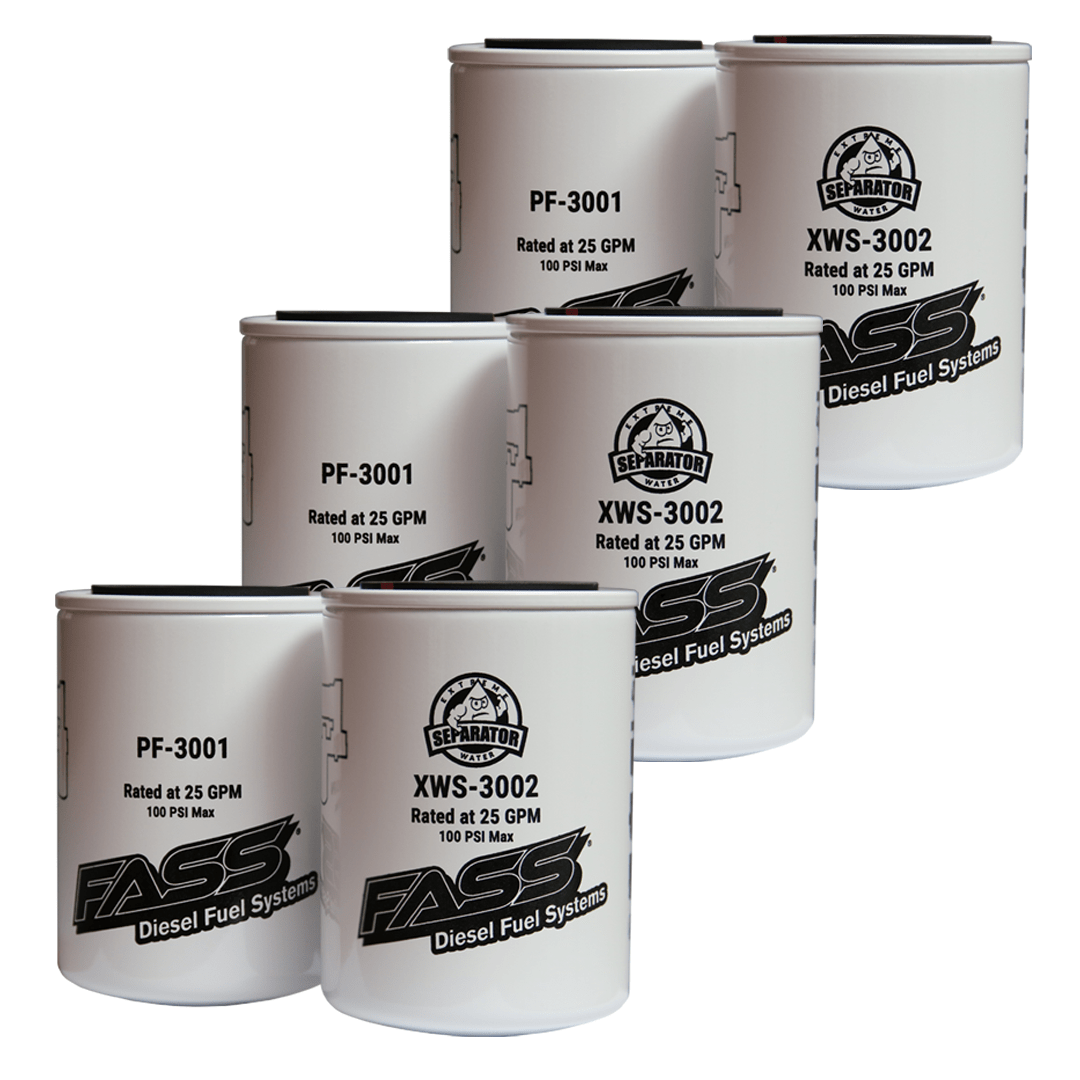
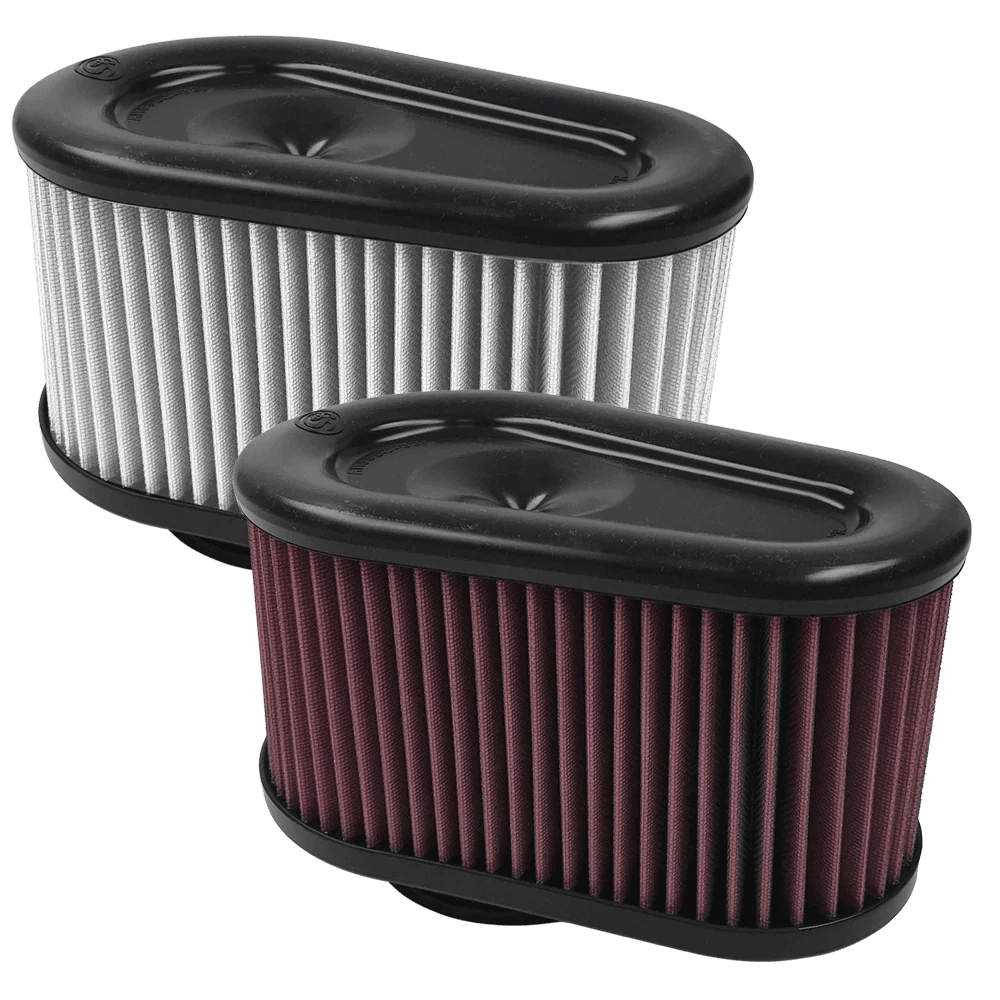
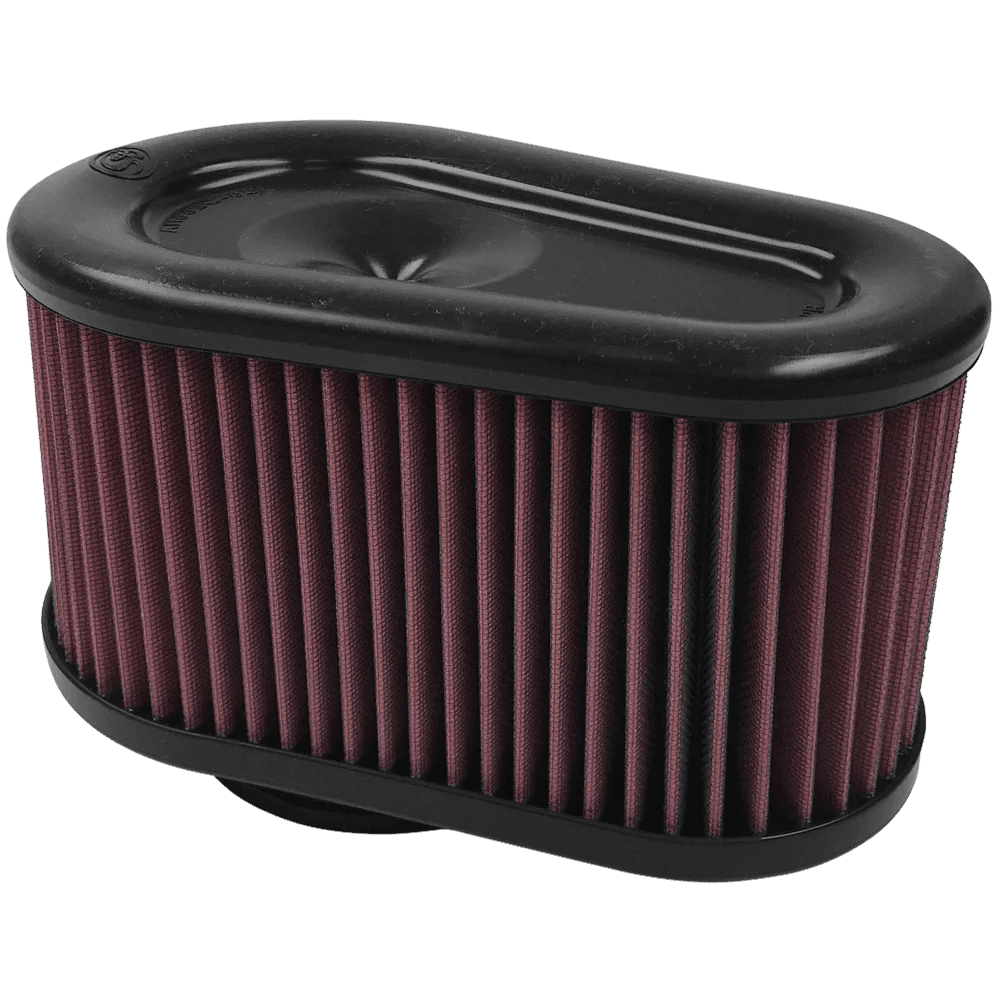
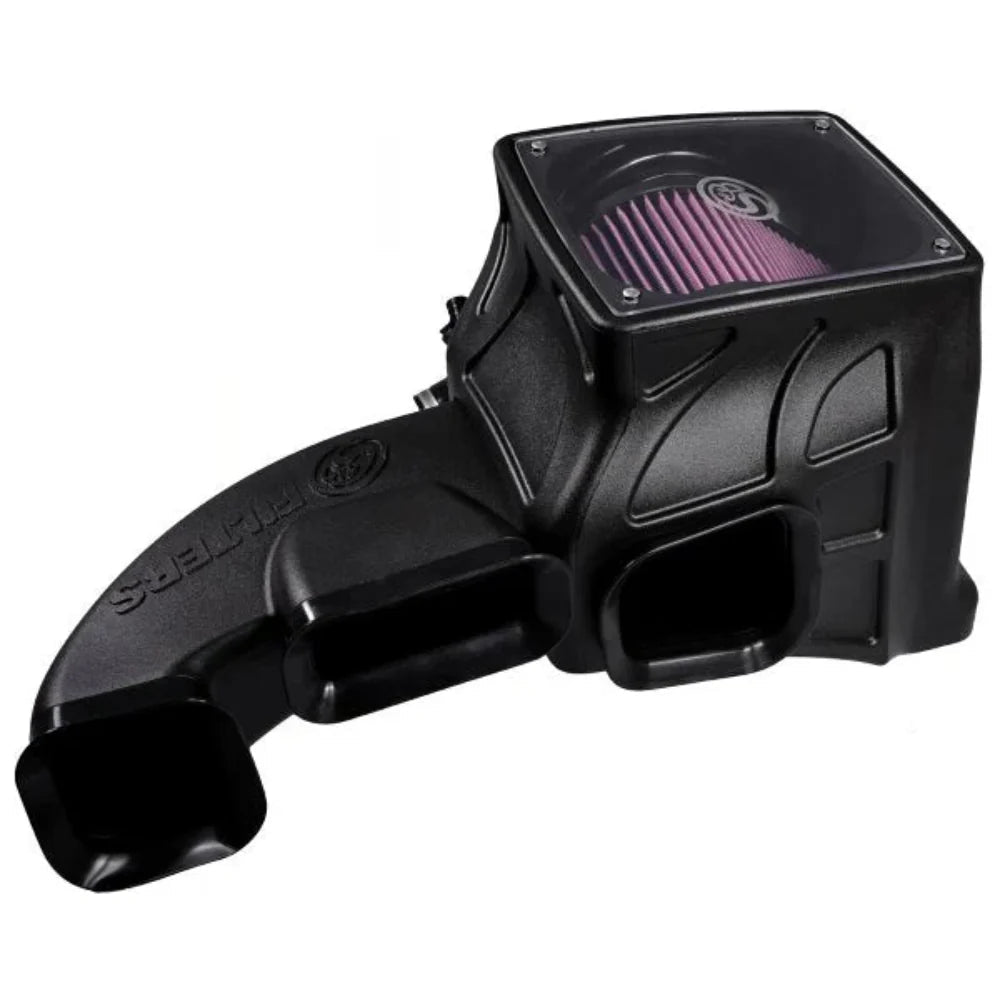
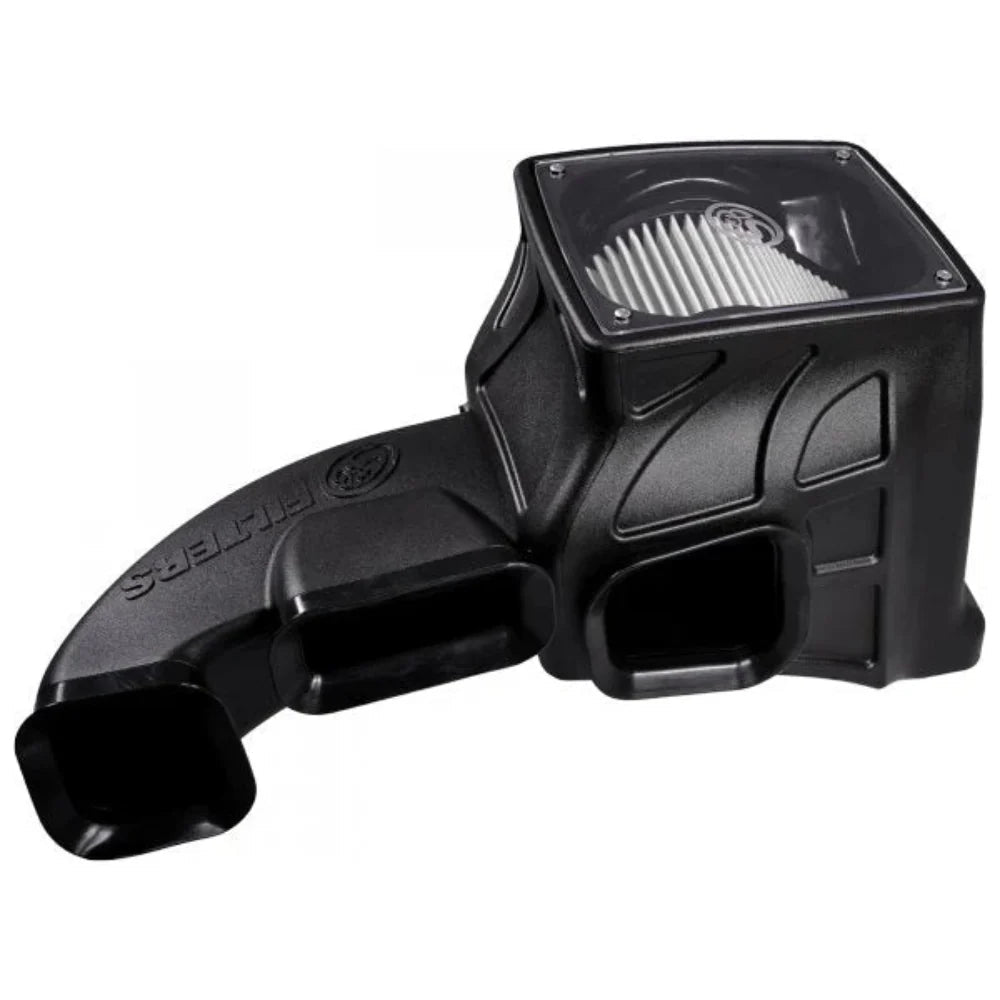
Most of what this truck wants is ordinary service done on time with the right part. ACDelco TP1007 fuel filters are the pickup's filters and come as a pair, the panel air filter carries a 45,000-mile interval that dusty use beats easily, oil is 5W-30 dexos2 every 7,500 miles or twelve months (shorten it if you tow, idle or run short trips), and coolant is DEX-COOL premix, 11.1 quarts, on a 150,000-mile schedule. When you do go past stock, go the compliant route. S&B's enclosed-box intake flows better than the factory box and carries CARB EO D-590-20 for 2016-2018 trucks, with 2019-2022 listed 49-state until the EO is updated. MBRP's 3-inch T304 stainless DPF-back is a bolt-on job of an hour or two and leaves every emissions device where GM put it; MBRP claims up to 18 hp, 28 lb-ft and meaningfully lower exhaust temperature. A FASS system adds 2-micron filtration and water separation ahead of the Denso pump on 2016-2020 trucks. A catch can on the closed crankcase vent slows the carbon the high-EGR calibration leaves in the intake tract. Calibration is where you have to read the fine print: the CARB EO-numbered tune documented for this engine covers 2016-2020 trucks and requires every factory emissions device intact, and 2021-2022 trucks have no documented exempt option.
What we carry
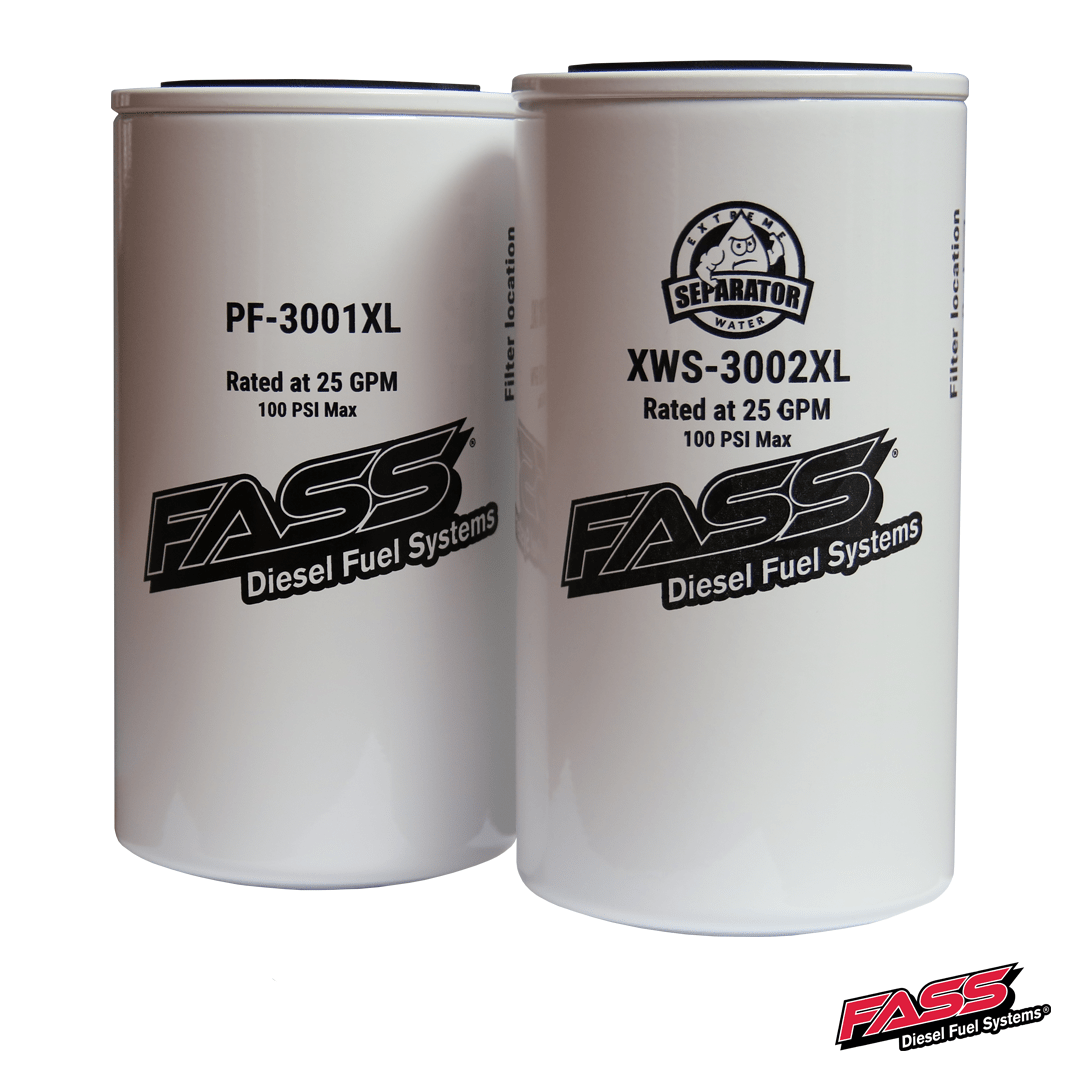
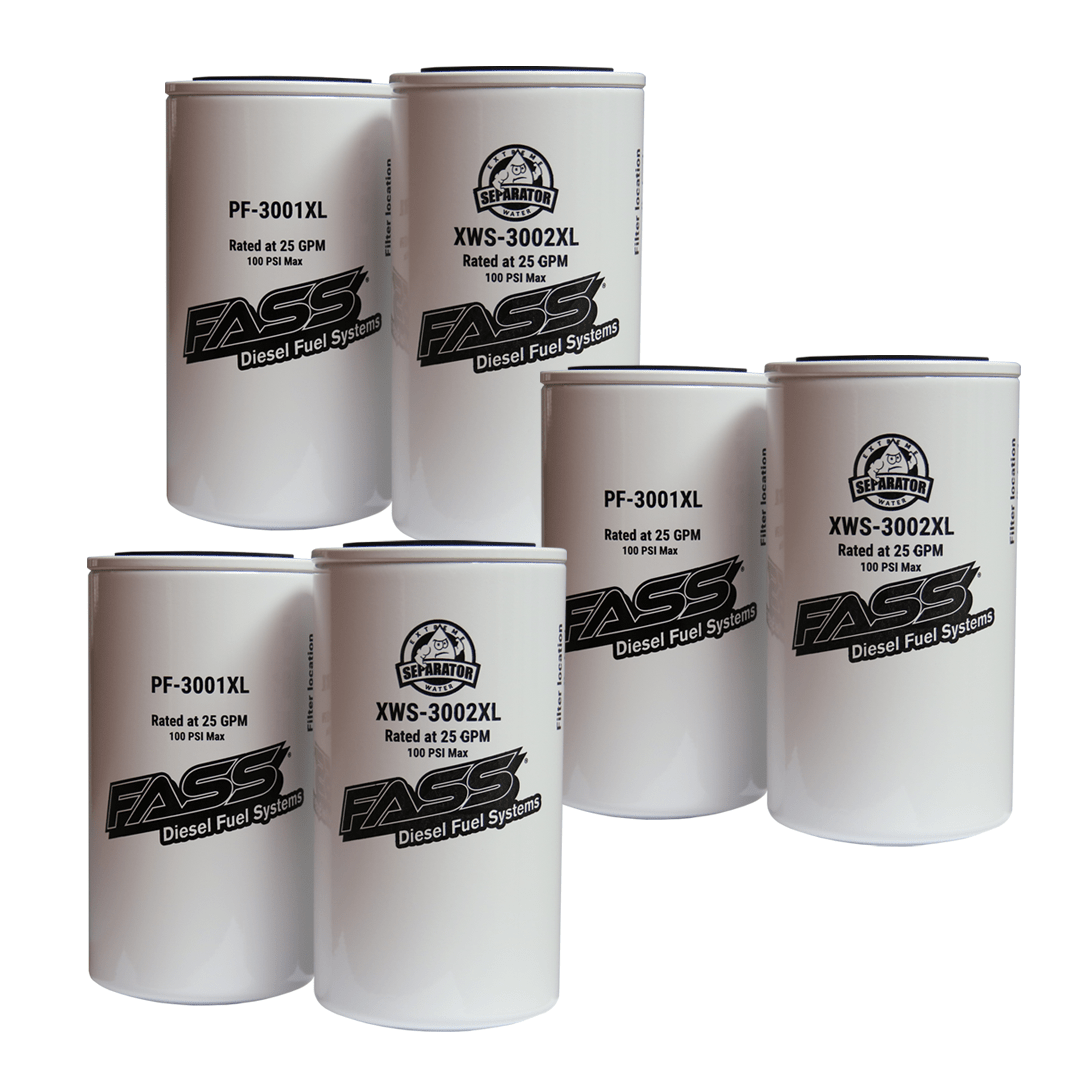
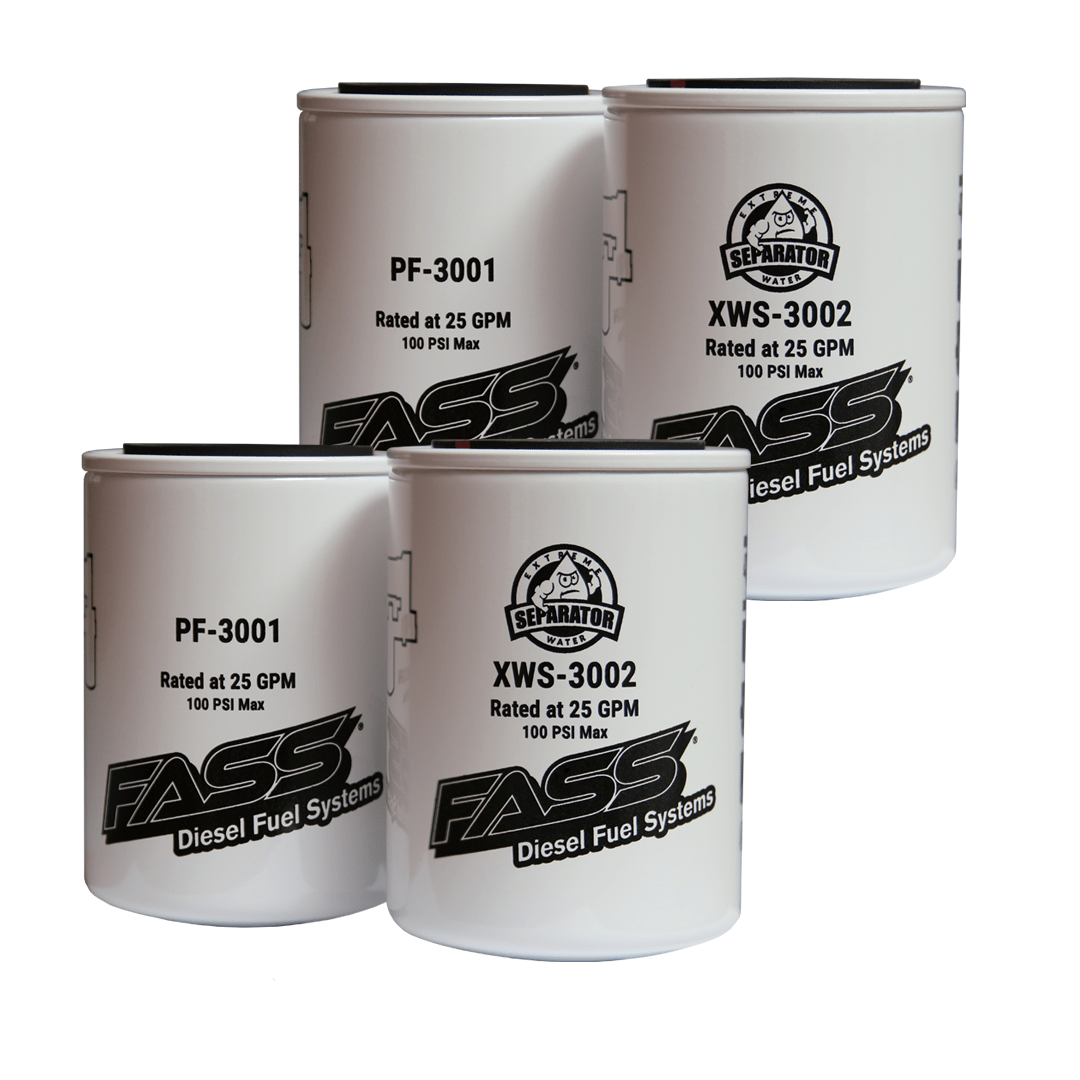
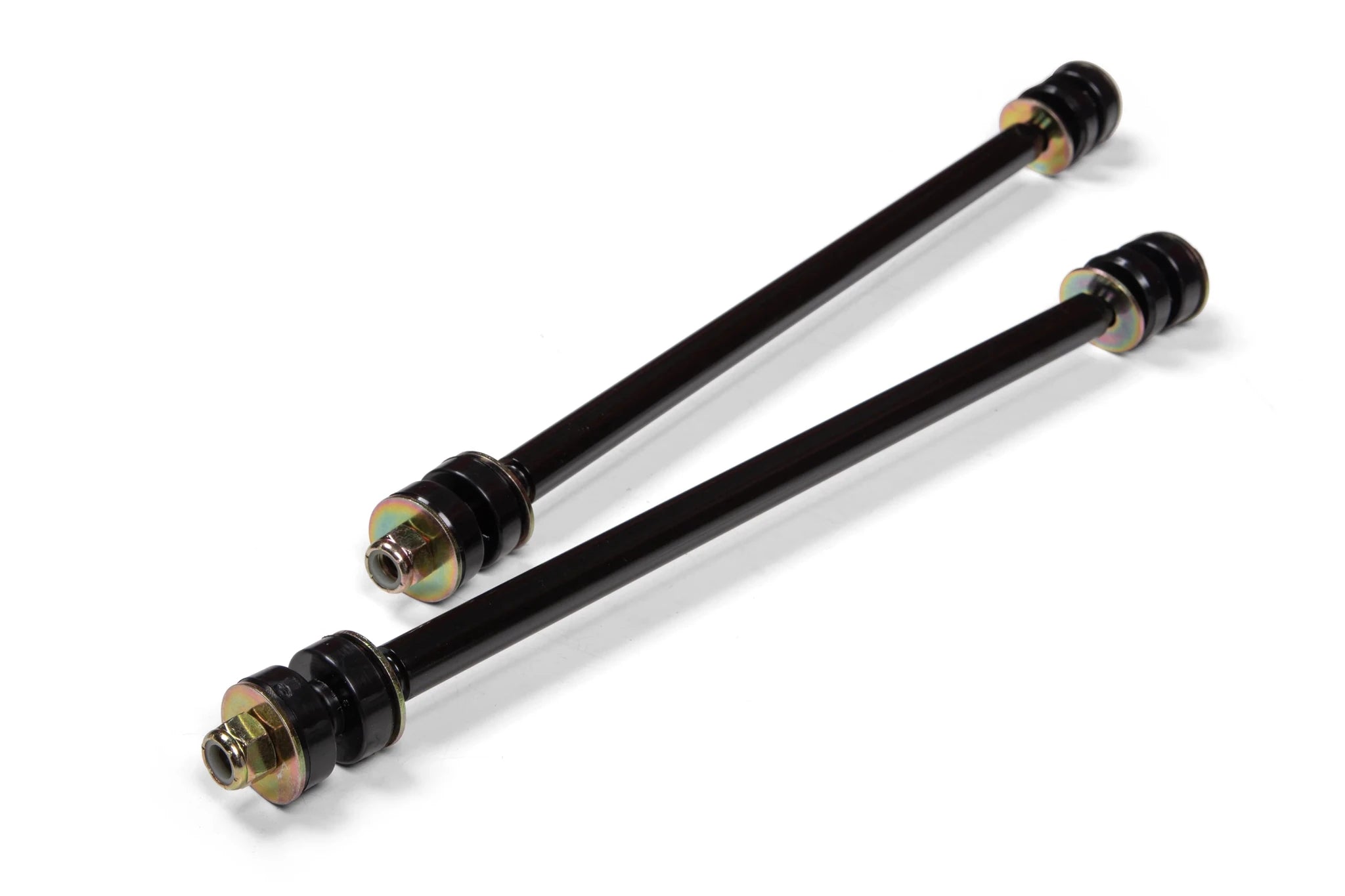
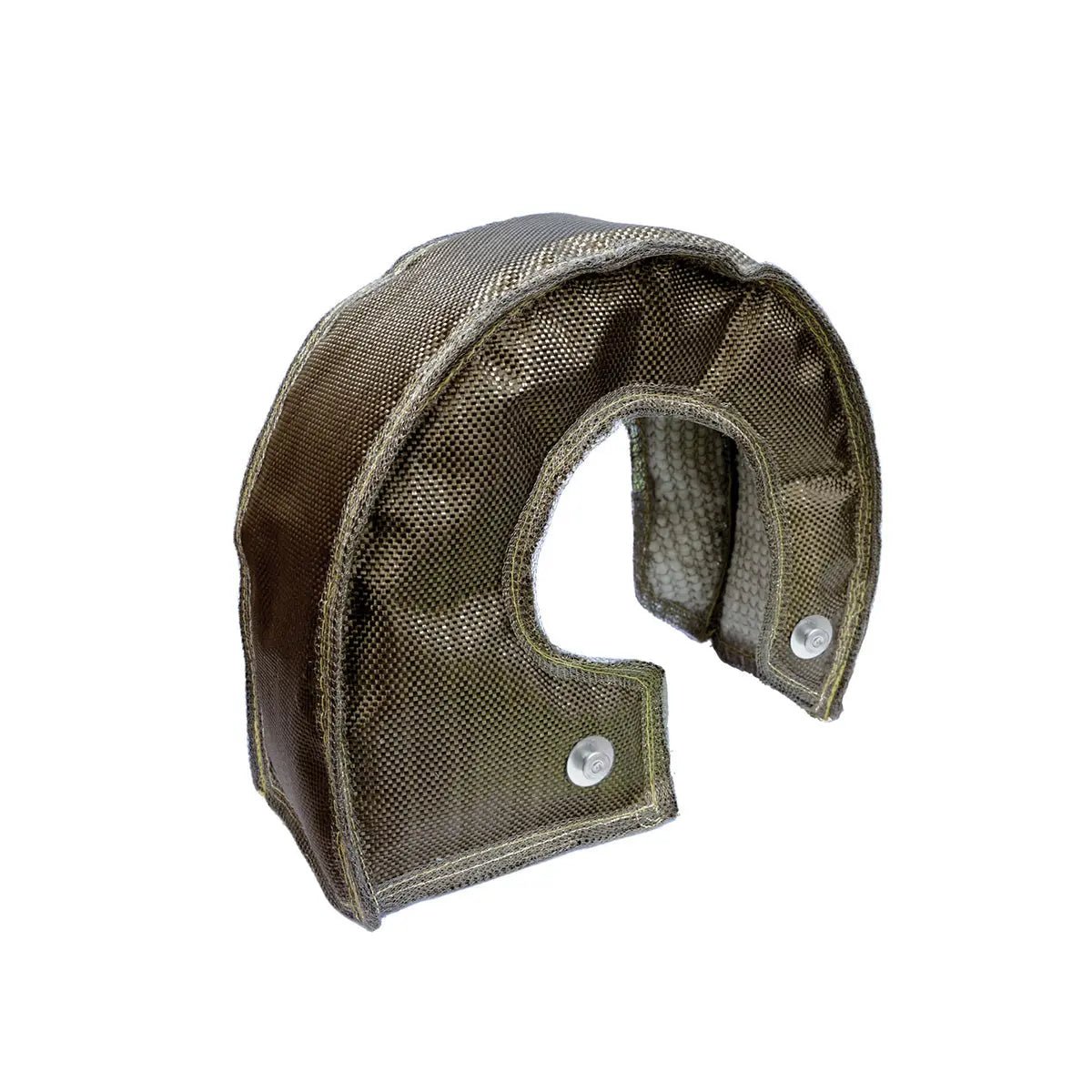
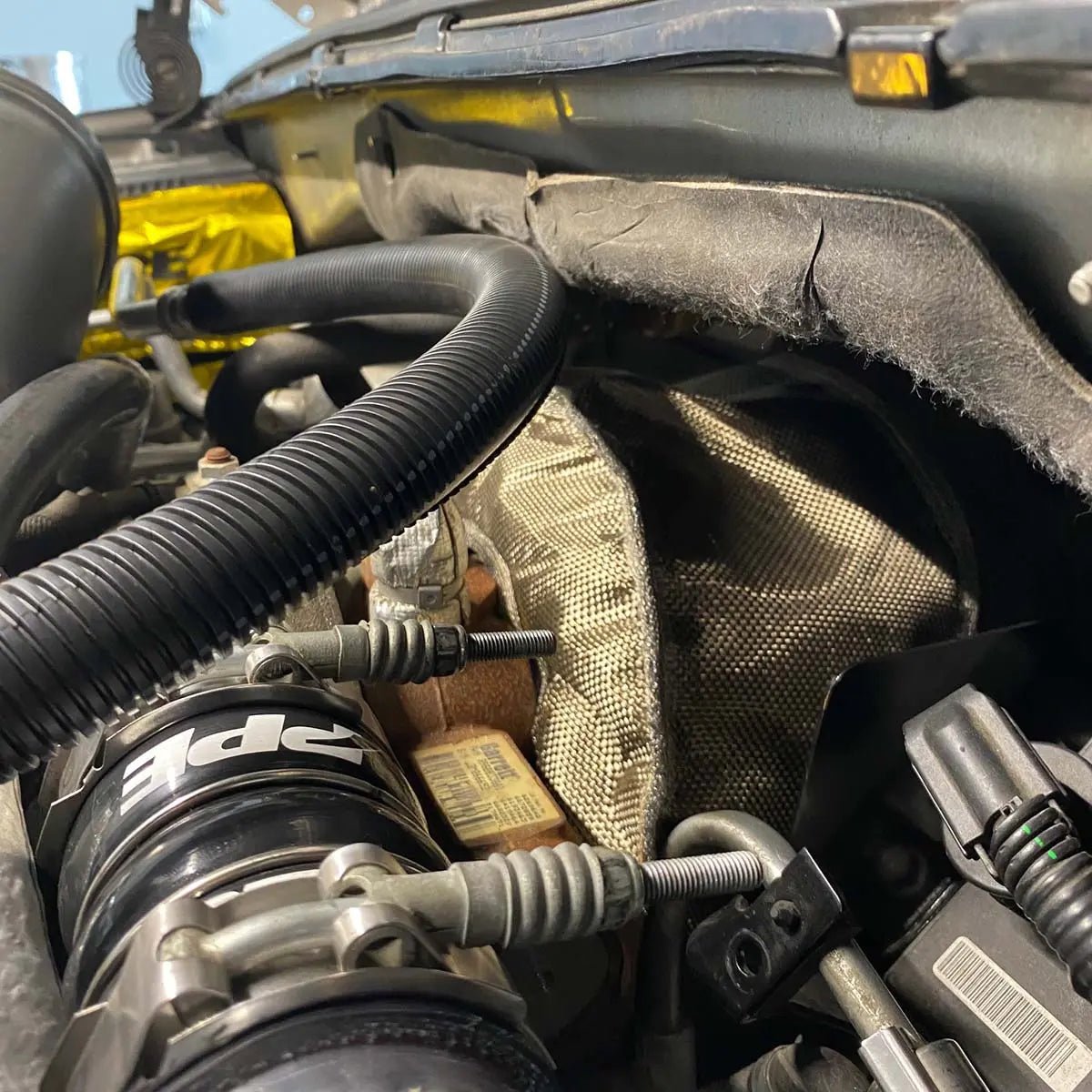
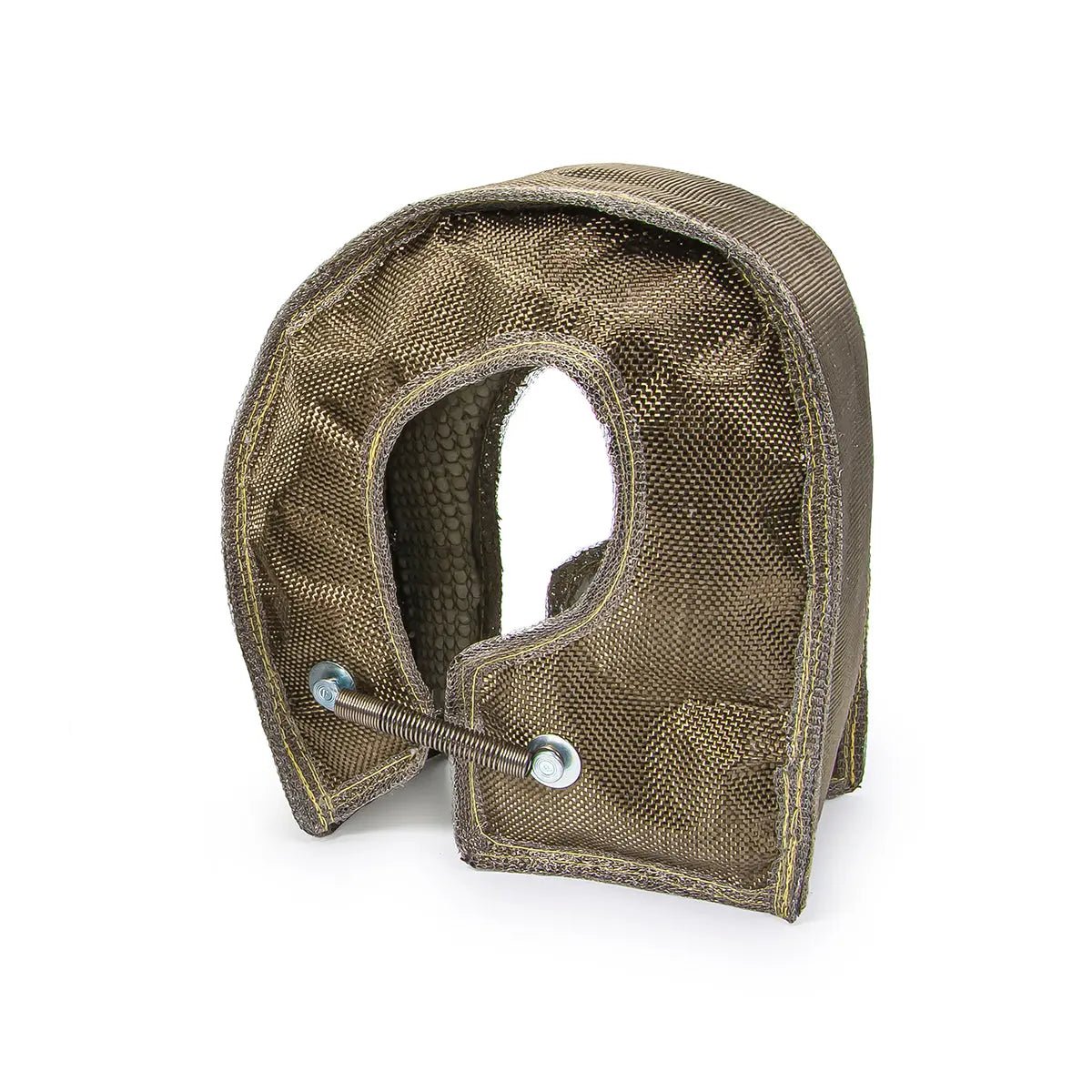
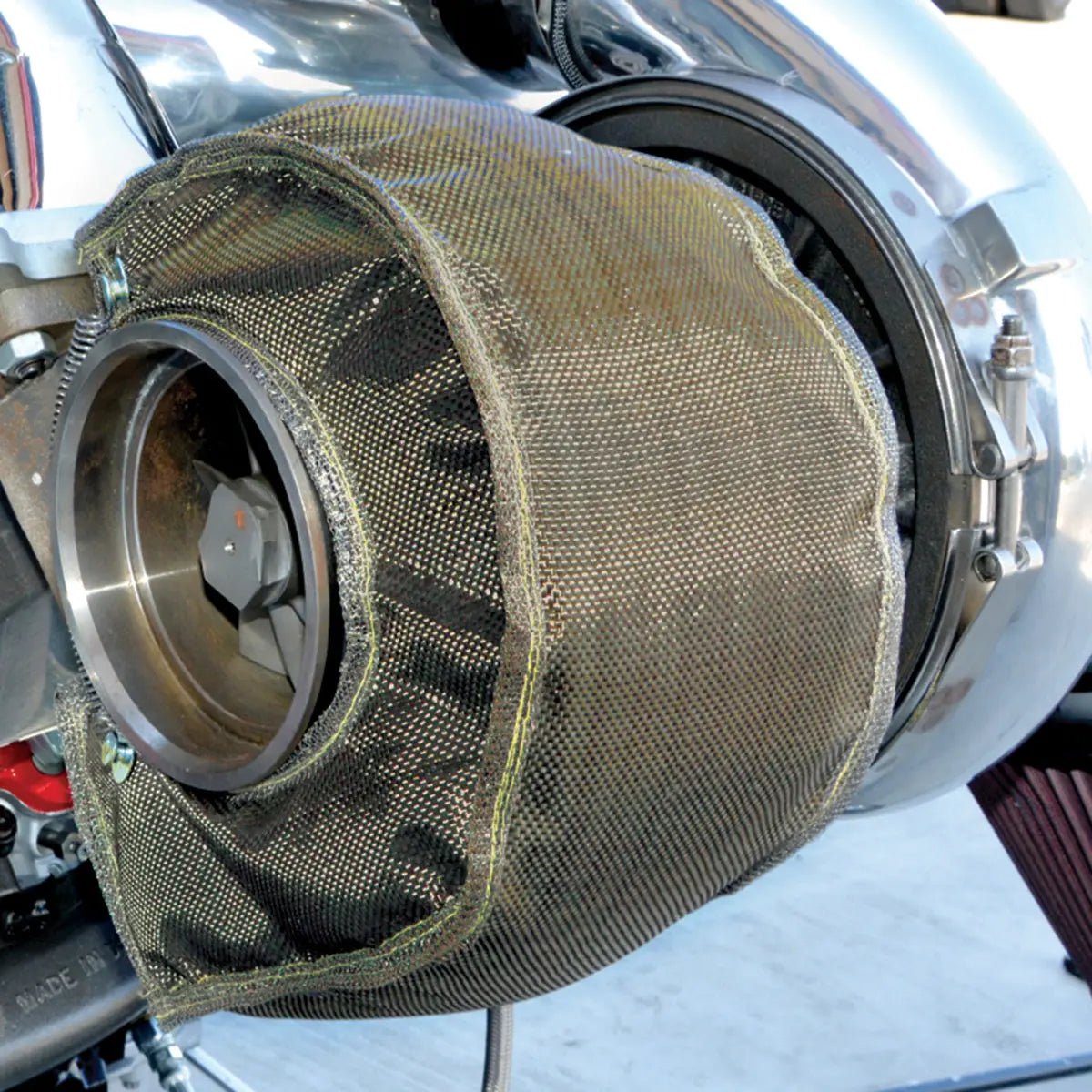
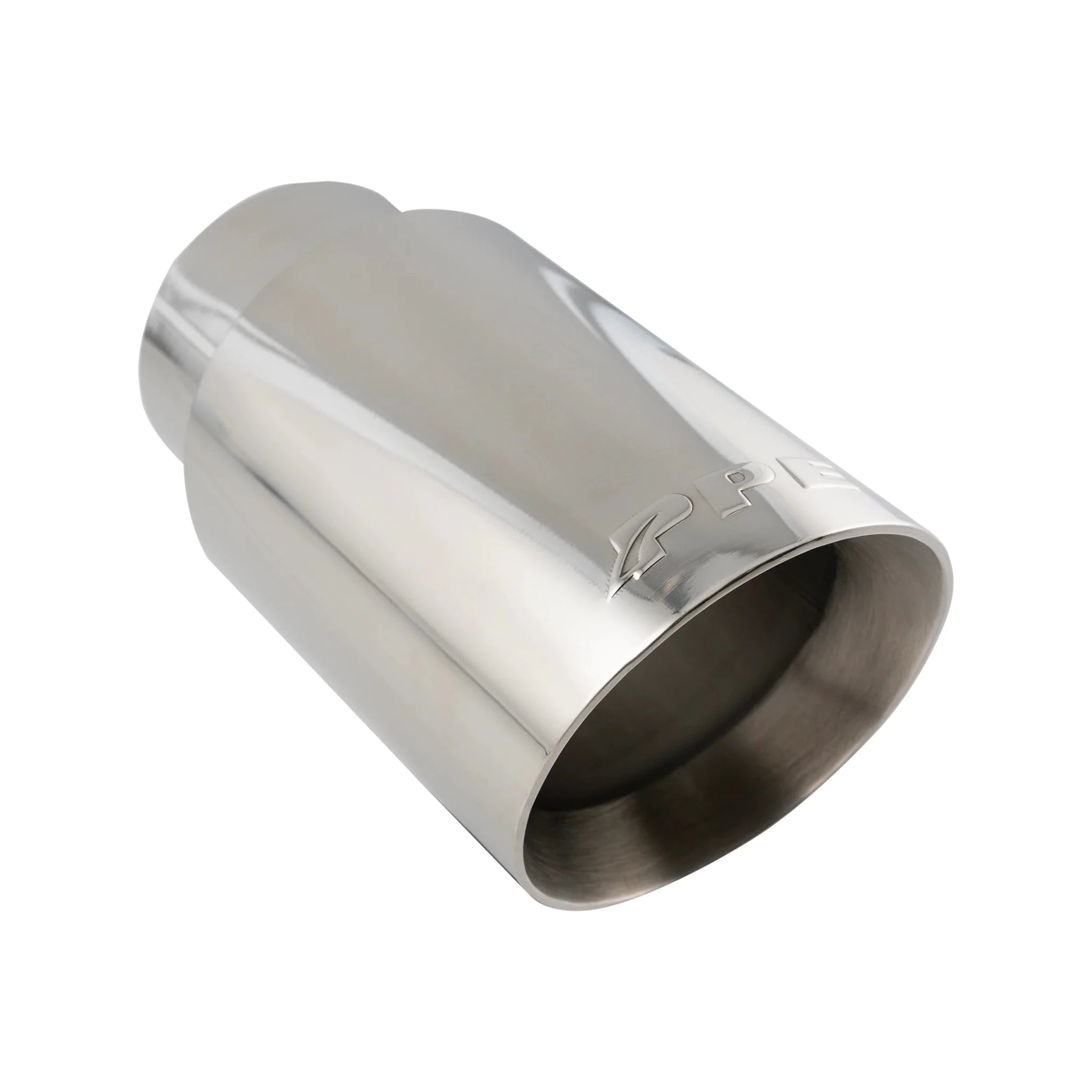
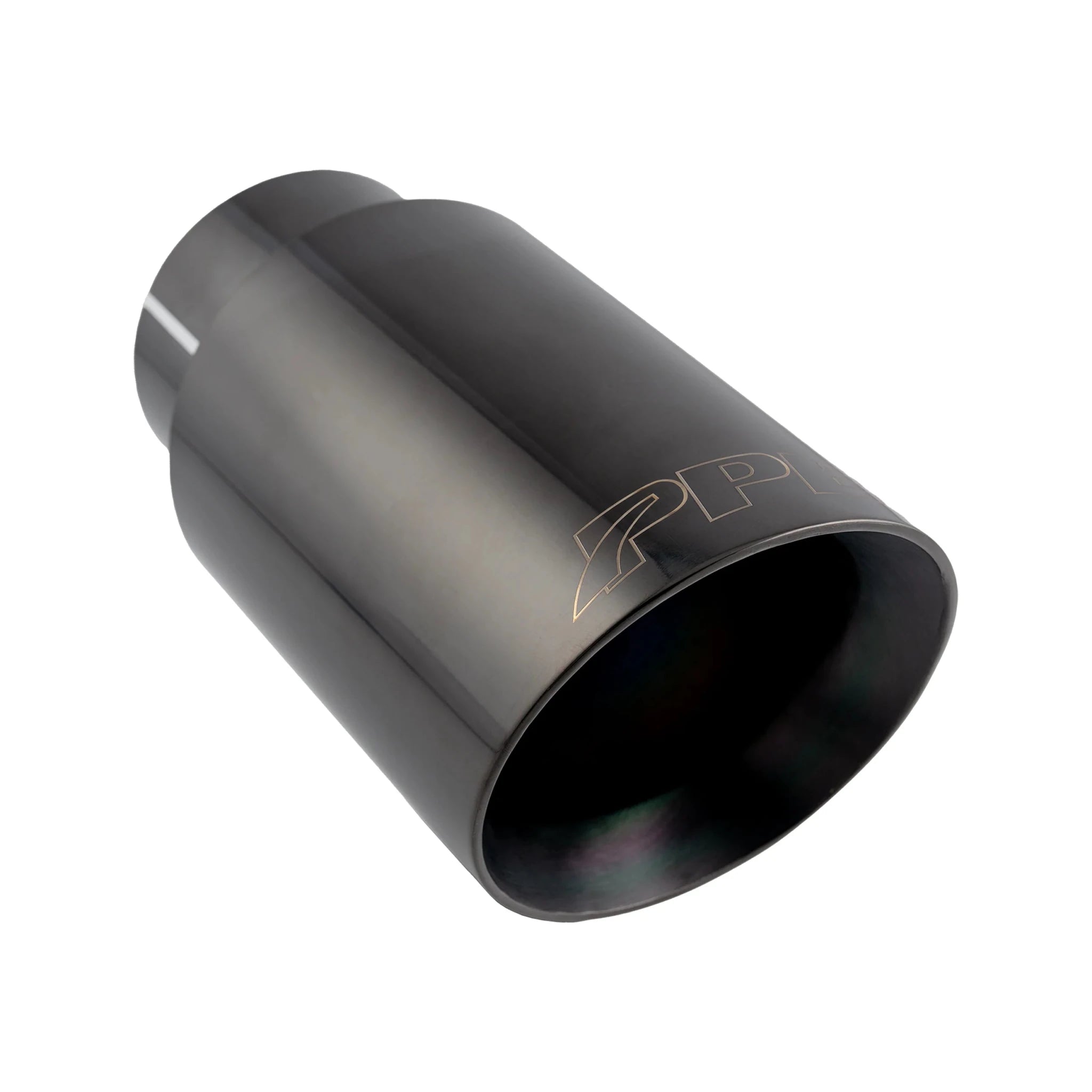
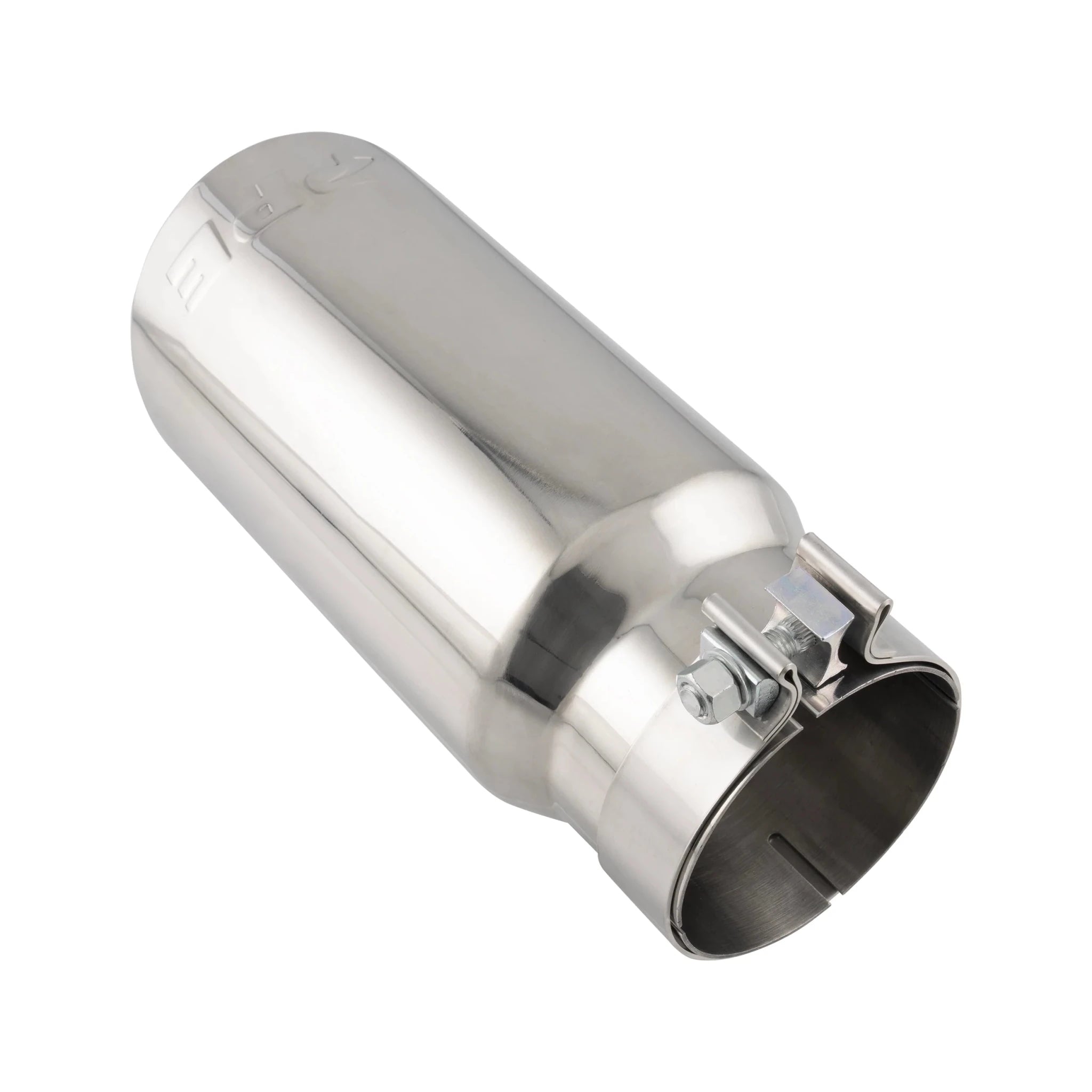
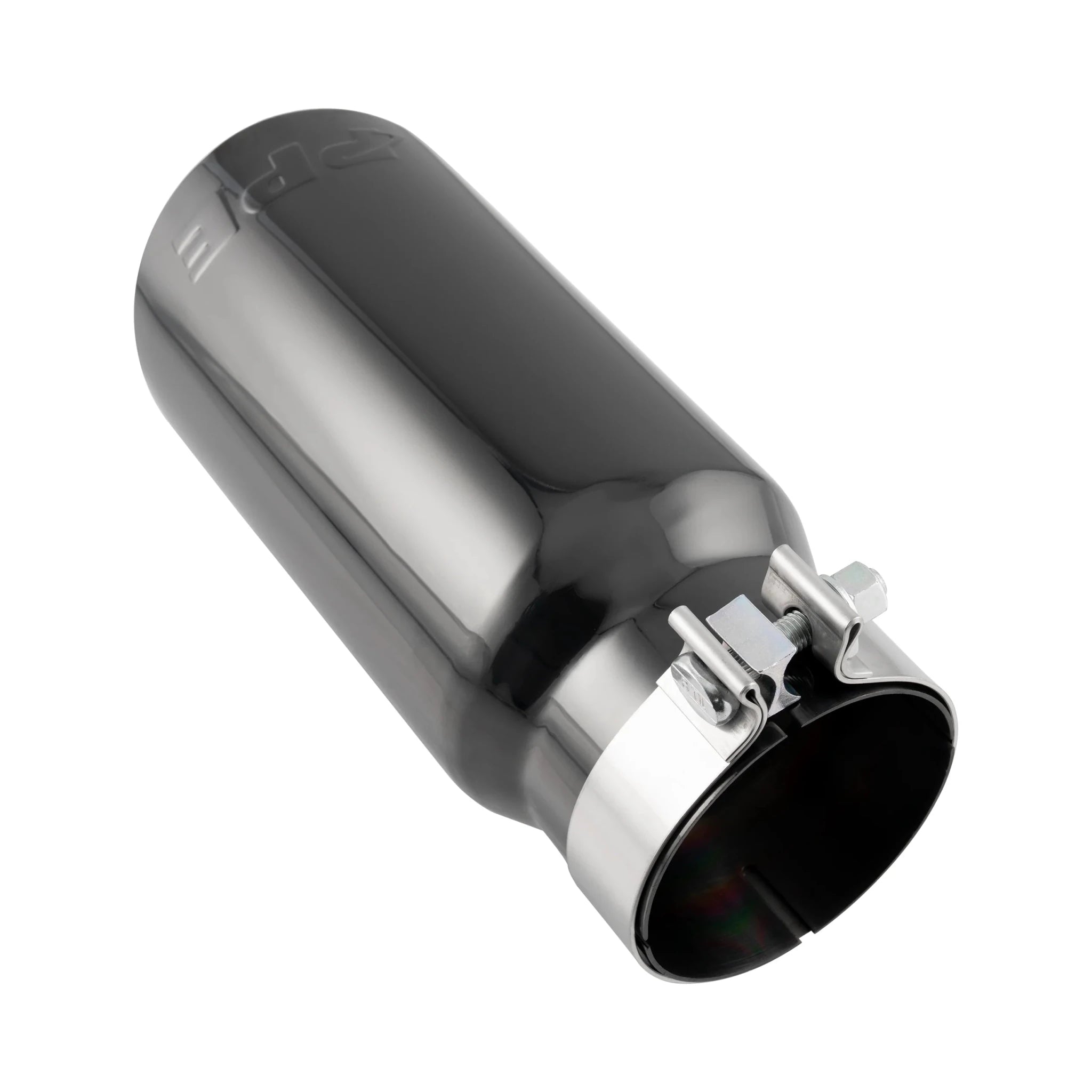
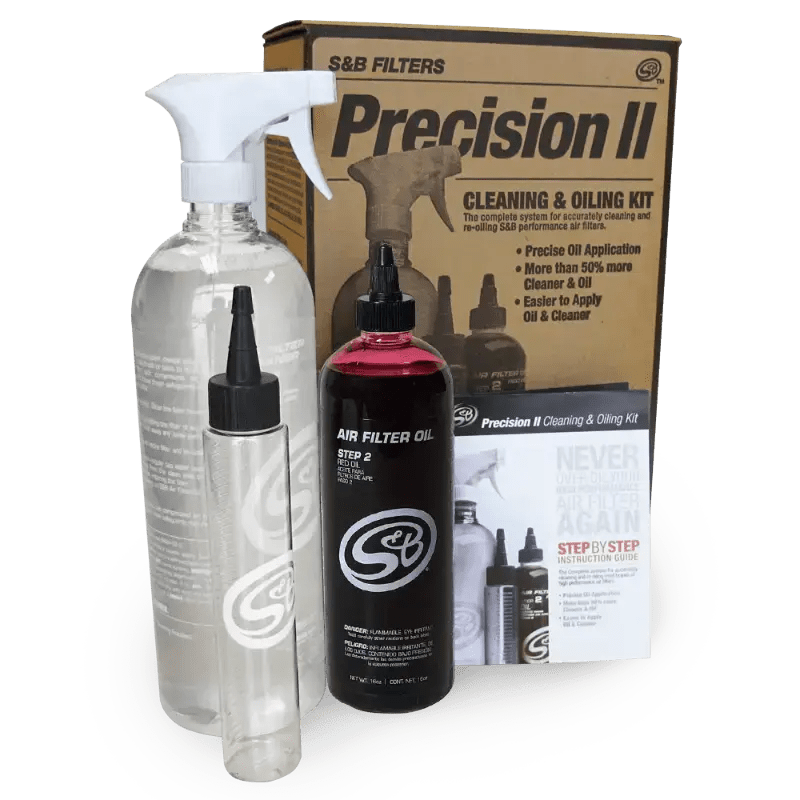
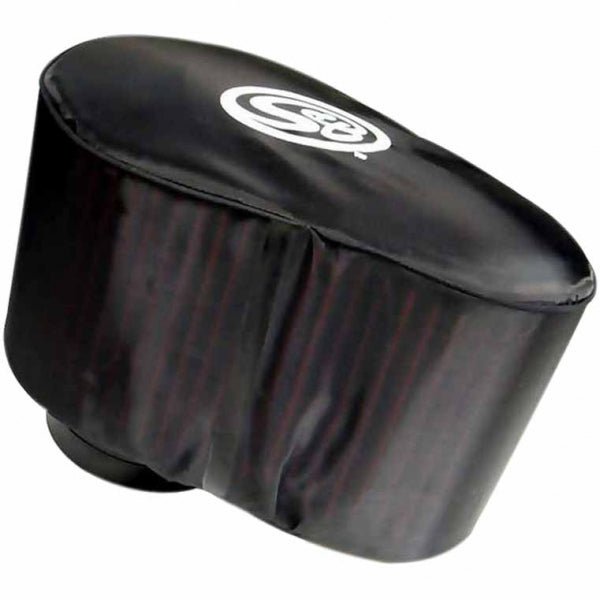
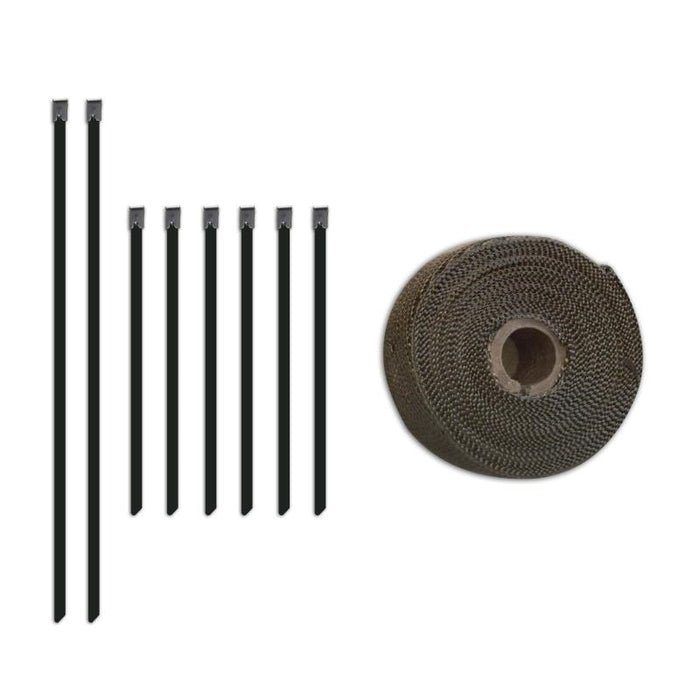
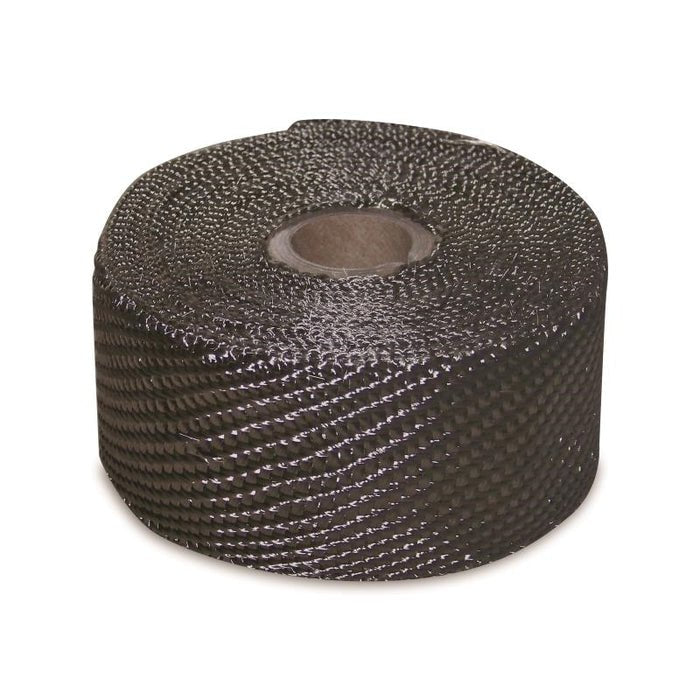
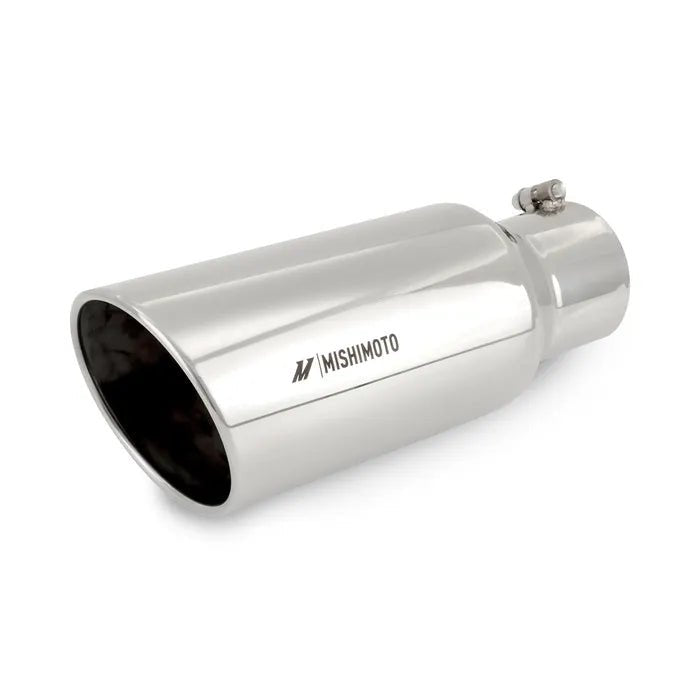
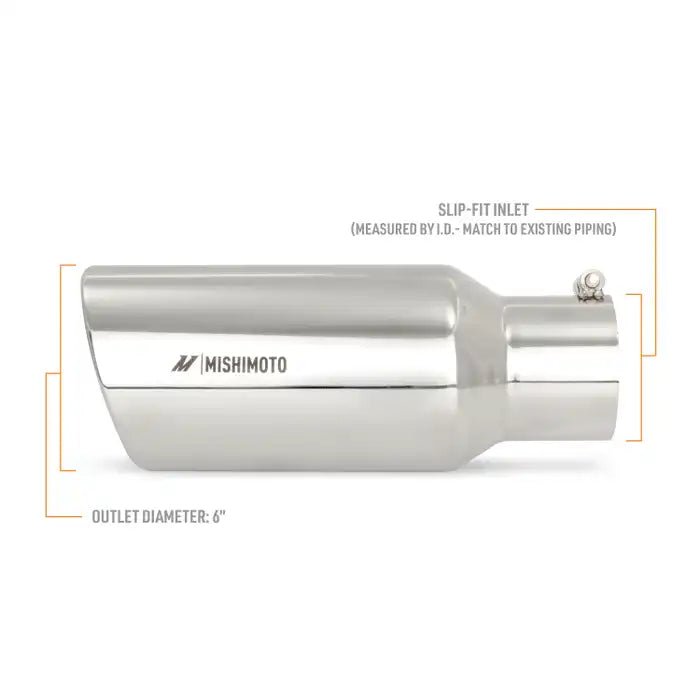
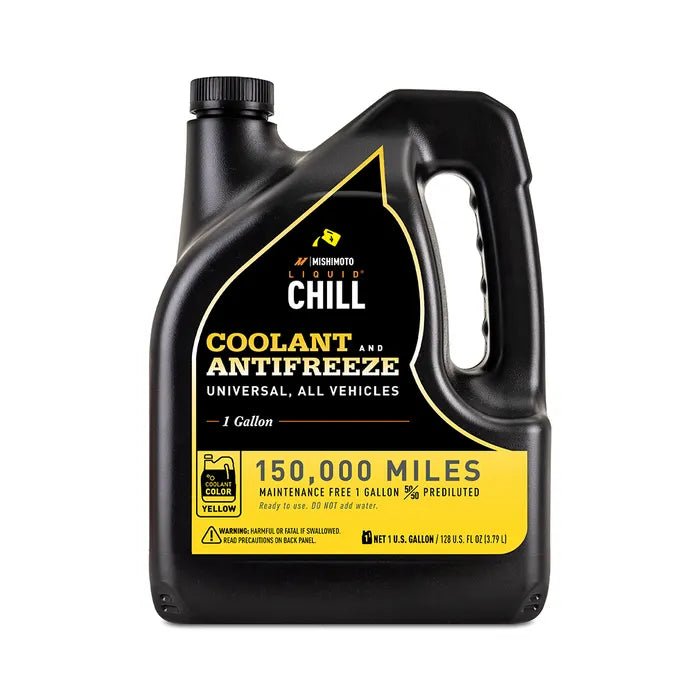
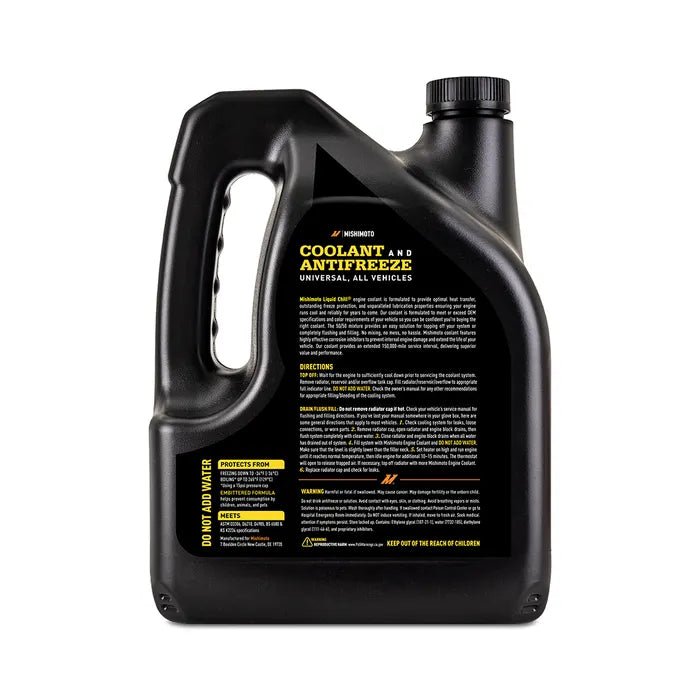
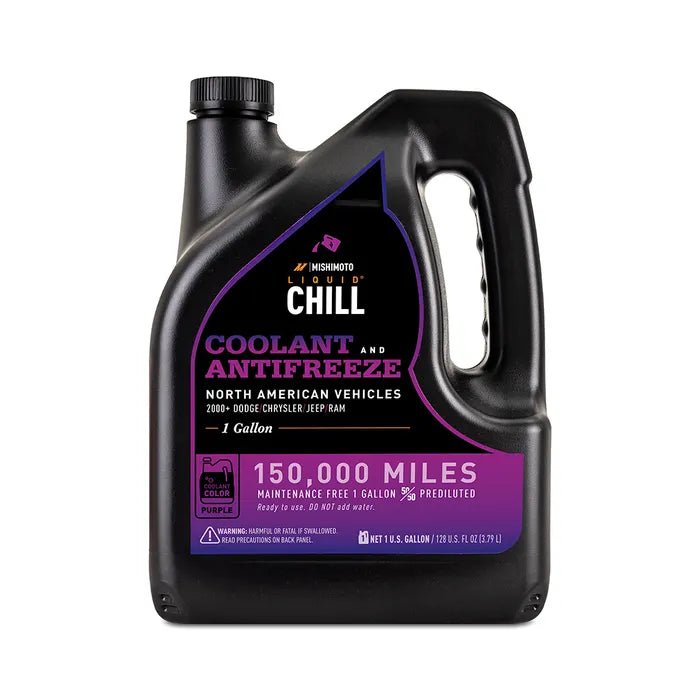
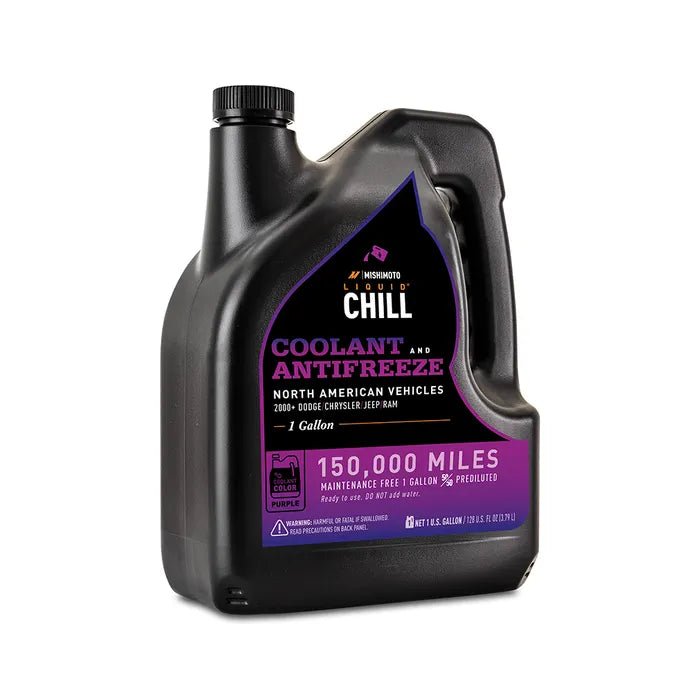
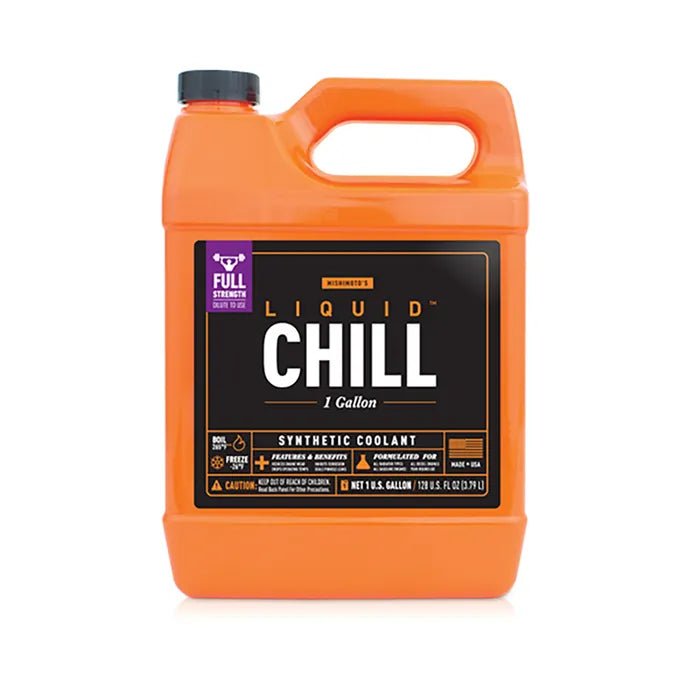
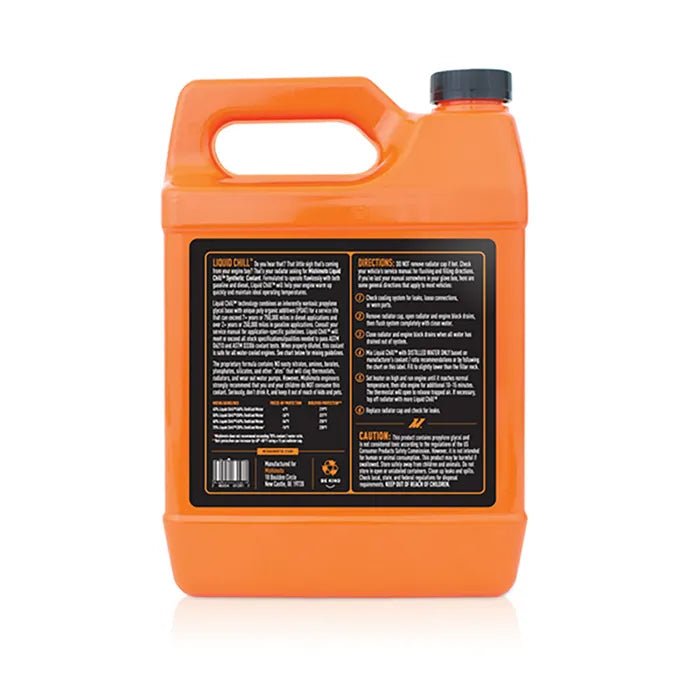
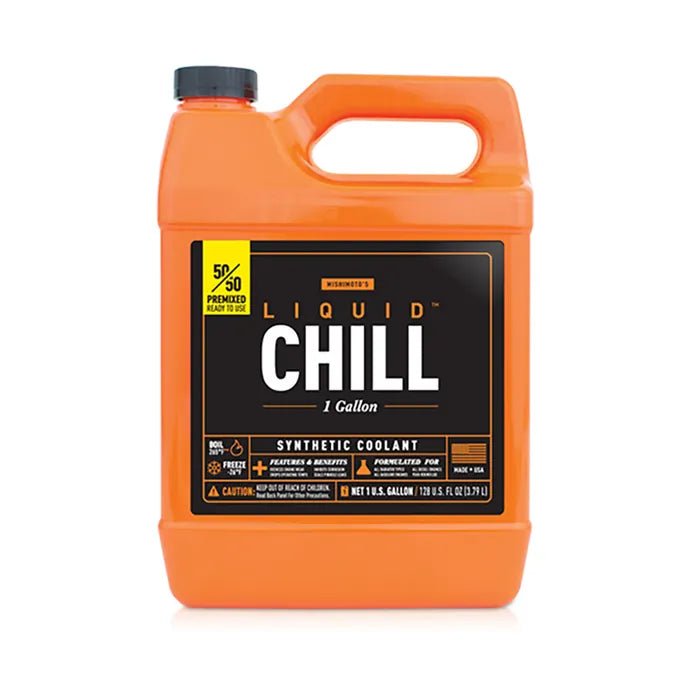
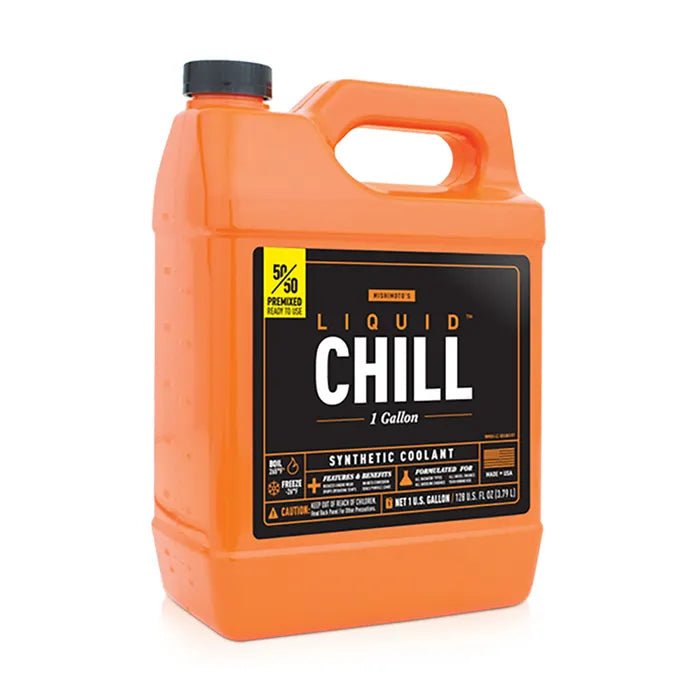
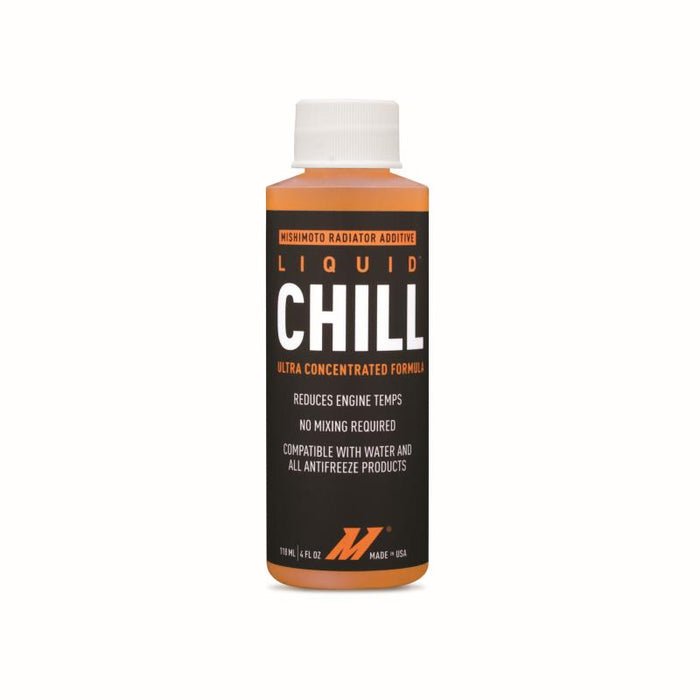
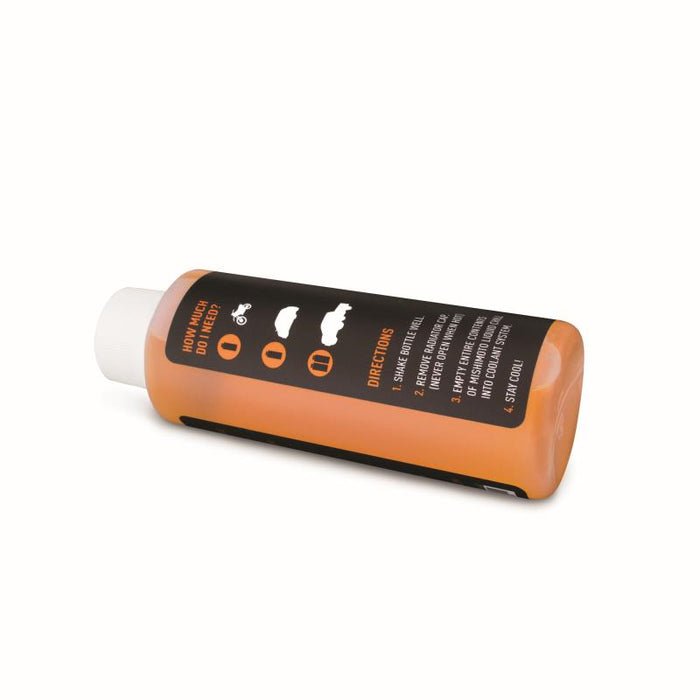
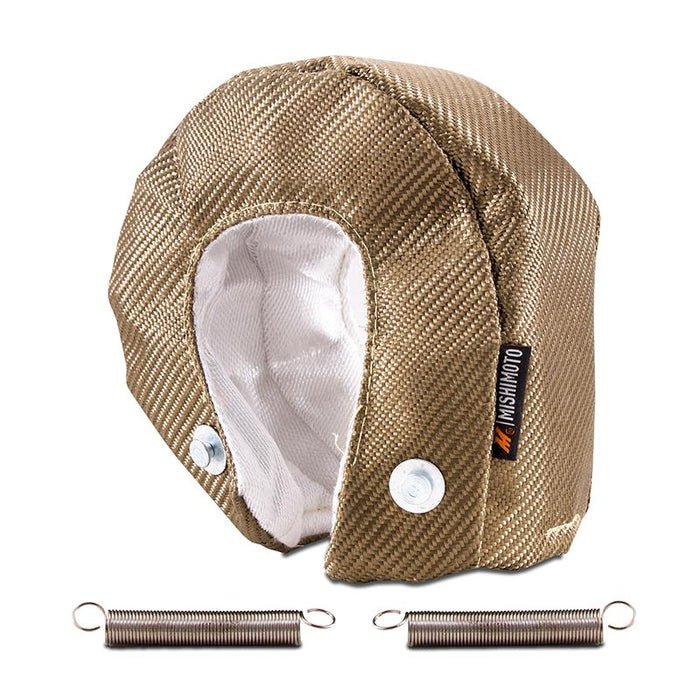
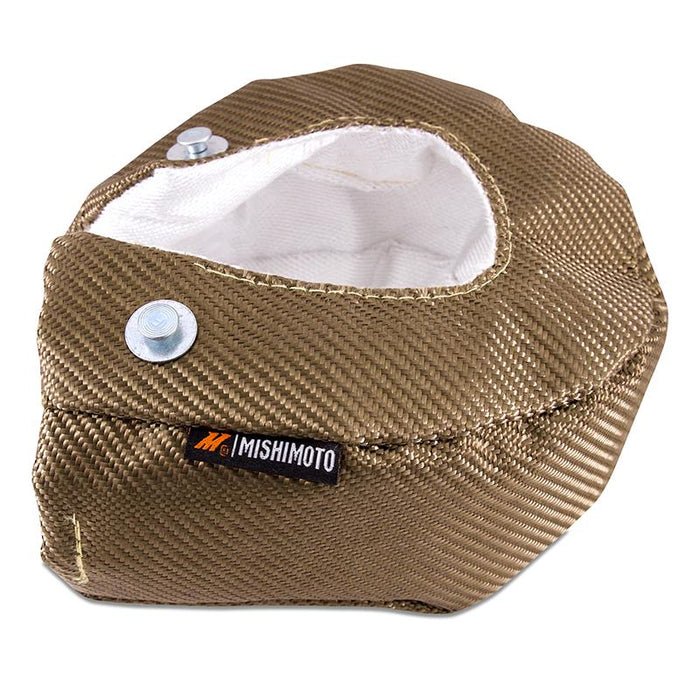
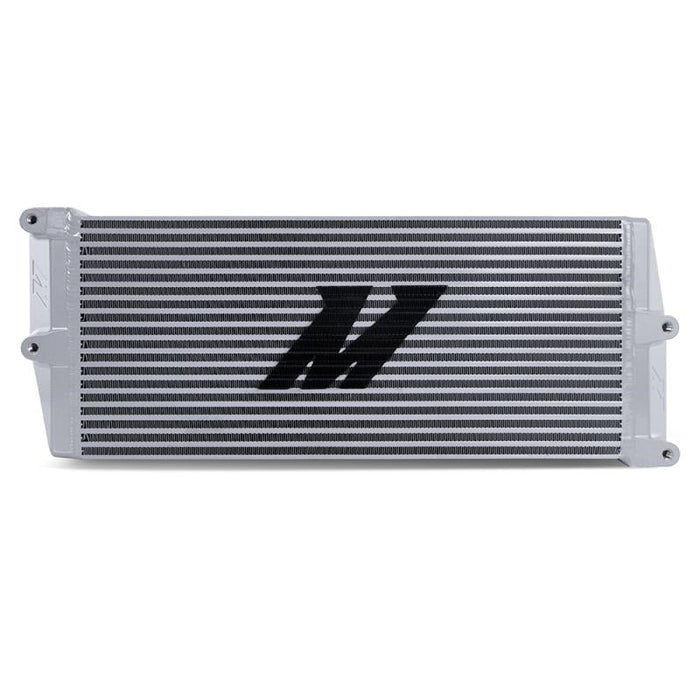
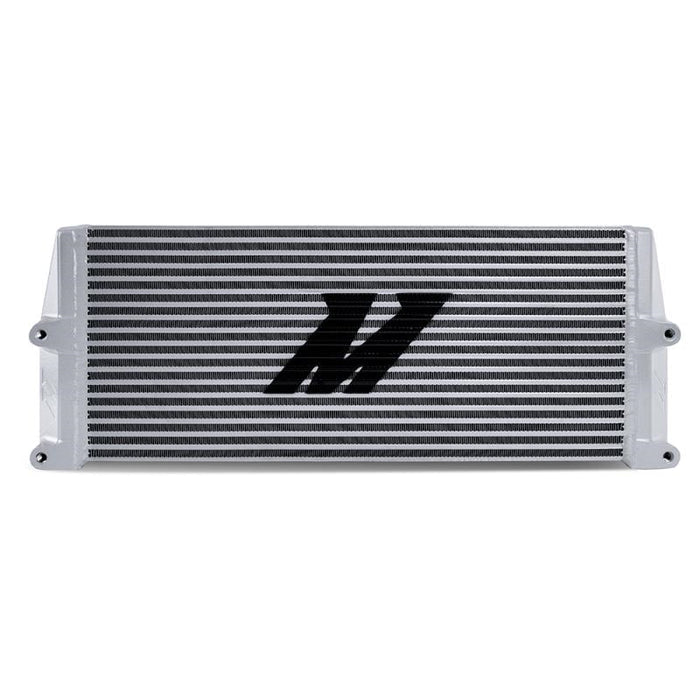
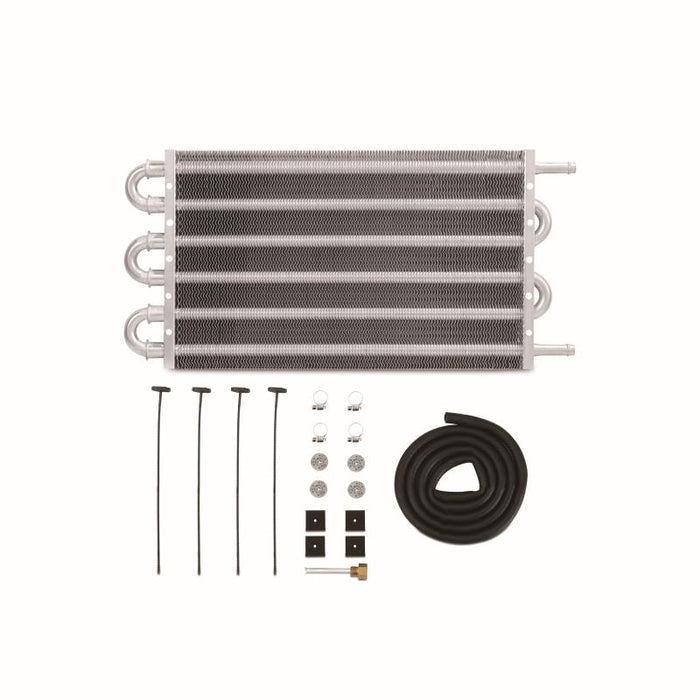
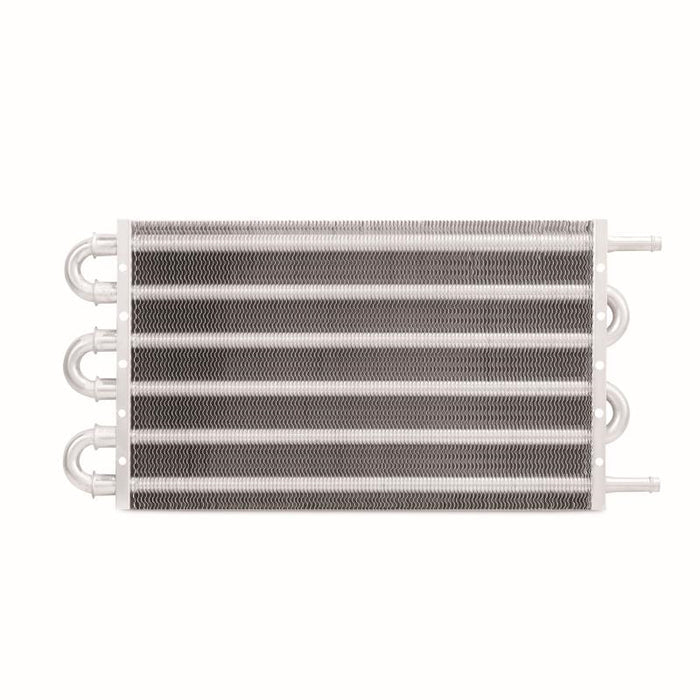
Exhaust is the deepest group here: MBRP DPF-back systems, resonators and universal 409 stainless mufflers, plus PPE stainless tips and titanium turbo blankets. Fuel work runs through FASS and AirDog lift pump systems, FASS water-separator and particulate filter packs, ACDelco TP1007 filters, XDP fuel tank sumps and Exergy Performance injection parts. On the air and cooling side there are S&B replacement filters, filter wraps and cleaning kits, Mishimoto cooling parts, transmission coolers, PPE silicone hump couplers, ACDelco Dex-Cool and oil filters, Dayco serpentine belts and Alliant Power turbocharger installation kits. For towing and ride height: B&W Tow & Stow adjustable ball mounts including the MultiPro/MultiFlex shank, other hitch hardware, Air Lift air springs with onboard compressors, Bilstein shocks, Daystar leveling kits and BDS Suspension sway-bar links. Edge EAS EGT and pressure-sensor kits, HP Tuners hardware, Lucas Oil and XDP fuel additives, and shop tools and work benches round out the rest.
Fitment notes
Two cautions cover most ordering mistakes. First, the same LWN went into Express 2500/3500 vans, and van parts are not truck parts: the pickup uses the PF2262G oil filter, its own air and fuel filters and its own serpentine belt, an 8L90 eight-speed replaces the 6L50 in the van, and van coolant capacity runs 14.4 to 16.9 quarts against the pickup's 11.1. Order by truck, not by engine code. Second, the chassis splits several ways. DPF-back kits are wheelbase-specific, so confirm cab and bed, 128.3 in for the extended cab or crew short bed and 140.5 in for the crew long bed. The 2021 refresh brought a new fascia and grille, so front-end and lighting parts split at 2021. The ZR2 is effectively its own truck with Multimatic DSSV dampers, a wider track and front and rear lockers, so GM's leveling kit excludes it and its axles differ from the standard GU6 axle. Front springs in GM's bulletins are engine-specific because the diesel's nose is heavier. The diesel was not sold on every trim and cab, either; at launch it was LT and Z71 crew cabs, so verify your build by VIN. A few aftermarket parts also need checking: the FASS kit is listed for 2016-2020, DEF tank assemblies vary by year, and retailers disagree on whether the Garrett replacement turbo covers 2016-2019 or 2016-2022.
Frequently asked questions
When does the timing belt have to come out?
GM's interval is 150,000 miles. Because the LWN is an interference engine, a broken belt bends valves and can damage a piston, and the kit makers who build for this platform suggest planning it closer to 100,000 miles or ten years. Do the water pump and tensioner at the same time, since the pump is belt-driven, and rent or buy the EN-series cam, crank and pump locking tools rather than timing it by eye. Some early trucks displayed a 120,000-mile reminder in the cluster from a programming error.
My Colorado whines and feels down on power. Is it the turbo?
Often, yes. A high-pitched whine under acceleration, in gear or in neutral, with low boost is the pattern GM bulletin 17-NA-222 describes on 2016-2017 trucks, and the cause is a bent compressor blade; the correction is a replacement turbo, and GM chooses between two part numbers by VIN. Before condemning it, check the vane actuator connector, because a loose terminal there sets boost codes and reduced power on its own. More frequent regens and falling fuel economy usually show up before any code does.
Does the 2.8L use a CP4 pump?
No. The LWN's fuel system is Denso from the supply pump to the solenoid injectors, with a single rail at 2,000 bar, so the CP4 parts and conversions sold for other diesels do not apply. What owners watch here is injector tips, the leading theory behind a small number of holed pistons on 2016-2019 engines, though injectors pulled from failed motors often pass a bench test. Clean filtration and a lubricity or cetane additive are the cheap insurance on low-cetane pump fuel.
What sets off a Reduced Engine Power message?
The common one is a clogging fuel filter: P026D or P228C, hesitation under load and hard starts, sometimes well before the service interval if the fuel has been poor or the truck tows heavy. A loose turbo vane actuator connector will do it too. So will a chafed engine harness, which GM covers on 2016-2021 trucks under PIP5416D and which can also show up as a wandering oil-pressure gauge, blown fuses or 4WD warnings. Read codes before buying parts.
Can I flat-tow my Colorado behind a motorhome?
Only a 4WD, and only by GM's procedure: transfer case in Neutral per PIP5699, which covers 2017-2020 trucks, engine running while you confirm there is no movement in Reverse and Drive, then the negative cable off and the ignition in accessory. A 2WD Colorado must never be flat-towed. Get it wrong and the 6L50 runs without lubrication, and the usual complaint is a transmission that slips or will not move as soon as you unhook.
Not sure what fits? Call the shop at the number in the header, or use the fitment checker on any product page. We install everything we sell.