
Shop Exhaust System by Category


Filters
50 products
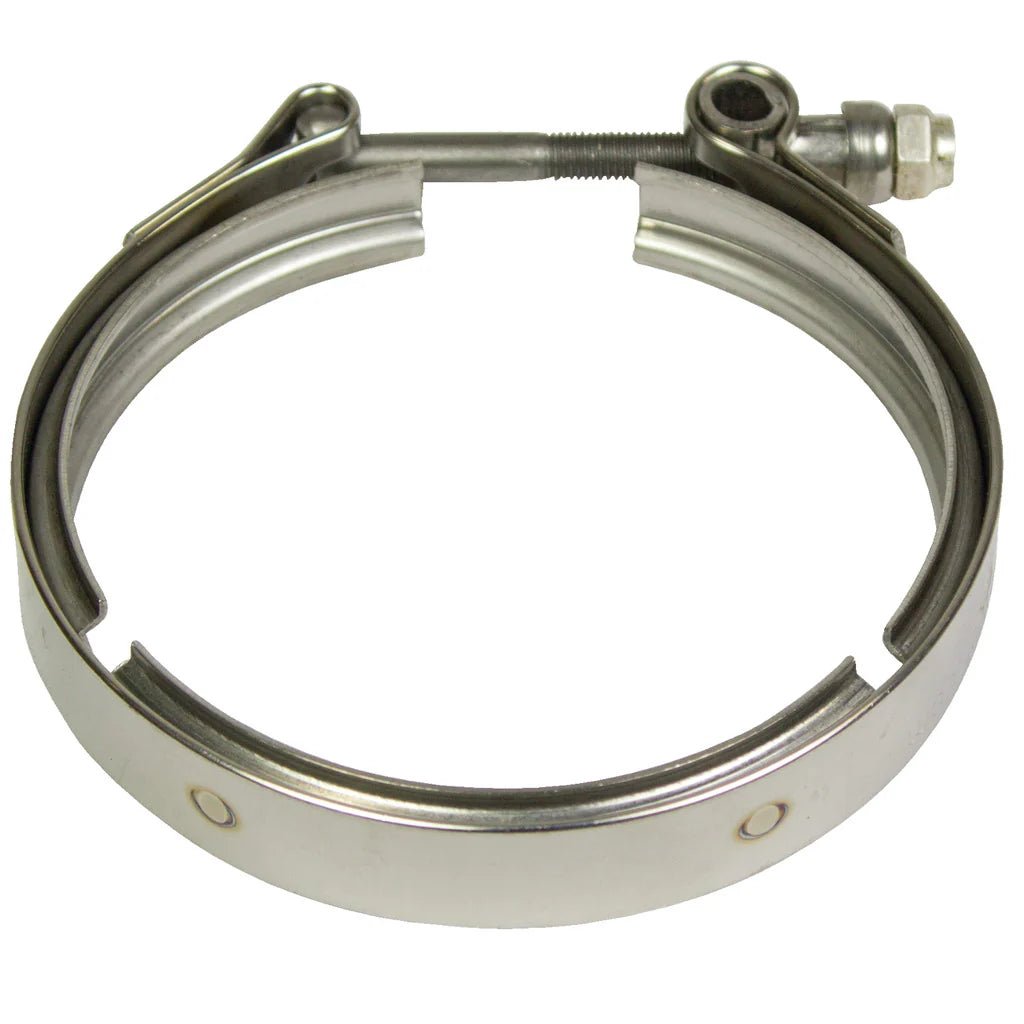
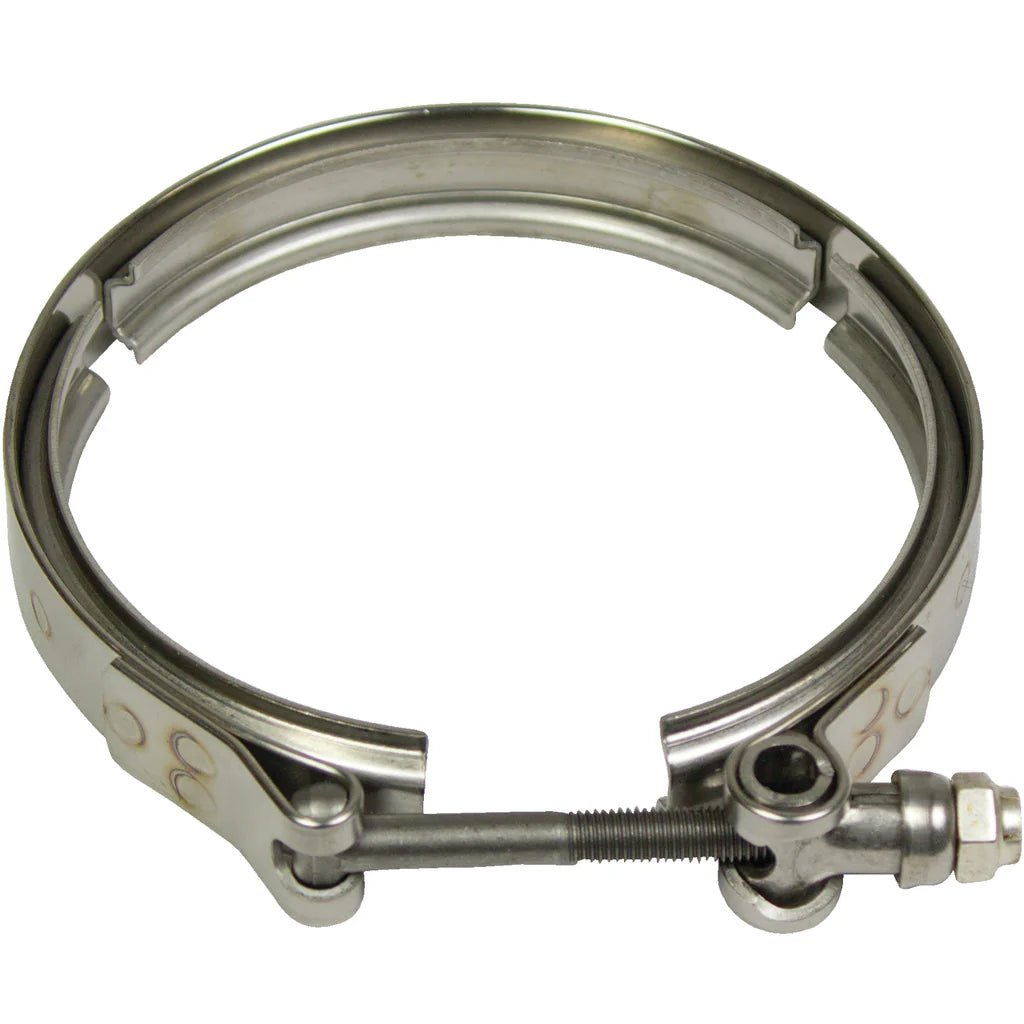
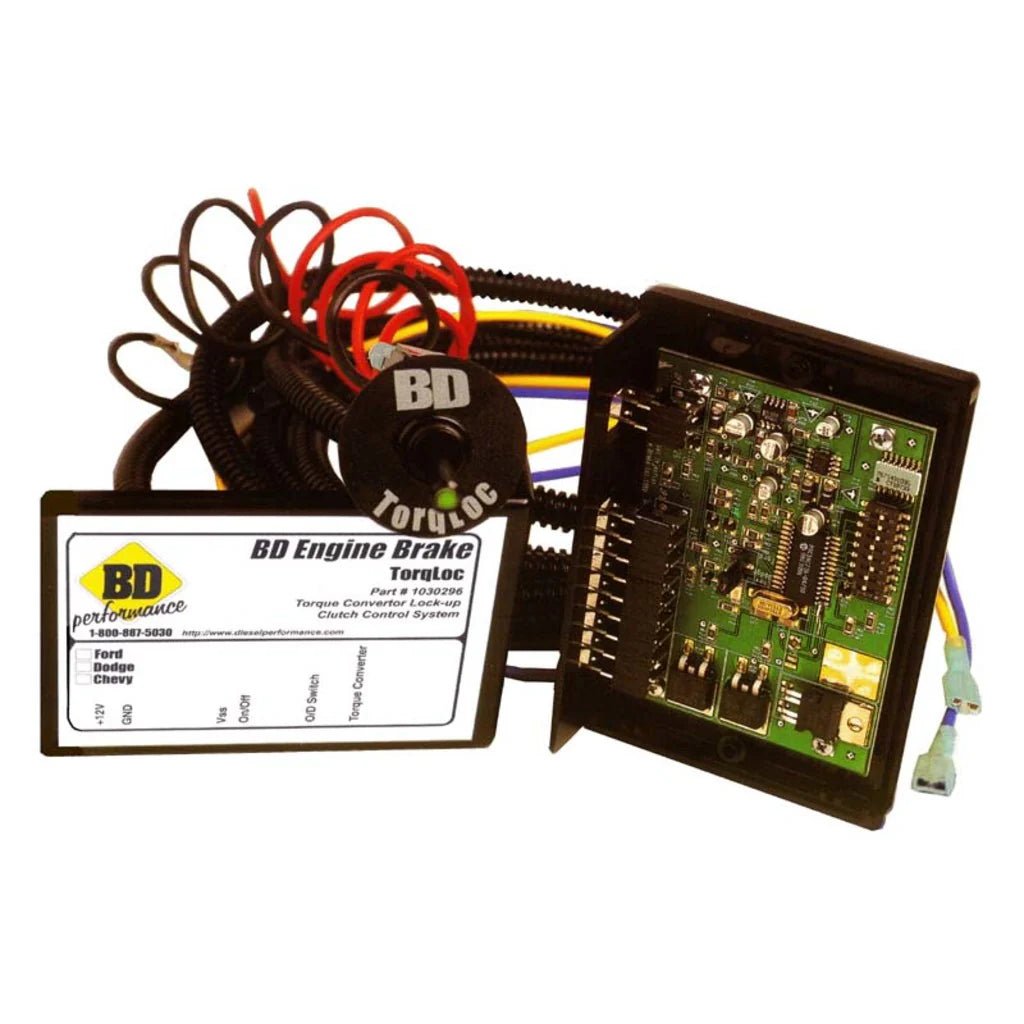


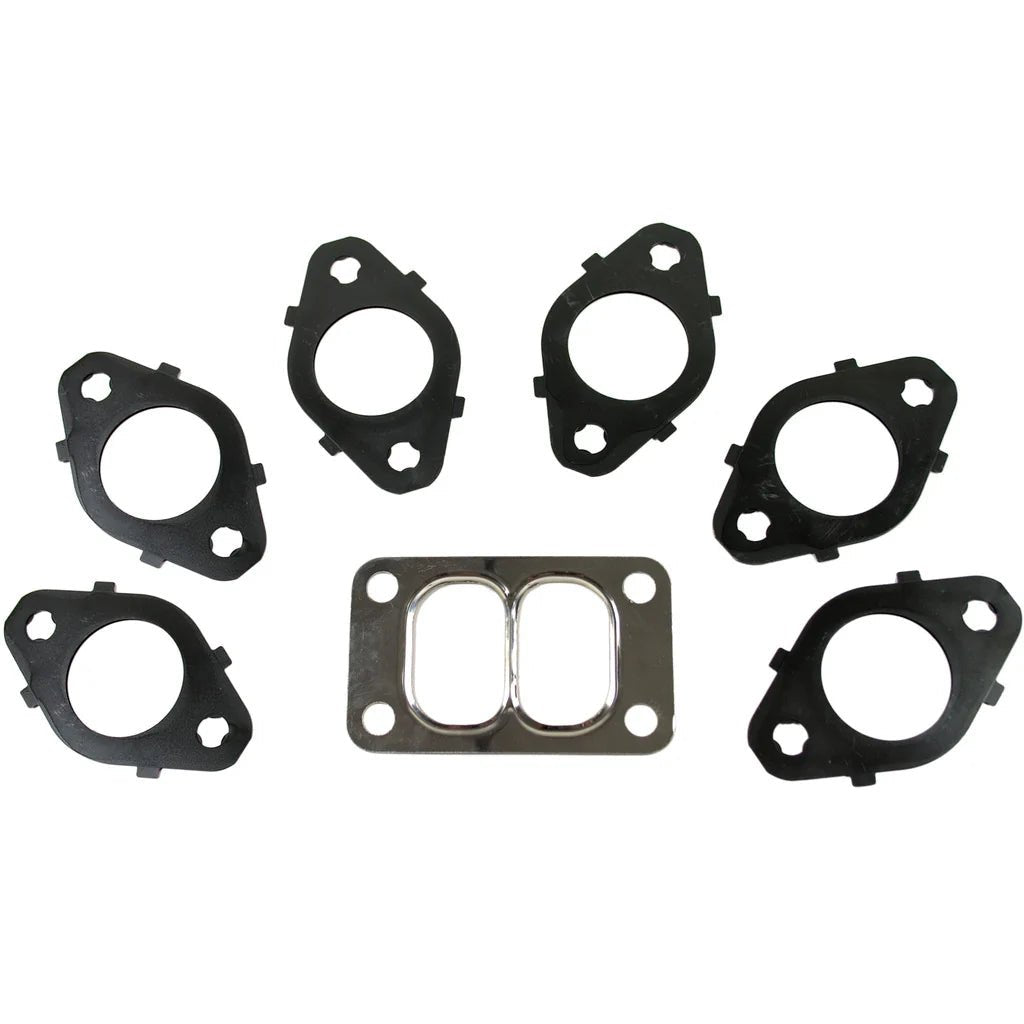


Not sure it fits your truck?
Our Wildwood, FL techs will confirm the right part for your build before you buy.
Call or Text (352) 722-5295Exhaust System on the 1998.5-2002 RAM 5.9L Cummins
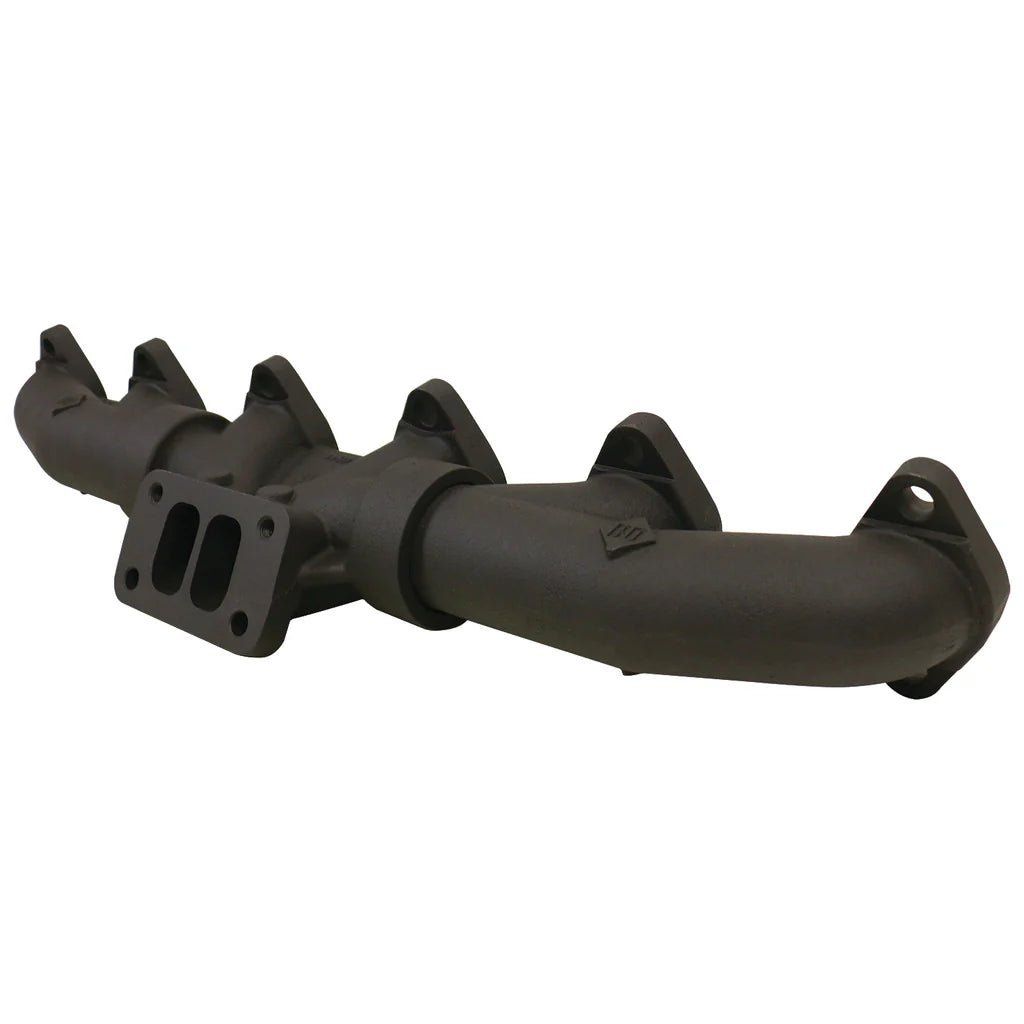
On the second-generation Dodge Ram 2500 and 3500, the 24-valve 5.9L Cummins sends exhaust through a cast-iron six-port manifold into a wastegated Holset turbo: an HX35W on 1998.5-1999 trucks and on manual-transmission trucks, an HY35W on 2000-2002 automatics. A cast elbow on the turbine outlet turns the flow into the downpipe, and from there a single tailpipe and muffler carry it to the back of the truck. Two design points matter more than anything else here: the manifold, because it cracks, and that cast elbow, because it is exactly where a turbo-mount exhaust brake bolts on.
What fails and why
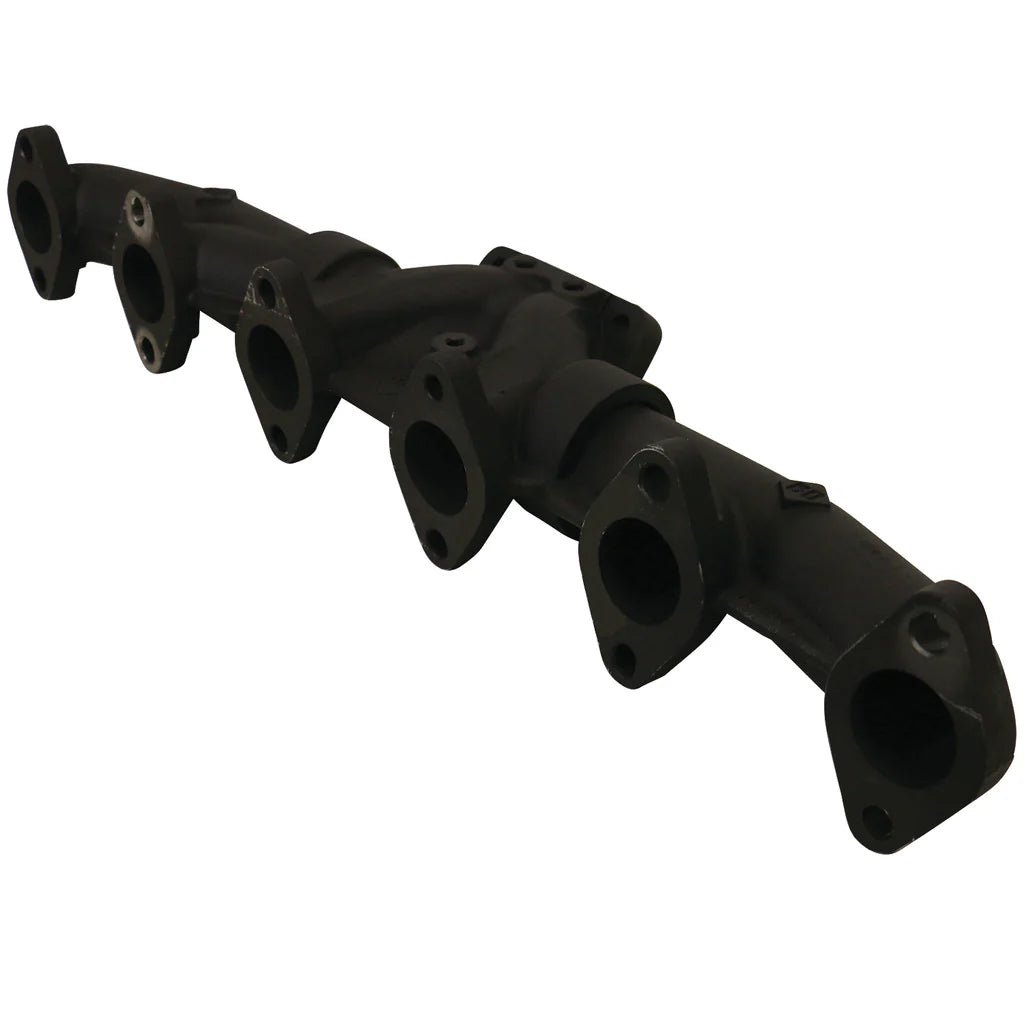
The stock manifold is the weak link. Every heat cycle expands and contracts the casting across the long inline-six span, and on high-mileage or high-EGT trucks it eventually cracks. Usually you hear it: a loud ticking or knocking that climbs with engine speed, sometimes with an exhaust smell or soot streaks at the joints. Once the manifold warps, the manifold-to-head and turbo-flange joints start leaking too, which shows up as ticking at idle and lost boost. Get it fixed promptly, before the cracks spread. The other exhaust-side risk is heat. Sustained pre-turbo exhaust gas temperature above 1,200-1,250 F puts the pistons and turbo at risk, and towing and tuned trucks are the ones that get there.
Stock replacement vs. upgrade
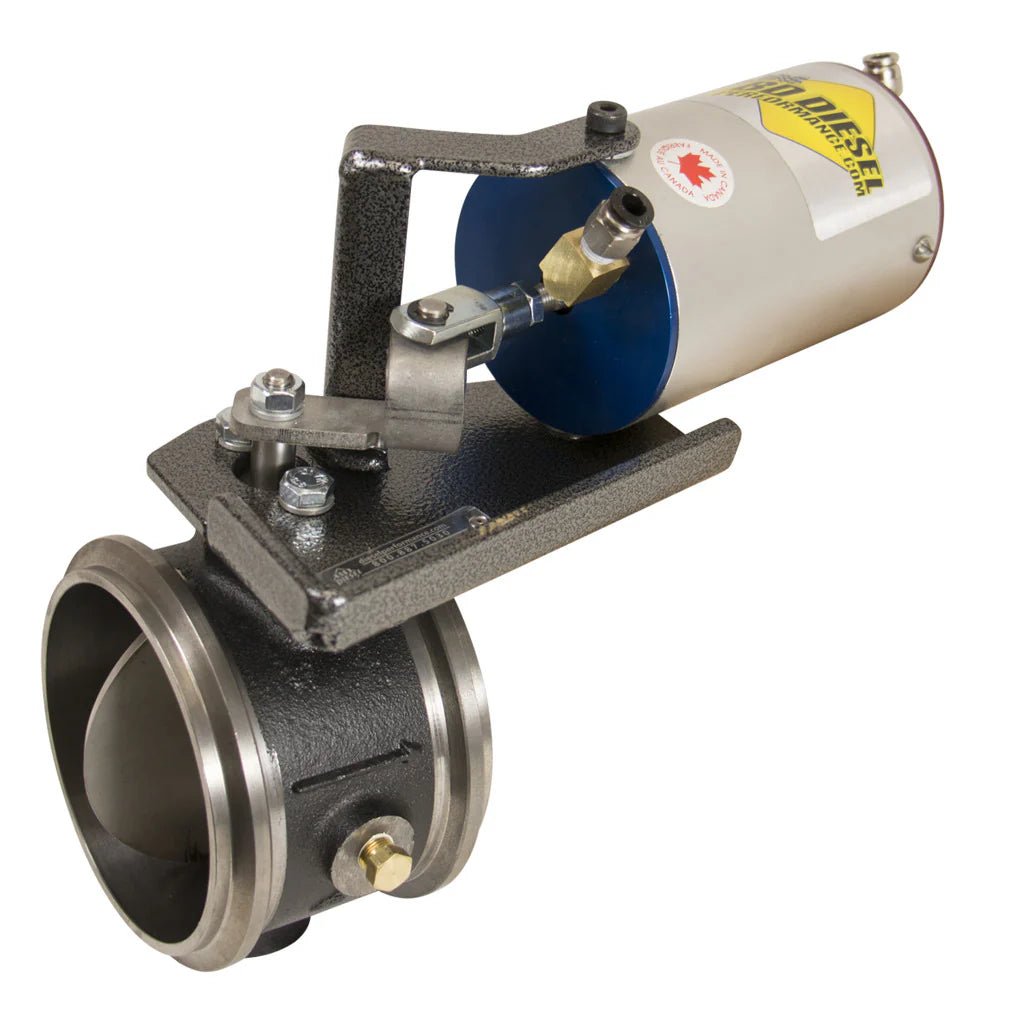
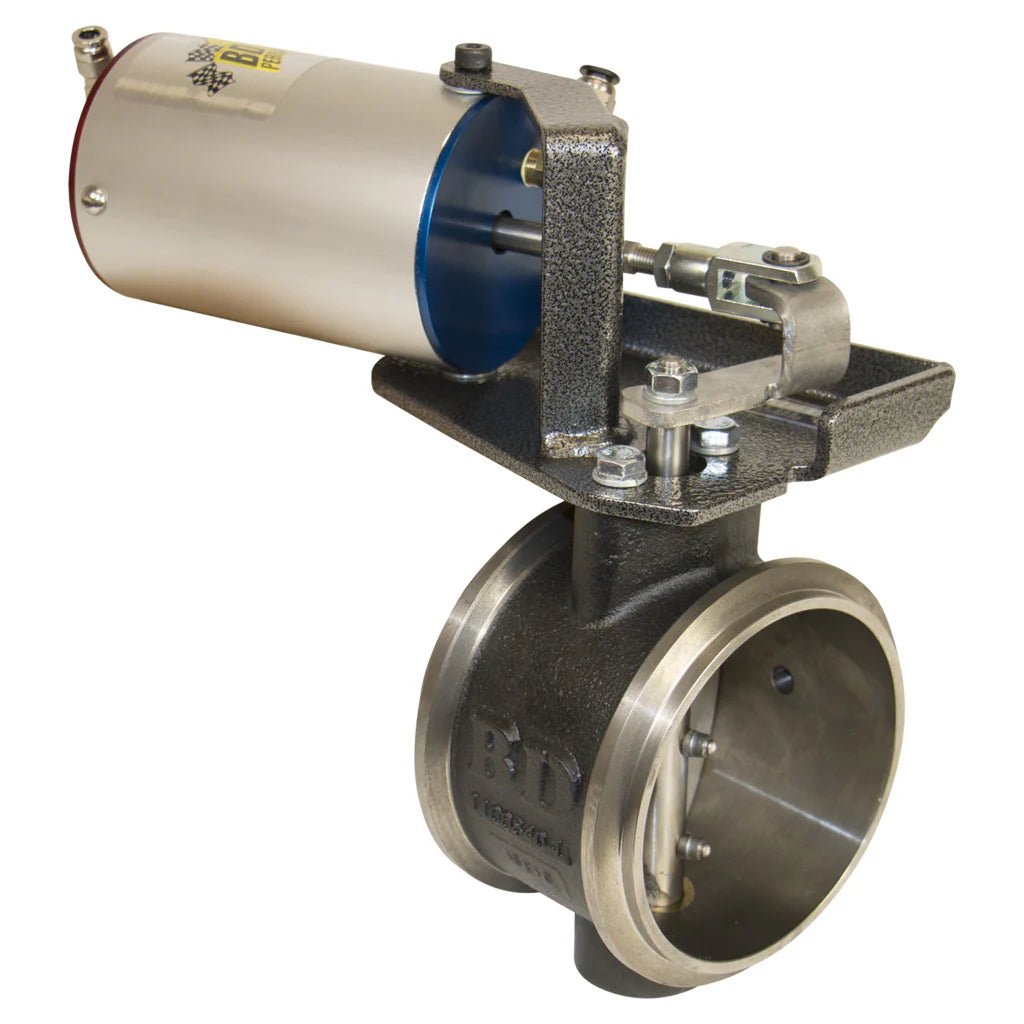
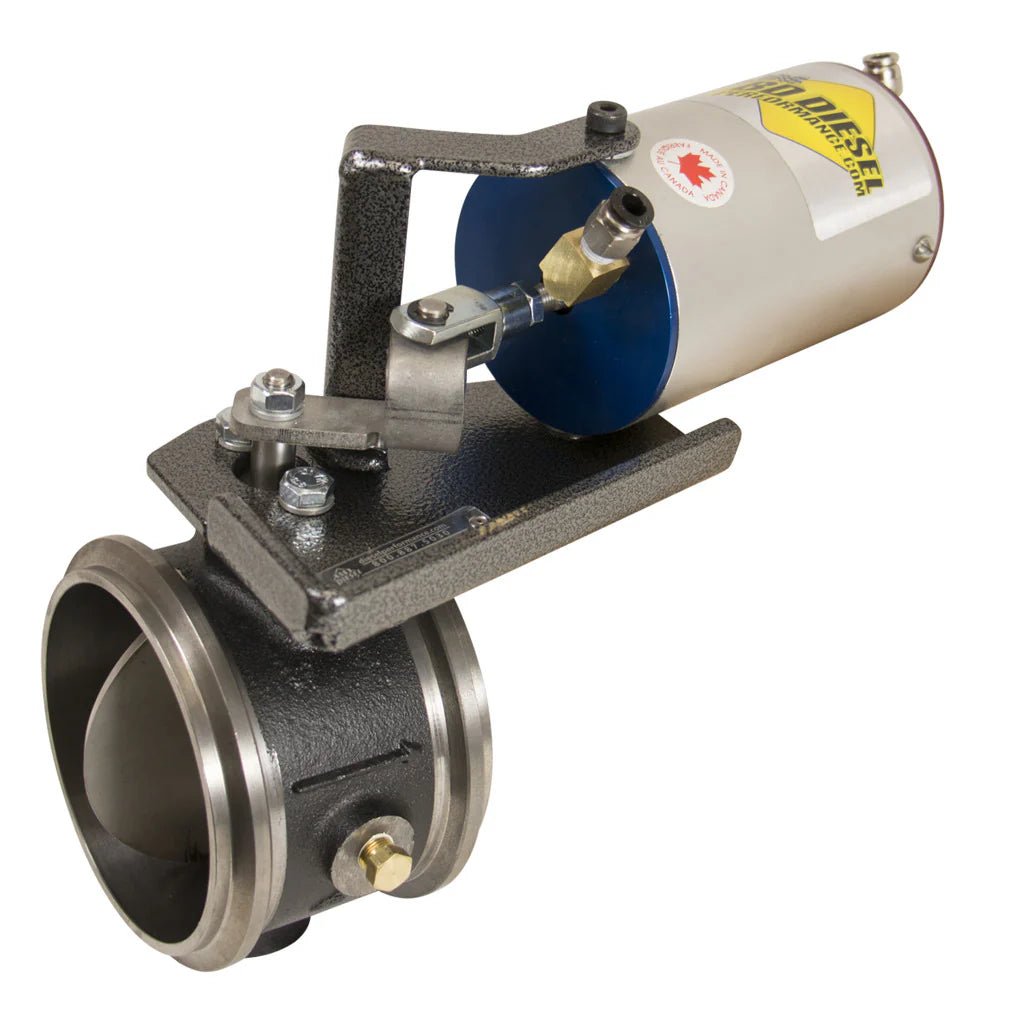
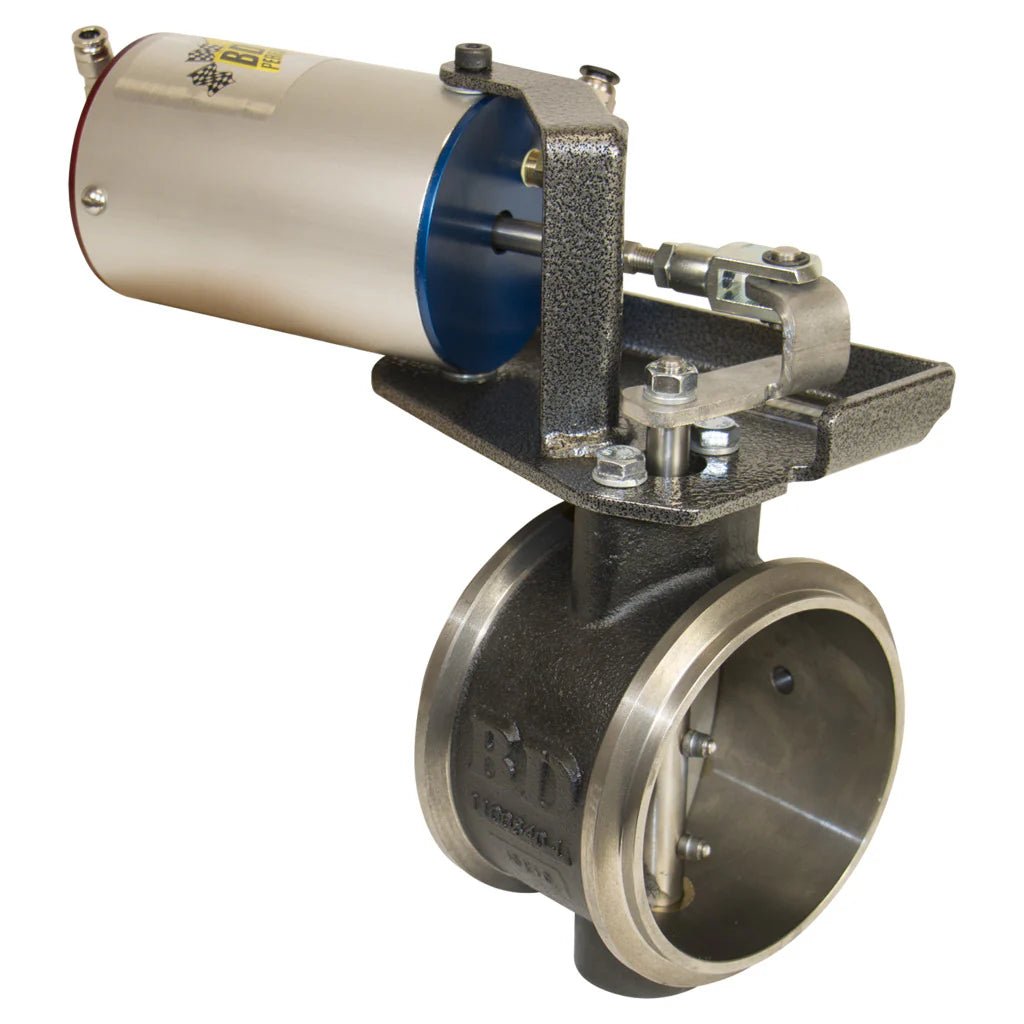
If the truck is stock and only the manifold is gone, a factory replacement casting with new gaskets and studs puts it back the way it left the plant. If it has cracked once and you plan to keep the truck, the accepted fix is an aftermarket manifold: three-piece ported slip-joint designs from ATS and BD, or a one-piece stainless manifold. Downstream, complete turbo-back systems for these trucks are sold in 4-inch T409 stainless, and in 5-inch with a 4-inch downpipe for 600 hp-class builds. An aftermarket exhaust reduces turbo lag, adds torque and lowers EGT when towing. If your truck is California-registered, pick a system whose downpipe carries a CARB EO number; at least one 1998.5-2002 turbo-back system has one. For towing, the other upgrade to consider is an exhaust brake, which uses backpressure to slow the engine and saves your service brakes on long descents.
What we carry
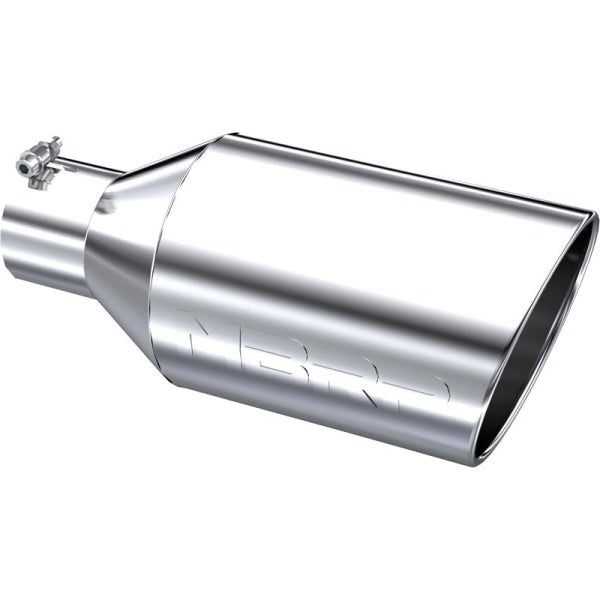
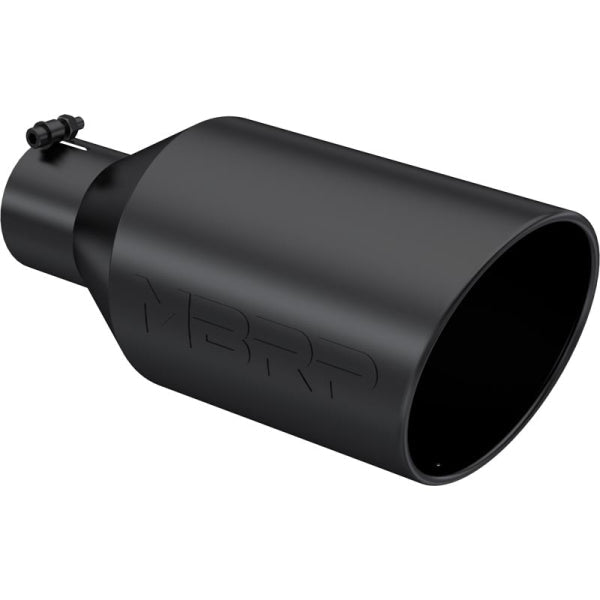
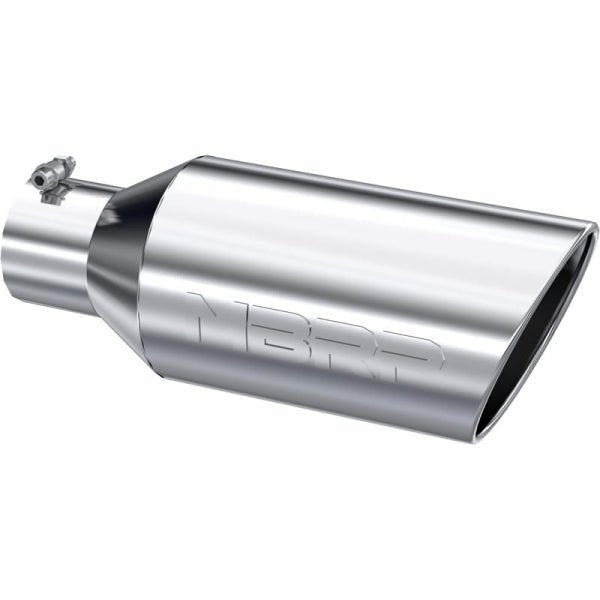
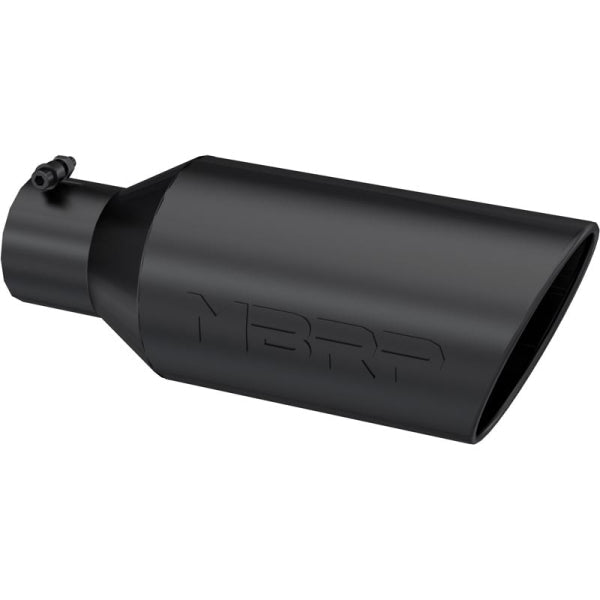
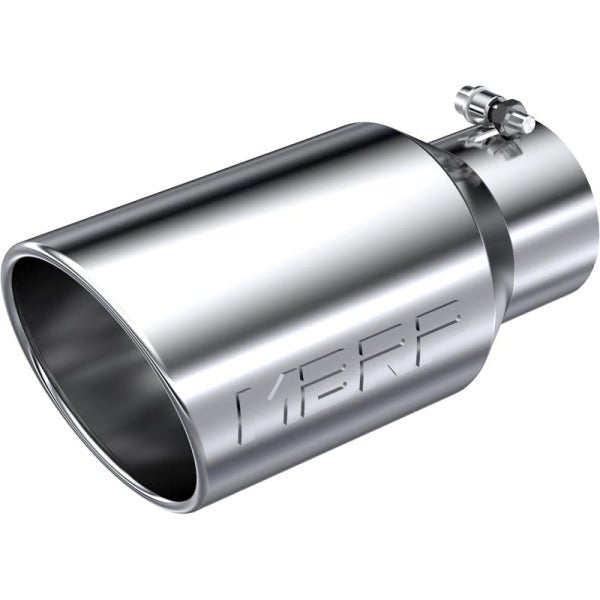
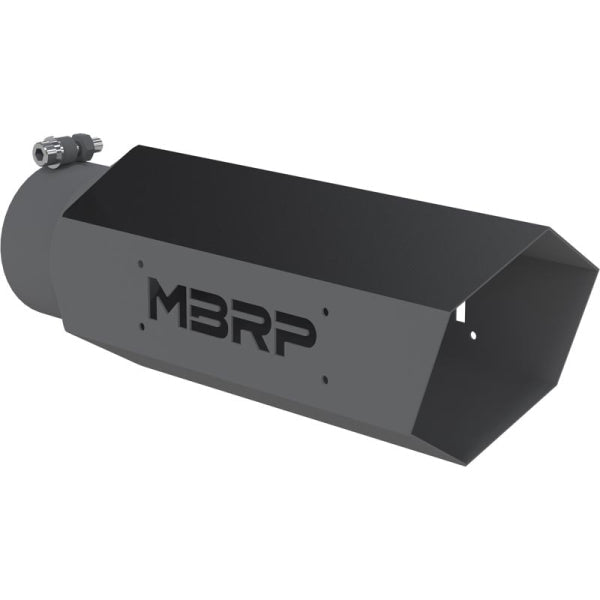
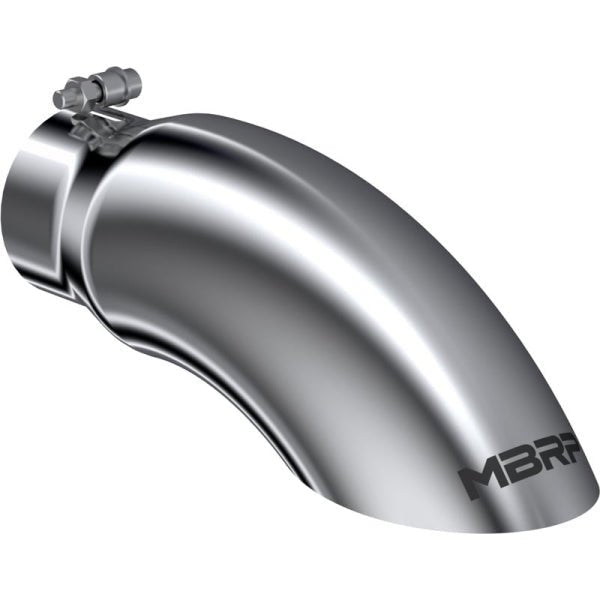
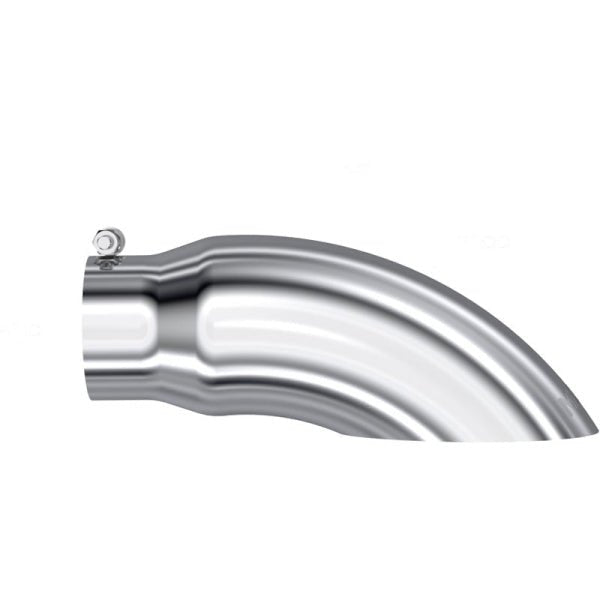
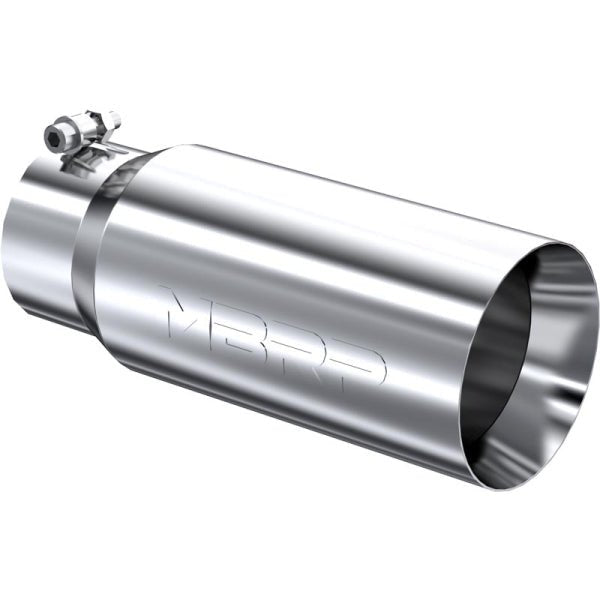
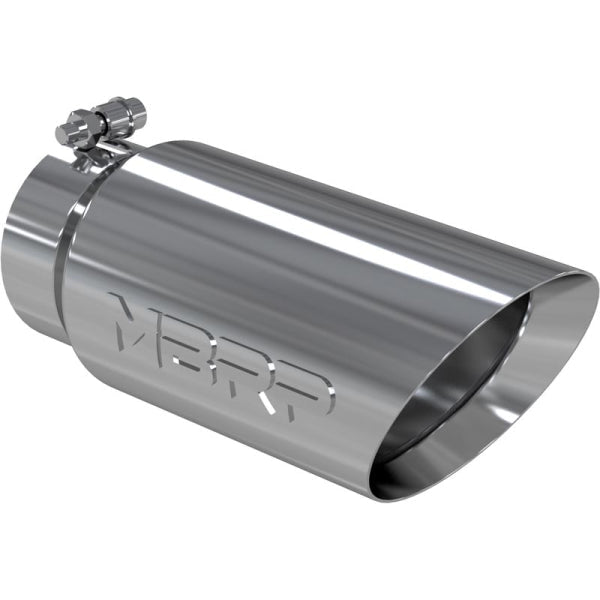
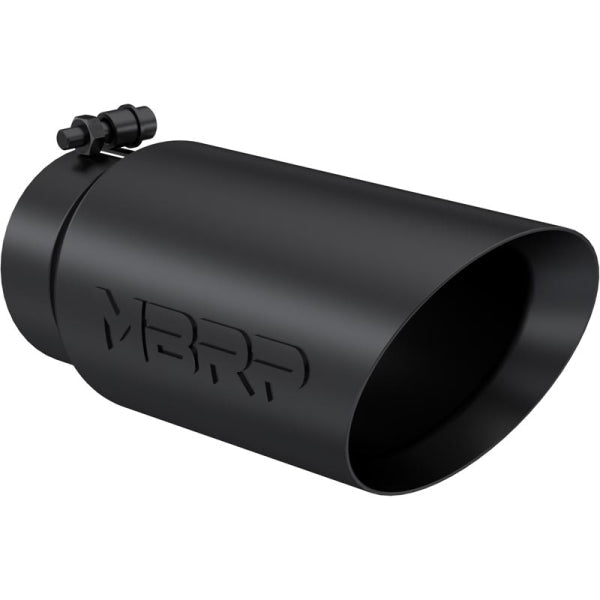
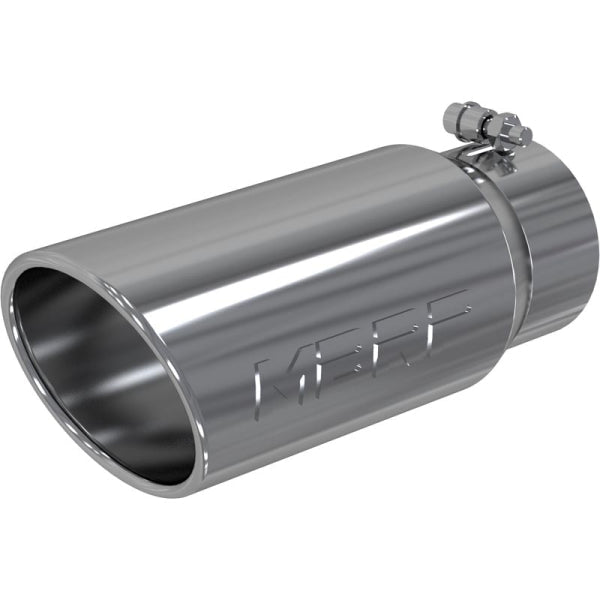
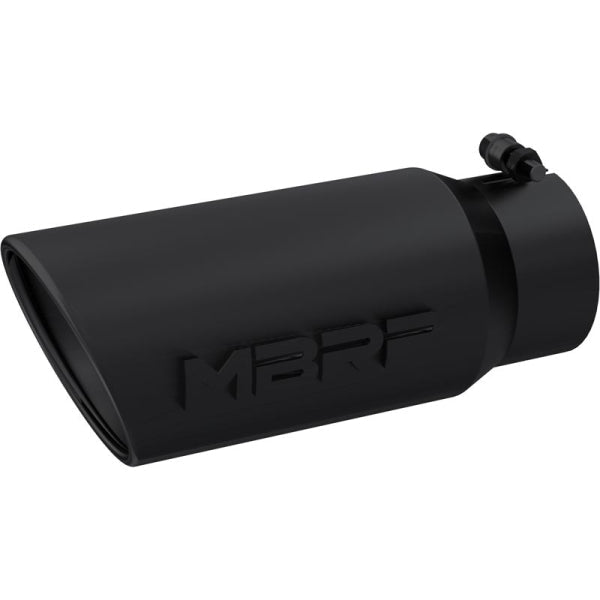
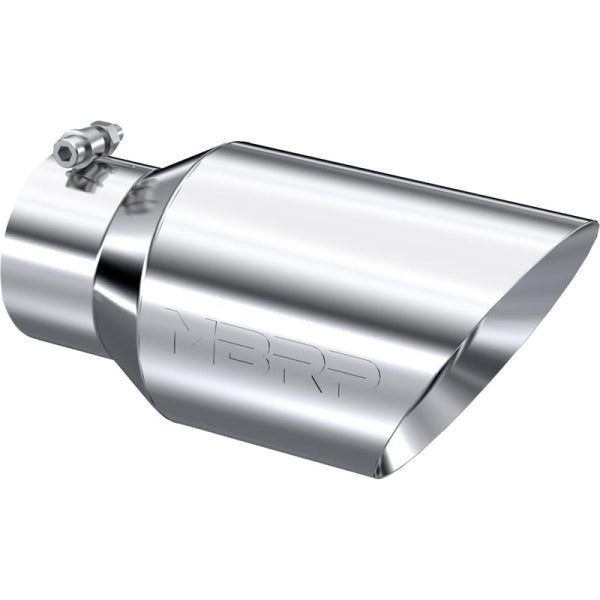
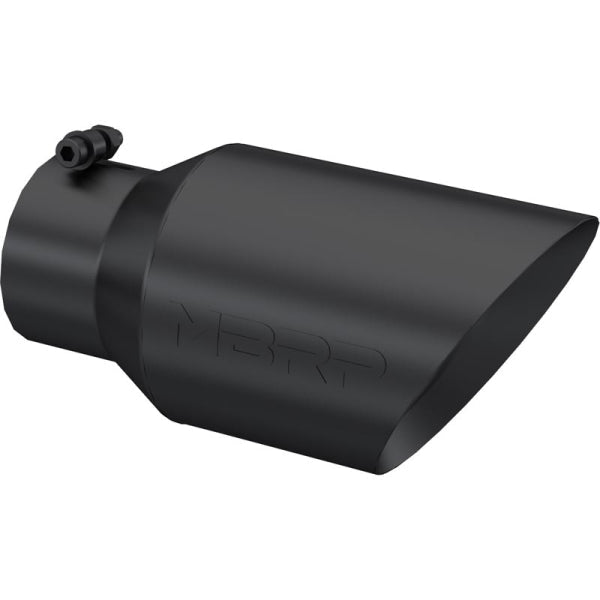
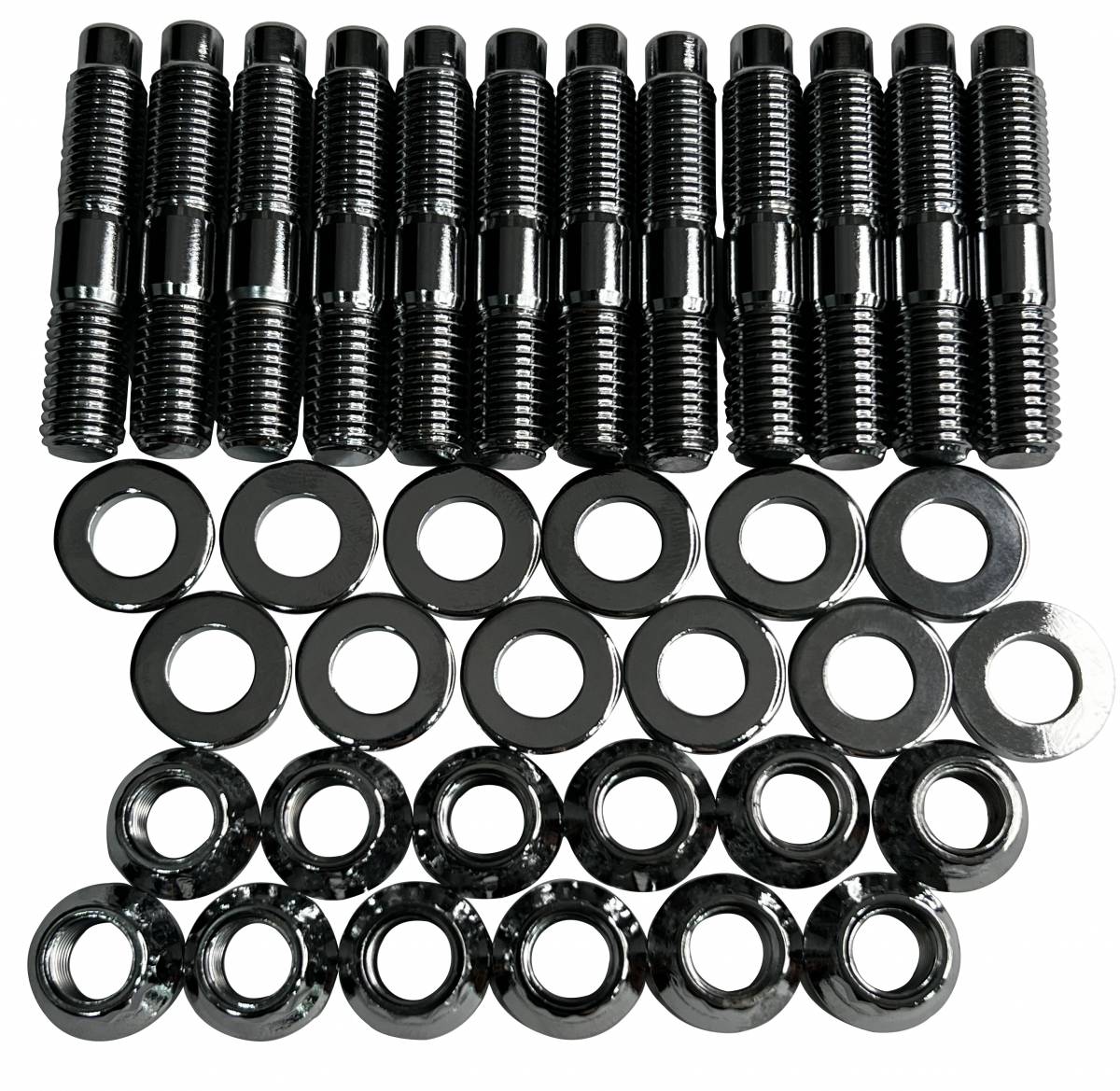
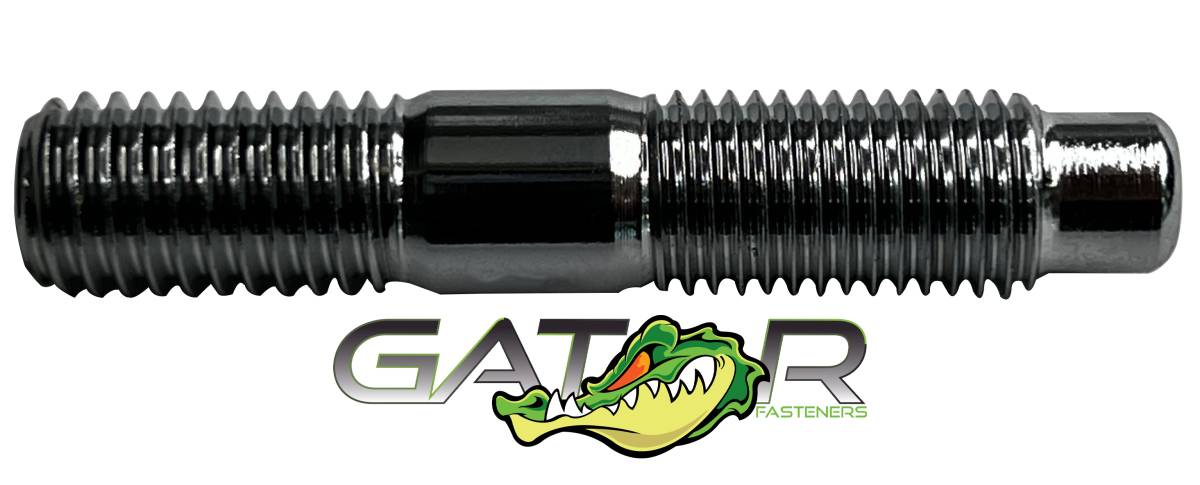
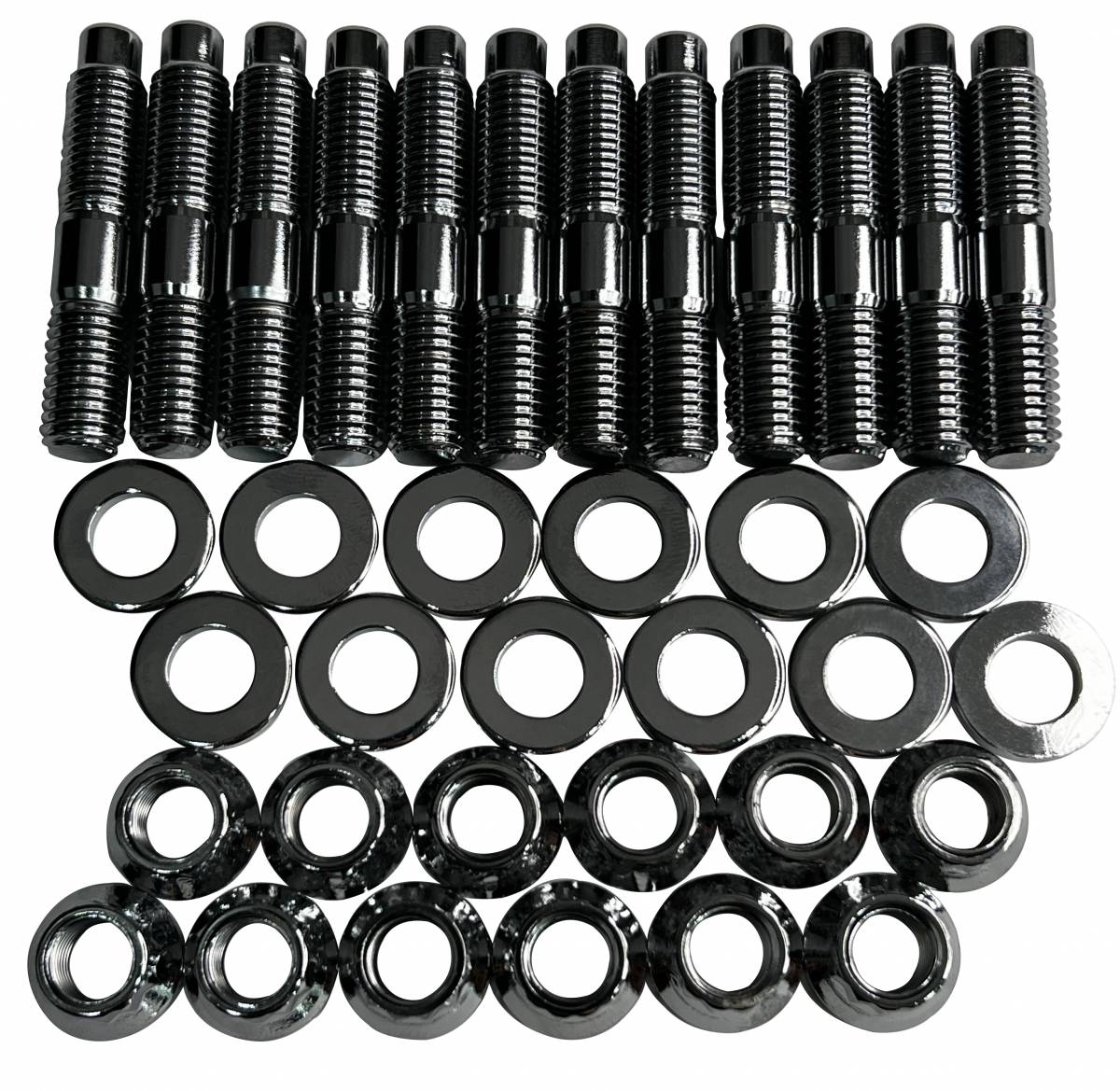
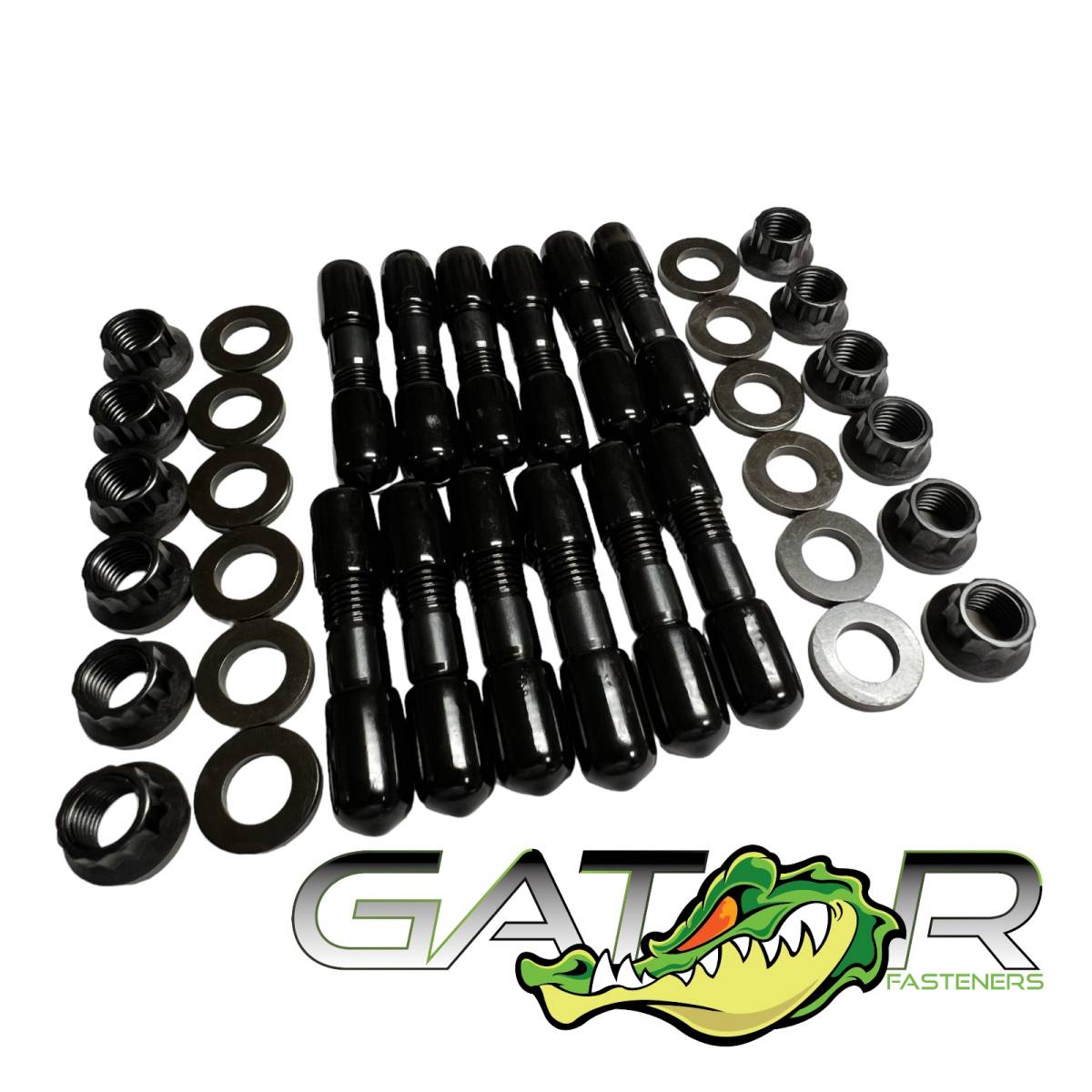
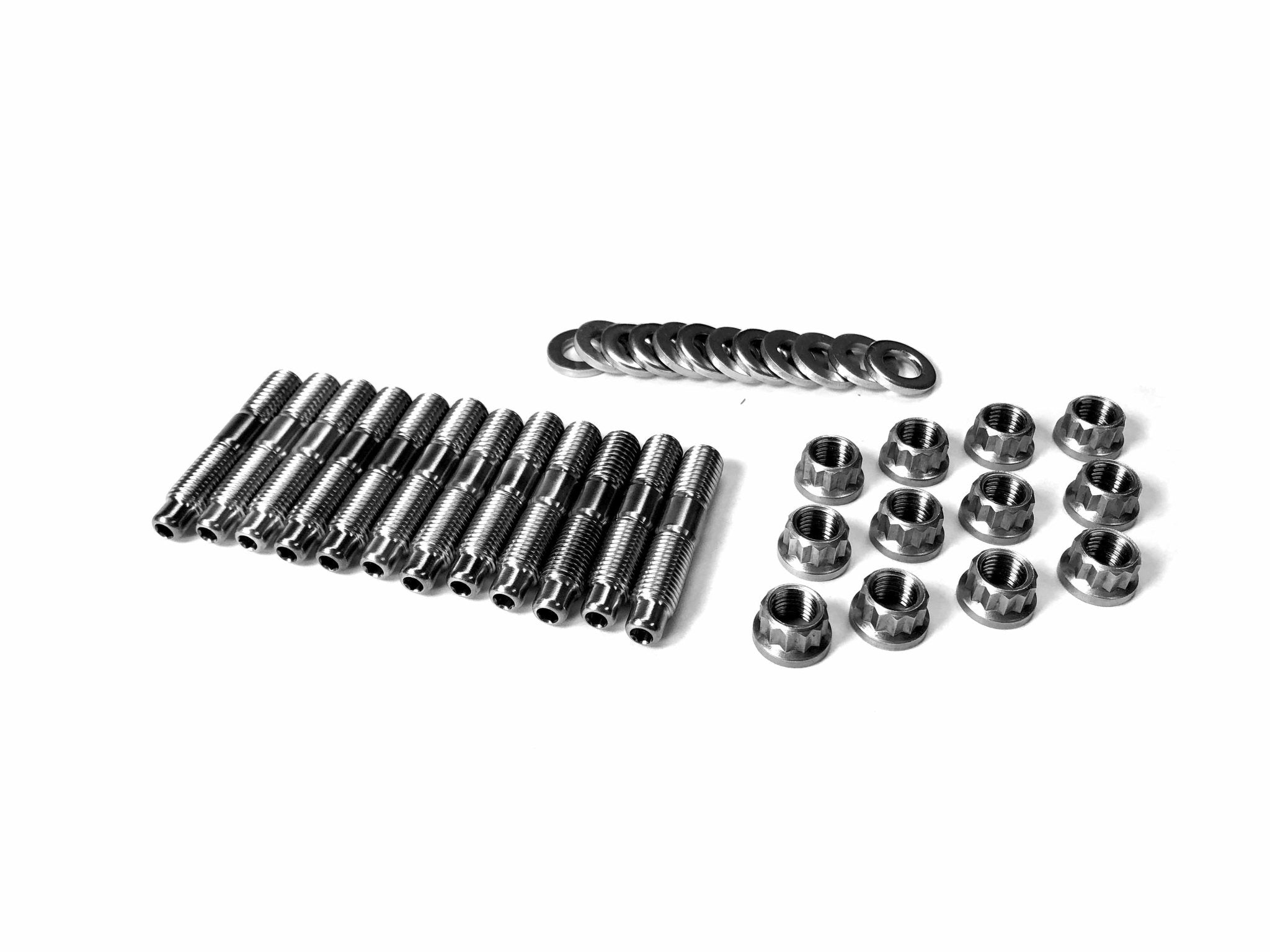
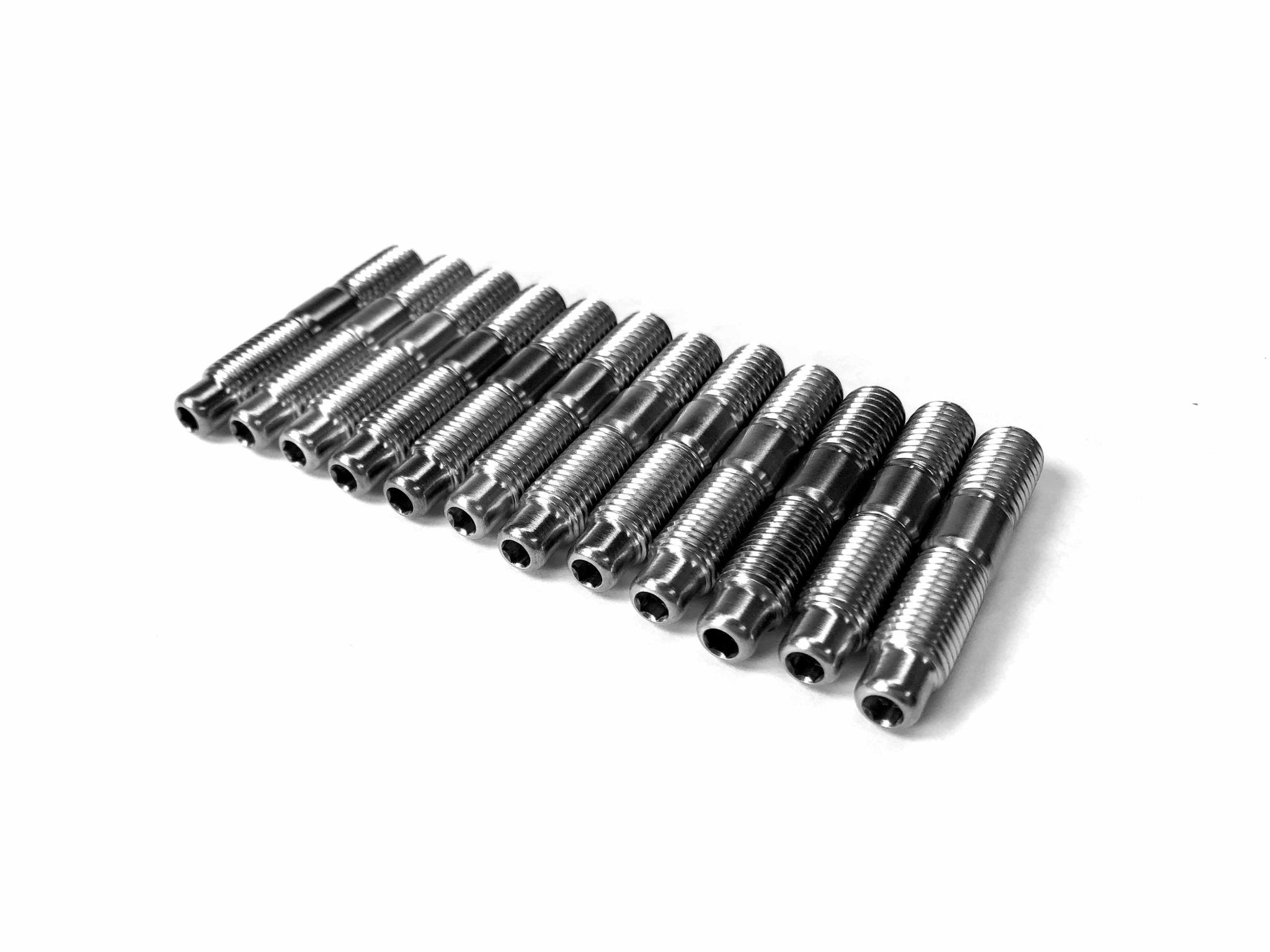
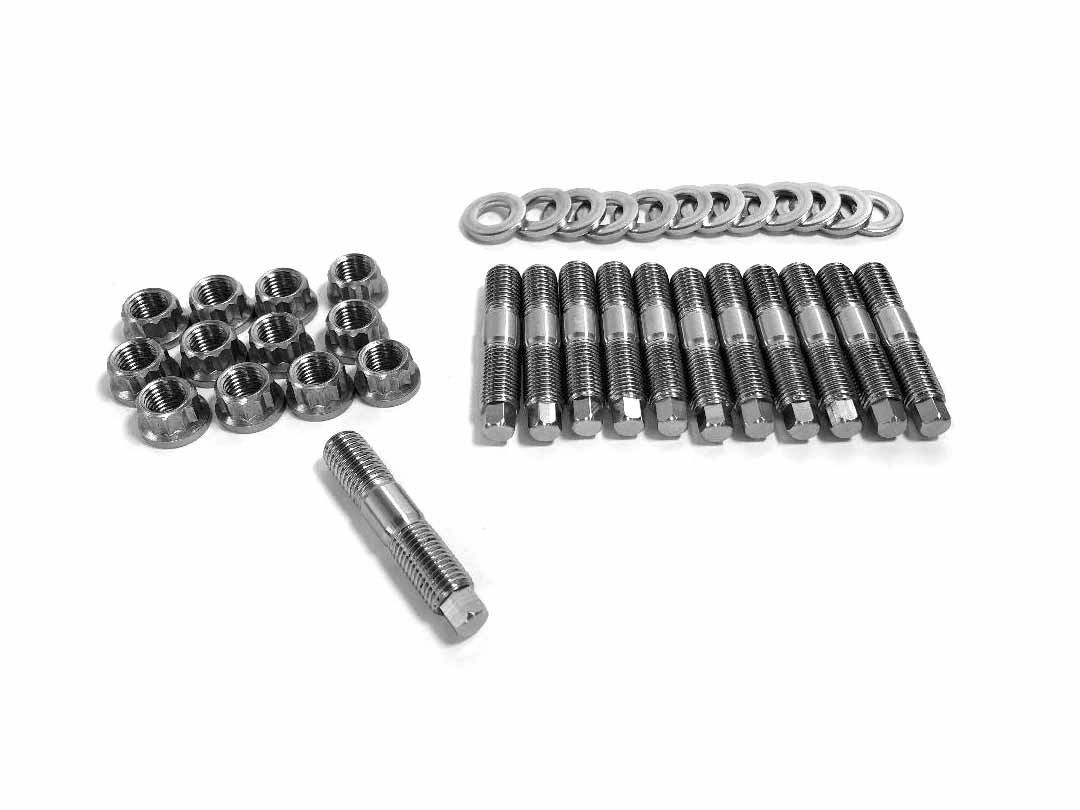
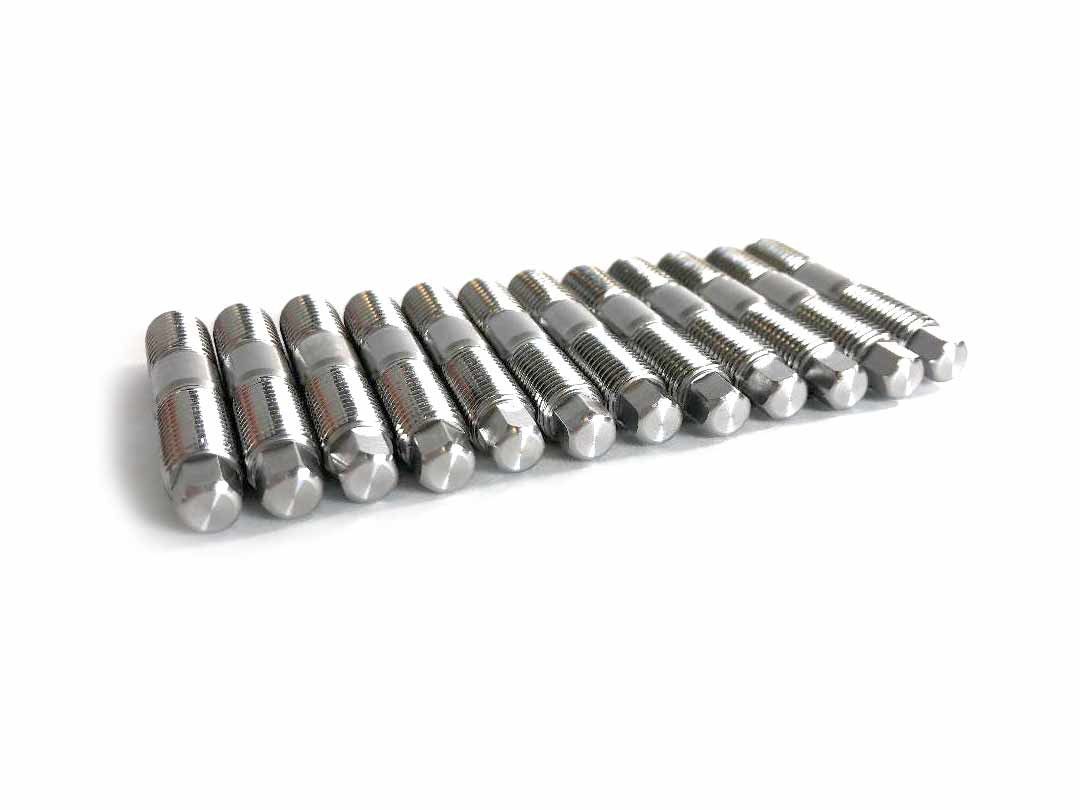
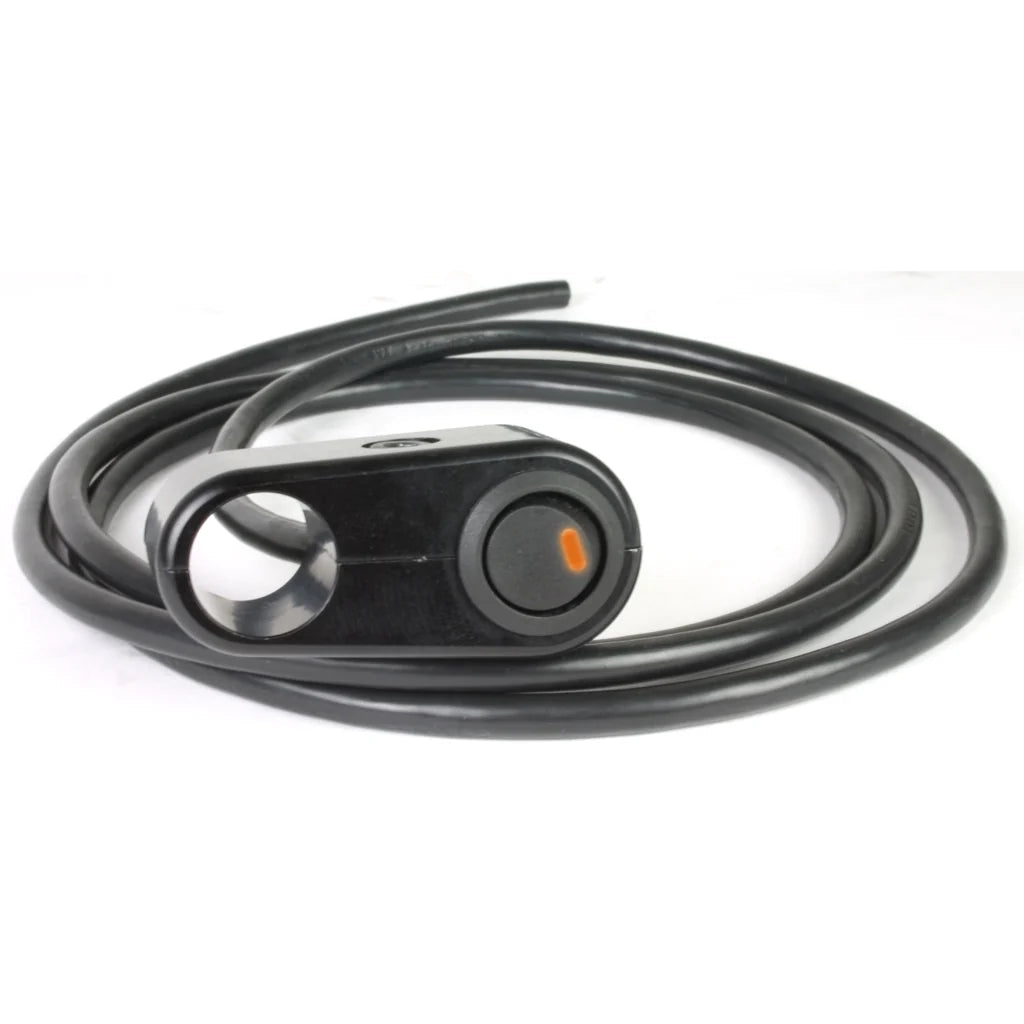
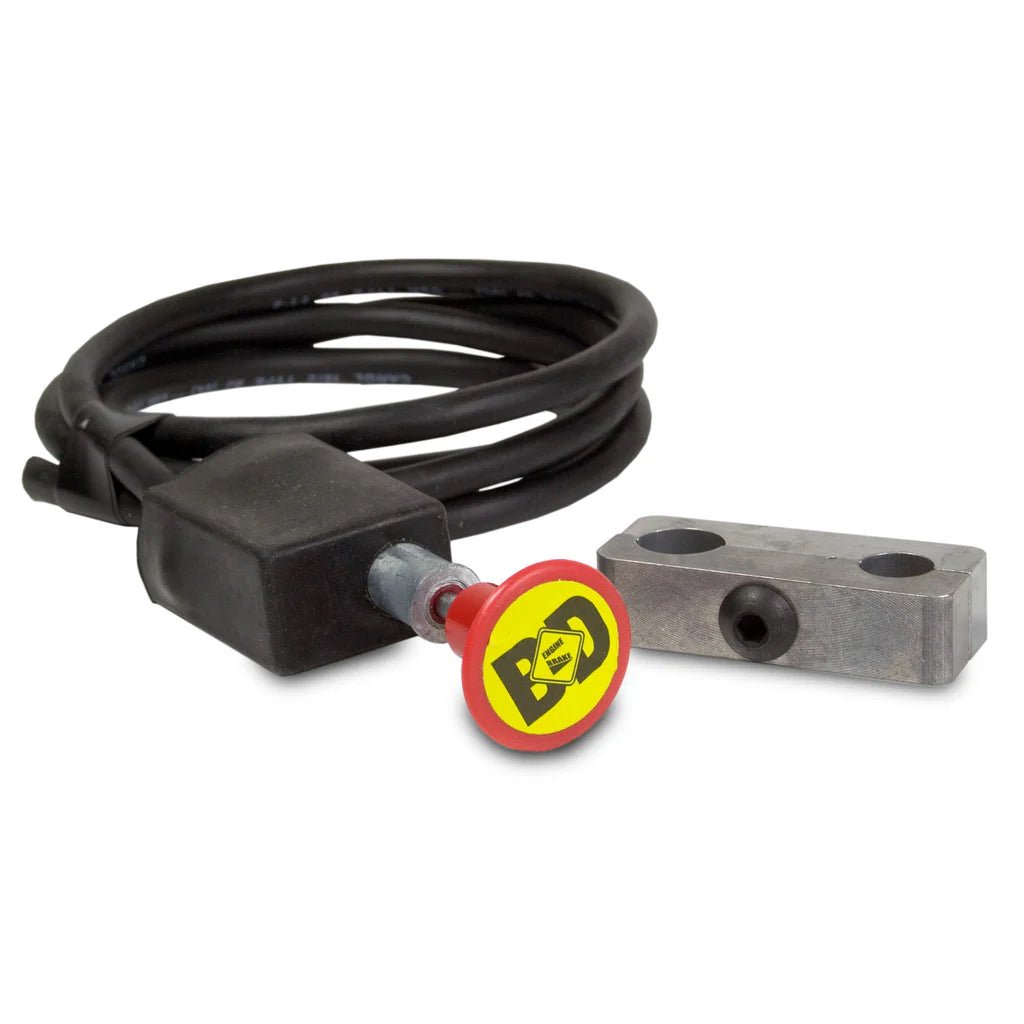
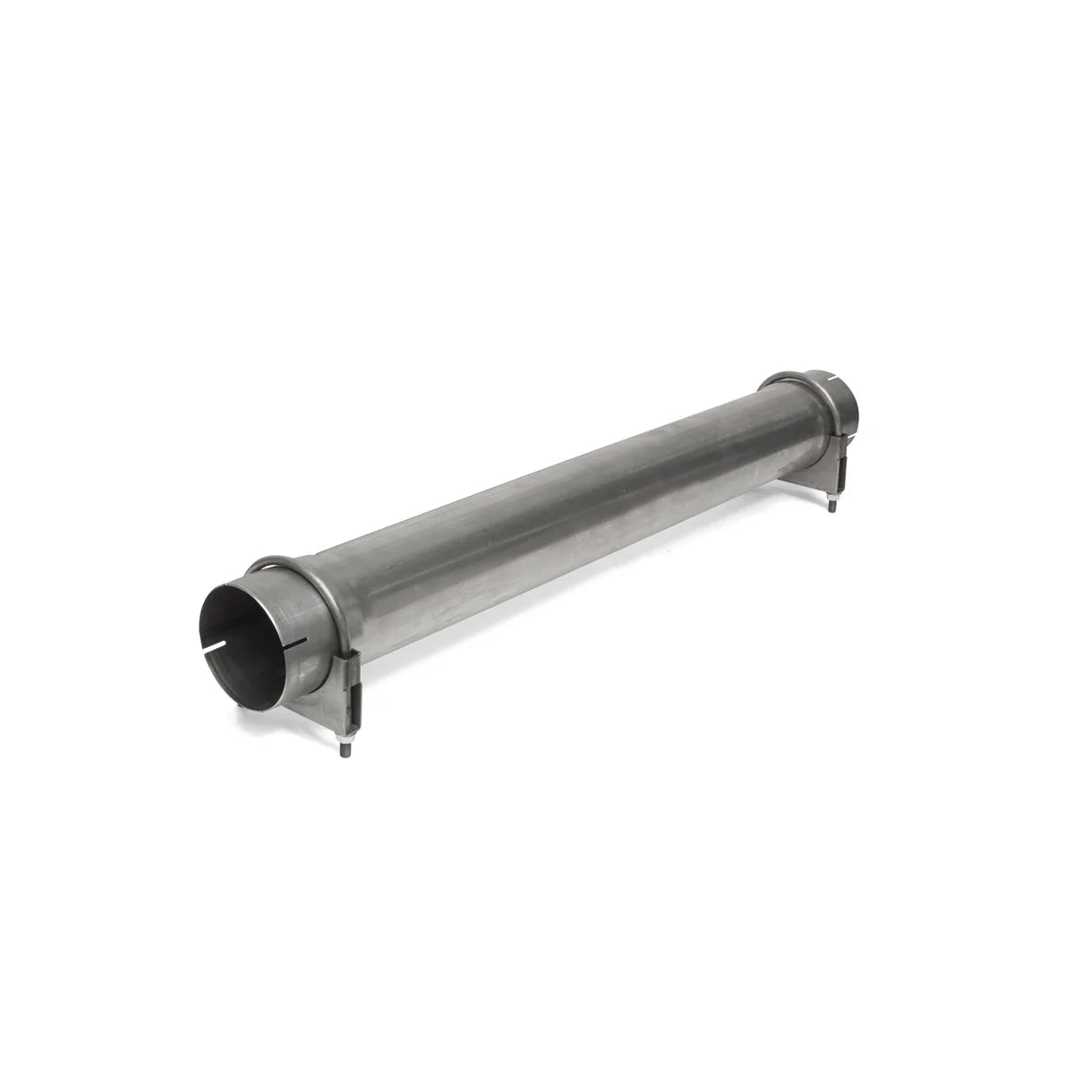
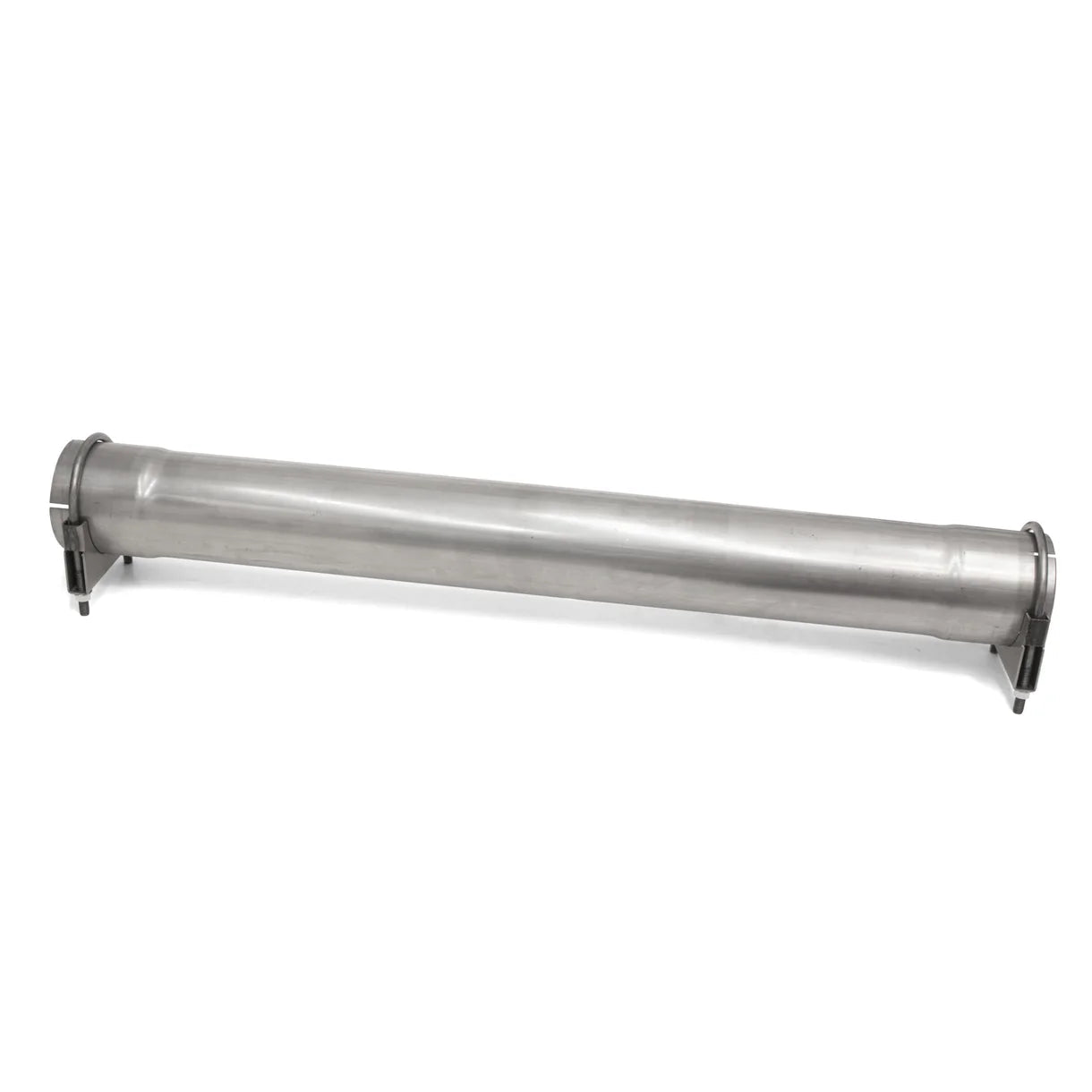
Manifold work is well covered: a Cummins genuine replacement manifold, a BD Diesel manifold and the ATS Pulse Flow manifold kit, plus gasket sets from MAHLE, BD and ATS. For the hardware that holds it together there are stud kits from Gator Fasteners, Fleece, Mishimoto and PPE, and bolt kits from PPE, BD and XDP. BD supplies the exhaust brakes in turbo-mount and remote-mount versions, along with a manual-transmission lever switch. Out back, MBRP covers mufflers, resonators and a wide run of 4-inch-inlet tips, PPE and Mishimoto add stainless and polished tips plus heat wrap, and Banks and MBRP add pipe and adapter pieces. The main exhaust section has parts that span more trucks.
Fitment notes
Everything here is for the 24-valve 5.9L in the Dodge Ram 2500 and 3500, built from mid-1998 through 2002. The 2002 heavy-duty trucks carried over on this platform even though the 1500 moved to the next generation, so a 2002 2500 or 3500 belongs here, and no second-gen 1500 ever had the Cummins. Turbo-back systems for 1994-1998 12-valve trucks are separate part numbers, so do not cross-shop them. Many studs, bolts and gaskets list wider year ranges that reach into the 6.7L years; read the range on each product. Turbo-mount exhaust brakes need the stock turbo or an aftermarket turbo with a stock-style discharge, and an HX40-style downpipe calls for an inline brake instead. On a 47RE automatic, plan on a lock-up controller with the brake. Check the truck's emissions label before changing anything from the turbo back, and verify by VIN when in doubt.
Frequently asked questions
Why does my 24-valve tick louder as the rpm goes up?
On this engine the usual cause is a cracked exhaust manifold, or a manifold-to-head or turbo-flange joint that started leaking after the manifold warped. Look for soot streaks around the ports and the turbo flange. Fix it promptly, before the crack spreads and you start losing boost.
Do I need a lock-up controller with an exhaust brake?
On a 47RE automatic, yes. The factory calibration does not hold torque-converter lock-up on deceleration, so a controller is part of the brake install. Manual-transmission trucks do not need one.
Turbo-mount or remote-mount exhaust brake?
With the stock turbo, or an aftermarket turbo that keeps a stock-style discharge, a turbo-mount brake goes on in place of the cast elbow. With an HX40-style downpipe, the turbo-mount will not work and an inline, remote-mount brake is the answer.
Where should the pyrometer probe go?
Pre-turbo, in the manifold or the turbo inlet. A downpipe probe always reads low. With the probe in the right place, keep sustained readings under about 1,250 F when you tow.
Is a 5-inch exhaust worth it on a mildly built truck?
The 5-inch turbo-back with a 4-inch downpipe is aimed at 600 hp-class builds. Below that, a 4-inch T409 stainless turbo-back built for these trucks still brings the towing benefits of an aftermarket exhaust: less turbo lag, more torque and lower EGT.
Not sure what fits? Call the shop at the number in the header, or use the fitment checker on any product page. We install everything we sell.