

Shop Tuning by Category

Filters
1 product
Not sure it fits your truck?
Our Wildwood, FL techs will confirm the right part for your build before you buy.
Call or Text (352) 722-5295Tuning on the 1994-1998 Dodge Ram 5.9L Cummins
The 12-valve will run with a single wire to the fuel shutoff solenoid. Every calibration point lives inside the pump, not in software. From the factory, injection timing sits at about 12 degrees before top dead center, the governor starts defueling the engine just under 3,000 rpm, and the turbo makes roughly 18 to 22 psi of boost. Two pieces inside the pump decide how much fuel the engine actually gets: the air-fuel control, which holds fuel back until boost builds, and the fuel plate, which limits how far the fuel rack can travel at full throttle. The highest factory calibration was the 215-hp pump paired with the manual transmission. That mechanical simplicity is a big reason the 12-valve is a favorite for straightforward builds.
What goes wrong when fueling changes
The factory limits protect parts that were sized for factory power. More fuel without the airflow to burn it, or without gauges to watch it, raises exhaust gas temperature and smoke and loads up the stock torque converter, the head gasket and the clutch. The head gasket is the usual first casualty. The factory 12mm head bolts lose 20 to 30 ft-lb of clamp with age and heat cycling, and gaskets have started leaking at as little as 200 rear-wheel horsepower once fueling goes up. Coolant pushed into the overflow bottle, a weep at the gasket line, or coolant loss under boost are the signs.
Stock calibration vs. pump work
For a work truck or a tow rig, the factory calibration is a sound place to stay, and keeping the pump healthy is the priority. When calibration work is called for, it is an injection pump shop's job: the pump comes off and gets rebuilt and set up on a bench, rather than changed with a plug-in device. Any part or service that changes factory fueling on a street truck falls under emissions rules, so ask for a CARB Executive Order number on the product and its paperwork before it goes on. Head work comes first on any engine that will see more load. A re-torque of the factory bolts at high mileage, or ARP head studs with a hot re-torque, is the standard step before serious fueling.
What we carry
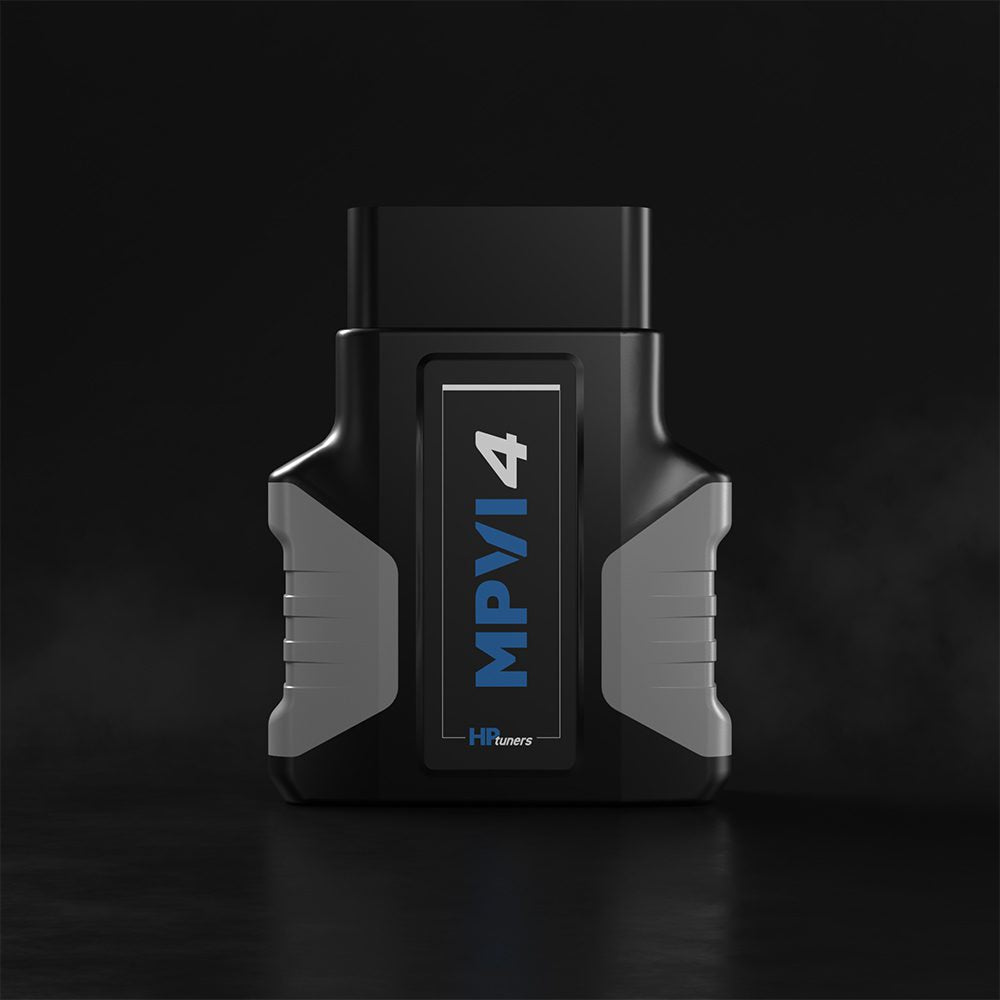
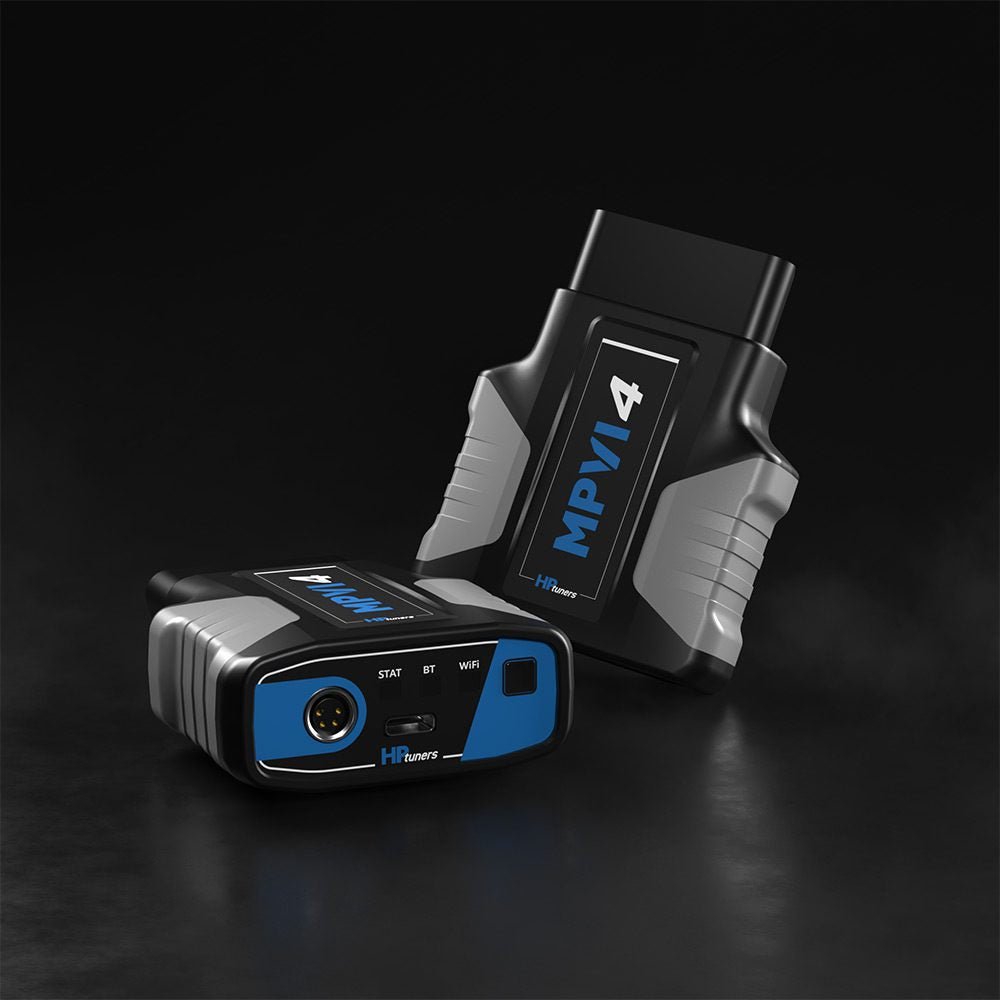
The tuning hardware listed here is the HP Tuners MPVI4 interface, and the wider lineup lives on our tuners page. Know what the MPVI4 is before buying it for a 12-valve: it is an interface for vehicles with an engine computer, and the 1994-1998 5.9L does not have one for it to read or rewrite. If you also run a later, computer-controlled truck, or you are not sure whether your 1998 is a 12-valve or a 24-valve, call the shop and we will confirm what it will and will not do on your truck before you order.
Fitment notes
A 1998 Ram can carry either engine, so check before buying anything for it. The 12-valve has the inline P7100 pump with a shutoff solenoid on top. The 24-valve that replaced it mid-year has the electronic VP44 rotary pump with a wiring harness. Electronic tuners, chips and OBD programmers are 24-valve (1998.5-2002) products and do not tune a 12-valve. Head gaskets, head bolts, injectors and the pump itself do not interchange across that split either.
Frequently asked questions
Can I put a programmer or chip on my 1996 Ram Cummins?
No. The 12-valve has no engine computer, and its P7100 pump is fully mechanical. Chips and OBD programmers are made for the 1998.5-2002 24-valve trucks.
What are the factory pump settings on a 12-valve?
Injection timing is about 12 degrees before top dead center, the governor starts defueling just under 3,000 rpm, and boost runs about 18 to 22 psi. The air-fuel control and the fuel plate limit rack travel.
How can I tell whether my 1998 is a 12-valve?
Look at the injection pump. An inline P7100 with a shutoff solenoid on top is the 12-valve. A VP44 rotary pump with a wiring harness means the 24-valve, and different parts apply.
What should be checked before adding power?
Start with the head. Factory bolts are routinely found 20 to 30 ft-lb low, so re-torque them or step up to ARP head studs. Add gauges so you can see exhaust gas temperature, and remember that any fueling change on a street truck is subject to emissions rules.
Is the HP Tuners MPVI4 right for my 12-valve?
Not for engine tuning, because there is no engine computer to tune. Call the shop before ordering so we can confirm what it supports on your specific truck or on another vehicle you own.
Not sure what fits? Call the shop at the number in the header, or use the fitment checker on any product page. We install everything we sell.